Nushikuma
Founded in 1887 (Meiji 20). A single-master-inheritance workshop of "Owase Wappa" — finishing through all 45 processes — with Owase hinoki and natural lacquer.
"Nushikuma" — performing "Owase Wappa" lacquerware manufacturing and sales in Mukai, Owase City, Mie Prefecture. Since the first generation Kumaichi founded in 1887 (Meiji 20) — protecting traditional techniques inherited for over 100 years — the fourth-generation Nushikuma finishes all 45 processes — from base making to lacquer coating — with one craftsman's hands. Using only carefully selected high-quality parts — among Owase-grown hinoki with fine, beautiful grain — and adopting pure natural lacquer without any additives for coating. Owase Wappa — made without using scientific materials at all — increases gloss the more it's used — loved by many people as "tableware usable for 100 years" — passed from parent to child: rice tubs, bento boxes, and mugs that draw out the deliciousness of freshly-cooked rice.

Why We Love It
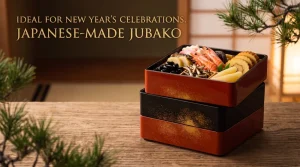
I hold awe for the "single-master-inheritance" technique of one craftsman performing all 45 processes — from base making to lacquering. Thanks to Owase hinoki's moisture absorption and natural lacquer's sterilization action — rice that has aged becomes delicious as if matured within the "wappa." A truly lifetime bento box — usable for decades through repeated repairs.

PROFILE About the Company / Workshop
"Nushikuma" — founded in 1887 (Meiji 20) by the first generation Kumaichi in Mukai, Owase City, Mie Prefecture. As a workshop handling "Owase Wappa" — loved as bento boxes for mountain workers — has continued uncompromising making. Hinoki nurtured by Owase's harsh nature has fine, beautiful grain — also strong enough to be used as pillar material. Using only carefully selected parts — by carefully cutting, bending, binding with cherry bark, and rubbing in lacquer many times — birthing unique gloss and texture.
Owase Wappa — passed from parent to child — is said to be durable enough to use for 100 years. What feels "warmth" and "love" not found in artificial materials — is precisely because it's composed only of natural materials: natural wood and lacquer. Like the people of old — who unwrapped wappa bento between mountain work to enjoy a moment of peace — even in modern living — also active as tools that warm the heart every time you scoop rice, pour soup, and pick it up.
The fourth-generation Nushikuma — while protecting traditional techniques — also challenges new lacquerware making — including the "microwave-compatible rice tub." After 2 years of home experiments to confirm whether it does not deform when warming freshly-cooked rice in the rice tub directly in the microwave — sent out with confidence — the product is well-received as Owase Wappa accompanying modern living.
Also — not only Owase Wappa manufacturing — also focusing on repair and maintenance of old lacquerware. Rice tubs and bento boxes — where lacquer has peeled off after long use — can again be active as the dining table's leading role through recoating. Because it takes labor and time — mass production is not possible — but making tools that can accompany long — putting heart into each one — that is the thought at the foundation of Nushikuma's making.
Founded in 1887 — a workshop dedicated to Owase Wappa
Nushikuma is a workshop that has continued making "Owase Wappa" exclusively — since founder Kumaichi founded it in 1887 (Meiji 20). With wappa — long loved as bento boxes for mountain workers — as the origin — while birthing rice tubs and bento boxes matched to changes in living — the stance of protecting all 45 processes remains unchanged. Currently — the fourth-generation Nushikuma inherits the technique — gathering nationwide support to the extent that orders have a 1-year wait.
Commitment to Owase hinoki, natural lacquer, and FSC-certified materials
The Owase region — long known as a high-quality hinoki production area. Even within that — carefully selecting only beautiful parts with fine grain — using as material combining strength and beauty. Furthermore — adopting FSC-certified wood — where responsible forest management is performed. For coating — using only pure natural lacquer — realizing Owase Wappa with excellent sterilization action and durability — gentle to both environment and people.
Owase Wappa finished by one craftsman through all 45 processes
Cutting out carefully-selected Owase hinoki, bending, binding with cherry bark, and rubbing in lacquer many times — Owase Wappa production has 45 processes from base making to coating finish. At Nushikuma — the fourth generation handles all of those by hand. It is not unusual for one wappa to take over 1 month to complete — but accordingly — the presence when held in the hand, and the gloss deepening the more used — are different.
Microwave-compatible rice tub — a new form of Owase Wappa
From the thought "if only we could warm rice in the wappa with microwave" — Nushikuma's original microwave-compatible rice tub was born. Focusing on the characteristic that natural lacquer is heat-resistant — through 2 years of daily microwave testing with the same rice tub — it was commercialized. Not only can you enjoy plump warm rice like freshly-cooked — but the moisture regulation and sterilization properties of wood and lacquer firmly support rice's deliciousness.
Becoming "tableware usable for 100 years" through repair and maintenance
Lacquerware — as it's used — lacquer wears thin and the plain wood may show — but at Nushikuma — also accommodating repairs of various lacquerware: Owase Wappa, of course, plus kagura, festival floats, and Buddhist altars. By performing recoating and repair — it can be passed from parent to child — to grandchildren — that way of being as "tableware usable for 100 years" is also a value Nushikuma cherishes.
LINKS Official Links / Social Media
- Official Website https://nushikuma.com/
- Online Shop https://nushikuma-shop.com/
- Contact Form https://nushikuma.shop-pro.jp/customer/inquiries/new
- Nushikuma's History https://nushikuma.com/about/
- Traditional Techniques https://nushikuma.com/tradition_bk/
- Care Methods & Repairs https://nushikuma.com/maintenance/
- News & Event Information https://nushikuma.com/category/news/
- Store Information https://nushikuma.com/#shop
- Online Shop (Nushikuma) https://nushikuma-shop.com/