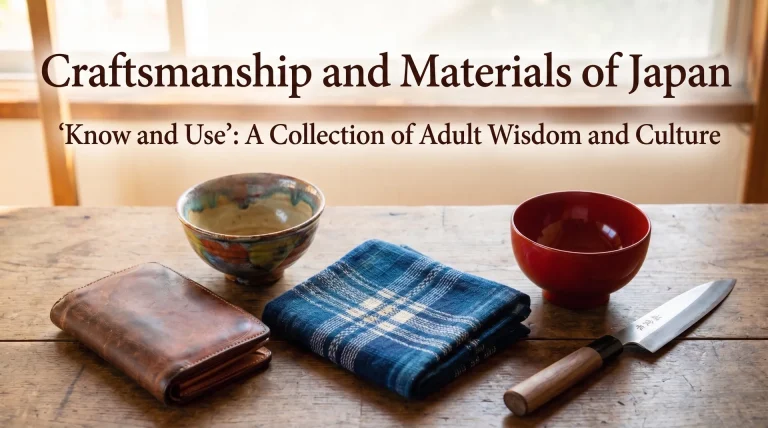
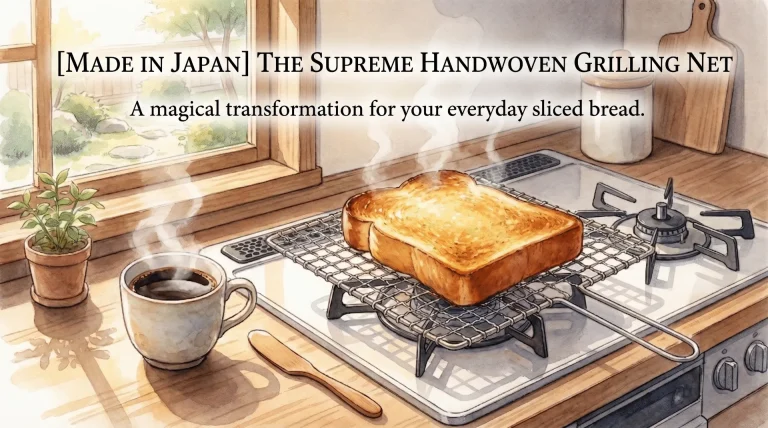
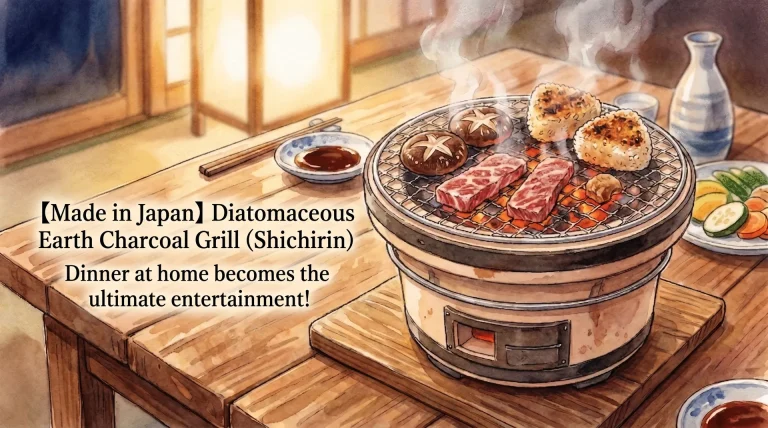
[Knives] The Secret of "Sharpness" Mesmerizing the World
The reason Japanese knives are cited as the world's best lies in the "forging" techniques inherited from Japanese sword-crafting.
・"Cellular-Level" Cutting that Alters Ingredients:
Cutting with blunt knives crushes ingredient fibers, allowing moisture and umami to flow out. Knives sharpened by Japanese artisans "sever" without destroying cells; consequently, tomato cross-sections shine, sashimi mouthfeel smooths, and onions won't induce tears.
・Santoku and Damascus:
The "Santoku Knife," the most common in Japanese households, is an all-rounder addressing three virtues (Santoku): meat, fish, and vegetables. Recently, "Damascus Knives" where heavily layered steel marks beautiful ripples, collect fervent support overseas via its artistic splendor.
[Iron Frypans] Tools to Raise, Lifetime Partners
Teflon pans are convenient, but hit their lifespan in a few years. Yet, Japanese iron frypans can be utilized for 10, 20, even 100 years.
・Heat Power Drawing out the "Maillard Reaction":
Fluorine-coated pans possess slow heat conductivity, dropping temperatures when injecting ingredients. Iron conversely holds high "heat retention," upholding high heat even when dropping in cold meats. Through this, the exterior instantly sears shutting in meat juices, unlocking aromatic scents (Maillard Reaction). That vegetable stir-fries don't become watery but "crisp" is thanks to this high heat.
・Rust-Resistant Latest Tech:
Although "maintenance" hurdles the introduction of iron pans, Japanese engineering resolves this.
Pans emerging hardened via nitrogen-infusing iron surfaces (nitriding processing), applying aircraft rust-prevention tech. They won't scratch even when vigorously scoured with metal brushes, non-rusting even washed with soaps. It's a revolutionary tool overturning iron norms.
[Yukihira Pots & Copper Pots] Functional Beauty Supporting Pro Kitchens
The silver pot inevitably spotted in Japanese kitchens, "Yukihira Nabe".
・The Reason behind Hammered "Tsuchime":
The bumpy surface isn't mere design. Tying the aluminum down with hammers boosts durability; increasing the surface area raises heat conductivity. Thus, water boils staggeringly fast, and stews finish plushly. The cleanly severing pouring spout accuracy proves Japanese manufacture.
・Golden "Copper Pots" and Tamagoyaki:
"Copper" holding the top-class metal heat conductivity. Copper tamagoyaki pans relay heat uniformly and instantly entirely, eliminating uneven burns to toast fluffy dashimaki tamagos. The aging transformation into amber as you use it adds to its appeal.
Q&A to Love Your Tools Longer
Q. My iron frypan burned and stuck.
A. Absolutely do not toss it! Letting it boil with hot water for a while to soften the burn, then scrubbing with a brush revitalizes it. Stubborn burns can be reset via "burning off (dry heating until carbonized)."
Q. How often should knives be sharpened?
A. If cooking daily, 1-2 times a month is customary. Reluctance to slide into tomato skins signals sharpening time. Simple sharpeners are handy, but whetstone sharpening once a year (or utilizing resharpening services) reawakens brand-new sharp edge.
Q. Anti-mold countermeasures for wooden cutting boards?
A. Getting both sides wet with water and wiping prior to use thwarts ingredient scents and dirts from penetrating. Post-use, wash along the wood grains with a brush, disinfect with boiling water, and stand it drying "with wood grains running vertically" in airy zones.