From the fields, the sea, the farms. Japanese ingredients overflowing with vitality.

Surrounded by the sea on all four sides, mountains occupy 70% of Japan's land. Its complex topography, abundant water resources, and seasonal temperature differences have created an "ingredient diversity" rarely seen in the world.
The taste of the material itself is profound. That is the charm of Japan's primary products. Here, we feature exceptionally fresh ingredients arriving from farmers dedicated to soil building, fishermen prioritizing freshness, and livestock farmers pouring their love. We deliver encounters with vitality-filled ingredients that bring about the words, "Today's meal is delicious."

How to choose Produce, Meat & Seafood

Tasting Japan's "Terroir (Climate & Soil)"

The word "Terroir" is used in the wine world. This refers to the personality imparted to crops by the unique climate, soil, and topography of that land. Japan is long from north to south, and within its narrow land, surprisingly diverse terroirs exist.

・Differences in Soil: Kanto's black soil (volcanic ash soil) sweetens root vegetables, while Okinawa's mineral-rich soil nurtures sugarcane and tropical fruits.
・Differences in Water: Japan's soft water refining crop fibers produces a fresh and juicy texture.
・The Magic of Temperature Differences: The "violent temperature difference between day and night" characteristic of basins and high-altitude areas acts as a switch for vegetables and fruits to store sugar to protect themselves, generating an intense sweetness.

Knowing the unique characteristics of each producing area is a shortcut to finding the tastes you prefer. At Made in JAPAN.JP, we introduce them along with the stories behind them, as "vegetables grown by Mr./Ms. XX in XX Prefecture."


World-Class Freshness Management. The Essence of "Fish-Eating Culture"

The reason Japanese fish are delicious isn't just good ocean currents. It's because the fishermen and distributors possess world-best "technologies to maintain freshness."

1. Ikejime / Shinkei-jime (Brain/Nerve Spiking)
A traditional Japanese technique that instantly destroys the fish's brain and nerves, delaying rigor mortis. This controls the time it takes for the fish's energy (ATP) to turn into umami components (inosinic acid), enabling chewy sashimi with no raw smell.

2. Seasonal "Hashiri, Sakari, Nagori"
Even for the same fish, how the fat rides changes depending on the period. Enjoying the transition of seasons through the tongue, like spring's first bonito (light) and autumn's returning bonito (rich), is a luxury unique to Japanese marine products.


Stock-raising Evolving with "WAGYU" Labelled as Art

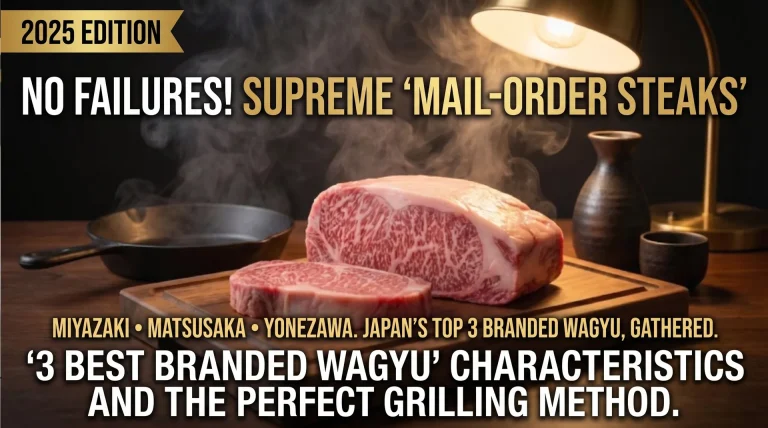
Japan's livestock products boast the world's highest peak quality, headed by "WAGYU."

・The Secret of Kuroge Wagyu's "Marbling (Sashi)"
Beautiful frost-like marbling features plenty of unsaturated fatty acids (oleic acid) and a melting point so low it melts at human body temperature. The aroma and sweetness spreading the moment it enters the mouth color the dining table on special days.

・Regional "Jidori (Local Chicken) & Brand Pork"
It's not just beef. "Jidori" like Hinai Jidori and Nagoya Cochin are raised exercising in spacious coops, thus their chewy texture and richness are on another level. For pork too, "brand pork" raised eating green tea or sweet potatoes exists across various regions, competing over the sweetness of the fat and the clean aftertaste.


Like Jewels. The "Luxury Fruits" the World Marvels At

Japanese fruits are treated as "luxury sweets" overseas.
Melons and mangoes of "one tree, one fruit" leaving only a single fruit on a branch to concentrate nutrition. Grapes and peaches carefully bagged one by one.
These are created through the painstakingly tedious labor of farmers. Every single fruit is inspected using a sugar content meter, and only those exceeding the standard are shipped, making the greatness of Japanese fruits lie in "never getting a bad one."


[Save for Reference] Seasonal Ingredient Calendar

A list of ingredients cheapest, most nutritious, and most delicious during their period.

🌱 Spring (March - May): Bitterness and Aroma
・Vegetables: Spring cabbage, new onions, bamboo shoots, wild vegetables (Aralia sprout)
・Seafood: First bonito, Spanish mackerel (Sawara), firefly squid, red sea bream (Sakura-dai)
・Fruits: Strawberries, Dekopon, loquats

☀️ Summer (June - August): Hydration and Color
・Vegetables: Tomatoes, cucumbers, eggplants, corn, edamame
・Seafood: Horse mackerel, conger eel, sea urchin, rock oysters, sweetfish (Ayu)
・Fruits: Watermelons, melons, peaches, mangoes

🍂 Autumn (September - November): Harvest and Fat
・Vegetables: Sweet potatoes, pumpkins, mushrooms, new rice
・Seafood: Pacific saury, salmon (chum salmon), mackerel, returning bonito
・Fruits: Grapes (Kyoho, Shine Muscat), pears, persimmons, chestnuts

❄️ Winter (December - February): Sweetness and Richness
・Vegetables: Radishes, napa cabbage, lotus roots, spinach (Chijimi spinach)
・Seafood: Crabs (Snow, King), yellowtail (Kan-buri), pufferfish, cod
・Fruits: Mandarin oranges, apples, strawberries (greenhouse cultivated)


Because It's the Staple, We Fuss Over It. How to Choose "Rice"

Japan has hundreds of rice varieties, but they can be broadly divided into two by texture. Using them strategically according to the dish elevates your dining table significantly.

1. Sticky & Sweet Types (Koshihikari, Yumepirika, Milky Queen)
Strong stickiness, a taste capable of taking the leading role purely as rice. Suited for onigiri (rice balls), Japanese cuisine, and bento boxes (delicious even cold).

2. Light & Firm Types (Sasanishiki, Tsuyahime, Seiten no Hekireki)
Good grain separation, crumbling lightly inside the mouth. Outstanding compatibility with moist dishes like curry, fried rice, sushi, and rice bowls.


Wisdom of Storage Without Wasting Ingredients (Q&A)

Q. What is the basic rule for making vegetables last long?
A. "Bringing it close to the environment it grew in" is the ironclad rule. Save root vegetables like radishes and carrots by standing them up. Wrap eggplants and cucumbers vulnerable to cold in newspaper so they don't get too cold, and place them in the crisper. Mushrooms increase in umami when frozen, so cutting and freezing them is recommended.

Q. How can I prevent bugs from boiling up in rice?
A. Rice dislikes places 15℃+ with high humidity. Rather than under the sink, placing it in a sealed container (plastic bottles are fine) and putting it in the "refrigerator's crisper drawer" is the strongest storage method. For room temperature, add chili peppers or dedicated insect repellents.

Q. I can't finish the fish that arrived.
A. Prepping (removing guts and scales) while freshness is good and thoroughly wiping away moisture is crucial. If you individually wrap pieces in cling film, place them in a ziplock bag, and freeze them, they can be eaten deliciously for two weeks. Turning it into a "marinated fish" (soaked in soy sauce, sake, and mirin) before freezing is also recommended.


GUIDES & STORIES for this category

We've picked up related guides and stories for this category from our selection of Japanese-made products.

Expanded Image

Welcome to MADE in JAPAN.JP

Register for free to save your favorite tools, post reviews, and earn scores.