
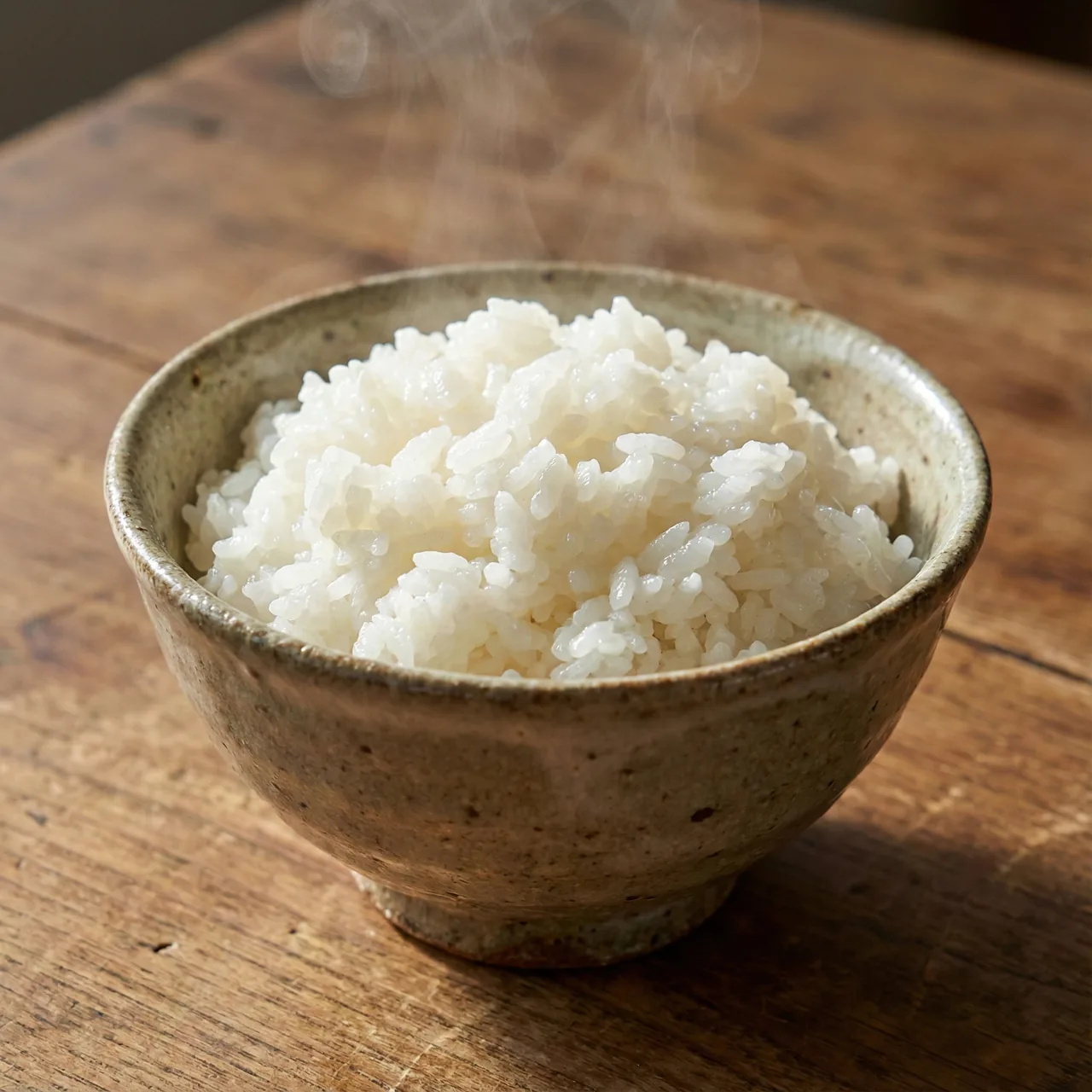
A bowl of freshly steamed, glossy white rice.
The moment you lay your favorite rice accompaniment (gohan no otomo) on top — there is no greater entertainment for a Japanese rice lover.
You no longer need to make a special trip to a department store basement or regional antenna shop. Today, the finest flavors from all across Japan arrive straight to your door.
This guide ranks our hand-picked TOP 10 mail-order rice accompaniments from across Japan — the kind that make it impossible to stop at one bowl.
Quick Reference: Rice Accompaniment Types at a Glance
| Category | Examples | Best Occasion | Storage |
|---|---|---|---|
| Seafood | Salmon flake, ikura, mentaiko | Breakfast, dinner | Refrigerated / frozen |
| Meat | Beef tongue chili oil, meat miso | Dinner, end-of-night rice | Refrigerated / room temp |
| Vegetable & Plum | Chirimen sansho, umeboshi, pickles | Breakfast, tea time | Refrigerated / room temp |
| Nori & Tsukudani | Nori tsukudani, nori butter | Breakfast, bento | Room temp (cool, dark place) |
1. How to Choose: Matching Your Accompaniment to the Moment
With countless options available, the key to avoiding disappointment is thinking about when you'll eat it and how it needs to be stored.
① Morning breakfast or late-night rice?
[For breakfast]
Start the day with something clean and light. Classic umeboshi (pickled plum), fragrant nori tsukudani (nori cooked in soy), and chirimen sansho (tiny dried sardines with sansho pepper) are gentle enough to ease a sleeping body into the day while delivering real flavor.
[For dinner or late-night rice]
When you want something satisfying after a long day — or to finish the night after drinks — reach for something with punch. Garlic-forward meat miso, rich seafood kimchi, or the now-famous beef tongue chili oil will fire up your appetite and make that last bowl unforgettable.
② Always check the expiry date and storage requirements
Don't be lulled into assuming a jar means a long shelf life.
Fresh seafood condiments in particular can have refrigerated shelf lives of just one to two weeks after opening.
If you're buying as a gift, or if you won't finish it quickly, look for products that are shelf-stable at room temperature, or opt for types that can be portion-frozen for later use.
2. TOP 10 Mail-Order Rice Accompaniments — Japan's Best
Our editorial team's hand-picked selection of "rice thieves" from all corners of Japan.
Seafood, meat, vegetables, and viral jar condiments — somewhere in this list is the one that will stop you mid-bite.
[Hall of Fame] Kashimaya (Niigata) / Sake Chazuke — Premium Salmon Flake
The gold standard of Japanese gifting. Oily King Salmon, hand-flaked with care into a silky, luxurious texture that puts every other salmon flake in a different category.
Check on Amazon →[Meat Depth] Jinchu (Sendai) / Gyutan Sendai Ra-yu — Beef Tongue Chili Oil
The next evolution of chili oil. Packed with chunky cubes of beef tongue, this delivers enough punch to take down a full bowl of rice entirely on its own.
Check on Amazon →[Ocean Jewel Box] Nakamuraya (Iwate) / Sanriku Kaiho-zuke — Luxury Seafood Soy Marinade
Abalone, salmon roe, and mekabu seaweed in a gorgeous soy marinade. So visually stunning on rice that your kitchen transforms into a high-end kaiseki restaurant.
Check on Amazon →[Hakata Classic] Fukuya / Aji no Mentaiko — Seasoned Spicy Cod Roe
The originator of mentaiko. Individual plump eggs with a vivid pink pop that ignites appetite the moment they hit a bowl of white rice.
Check on Amazon →[Kyoto Elegance] Shimokamo Saryo / Ryotei no Chirimen Nuts — Chirimen Jakko & Nut Blend
A creative spin on chirimen sansho — tiny dried sardines blended with nuts and dried fruit. Equally at home on rice, as a tea snack, or alongside a glass of wine.
Check on Amazon →[Nori Revolution] Kusefuku Shoten / Nori Butter — Nori Tsukudani with Butter
The sinful combination of domestic black nori tsukudani and butter. Extraordinary on rice — and equally good on bread. A true double-threat condiment.
Check on Amazon →[Spice Lover] Ishigakijima / Hengin Shokugyou / Ishigaki Ra-yu + Gekikara Ra-yu + Garlic Oil Set
The flame that started Japan's chili oil craze. A set of original Ishigaki chili oil, ultra-hot chili oil, and garlic oil — layered spice that becomes completely addictive.
Check on Amazon →[Ultimate TKG] Marushima Shoyu (Shodoshima) / TKG Soy Sauce — Seasoned Soy for Egg Rice
Stir chopped olives into this seasoned soy and your everyday tamago kake gohan evolves into something that reads like an Italian risotto.
Check on Amazon →[Premium Umeboshi] Katsukibai (Wakayama) / Amashitate "Kiwami" — Sweet-Cured Nanbai Plum
Each plum individually wrapped in washi paper — Wakayama's finest nanbai ume. A balance of sweetness and acidity that approaches the level of premium fruit.
Check on Amazon →[Grown-Up Salmon] Kusefuku Shoten / Otona no Shake-Shake Mentai — Salmon Flake with Spicy Cod Roe
Salmon flakes spiked with spicy mentaiko. A dangerous combination guaranteed to keep the bowl refills coming well past when you planned to stop.
Check on Amazon →3. [Important] Great Rice Accompaniments Deserve a Great Bowl and Chopsticks
If you're going to the trouble of ordering something exceptional to go on your rice, why not think about the vessel holding it and the tools bringing it to your mouth?
The same white rice becomes a completely different meal.
A ceramic rice bowl that keeps your rice warm longer
There's a warmth to clay that no synthetic material can replicate. Eating from a bowl you love somehow makes the rice itself look more beautiful.
The natural thickness of a ceramic bowl retains heat well, so every spoonful stays warm right down to the last bite.
Beautiful Japanese Rice Bowls — Our Favorite Made-in-Japan Picks
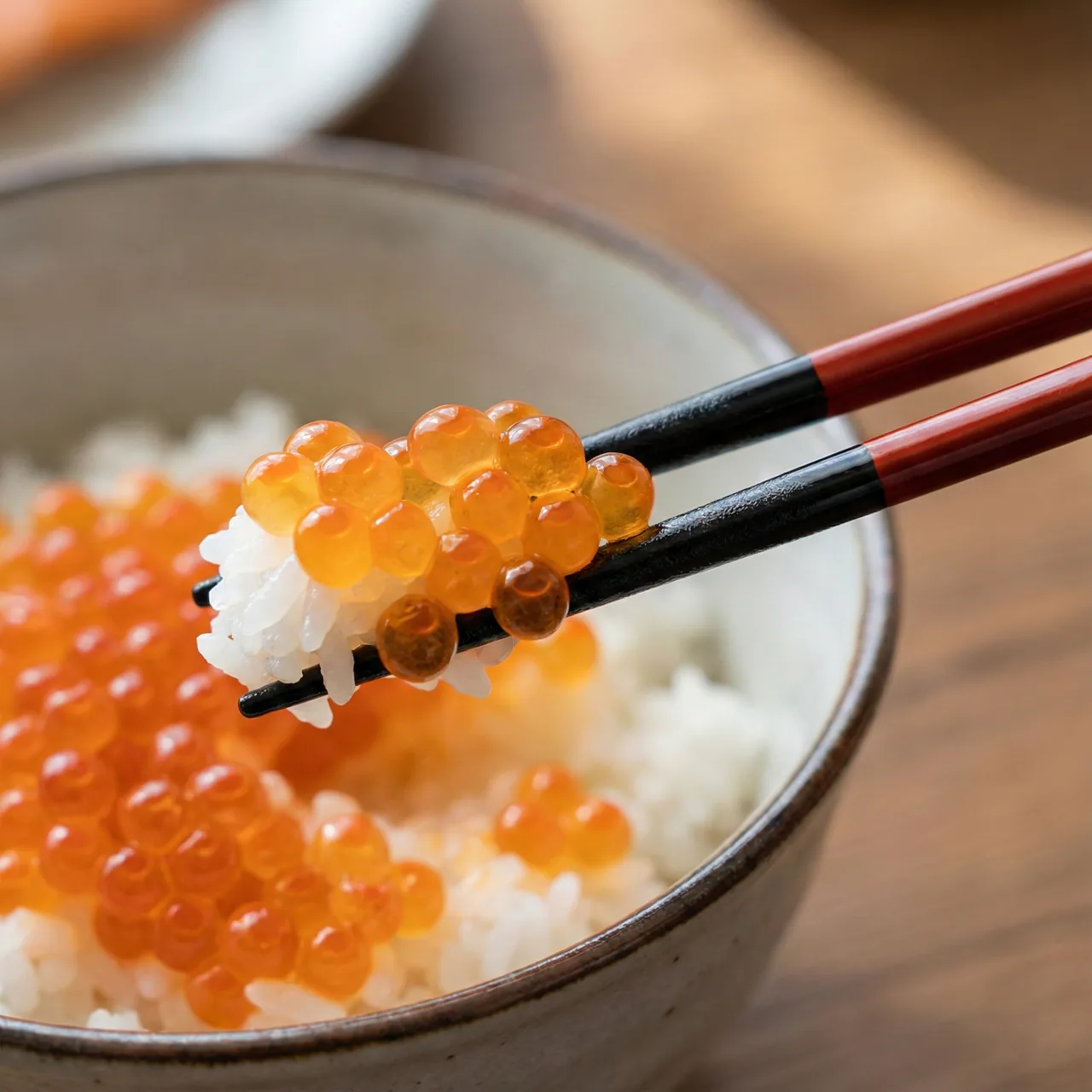
Fine-tipped lacquered chopsticks that change how food feels
Slippery ikura, tiny chirimen jako — ingredients that ordinary chopsticks fumble are picked up effortlessly with a well-crafted pair that tapers to a fine, precise tip.
The sensation of chopsticks leaving your mouth affects how you perceive the delicate flavors of the accompaniments themselves.
4. Frequently Asked Questions
How long can I keep it after opening?
It depends on the product, but premium items and seafood condiments made without preservatives typically last one to two weeks refrigerated after opening. Always use clean chopsticks or a spoon when removing portions to prevent mold and bacterial growth.
Can I freeze these?
Mentaiko, salmon flake, and chirimen sansho all freeze well — wrap individual portions in plastic wrap before freezing (usable for up to about one month). Never freeze in the original glass jar, as the jar may crack. Transfer the contents first.
Which type is safest to give as a gift?
Shelf-stable jar or tsukudani types are the most straightforward for gifting.
Seafood items have short shelf lives and require refrigerated shipping, so you'll need to confirm the recipient's schedule before sending.
When in doubt, classic salmon flake or nori tsukudani are crowd-pleasing picks that rarely miss.
Are there options suitable for children?
Chirimen sansho, umeboshi, and nori tsukudani — mild, unflavored Japanese-style accompaniments — are generally fine for children.
Spicy chili oil products and mirin-based processed items containing residual alcohol are not suitable for toddlers.
Always check the ingredient list and allergen information on the product page before purchasing for a child.
What should I look for when choosing a rice accompaniment via furusato nozei (hometown tax)?
Furusato nozei returns tend to offer large-quantity, high-value options that are great for families.
Salmon flake and mentaiko often come frozen in generous amounts — ideal for households that go through rice quickly.
Rare regional specialties like ikura and Sanriku sea delicacies are also easier to find through these programs, so searching by production region is a good strategy.
What's the difference between a rice accompaniment and a side dish?
There's no strict definition, but "rice accompaniment" usually refers to something intensely seasoned that works in small amounts placed directly on rice.
A side dish stands alone as its own dish; an accompaniment exists to enhance the white rice as its supporting cast.
Because of this, accompaniments are typically concentrated in salt and umami — a small amount delivers big satisfaction.
5. Final Thoughts: A Weekend Rice Feast
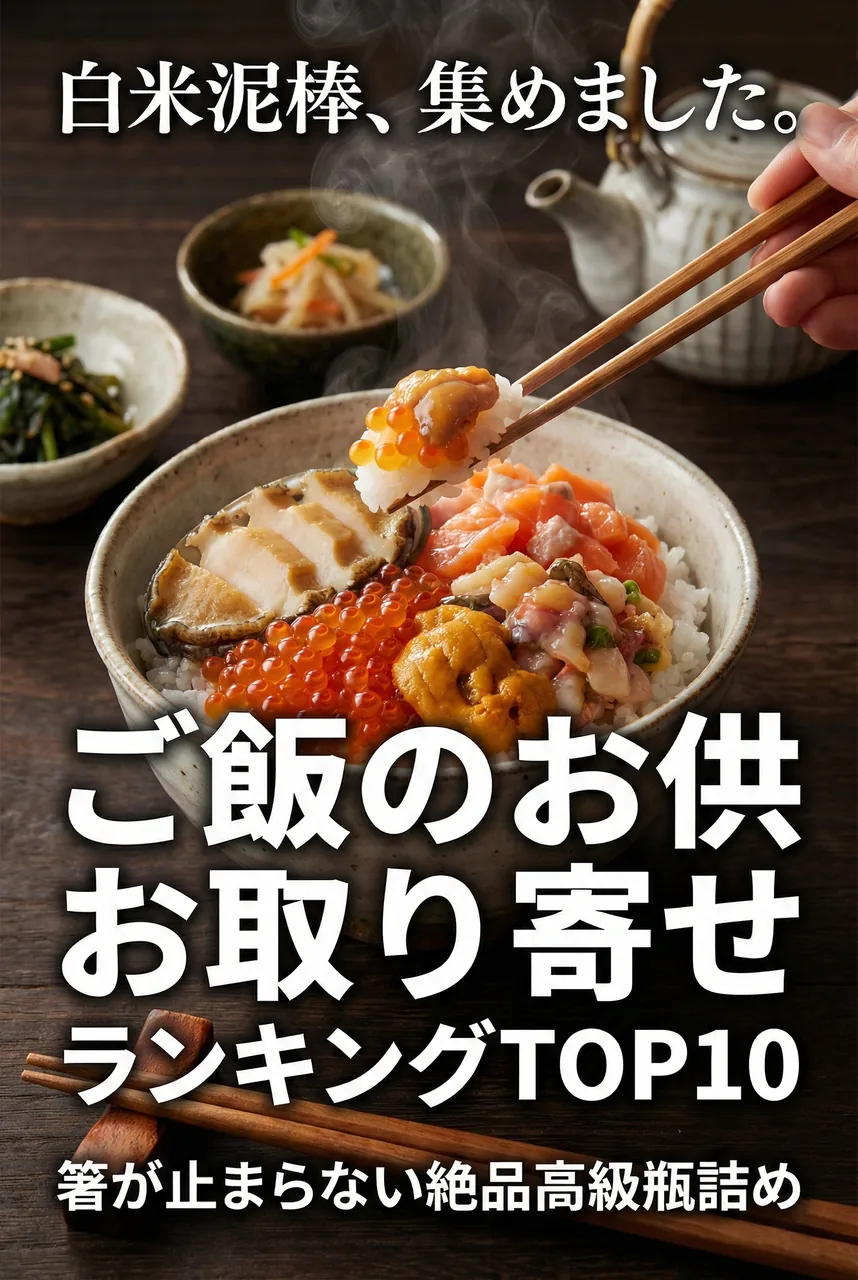
A single jar of the right rice accompaniment can give you something to look forward to every morning.
That small daily pleasure — it's a genuinely wonderful thing.
This weekend, why not take a little extra time to cook rice in a donabe clay pot, line up your mail-order picks, and host a proper "rice accompaniment party"?
Bring out your favorite bowl and chopsticks, and enjoy the most extraordinary bowl of white rice you've ever had.

Best Rice Accompaniments to Order Online | Japan's Top Picks Ranked

TKG (Tamago Kake Gohan) | Best Premium Eggs and Recipe Upgrades