Not sure which Japanese rice bowl to choose as a gift — or for yourself?
This guide covers Japanese-made rice bowls and pair sets, organized by material, region, and
budget.
The short answer: for a wedding gift or a present to your parents, a Hasami-ware or Arita-ware pair
set is the most universally loved choice.
① Choose by material: warm and rustic stoneware (Hagi-yaki, Onta-yaki) vs. sleek and practical
porcelain (Arita-yaki, Hasami-yaki)
② Choose by use case: everyday casual chic vs. elegant gift-worthy presentation
③ Choose by region: Hasami-yaki · Arita-yaki · Mino-yaki · Onta-yaki
You use a rice bowl nearly every day — upgrading even slightly transforms every meal into something more satisfying.
Quick Reference: Rice Bowl Types at a Glance
| Feature | Stoneware (Clay) | Porcelain (Stone) |
|---|---|---|
| Texture | Thick · matte · earthy warmth | Thin · smooth · polished sheen |
| Dishwasher / Microwave | △ Check each piece (generally no) | ○ Most pieces are compatible |
| Initial Seasoning | May be required | Not required |
| Notable Regions | Mashiko · Hagi · Onta-yaki | Arita-yaki · Hasami-yaki |
| Best For | Rustic warmth · folk-craft lovers | Daily durability · modern aesthetic |
1. How to Choose a Rice Bowl You'll Love for Life
It's easy to choose a bowl purely by looks — but understanding material and form will help you find a piece that truly fits your lifestyle.
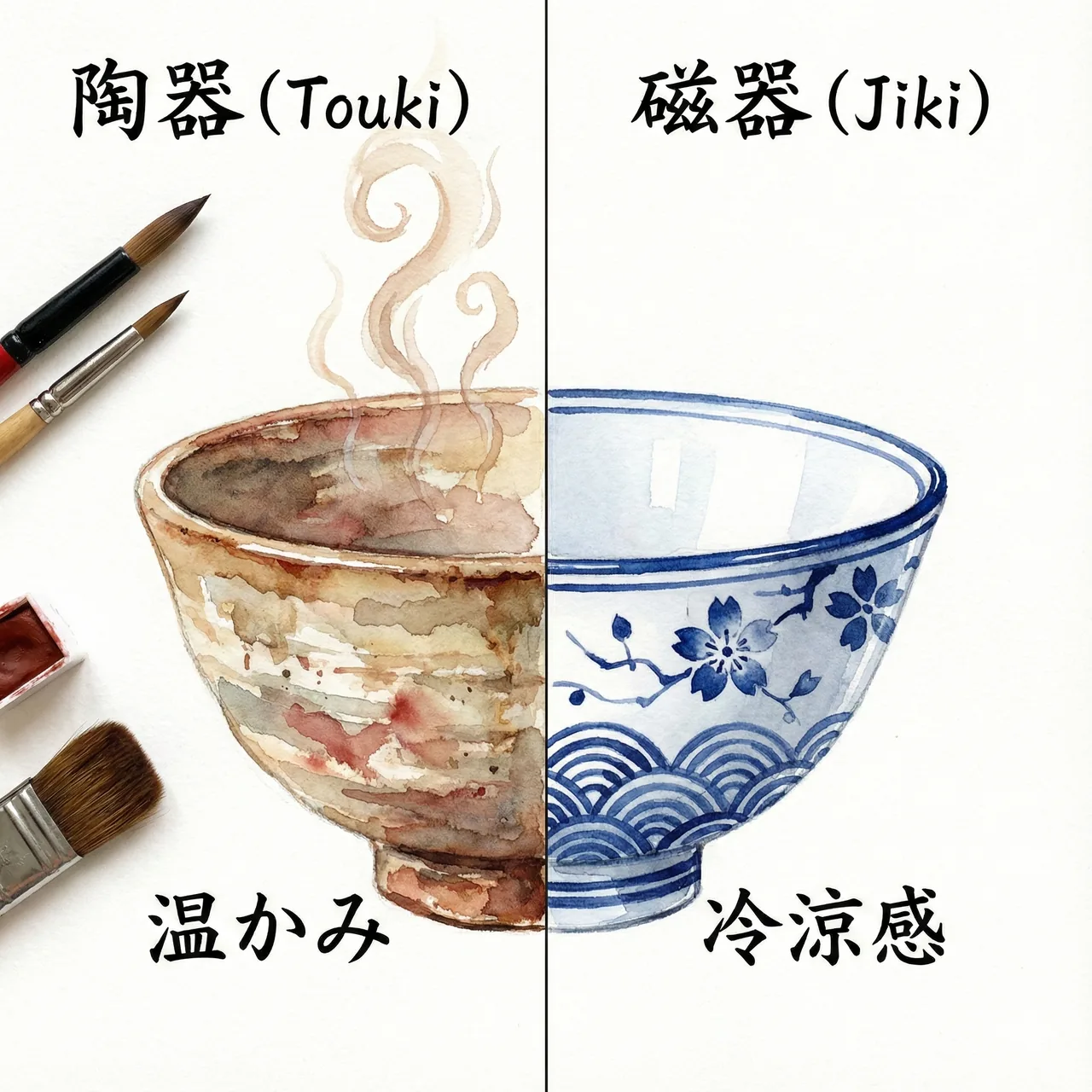
① Choose by Material: Stoneware vs. Porcelain
Stoneware (clay) — warm, rustic, tactile
Made from natural clay. Thick-walled, slow to heat and cool, with an earthy hand-feel. Classic examples
include Hagi-yaki and Mashiko-yaki.
※ Porous clay absorbs moisture, so first-time use often requires "seasoning" (me-dome) — see the FAQ below.
Porcelain (stone) — sleek, durable, modern
Made from ground pottery stone (tōseki). Thin, hard, and highly durable. The smooth, non-porous surface
resists stains and cleans easily, and lends itself to refined modern designs. Arita-yaki and Hasami-yaki are
the most celebrated examples.
※ Most porcelain pieces are dishwasher- and microwave-safe (check for gold/silver decoration).
② Choose by Size & Shape
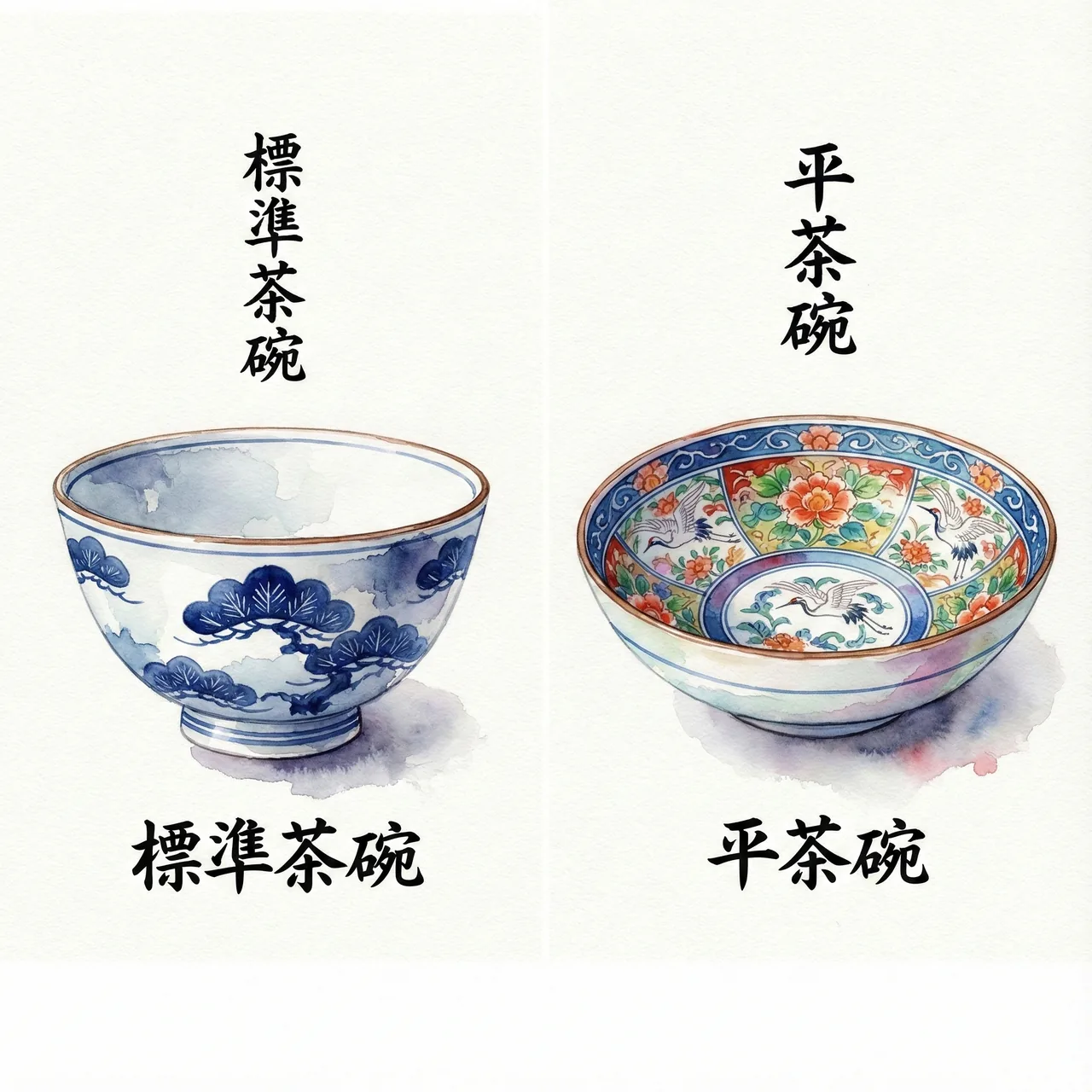
Standard rice bowl diameter is around 11 cm (4.3 in) for women and 12–13 cm (4.7–5.1 in) for men.
One increasingly popular shape is the hira-chawan (flat bowl) — wider and shallower than a
traditional bowl. It makes rice look beautifully fluffy, and doubles as a small side-dish bowl or dessert cup.
The trade-off: rice cools a little faster, so it suits those who prefer eating at a leisurely pace.
③ The Meaning of a Pair Set (Meoto Chawan)
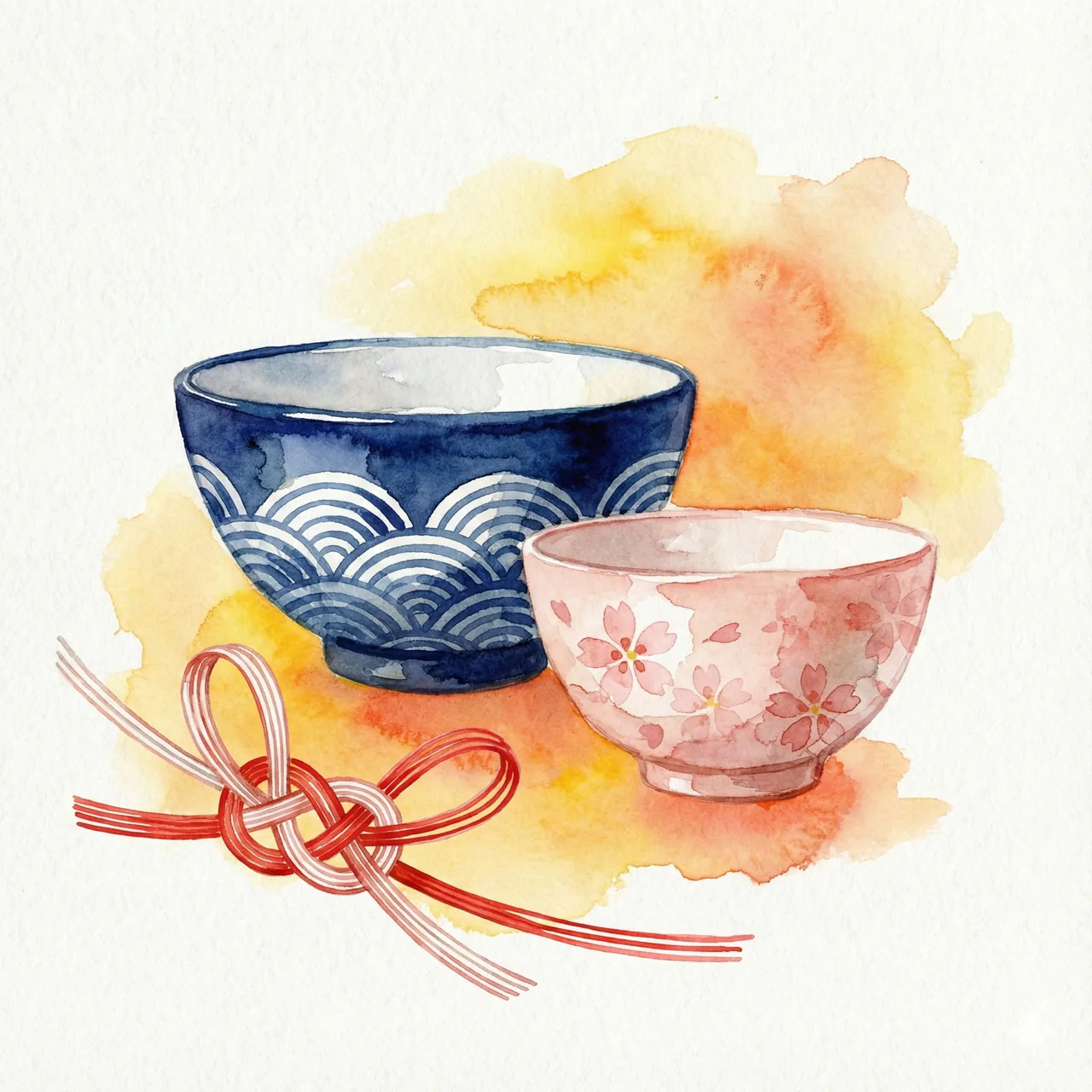
A rice bowl pair in two different sizes is called meoto-zoroi (sleep-and-harmony set) — long a symbol
of marital harmony in Japan.
They make a timeless gift for weddings, anniversaries, or parents' milestones. In recent years, same-size pairs
in complementary colors have also become popular — the most important thing is that both people love what
they've chosen.
2. 5 Best Japanese Pair Rice Bowl Brands
From modern Hasami-ware that dominates social media to premium Arita-ware fit for a formal gift, here are the Japanese-made brands worth knowing right now.
#1 Hakusan Toki (Nagasaki) — Flat Rice Bowl
The bowl that defines the modern Japanese table. A Good Design Award icon.
This flat, wide-mouthed hira-chawan from Hasami's beloved Hakusan Toki studio is a long-running classic —
and a design landmark. Its shallow profile makes every scoop of rice look beautifully fluffy, and it moonlights
perfectly as a small side dish, salad cup, or dessert bowl.
Available in over 200 patterns, so couples can pick their own combination. Designed by Masahiro Mori.
Highlights: Good Design Award winner · versatile shape · 200+ patterns
Hakusan Toki Flat Tea Wan — ST-17 Blue Stripe
The iconic award-winning hira-chawan by designer Masahiro Mori. Hasami-ware porcelain, approx. 5.9 × 2.1 in (15 × 5.3 cm). Order two in any color combination for a custom pair set.
View on Amazon#2 SAKUZAN (Gifu) — DAYS Series
Matte pastels and a sand-soft touch — contemporary Mino-ware at its best.
SAKUZAN's motto is "beautiful vessels make food taste better." Their DAYS series features a silky matte finish and
understated pastel tones — sage green, cream, pale terracotta — that complement both Japanese and Western meals
equally well.
Perfect for anyone who wants their breakfast table to feel like a café. SAKUZAN ships primarily through its own
online store; the Mino-ware pair below captures the same refined matte aesthetic.
Highlights: Matte finish · soft colors · dishwasher safe
Mino Ware Pair Rice Bowl — Togusa Vertical Stripe (Set of 2)
A set-of-two Mino-ware rice bowl pair with a clean vertical stripe pattern, made in Japan. The original recommendation is SAKUZAN's DAYS series (available via sakuzan.com); this pair captures the same modern Mino-ware spirit on Amazon.
View on Amazon#3 Azumaya (Nagasaki) — Flower Rice Bowl
Quiet craftsmanship that fits perfectly in the palm of your hand.
Tokyo lifestyle brand Azumaya (東屋) curates Japanese craft objects made to be used every day. Their Hasami-ware
rice bowl is slightly smaller than standard — it settles naturally into a woman's hand. The charming folk-art
motifs are applied using inban-sometsuke, an old transfer-print technique that gives each piece a
timeless, hand-touched feel.
Azumaya sells primarily through specialty retailers; the Hasami-ware pair below shares the same folk-pattern
character.
Highlights: Folk-art inban transfer print · compact size · everyday warmth
J-kitchens Isayama Kiln Pair Rice Bowl — Flower Core (Hasami-yaki)
A Hasami-ware pair set (red & blue flower motifs) hand-finished by artisans at Isayama Kiln, approx. 5.5 × 2.2 in (14 × 5.5 cm). The original recommendation is Azumaya's flower rice bowl, available at specialty Japanese homeware stores; this pair captures the same folk-inspired aesthetic.
View on Amazon#4 Koransha (Saga) — Pair Bowl Set
Imperial Household supplier. The most prestigious gift you can give.
Koransha is one of Arita's most storied porcelain houses, a supplier to Japan's Imperial Household. Their
signature cobalt-blue ruri glaze and delicate orchid hand-painting exude a refinement that is immediately
recognizable.
For a gift to parents or to mark a formal occasion — a wedding, an anniversary, a milestone birthday — there is
simply no safer or more gracious choice.
Highlights: Imperial Household supplier · orchid painting · formal gift
Koransha Orchid Bloom Pair Bowl Plate (2801-2HCDN)
An authentic Koransha two-piece set in the brand's iconic orchid pattern — Arita porcelain at its most refined. Ideal as a wedding gift or for parents. The Koransha brand has supplied Japan's Imperial Household for generations.
View on Amazon#5 Onta-yaki (Oita) — Folk Stoneware Bowl
Folk-craft magic. Any everyday dish looks twice as good in this bowl.
Deep in the mountains of Oita Prefecture, only about ten family kilns produce Onta-yaki — entirely by hand,
without machines. The defining decoration is tobikanna: a rhythmically chattering blade dragged across
the spinning clay to create dynamic geometric ridges.
This rustic, forceful aesthetic has a way of making even the simplest weeknight dinner look like a feast. A true
folk-craft treasure, designated an Important Intangible Cultural Property of Japan.
Genuine Onta-yaki is sold through specialist pottery shops; the tobikanna-decorated stoneware below shares the
same hand-carved spirit.
Highlights: Tobikanna hand-carved pattern · folk-craft warmth · Important Intangible Cultural Property
Seto Ware Tobikanna Rice Bowl — Sanji Gosan (Gift Box)
A Japanese stoneware rice bowl featuring the same tobikanna (chip-carved) decoration technique used in Onta-yaki, presented in a gift box. The original recommendation is a genuine Onta-yaki bowl from Hita, Oita — available at specialty folk-craft shops like japanclassic.shop; this Seto-ware piece captures the same hand-carved aesthetic.
View on Amazon3. Complete the Table: Chopsticks & Donabe
Once you've found your perfect rice bowl, it's natural to look at the rest of the table.
The right tools around a beautiful bowl make every meal feel complete.
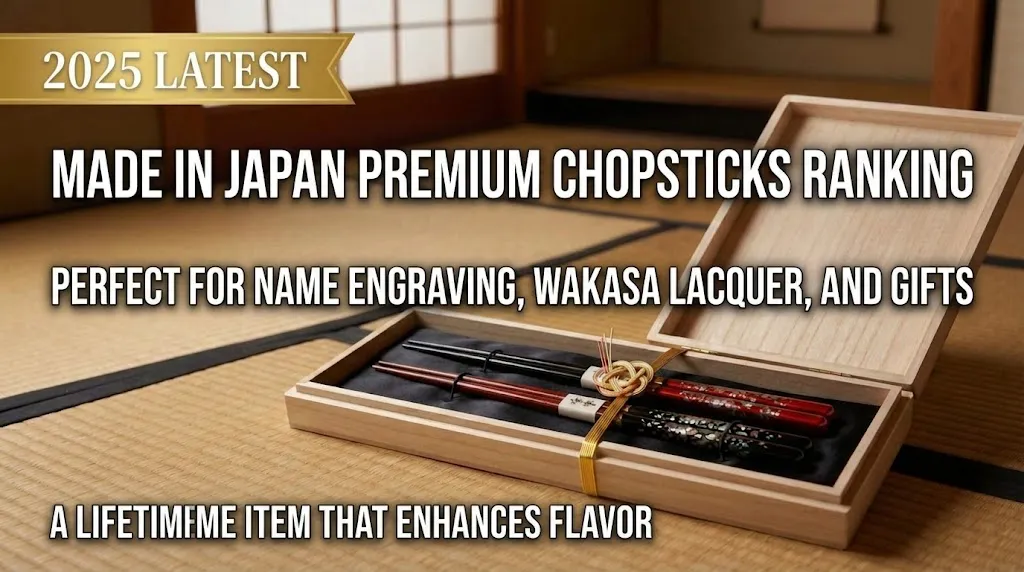
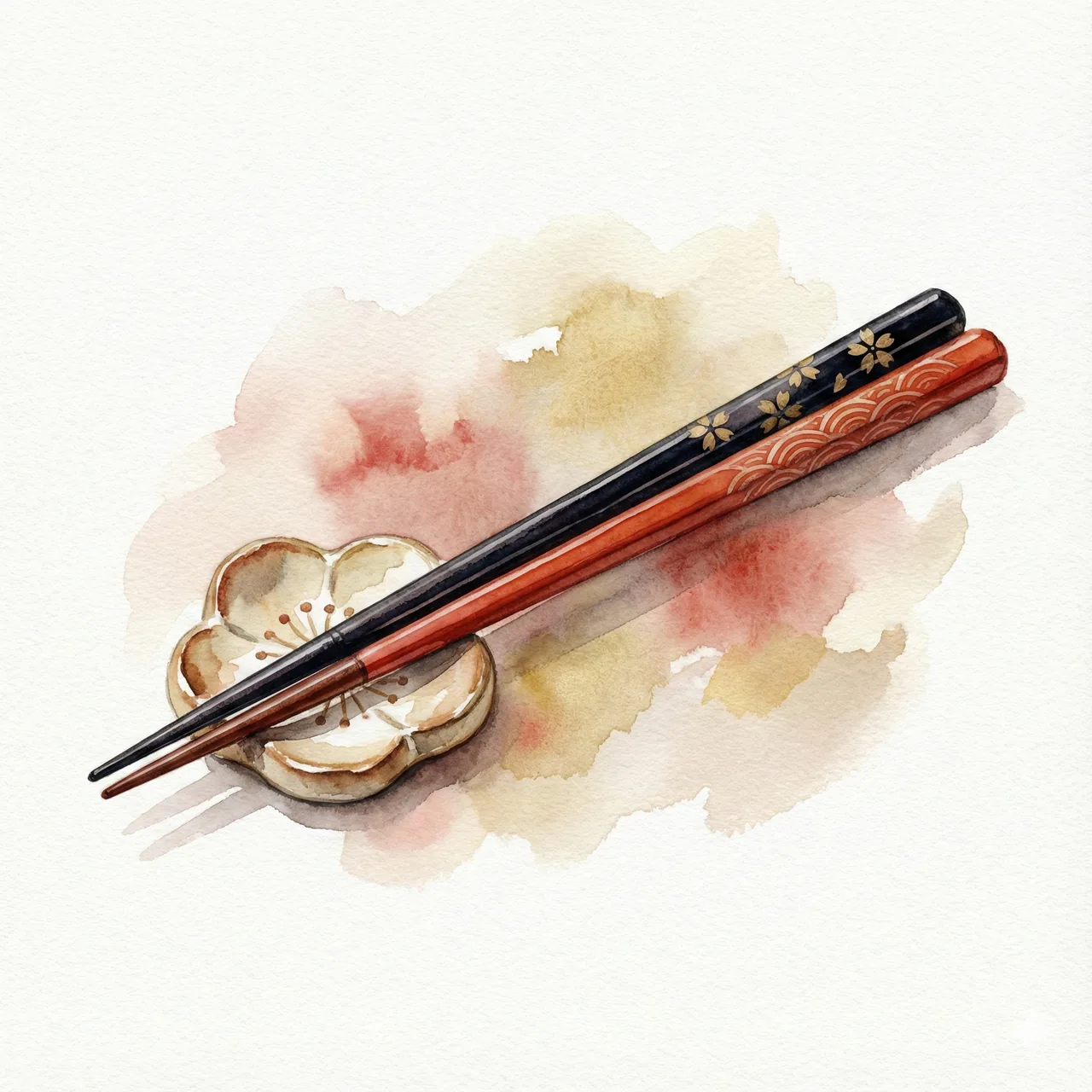
Complete the Gift: Pair Chopsticks (Meoto-bashi)
A fine bowl deserves fine chopsticks.
Japanese lacquered chopsticks — especially those with ultra-thin, tapered tips — have a clean, effortless feel
in the mouth that flat-tipped chopsticks simply can't match. Gifting a pair bowl together with matching
lacquered chopsticks elevates the set to something truly memorable.
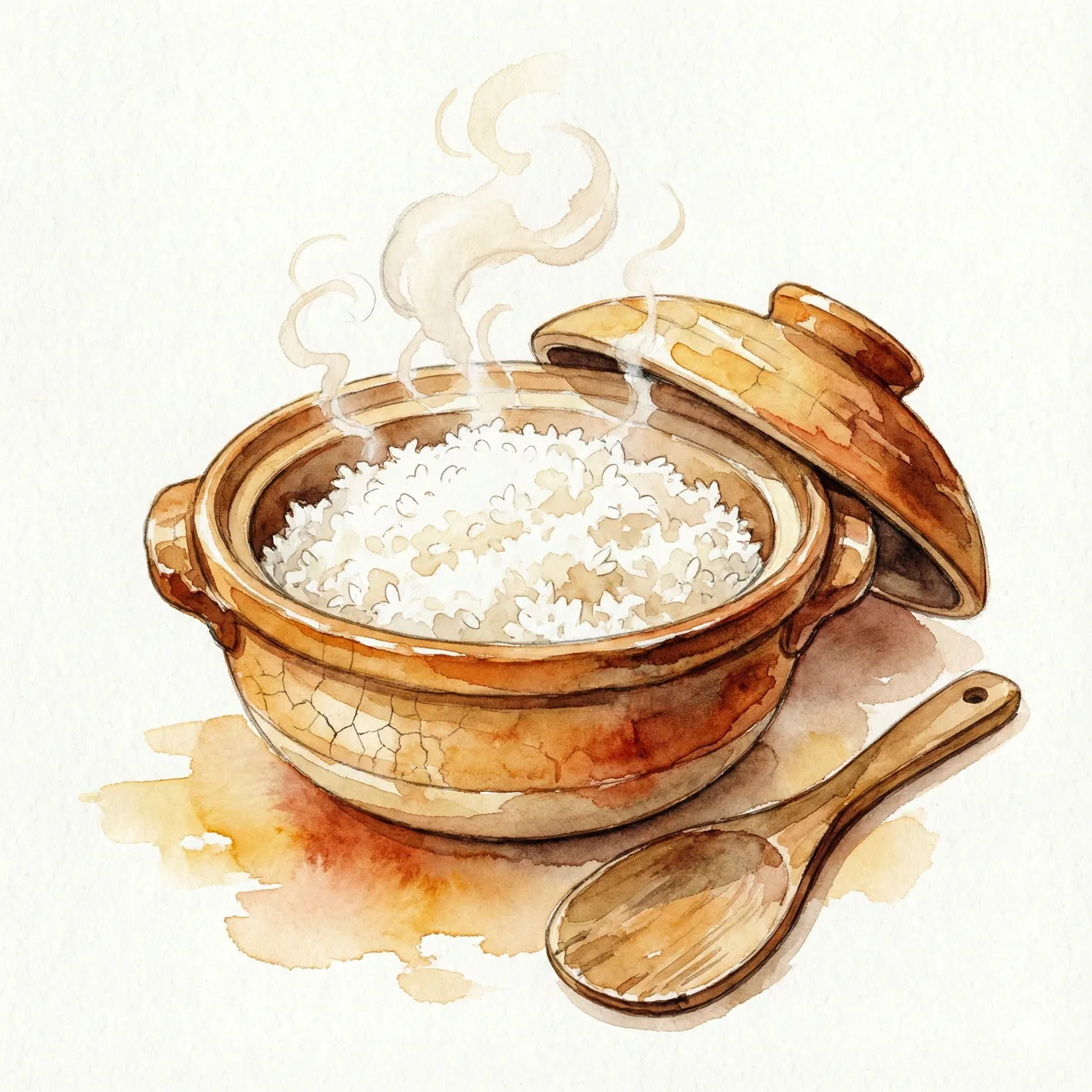
Unlock Your Rice's Potential: A Donabe Rice Cooker
Now that you have the perfect bowl, why not fill it with the perfect rice?
Cooking rice in a traditional donabe (clay pot) uses far-infrared heat to produce each grain plump and slightly
separate — with the bonus of a faint, nutty okoge (scorched rice) crust at the bottom that no electric
cooker can replicate.
4. Frequently Asked Questions
What is "seasoning" (me-dome) for stoneware bowls?
Me-dome is an initial treatment for porous clay pottery (such as Hagi-yaki and Onta-yaki) before first use.
You boil the bowl in the water left over from washing rice (togi-jiru). The starch fills the clay's microscopic
pores, reducing the risk of staining, odor absorption, and water seepage.
Porcelain pieces (Arita-yaki, Hasami-yaki) are non-porous and do not require this step.
Can I use a dishwasher or microwave?
Most porcelain pieces are compatible — but pieces with gold or silver decoration (kin-saiku / gin-saiku) must
never go in the microwave, as the metallic paint will spark.
Stoneware (clay pottery) is generally hand-wash only: rapid temperature changes and high water pressure increase
the risk of cracking.
Always check the label on the specific product before use.
Should a pair bowl set be two different sizes or the same size?
Traditionally, a slightly larger bowl for the man and a smaller one for the woman is the convention — but there is
no fixed rule about which is "correct."
In recent years, same-size pairs in contrasting colors, or identical matching pairs, have become equally
popular.
The best pair is the one both people love and will actually use every day.
How do I make my rice bowls last longer?
For porcelain: dishwasher use is usually fine, but avoid stacking bowls carelessly — rim-to-rim contact over time
causes micro-scratches.
For stoneware: rinse and wash promptly after use, then let the bowl dry completely before storing to prevent mold
inside the clay.
Both types: avoid extreme temperature shifts — don't fill a cold-from-the-fridge bowl with hot soup straight away,
as thermal shock can cause cracking.
What budget should I expect for a pair bowl gift?
General guidelines:
· $25–$55: Hasami-yaki or Mino-yaki casual pair — great for friends or a housewarming.
· $70–$130: Arita-yaki formal pair set — the classic price range for wedding gifts.
· $180+: Premium Arita brands like Koransha (Imperial Household supplier) — for parents or formal
occasions.
Because both people use the bowl every single day, spending a little more genuinely pays off in long-term
enjoyment.
What is the difference between Hasami-yaki and Arita-yaki?
Both are porcelain traditions from Nagasaki and Saga prefectures in Kyushu, but they have distinct
personalities.
Arita-yaki has over 400 years of history as Japan's premier luxury porcelain — celebrated for
intricate hand-painting and formal prestige. It is the gold standard for gifts.
Hasami-yaki shares the same regional origin but has evolved toward clean, modern design for
everyday use — more casual, more affordable, and enormously popular today.
A useful shorthand: Arita for formal gifting, Hasami for stylish daily living.
5. Final Thoughts: An Investment That Changes Every Meal
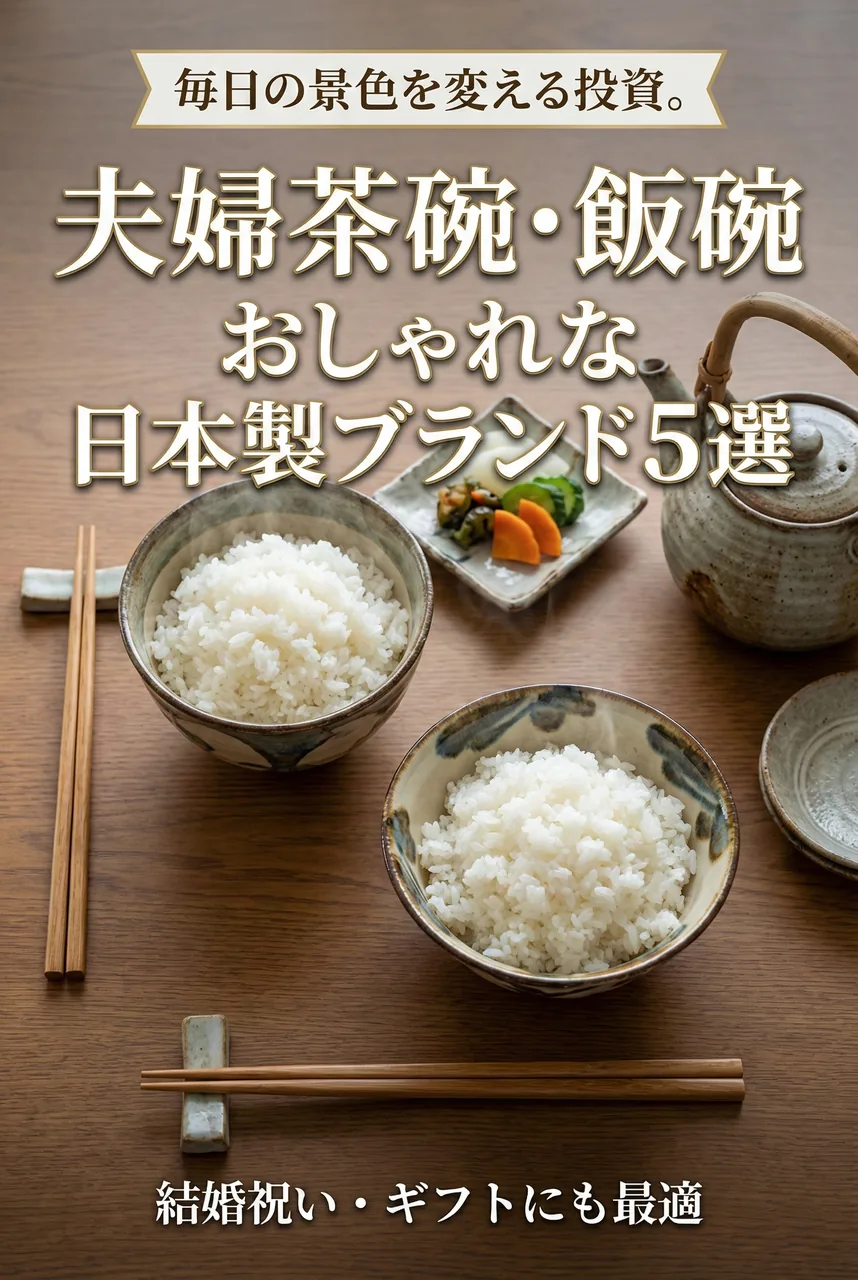
Changing your rice bowl changes the entire feeling of a meal.
A small investment — and yet every one of the thousands of meals that follow becomes a little more beautiful, a
little more satisfying.
Take your time and find the bowl that truly feels right in your hands.
And once you've found it — why not pair it with equally beautiful chopsticks?
Japanese Soup Bowls: How the Right Lacquer Bowl Makes Miso Taste Better

Japanese Lacquerware: Wajima vs. Yamanaka — Top 5 Urushi Brands for Bowls & Jubako