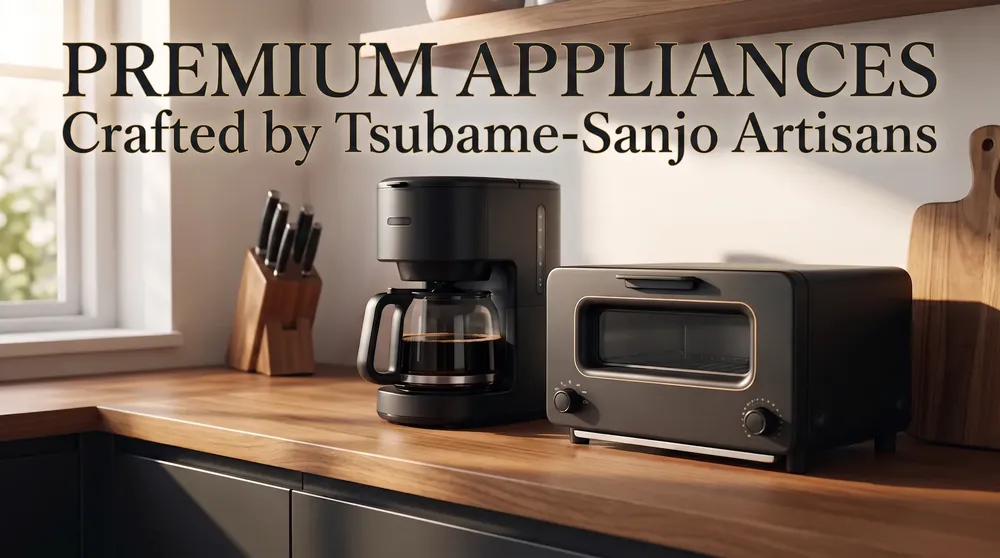
Roughly 95% of all the metal flatware made in Japan comes from one small area of
Niigata. The cutlery laid out at the Nobel Banquet is made there. So are Snow Peak's camp
stoves, Suwada's nail clippers, and a great many of the knives in professional Japanese kitchens.
Tsubame-Sanjo also makes appliances, and the local company doing it — Twinbird,
founded in Tsubame in 1951 — builds a toaster and a coffee maker that are genuinely among the best
designed objects in their categories.
You almost certainly cannot use either one. This guide explains why, and then
covers what from the region you actually can own — which turns out to be nearly everything else.
Quick Reference: What You Can and Cannot Own
| From Tsubame-Sanjo | Outside Japan? |
|---|---|
| Knives, flatware, kitchen tools | Yes — widely available |
| Camp gear, nail clippers, copperware | Yes |
| Twinbird toaster (1,240 W) | No. 100V only |
| Twinbird coffee maker | No. 100V only |
| Cordless / rechargeable items | Maybe — check the adapter |
| The pattern is simple: anything from this region that plugs into a wall is Japanese-market only. Anything that does not, you can buy today. | |
⚡ Will a Twinbird Work in Your Country?
Short answer: no, and unlike some Japanese appliances there is no version that does. Twinbird's Takumi Premium range is built for the Japanese domestic market at AC 100V, and no 120V or 230V equivalents exist.
| Where you live | Voltage | Does the plug fit? | What you need |
|---|---|---|---|
| Japan | 100V | — | Nothing |
| United States / Canada | 120V | Yes — same Type A plug | A step-down transformer — but see the sizing below |
| Europe / UK / Australia | 230–240V | No | A plug adapter and a large step-down transformer |
⚠ The plug fits, and that is the problem
Japan and North America use the same physical socket, so a Twinbird will plug
straight into an American wall and switch on. It will also run about 20% over its design
voltage.
Heat through an element scales with the square of the voltage. Feeding a 100V
toaster element 120V produces roughly 44% more heat than it was designed for —
which is not a subtle degradation for an appliance whose entire selling point is precise
temperature control.
And a transformer is not a practical answer here
The Takumi Blange toaster is rated 1,240 W in the two-slice version and 1,350 W in the four-slice. Heating appliances draw a surge well above their stated figure, so the usual guidance is to size a transformer at two to four times the rating.
That means a 2,500 to 5,000 W transformer for a toaster. Units at that rating
are heavy metal boxes costing more than the appliance, and they live permanently on your
worktop.
The 500 W transformers commonly sold for travel are nowhere near sufficient —
they are sized for record players, games consoles and small electronics, and pairing one with a
1,240 W toaster is a fire risk rather than a compromise.
We would not do this, and we are not going to recommend it.
The one possible exception is cordless equipment. Twinbird's rechargeable,
waterproof scalp-care devices run off a battery, and a charger is a different proposition from a
heating element.
But we could not confirm the input range on their adapters, so do not assume.
Read the adapter itself — if it says "INPUT 100–240V" it is fine anywhere with
a plug adapter; if it says "100V" only, it is not.
Why Japanese — Nails, Floods, and 5,000 Workshops
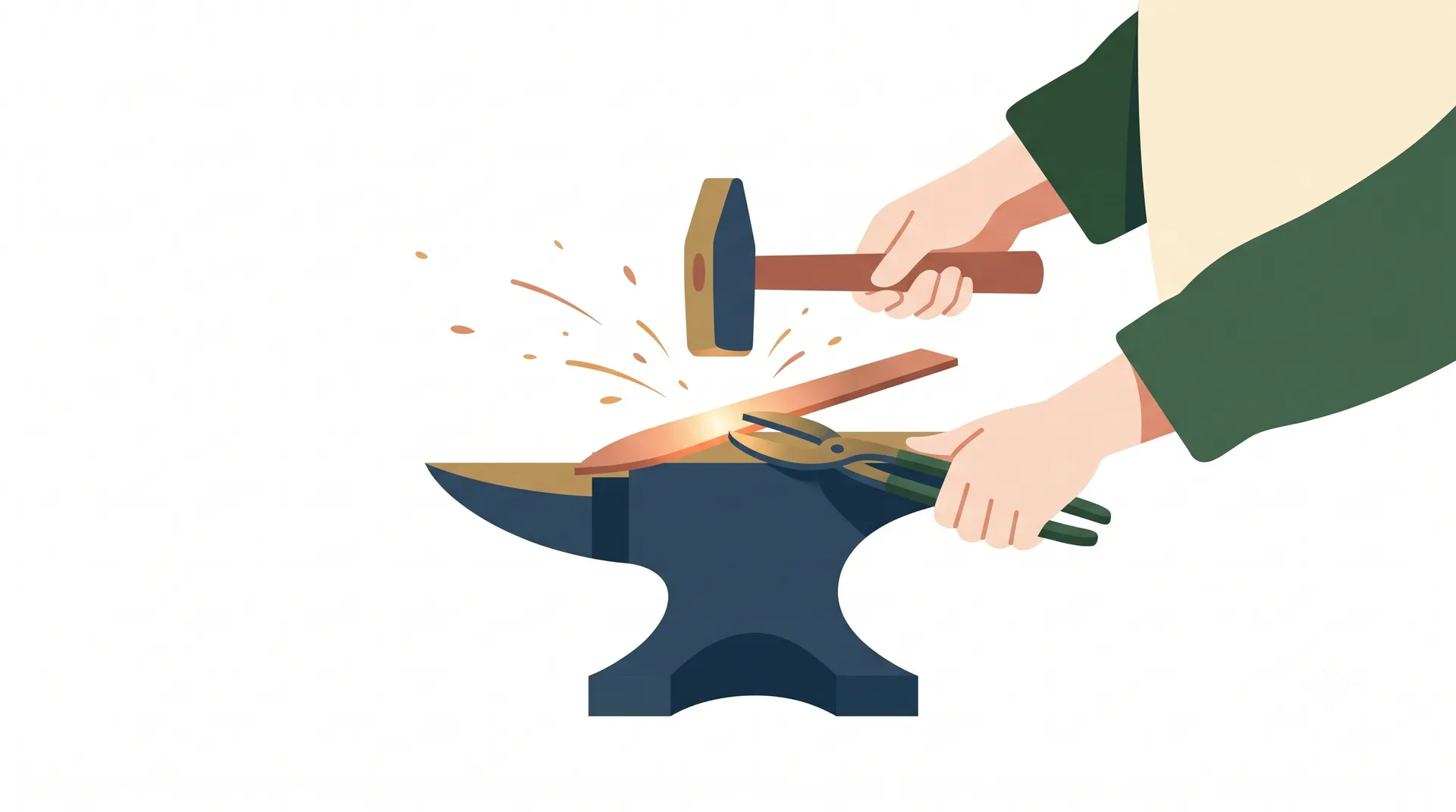
The region exists because of a river. In the 1600s the Shinano repeatedly flooded the plain around what are now Tsubame and Sanjo, ruining harvests and leaving farming families without an income for months at a time.
The solution was to bring in blacksmiths from Edo to teach the farmers to make nails. It was a side trade to survive bad years, and it grew into the densest concentration of metalworking in Japan: over 5,000 small and medium workshops across two adjacent towns.
The two towns specialised differently, and still do.
Tsubame does flatware, copperware, engraving and — above all — polishing.
It became the largest producer of stainless steel flatware in the world.
Sanjo does blades and tools: kitchen knives, chisels, saws, secateurs.
Between them they account for around 95% of all metal tableware made in Japan,
and the cutlery used at the Nobel Banquet comes from here.
That density is the actual advantage. A company designing a product in Tsubame is within a short drive of specialists in pressing, welding, plating, polishing and finishing — so a prototype can go round a dozen workshops in a week rather than being shipped between continents.
Twinbird is what happens when that ecosystem builds a household appliance. Founded in Tsubame in 1951, it is not a metalworking house that started making electronics so much as an electronics company that grew up surrounded by metalworkers.
The Idea: Program the Expert, Not the Machine
The Takumi Premium range is built on one idea, and it is worth understanding even if you never buy one.
Instead of adding features, they find someone who is exceptional at the task and encode what that person does. The machine has fewer settings than its competitors, not more — because the decisions have already been made by an expert and built in.
The coffee maker was developed with a renowned Tokyo roastery, and brews at a deliberately low temperature — around 83°C rather than the 92–96°C most machines use — which is that roaster's method for hand-poured coffee, translated into a machine.
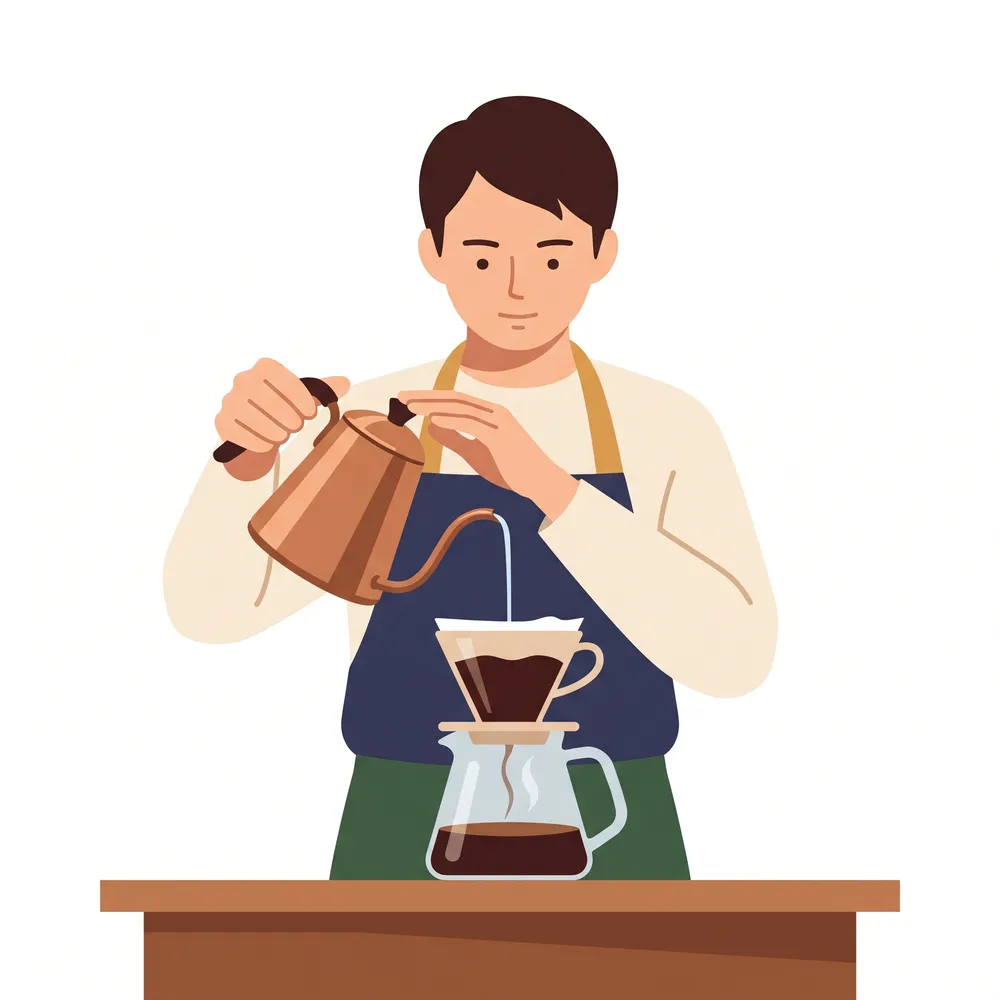
The toaster came from the same approach with a professional baker, aimed at reproducing how heat arrives in a bakery oven rather than simply getting the element hot. It runs from 120°C to 260°C in eight steps, and the low end is the interesting part — most domestic toasters cannot go low enough to reheat bread without drying it.
The design language follows from that. These are plain matte boxes with a dial
or two and no display worth speaking of — a deliberate refusal of the feature list
that most appliance marketing depends on.
It is also why they can be repaired. Twinbird runs its own long-term parts and
service support in Japan, which is straightforward when a product has few components and no
software to go obsolete.
What Twinbird Actually Makes
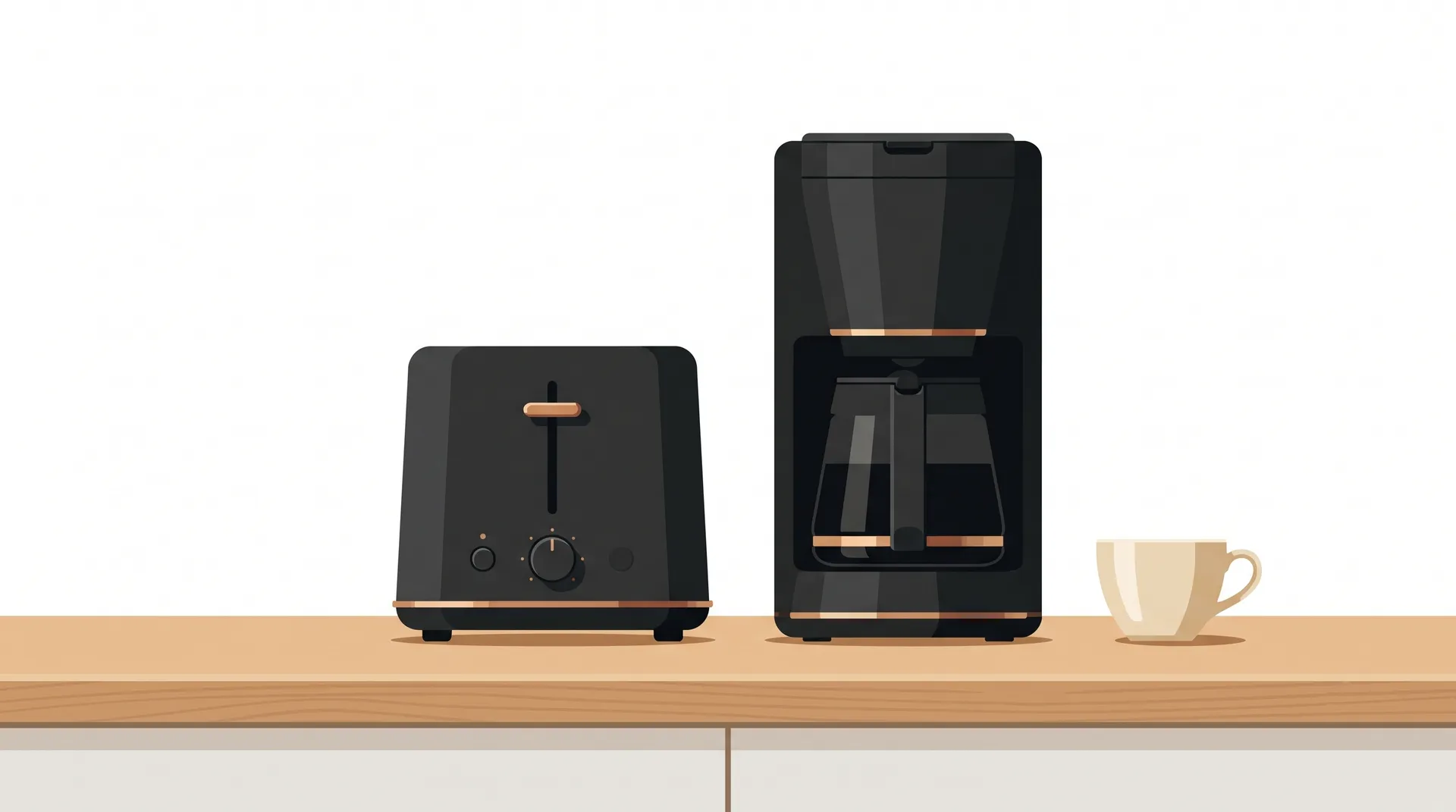
⚠ We are not linking these to a shop, deliberately. They are listed on
international marketplaces, but every unit you will find is the 100V Japanese machine — a
grey-market export, not a localised version.
Sending you to buy an appliance this article has just explained you cannot use
would make the guide worthless. They are described here so you know what exists,
and so you can buy one if you live in Japan or are furnishing a home there.
Takumi Blange toaster — the one people rave about
A vertical two-slice toaster with far and near infrared elements and eight
temperature steps from 120°C to 260°C, developed with a professional baker.
Its real trick is reheating. Bread from the freezer, day-old croissants,
curry buns — things a conventional toaster either dries out or burns on the outside while
leaving cold in the middle.
- Power
- 1,240 W (2-slice) / 1,350 W (4-slice)
- Supply
- AC 100V 50/60 Hz — Japan only
- Range
- 120–260°C in 8 steps
- Made
- Japan
Fully automatic coffee maker — grinder, low-temperature brew
A burr grinder and a brewer in one box, in three-cup and six-cup versions,
brewing at the low temperature its consulting roastery specifies. The grinder burrs
are made locally, which is the most direct link between the appliance and the
region's metalworking.
There is a full guide to this machine and its 120V alternatives — see the
coffee maker guide linked above, which covers a competing Japanese brand that does sell a
proper US model.
- Supply
- AC 100V — no international version
- Grinder
- Burr, locally made
- Capacity
- 3 or 6 cups
- Made
- Japan
What You Can Own from Tsubame-Sanjo
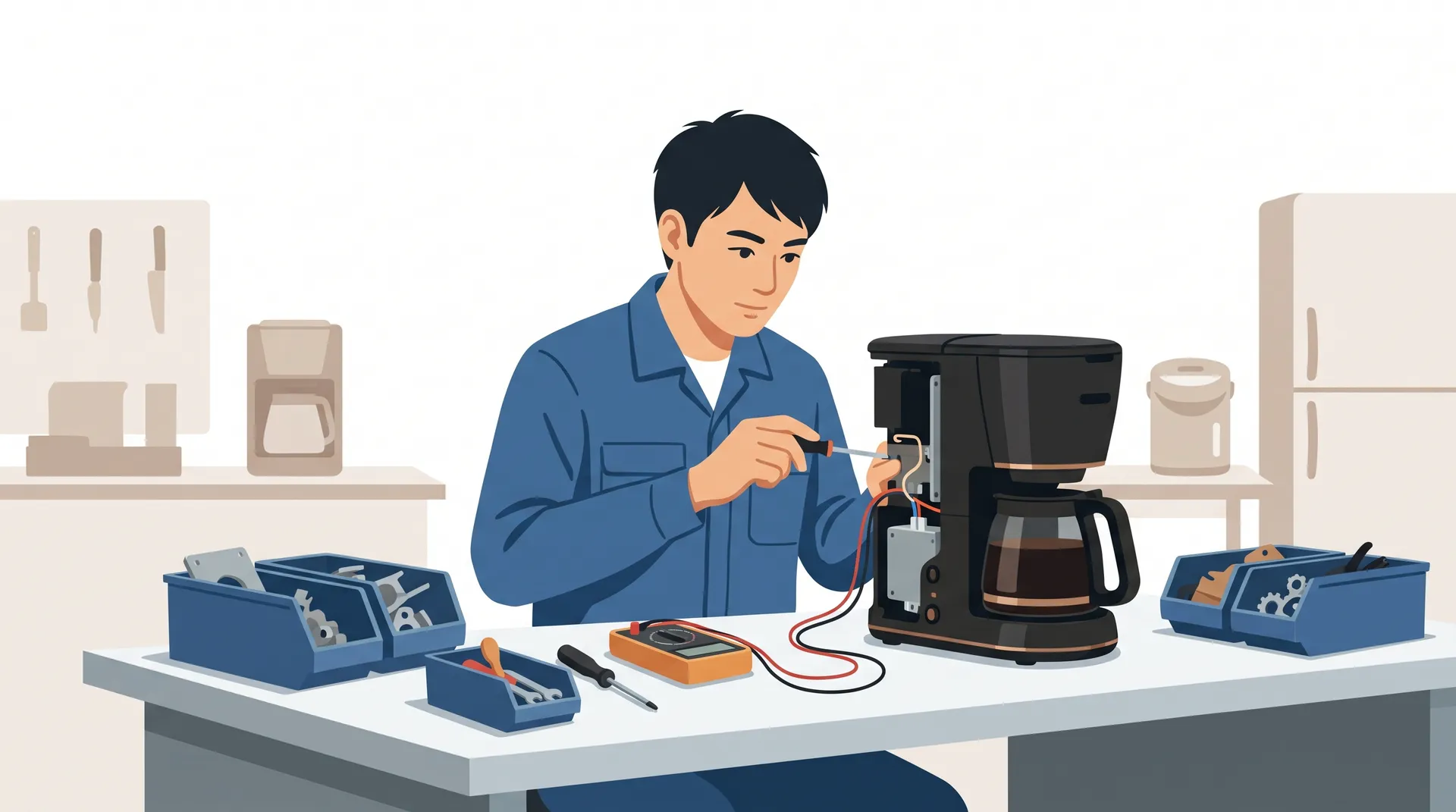
Appliances are the single category from this region you cannot take home, and it is worth being clear about how narrow that exception is. The metalwork — which is what the place is actually famous for — is exported worldwide and always has been.
And it is arguably the better half of the region's output. A toaster is a good toaster. A pair of nail clippers ground so precisely that the blades meet rather than crush, or a stove that has been in production for decades because nobody has improved on it, is a different order of object — and it will still work in fifty years without a transformer.

Tsubame-Sanjo Camp Gear: Beyond Snow Peak — 4 Japanese Brands
Benriner Mandoline: Which Model, and Which Glove
Tsubame-Sanjo: Make Your Own Spoon and Hammered Tumbler
If you are ever in Niigata, the region runs open-factory events and hands-on workshops where you can hammer a copper tumbler or file your own spoon. It is the one way to bring something home from Tsubame that no voltage question applies to.
Frequently Asked Questions
Can I run a Twinbird toaster on a transformer?
Technically yes, practically no. At 1,240 W and with the surge that heating
elements draw, you would need a transformer rated 2,500–5,000 W — a heavy box that costs more
than the toaster and never leaves your worktop.
The 500 W travel transformers sold everywhere are dangerously undersized for this,
not merely inadequate.
It plugs into my American socket, so surely it is fine?
Japan and North America share the same physical plug, which is exactly the trap.
It will switch on and appear to work.
Heat scales with the square of voltage, so a 100V element on 120V runs about 44%
hotter than designed — in an appliance sold specifically on temperature accuracy.
Is everything Twinbird sells made in Japan?
No — the Takumi Premium line is, and the wider catalogue is not. Twinbird makes
a large range of ordinary household electricals, much of it manufactured overseas.
The domestically made products are identified as such, and they are the ones
this article is about.
What is Tsubame-Sanjo actually known for?
Metal. Tsubame does flatware, copperware and polishing; Sanjo does blades and
tools. Together they make around 95% of Japan's metal tableware.
The Nobel Banquet cutlery is made there, as is a great deal of the professional
kitchen equipment and camping gear you may already own.
Why did a farming district become a metalworking centre?
The Shinano River kept flooding. In the 1600s, repeated crop failures pushed
farming families to find a side trade, and blacksmiths were brought from Edo to teach them
nail-making.
Four centuries later there are over 5,000 workshops, still divided along the
original specialities.
Is there any Japanese appliance I can actually buy?
Yes, from manufacturers that sell properly localised models — a genuine 120V
unit with a domestic warranty, not a grey-market import.
Our coffee maker guide covers one brand that does exactly this alongside
Twinbird, and the difference between the two approaches is instructive.
Final Thoughts: The One Thing You Cannot Take Home
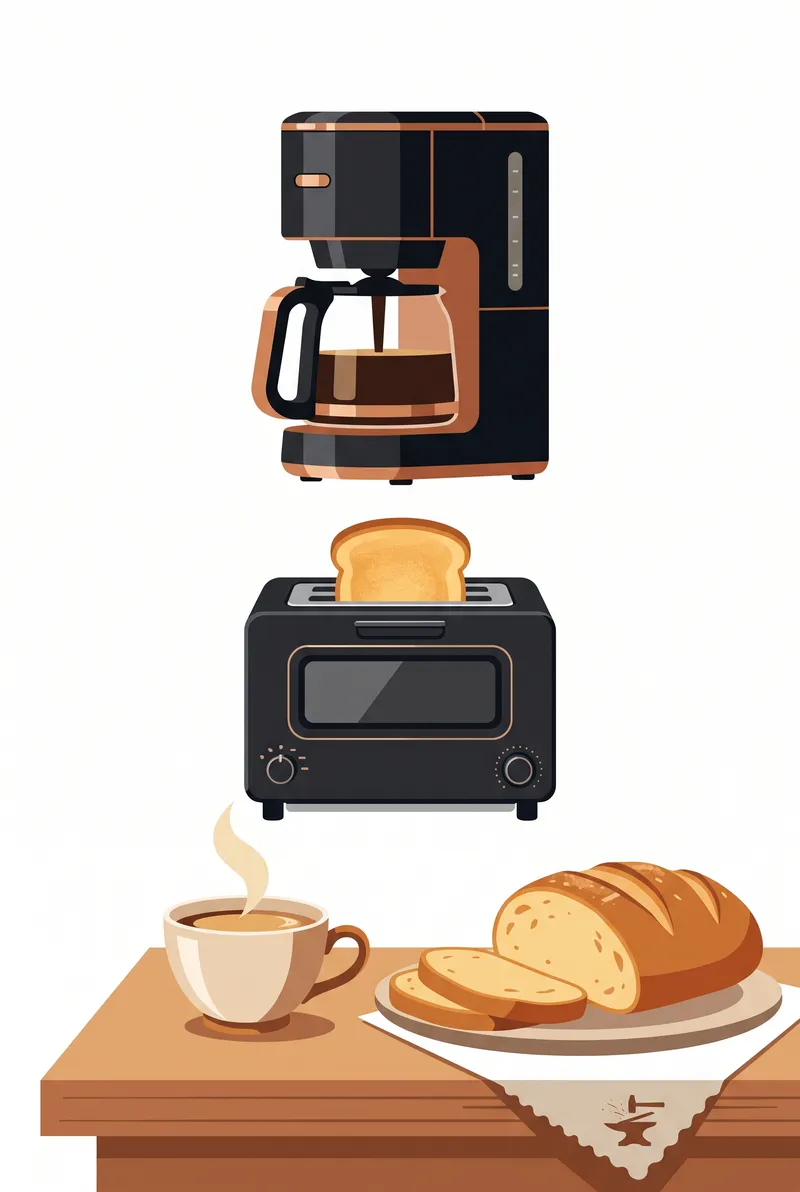
It is a genuine shame about the toaster. It is the best-considered appliance in its category and it is unavailable to almost everyone reading this, and no amount of wanting one changes the physics.
But appliances are a small and recent part of what this place does. Four hundred years of metalworking, 5,000 workshops, and the cutlery at the Nobel Banquet — none of which cares what voltage comes out of your wall.
Buy the knife, the clippers, the camp stove. Leave the toaster for when you are living in Japan.
Japanese Coffee Makers: 83°C, and the 120V Trap
Tsubame-Sanjo Camp Gear: Beyond Snow Peak — 4 Japanese Brands