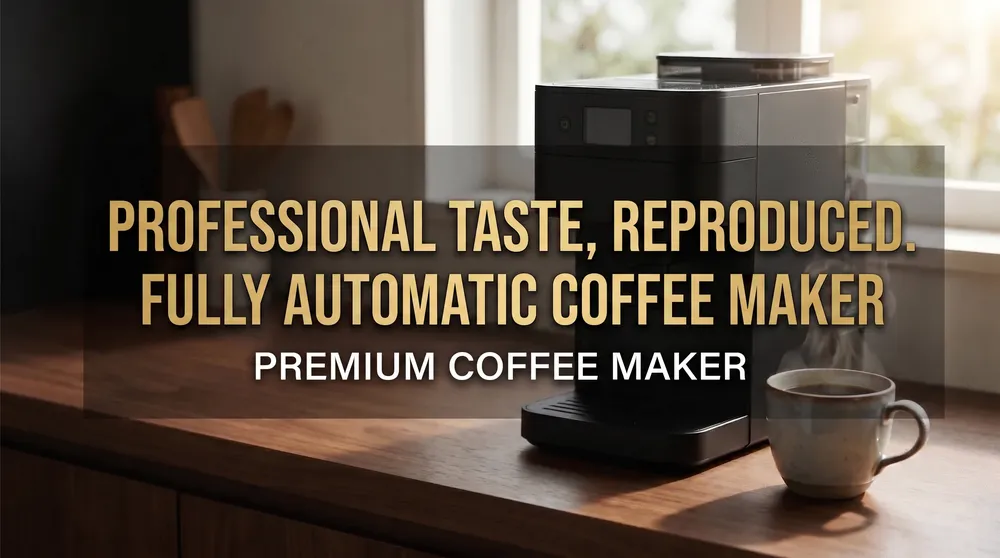
One of these two brands solved the voltage problem. The other did not.
Balmuda sells a genuine 120V version of The Brew — it is in Best Buy. But
Amazon lists the 100V Japanese model right beside it, and the listing title says so
in words most people scroll past. Twinbird has no international version at all.
And the reason voltage matters more here than usual is specific:
what you are paying for is a machine that holds 83°C. Run a 100V heater on 120V and
it produces roughly 44% more heat — which breaks precisely the thing you bought.
Quick Reference: Can You Plug It In?
| Machine | Voltage | Verdict |
|---|---|---|
| Balmuda The Brew — US version | 120V / 1450W / 60Hz | Buy this one |
| Balmuda The Brew — Japan version | AC100V | ⚠ Sold on Amazon too. Not this one |
| Twinbird CM-D457B | AC100V only | No international model exists |
| 83°C for dark roasts, 90°C for light. Lower than the 90–96°C most specialty guides recommend — and that gap is the whole Japanese argument. | ||
⚡ One Brand Solved It, One Did Not
Balmuda: a real 120V model exists
The Brew is sold in a US specification — 120V, 1450W, 60Hz — through Balmuda's own
American site and through ordinary retail including Best Buy and Williams Sonoma.
This is the version to buy, and there is nothing to work around.
⚠ And the Japanese one is listed right next to it
Amazon also sells the AC100V Japanese model, under a title that reads
"Japan Version | Not Designed for Use in the United States | Imported model Shipped from
Japan."
It says so plainly and people still buy it, because the two appear in the same
search results at similar prices. Read the title, not the picture.
Twinbird: 100V only, and that is the end of it
The CM-D457B is a Japanese domestic product with no international version. Everything you will find on eBay, Amazon or Japanese export shops is the 100V machine — a grey-market unit, not a localised one.
Why "it will probably work on 120V" is wrong here
Power through a heating element scales with the square of voltage. Feed a 100V element 120V and it produces roughly 44% more heat than designed.
Now recall what this machine is for. It exists to hold water at 83°C rather than
92°C, because that difference is tasteable in the cup.
The thermal control is calibrated around a 100V element. Overdrive it and the
machine is no longer doing the one thing that justified its price — you have bought a
precision instrument and removed the precision.
A step-down transformer rated well above the machine's draw will run it correctly,
and for a 1000W-class appliance that is a real, if bulky and expensive, option. But if a
120V version exists, buy that instead. For Balmuda it does.
If no international version exists: sizing a transformer
When there is no 120V model — as with the Twinbird — a step-down transformer is the only correct answer.
⚠ A plug adapter is not a solution
An adapter changes the shape of the pins and nothing else. The two regions get this wrong in opposite directions.
In North America you do not even need one — Japan uses the same Type A plug, so
the machine fits the socket and turns on. Nothing stops you, which is the danger.
In Europe the plug is a different shape, so you will buy an adapter — and an
adapter alone puts 230V into a 100V machine. That is 2.3× the voltage and roughly 5.3× the
power: immediate failure, and a fire risk. You need an adapter and a transformer.
⚠ A "travel converter" is not a transformer
Cheap travel converters chop the AC waveform rather than transforming it, and are
intended only for simple resistive loads like a travel iron, for short periods.
They will damage anything with electronics, a thermostat or a motor — which is
every machine in this article. You want the word "transformer," and ideally
"toroidal."
How much capacity you actually need
| Appliance type | Transformer rating | Why |
|---|---|---|
| No motor, no heat radios, chargers, small electronics |
1.5× the rated watts | Steady, predictable draw |
| Motor or heating element coffee makers, hair dryers, ovens, power tools |
2–4× the rated watts | Startup draw far exceeds the printed figure |
Coffee makers fall in the second row. Check the wattage printed on the machine's plate, then multiply. A 700W coffee maker wants a transformer rated 1,500W or more — which is a heavy box, not a travel gadget, and costs real money.
The 500W units are the ones most commonly sold, and they are not enough for a coffee maker. They are the right size for a turntable, an amplifier, a games console or a small kitchen gadget — check your appliance's plate before assuming.
Be honest with yourself about whether you will do this. A correctly sized transformer for a coffee maker is a several-kilogram box that lives on your counter permanently. For Balmuda, buying the 120V version costs nothing extra and avoids all of it.
Why Japanese — 83°C Is Deliberately Low
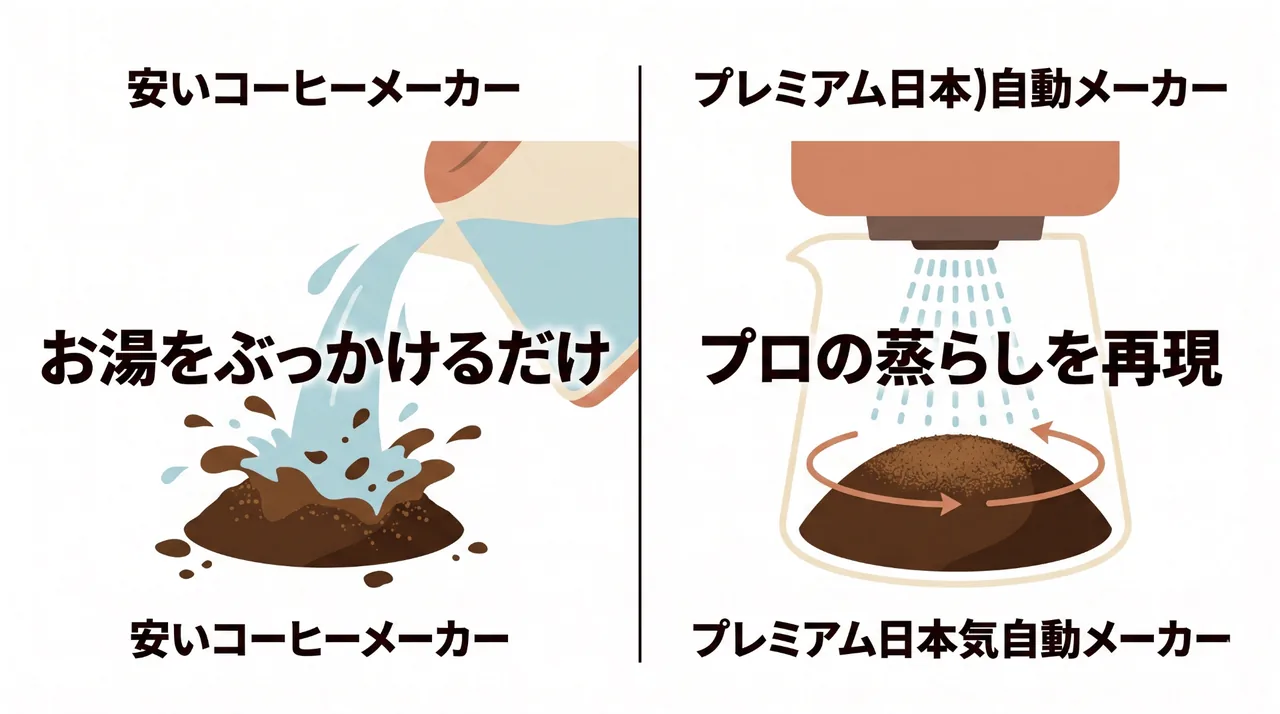
Most English-language brewing guidance puts water between 90 and 96°C. Japanese machines deliberately go lower, and offer 83°C as a selectable setting — which looks like an error until you see what it is for.
- Dark roasts: around 83°C. Dark-roasted beans give up their solubles readily. Hot water pulls out scorched, harsh notes along with the good ones, so dropping the temperature keeps the body and leaves the bitterness behind.
- Light roasts: around 90°C. Denser, less soluble beans need the heat to extract at all — too cool and you get thin, sour coffee rather than the fruit acidity you were after.
Japanese coffee culture leans dark — the kissaten tradition, deep roasts, clarity over intensity — which is why the low setting exists and why it is the default assumption behind these machines.
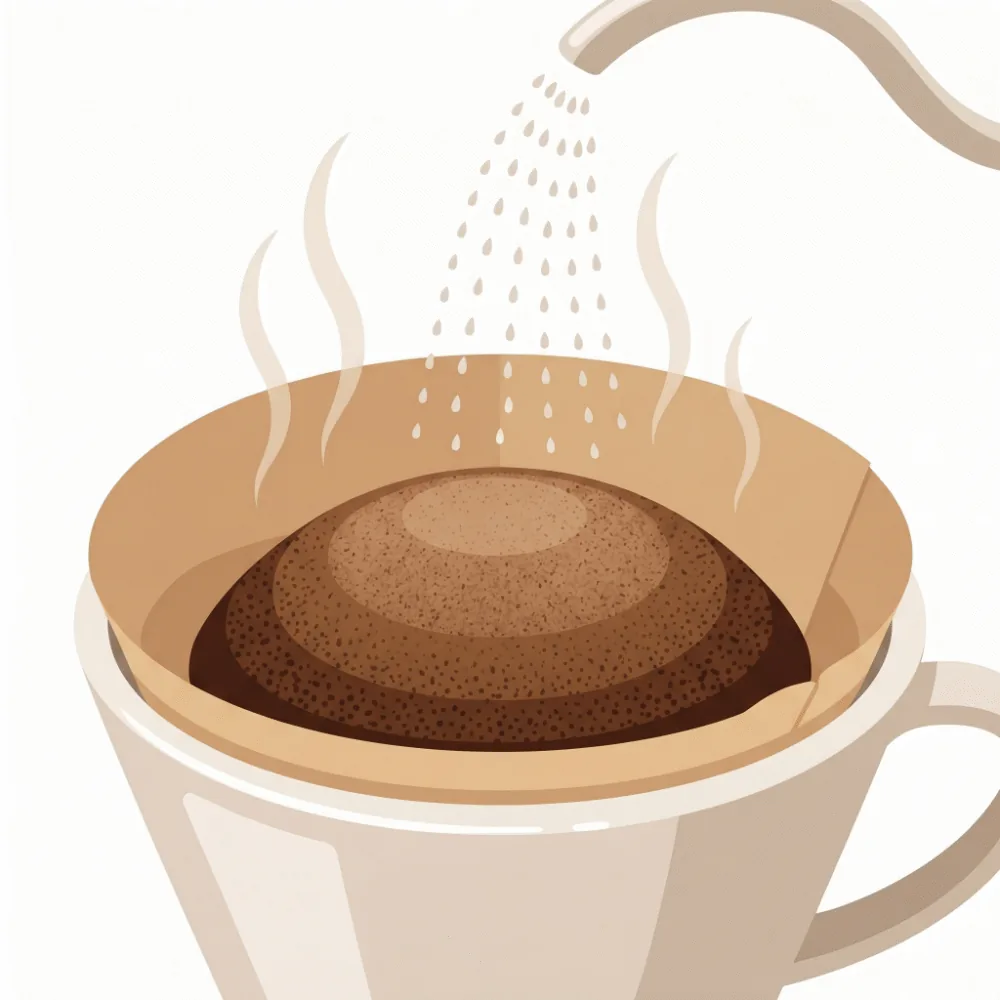
And they reproduce the bloom
A hand-pour starts with a small amount of water and a pause — the grounds swell
and release carbon dioxide, and pouring properly before that has happened means the water
channels around the gas instead of through the coffee.
Japanese automatic machines replicate this explicitly: a small initial pour,
a wait, then staged pours rather than one continuous stream.
That staging is the difference between an automatic pour-over and a drip machine,
and it is what the price buys.
The Twinbird was developed with Mamoru Taguchi, a leading figure in Japanese home-roasting whose technical books are used by working baristas. The machine reproduces the angle and rhythm of his hand-pour, which is a very Japanese way to specify a product: not "good coffee," but this person's coffee.
The Grinder Is Half the Machine
A fully automatic machine grinds the beans itself, and the grinder matters as much as the water. There are two kinds and the difference is not subtle.
| Type | How it works | Result |
|---|---|---|
| Blade (propeller) | Chops beans with a spinning blade | Uneven. Fines and boulders together |
| Burr / conical | Crushes between two shaped surfaces | Consistent particle size |
Uneven grinding means uneven extraction. The fine particles over-extract and turn bitter while the coarse ones under-extract and stay sour — in the same cup, at the same time. No amount of temperature control fixes that.
So if a machine has a blade grinder, the temperature precision is being wasted. Burr is the specification to insist on, and it is where a large part of the price difference between machines actually sits.
What to Buy
Balmuda The Brew — the US version
An automated pour-over rather than a drip machine, built around staged pouring
and temperature regulation, with regular, strong and iced modes.
Sold in a proper 120V American specification through Balmuda's own US operation and
mainstream retail. No transformer, no adapter, no compromise —
which makes it the obvious recommendation in a category where that is rare.
- Power
- 120V / 1450W / 60Hz (US version)
- Method
- Automated pour-over with staged pouring
- Modes
- Regular, strong, iced
- Grinder
- None — grind separately or buy ground
- Where
- Balmuda USA, Best Buy, Williams Sonoma
Perfect for: Anyone who wants a Japanese machine that simply works where they live.
⚠ Do not buy this one by mistake. The Japanese AC100V Brew is listed on the same
marketplace, titled "Japan Version | Not Designed for Use in the United States."
If the listing mentions "shipped from Japan" or "AC100V," it is the wrong one —
whatever the photograph looks like.
Twinbird CM-D457B — 100V, and worth understanding why
The machine Japanese coffee people actually argue about. Developed with
Mamoru Taguchi, with a selectable 83°C or 90°C extraction and a burr grinder,
reproducing the angle and rhythm of a specific person's hand-pour.
⚠ There is no international model. Every unit sold abroad is the Japanese
domestic 100V machine. It needs a step-up transformer rated comfortably above its
draw — not a plug adapter, which does nothing.
- Power
- AC100V only — no US version
- Temperature
- Selectable 83°C / 90°C
- Grinder
- Burr, built in
- Developed with
- Mamoru Taguchi
- To use abroad
- Step-up transformer, correctly rated
Perfect for: People in Japan, and people elsewhere who will genuinely buy the transformer rather than "trying it."
Beans, Water, and Cleaning
- Buy whole beans, roasted recently, and check the roast date. A machine that controls water to a degree cannot rescue stale coffee — freshness moves the cup more than any setting on the machine.
- Match the temperature to the roast, not to a rule. 83°C for dark, 90°C for light. If your coffee tastes harsh and burnt, come down. If it tastes thin and sour, go up.
- Use filtered or soft water. Hard water dulls extraction and scales the heating element. Distilled water is worse, not better — some mineral content is needed to extract flavour at all.
- Descale on schedule. Scale insulates the heating element, and an insulated element cannot hold 83°C — the failure mode is exactly the feature you paid for, and it degrades slowly enough that you may not notice.
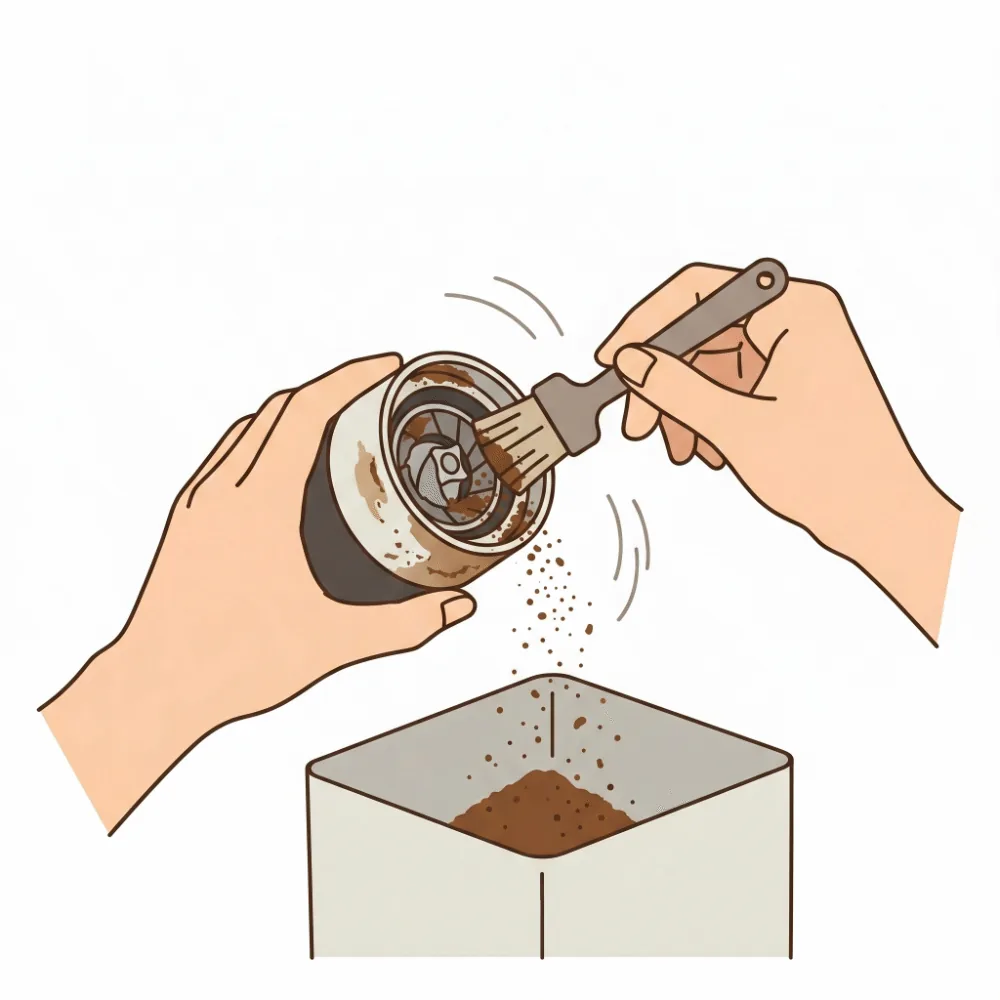
- Brush the grinder out regularly. Coffee oils go rancid in the burrs and taint every subsequent cup. A dry brush, no water.
Frequently Asked Questions
Can I use a Japanese coffee maker in the US?
Balmuda: yes — buy the US version, 120V and 1450W, sold through Balmuda's American
site and normal retail.
⚠ But Amazon also lists the Japanese AC100V model under a title that says "Not
Designed for Use in the United States." Twinbird has no international model at all
and needs a step-up transformer.
Why not just plug the 100V one into 120V?
Because heat scales with the square of voltage — you get about 44% more than designed.
And the entire point of these machines is holding 83°C precisely. Overdriving the
element destroys exactly the capability you paid for, long before it becomes a safety question.
Why 83°C? Everyone else says 90–96°C.
Because 83°C is for dark roasts, and Japanese coffee culture leans dark.
Dark-roasted beans release their solubles easily, so hot water pulls out scorched and harsh notes
alongside the good ones.
For light roasts, use the 90°C setting — dense beans need heat or the cup comes out
thin and sour.
Blade grinder or burr?
Burr, and it is not close. A blade chops beans into a mixture of dust and chunks;
the dust over-extracts into bitterness while the chunks under-extract into sourness —
in the same cup.
A machine with a blade grinder wastes its own temperature control, so this is the
specification to check first.
Can I use pre-ground coffee?
Most machines allow it, and it is a reasonable compromise. Balmuda's Brew has no
grinder at all, so ground coffee is the normal input.
But grind size matters more than people expect — medium for pour-over. Too fine
chokes the bed and over-extracts; too coarse runs through and tastes like water.
Does my coffee taste worse over time?
Almost certainly scale, or rancid oil in the grinder. Limescale insulates the
heating element so it can no longer reach or hold its target temperature —
the machine quietly stops doing the thing it was bought for.
Descale on the maker's schedule and brush the burrs dry. Both are undramatic and
both matter more than the beans by that point.
Final Thoughts: Buy the Version Made for Your Wall
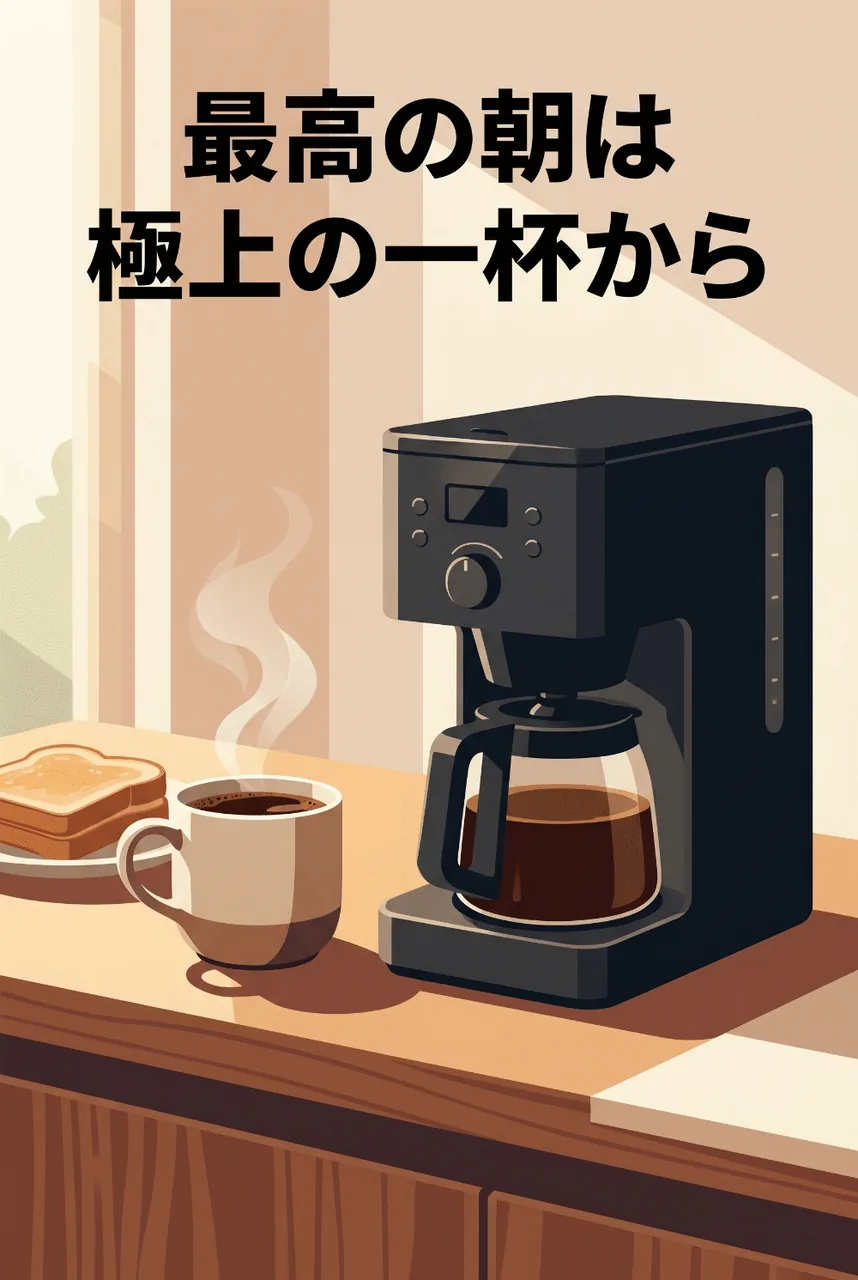
This is one of the few Japanese appliances with a proper answer: Balmuda make a 120V version and sell it in Best Buy. Buy that one, and read the Amazon listing title carefully so you do not get its Japanese twin by accident.
Twinbird is the more interesting machine and the harder purchase. 100V only, no international model, and a transformer is the only honest route — worth it if you want Taguchi's pour reproduced, and not worth improvising.
Then use 83°C for dark roasts and 90°C for light, insist on a burr grinder, and descale on time. Everything expensive about these machines is temperature — and limescale takes it away without telling you.
Japanese Hot Sandwich Makers: Stovetop, and Separable

Japanese Drinkware Worth the Shelf Space