When choosing a Japanese tea
gift, the easiest starting point is the region: Kyoto (Uji) or Shizuoka?
① Kyoto / Uji tea — Refined umami and elegant aroma. Ideal for seniors and formal occasions.
② Shizuoka tea — Bold depth and vivid green. Great for everyday tea drinkers.
③ Choose by type — For the finest gift, choose gyokuro; for a reliable crowd-pleaser, choose
sencha.
Japanese tea is a surprisingly nuanced drink — brewing temperature alone can transform the flavor
completely, which is why matching the tea to the recipient's lifestyle matters.
This guide covers prestigious tea houses available for mail order, along with practical tips for choosing the right
tea for any occasion.
Quick Reference: Japanese Tea Types at a Glance
| Type | Main Regions | Flavor Profile | Best Gift For |
|---|---|---|---|
| Gyokuro (玉露) | Kyoto Uji, Fukuoka Yame | Rich umami, very little astringency | Senior recipients, premium occasions |
| Sencha (煎茶) | Shizuoka, Kyoto Uji | Fresh, gently astringent, balanced | Wide range of recipients — classic choice |
| Fukamushi-cha (深蒸し茶) | Shizuoka (Makinohara) | Bold, mellow, deep green brew | Daily tea drinkers who love depth |
| Hojicha (ほうじ茶) | Kyoto, Nara | Toasty, aromatic, low caffeine | Seniors, children, health-conscious recipients |
1. The Basics: Kyoto Uji vs. Shizuoka
Japan's two great tea regions have distinctly different styles.
Knowing the difference makes choosing the right tea much easier.
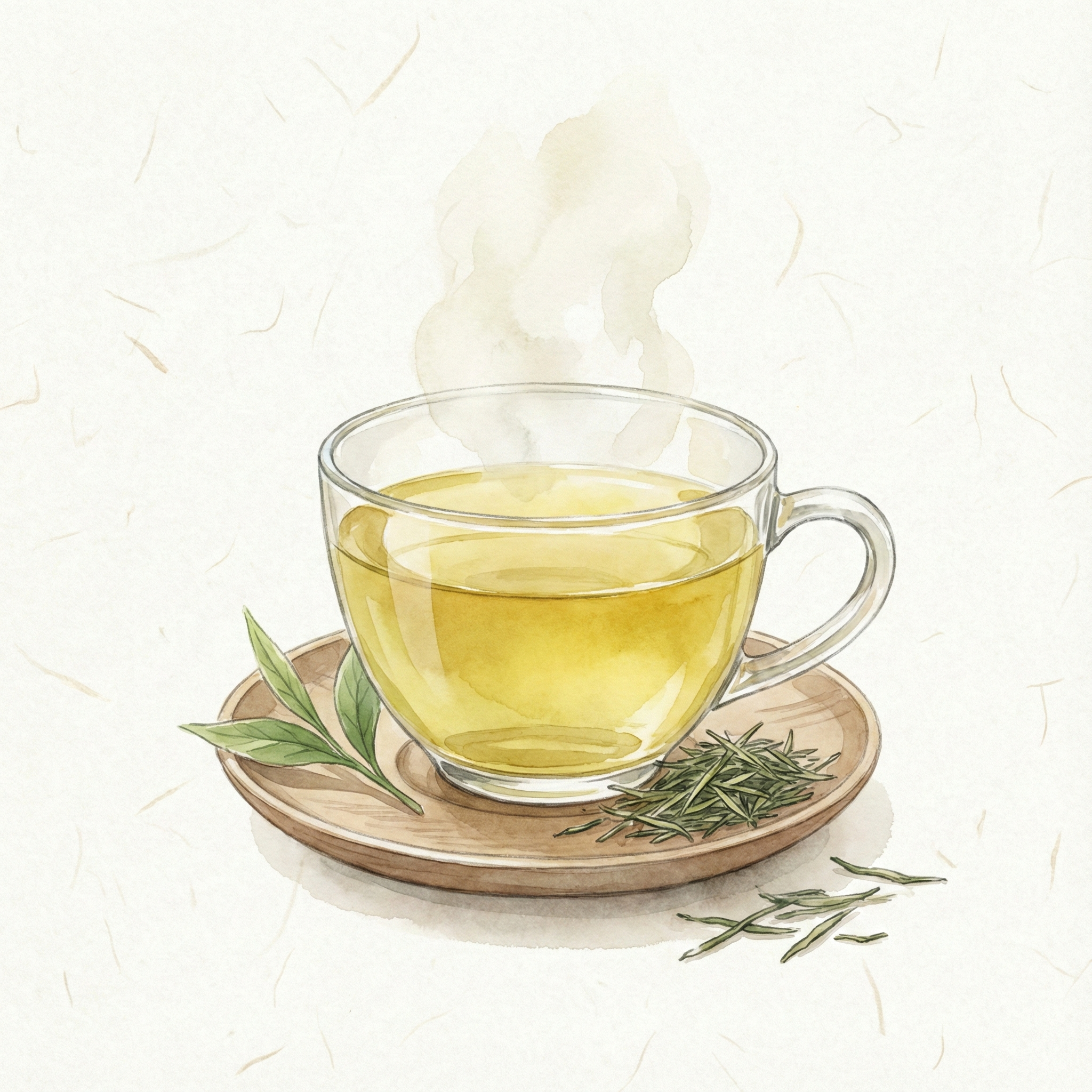
Kyoto Uji — Refined Umami, Famous for Gyokuro and Matcha
One of Japan's oldest tea-producing regions.
Uji teas are often produced using the asamushi (light-steam) method, giving a clear golden-amber
brew.
Low in astringency, with a broth-like depth of umami — the flavor equivalent of a well-made
dashi.
Often chosen as a formal gift for its prestige and refinement.
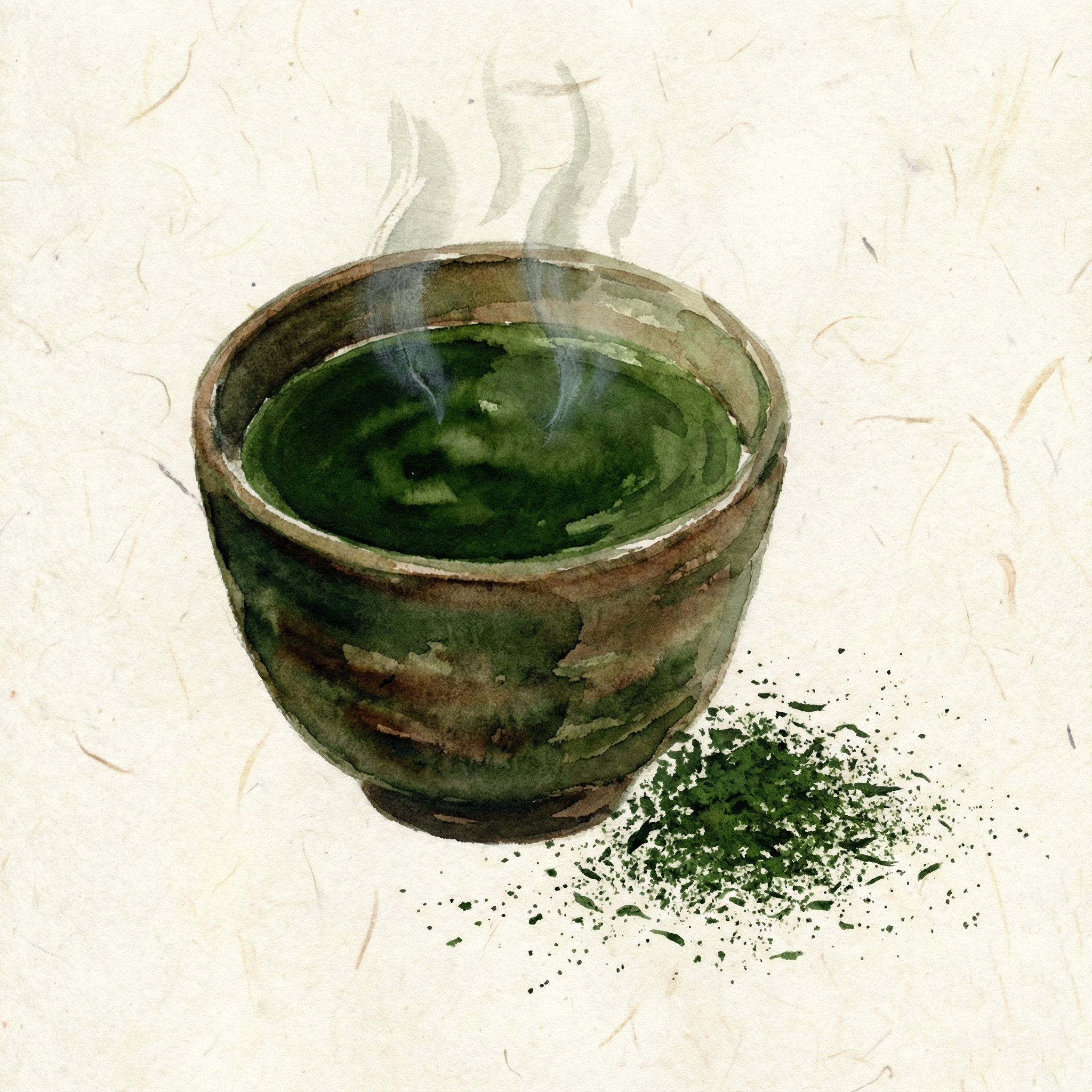
Shizuoka — Bold Depth and Vivid Green, Known for Fukamushi Sencha
Japan's largest tea-producing region by volume.
Shizuoka teas are dominated by the fukamushi (deep-steam) method — fine-grained leaves that brew into a
richly colored, opaque green.
Satisfyingly bold with balanced astringency — the tea that makes you feel like you've actually
had tea.
A natural choice to enjoy with meals or after eating.
2. Choosing by Recipient: Which Tea for Whom?
Once you have a region in mind, narrow it down by type.
Matching the tea to the relationship and the recipient's habits is what separates a thoughtful gift from a generic
one.
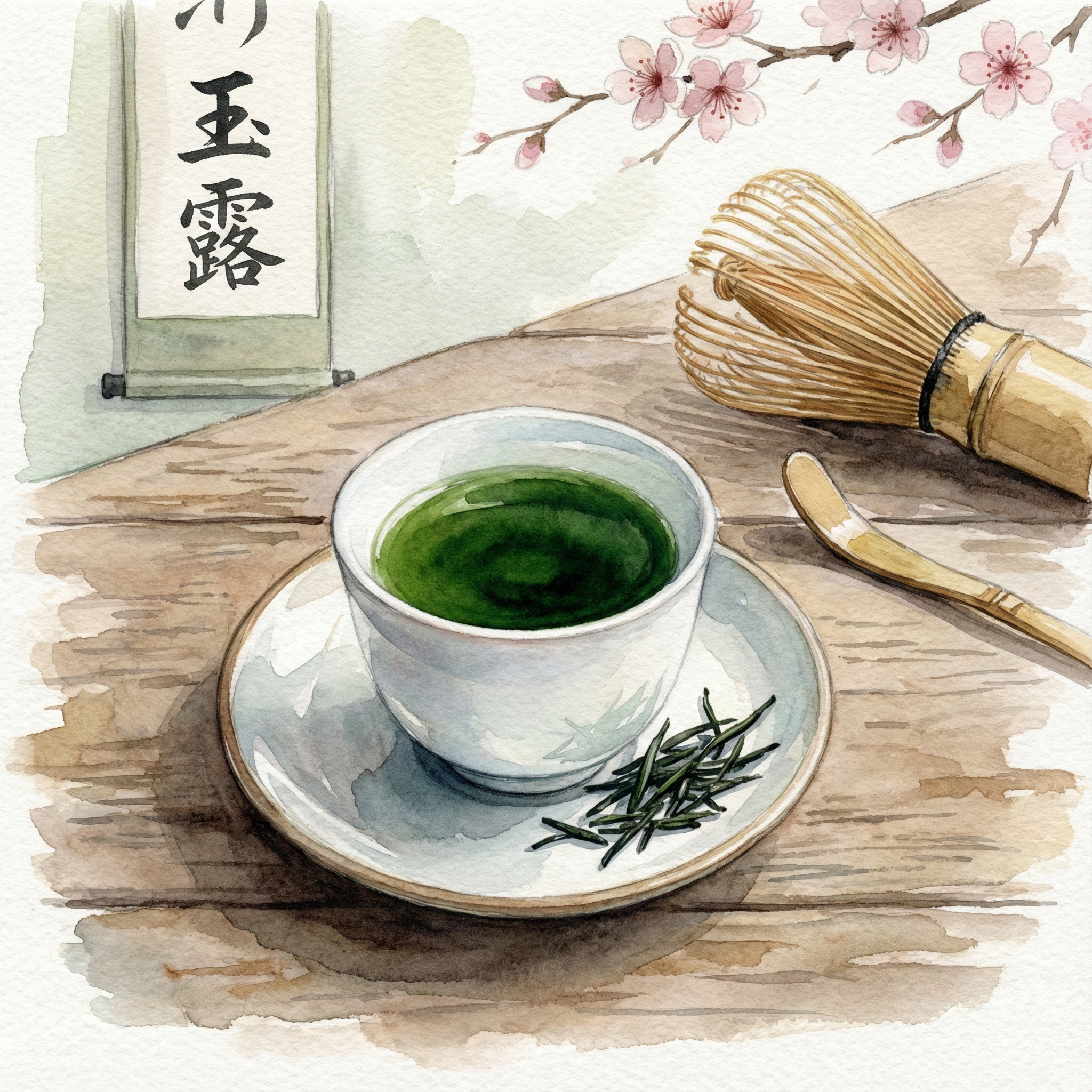
For Seniors and Special Occasions: Premium Gyokuro (玉露)
Shade-grown tea leaves with almost no astringency and a concentrated, sweet umami.
Labor-intensive to produce and priced accordingly — considered the pinnacle of Japanese green
tea.
The right choice when you want to convey genuine appreciation.
For Families and Everyday Enjoyment: Upper-Grade Sencha (煎茶)
Japan's most familiar green tea — broadly loved across all ages.
For gifting, aim for 100g in the ¥1,500–¥2,000 range. This tier delivers fragrant aroma and pleasant astringency
without being demanding to brew.
Versatile enough to be drunk daily without ever getting tired of it.
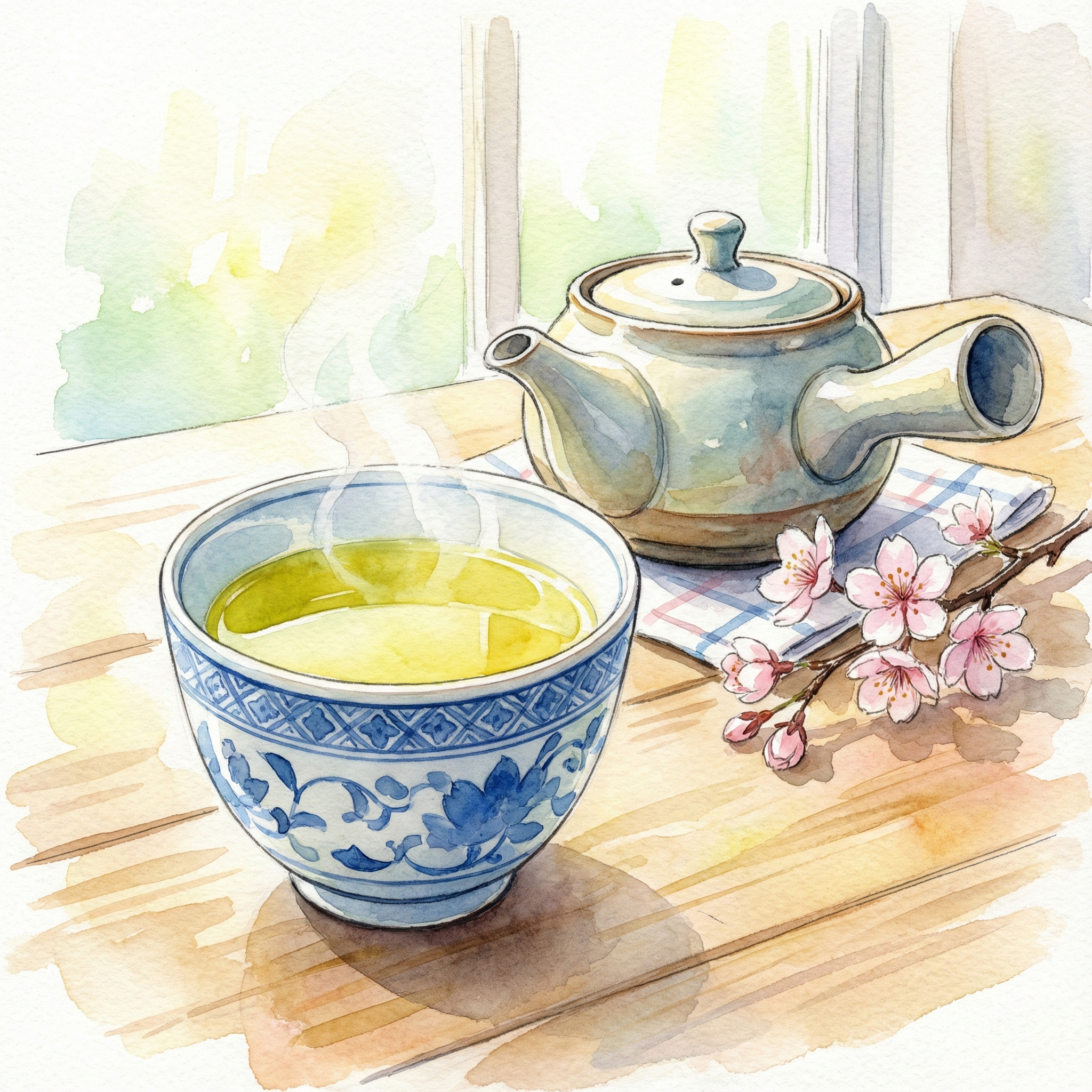
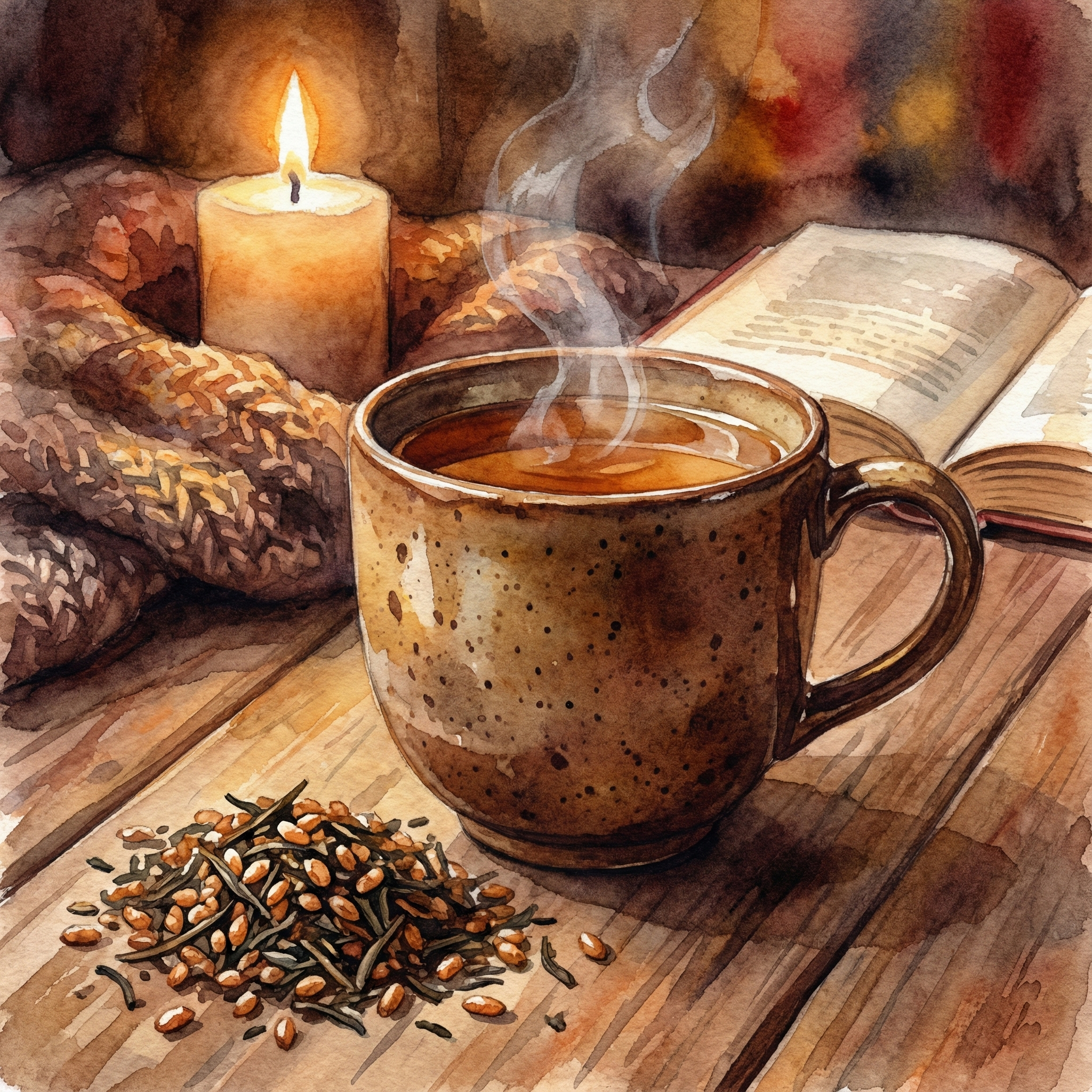
For Aroma Lovers and Health-Conscious Recipients: Hojicha & Genmaicha
Low in caffeine and easy on the stomach — a thoughtful choice for evening gifting.
Hojicha from a Kyoto tea house has a toasty depth that puts supermarket versions to shame.
Appropriate for anyone who avoids caffeine at night, including the elderly and health-conscious recipients.
3. Three Prestigious Tea Houses Worth Ordering From
If you want to give something with history behind it, these are the names to know.
Ippodo Tea Co. — Hosen Sencha (Kyoto, est. 1717)
Over 300 years old — woven into the fabric of Kyoto daily life.
Ippodo's packaging is clean and refined, making it gift-ready straight out of the box. The "Hosen" sencha is the
house's signature loose-leaf: gently fragrant with smooth umami, it brews beautifully even in hot water and suits
a wide range of palates. For a classic Uji-style Kyoto sencha with no compromise, Ippodo is the standard
recommendation.
- Tea type
- Sencha (loose-leaf)
- Origin
- Kyoto (Uji region)
- Best for
- Formal gifts; those who appreciate classic Kyoto tea
- Price range
- $15–$25 (80g bag)
Nakamura Tokichi Honten — Ceremonial Grade Matcha (Uji, Kyoto)
Famous for its matcha sweets, but the tea itself is equally serious.
The main store in Uji has been designated a nationally important cultural landscape. Nakamura Tokichi's
ceremonial-grade matcha "Ukishima-no-Shiro" is cultivated in the same Uji region that has produced Japan's finest
shade-grown teas for centuries. Rich, smooth, and genuine — a matcha that stands on its own without sugar or milk,
and serves as both a beverage and a cooking ingredient.
- Tea type
- Ceremonial-grade matcha (30g tin)
- Origin
- Uji, Kyoto
- Best for
- Matcha lovers; premium gift occasions
- Price range
- $25–$40
Otsuka Green Tea Co. — Kakegawa Fukamushi Sencha (Shizuoka)
From GIAHS-certified farmland — the heartland of deep-steam tea.
Kakegawa's fukamushi (deep-steam) processing creates fine-grained leaves that extract quickly into a richly
colored, mellow green brew. Otsuka has been producing Kakegawa tea for generations and sources from fields
certified under the Globally Important Agricultural Heritage System — a mark of ecological and agricultural
continuity that few tea producers in the world can claim. Bold and satisfying for everyday drinking.
- Tea type
- Fukamushi-cha (deep-steam sencha)
- Origin
- Kakegawa, Shizuoka
- Best for
- Daily tea drinkers who want depth; health-conscious recipients
- Price range
- $12–$20 (100g)
4. High-End Tea Bags: A Surprisingly Smart Gift
Not every household owns a kyusu (Japanese teapot) — and that number is growing.
Premium tea bags solve this elegantly.
The Key: Same Leaves as the Loose-Leaf Version
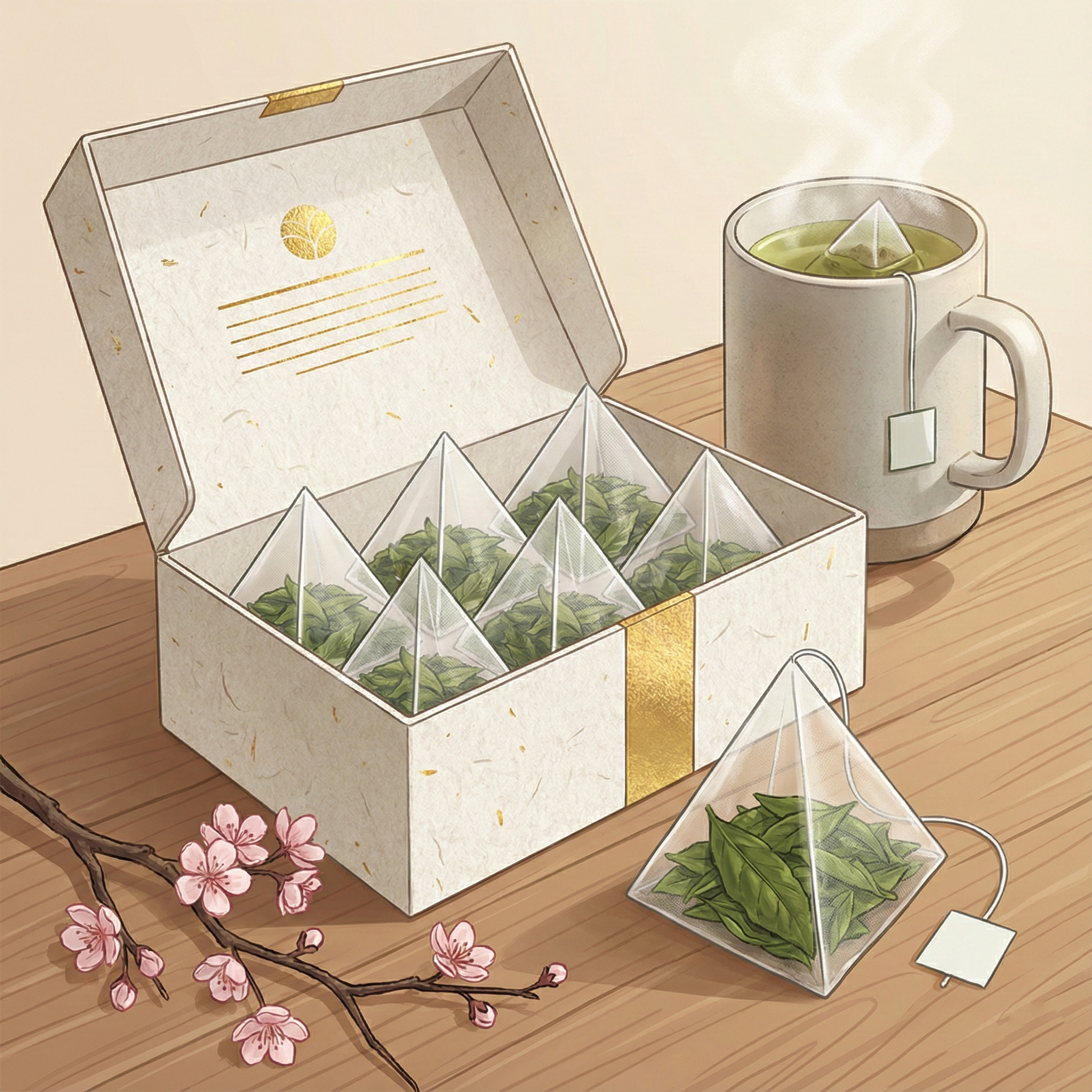
Gift-grade premium tea bags use the same loose-leaf tea as their kyusu counterpart — not tea
dust or leftover scraps — packed into tetrahedral (pyramid) bags with room for the leaves to expand fully.
Even brewed in a mug, you get the genuine aroma and flavor of a proper Japanese tea.
For office drinkers, solo households, or anyone without brewing equipment, high-end tea bags are often more
appreciated than loose leaf.
5. Brewing Tips: How Temperature Changes Everything
Once you have good tea, the last variable worth caring about is water temperature.
This one detail makes a dramatic difference.
Gyokuro: Brew Low and Slow (50–60°C / 120–140°F)
Pour boiling water into a cup first, wait until it's barely warm to the touch, then transfer to your teapot.
Low temperature suppresses astringency (catechins) while drawing out pure umami (theanine).
The result tastes closer to a fine dashi broth than anything you'd call tea.
Sencha: Let It Cool Slightly (70–80°C / 160–175°F)
Pour boiling water into a teacup, pause for a breath, then transfer to your teapot.
This small step balances astringency and sweetness into a clean, refreshing cup.
Pouring directly from the kettle at full boil will make it taste harsh — worth avoiding.
6. Frequently Asked Questions
How long does Japanese tea keep?
Unopened, six months to one year is typical.
But freshness matters most — once opened, oxidation sets in quickly. Aim to finish within two to four
weeks for the best flavor.
How should I store Japanese tea?
The three enemies are light, moisture, and oxygen.
Keep in a sealed tea canister in a cool, dark cupboard. Avoid the refrigerator — taking a cold canister into a
warm room causes condensation that dampens the leaves.
After opening, room-temperature storage in a good canister is the right approach.
When is the new crop (shincha) available?
It varies by region, but typically late April to early May — around the traditional
"eighty-eighth night" (hachijuhachiya) after the start of spring.
Shincha has a youthful freshness that sets it apart from aged tea, and it's a popular seasonal gift in its own
right.
What actually makes expensive tea more expensive?
Primarily the grade of leaf and how it was grown.
Premium tea uses only the top bud and two leaves (hand-picked from the growing tip), which is rich in theanine —
the umami compound. Lower-grade teas include older leaves and stems, which increase astringency.
The price difference reflects the rarity of the raw material and the labor involved in harvesting and processing
it.
Can I brew good tea without a kyusu (Japanese teapot)?
Yes. Premium tea bags in a mug are a straightforward solution.
Alternatively, a cup with a built-in strainer or a small strainer-equipped teapot works fine for loose leaf.
That said, a good Japanese-made kyusu does improve the experience — and makes a thoughtful accompanying gift.
7. Final Thoughts
Giving Japanese tea isn't just giving leaves — it's giving someone an excuse to slow down.
A moment of warmth in a busy day. That's what makes it a gift that genuinely lands.
The short version:
· For elegance — Kyoto Uji gyokuro or sencha
· For bold daily enjoyment — Shizuoka fukamushi-cha
· When in doubt — Ippodo Tea Co., or a premium tea bag set
Good tea doesn't demand elaborate ritual. Even a mug of properly brewed sencha changes the mood of a day. Start
there, and see where it takes you.
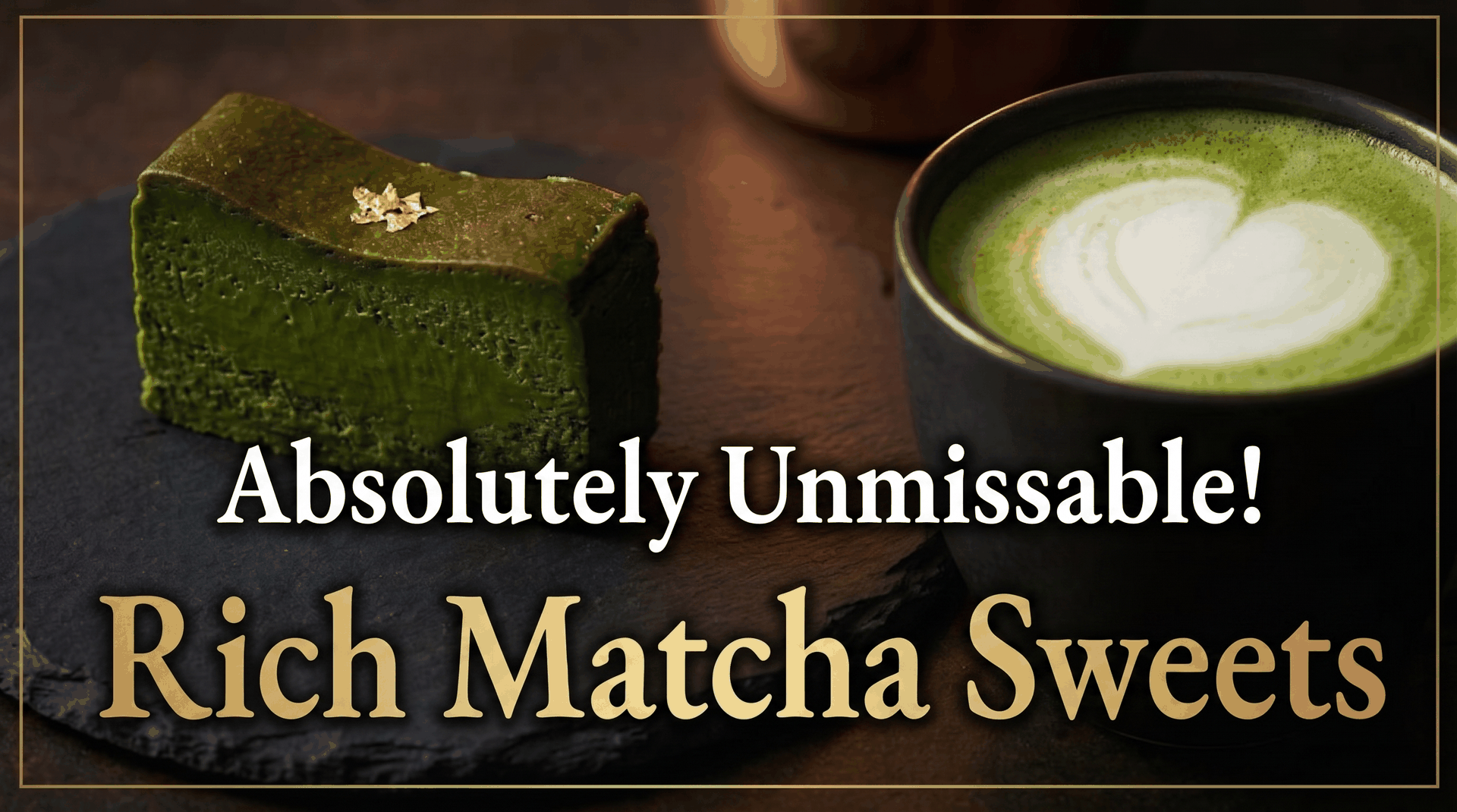
Matcha Sweets by Mail: Terrine, Daifuku & Ice Cream from Kyoto
Japanese Incense Guide: Awaji, Kyoto Brands & How to Burn