Yuzu kosho is three things: yuzu peel, chilli, and salt. That is the whole recipe, and it is the reason the label is worth reading before you buy — because a great deal of what is sold under the name abroad has a fourth, fifth and sixth ingredient, and those change what you get.
It comes from Kyushu, where "kosho" means chilli rather than black pepper. It comes in green and red, which are not the same condiment. And it is salty enough that the correct portion is smaller than most people's first attempt. This guide covers all three, plus what the additives in the cheap tubes are actually doing.
Yuzu Kosho: Premium vs. Mass-Produced
| Feature | Premium (Kyushu Artisanal) | Mass-Produced (Tubes) |
|---|---|---|
| Ingredients | Only fresh yuzu peel, chili, and sea salt | Contains preservatives, food coloring, extracts |
| Aroma | Sharp, unmistakably fresh citrus | Muted, artificial citrus scent |
| Texture | Coarse, hand-ground texture | Smooth, paste-like |
1. What is Yuzu Kosho? The Kyushu Secret
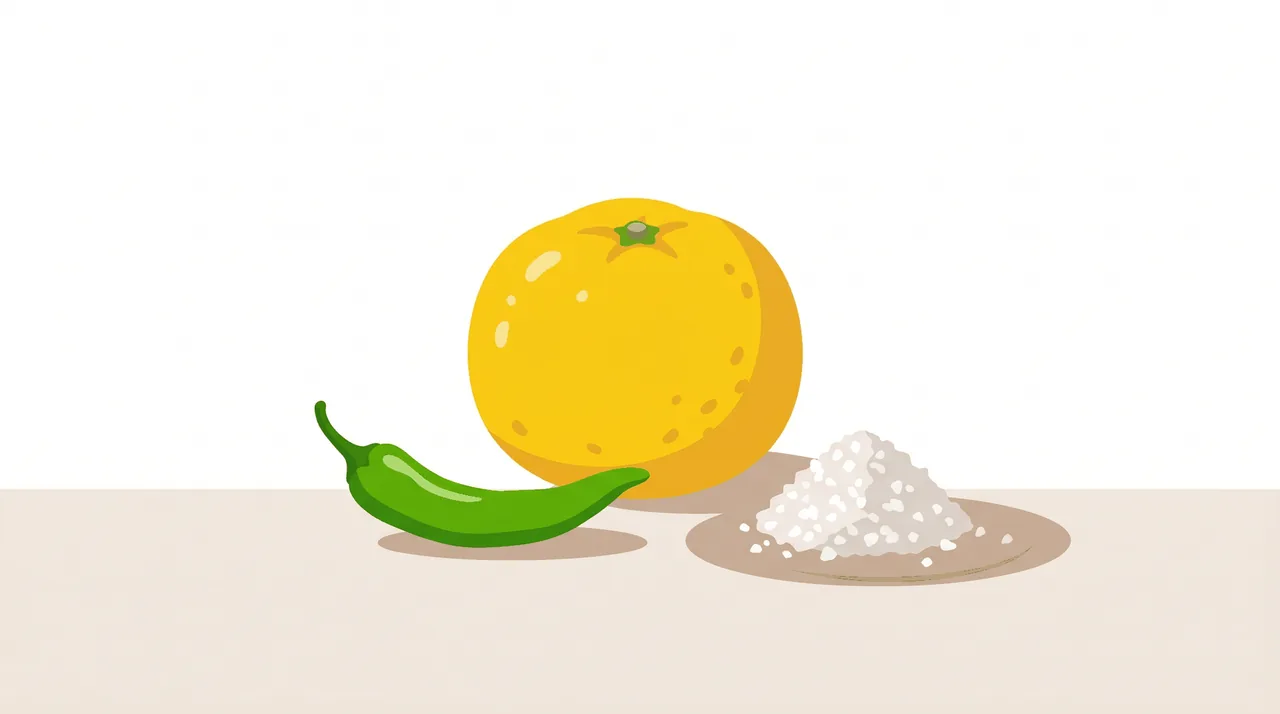
Yuzu Kosho translates literally to "Yuzu Pepper." However, in the Kyushu region of Japan where this condiment originated, "kosho" refers to chili peppers, not black pepper. It is a deceptively simple blend of just three ingredients: the aromatic zest of the yuzu citrus fruit, fresh chili peppers, and high-quality sea salt.
With three ingredients, the whole thing rests on proportion and on the quality of the peel. Makers working at the top of the category use green, unripe yuzu, picked while the peel is at its most aromatic, and grind it with green chilli and salt. The effect on the tongue arrives in that order too: heat first, citrus a moment behind it.
⚠ There is no standard for how hot it is. Salt content and chilli ratio vary a great deal between makers, and nothing on a Japanese jar will tell you in a form you can compare. Treat your first jar of an unfamiliar brand as an unknown quantity and start with less than you think.
Green or Red — Not the Same Condiment
The classic green version uses unripe green yuzu and green chillies: sharper, brighter, more assertive. The red uses fully ripened yellow yuzu and red chillies, which reads as rounder and fruitier — often, though not always, gentler.
If you are buying one jar, buy green. It is the version Kyushu cooking assumes, it is what will be meant when a recipe simply says yuzu kosho, and its sharpness is what cuts through fat. Red is the more interesting second jar, and it suits sweeter and richer dishes — pork, root vegetables, anything with a bit of sugar in the sauce.
2. The Magic of Fermentation and Aging
Time is the Invisible Ingredient
One thing that tends to separate the serious makers is time. Rather than grinding, jarring and shipping, many will let the mixture stand and mature — anywhere from a few weeks to the better part of a year, depending on the house. Not every good yuzu kosho is aged, and the label rarely says, but where it happens the difference is audible in the first taste.
What the time does: salt draws moisture out of the peel and chilli, and the mixture settles. The raw, slightly aggressive edge of fresh chilli softens, and the citrus oils spread through the paste instead of sitting on top of it. A young yuzu kosho tastes like three ingredients next to each other; a matured one tastes like one thing.
This is also the salt's other job. Yuzu kosho is roughly a tenth to a fifth salt by weight — closer to a preserve than a sauce. That is why an opened jar keeps for months in the fridge without anything added to it, and why the right portion is far smaller than it looks. Think of it as seasoning and heat in one, and salt the dish accordingly.
3. How to Choose Authentic Yuzu Kosho
This is the part that decides whether you enjoy your purchase, and it takes ten seconds in a shop. The ingredient list should be short enough to read in one glance.
It is worth understanding why the cheap tubes differ, because it is not simply cost-cutting. A tube has to survive an unrefrigerated shelf and squeeze out at an even consistency, which calls for thickeners and stabilisers; and because the bright green fades as soon as the paste meets air, it usually calls for colouring too. Those additions are solving a distribution problem. They are not solving a flavour problem, and they do not taste of nothing.
- Check the ingredient list: It should strictly say "Yuzu, Chili Pepper, Salt." If you see vinegar, sugar, thickeners, or artificial colors, put it back.
- Look for the origin: The best Yuzu Kosho comes from Kyushu, particularly Oita and Fukuoka prefectures, where the condiment was born.
- Look at the texture: the better jars are coarse and slightly wet, with visible flecks of grated peel, rather than the uniform paste that comes out of a tube.
- Prefer a jar to a tube: not out of snobbery — a jar implies refrigerated handling, which is what lets a maker leave the stabilisers out.
- Small is correct: 40-100 g is a normal size, and it is plenty. The aroma is the first thing to fade after opening, so a big jar is a false economy unless you cook with it constantly.
4. 3 Best Premium Yuzu Kosho Brands
Three makers worth knowing, all from the region the condiment comes from. The first two are Oita; the third is Fukuoka.
Kawakami (Oita Prefecture)
The traditional Oita style, and a hot one.
Oita is where yuzu kosho is generally held to have started, and Kawakami works in that idiom: pesticide-free yuzu, stone-milled rather than blitzed. The texture stays coarse, which matters more than it sounds — it sits on a piece of grilled meat instead of sliding off it. This is at the fierier end, so go carefully on the first jar.
Fundokin (Oita Prefecture)
An accessible premium option from a historic soy sauce brewery.
Fundokin is a long-established Kyushu soy sauce and miso house, and their yuzu kosho reads the way you would expect from a fermentation company: savoury, even, less of a spike than the artisanal jars. It is the easiest of the three to find, and the easiest to start with — it goes with sashimi and anything soy-based without fighting it.
Fukuoka Yuzu Farm (Fukuoka Prefecture)
A grower rather than a blender.
This maker farms its own yuzu, which shortens the gap between picking and grinding — and since the aroma of yuzu peel is at its strongest immediately after harvest, that gap is the thing most worth shortening. The result leans floral and citrus-forward rather than hot. Take the freshness claim as the maker's own, but the style is clearly aromatic.
5. Culinary Use 1: Elevating Meat and Fish
Why It Works Against Fat
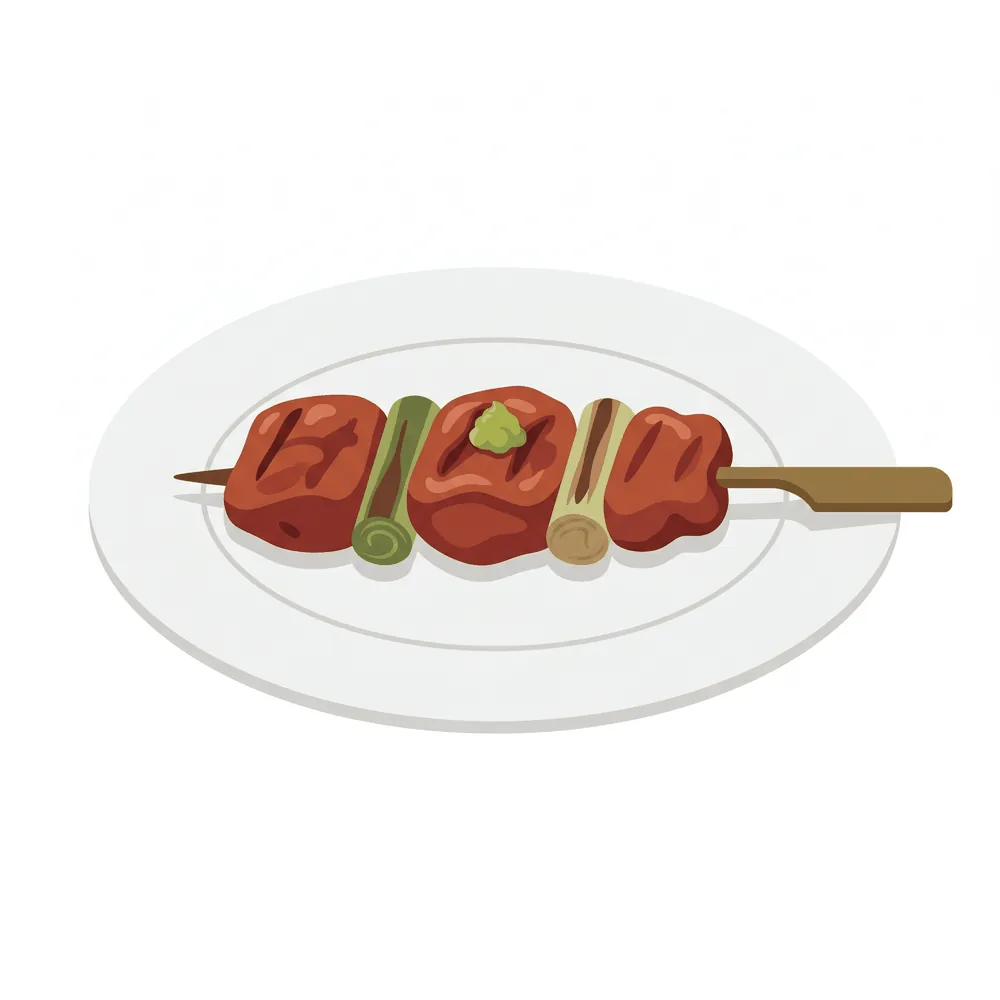
The sharpness of the chili and the acidity of the yuzu cut perfectly through rich animal fats. Instead of drowning a beautiful Wagyu steak or grilled chicken (yakitori) in heavy sauces, simply place a tiny dab of Yuzu Kosho on the meat just before eating.
It also works on fatty sashimi — salmon, yellowtail, seared tuna. Stir a little into the soy sauce in place of wasabi.
⚠ How much is "a dab": roughly a grain of rice per mouthful of meat, or a quarter-teaspoon stirred through a portion. It is salty and it is hot, and both arrive together. Adding more is easy; the reverse is not.
6. Culinary Use 2: The Perfect Soup Enhancer
Dissolving Heat and Aroma into Broths
In Kyushu, Yuzu Kosho is an absolute essential for winter hot pots (Nabe), udon noodles, and miso soup.
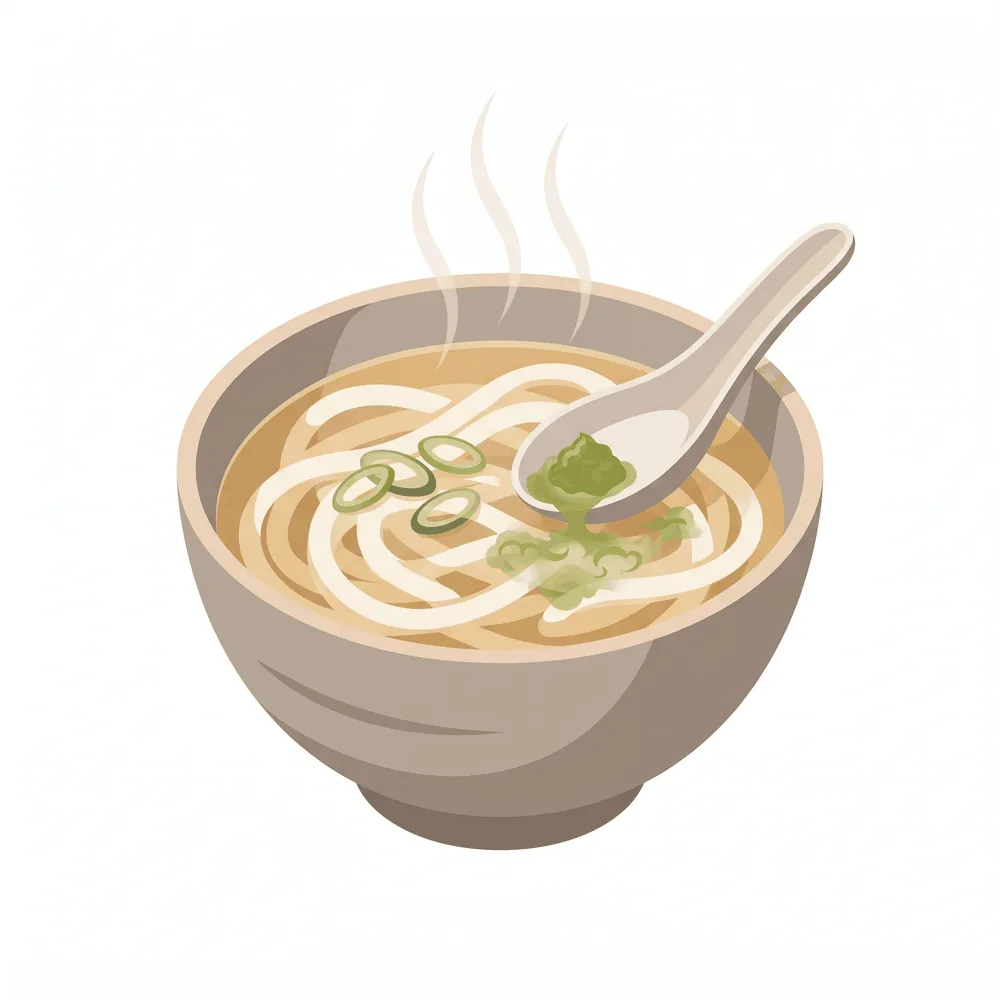
Heat lifts the citrus oils out of the paste, which is why stirring a small spoonful into a hot broth fills the room with the smell of it. It sharpens the edges of a soup that has gone slightly flat and adds warmth without turning it into a chilli dish.
⚠ Add it at the end, not the start. The aroma is volatile — that is the same property that makes it billow out of the bowl — so anything you simmer it in for twenty minutes will keep the heat and lose most of the yuzu. Stir it in off the heat, or put it on the table and let people add their own.
The Dressing Nobody Tells You About
Mix 1/2 teaspoon of Yuzu Kosho with olive oil, a splash of rice vinegar, and a pinch of sugar. Whisk it together to create an incredible, vibrant Japanese-style dressing for carpaccio or fresh green salads.
7. Frequently Asked Questions
How long does Yuzu Kosho last?
Around 6 to 12 months in the refrigerator. Because of its high salt content, it preserves very well. However, the vibrant yuzu aroma slowly fades over time, so it is best consumed within a few months of opening.
Can I keep it in the freezer?
Yes, absolutely. In fact, freezing is highly recommended for premium Yuzu Kosho to preserve the delicate citrus oils. Due to the high salt content, it will not freeze completely solid and can be scooped directly from the freezer.
Is Yuzu Kosho very spicy?
It is sharp, but not lingering. It provides a quick, bright kick similar to wasabi or jalapeno, rather than the deep, lingering burn of a habanero. You control the heat by how much you use.
What is the difference between Green and Red Yuzu Kosho?
Ripeness. Green uses unripe yuzu and green chilies (sharper, fresher). Red uses fully ripened yellow yuzu and red chilies (sweeter, fruitier, slightly more complex).
Can I use it for pasta?
Yes, it is excellent with oil-based pastas. A small dab mixed into a garlic and olive oil pasta (aglio e olio) adds an incredible refreshing zest that cuts through the oil beautifully.
Why is my Yuzu Kosho turning slightly brown?
This is natural oxidation. Premium Yuzu Kosho without artificial colorings will naturally lose its bright green hue over time when exposed to oxygen. It is still perfectly safe and delicious to eat.
8. Final Thoughts: Read the Label, Buy Green, Use Less
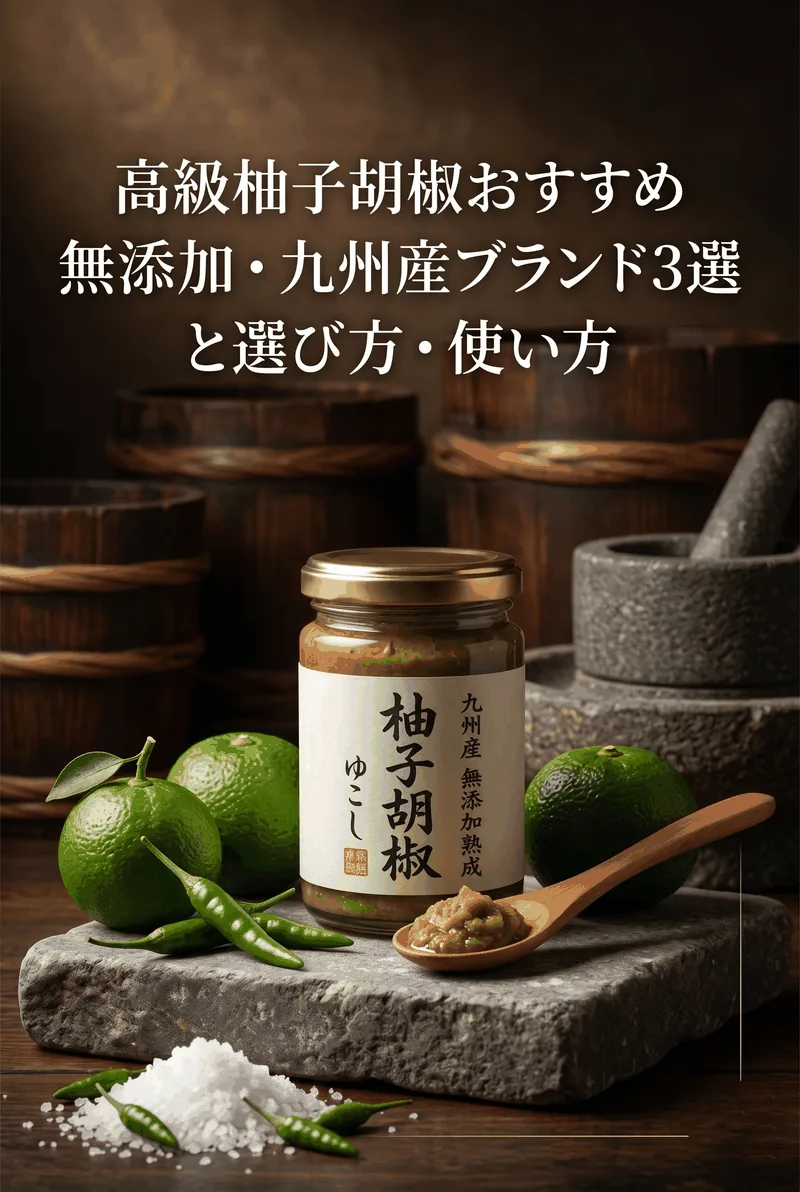
Three ingredients, and a label short enough to check in the shop. If it lists more than yuzu, chilli and salt, you are buying something built to survive a warm shelf rather than to taste of yuzu.
Buy green first, buy a small jar, keep it in the fridge or the freezer, and add it at the end of cooking rather than the beginning.
And start with less than you think. It is a preserve as much as a condiment, and the portion that looks right on the spoon is usually two or three times the portion that tastes right on the food.
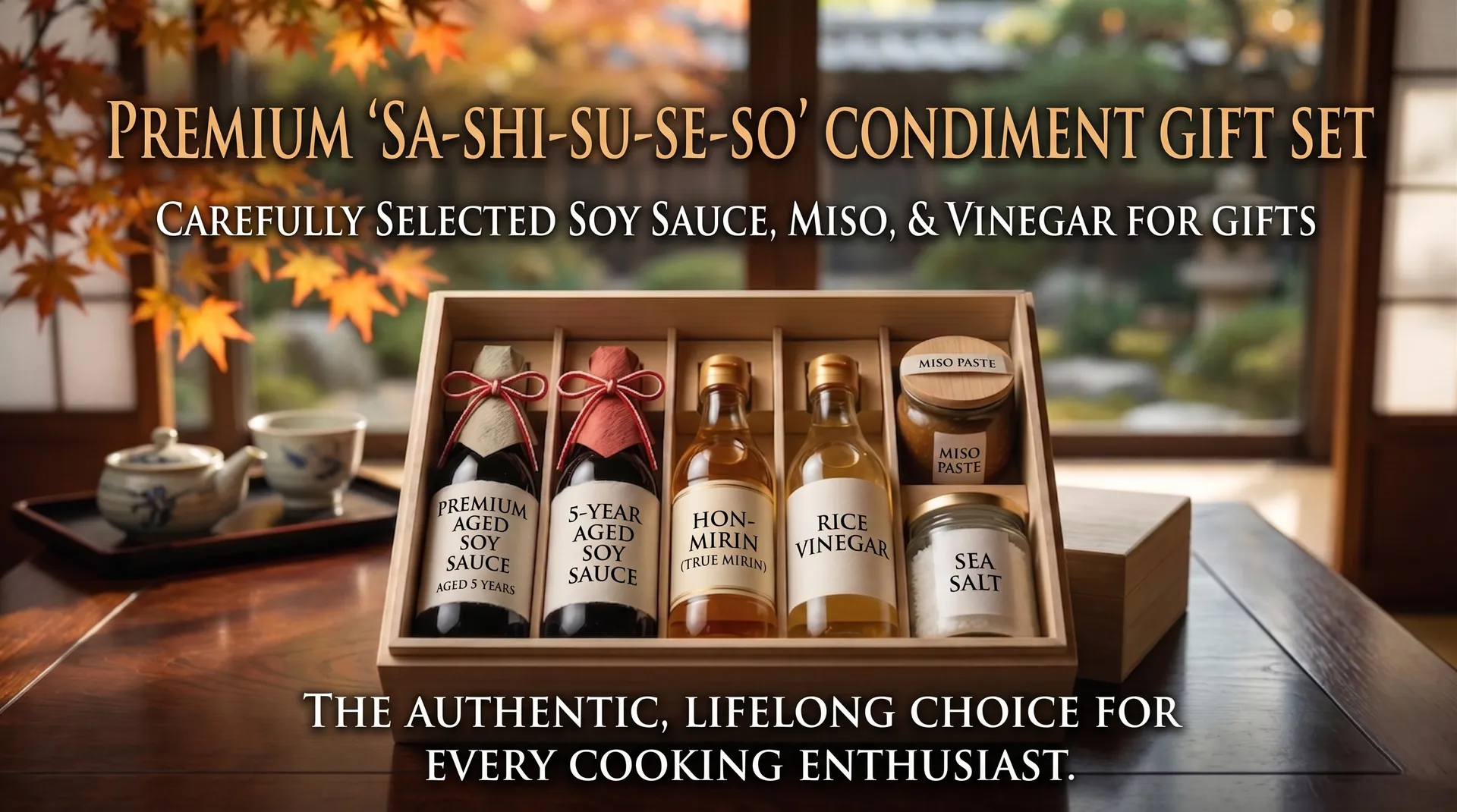
Japanese Seasoning Gifts: Premium Soy Sauce, Miso & Vinegar
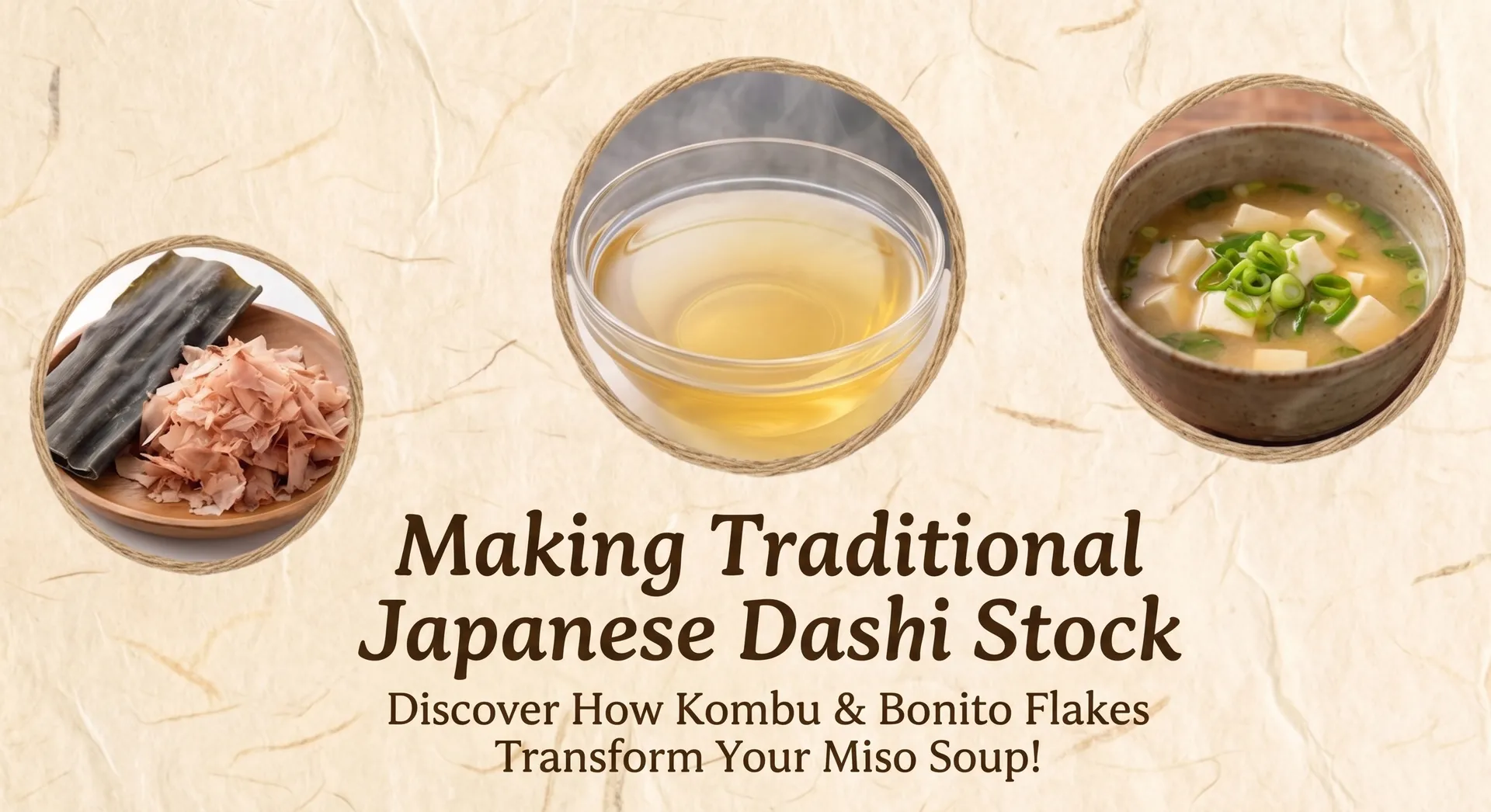
How to Make Japanese Dashi: Kombu & Katsuobushi in 4 Steps