Japanese seasoning
gifts are a fail-proof choice for any occasion — summer gifts, year-end gifts, thank-you
presents, and more.
① Used every single day (nobody complains about getting them)
② Premium quality they won't buy for themselves (a ¥1,000 bottle of soy sauce, for example)
③ Room temperature and long-lasting (no rush to use it)
Sweets split opinions, catalog gifts feel impersonal — sound familiar?
That is exactly when Japan's traditional "sa-shi-su-se-so" seasonings come in: sugar, salt,
vinegar, soy sauce, and miso.
This guide selects the premium, gift-worthy versions of each — the real thing that genuinely transforms cooking.
Quick Reference: Japanese Seasoning Gifts at a Glance
| Seasoning | How to Choose | Price Range | Best For |
|---|---|---|---|
| Soy sauce (se) | Long-aged, naturally brewed | $5–$20 / bottle | Summer / year-end gifts |
| Hon mirin | 3 ingredients only, traditional method | $8–$25 / bottle | Gifts for cooking enthusiasts |
| Rice vinegar (su) | Pure rice vinegar | $6–$18 / bottle | Health-conscious recipients |
| Miso (so) | Additive-free, long-aged | $8–$30 / kg | Thank-you gifts, celebratory gifts |
1. Why Seasoning Gifts Always Land Well
Why do seasonings make such an exceptional gift?
Because they are consumables that quietly raise the quality of everyday life.
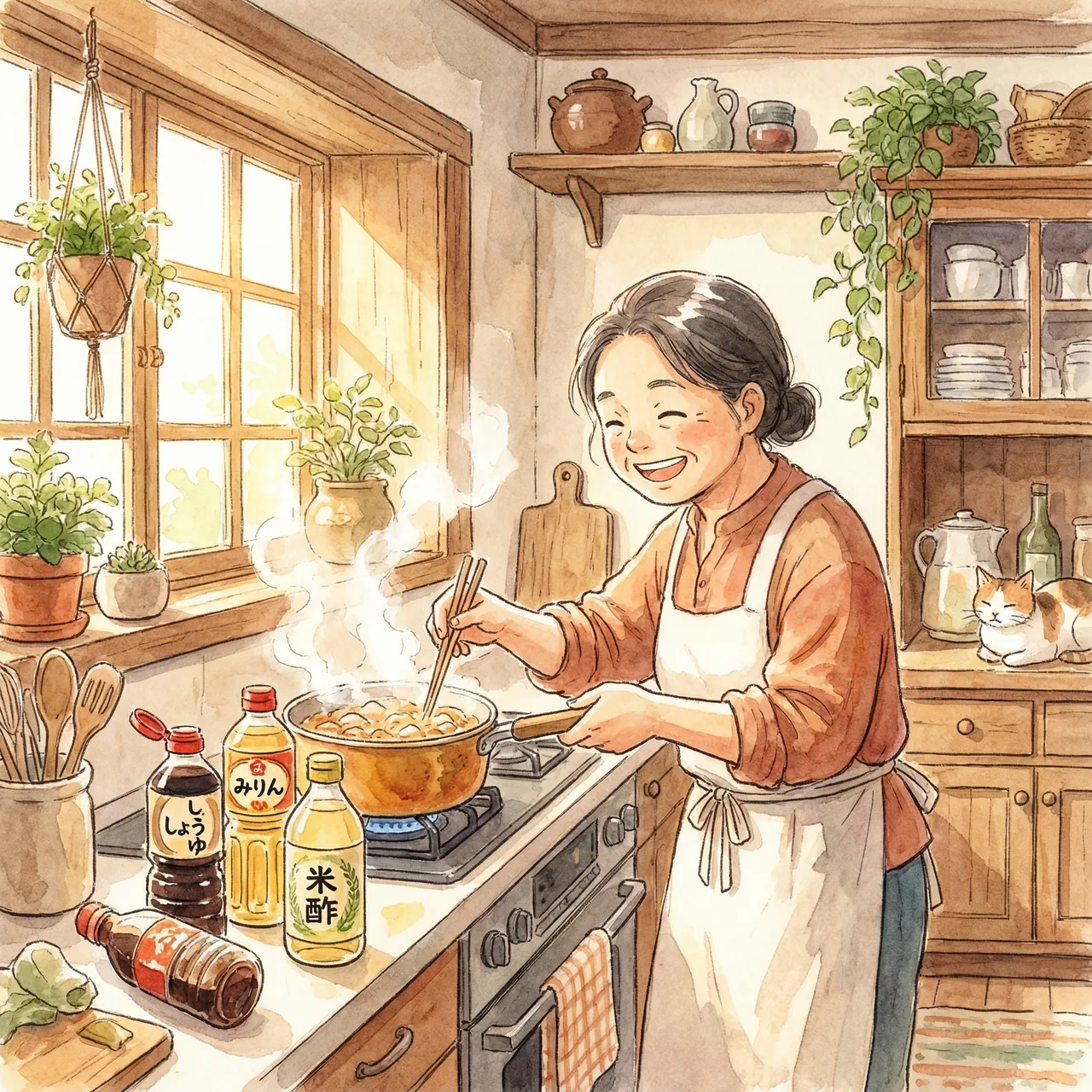
Reason 1: Everyone uses them every day
Soy sauce, miso, and oil are used daily in any household that cooks.
Unlike a decorative item with uncertain taste, or sweets that not everyone enjoys, seasonings are something
nobody ever objects to receiving.
For sheer practicality, they are the top-ranked gift category.
Reason 2: The premium tier they wouldn't buy themselves
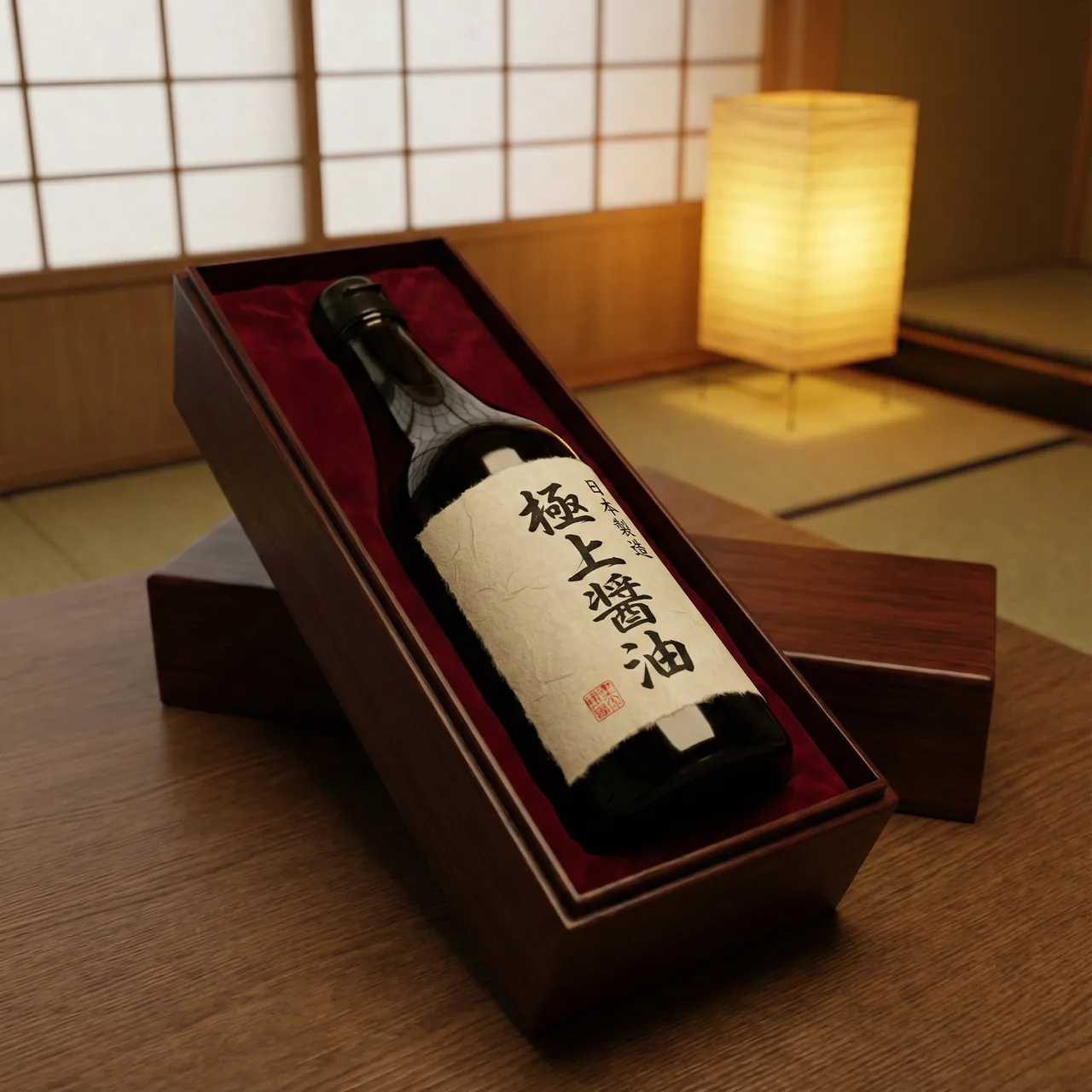
Many people grab whichever soy sauce is on sale at the supermarket — but very few would pick up a $15 bottle for
themselves.
That is exactly why it makes such a welcome gift.
You hit the sweet spot of "I've always wanted to try this, but it's a stretch to buy myself."
2. Premium Sa-shi-su-se-so Seasonings Worth Gifting
From Japan's classic "sa-shi-su-se-so" seasoning lineup, here are standout bottles in vinegar, soy sauce, and miso — all gift-worthy in presentation and taste.
Vinegar (su): Iio Jozo "Fujisu"
A miraculous rice vinegar from pesticide-free paddies in Tango, Kyoto.
People say "changing your vinegar alone makes you a better cook" — Fujisu has that kind of mellow, non-pungent
umami that never stings.
An ideal gift for health-conscious cooks or anyone who eats a lot of salads.
Soy sauce (se): Inoue Shoyu "Inoue Koshiki Shoyu"
Naturally brewed in the deep mountains of Okuizumo, Shimane — rich, dark, and deeply
savory.
Uses more soybeans than standard soy sauce, with a complex depth from long aging.
Versatile enough to elevate simmered dishes, sashimi, and tamago kake gohan (egg over rice) alike.
Miso (so): Maruya Hatcho Miso & Additive-Free Miso
Turn everyday miso soup into something extraordinary.
Miso is deeply regional in Japan — gifting a premium variety from an unfamiliar region (such as earthy Hatcho
miso from Aichi, or long-aged Shinshu miso) delivers the joy of discovering a new flavor entirely.
Pairs beautifully with a dashi-making set.
3. The Hidden Star: Hon Mirin Often Delights More Than Soy Sauce
It doesn't appear in the traditional "sa-shi-su-se-so" list, but hon mirin (true mirin) generates
some of the most enthusiastic reactions of any seasoning gift.
Most households use mirin-style seasoning — a syrup-based substitute — so the taste of the real thing genuinely
surprises people.
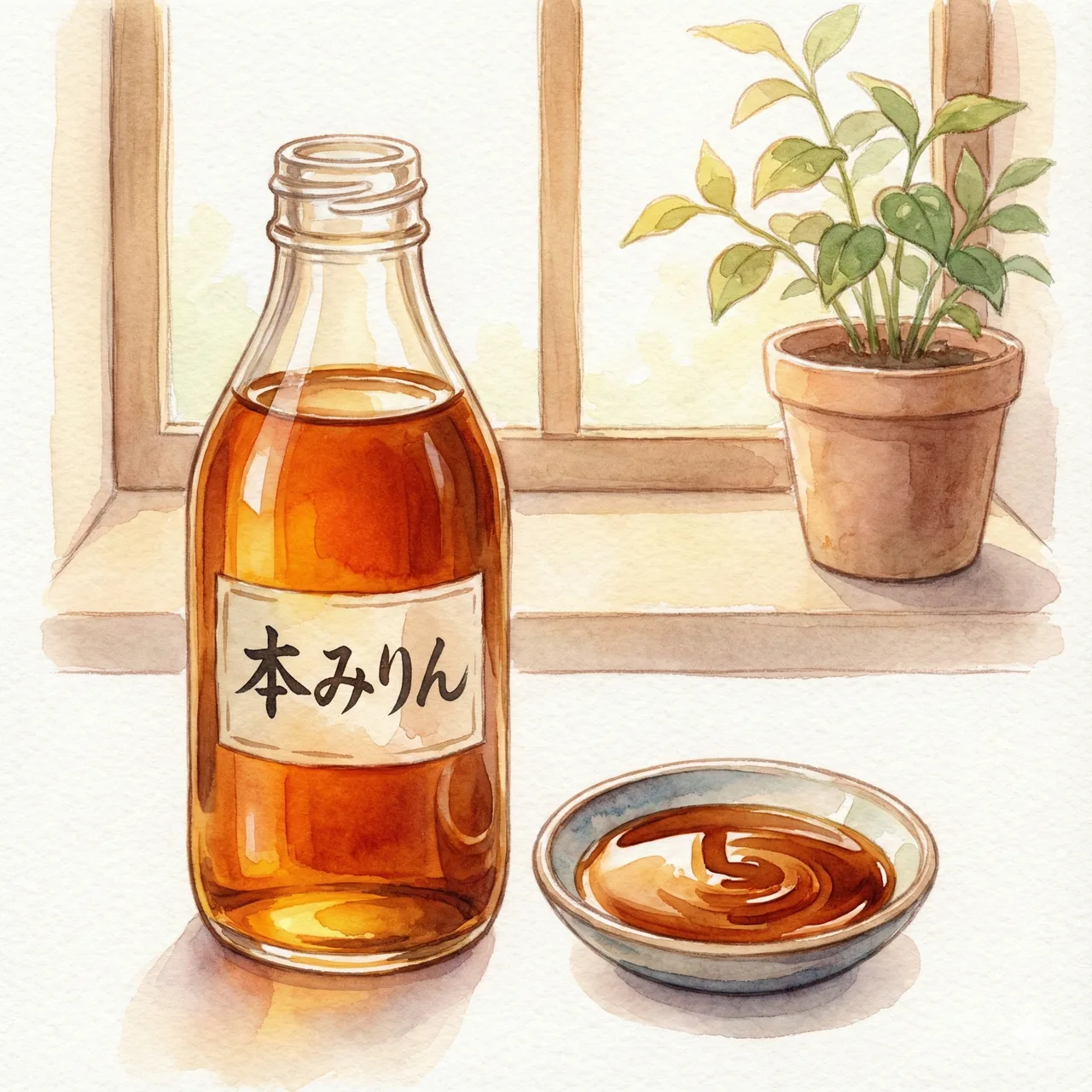
Kakuya Bunjiro Shoten "Sanshu Mikawa Mirin"
"Drinkable" mirin made by traditional methods — that's how good it tastes.
Made from only glutinous rice, rice koji, and shochu, it develops a lush, concentrated sweetness that makes
extra sugar unnecessary.
Gift this to a cooking enthusiast and expect a message back: "My simmered dishes have never tasted so good."
4. Budget Guide: Building a Set for ¥3,000 or ¥5,000
Pair seasonings to the occasion and recipient with these budget-based examples.
Up to ¥3,000: Small thank-you / casual gift
Example combo: Premium soy sauce + hon mirin
The most accessible two-bottle pairing.
Frame it as a "better simmered dishes set" — the recipient can accept it without feeling obligated.
Alternatively, premium dashi pack + soy sauce is also popular and easy to use.
Up to ¥5,000: Summer/year-end gift or celebratory present
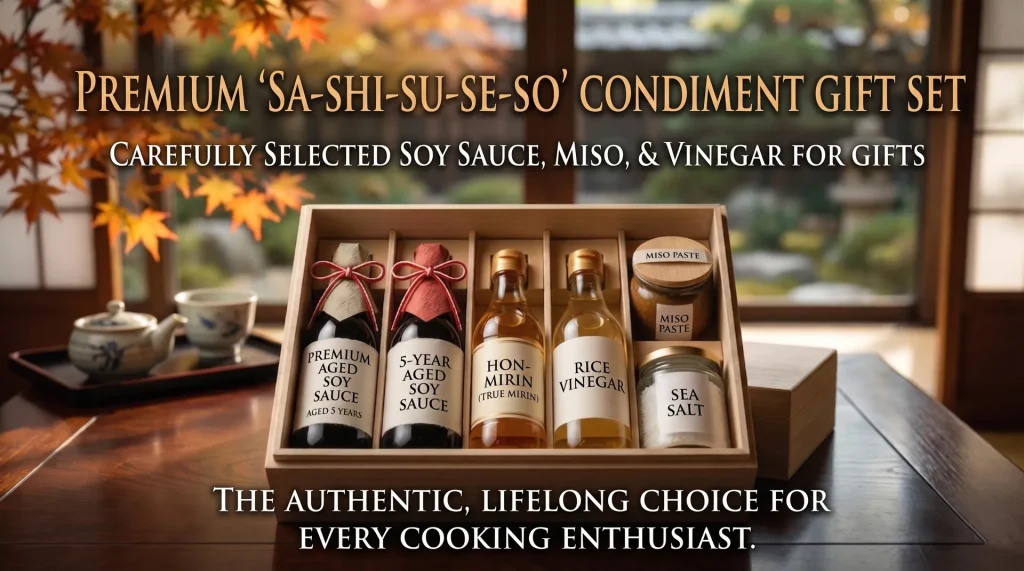
Example combo: Full sa-shi-su-se-so set
· Artisan salt (seaweed salt, etc.)
· Fujisu rice vinegar
· Inoue Koshiki Soy Sauce
· Additive-free miso
· Sanshu Mikawa Mirin
Presented together in a box, the visual impact is exceptional.
Having all of these on the kitchen shelf raises the cook's motivation every time they reach for a bottle.
5. Real Experience: What Happened When We Gave Seasonings as a Wedding Gift
One of our team members gave a premium seasoning assortment as a wedding gift in place of the usual catalog gift — the response was overwhelmingly positive.
Glad we went with this instead of a catalog!
A friend replied: "I'd never buy this soy sauce myself — using it for tamago kake gohan felt genuinely
luxurious."
A relative said: "I use these every day so it's incredibly practical. Choosing from a catalog is a chore, and I'm
bored of sweets. This is something I actually look forward to."
Hon mirin got particularly warm feedback — one person later sent a message specifically to say
she had gone out and bought more for herself after the bottle ran out.
It was a gift that disappeared quickly but left a lasting impression — the best kind.
6. Frequently Asked Questions
How long do these seasonings keep?
Soy sauce, mirin, and vinegar all last 1–2 years unopened.
Miso typically keeps for 6–12 months.
Unlike fresh produce, there is no rush to use them — making them practical even for single-person households or
small families.
Bottles are heavy — is hand-delivery practical?
Glass-bottled seasoning sets do get heavy quickly.
For hand-delivery, choose small-bottle sets (around 300 ml) or arrange shipping directly.
If you want a lighter hand-carry option, premium dashi packs or high-grade nori (seaweed) are
good alternatives to pair in.
Is it rude to give seasonings to someone who doesn't cook much?
For non-cooks, instant miso packs or dashi-seasoned condiments — things that need no preparation
— are a practical and appreciated choice.
Premium dashi packs that just dissolve in hot water work well too.
Reading your recipient's lifestyle is always the most important factor in a gift landing well.
Should I attach a noshi (formal gift ribbon) to seasoning gifts?
For formal occasions — year-end gifts, summer gifts, celebratory presents — attaching a noshi is correct
etiquette.
Most premium seasoning brands offer gift-wrapping and noshi options at checkout; simply specify the occasion.
Choosing the right inscription (御中元, 内祝, お礼, etc.) makes the gift feel especially considered.
What if the recipient has food allergies?
Seasonings can contain common allergens: soy (soy sauce, miso), wheat (some soy sauces), and dairy (butter
soy sauce varieties).
If the recipient has known allergies, check the ingredient list in advance, or choose simpler options like
rice vinegar or pure salt.
When in doubt, a tactful check beforehand is always appreciated.
7. Final Thoughts
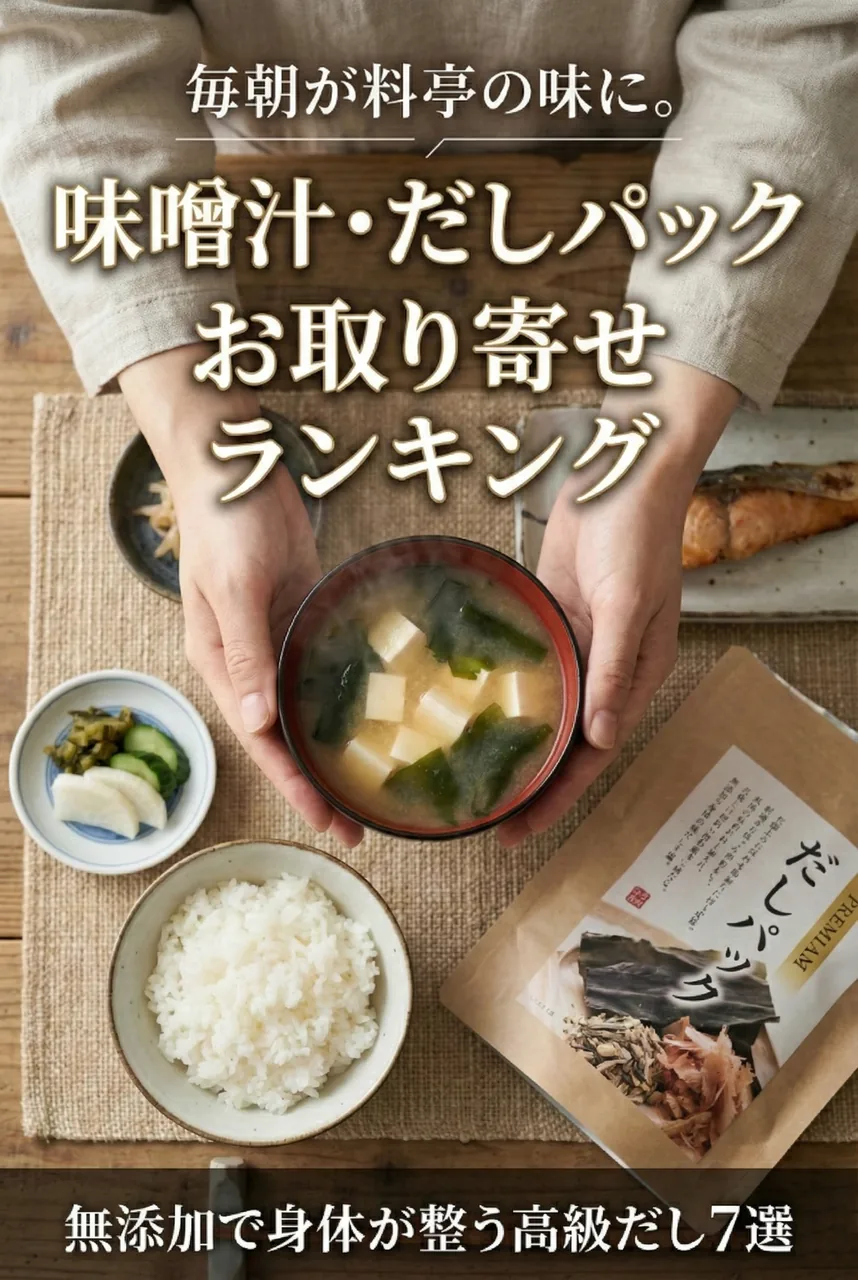
A seasoning gift is not simply an object — it is a gift of better meals and a richer table,
delivered quietly every single day.
Key points for choosing:
· Start with the sa-shi-su-se-so basics
· Choose traditional method / long-aged versions they wouldn't buy themselves
· Add hon mirin to raise the wow factor
When the occasion calls for a meaningful gift, sometimes the most lasting impression comes not from something
flashy, but from something that quietly accompanies every meal.
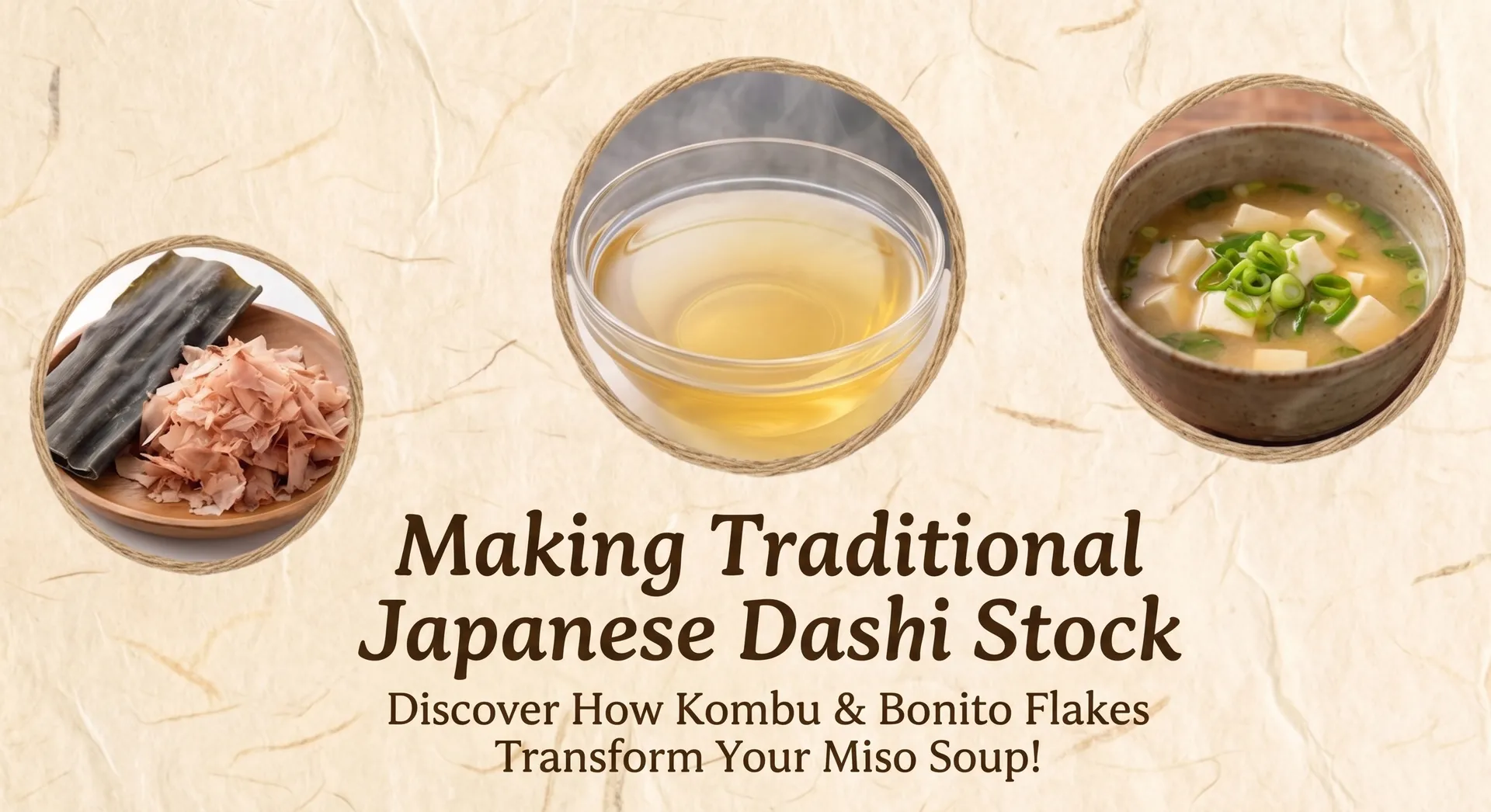
How to Make Japanese Dashi: Kombu & Katsuobushi in 4 Steps

Miso & Dashi: How to Make Miso Soup That Actually Tastes Like Japan