
A ReFa roller costs several times what a jade roller costs, and almost all of that difference sits in one small dark window on the handle. It is a solar panel, and MTG states that it converts light into a weak electrical current that passes through the platinum heads into your skin. That claim is what the price rests on. This guide separates the part you can check for yourself — a specific pinching action, a coating chosen for how it behaves against skin — from the part that is the maker's claim, so you know which one you are paying for.
High-Tech Rollers vs. Traditional Stone Rollers
| Feature | Japanese Microcurrent Roller | Standard Jade/Quartz Roller |
|---|---|---|
| Action | Deep pinching and kneading | Surface level smoothing |
| Technology | Generates microcurrents via solar panel | Physical massage only |
| Material | Platinum coated (hypoallergenic) | Carved natural stone |
1. The Art of Kneading: Mimicking Human Hands
The Pinch and Pull Mechanism
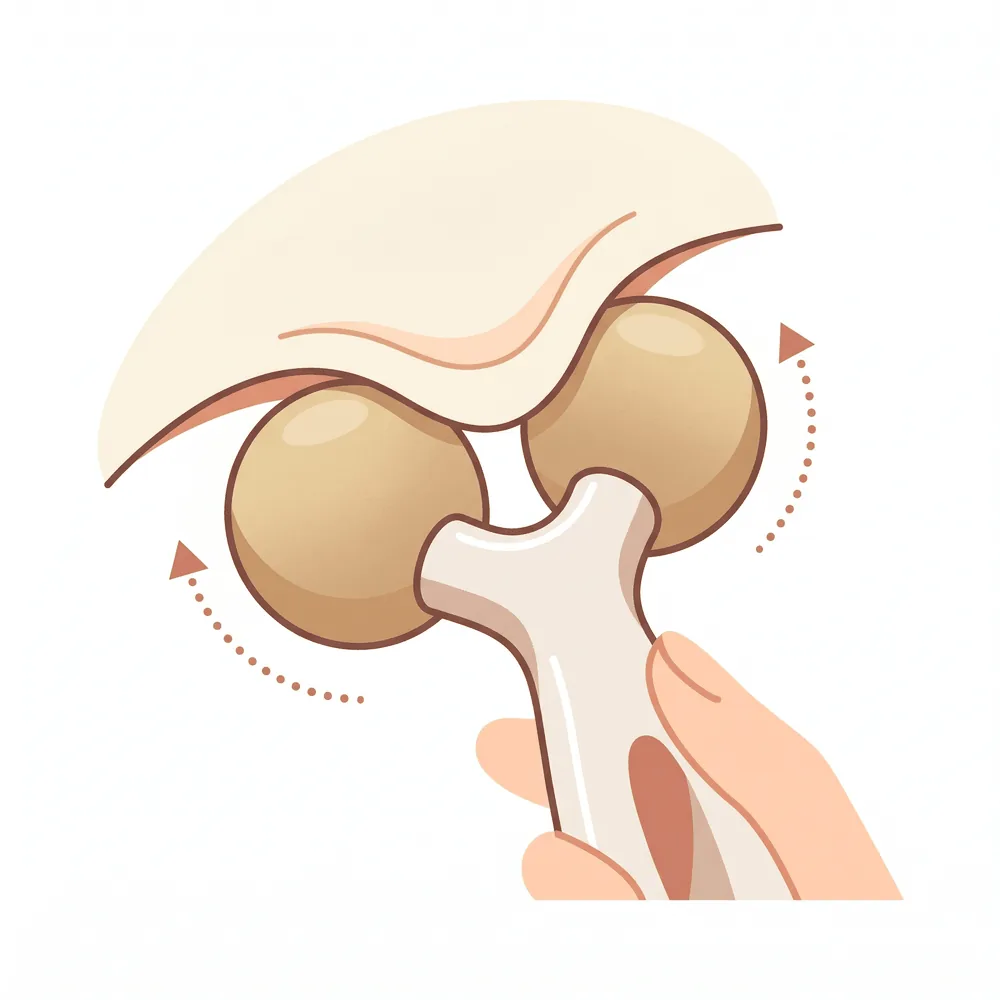
The most striking feature of premium Japanese rollers (like ReFa) is their complex, multi-angular 3D design. Unlike flat jade rollers that merely glide over the skin, the dual spherical heads of these devices are engineered at a precise angle.
As you roll the device upward along your jawline, the two spheres draw the skin inward, pinching and lifting the tissue underneath. This mimics the "kneading" technique a massage therapist uses, and it is the part of the device you can verify yourself: the skin is physically lifted rather than merely stroked. Makers describe the result as lymphatic drainage. Whether you call it that or simply call it a massage, the movement is real and you can feel it.
2. What is Microcurrent? The Solar Secret
Electricity Without Batteries
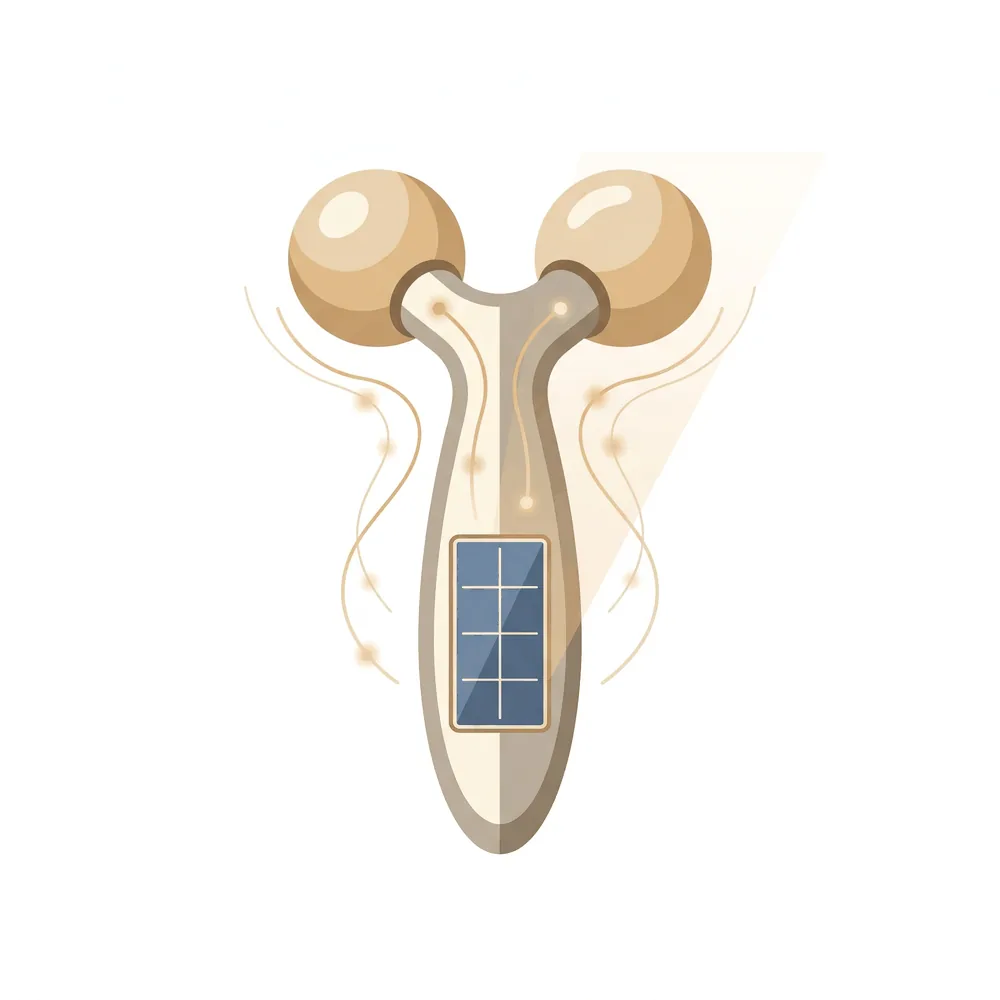
If you look closely at the handle of a high-end Japanese roller, you will see a small, dark window. This is a built-in solar panel that captures natural or artificial room light.
The panel converts this light into a very mild, low-level electrical current — what the makers call a "microcurrent" — that passes through the platinum rollers into your skin. MTG describes this current as mimicking the body's own bio-electrical rhythms, and the marketing goes on to talk about cell turnover and elasticity.
We are repeating that as the maker's claim, not confirming it. What is not in dispute is the mechanism: light in, a very small current out, no battery to charge. What that current then does to skin is the part you are taking on trust, and you will not feel it either way.
3. The Importance of Platinum Coating
You might wonder why premium Japanese rollers (like ReFa) are coated in real platinum instead of simple stainless steel or silver. The reason is twofold: durability and skin safety.
Platinum resists heat, acidity, and oxidation. It will not tarnish or degrade when exposed to sweat, acidic serums, or cosmetic oils. It is also among the least reactive metals against skin, which is why it turns up in piercing jewellery.
That matters more than it sounds for something dragged across the face daily. Cheap metal coatings are a common source of contact irritation, and nickel in particular. If costume jewellery gives you trouble, the coating is the specification to check — on this device it is doing more work than the microcurrent.
4. Top Japanese Beauty Device Brands
ReFa (MTG)
The company that created the category.
MTG's ReFa line is where the platinum-coated solar roller came from, and it remains the reference. The CARAT family runs from small heads intended for around the eyes up to wide body rollers meant for thighs and calves — and the size is the decision that matters, not the model name.
Match the head to the area. A large roller cannot follow the line of a jaw, and a small one on a thigh takes forever. If you are buying one and it is for your face, the compact versions do that job better than the flagship.
YA-MAN
Advanced RF (Radio Frequency) and EMS clinical tech.
If you want to step up from rollers to active electronic devices, YA-MAN is Japan's premier beauty clinic brand. Their devices plug into the wall and use Radio Frequency to heat deep skin layers and EMS (Electrical Muscle Stimulation) to actively twitch and tone facial muscles.
We could not confirm an English-language route to this maker. It is straightforward to buy in Japan, and we would rather say so than send you to a search that returns something else.
⚠ Counterfeits are the real hazard here
This is a small, expensive, simple-looking object with a recognisable shape, which makes it one of the most heavily copied Japanese products there is. Fakes are common on marketplaces and on social media advertising, and they are convincing in photographs.
The imitation is usually skin-deep in the most literal sense: a plated finish rather than a platinum one, and a dead panel in the handle that generates nothing. The coating is the part that matters — a cheap plating on something you drag across your face daily is exactly the contact-irritation risk described above, and it is the one part you cannot inspect.
Two rules keep you clear of it:
- Buy from the maker's own storefront or an authorised retailer. ReFa runs an official presence on Amazon.com; that is the straightforward route from an English-speaking country.
- Treat a discount as the warning it is. These are not discounted much, because they do not need to be. A large saving on a marketplace listing is the single most reliable indicator that something is wrong.
Genuine units carry serial numbers and the maker operates authentication for the domestic market. If you are buying secondhand, this is the category where we would simply advise against it.
5. How to Use a Facial Roller Correctly
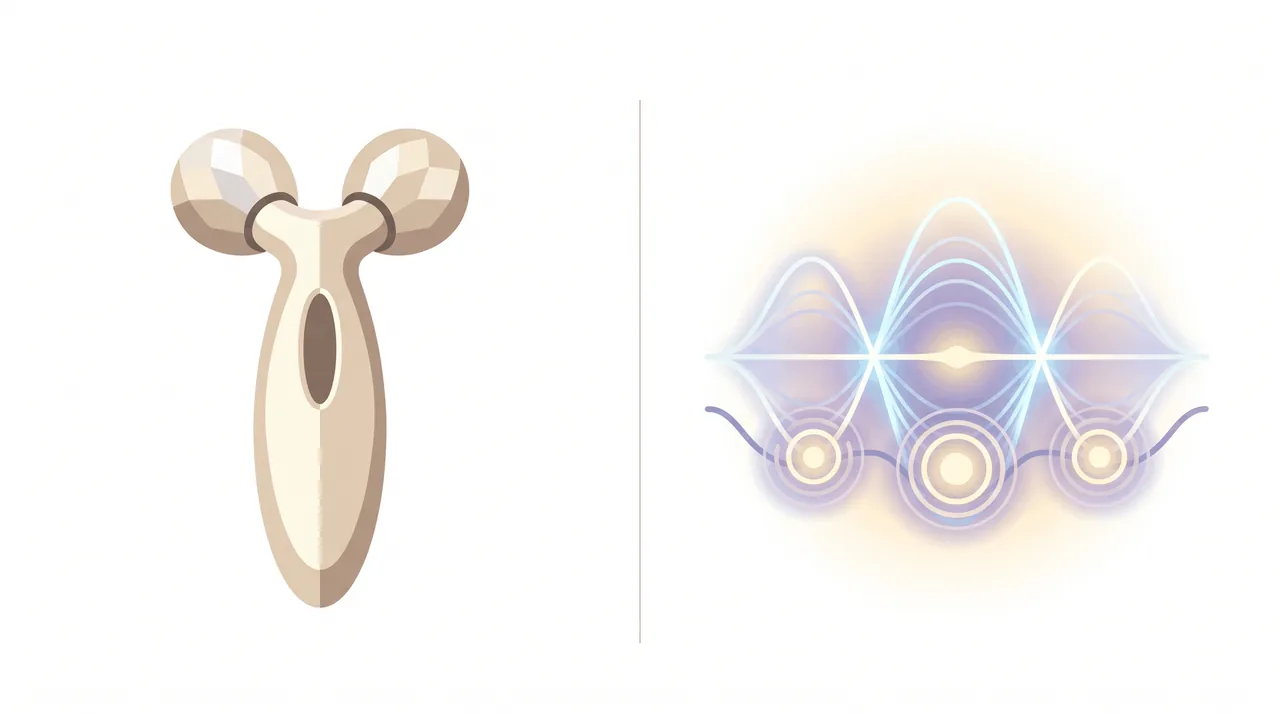
Using a 3D roller incorrectly can actually stretch the skin. Follow these golden rules:
- Roll upwards, lift away: Always roll from the chin up towards the ear to lift the skin. When bringing the roller back down to the chin, lift it completely off your face. Do not roll vigorously back and forth like a paint roller.
- Don't cover the solar panel: Ensure your hand is not covering the dark window on the handle, or you will block the microcurrent generation.
- Use on clean, moisturised skin: the rollers need enough grip to pinch and enough slip to travel. A light lotion or serum gives you both. Thick oils are the common mistake — they let the heads skate over the surface without ever taking hold, which feels pleasant and does nothing.
- Five to ten minutes, not thirty: more is not better here, and over-rolling irritates skin. A short daily routine is the pattern these are designed around.
- Rinse it and dry it: serum and skin oils build up in the gap around the roller heads. A wipe after use, and an occasional rinse under water for the waterproof models, keeps the heads turning freely — a roller that has gone stiff drags rather than rolls.
6. Realistic Results: What to Expect
Immediate: The effect people consistently report after a few minutes is de-puffing — the face looks less swollen and the jawline reads sharper. This is a fluid-shift effect and it is temporary, which is exactly why it works as a morning routine before makeup rather than as a treatment. Expect it to fade over the day.
Long-term: A roller will not erase deep wrinkles or sagging skin. That requires clinical treatment, and no maker claims otherwise. Beyond that, the honest answer is that the long-term claims — circulation, glow, a softer jawline from relaxing the masseter — are the makers' claims and not settled results. Buy one because you will enjoy the daily massage, not because you are expecting a documented outcome. If that sounds like a let-down, it is worth knowing before you spend the money rather than after.
7. Frequently Asked Questions
Does the microcurrent hurt?
Not at all. The current generated by the solar panel is so mild you cannot feel it. There is no zapping, stinging, or vibrating sensation.
Can I use it in the bath?
Check the rating for your exact model first. Many ReFa rollers are rated for bath use, but not all of them are, and the powered devices are a different matter again. The maker's spec sheet is the only source worth trusting here — a model that is not rated for water can be ruined in one bath. Where it is permitted, the warmth does make the muscles easier to knead.
Do I need to charge it or change batteries?
No. As long as the solar panel is exposed to light (even indoor LED lighting is sufficient), it will generate the necessary microcurrent indefinitely.
How often should I use it?
5 to 10 minutes a day is perfect. Over-rolling can irritate the skin. A short, consistent daily routine yields the best results.
Can I use it over makeup?
Yes, but it is not ideal. It is best used on a clean, freshly moisturized face so the microcurrent can conduct properly and the rollers don't get clogged with foundation.
Why did it pinch my skin so hard?
You are holding the handle too high. The angle of the handle determines how deeply the rollers pinch. If it hurts, lower the handle closer to your skin to reduce the suction effect.
8. Final Thoughts: What You Are Actually Paying For

Taking care of your skin shouldn't require booking expensive appointments weeks in advance.
What you are certainly buying is a well-made tool with a specific kneading action, a coating that will not react with your skin, and nothing to charge. That much holds up whatever you conclude about the current.
Treat the microcurrent as the maker's claim rather than a proven benefit, and judge the device on a simpler question: will you actually pick it up every morning? At this price, the habit is the thing you are paying for.
Kumano Makeup Brushes: Which 3 to Buy First

Japanese Skincare: Sunscreen, Sake Lees, Rice Bran