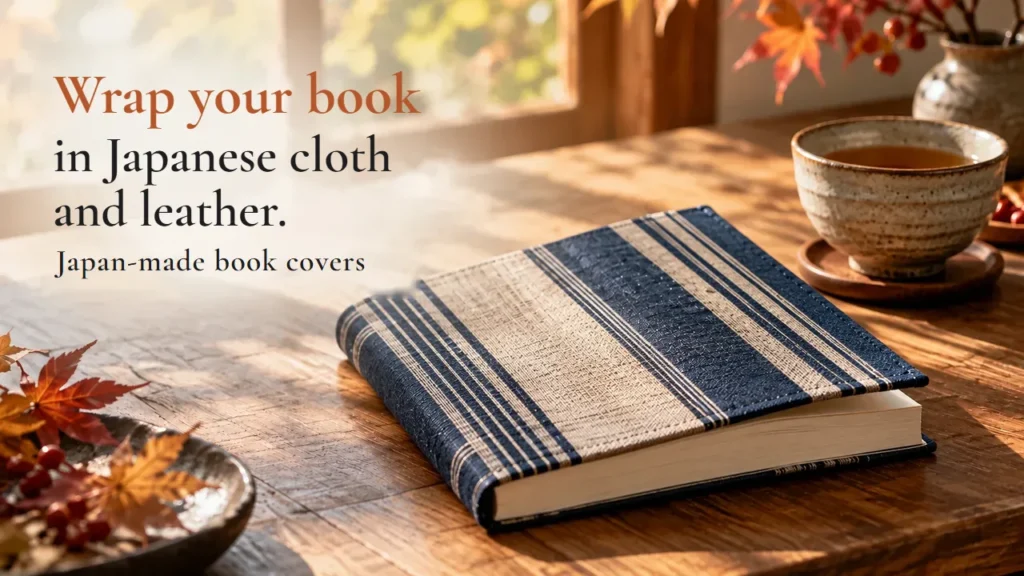
In Japan, buy a paperback at a bookstore and the clerk will ask: "Would you like a cover?" Then they fold a paper wrapper around it — so no one on the train can see what you're reading.
For a book you carry every day, though, a cover you choose by feel is worth it.
Out of your bag, open, closed, back in. Every time, what your fingers touch isn't the book; it's the cover. And there are Japanese makers putting weaving, dyeing, tatami-making, leatherwork and washi into that cover.
This guide covers five Japan-made covers for bunko paperbacks: Ise cotton woven on Meiji-era looms, a hand-dyed tenugui, igusa from a tatami shop in Yaizu, workshop-made leather, and a 13-gram cover born of washi technology. It also explains bunko sizes, how each material ages, and where to buy outside Japan.
Quick Reference: 5 Japan-Made Bunko Book Covers at a Glance
| Book cover | Material | Maker | Feel |
|---|---|---|---|
| Ise cotton ▾ | Yarn-dyed cotton | Usui Shokufu × Mifuji (Tsu, Mie) | Softer with use |
| nijiyura Re-katachi ▾ | Chusen-dyed tenugui | Nakani (Sakai, Osaka) | Light as cotton gauze |
| Igusa cover ▾ | Igusa and tatami edging | Matsuba Tatami (Yaizu, Shizuoka) | Smooth, with an igusa scent |
| Cypris leather ▾ | Cowhide tanned in Japan | Morpho (Cypris) | Deepening shine |
| SIWA ▾ | Naoron, from washi technology | Ohnao (Ichikawamisato, Yamanashi) | About 13 g |
| Hamamonyo bunko cover ▾ | Printed cotton | Hamamonyo (Yokohama) | Buying outside Japan |
Click a cover to jump to it.
1. Why Japanese: Your Fingers Touch the Cover, Not the Book
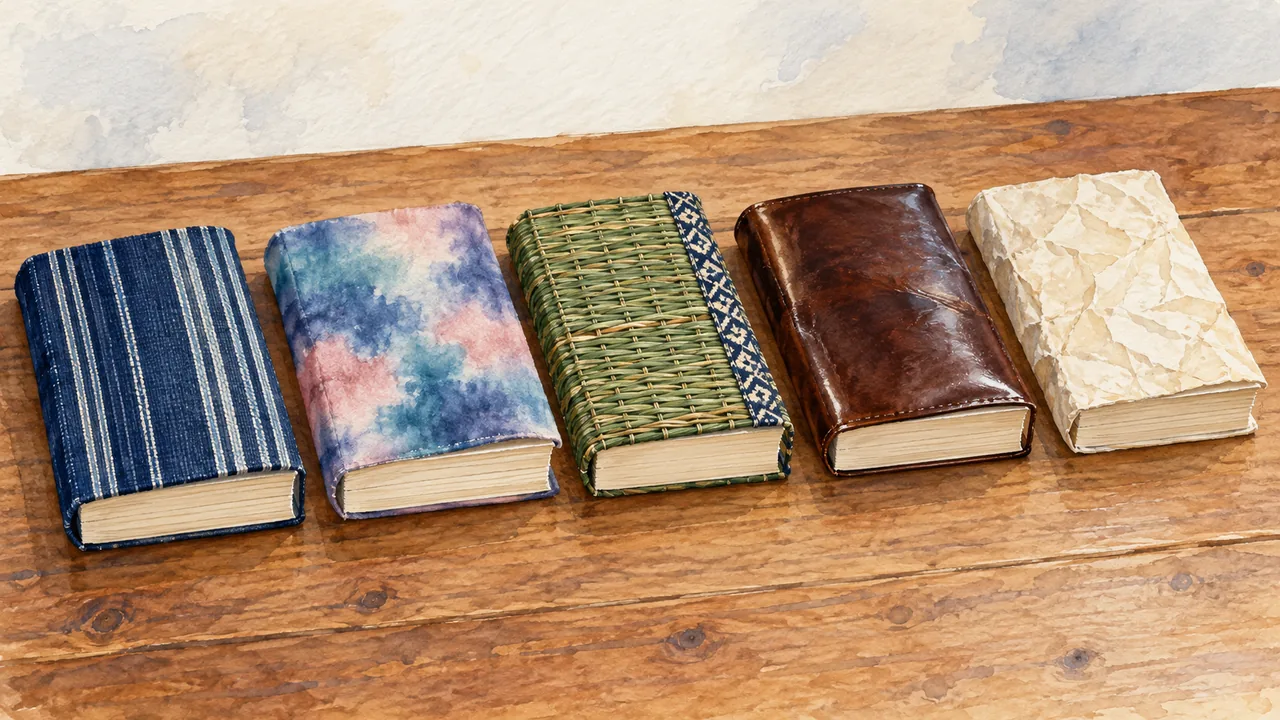
You pick it up dozens of times before you finish
On the commuter train, in a café at lunch, in bed at night. A Japanese bunko paperback — a small A6 book, 105 × 148 mm (4.1 × 5.8 in) — goes in and out of a bag dozens of times before it's finished. Every time, what's in your palm is the cover.
Cloth settles into the hand, igusa feels crisp and smooth, leather gains a shine with use, and a material born of paper technology can be startlingly light. Choosing the material is choosing how your reading time feels.
Each of the five covers here grew out of a craft its maker practices for a living: a weaver, a tenugui dye works, a tatami shop, a leather workshop and a washi maker.
2. Ise Cotton: Meiji-Era Looms, Kept Running by Hand
The only company still weaving Ise cotton
Ise momen (Ise cotton) began in the Edo period as a side business of farmers in Mie and flourished with the encouragement of the Tsu domain's lord, Todo Takatora. It's yarn-dyed — the thread is dyed before weaving — and comes in two kinds: plain indigo and striped.
One company still weaves it: Usui Shokufu in Tsu, Mie. As mills closed one after another from the 1960s, Usui Shokufu became the last. In its factory run about 30 power looms from the Meiji era, bought from Sakichi Toyoda's company. Spare parts are no longer made, so when something breaks, the weavers repair it themselves.
Cotton that gets softer the more you wash it
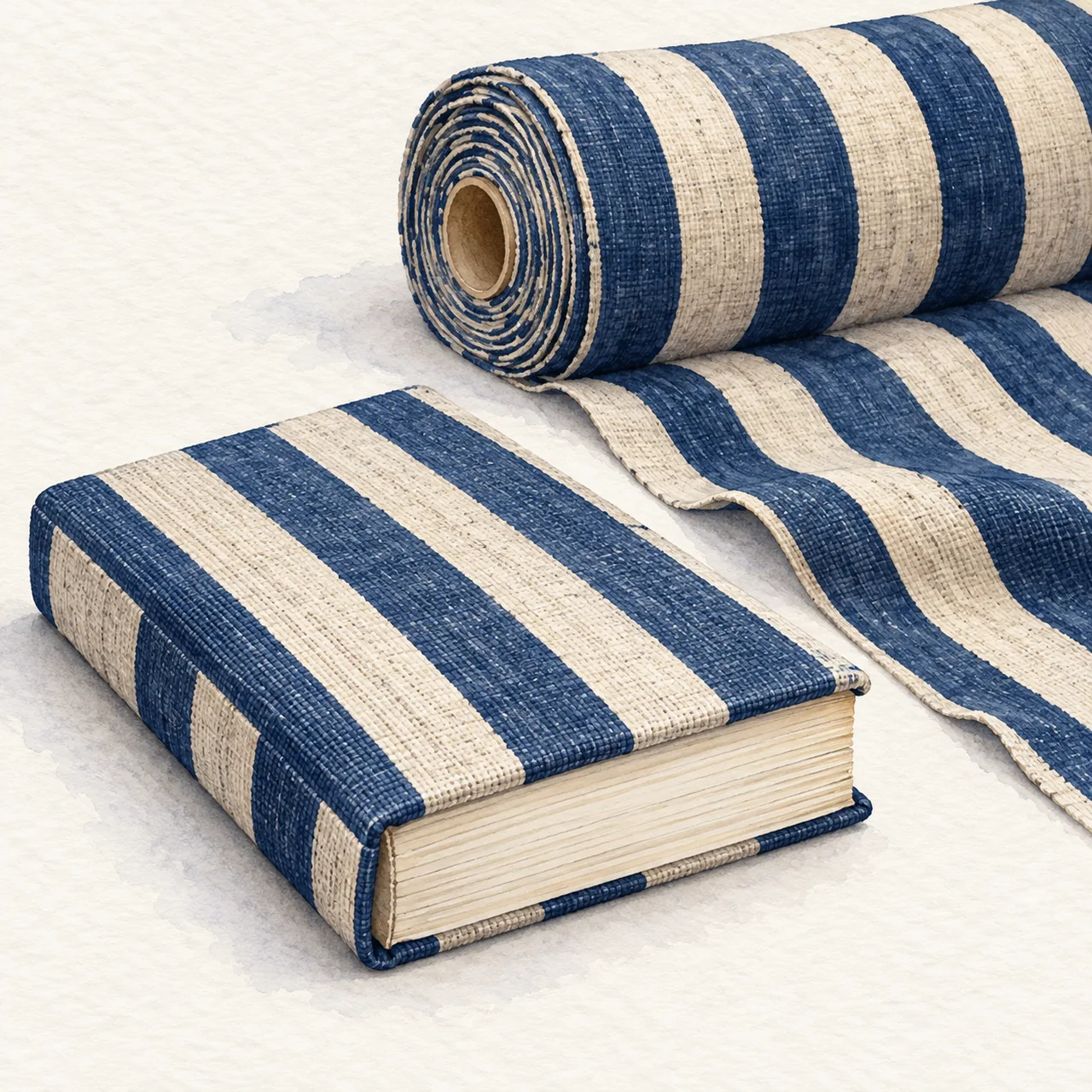
Ordinary cotton cloth tends to stiffen with washing. Ise cotton does the opposite: it gets softer. According to Usui Shokufu, Ise cotton uses loosely twisted single yarn, so each wash relaxes the threads and the cloth softens (WWD Japan).
Ise Cotton Bunko Book Cover (Usui Shokufu × Mifuji) — two Tsu companies, one book jacket
A bunko paperback wrapped in Ise cotton woven on Meiji-era looms. Made with Mifuji, a paper and stationery company in the same city; both were founded in the Meiji era and still trade in Tsu.
155 × 230 mm (6.1 × 9.1 in) opened flat. A distinctive softness that settles into the hand. Also in checks. Sold in Japan.
3. nijiyura: From Tenugui That Couldn't Be Sold
Dye poured through — chusen
nijiyura is the tenugui brand of Nakani, a dye works in Sakai, Osaka. Every tenugui is dyed by chusen ("pour-dyeing"): cotton is folded in layers, resist paste is applied through a stencil, and dye is poured on with a can. Thirty to forty pieces are dyed at once, and the color goes all the way through, front and back.
Washing, drying and finishing each have their own craftsman. In nijiyura's words: "Because these are the variations that come from craftsmen doing the job properly, they're beautiful and endearing."
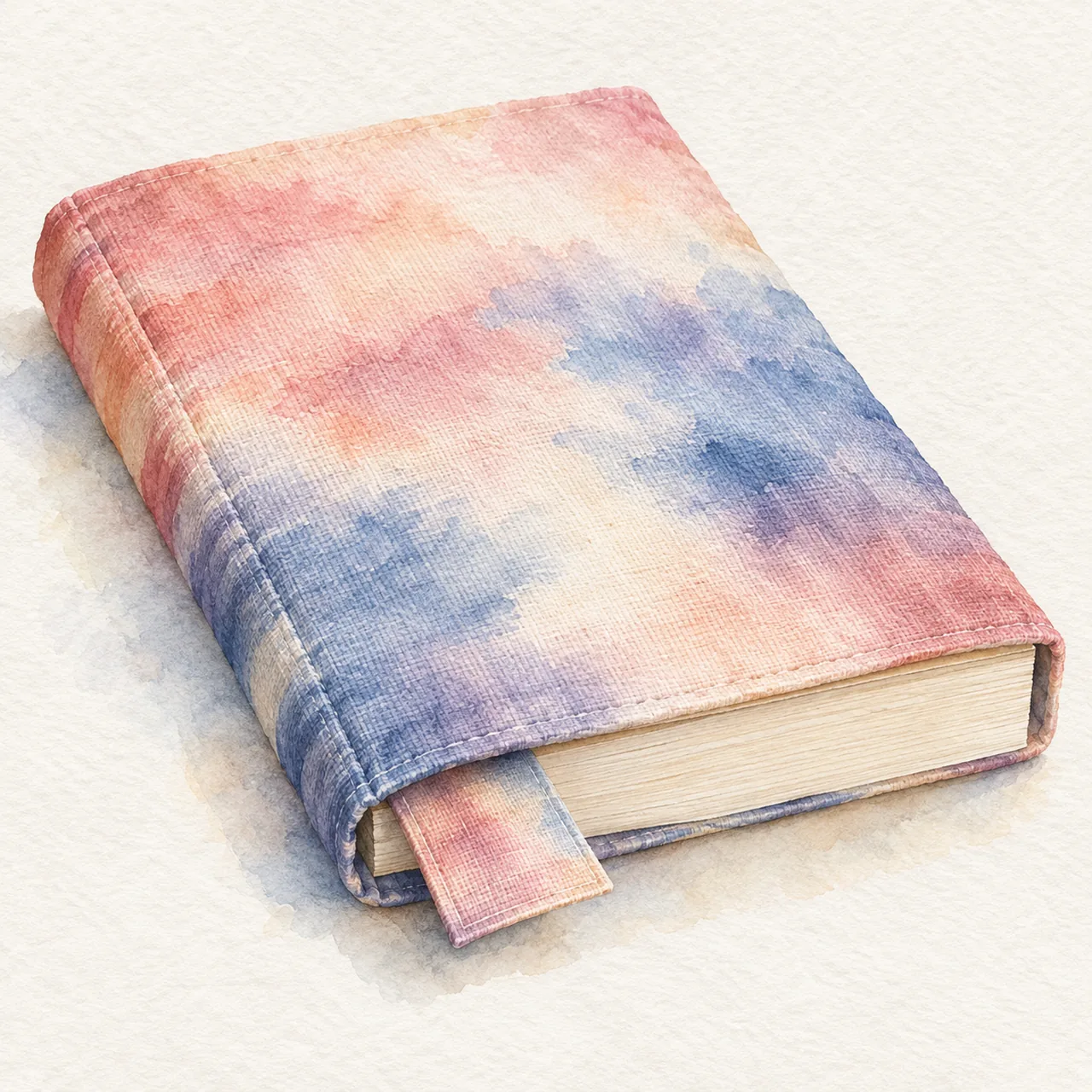
nijiyura Re-katachi Book Cover — which pattern arrives is a surprise
A second life for tenugui that couldn't be sold. Handwork produces some tenugui that can't go out as products; nijiyura saw value in them and made them into book covers. The pattern and its placement differ every time — you find out what you got when you open it.
There's extra length, so it adjusts to the book's thickness, and the spare end doubles as a bookmark. Wrapped fully, it protects the page edges too. About 32 × 16.5 cm (12.6 × 6.5 in), 100% cotton. Sold in Japan.
4. Igusa: A Fragrant Cover from a Yaizu Tatami Shop
Tatami goods made above the tatami workshop
Matsuba Tatami is a tatami shop founded in 1977 in Yaizu, Shizuoka. Alongside carefully made tatami, it creates goods from igusa (the rush used for tatami) and tatami edging to share what's appealing about tatami. Its rebuilt shop stacks the two: tatami workshop on the ground floor, a workshop and store for tatami goods upstairs.
It visits igusa-growing areas, listens to the farmers, and puts that into every piece. With more homes floored in wood, Matsuba says, it wants people to feel close to tatami again.
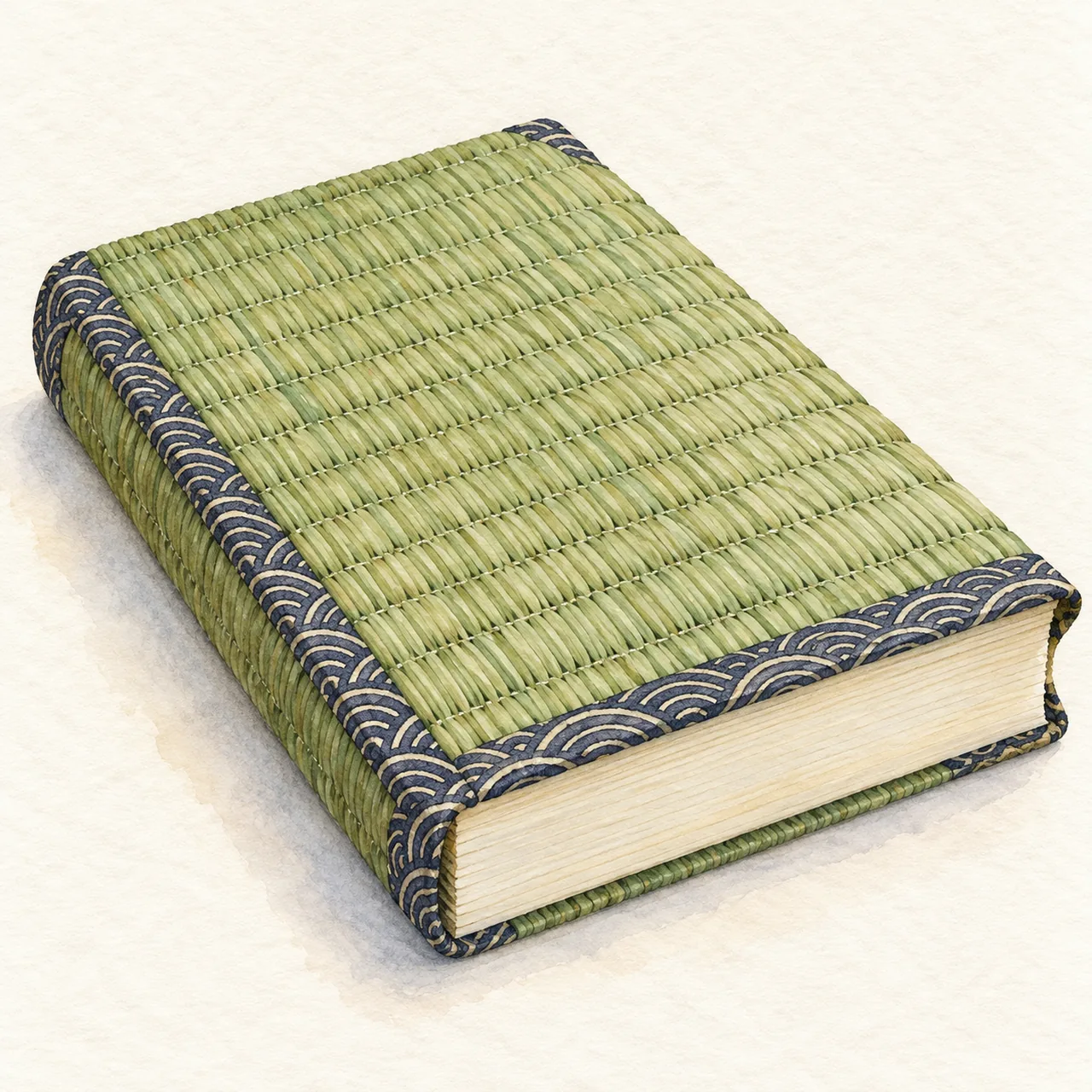
Matsuba Tatami Igusa Book Cover MATSUBABERI — the life of igusa, as a pattern
Open the book and a faint scent of igusa rises. A smooth, crisp bunko cover, of igusa grown with care by farmers — tatami-shop quality, with a fine, even weave.
The edging is Matsuba's own design, patterned on igusa as it grows — fields rippling in the wind, the cross-section of a stem, the roots — in colors matching igusa's shift from green to gold. The patterns are named NAMI, SAKUKA, DANMEN and NEMOTO. Sold in Japan.
5. Cypris and SIWA: Workshop Leather and a 13-Gram Cover
Hides chosen from the world's best, tanned in Japan
Cypris is the brand of Morpho, a maker of small leather goods, named — like the company — after a beautiful butterfly of Central and South American forests. Morpho describes its workshop as "craftsmen with more than 40 years' experience, and a group of young craftsmen carrying their skills forward."
Its Shirasagi leather starts with Dutch kip hides — prized by top tanneries worldwide — selecting only the "Oakuro" grade, then tanned in Japan. A combination tanning of vegetable tannin and chrome creates a dense, wrinkle-resistant base; the surface is then polished for shine and depth of color.
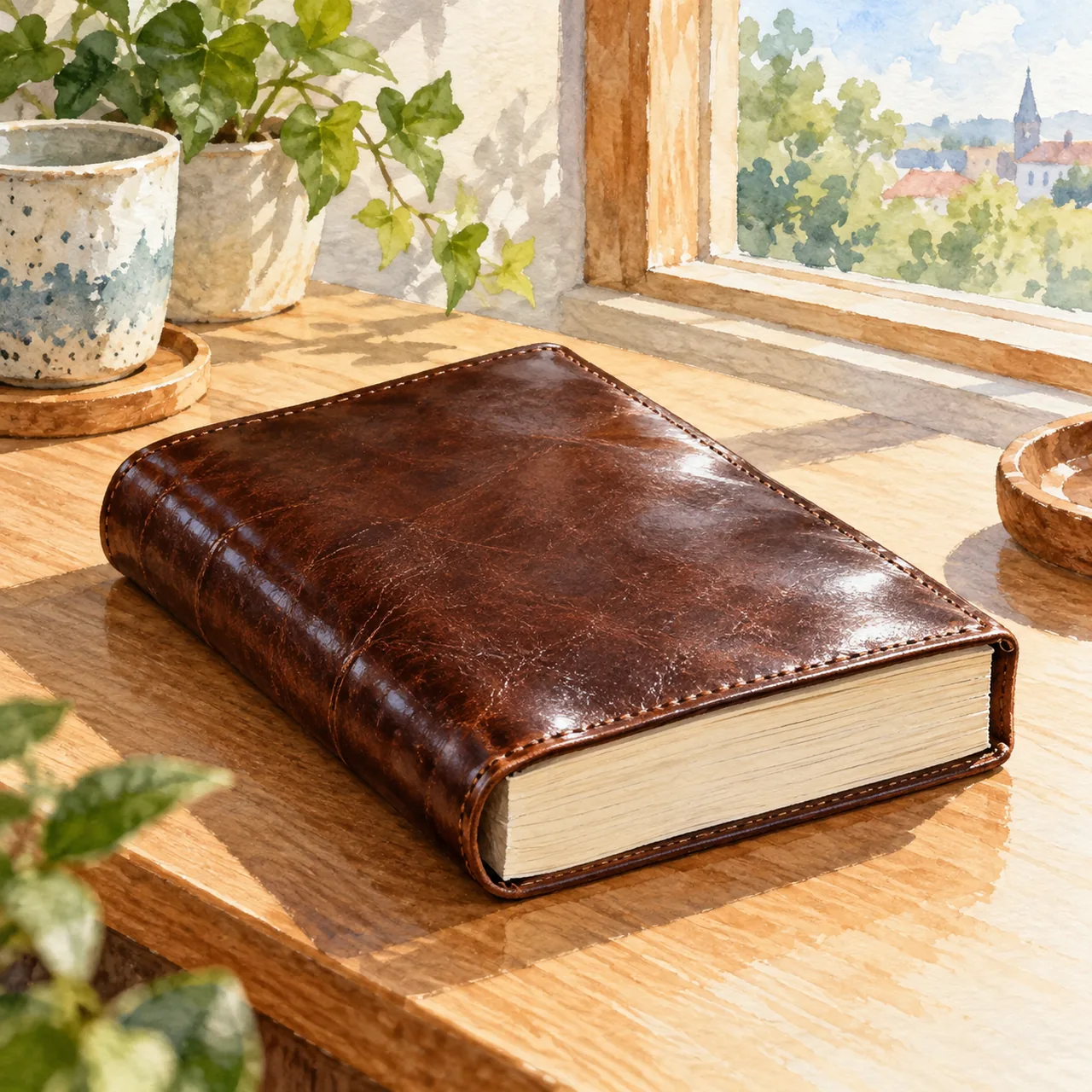
Cypris Bunko Book Cover, Shirasagi Leather 8236 — the shine deepens with time
A leather book cover whose shine — and your attachment to it — deepens with time. Cowhide outside and in, the lining waxed. Made in Japan, with the outer leather tanned in Japan.
The polished finish gains a little more shine every time you pick it up. A good gift for a reader. Sold in Japan.
A tear-resistant material from a washi town
SIWA is a brand created by Ohnao — a washi maker in Ichikawamisato, Yamanashi, a papermaking town with a thousand years of history — and product designer Naoto Fukasawa, also from Yamanashi. Its material, "Naoron," was developed by Ohnao by applying its washi-making technology: light, hard to tear, and water-resistant.
With use it grows softer and gains character, and its crumpled creases take on a look of their own.
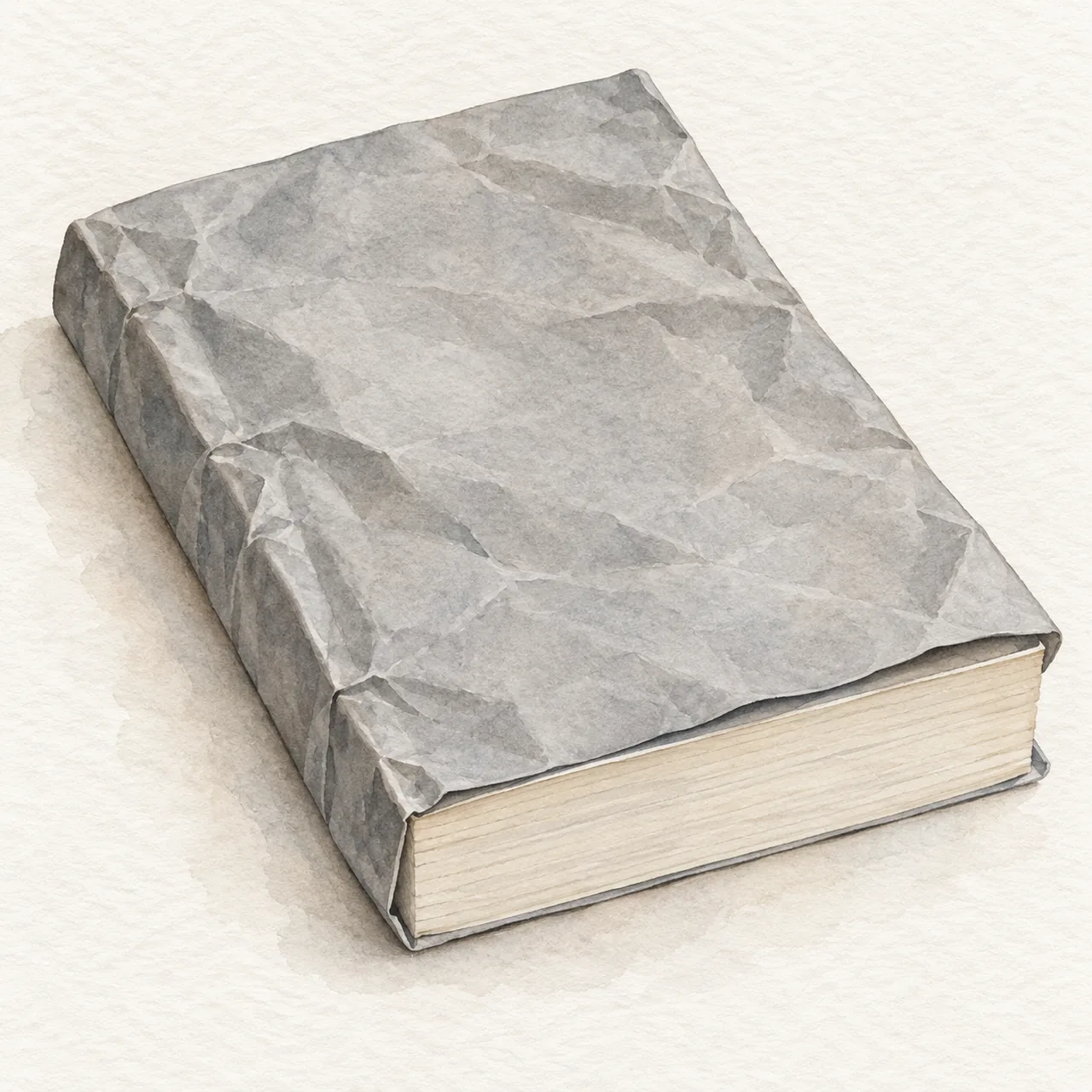
SIWA Bunko Book Cover — about 13 g, so you carry only the book's weight
About 13 g (0.46 oz). Light enough to forget it's there. A plain cover for bunko (A6) books that won't bulk up a bag on the commute or at a café.
Made in Japan, in several colors. Also available for shinsho (Japanese pocket nonfiction) and A5, so you can match covers to the books you own. Sold in Japan.
6. Bunko Sizes, and How Each Material Ages
Bunko books vary in height and thickness
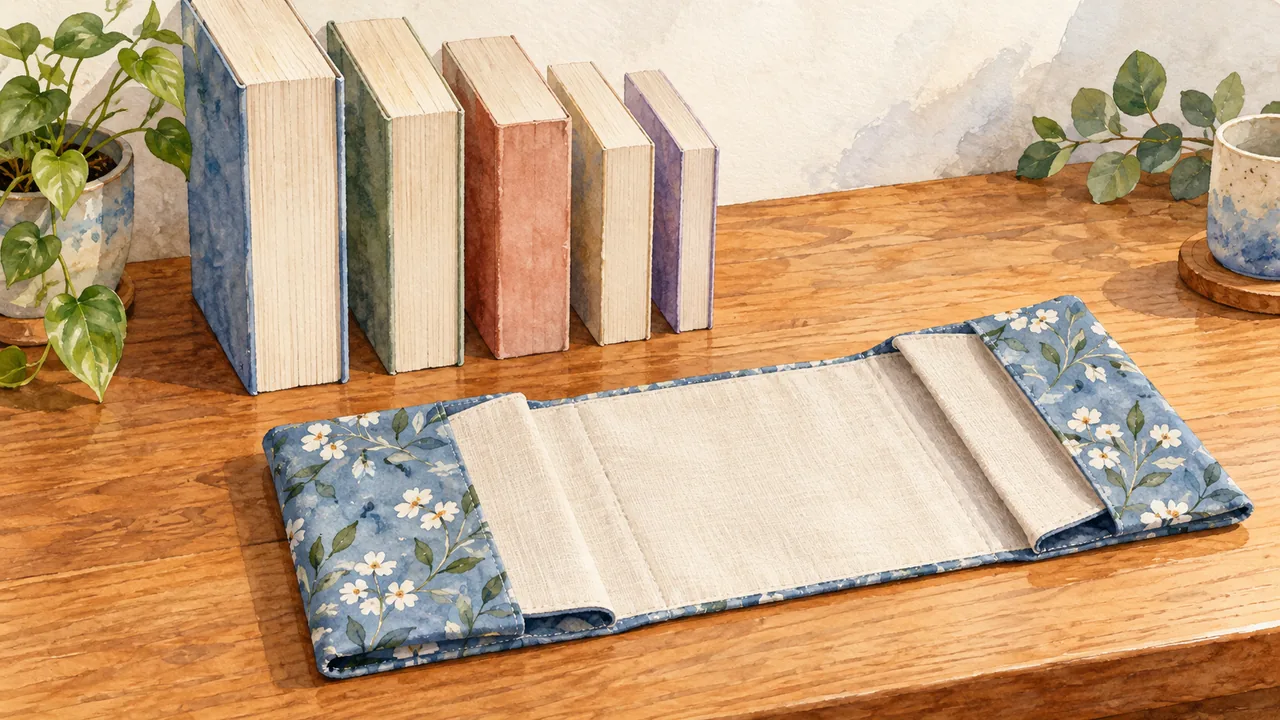
Most bunko books are A6, but some publishers make them slightly taller, and thickness varies book by book. Compare the cover's listed size with the height and thickness of what you're reading. A cover with extra length, like nijiyura's Re-katachi, adjusts to thick and thin books alike.
Western mass-market paperbacks are larger than A6 (around 4.25 × 6.87 in, or 108 × 175 mm), so a bunko cover usually won't fit them. These covers are made for Japanese bunko books — and for anyone reading in Japanese.
Cloth softens, leather shines
Ise cotton softens with use and washing. nijiyura says chusen-dyed tenugui mellow as the colors blend into calmer tones. Leather shines more with every handling; SIWA's Naoron grows softer and more characterful. None of these is at its best when new. They settle into your hand one book at a time.
A chusen tenugui has no wrong side
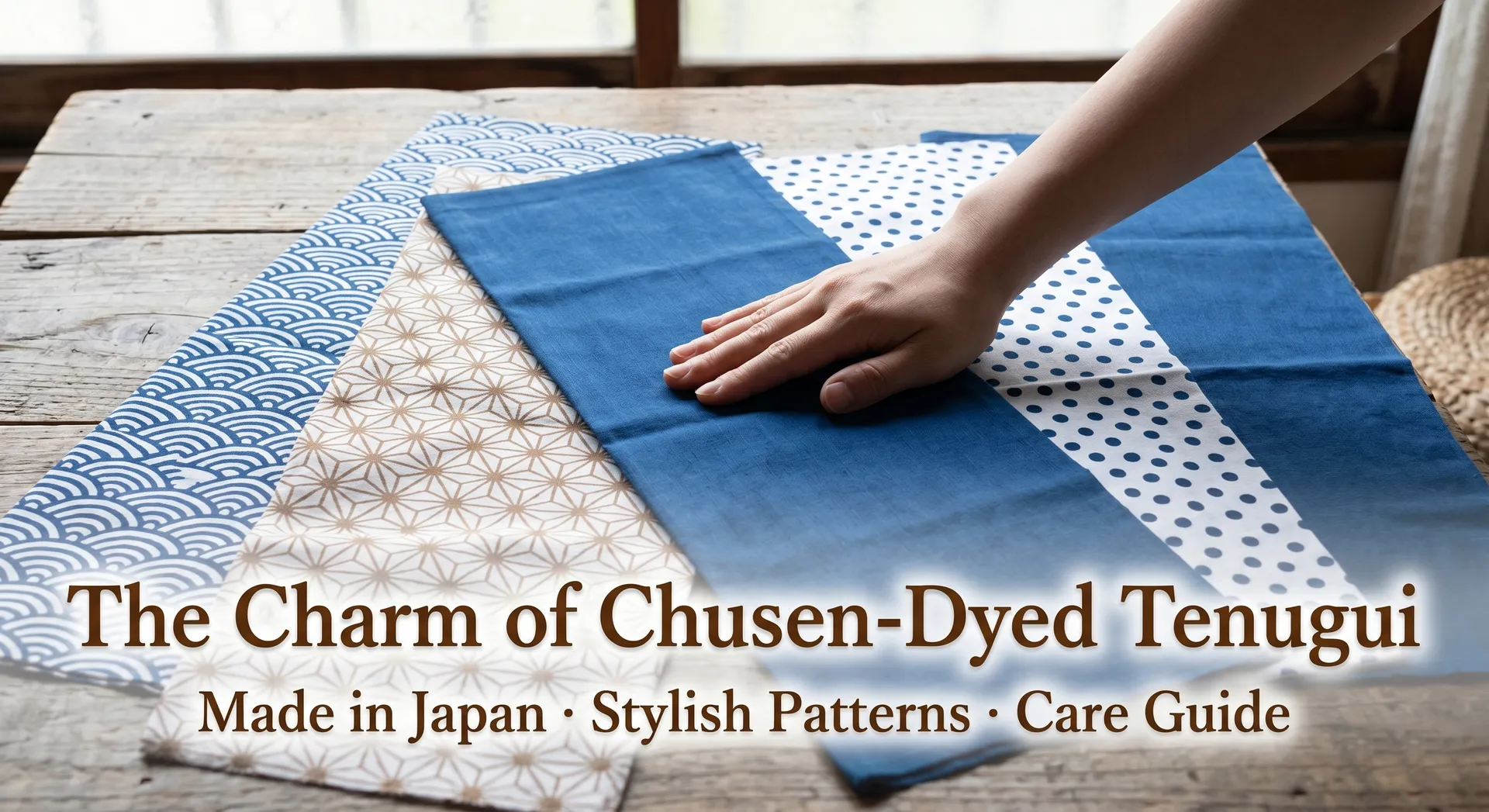
Chusen dyeing pours dye through stacked cloth until it soaks all the way down, so both sides take the same color. Made into a book cover, the inside is fully colored too — a small pleasure of nijiyura's tenugui.
7. Buying a Bunko Cover Outside Japan
The five covers above are sold in Japan; we couldn't find them on Amazon.com. One Japan-made bunko cover you can buy there comes from Hamamonyo, a Yokohama tenugui brand known for colorful patterns printed with nassen, Yokohama's traditional stencil-printing technique.
Hamamonyo Bunko Book Cover (Gray)
A cotton bunko cover from a Yokohama tenugui maker, made in Japan. Several patterns are sold, including cats and traditional motifs.
Hamamonyo Bunko Book Cover (Gray)
Loading product details…
Shopping in Japan? Look for 文庫 (bunko) or 文庫判 on the label, and ブックカバー (book cover). Bookstores in Japan will also wrap your paperback in a paper cover for free — just say yes when they ask.
8. Frequently Asked Questions
Will a bunko cover fit a taller paperback?
Check the supported height on the listing. Most bunko books are A6, but some are a little taller. Covers with extra length, like nijiyura's Re-katachi, adjust for thickness. Western mass-market paperbacks are larger and generally won't fit.
Are there covers for larger books?
SIWA also makes covers for shinsho and A5 books. The other covers in this guide are for bunko.
Do they come with a bookmark?
nijiyura's Re-katachi has spare length that works as a bookmark. For the others, check the listing for included accessories.
Won't an Ise cotton cover get stiff?
Ise cotton gets softer with use. It's woven from loosely twisted single yarn, so each wash relaxes the threads.
Can I choose the pattern of the nijiyura cover?
No. Re-katachi covers are made from tenugui that couldn't be sold as products, so every pattern and placement is different — what arrives is a surprise. Some patterns are limited to stock on hand.
Which is best as a gift?
Cypris leather for something to keep for years; SIWA's light cover if you don't know their taste. For someone who likes Japanese textures, Ise cotton or igusa.
Final Thoughts: Your Reading Time, in Japanese Handwork
While you read, your hand is on the cover the whole time. So choose it by feel.
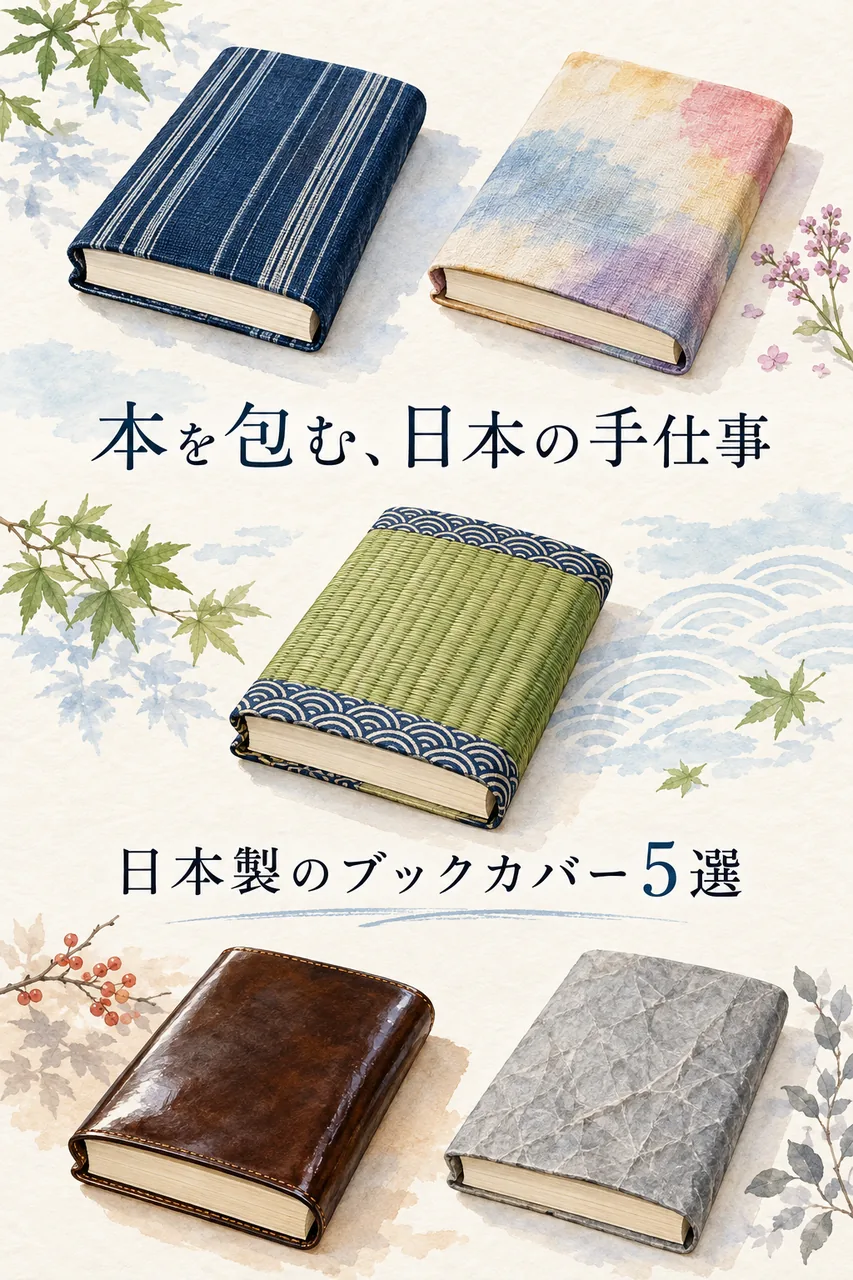
Ise cotton from Usui Shokufu's Meiji looms, repaired by hand. nijiyura's chusen tenugui, given a second life. A Yaizu tatami shop's cover, patterned on the life of igusa. Cypris leather from a craftsmen's workshop. And SIWA, 13 grams, from a washi town. Each one carries the craft its maker practices every day.
Check your book's height and thickness — and read your next one in a Japanese cover.
Tenugui: What It Is and 12 Ways to Use It

Japanese Notebook Brands: Midori MD, LIFE, Tsubame & 4 More