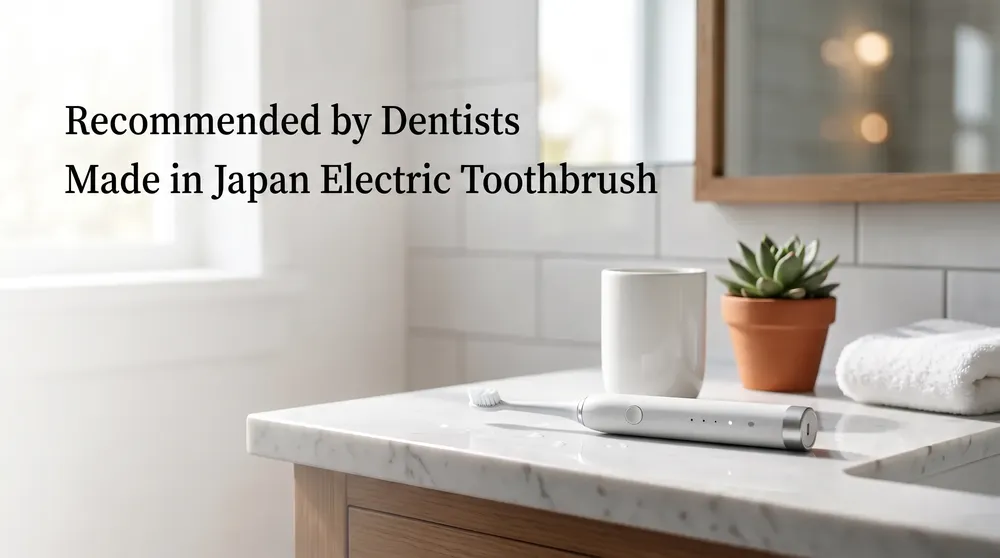
The voltage question, for once, has already been answered. Panasonic's Doltz
chargers are rated AC 100–240V, so there is no transformer and nothing to convert —
a plug adapter in Europe, and nothing at all in North America.
The constraint is the brush heads. An electric toothbrush is a subscription to its
own consumables, and a handle you cannot buy heads for is dead in three months.
That is the thing to check before you buy, and the answer is more complicated than it looks.
The technique it is built around, meanwhile, is one your dentist has probably already described to
you — just not by its Japanese name.
Quick Reference: Before You Buy
| Question | Answer |
|---|---|
| Will it work on my voltage? | Yes — chargers are AC 100–240V |
| Do I need an adapter? | Europe yes, North America no |
| Can I get replacement heads? | ⚠ Mostly third-party, not genuine |
| What is yokomigaki? | Horizontal strokes at the gum line — the Bass technique |
| Check head availability before the handle. The device is the cheap part over five years; the heads are the expensive part. | |
⚡ Voltage: Already Solved
Doltz chargers are rated AC 100–240V. Several current models state it explicitly
on the packaging and the listing.
No transformer. No converter. Nothing to calculate. This is the exception in a
category where the answer is usually the opposite.
The reason is structural: the toothbrush runs on a battery. The handle never touches mains power — only the charging base does, and Panasonic builds those with auto-switching supplies because the product travels.
| Where you live | What you need |
|---|---|
| United States / Canada | Nothing. Same Type A plug, and 120V is inside the range |
| Europe / UK / Australia | A plug adapter only — the shape differs, the voltage does not matter |
| Anywhere else | Check the charger says 100–240V. Most current Doltz models do |
This is the one case where a plug adapter genuinely is the whole answer — because
the charger already handles the voltage internally.
Still read the base before you buy. Older and cheaper models exist that are 100V
only, and the figure is printed on the charger itself rather than the box.
⚠ The Real Constraint Is Brush Heads
Brush heads are replaced every three months. Over five years that is twenty heads — which will cost more than the handle did. The handle is not the purchase; the consumable stream is.
What we found: replacement heads for Doltz are readily available outside Japan, but the
ones on the shelf are third-party "compatible" heads rather than genuine Panasonic.
We could not confirm reliable international supply of genuine Panasonic heads.
That is not a reason not to buy — it is a thing to decide about knowingly.
Why third-party heads are a real question here
On most products a compatible part is a fine economy. On a toothbrush, the bristles are the entire working surface, and everything the machine does is transmitted through them.
- Bristle end-rounding is the specification that matters, and it is invisible. Bristles cut and left with sharp ends abrade gums; properly finished ones are rounded under magnification. You cannot check this by looking.
- Fit affects the motion. A head that does not seat exactly transmits the handle's vibration imperfectly — you lose the thing you paid for, quietly.
- Third-party heads are not necessarily bad, and many are fine. But quality varies between sellers in a way that genuine parts do not, and you are putting it in your mouth twice a day.
The honest recommendation: if you are in Japan, buy several packs of genuine heads with
the handle. They keep indefinitely and they are cheap there.
If you are buying from abroad, decide in advance that you are accepting third-party
heads — or buy a Sonicare or Oral-B, whose genuine heads are in every supermarket you
will ever visit. That is a legitimate reason to choose a Western brand, and it has
nothing to do with which brushes better.
Why Japanese — Yokomigaki Is the Bass Technique
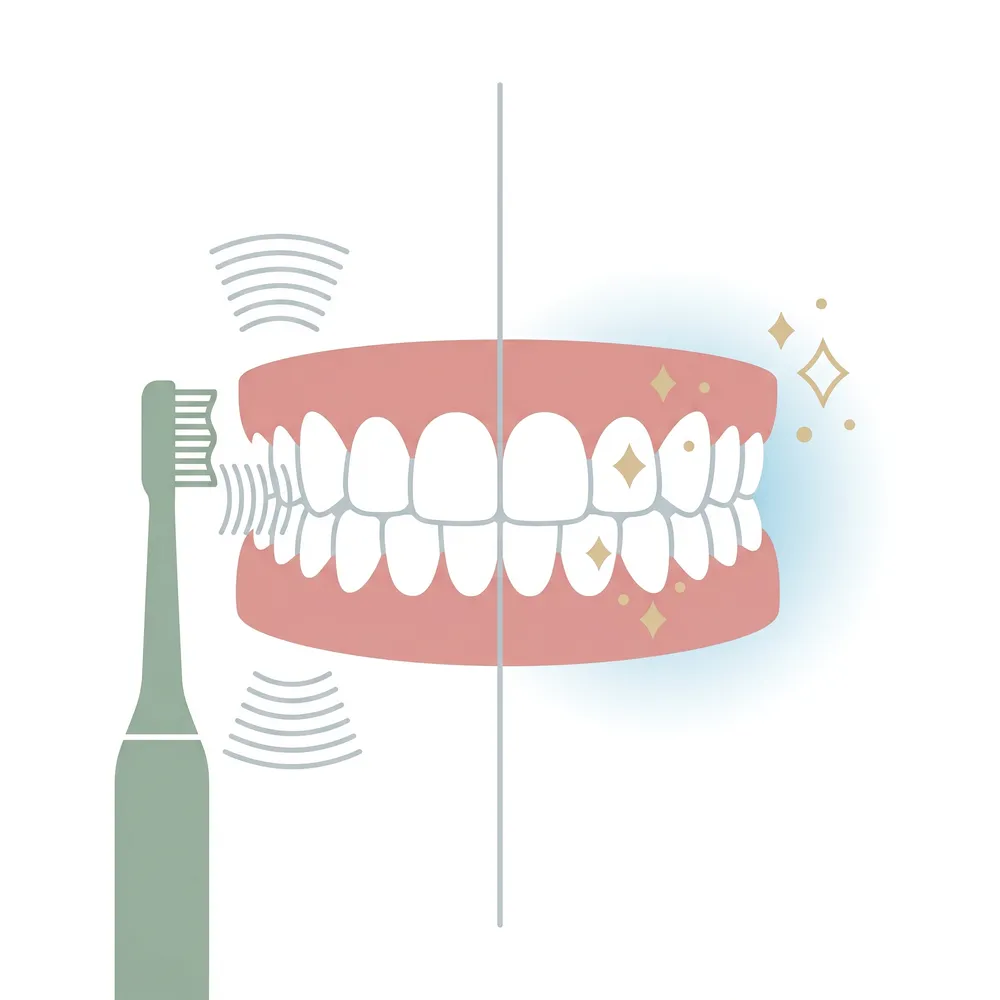
Japanese marketing calls it yokomigaki — "horizontal brushing." It
sounds like a national quirk. It is not.
It is the Bass technique, which dentists in English-speaking countries teach as
the standard method: hold the bristles at about 45° to the gum line and make small
horizontal strokes, so the tips work into the crevice where the tooth meets the gum.
That crevice is where the problem is. Plaque on the flat face of a tooth is easy; plaque at the gum margin is what leads to inflammation, and it is the part a scrubbing motion skips over.
Which is why the direction of the motion matters
Doltz uses a linear sonic vibration — the head moves back and forth along its own axis, quoted at around 31,000 brush strokes per minute. That motion is the Bass stroke, performed faster than a hand can.
The two Western giants move differently. Sonicare vibrates sonically like Doltz; Oral-B's heads are round and rotate-oscillate, scrubbing each tooth individually. Neither is the "wrong" design — they are different approaches to the same problem, and the clinical evidence is not a simple ranking.
What is true is that Doltz is built around one specific technique, and if that is the technique your dentist told you to use, the tool matches the instruction.
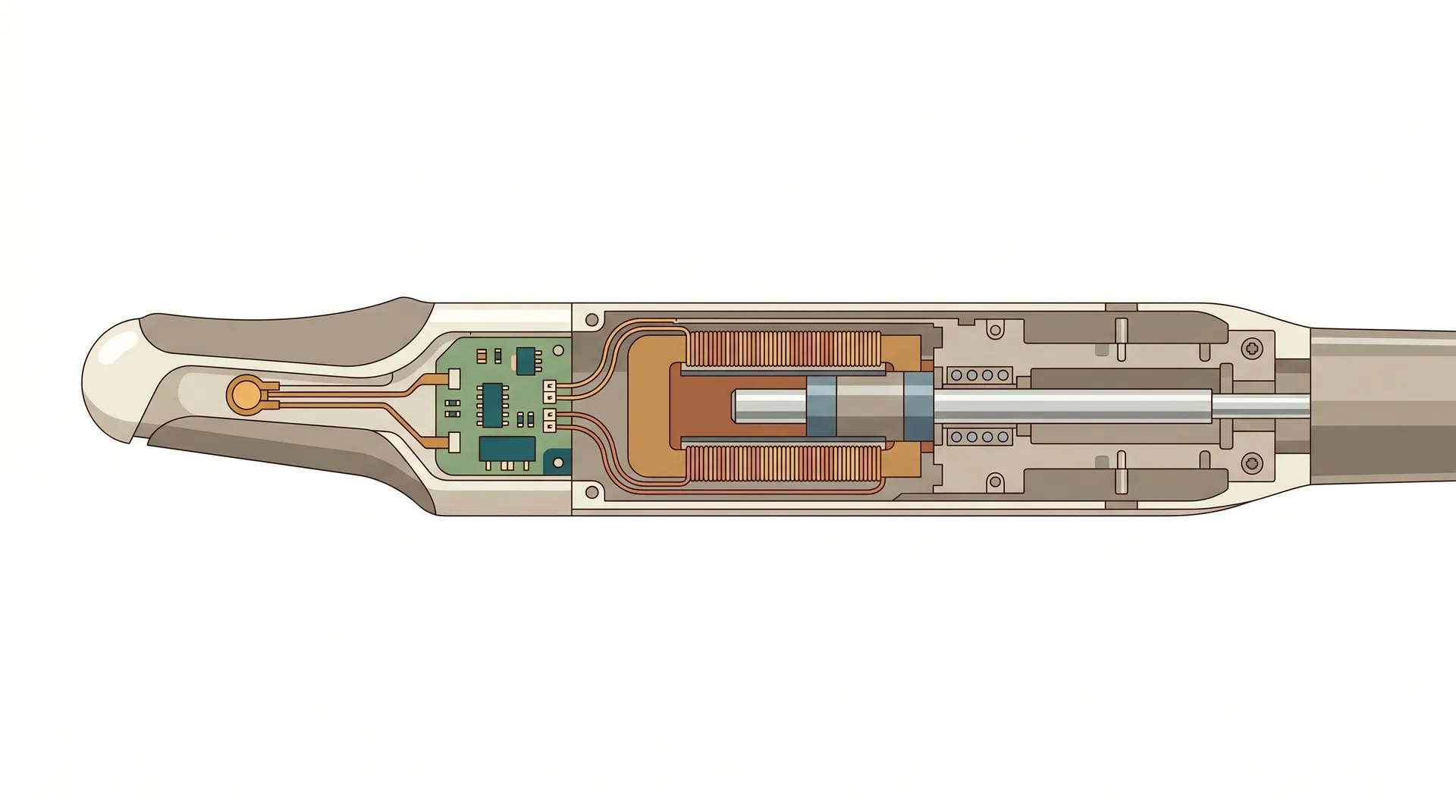
The Japanese design assumption is a smaller mouth and more crowded teeth, which is
why heads in this range tend to be narrower than Western equivalents.
That is worth knowing regardless of where you live — if you have a small mouth or
tight spacing and have found standard heads clumsy at the back molars, a narrower head is a real
practical advantage rather than a marketing line.
What to Buy
Doltz with Bluetooth — EW-DL58 / EW-DP56
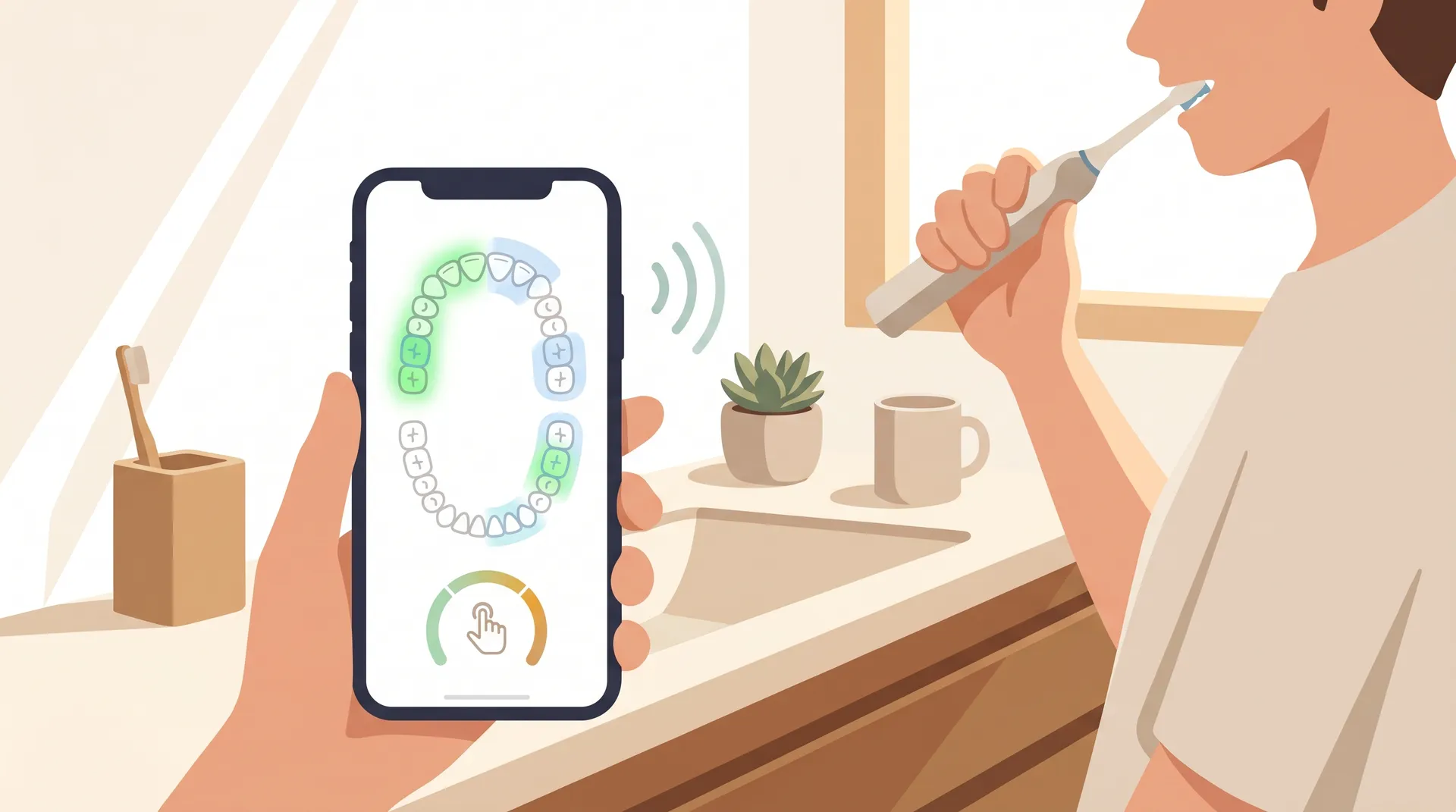
The models that pair with a phone app to show which areas you are missing, and
which state AC 100–240V on the charger — the specification that makes them
usable anywhere.
The app is more useful than it sounds and less useful than it is sold as. It
is genuinely good for the first few weeks, because almost everyone under-brushes the same two
or three areas. After that you have learned the lesson and can ignore it.
- Charger
- AC 100–240V — works worldwide
- Motion
- Linear sonic, ~31,000 strokes/min
- App
- Bluetooth coverage tracking
- Heads
- ⚠ Mostly third-party outside Japan
- Price range
- $120–$220
Perfect for: Anyone who has been told to brush at the gum line and wants a tool designed for that motion.
Doltz without the app — EW-DP55
The same sonic mechanism without the Bluetooth, and correspondingly cheaper.
Also 100–240V.
This is the sensible purchase for most people. The brushing is identical; what
you give up is a coverage map you will stop opening after a month.
- Charger
- 100–240V
- Motion
- Linear sonic vibration
- App
- None
- Heads
- ⚠ Same third-party question
- Price range
- $70–$130
Perfect for: People who want the mechanism and not the telemetry.
Replacement heads — read this before you order
The heads sold internationally are third-party "compatible" units, listed against long strings of Doltz model numbers. They are inexpensive and they exist in quantity.
Check that the listing names your exact model, and buy one small pack before committing to a box of sixteen. Fit and bristle quality vary between sellers, and a head that seats loosely wastes the mechanism.
Using It Properly
- Do not scrub. Place and hold. This is the single most common mistake with any sonic brush — the machine is already making 31,000 strokes a minute, and moving it yourself just means it spends less time on each spot.
- 45° to the gum line, bristle tips into the margin, and move slowly tooth by tooth. Two minutes total is the standard target.
- Almost no pressure. Pressing harder does not clean better and does abrade gums. Let the weight of the handle rest against the teeth.
- Use less toothpaste than you think, and a low-abrasive one. A powered brush plus a whitening paste is a genuinely abrasive combination over years.
- Replace heads every three months, or sooner if the bristles splay. Splayed bristles no longer reach the gum margin, which is the whole point.
- Rinse the head and stand it upright to dry. Water sitting in the joint between head and handle is where the smell comes from.
If your gums bleed when you start, that is common and usually means the gums are already
inflamed — bleeding often reduces over a couple of weeks of proper brushing at the margin.
But bleeding that persists is a reason to see a dentist, not to brush harder.
This guide is about choosing a tool; it is not dental advice.
Frequently Asked Questions
Will a Japanese electric toothbrush work on my voltage?
Yes — current Doltz chargers are rated AC 100–240V, so there is no transformer
involved. The handle runs on a battery; only the charging base touches mains.
North America needs nothing at all (same Type A plug); Europe needs only a
plug adapter. Check the figure printed on the charger, as older models may be 100V only.
Can I get replacement brush heads?
Yes, but mostly third-party "compatible" heads rather than genuine Panasonic ones.
They are widely sold and inexpensive.
This matters more than usual because the bristles are the working surface —
end-rounding and fit are invisible and vary by seller. Buy one small pack first,
and stock up on genuine heads if you are ever in Japan.
What is yokomigaki?
It is the Bass technique under a Japanese name — bristles at roughly 45° to the
gum line, small horizontal strokes working into the crevice where tooth meets gum.
That crevice is where gum inflammation starts, and it is the area a scrubbing
motion passes over. Doltz's linear vibration performs that stroke mechanically.
Is it better than Sonicare or Oral-B?
Different, and we are not going to claim clinical superiority. Sonicare vibrates
sonically like Doltz; Oral-B uses a round head that rotates and oscillates.
Doltz is built around one specific technique and has narrower heads, which suits
smaller mouths and crowded teeth. Sonicare and Oral-B win decisively on one thing:
genuine replacement heads in every supermarket.
Am I supposed to move it around?
Barely. Place it and hold it, then move slowly to the next tooth. The brush is
already making tens of thousands of strokes a minute — scrubbing on top of that just reduces the
time each area gets.
And use almost no pressure. Pressing harder abrades the gums without cleaning
better.
Can I use it in the shower or bath?
Most Doltz models are washable and rated for wet use — check your specific model,
since it varies.
Rinse the head after every use and stand it upright to dry. Water trapped in the
joint between head and handle is what causes the smell people blame on the brush.
Final Thoughts: Buy the Heads, Not the Handle

This is the rare Japanese appliance where voltage is a non-issue — the chargers are 100–240V and a plug adapter is genuinely the whole answer in Europe, with nothing needed at all in North America.
So the decision moves to the consumable. Over five years you will buy twenty brush heads, and outside Japan those are mostly third-party. Decide that knowingly, or buy a Western brand for the supply chain — which is a perfectly good reason.
And whichever you buy: 45° at the gum line, no pressure, and stop scrubbing. The technique is doing more work than the brand is.
Japanese Electric Shavers: Lamdash and Arc Are the Same

Japanese Hair Dryers: Which Models Work Abroad