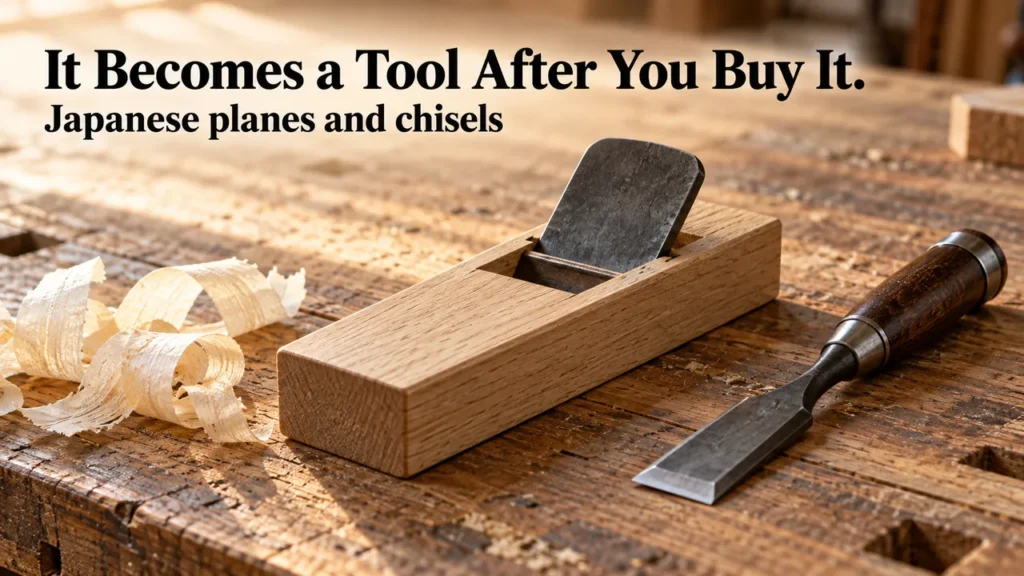
A traditional Japanese plane (kanna) is not sold ready to cut. The wooden body has to be trued and the blade sharpened by the person who will use it; until then, it is an unfinished tool.
"I bought a Japanese plane and it won't take a shaving" — if that's you, it isn't a failure. Not knowing, you naturally can't make it cut. Knowing, that's where it starts.
This guide is for people picking up a Japanese plane or chisel for the first time — building a shelf, easing an edge. (If you already use them professionally, much of this will be familiar.) It covers starting with a replaceable-blade plane, how to buy chisels, a surprising fact about why Japanese planes are pulled, and the traditional makers of Miki and Sanjo. It doesn't walk through truing the body or sharpening; those take real skill.
Quick Reference: What You Want to Do Decides the Tool
| What you want to do | What to choose | Ready out of the box? |
|---|---|---|
| Ease edges, chamfer | Replaceable-blade plane | Yes |
| Cut joints and mortises | One bench chisel (oire-nomi) | Needs sharpening |
| Wood carving | Carving chisels | Needs sharpening |
| A finished surface | A traditional kanna | Needs body truing and sharpening |
| What you need first | A sharpening stone. Without one, none of these work. | |
1. A Tool Sold Unfinished
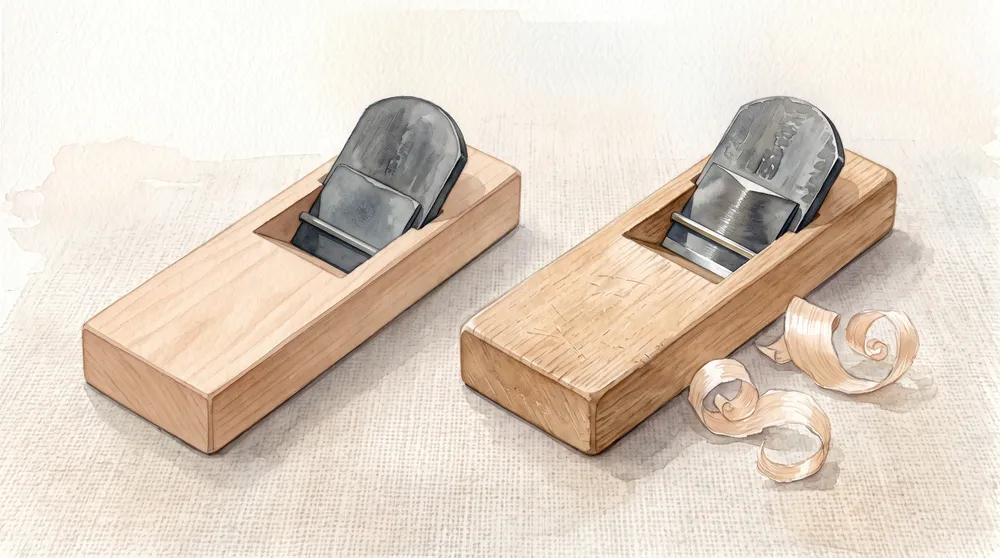
A Japanese plane is a blade fitted into a wooden body (dai), and it's the body that isn't finished when you buy it. Wood moves with humidity, so the sole has to be planed flat again by the user. This is dai-naoshi, truing the body, and it takes skill. The blade is the same: it won't cut until it's sharpened.
This isn't a shortcut by the maker
Why not sell it finished? Because the right final shape depends on how the user works. Hardwood or softwood, roughing or finishing — each changes how the sole should bear and how the blade should sit. The last adjustment is handed to the buyer, because if the seller decided it, it wouldn't suit the work. For a first-time buyer, though, that's exactly the wall. It won't cut not because of your skill or its quality, but because it isn't a tool yet.
Why some planes have two blades
Look into a traditional plane and you may see two blades stacked: the cutting blade, and a smaller one on top, the osaegane (chipbreaker). It's there to stop tear-out where the grain runs the wrong way. Chipbreakers came in around the early Shōwa era (the late 1920s–30s); before that, planes were single-blade. A single-blade plane needs no chipbreaker adjustment, but demands even more skill in truing the body.
2. Start With a Replaceable-Blade Plane
If a traditional plane is a wall, you can start with a replaceable-blade (kaeba) plane. As the name says, you swap the blade — no sharpening, no truing. When it dulls, replace the blade. Building a shelf, easing a board's edge, shaving the spot where a door sticks: for home projects like that, it's enough.
In exchange, you can't do fine finishing like ultra-thin shavings, because the blade angle and how the sole bears are fixed. Think of it as accepting a ceiling in return for never having to adjust. If you want one made in Japan, check the country of origin on the maker's own product page, not just the product name.
3. Buy Chisels One at a Time
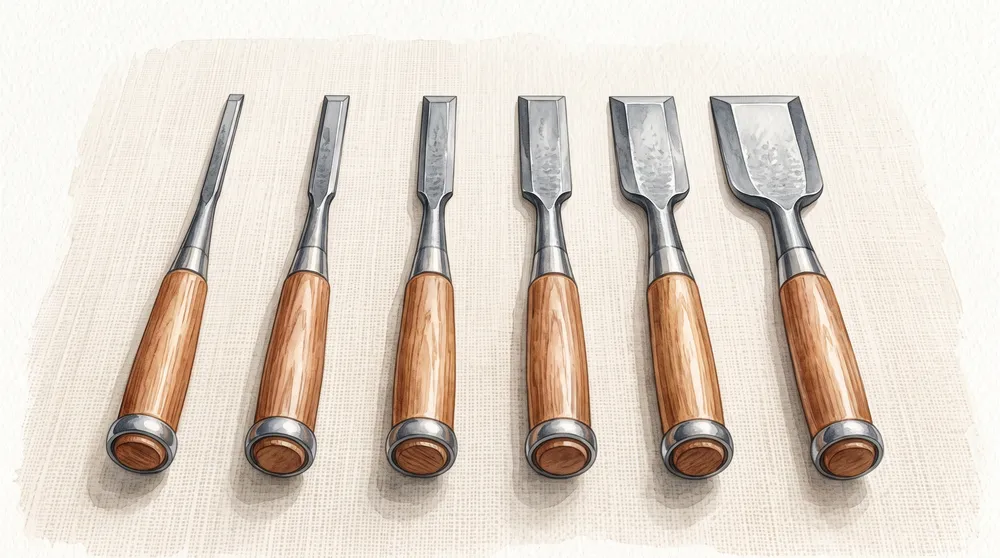
A chisel is far easier to start with than a plane: no body to true, and once sharpened it works. The first to learn is the oire-nomi (bench chisel), the most-used chisel, for cutting joints and mortises, sold in a range of widths.
Don't start with a set
Ten-piece sets are cheap, but we don't recommend one first: you'll actually use two or three, and the rest stay in the box. Buy the width your project needs, one at a time, and add as you go — the same budget buys better chisels. A Japanese chisel is hard steel laminated to softer iron: hardness alone would chip, softness alone wouldn't cut. It's the same idea as a Japanese kitchen knife.
Maybe buy the sharpening stone first
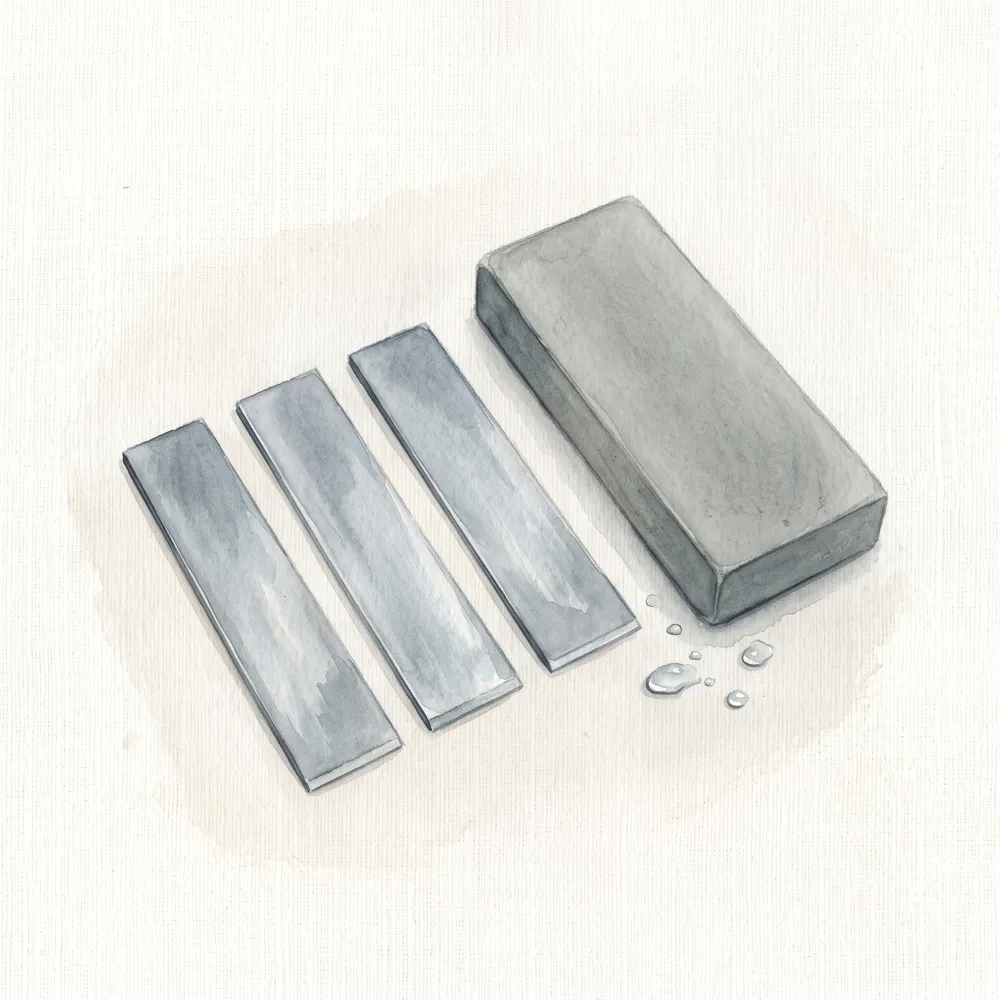
Chisels and planes are useless until sharpened. A new blade, and a blade after use, both end up being sharpened by you. One sharpening stone adds more capability than one more blade. See our guide to Japanese whetstones.
4. Japanese Planes Weren't Always Pulled
They were originally pushed
Japanese planes cut on the pull, toward you; Western and Chinese planes cut on the push. Japanese saws cut on the pull too. But this isn't an ancient Japanese custom. When the bench plane arrived from China in the Muromachi period, it was pushed. Pulling became the norm around the middle of the Edo period. A tool that came from outside, and had its way of use changed partway through.
A national contest measured in microns
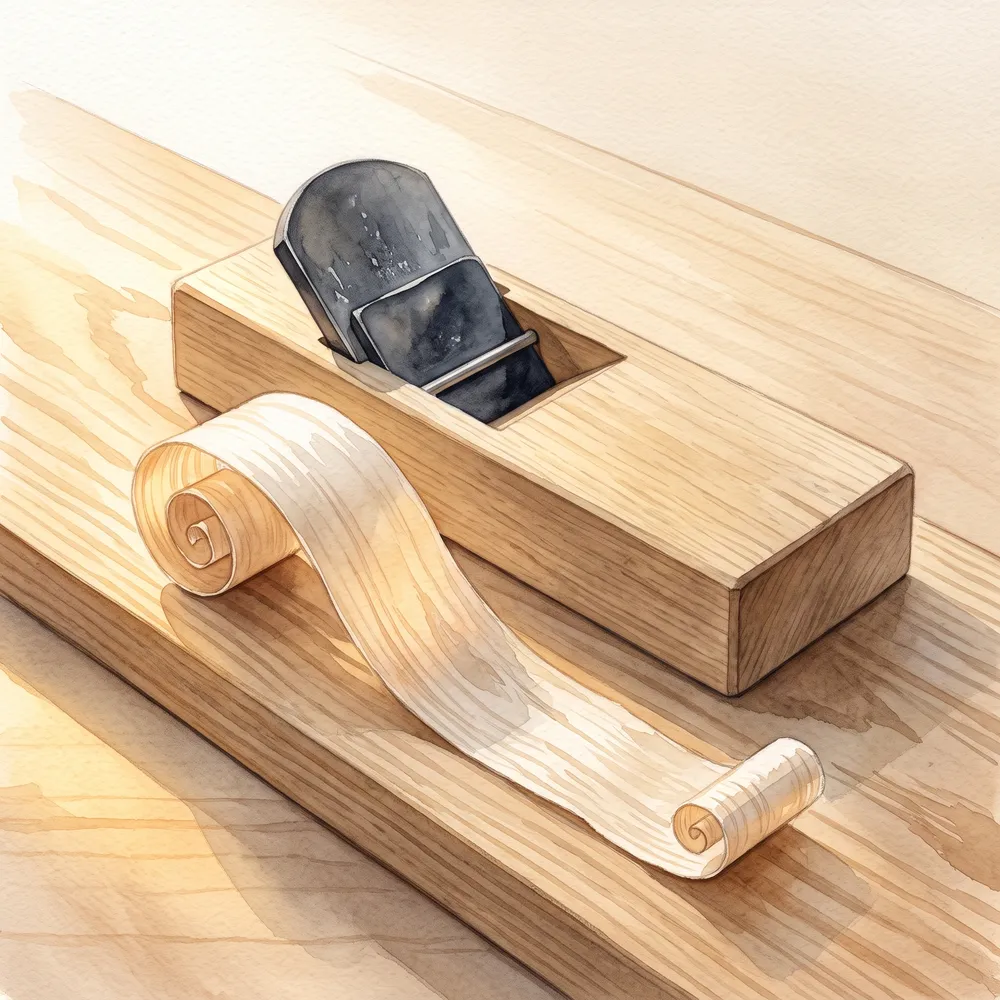
There's a national competition for how thin a plane shaving can be: Kezurou-kai, which in 2026 reached its 43rd edition, held in a different region each time. The thinnest shavings are 2–3 microns — a micron being a thousandth of a millimetre — closer to wood fibre than wood chip, and you can see through them. In real work, shavings are around 30–50 microns, enough to remove machine marks and small irregularities. Competition and practice differ by a factor of ten.
5. Why Japanese: The Makers of Miki and Sanjo
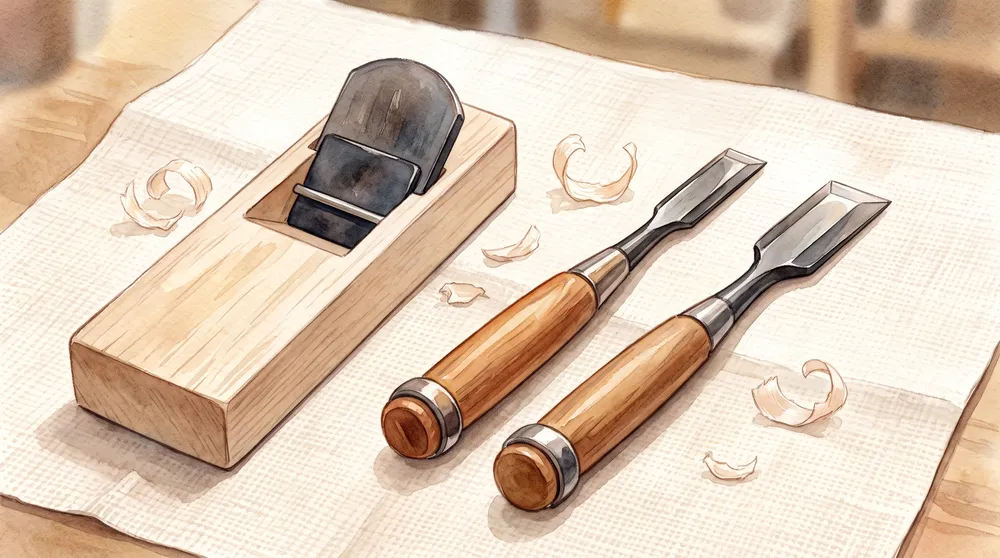
Two places come up again and again for Japanese carpentry tools: Miki in Hyogo (Banshu Miki) and Sanjo in Niigata (Echigo Sanjo).
- Banshu Miki is designated a traditional craft area for saws, chisels, planes, trowels, and knives. Tsunesaburo, a blacksmith specialising in planes, has worked there for three generations and calls itself a maker of "Banshu Miki hand-forged edge tools."
- Echigo Sanjo has its chisel makers. Tasai hand-forges chisels in the traditional way, wrapping hard steel in softer iron.
- Miki-sho Hamono, also in Miki, makes carving tools, traditional forged knives, and woodcarving supplies — and lists distributors in Taiwan, South Korea, and Singapore on its site.
A place name in a brand doesn't by itself tell you where a particular tool was made. If a Japanese origin matters to you, look for the country of origin on the maker's official product page — the same applies to Japanese saws and hammers.
6. Picks by What You Want to Do
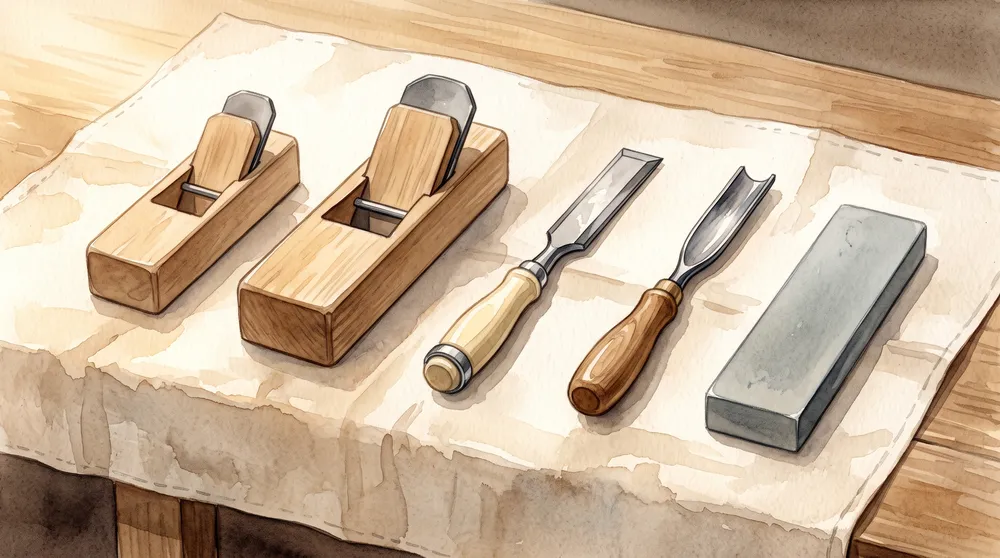
There's an order: without a way to sharpen, even a great blade is useless. Whether you own a whetstone changes what you should buy.
The first one: a replaceable-blade plane
No adjusting, no sharpening. Swap the blade and it cuts — chamfers, eased corners, fixing a sticking door. Most home-project situations are covered. If you want one made in Japan, confirm the origin on the maker's site.
A traditional kanna: Tsunesaburo, Banshu Miki
A tool you finish before you use. A plane-specialist smith of three generations in Miki, Hyogo. True the body, sharpen the blade, and tune it to your work — a tool whose life really starts after purchase. For people who can sharpen and true a plane, or mean to learn. Otherwise, the replaceable-blade plane will work for you more reliably.
Tsunesaburo Japanese Smoothing Plane, Aogami #2, 65 mm
Loading product details…
One bench chisel: Tasai, Echigo Sanjo
Not a set — the one width you'll use. Hand-forged in Sanjo the traditional way, hard steel wrapped in soft iron, to be sharpened and used for a long time. Start with the width your project needs and add as needed.
For carving: Miki-sho Hamono
Carving chisels are shaped differently from bench chisels — flat, curved, and round gouges, chosen for the shape you want to carve. For people who want to carve surfaces rather than cut joints; a bench chisel doesn't substitute.
Mikisyo Power Grip Carving Chisel, Flat 7.5 mm
Loading product details…
Before all of these: a whetstone
Without sharpening, none of them work. Everything except a replaceable-blade plane needs sharpening when you buy it, and again as it dulls. A whetstone does more than another blade — and it works for kitchen knives too. See the whetstone guide.
7. Buying From Outside Japan
We didn't find English shops for Tsunesaburo or Tasai when we checked in October 2026. Miki-sho Hamono lists distributors in Taiwan, South Korea, and Singapore on its (Japanese) site — useful if you live in one of those countries.
- Read the maker's name and the country of origin on any listing, not just "Japanese chisel."
- Buy a whetstone in the same order if you don't have one.
We will add listings you can buy from abroad here as we confirm them, one product at a time.
8. Frequently Asked Questions
I bought a Japanese plane and it won't take a shaving. Is it defective?
Almost certainly not. A traditional kanna isn't sold ready to cut: the sole has to be trued flat and the blade sharpened first. It's made to be finished by the user for their own work. If you want to use a plane without adjusting it, choose a replaceable-blade plane.
Should I buy a chisel or a plane first?
A chisel is easier to start with: no body to true, and once sharpened it works. If you want a plane first, make it a replaceable-blade plane. Whether to buy a traditional kanna comes down to whether you're willing to learn sharpening and truing.
Should I buy a 10-piece chisel set?
Not at first. You'll use two or three, and the rest tend to sit in the box. Buy the width you need, one at a time, and add more as you go.
Do I need a sharpening stone?
For everything except a replaceable-blade plane, yes. New blades and dulled blades alike are sharpened by you. One whetstone adds more than another blade, and you can use it on kitchen knives too.
Why are Japanese planes pulled?
They weren't originally. When the bench plane came from China in the Muromachi period, it was pushed; pulling became the norm around the middle of the Edo period. It's a change made along the way, not an ancient custom. Japanese saws cutting on the pull point the same direction.
If a brand includes a Japanese place name, is it made in Japan?
Not necessarily. A place name in a brand doesn't guarantee where that particular tool was made. Check the country of origin on the maker's official product page — what the maker writes itself, not a retailer's description.
Final Thoughts: It Won't Cut Because It Isn't a Tool Yet
A traditional Japanese plane isn't sold ready to cut. The body is trued and the blade sharpened by the user, because a finish decided by the seller wouldn't suit the work. It wasn't failing — it just wasn't a tool yet.
To use one without adjusting, start with a replaceable-blade plane. Chisels are easier to begin with than planes; buy the width you need, one at a time. And before more blades, a whetstone.
The makers are in Banshu Miki, where Tsunesaburo has made planes for three generations, and Echigo Sanjo, home to chisel smiths like Tasai. And the pull stroke itself dates only from the middle of the Edo period: a tool that arrived from abroad, and that Japan remade as it went.
Japanese Whetstones: Which Grit You Actually Need
Japanese Saw & Hammer Guide | Z-SAW and Genno for DIY