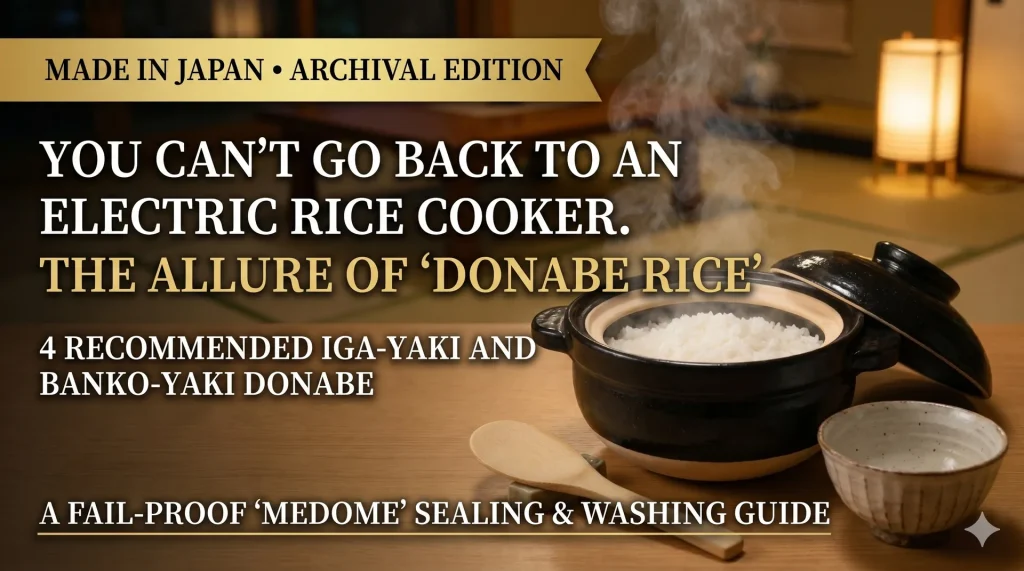
The same pot that cooks a proper hot pot in winter can also cook the best rice you've ever made at home.
This is what Japanese-made donabe (clay pots) do that no electric cooker can replicate: they store heat and release it gradually, so the starch in the rice has time to convert to sugar. The result is visibly different — each grain stands separately, the gloss is richer, and the aroma when you lift the lid is noticeably sweeter.
"Won't it crack?" "Isn't the care complicated?" Both concerns are manageable — and this guide covers them. Here are the four best Japanese clay pots, from the artisan kilns of Iga and Banko, that professionals have trusted for decades.
Quick Reference: Banko vs. Iga — and 4 Top Picks
The most common question in donabe selection is the difference between Banko-yaki (Banko ware) and Iga-yaki (Iga ware). Each excels in a different area depending on what you want to cook.
| Origin | Features & Strengths | Best Use |
|---|---|---|
| Banko-yaki (Yokkaichi, Mie) |
Exceptionally heat-resistant and durable — rarely cracks. Holds about 80% of Japan's domestic donabe market. | Hot pot cooking (oden, mizutaki, etc.) Everyday rice cooking |
| Iga-yaki (Iga City, Mie) |
Porous clay holds more heat — keeps cooking even after the flame is off. Transfers heat deeply and evenly through the ingredients. | Serious rice cooking (white rice) Slow-simmered dishes |
| Brand / Product | Origin / Use | Best For | Go To |
|---|---|---|---|
| Nagatani-en Kamadosan |
Iga-yaki / Rice only | People who want exceptional rice with socarrat (crispy bottom) — no fire-watching required. | In article ↓ |
| Ginpo Touki Hana-mishima |
Banko-yaki / All-purpose | Pro-grade durability. Those who want to use it hard — hot pot, zosui, udon — for decades. | In article ↓ |
| Ginpo Touki Kikka Rice Donabe |
Banko-yaki / Rice & all-purpose | Those who want a lighter, easier-to-handle rice donabe with a modern design aesthetic. | In article ↓ |
| MOLATURA best pot |
Banko + metal lid / No-water cooking | Those who want to explore waterless cooking — drawing out flavor using only the ingredients' own moisture. | In article ↓ |
1. Why Japanese-Made Donabe?
Inexpensive clay pots exist at every hardware store, but there are two specific reasons to choose Japanese-made: safety and flavor.
Materials you can trust, and craft that shows
Donabe makes direct contact with food and operates under sustained high heat. Some inexpensive imported versions carry a non-zero risk of lead or cadmium in the glaze.
Traditional Japanese craft wares like Banko-yaki and Iga-yaki — certified traditional crafts built to strict domestic standards — carry none of those risks.
Beyond safety: Japanese clay has naturally high heat retention. Once the pot is hot, it stays hot. That slow, even heat transfer is what converts starch to sugar in rice, drawing out a sweetness that a metal pot or electric cooker simply cannot replicate.
2. Iga-yaki: Kamadosan by Nagatani-en
"Cooking rice in a clay pot sounds difficult." Nagatani-en, a long-established Iga-yaki kiln in Mie Prefecture, demolished that assumption — and the result became one of Japan's best-selling kitchen items. Iga's coarse, porous clay holds an exceptional amount of heat.
No fire adjustment needed — anyone can make a perfect pot of rice
Nagatani-en / Kamadosan
No fire juggling. The entire method: medium-high heat for about 12 minutes, then turn off the heat and steam for 20 minutes. That's it. What comes out is rice with visible air pockets through the grains, a glossy surface, and an optional crispy socarrat bottom that no electric cooker can produce.
The secret is a base almost twice as thick as a standard clay pot, which stores heat and releases it gradually. The double-lid structure — inner and outer — prevents boil-over entirely.
3. Banko-yaki: Hana-mishima by Ginpo Touki
About 80% of Japan's domestic donabe production comes from Yokkaichi City, Mie Prefecture — home of Banko-yaki.
The key ingredient is petalite, a heat-resistant mineral mixed into the clay, making Banko ware exceptionally resistant to thermal shock and cracking.
Professional-grade durability — Ginpo Touki's Hana-mishima
Ginpo Touki / Hana-mishima
Ginpo Touki has made nothing but clay pots since its founding. Hana-mishima is a long-seller of over 50 years — still in production because nothing about it needs changing.
Its primary feature is outstanding durability and heat resistance from Ginpo's proprietary clay formula. Used hard in restaurant kitchens for decades without cracking, it's the all-terrain donabe for households that want one pot to do everything: hot pot, simmered udon, zosui finish, all of it.
Lighter and easier to handle — Ginpo's Kikka rice donabe
Ginpo Touki / Kikka Rice Donabe
Kikka takes Hana-mishima's proven technology and reworks it for modern kitchens. It's lighter — noticeably easier to handle when washing — and comes in a range of contemporary glazes including deep blue and amber.
Like Kamadosan, the double-lid structure means no fire adjustment is needed for rice. The result can go straight from the stove to the table.
Want to master donabe rice cooking? This guide goes deep:
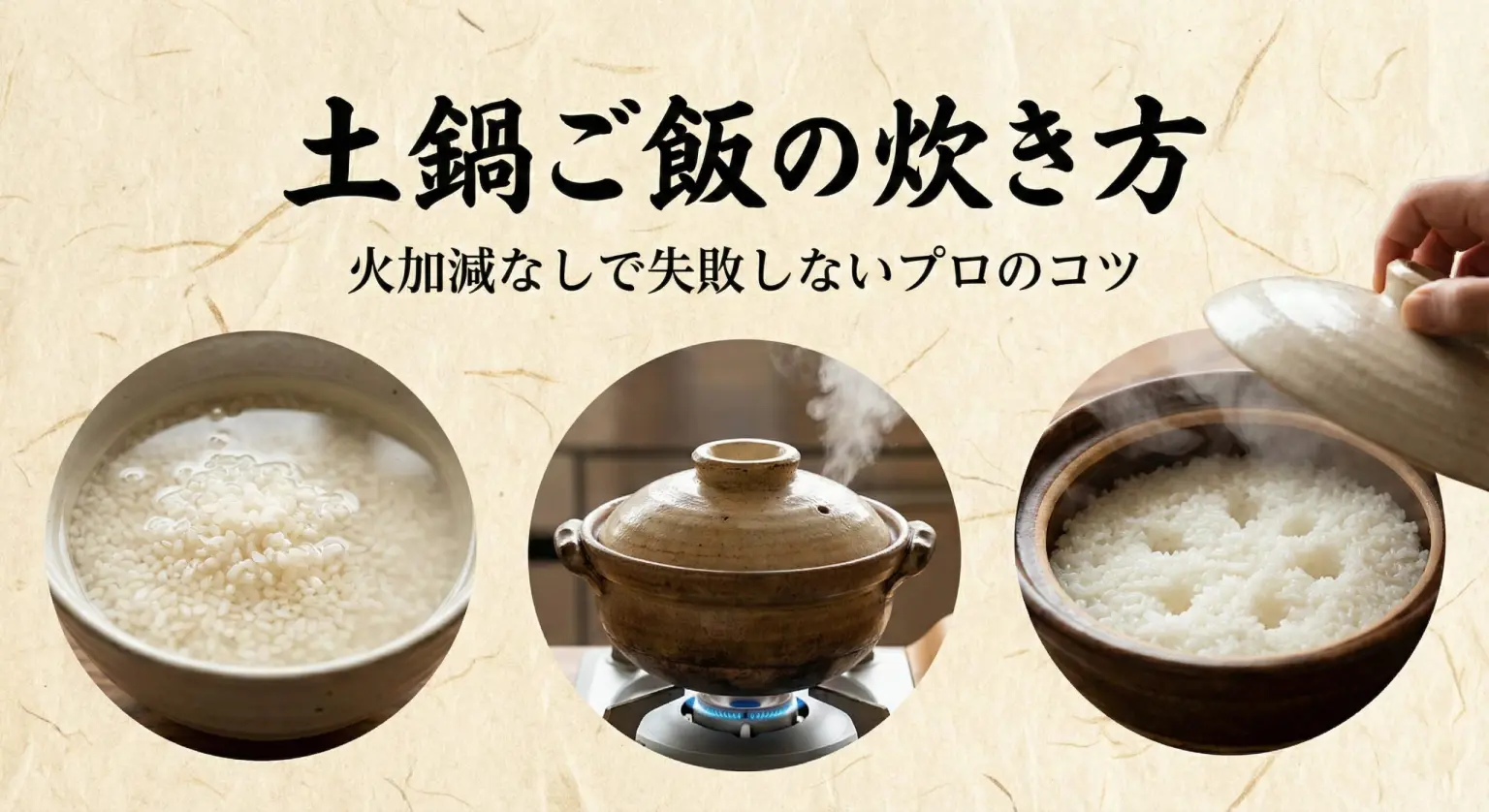
4. Modern Donabe: Waterless Cooking with best pot
Traditional craft meets precision manufacturing. A new generation of clay pots is pushing what donabe can do.
0.01mm tolerance — the waterless cooking of best pot
MOLATURA / best pot
A hybrid of Banko-yaki clay body and a precision-machined metal lid, produced by a company that also makes aerospace components. The lid-to-pot gap is ground to a 0.01mm tolerance, achieving a seal tight enough for true waterless cooking — vegetables cook entirely in their own moisture, concentrating nutrition and flavor with nothing lost to evaporation.
Good Design Award winner. For those who want a clay pot that also doubles as a serious daily cooking vessel.
5. Seasoning & Care: How to Make It Last a Lifetime
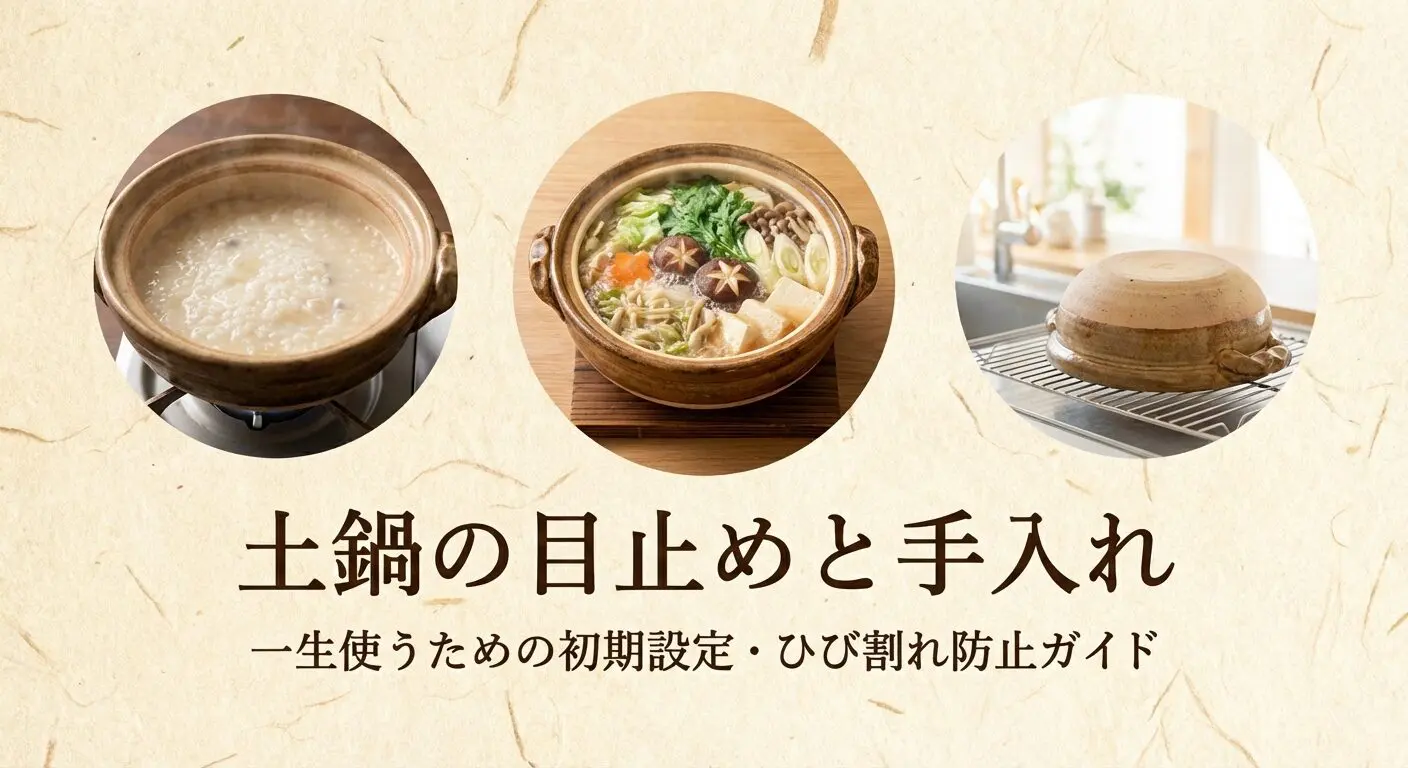
When you first get a donabe, there's one thing to do before cooking anything else: season it (medome).
This process fills the microscopic pores in the clay, preventing water from seeping through and dramatically extending the pot's usable life.
Step 1: Cook rice porridge (the seasoning process)
A new donabe has countless invisible pores. Cooking rice porridge pushes the starch from the rice into these pores, sealing them like a natural glue that prevents water seepage.
Fill the pot 80% with water → add one bowl of leftover rice → simmer on low heat until it thickens into porridge → leave until completely cool.
That's the full process. The pot is now conditioned and far more resilient.
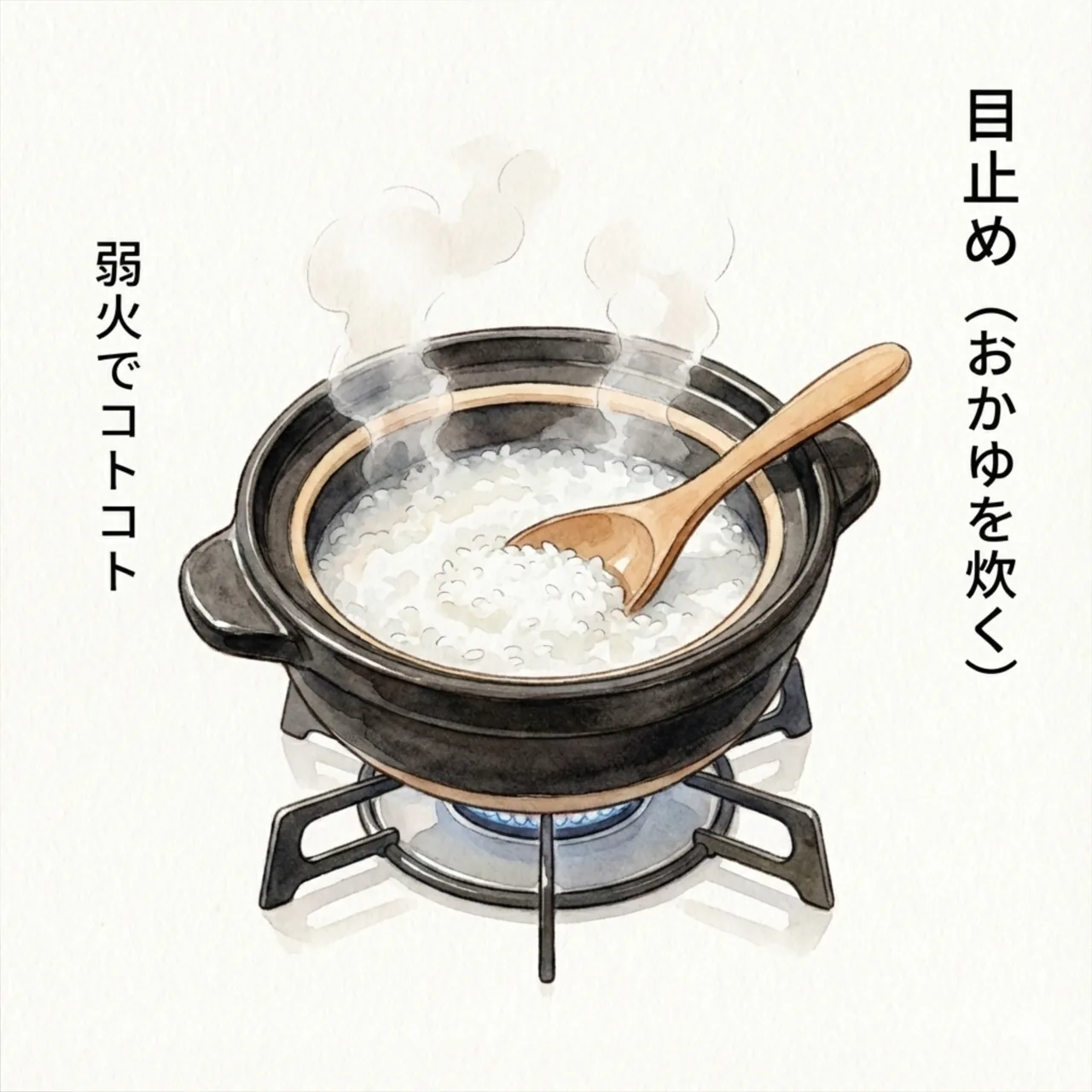
Step 2: Never place a wet pot on heat
The leading cause of donabe cracking is thermal shock — an abrupt temperature change. A wet bottom placed on a burner traps water that expands into steam and splits the clay from inside.
After washing, always wipe the bottom dry with a cloth before placing the pot on the stove. Make it a habit from the first use.
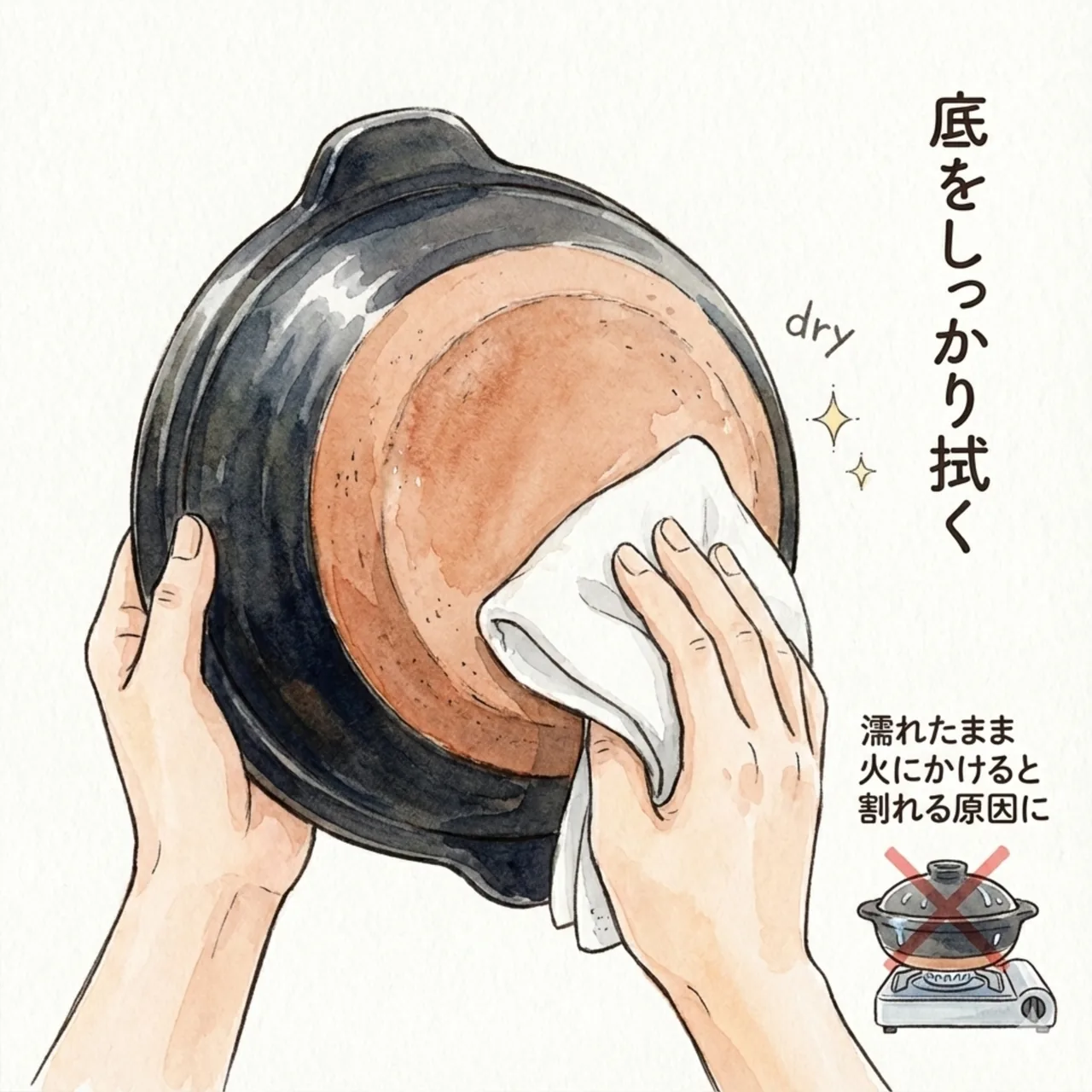
For a complete walkthrough of seasoning and ongoing care:
6. Good Donabe Deserves Good Food
Once the pot can cook perfect rice, the rice needs something to pair with it.
And if you're using donabe for hot pot, the right protein matters.
7. Frequently Asked Questions
What are the main drawbacks of clay pots?
The main downsides are: fragile under impact (drops and knocks can crack them); heavier than metal pots; vulnerable to thermal shock if the wet bottom is placed on heat; require an initial seasoning step and careful drying between uses; more prone to sticking than non-stick-coated pans.
That said, these are the costs of an object that does something no metal pot can. The care is part of the relationship — and a well-maintained donabe lasts decades.
What specifically is better about a clay pot vs. a metal pot?
The core advantage is heat retention: clay transfers heat slowly and holds it longer after the flame is off. This extended time in the 40–60°C range — the temperature zone where starch converts to sugar — is what makes rice and root vegetables genuinely sweeter from a clay pot. Metal pots don't stay in that range long enough.
What size donabe do I need for a family of four?
For a family of four doing hot pot, size 8 (roughly 24–26 cm diameter) or size 9 (27–30 cm) is the right range. If you eat large portions or want to load it up with vegetables, go to size 9 or 10.
General guide: 1–2 people → size 6–7 / 3–4 people → size 8 / 4–5+ people → size 9–10.
Can I use a donabe on an IH induction cooktop?
Traditional donabe are direct-flame only, but IH-compatible versions now exist (including IH-compatible models from Ginpo).
IH-compatible pots have a heat-generating element built into the base — always confirm the "IH compatible" label before purchasing. The Kamadosan also comes in an IH version.
Can I use a donabe for deep-frying?
No — this is strictly off-limits.
Donabe clay is porous and absorbs oil. Under high heat, that absorbed oil can reach dangerously high temperatures and either ignite or cause the pot to crack explosively. Never use a standard donabe for frying unless it is explicitly labeled as fry-safe.
Small cracks appeared on the surface. Is the pot still usable?
This is called kanyuu (crazing) — a normal characteristic of ceramics, not a defect or sign of failure.
It's the clay "breathing" to handle thermal expansion without shattering. As long as water isn't seeping through, keep using it. If moisture does start leaking, cook one more round of rice porridge to re-seal the pores. A donabe that's properly cared for can outlast its owner.
What do I do if food burns onto the bottom?
Don't scrub with a metal scourer.
Fill the pot with water, add 1–2 tablespoons of baking soda, and simmer on low heat for about 10 minutes. Leave it to cool completely — the burned residue will have softened and can be removed with a soft sponge without damage.
The pot has absorbed a strong odor. How do I remove it?
For persistent odors from fish or curry, used tea leaves are the solution.
Fill the pot with water, add a handful of tea leaves, and bring to a low simmer for about 10 minutes. The tannins in the tea bond with and neutralize the odor — surprisingly effective.
8. Final Thoughts: A Life with Donabe
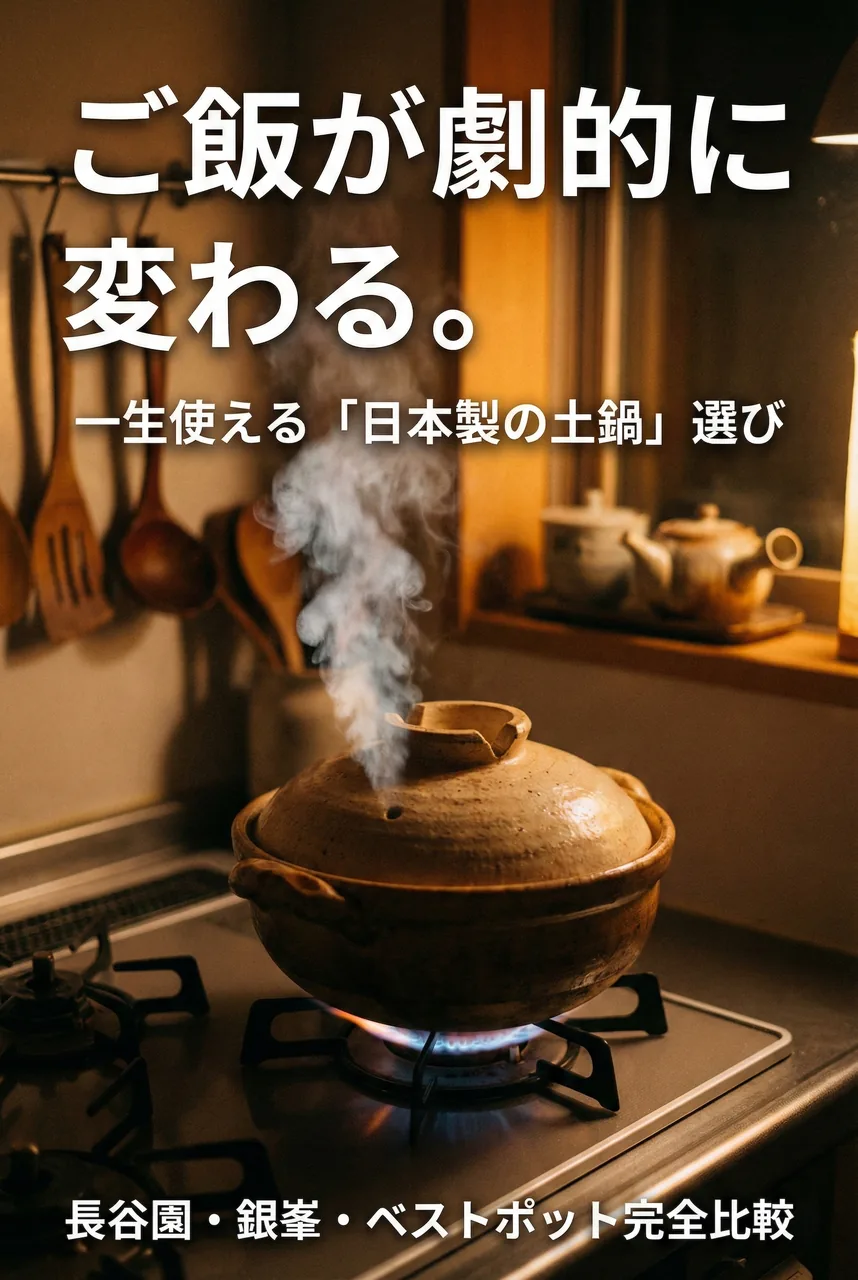
Cooking rice in a donabe is not just a different technique — it's a different relationship with the kitchen.
The fragrance when you lift the lid. Each grain standing on its own. The table that pulls people in and slows the meal down.
A Japanese-made donabe will outlast every electric appliance in the kitchen. Find the one that fits your household, and it becomes a permanent fixture — not a purchase you revisit.
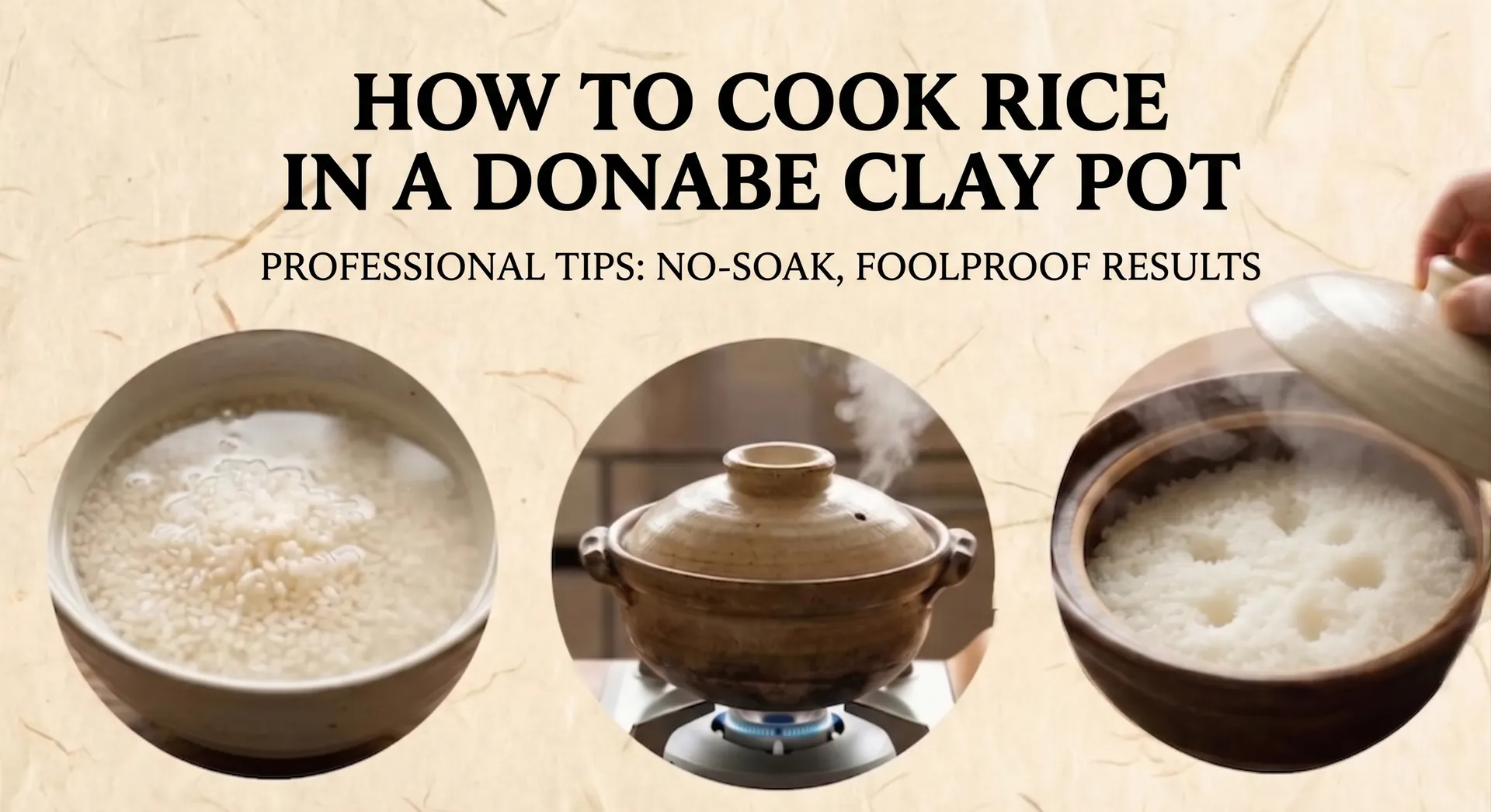
How to Cook Rice in a Donabe: Step-by-Step for Fluffy, Fragrant Results
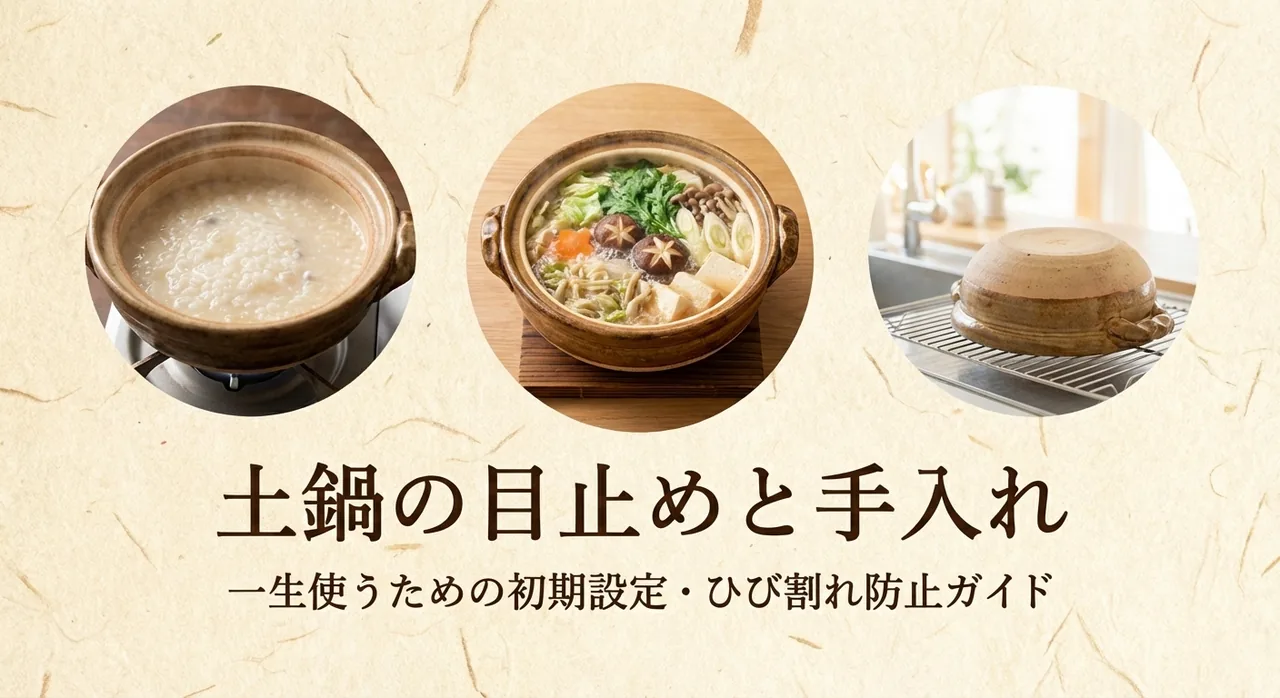
Donabe Care: Seasoning, Cleaning, and How to Prevent Cracks
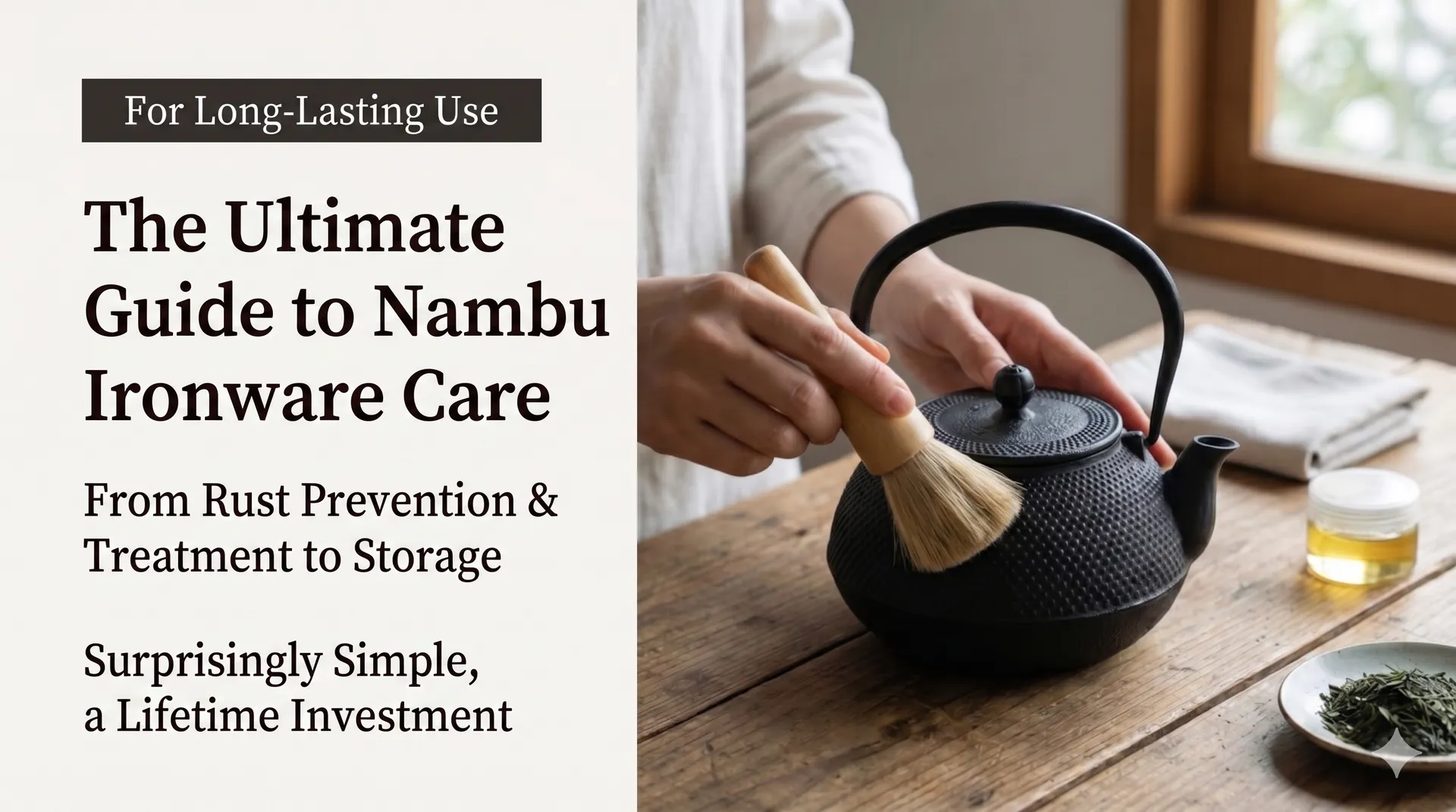
Nanbu Tekki Tetsubin Care: How to Prevent Rust and Keep It for Life

Magewappa Care: Daily Use Without Mold or Discoloration