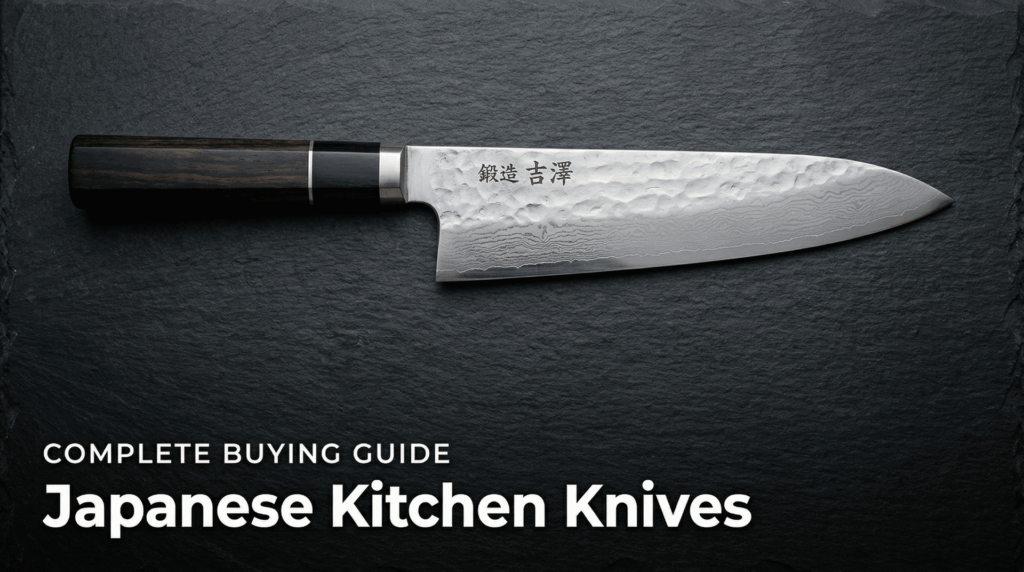
The best Japanese kitchen knife for most home cooks is a stainless steel santoku (165–180mm) or gyuto
(210mm) in the $80–$150 range — sharp enough to feel like a professional upgrade, durable enough to last
decades with basic care.
If you already know that much, jump to the brand recommendations. If you want to
understand why Japanese knives perform the way they do — the steel, the regions, the craft traditions
behind them — read on. This guide covers everything you need to make the right call.
Quick Reference: Japanese Knife Brands at a Glance
| Brand | Region | Best For | Price Range |
|---|---|---|---|
| ▼ Home Cooks & First-Time Buyers | |||
| GLOBAL (Yoshikin) | Tsubame-Sanjo, Niigata | Sleek all-stainless design; easy to clean; worldwide bestseller | $80–$180 |
| Tojiro (Fujinoo) | Tsubame-Sanjo, Niigata | Professional sharpness at accessible prices; best value in the lineup | $60–$150 |
| Kai / Seki Magoroku | Seki, Gifu | Entry to mid-range; widely available; Damascus options in higher tiers | $40–$200 |
| Yaxell | Seki, Gifu | Multi-layer Damascus steel; striking visual appeal with VG10 core | $100–$300 |
| ▼ Serious Cooks & Professionals | |||
| Misono | Seki, Gifu | Pro-grade stainless (Swedish steel); preferred by working chefs | $150–$400 |
| Aritsugu (Kyoto) | Kyoto | Traditional Japanese knife experience; hand-sharpened; lifetime relationship with the maker | $120–$500+ |
| Jikko (Sakai) | Sakai, Osaka | Traditional single-bevel Japanese knives; professional sushi and sashimi use | $100–$600+ |
| Ryusen | Echizen, Fukui | Echizen-forged blades; beautiful finish; collectors and enthusiasts | $150–$500 |
Why Japanese Kitchen Knives?
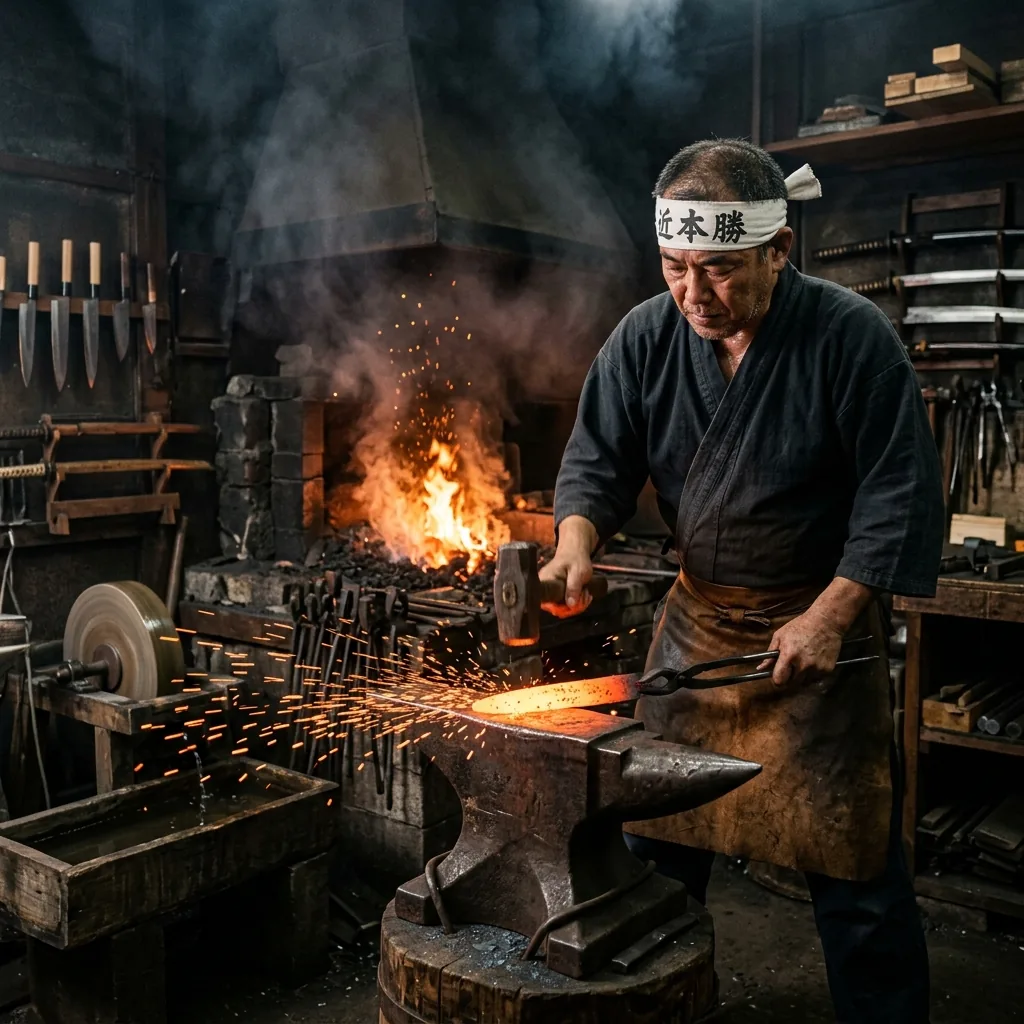
Japanese kitchen knives are harder, thinner, and sharper than most Western knives. That's not marketing — it's metallurgy. Japanese knife steel typically reaches HRC 60–65 on the Rockwell hardness scale. Most European knives sit at HRC 54–58. The result: a Japanese knife holds its edge two to three times longer, and when sharpened properly, it can slice a ripe tomato with zero pressure on the skin.
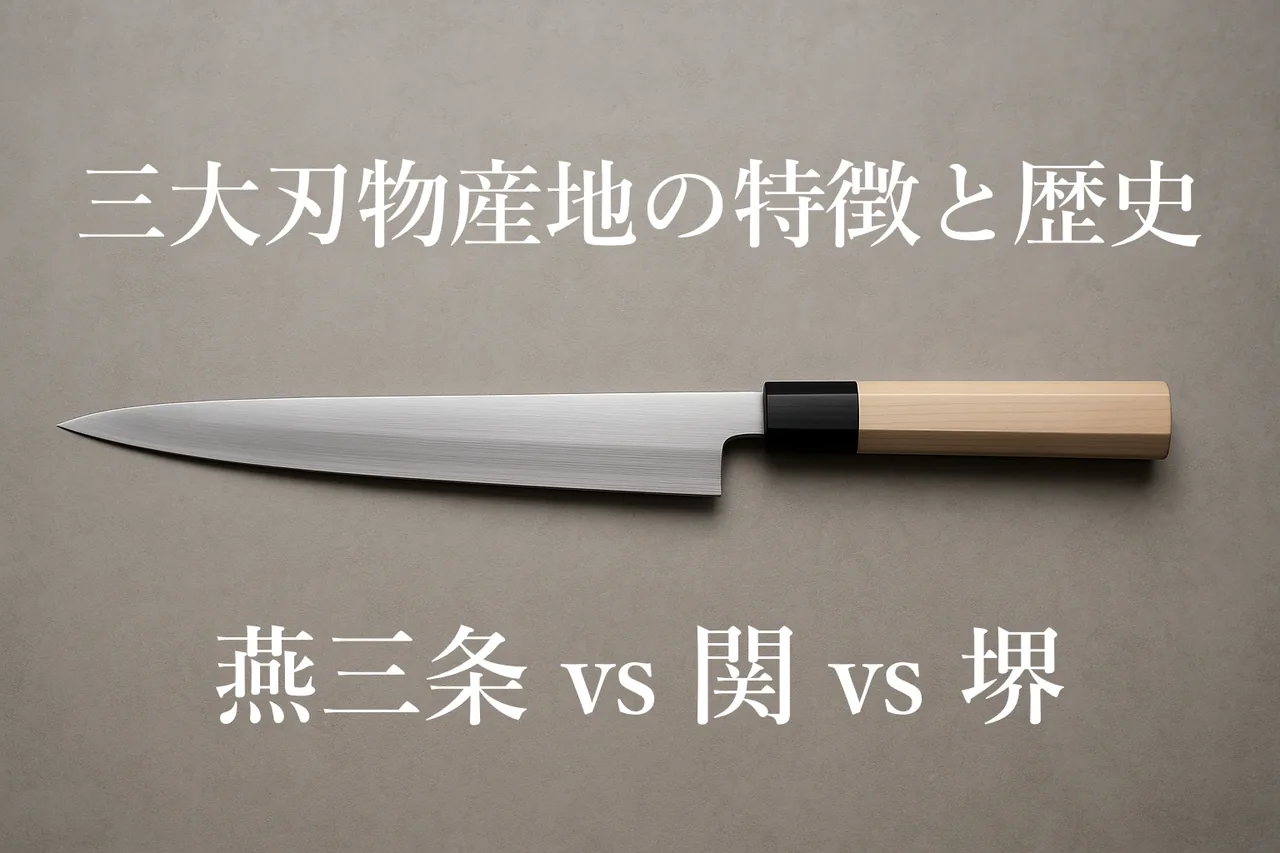
Japan's Three Great Knife-Making Regions
Most of the world's best Japanese knives come from three regions, each with a distinct style:
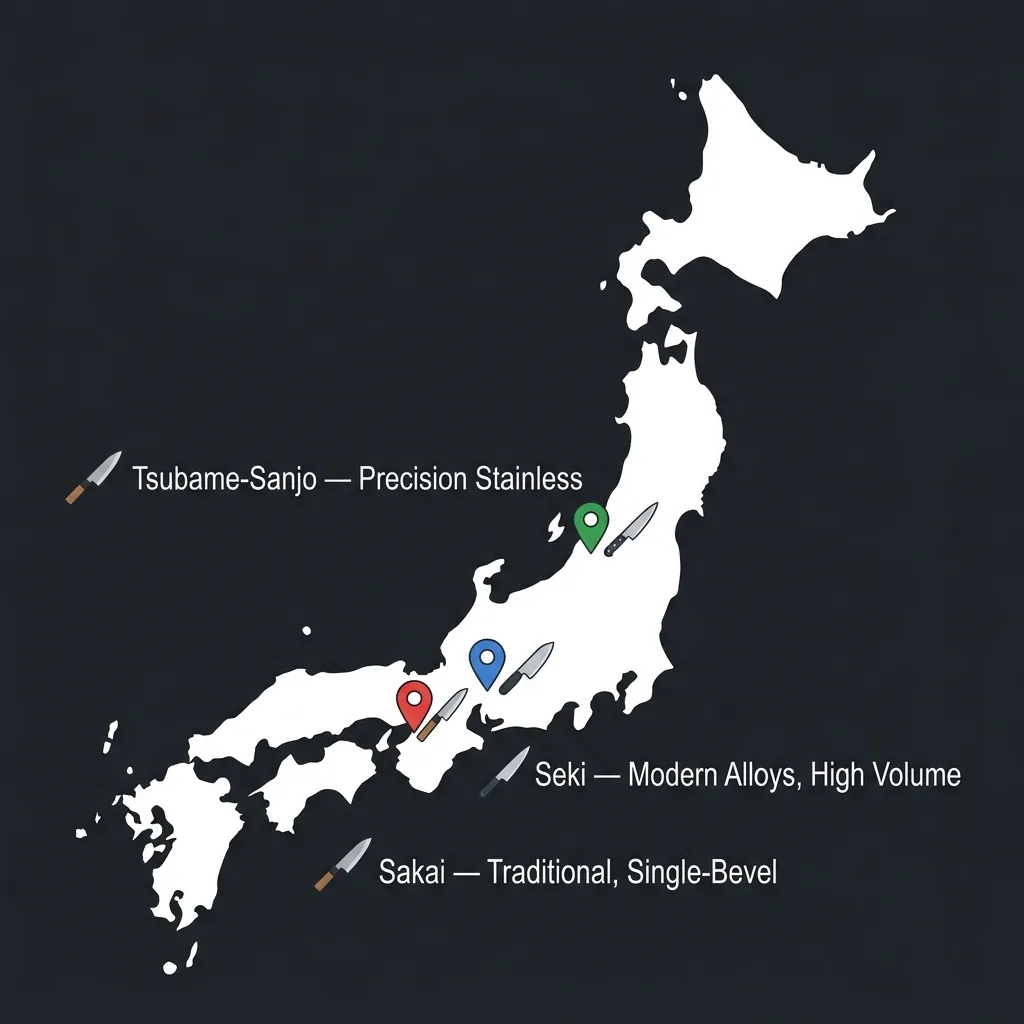
Sakai (Osaka) — Japan's oldest and most prestigious knife-making city. Over 90% of Japanese
professional chef knives are made here. Sakai blades are hand-finished and known for single-bevel traditional
knives (deba, yanagiba).
Seki (Gifu) — Japan's largest knife production center by volume. Home to Yaxell, Misono, and
Kai. Specializes in double-bevel Western-style knives using modern alloys.
Tsubame-Sanjo (Niigata) — Known for metalworking craftsmanship. Home to GLOBAL (Yoshikin) and
Tojiro. Strong tradition of precision stainless steel production.
Did you know: Samurai swords and your chef's knife share the same birthplace
Sakai's knife-making tradition began in the 1300s when skilled sword smiths turned to kitchen knives after Japan's feudal era ended and demand for weapons collapsed. The same forging techniques — differential hardening, hand grinding, water sharpening — that made samurai blades legendary are still applied to Sakai kitchen knives today. That's why a Sakai yanagiba can slice through sashimi leaving a surface so smooth it reflects light.
Types of Japanese Knives Explained
All-Purpose Knives (Start Here)
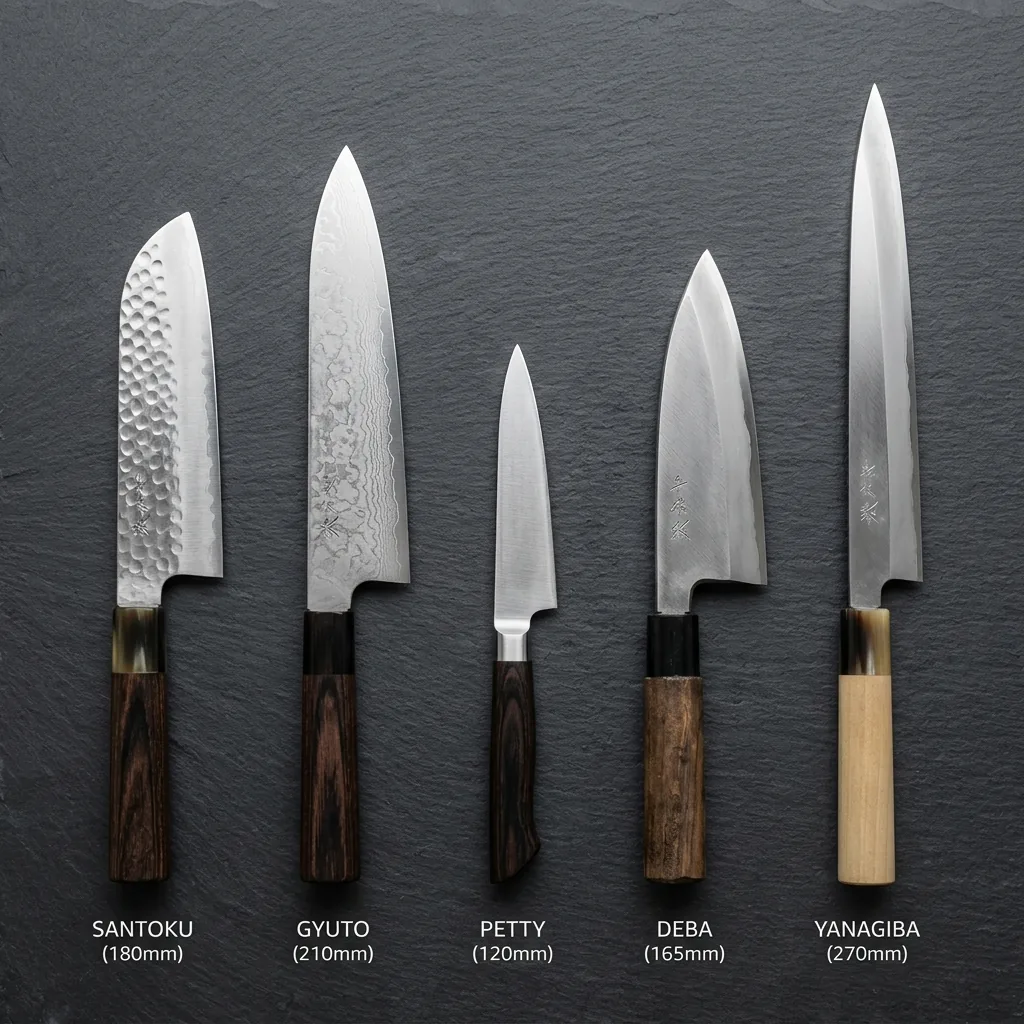
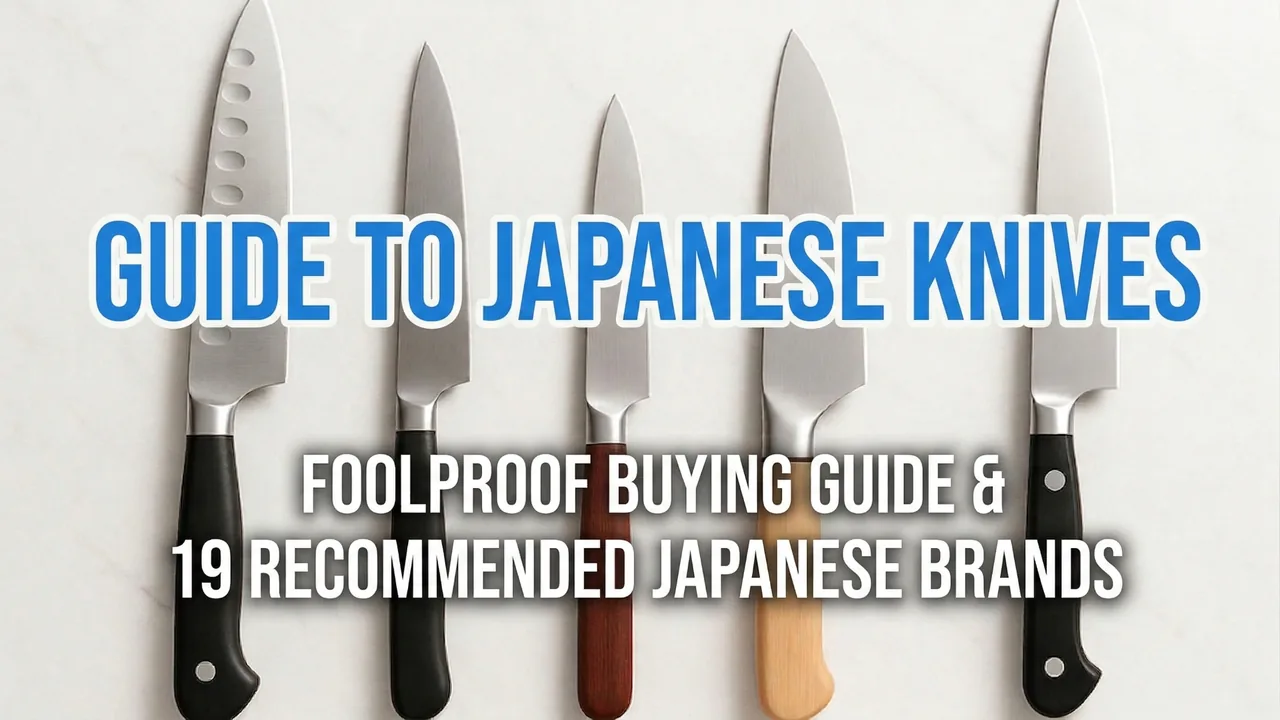
- Santoku
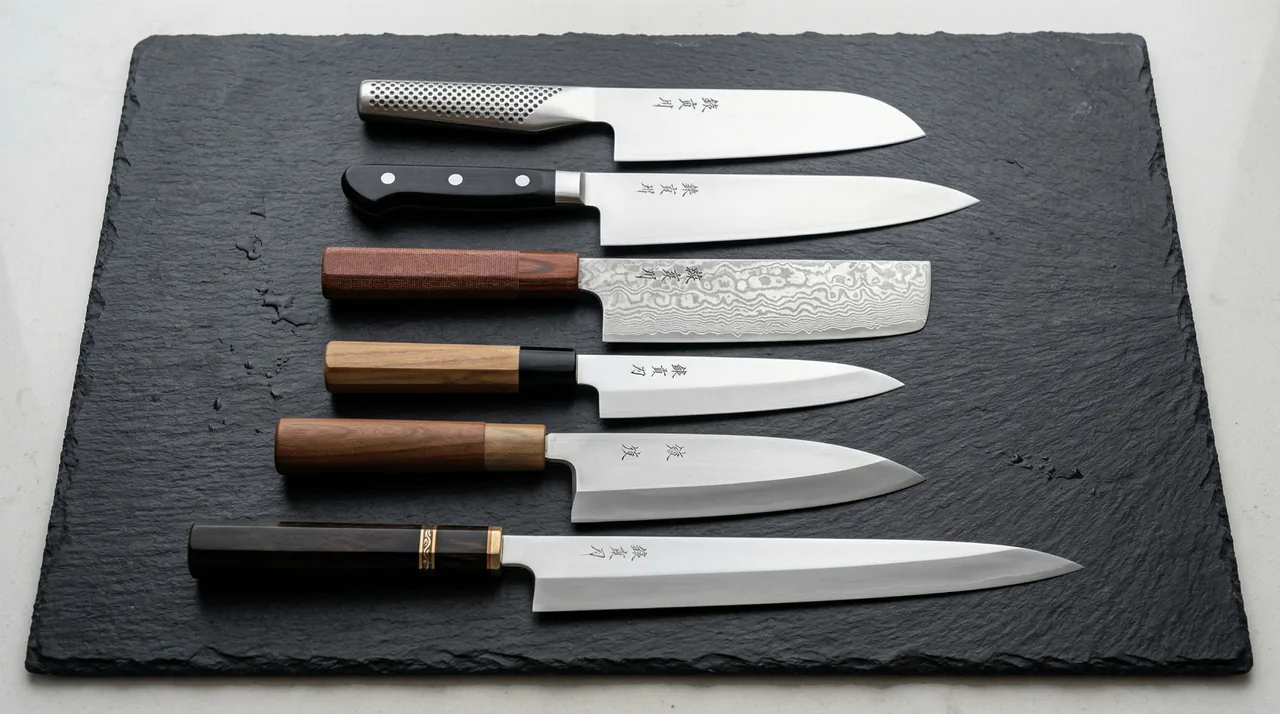
- Japan's most popular all-purpose knife. Blade length 165–180mm. Flat spine, rounded tip, wide blade. Excellent for push-cutting vegetables, fish, and boneless meat. The name means "three virtues" — meat, fish, and vegetables.
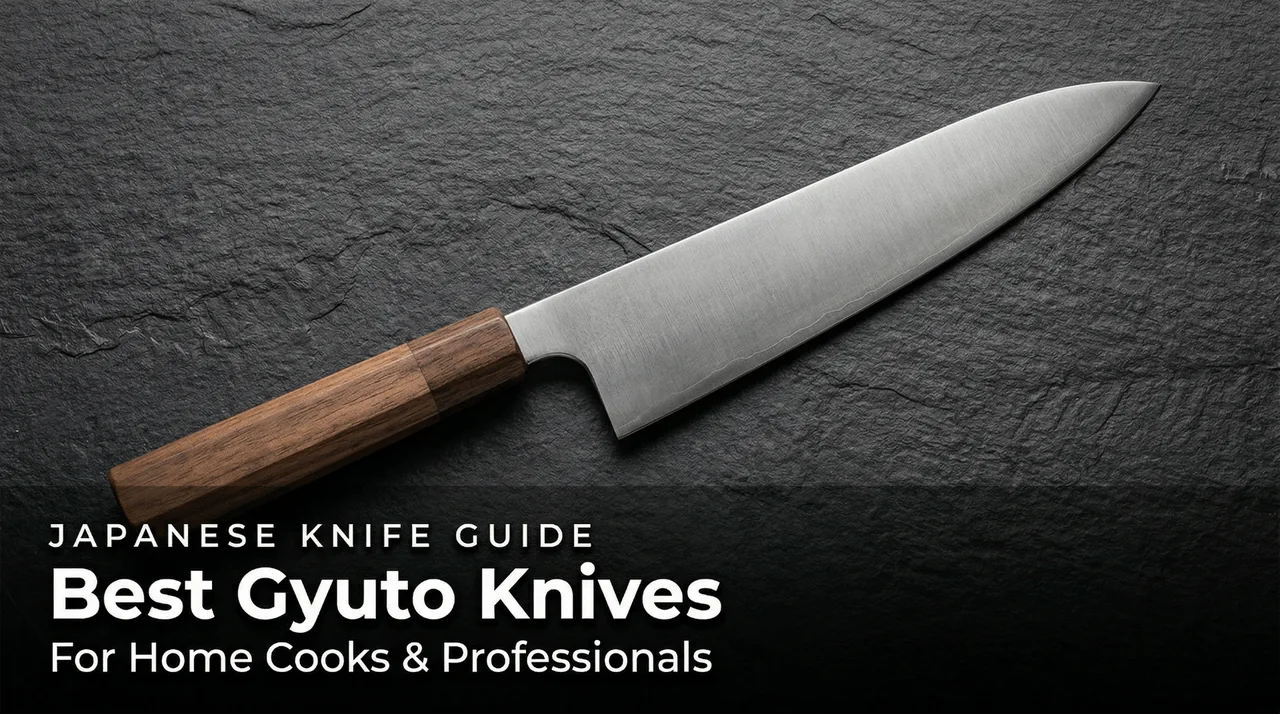
- Gyuto (Chef's Knife)
- The Japanese equivalent of a Western chef's knife. Blade length 200–240mm. Curved belly, pointed tip. Better for rocking cuts, breaking down large cuts of meat, and pull-slicing. The go-to for cooks who want Western technique with Japanese steel.
- Petty Knife
- A small utility knife, 120–150mm. For peeling, trimming, and tasks too delicate for a large blade. A santoku or gyuto plus a petty covers 95% of home cooking needs.
Traditional Japanese Knives (For Fish & Washoku)
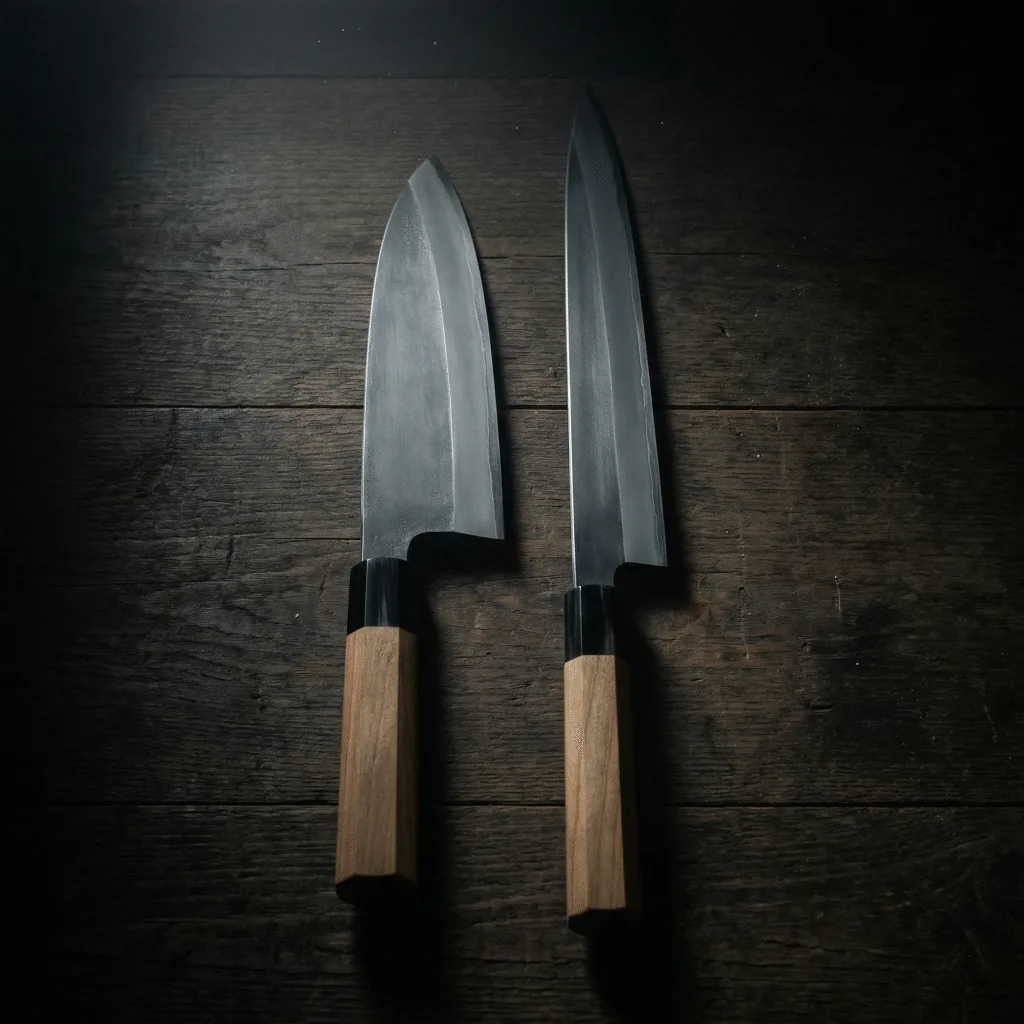
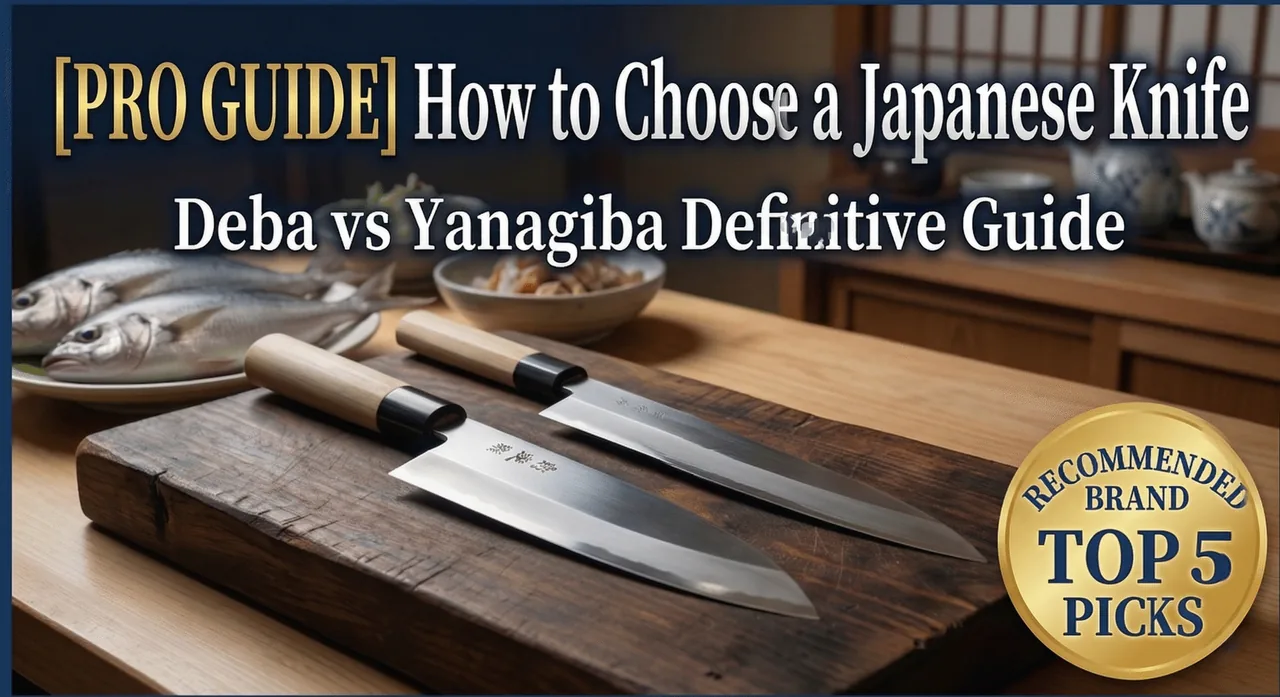
- Deba
- Heavy, thick-spined single-bevel blade for breaking down whole fish. The deba handles the head, bones, and filleting in one knife. Essential if you buy whole fish regularly.
- Yanagiba (Sashimi Knife)
- Long (240–330mm), slender, single-bevel blade for pull-cutting sashimi in one stroke. The single-bevel grind creates a mirror-smooth cut surface that genuinely changes the texture of fish on the palate.
- Nakiri
- Thin, rectangular double-bevel blade for vegetable work. Ideal for paper-thin slicing and precision julienne. A great addition once you have your main knife sorted.
Steel Types: Stainless vs. Carbon Steel
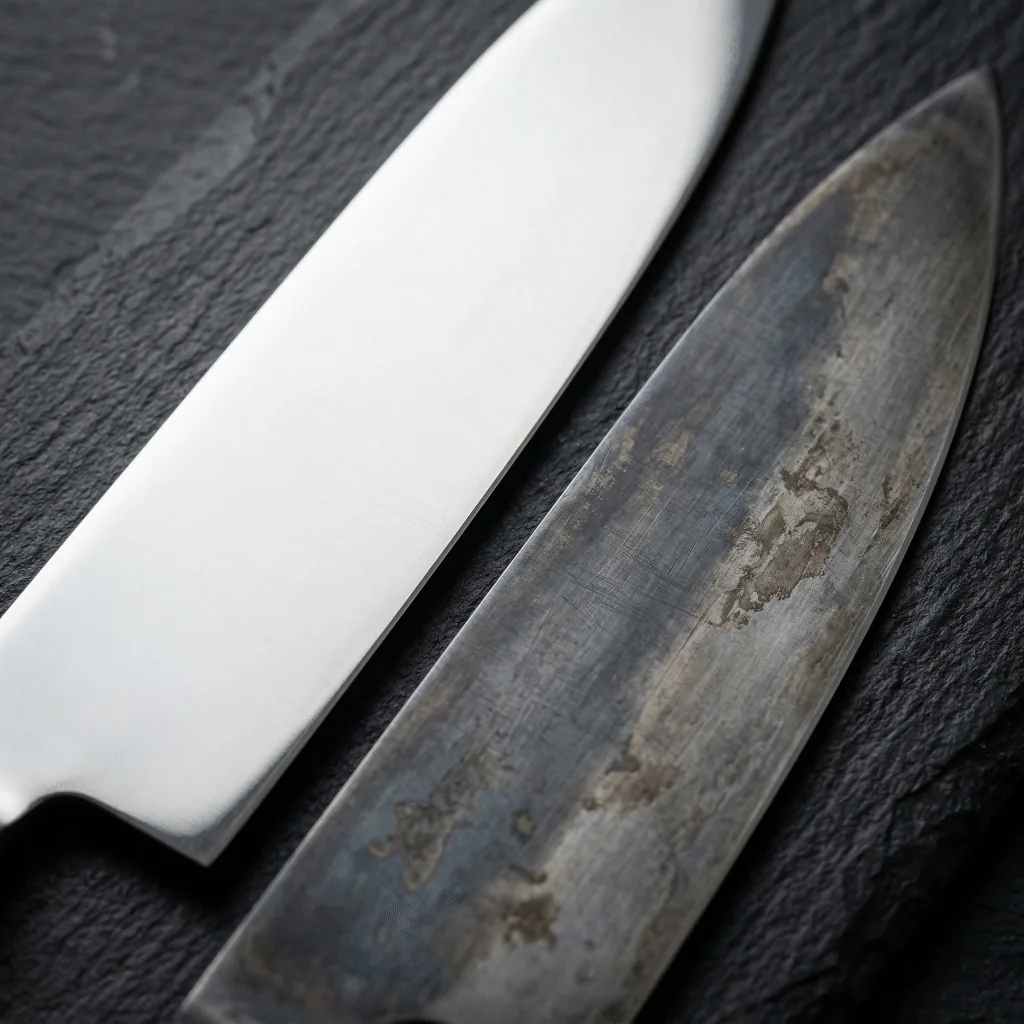
Stainless Steel — The Practical Choice
Modern high-grade stainless alloys (VG10, AUS-10, SG2, Swedish Sandvik) resist corrosion while achieving HRC 60–62. This is the right choice for most home cooks. You don't need to oil it, you can leave it briefly wet without panic, and the only real risk is a dishwasher. Shun, GLOBAL, Yaxell, Tojiro, and Misono all use premium stainless.
Carbon Steel (Hagane) — For Enthusiasts
High-carbon steel (White Steel/Shirogami, Blue Steel/Aogami) reaches HRC 62–66 and takes a sharper initial edge than stainless. The trade-off: it rusts quickly. After every use you wipe and dry it; long-term storage requires a light oil coat. Pros and dedicated home cooks love the sharpening experience and the patina that develops over years. Traditional Sakai knives (Aritsugu, Jikko) often use carbon steel.
Did you know: Damascus patterns are structural, not decorative
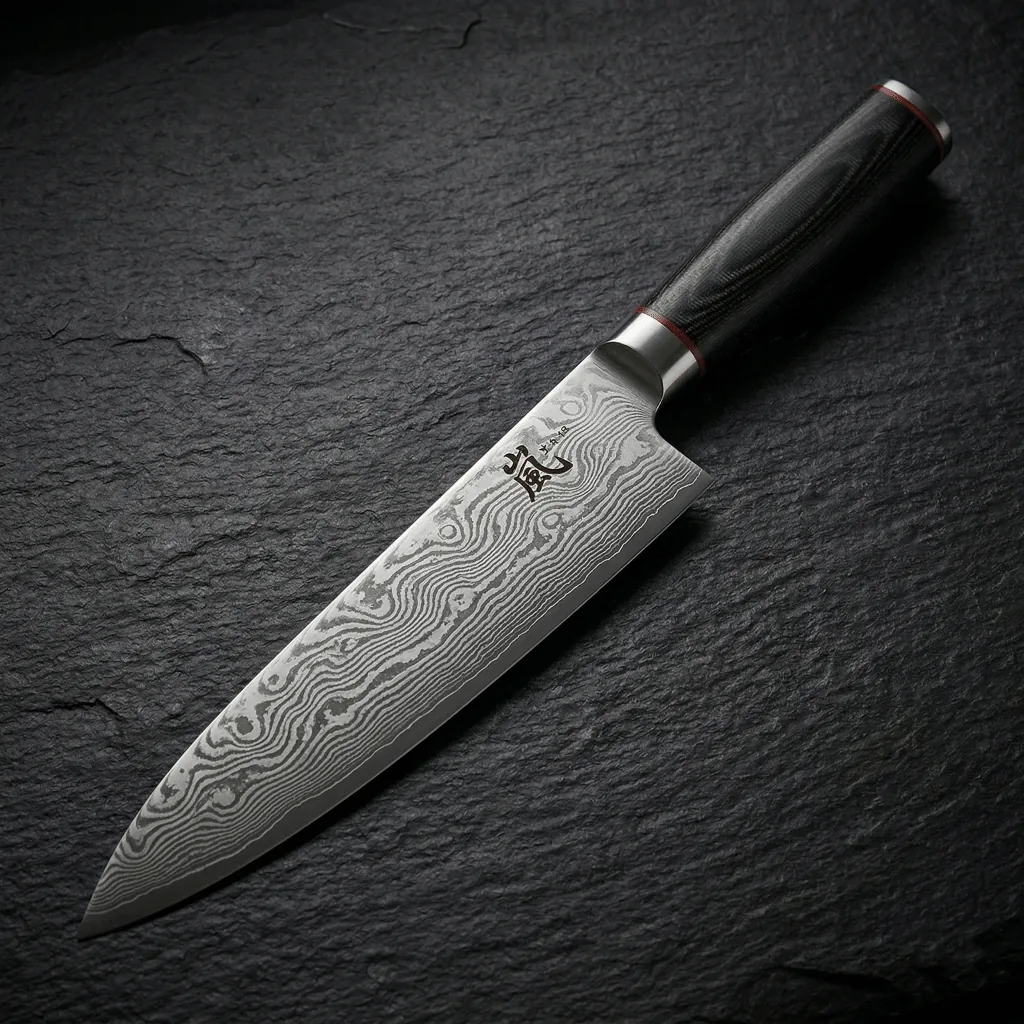
The wave-like Damascus pattern on premium Japanese knives isn't etched on afterward — it's the actual cross-section of multiple steel layers (typically 33, 67, or 101 layers) folded around a hard core. The soft outer layers protect the brittle hard core from chipping, while the core delivers the cutting edge. It's the same sandwich principle that makes composite armor strong: hard where it needs to cut, tough where it might flex.
Handle Styles: Western vs. Japanese (Wa-Handle)
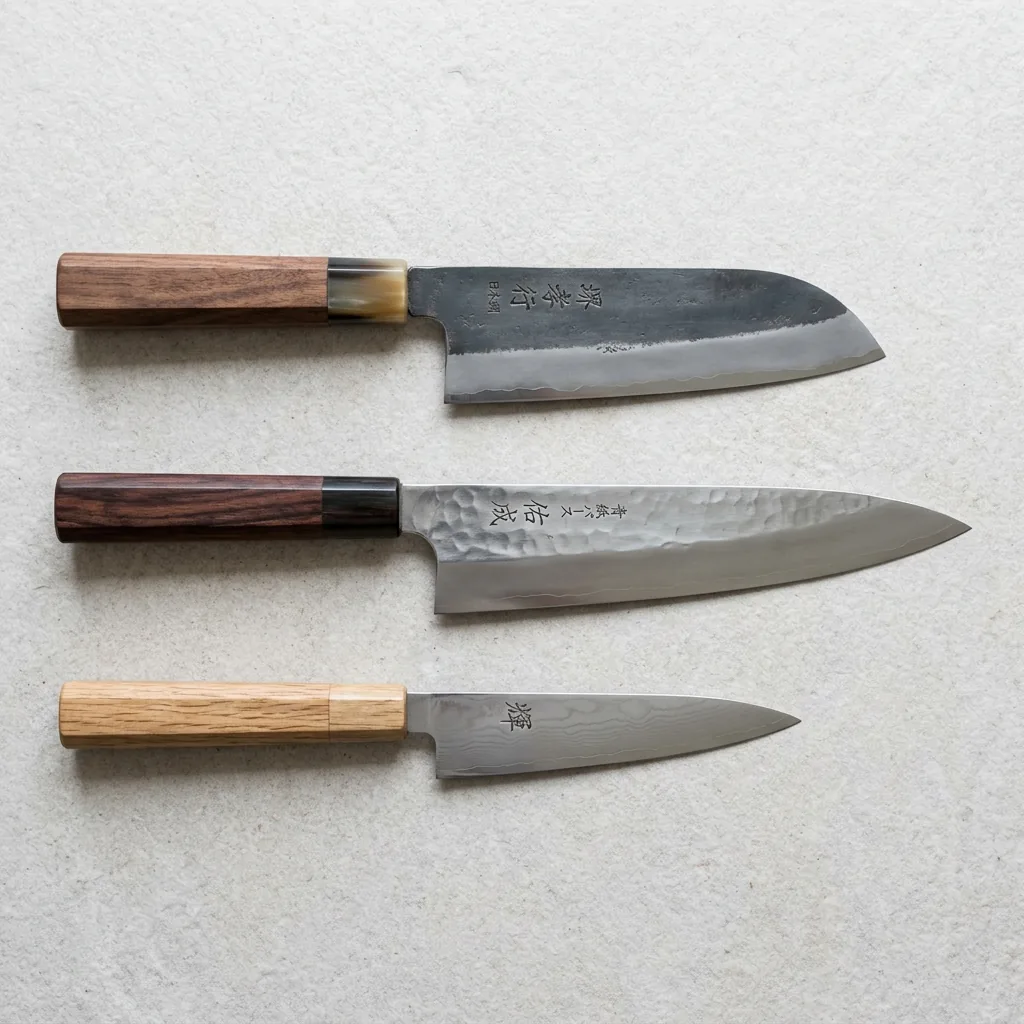
Western handle (Yo-handle) — Full tang, riveted scales. Heavier, familiar for cooks used to
European knives. GLOBAL, Tojiro DP, Misono use this style.
Japanese handle (Wa-handle) — Hollow octagonal or D-shaped wood handle. Lighter, allows more wrist
rotation. The blade is inserted into the handle making it easy to re-handle when the wood wears. Traditional
craftsmen prefer this. Sakai knives, Ryusen, and artisan makers typically use wa-handles.
How to Choose: By Use Case
Your first "real" knife
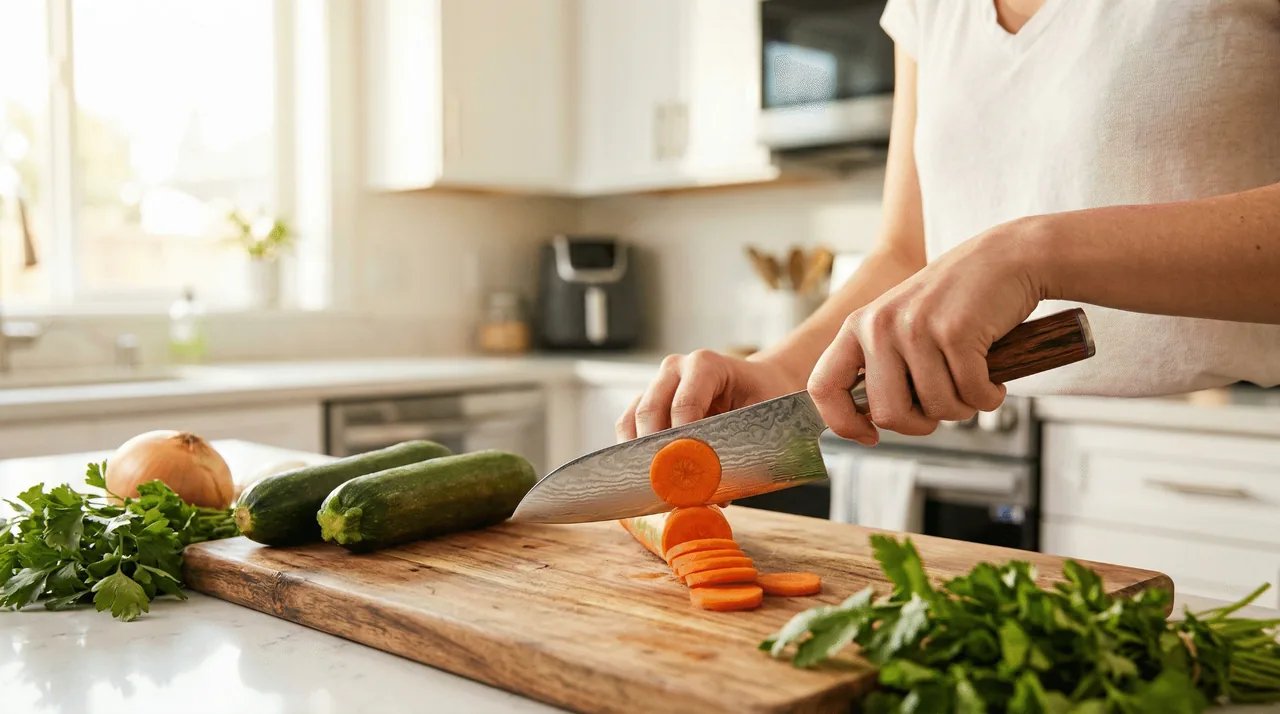
Upgrading from a cheap supermarket knife? Get a stainless santoku 180mm or gyuto 210mm, $80–$150. Tojiro DP and GLOBAL G-series are the two most recommended entry points — both widely available outside Japan, both easy to maintain, both used by professionals.
You cook 5+ days a week
A main knife plus a petty is the ideal two-knife setup. If you bake bread, add a serrated bread knife. Focus on a handle that doesn't fatigue your hand during extended prep — grip the knife before buying if possible, or order from a retailer with returns.
You want to cook Japanese food properly
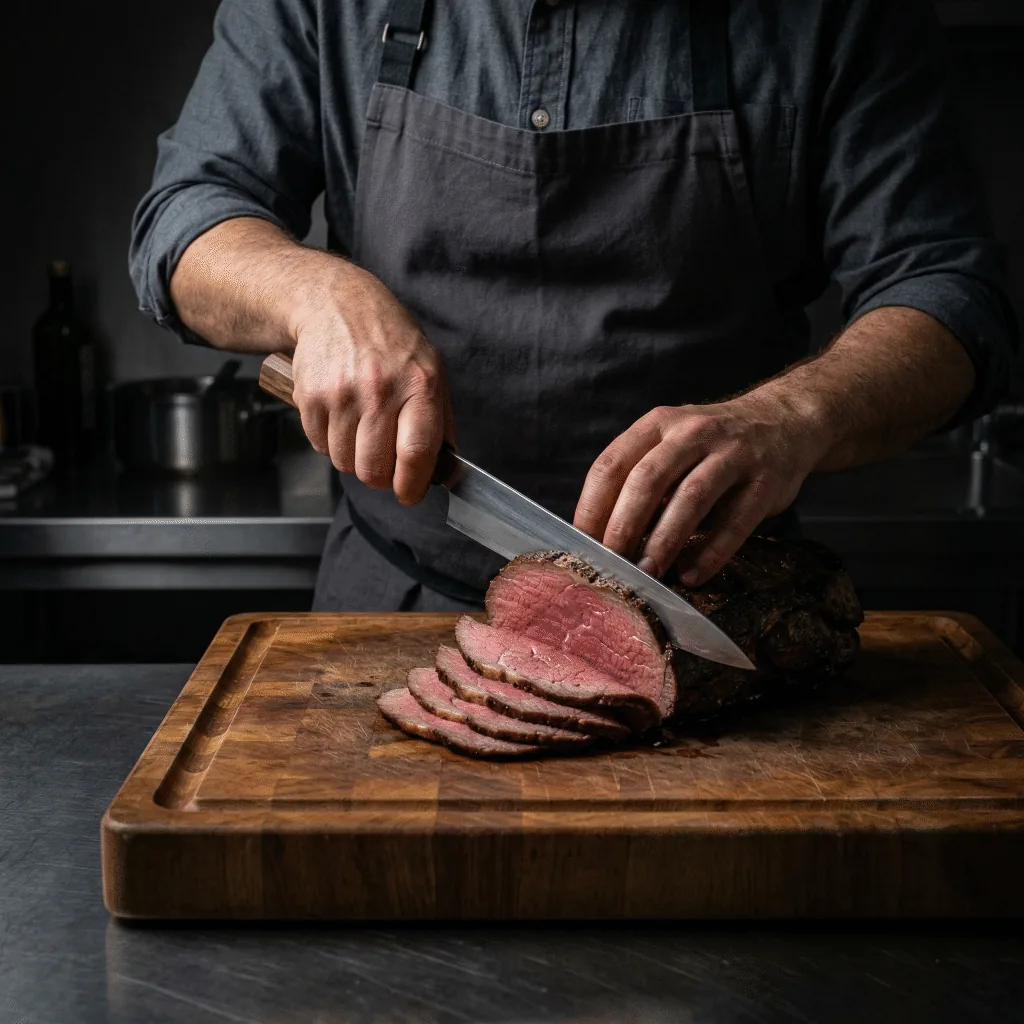
If you're buying whole fish, making sashimi, or want to try traditional Japanese cutting techniques, add a deba and yanagiba after your main knife. A Sakai single-bevel yanagiba on fresh salmon produces a cut surface with a different texture — smoother, cleaner — that you actually taste.
Looking for a gift
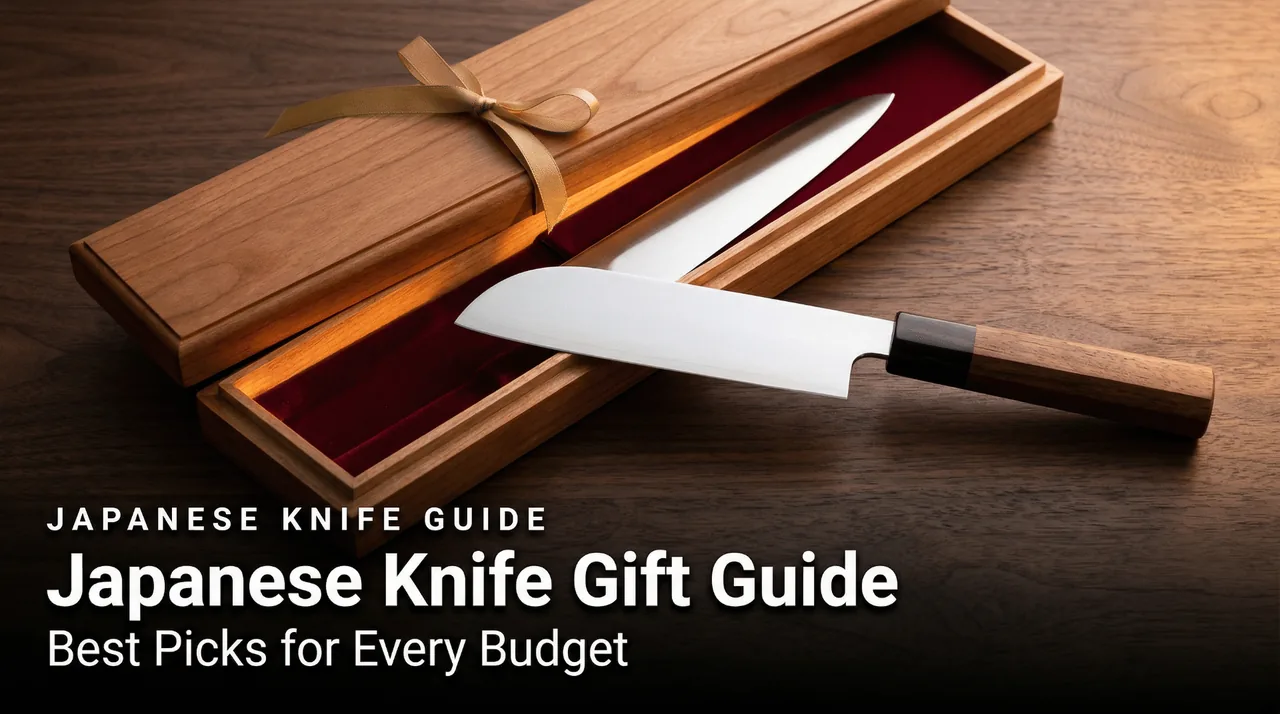
Japanese knives make excellent gifts — practical, long-lasting, and genuinely special. A GLOBAL or Tojiro gyuto works for most recipients. For a premium gift, Misono UX10 or a Yaxell Damascus knife in a wooden box creates a strong impression. Knife-giving is a well-established gift tradition in both Japan and the West.
8 Japanese Kitchen Knife Brands, Compared
GLOBAL (Yoshikin) — Tsubame-Sanjo, Niigata
View the GLOBAL (Yoshikin) brand profile
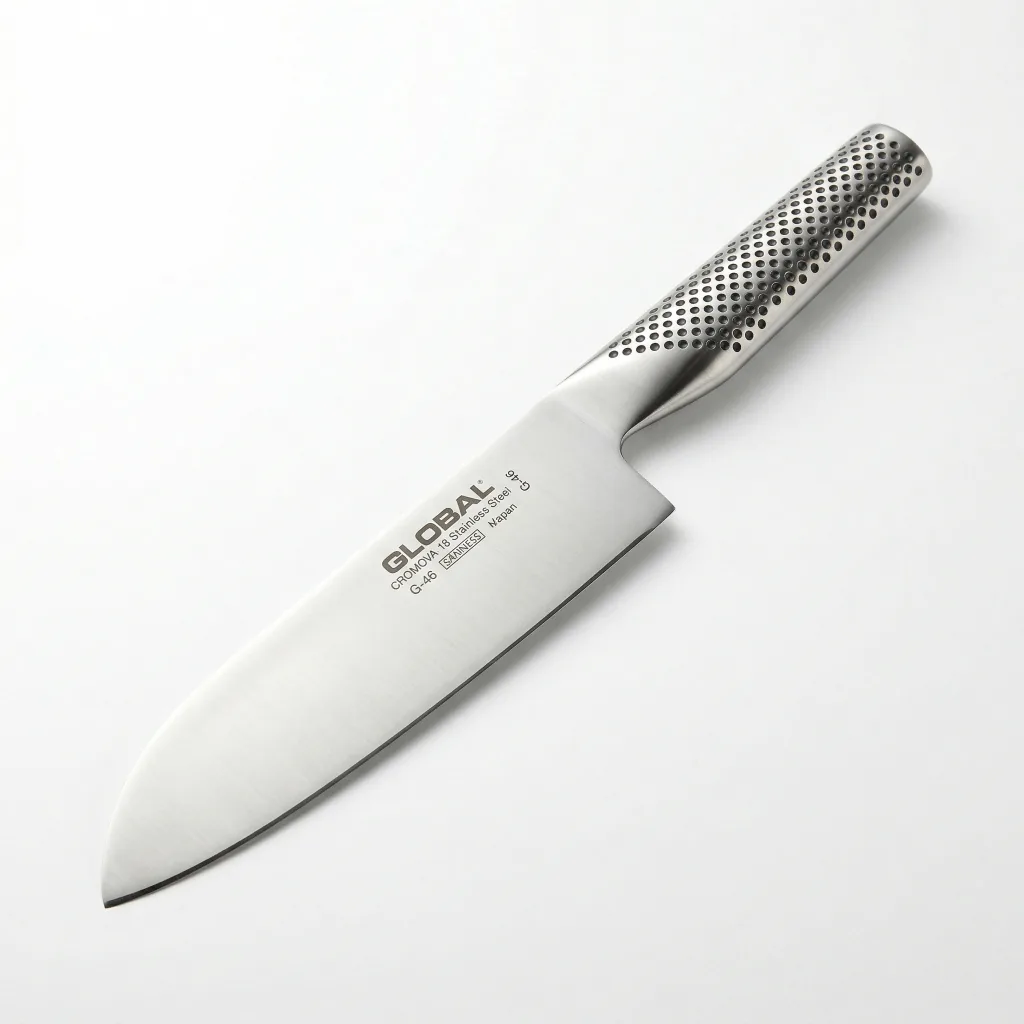
Founded in 1985 by designer Komin Yamada, GLOBAL was the first Japanese knife to break into the global market with a radical design: seamless all-stainless construction with no handle joint to trap bacteria. The dimpled handle is filled with sand for counterbalance. Today it's the Japanese knife most commonly found in Western professional kitchens outside Japan.
- Steel
- Cromova 18 stainless (proprietary), HRC 56–58
- Made in
- Tsubame-Sanjo, Niigata
- Best for
- First-time Japanese knife buyers; anyone who wants low-maintenance high performance
- Price range
- $80–$180
Perfect for: Home cooks who want a professional-feeling knife without any special care routine.
Tojiro (Fujinoo) — Tsubame-Sanjo, Niigata
Tojiro's DP series uses a laminated VG10 core and is consistently cited as the best value in Japanese kitchen knives — professional sharpness at a price most people can justify without overthinking it. Professional chefs use it; home cooks buy it and never feel like they settled.
- Steel
- VG10 core with stainless outer layers (DP Series), HRC 60
- Made in
- Tsubame-Sanjo, Niigata
- Best for
- Best price-to-performance ratio in the Japanese knife market
- Price range
- $60–$150
Perfect for: Anyone who wants genuine Japanese knife quality without spending over $100 on their first blade.
Yaxell — Seki, Gifu
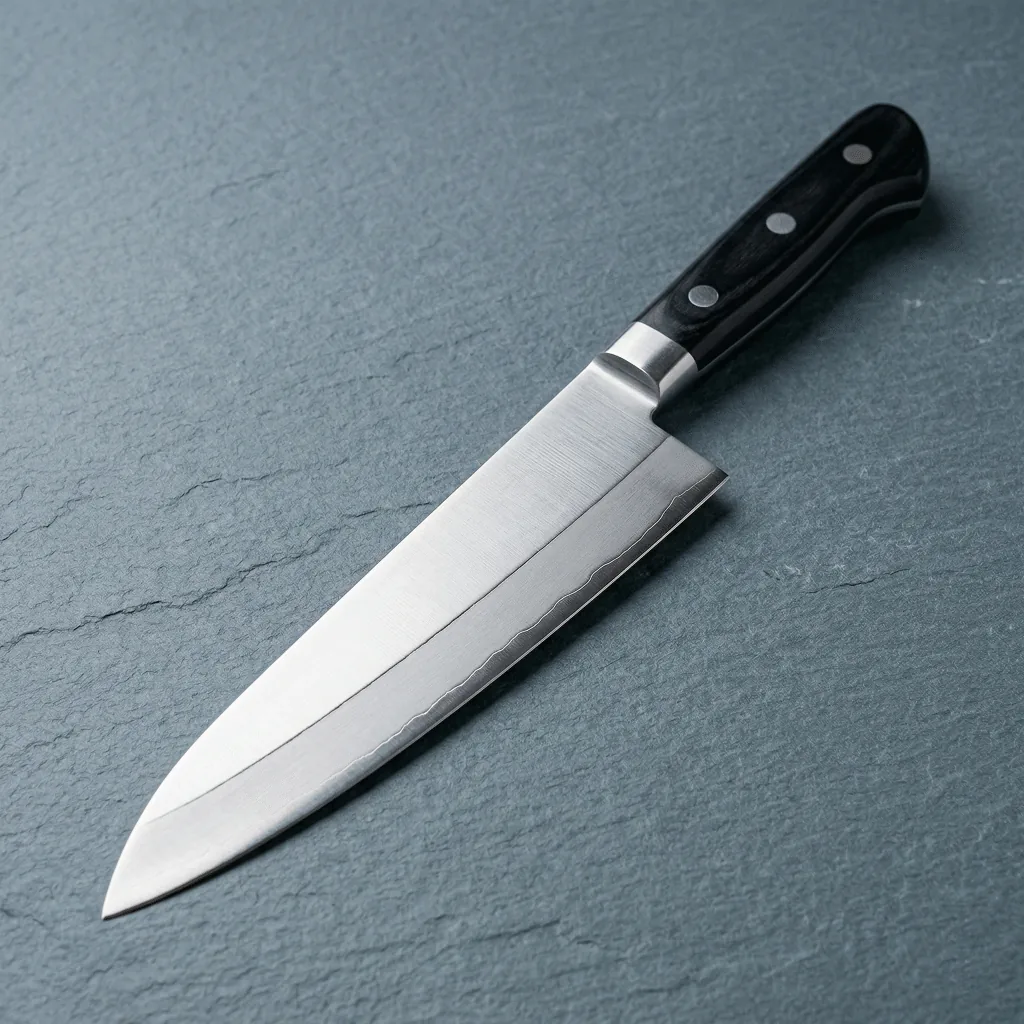
Yaxell's Ran and Super Gou series feature 69- and 161-layer Damascus steel around a VG10 or SG2 core. The knives perform at the highest level and look like they belong in a display case. The canvas micarta handles are non-slip even when wet, which makes them popular for outdoor cooking as well.
- Steel
- VG10 or SG2 core with Damascus layers, HRC 61–63
- Made in
- Seki, Gifu
- Best for
- Cooks who want high performance and striking visual design
- Price range
- $100–$300
Perfect for: Food-enthusiast households where the knife lives on a magnetic strip as much as it's in the drawer.
Misono — Seki, Gifu
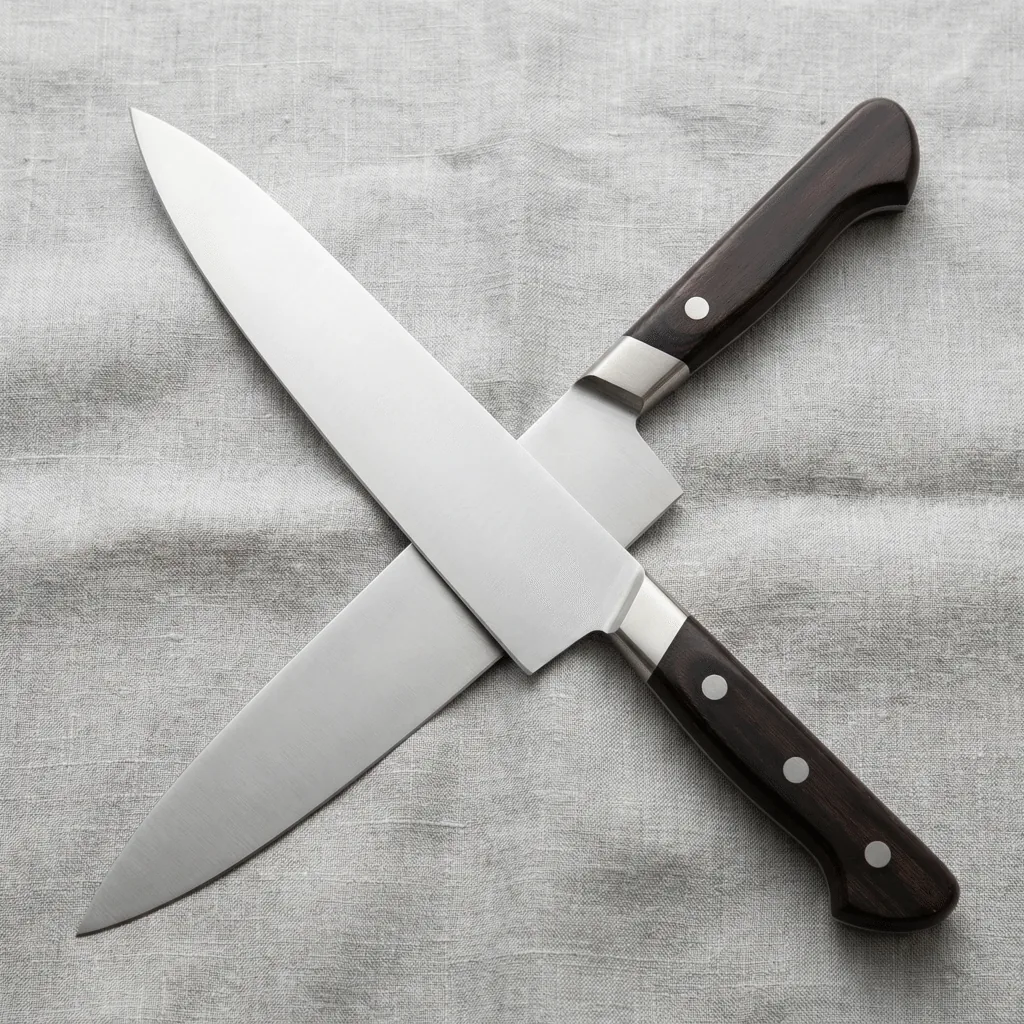
Misono UX10 is the knife that professional chefs in Japan refer to as "the standard." It uses Swedish Sandvik stainless steel that achieves hagane-like sharpness without rust vulnerability. The nickel silver bolster creates perfect balance. If you're buying a knife you intend to use for 20 years, this is a serious candidate.
- Steel
- Swedish Sandvik stainless, HRC 59–60
- Made in
- Seki, Gifu
- Best for
- Serious home cooks and professionals who want a lifetime knife
- Price range
- $150–$400
Perfect for: Cooks ready to invest in one knife they'll never want to replace.
* Shopping links above contain affiliate tags. Price and availability vary by region. Most models ship internationally from Amazon.co.jp if not stocked locally.
Kai / Seki Magoroku — Seki, Gifu
The default answer for most Japanese households. Seki Magoroku fuses the swordsmithing tradition of Seki City, Gifu with the Kai Group's modern production engineering, and holds one of the largest market shares of any household knife brand in Japan. The lineup is unusually broad — santoku, gyuto and petty through to traditional Japanese knives, specialty blades, whetstones and kitchen tools — so it is the easiest brand to buy into and to keep buying from.
- Region
- Seki, Gifu
- Known for
- Swordsmithing heritage combined with Kai's mass-production engineering; the widest lineup in the category
- Best for
- A first Japanese knife you can buy with confidence, and a brand you can stay with as you add more
Aritsugu — Kyoto
The oldest name on this list by a wide margin. Aritsugu was founded in 1560, when the master swordsmith Fujiwara Aritsugu began forging blades for the Imperial Court in Kyoto — over 460 years of continuous lineage. Today the same craft produces kitchen knives, copper pots and cooking tools, sold from the shop in Nishiki Market in the heart of Kyoto's food district. Buying here is as much about the relationship with the maker as the blade itself.
- Region
- Kyoto
- Founded
- 1560
- Known for
- Imperial Court swordsmithing lineage; hand-finished knives; the Nishiki Market shop
- Best for
- Those who want the traditional Japanese knife experience, ideally bought in person in Kyoto
Jikko Hamono — Sakai, Osaka
Sakai is the city professional Japanese chefs buy from, and Jikko Hamono has been making blades there since 1900, when it was founded by Itaro Jikko. The range runs from single-bevel Japanese knives used in professional kitchens through to Western-style knives for the home, plus whetstones and sheaths. Sharpening and repair are carried out by the company's own artisans — which matters more than it sounds if you intend to keep a knife for decades.
- Region
- Sakai, Osaka
- Founded
- 1900
- Known for
- Sakai's professional blade tradition; in-house sharpening and repair service
- Best for
- Traditional single-bevel Japanese knives, and anyone who wants long-term aftercare from the maker
Ryusen Hamono — Echizen, Fukui
Ryusen works in the Echizen forged-blade tradition of Fukui Prefecture, and is the brand on this list most concerned with how a knife looks as well as how it cuts. Its Damascus wave patterning is structural rather than decorative, and the range extends into natural-wood handle designs and general cutlery. If you want a knife that earns a place on the counter rather than in a drawer, this is the one.
- Region
- Echizen, Fukui
- Known for
- Echizen forging; Damascus wave patterning; natural-wood handles
- Best for
- Collectors and enthusiasts who want visual character alongside performance
Japanese Kitchen Knife Manufacturers: Sourcing, OEM and Wholesale
Everything above is written for someone buying one knife. This section is for the other kind of reader we hear from every week — buyers, retailers and brands looking to source Japanese knives, or to have them made under their own name.
The brand on the blade is usually not the manufacturer
This is the single most useful thing to understand before you contact anyone. Japanese knife production is
divided between specialists, and the division is sharpest in Sakai: one workshop forges the
blade, a different craftsman grinds and sharpens it, and a third fits the handle. The name on the finished knife
may belong to none of them.
So “who makes this knife?” often has three answers. If you approach a brand about OEM and the part you
care about — the steel, the grind, the edge geometry — sits with a supplier they do not control, the
conversation stalls for reasons nobody explains to you.
Where to source, by what you actually need
| Region | Strength | Suits buyers who want |
|---|---|---|
| Seki (Gifu) | Integrated production at scale; established export experience | Consistent volume, repeatable specification, shorter lead times |
| Sakai (Osaka) | Traditional single-bevel knives; deep division of labour between specialists | Professional-grade blades and authenticity, accepting longer lead times |
| Tsubame-Sanjo (Niigata) | Metalworking breadth beyond blades; strong finishing and hardware | Design-led products, full kitchen ranges, non-blade items alongside |
| Echizen (Fukui) | Forged blades with strong visual identity; smaller workshops | Distinctive, story-led product for a premium position |
What knife OEM realistically looks like
Requests are not equally difficult, and the difference is not obvious from outside. Roughly in order of how
readily a Japanese workshop will say yes:
Wholesale of an existing knife — nothing about production changes. Almost always the right
first request.
Your logo on an existing blade or handle — usually feasible, but the method matters.
Etching, engraving and stamping are three different processes with three different setups.
Handle material, shape or colour changes — often possible, because handle fitting is
frequently a separate step performed by a separate specialist.
A new blade profile or geometry — the hardest. This is forging and grinding, not finishing,
and it usually requires sampling and a volume commitment that justifies the setup.
Minimums are usually a production batch, not a sales policy. A forge heats a certain quantity at
once. Asking “what is one batch for you?” gets a real answer where “what is your MOQ?”
often does not.
Before you send the first email
Name the region and the type of knife, not just “Japanese knives.” State an indicative first-order
quantity even if provisional. Say where you intend to sell. And lead with why you want this maker rather
than with price — a first message about unit cost reads, to a workshop, as a request to be cheap.
We cover the full version of this — how Japanese manufacturing is layered, the five mistakes that stall most
enquiries, and what wholesale, private label and full OEM each actually require — in a separate guide.
Sourcing Japanese knives for your business?
MADE in JAPAN.JP is an independent media, not a manufacturer — but we can read the landscape in Japanese and put you in front of the right workshop. We are paid by the buyer, never out of the maker’s price.
Read: Sourcing from Japan Sourcing, OEM & Wholesale InquiryFrequently Asked Questions
Are Japanese kitchen knives worth the price?
Yes — if you cook regularly, the difference is immediately noticeable. A $100 Japanese knife from a reputable brand will outperform a $30 Western supermarket knife in edge retention and cutting feel. For most home cooks, $80–$150 covers all practical needs. Beyond that, you're paying for steel grade, aesthetics, and craft heritage — all legitimate reasons, but not purely about cutting performance.
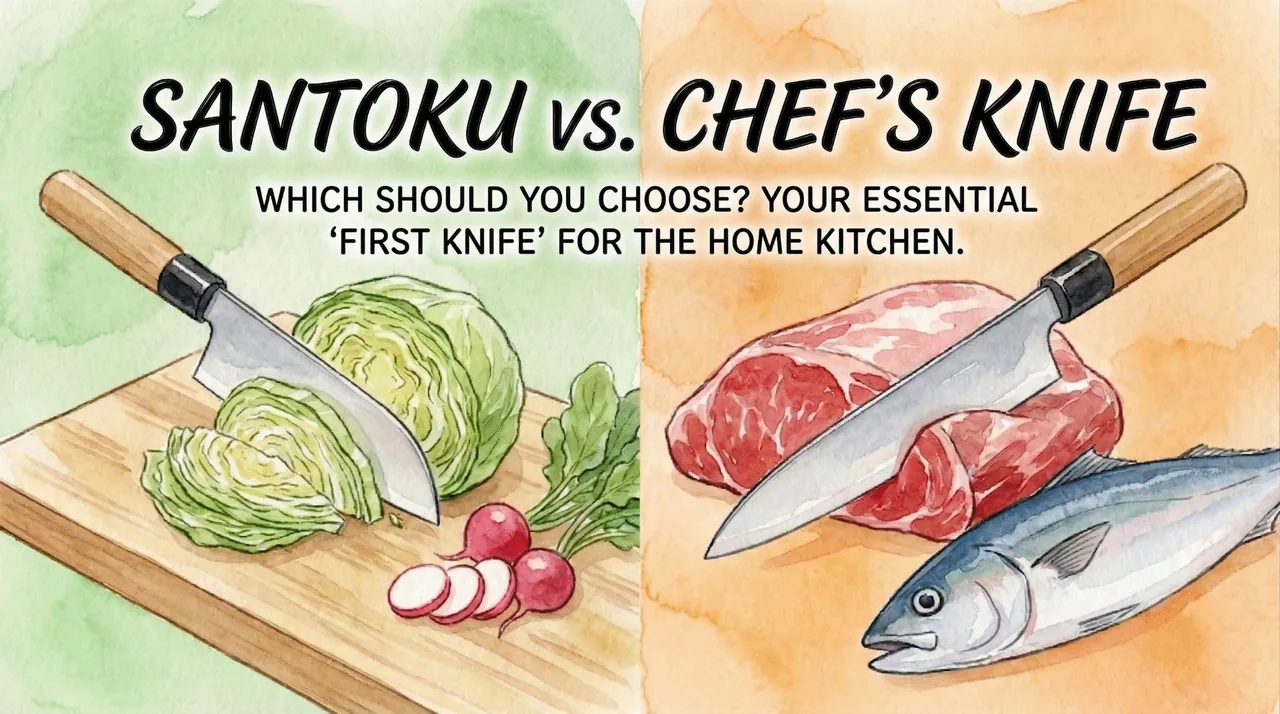
What is the difference between a santoku and a chef's knife?
Santoku is shorter, flatter-spined, and designed for push-cutting; a chef's knife (gyuto) is longer with a curved belly for rocking cuts. Santoku excels at vegetables and fish in a Japanese-style prep routine. Gyuto handles Western cooking techniques like mincing herbs or breaking down large proteins. If you grew up with a Western chef's knife, the gyuto will feel more natural.
Can Japanese kitchen knives go in the dishwasher?
No. Dishwashers will damage Japanese knives. The high-temperature cycle, harsh detergents, and contact with other utensils accelerate edge dulling, handle degradation, and in the case of carbon steel, rapid rusting. Hand-wash with mild soap, dry immediately, store in a knife block or on a magnetic strip. This takes 20 seconds and will make your knife last decades.
How often should I sharpen a Japanese kitchen knife?
For daily home use: a light whetstone session once a month, and a full re-grind once or twice a year. The practical test: if a ripe tomato requires pressure to pierce, it's time to sharpen. Japanese knives hold their edge longer than Western knives due to harder steel, but when they dull, they need proper whetstone sharpening — pull-through sharpeners remove too much metal and are not suitable for high-hardness Japanese blades.
Where can I buy Japanese kitchen knives outside Japan?
Amazon.com, specialist knife retailers, and Japanese stores with overseas shipping are your best options. GLOBAL, Tojiro, Yaxell, and Kai/Shun are stocked on Amazon.com and in kitchen retail chains (Williams Sonoma, Sur La Table in the US). For traditional Sakai knives, brand websites and services like Globalkitchen Japan ship internationally. Amazon.co.jp also ships most knife brands worldwide.
What is the best Japanese knife for beginners?
The Tojiro DP gyuto 210mm or GLOBAL G-2 chef's knife are the two most recommended first Japanese knives. Both are under $120, use premium stainless steel, are available internationally, and are genuinely used by professional chefs. Start with one, learn to maintain it on a whetstone, and you'll understand exactly what to look for when you eventually upgrade.
Final Thoughts: One Great Knife Changes How You Cook
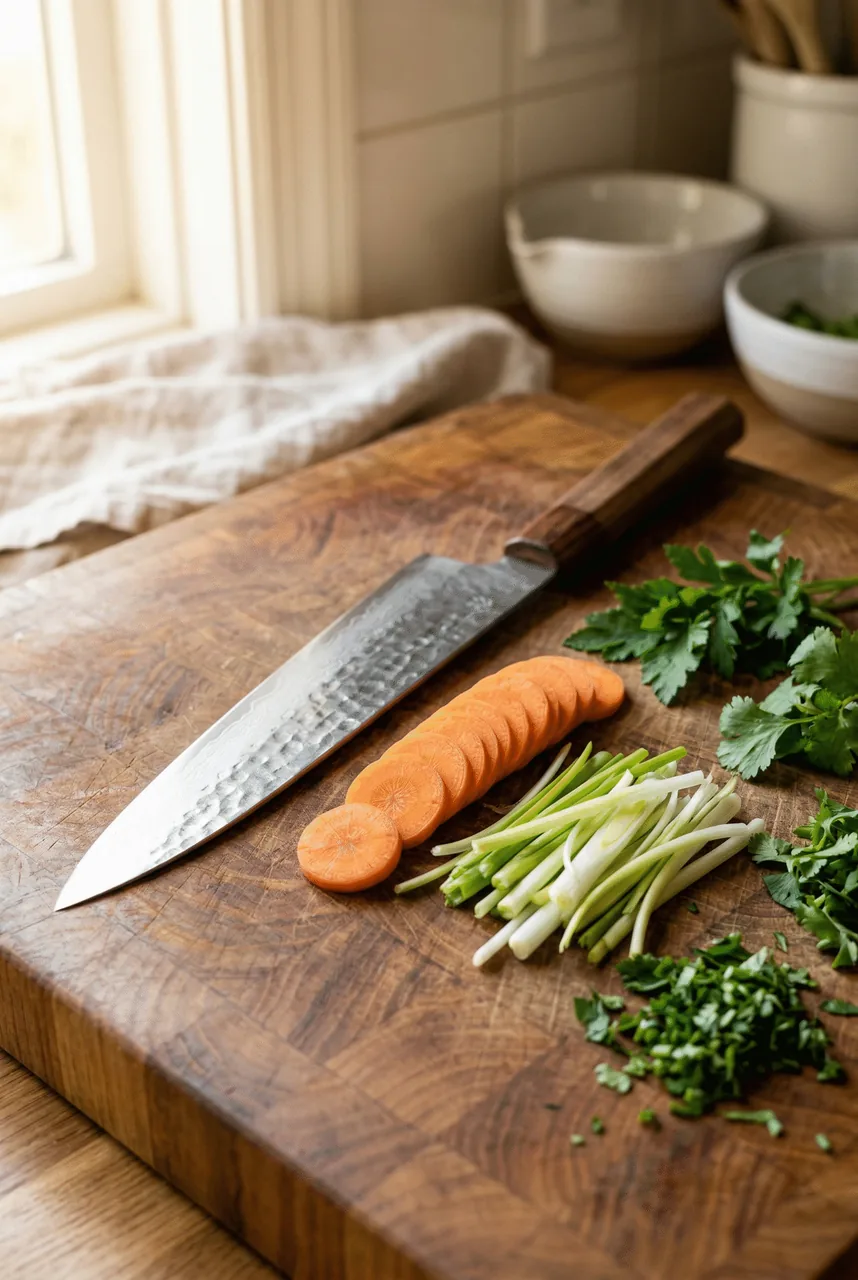
A good Japanese knife doesn't just cut better — it changes your relationship with cooking.
Dicing an onion becomes precise. Slicing fish becomes meditative.
The difference between a supermarket blade and a $100 Tojiro or GLOBAL is felt every single time you pick it
up.
Start with one knife and learn it well. A stainless santoku or gyuto at $80–$150 is the right call for most
people. Master the whetstone, and that knife will outlast everything else in your kitchen.
Best Japanese Santoku Knives
Best Japanese Gyuto Knives for Home Cooks