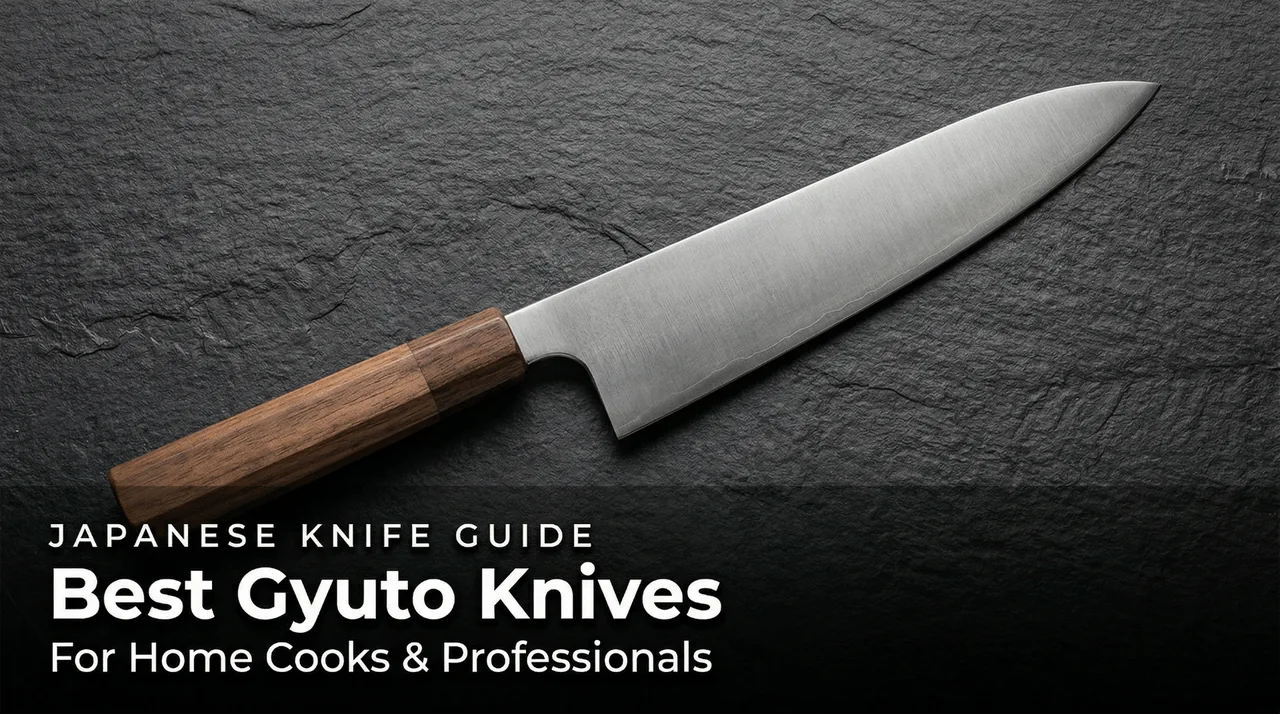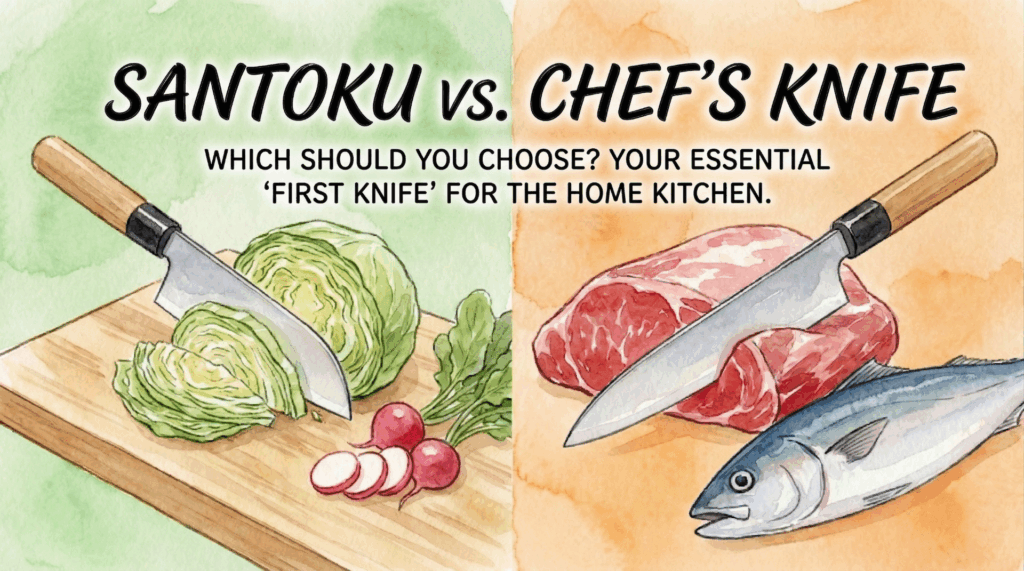
For most home cooks buying their first Japanese knife: get a santoku. It's shorter,
easier to control, and optimized for the push-cut technique used in everyday vegetable and protein prep.
If you already cook with a Western chef's knife and want the same rocking technique in Japanese steel,
get a gyuto.
The difference is real but simple. This guide breaks down exactly what sets them apart — and which
one fits how you actually cook.
Quick Decision: Santoku or Gyuto?
| Santoku | Gyuto | |
|---|---|---|
| Length | 165–180mm | 200–240mm |
| Tip shape | Rounded | Pointed |
| Spine | Flat | Curved belly |
| Best cut | Push-cut | Rock / pull-cut |
| Best for | Vegetables, fish, everyday prep | Meat, large proteins, rocking cuts |
| Board space needed | Standard | Larger |
| Best choice if | New to Japanese knives | Upgrading from a Western chef's knife |
Shape and Cutting Technique: The Key Difference
Both knives are described as "all-purpose" — and both genuinely are. But their blade geometry makes them better at different things. Understanding the shape is all you need to choose correctly.
Blade Shape: Rounded vs. Pointed
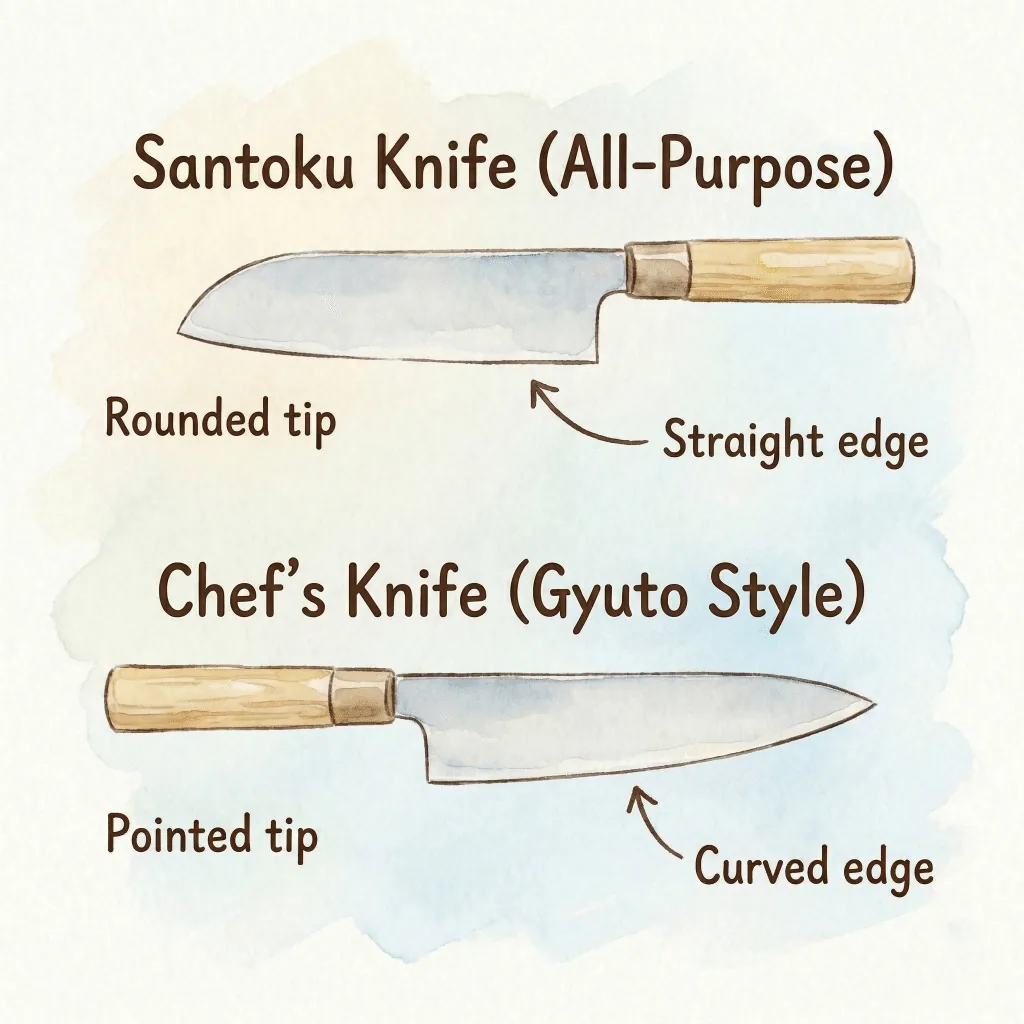
Santoku: The spine curves gently downward toward a rounded tip. The cutting edge
is nearly flat along most of its length, running almost parallel to the cutting board.
This flat profile means the entire edge contacts the board on each stroke — ideal for
the push-cut motion where the blade moves straight down and slightly forward.
Gyuto: The spine is straighter; the belly curves upward toward a sharp pointed tip.
This curve — called the "belly" — is what makes rocking cuts possible. You anchor the tip on
the board and rock the heel forward through the ingredient. The pointed tip is useful for
detail work: scoring meat, piercing, and fine cuts that a rounded santoku tip can't access.
Cutting Technique: Push-Cut vs. Rock-Cut
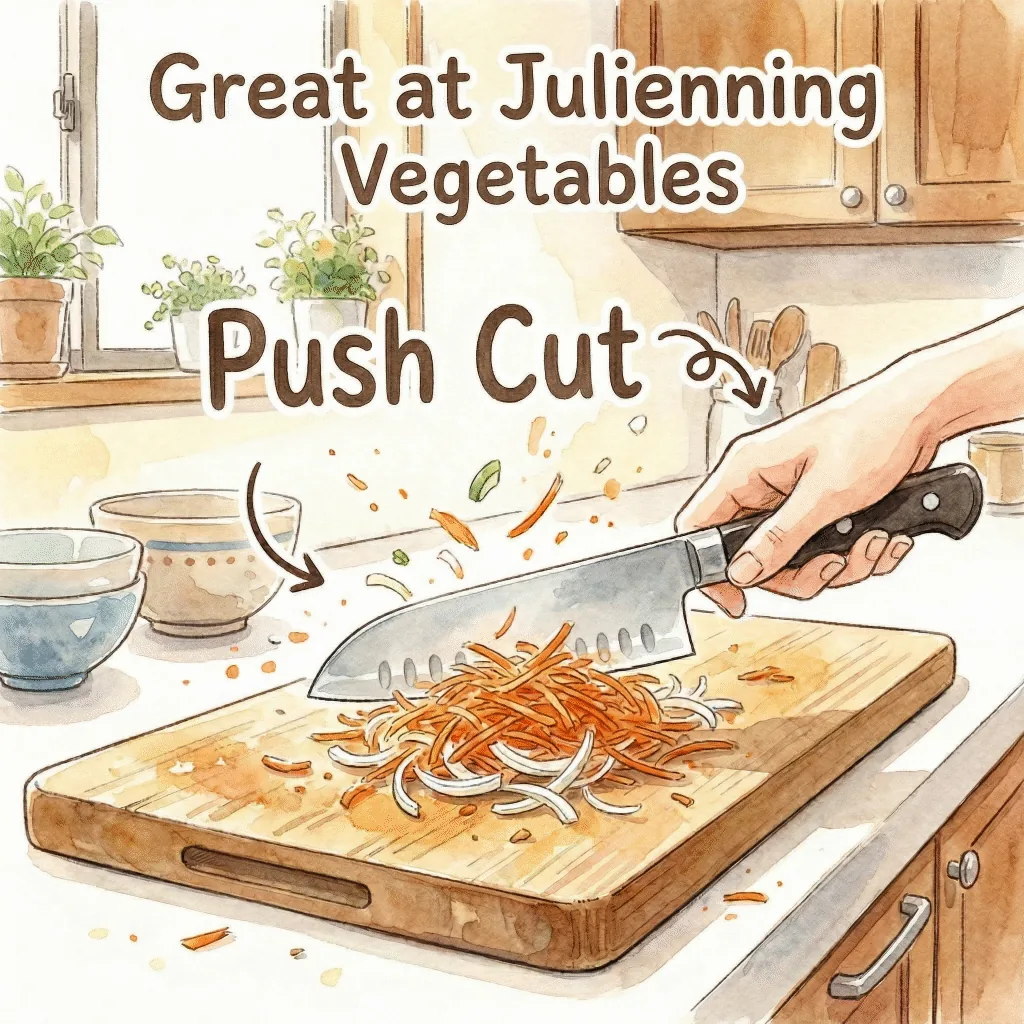
Santoku — push-cut: The knife moves straight down and slightly forward in a
smooth push. The flat blade contacts the board fully on each stroke, producing clean,
uniform cuts with no tearing. This is the dominant technique in Japanese home cooking —
fast, precise, and efficient for vegetables, fish, and boneless proteins.
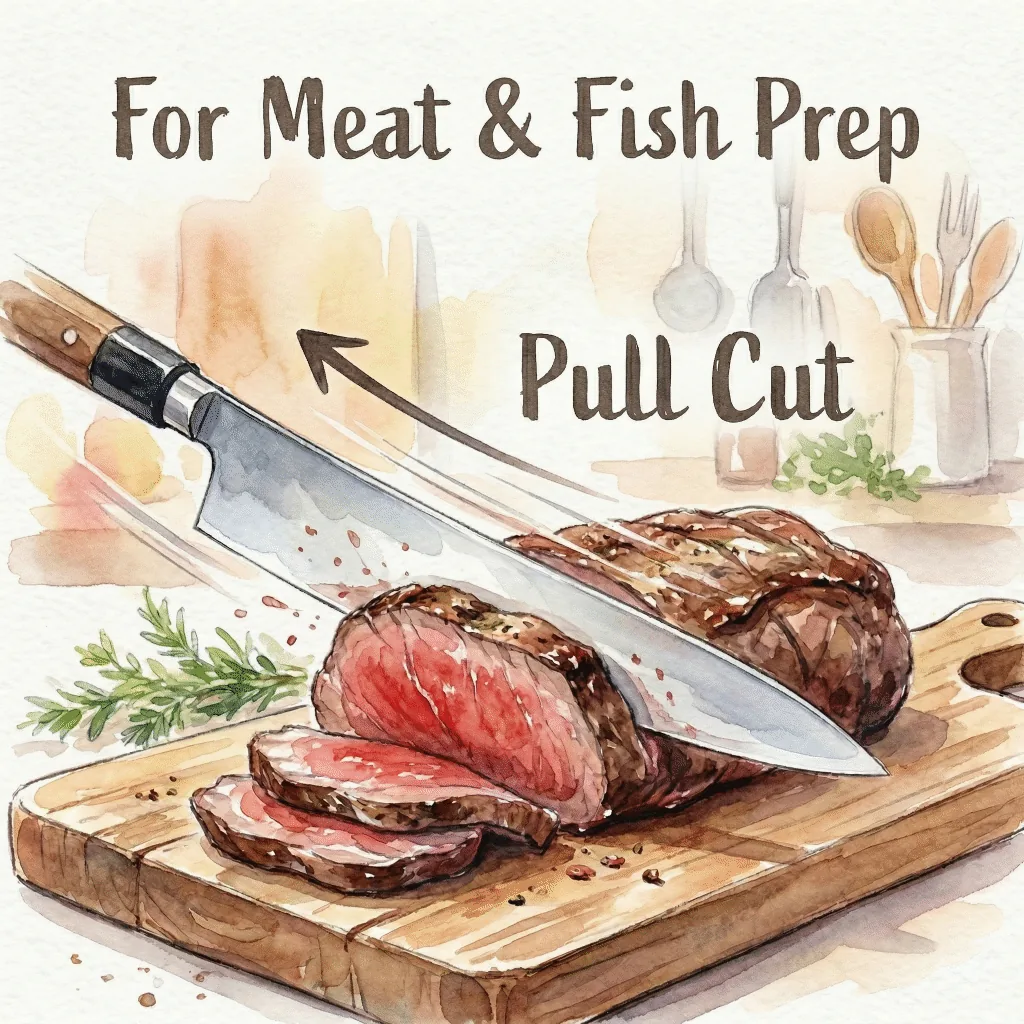
Gyuto — rock-cut and pull-cut: The curved belly allows rocking: the tip stays
on the board while the heel lifts and rocks forward. This is the familiar motion of Western
chef's knife technique. The gyuto also excels at pull-cutting — drawing the blade back through
protein in a single stroke — which produces a cleaner cut surface on fish and meat than
a chopping motion can.
Santoku: Strengths and Limitations
Where the Santoku wins
- Vegetable prep: The flat blade contacts the board completely on each push-cut. Julienne, fine dice, and thin slices come out cleaner than with a curved blade.
- Compact and maneuverable: At 165–180mm, it works on any standard cutting board and handles comfortably for extended prep sessions. Less fatiguing than a 210mm+ gyuto.
- Approachable for beginners: The rounded tip removes the instinct to stab. The shorter length is easier to control. New cooks build confidence faster with a santoku.
- Wide blade doubles as a bench scraper: Slide prepped ingredients off the board directly into the pan — a practical advantage that a narrow gyuto can't match.
Where the Santoku struggles
- Large proteins: A 180mm blade on a whole chicken breast or large roast requires multiple strokes. A gyuto covers more in each pull-cut.
- Rocking cuts: The flat edge doesn't rock efficiently. Mincing herbs with the rocking motion a Western chef's knife uses is slower with a santoku.
- Detail work: The rounded tip can't pierce, score, or get into tight spaces as cleanly as a pointed gyuto tip.
Gyuto: Strengths and Limitations
Where the Gyuto wins
- Meat and large proteins: The longer blade (210–240mm) covers more per stroke. Pull-cutting a roast or salmon fillet produces a smooth, clean surface that short knives can't achieve in a single pass.
- Rocking cuts: The curved belly is made for the forward rock motion. Mincing garlic, herbs, and shallots is faster with a gyuto than a santoku.
- Familiar technique: If you already use a Western chef's knife, the gyuto uses the same motion — you get Japanese steel performance without relearning how to cut.
- Versatility at scale: For cooks preparing larger meals or cooking 5+ days a week, the gyuto's longer reach reduces the number of strokes needed per ingredient.
Where the Gyuto struggles
- Board space: A 210mm+ knife needs a larger cutting board. In small kitchens, the length can feel unwieldy.
- Push-cut vegetable work: The curved belly means the heel lifts slightly at the end of each push-cut. Thin julienne and uniform fine cuts require more attention to technique than a santoku's flat blade.
Top Picks: Best Santoku and Gyuto Available Internationally
Whichever you choose, these are the knives that consistently deliver on both quality and international availability — all made in Japan, all shipping via Amazon.
Best Santoku Knives
Tojiro DP Santoku 180mm — Best Value (~$75)
VG10 core at HRC 60. The most recommended first Japanese knife on every serious knife forum. Professional sharpness, Western handle, easy to maintain. Made in Tsubame-Sanjo, Niigata.
View on Amazon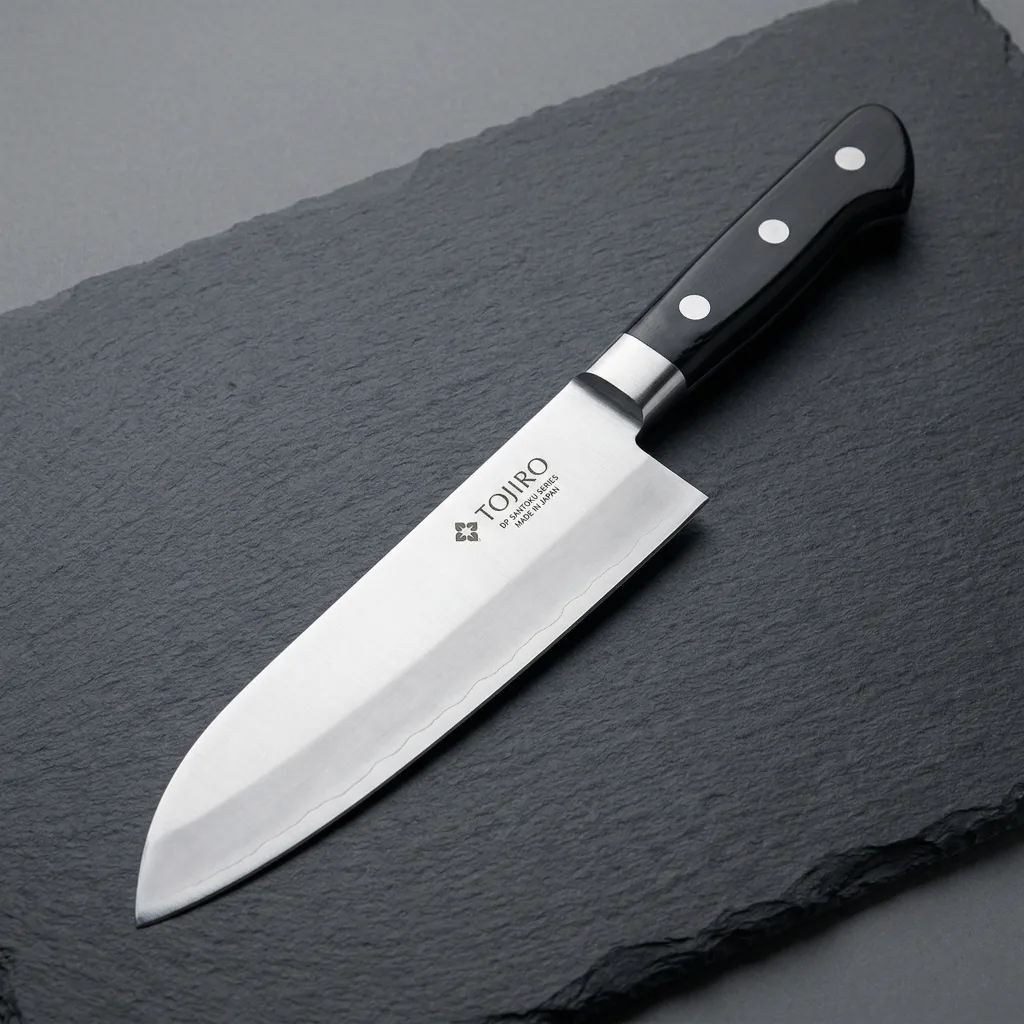
GLOBAL G-46 Santoku 18cm — Best Design (~$130)
The world's most recognized santoku. Seamless all-stainless, Cromova 18 steel, sand-filled handle for perfect balance. Zero maintenance overhead. Made in Tsubame-Sanjo, Niigata.
View on Amazon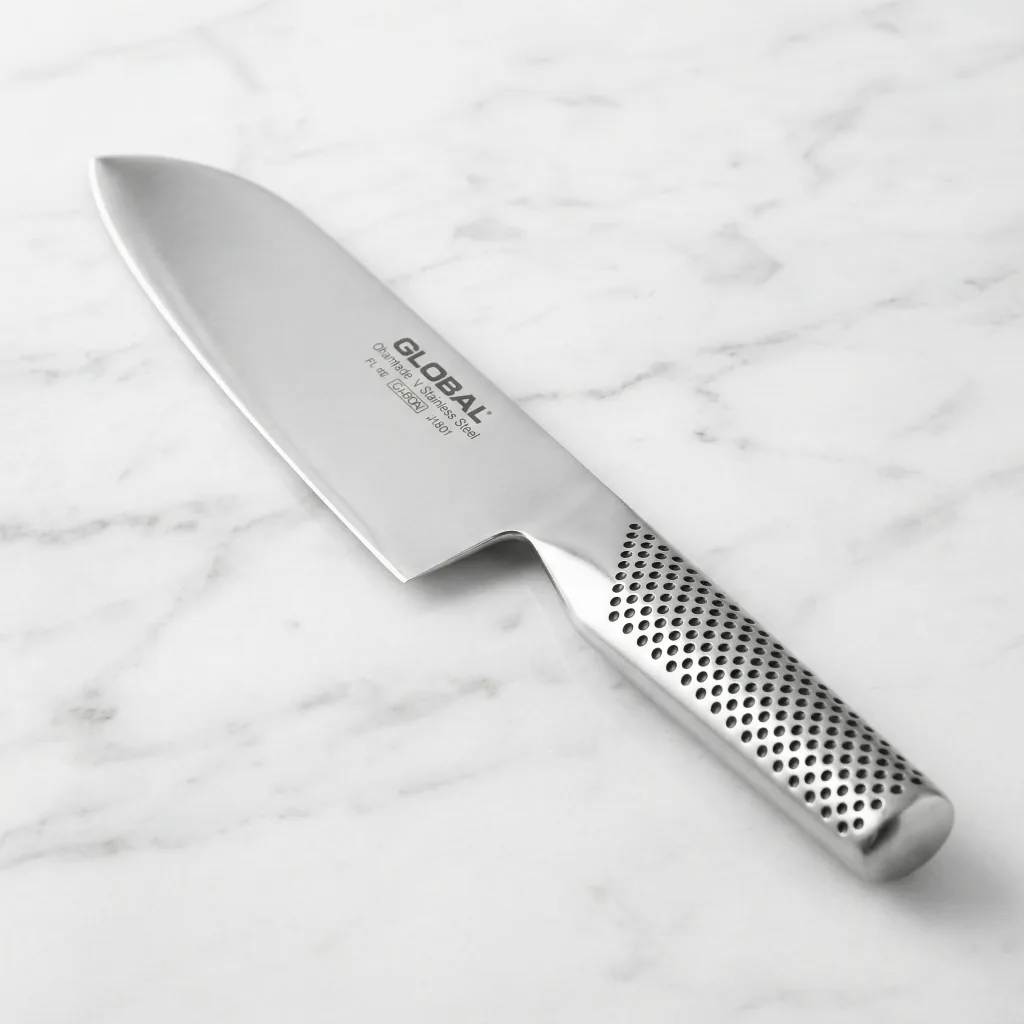
Yaxell Ran Santoku — Best Damascus (~$160)
69-layer Damascus around a VG10 core, HRC 61. The performance matches the appearance. Canvas micarta handle, non-slip even wet. Made in Seki, Gifu.
View on Amazon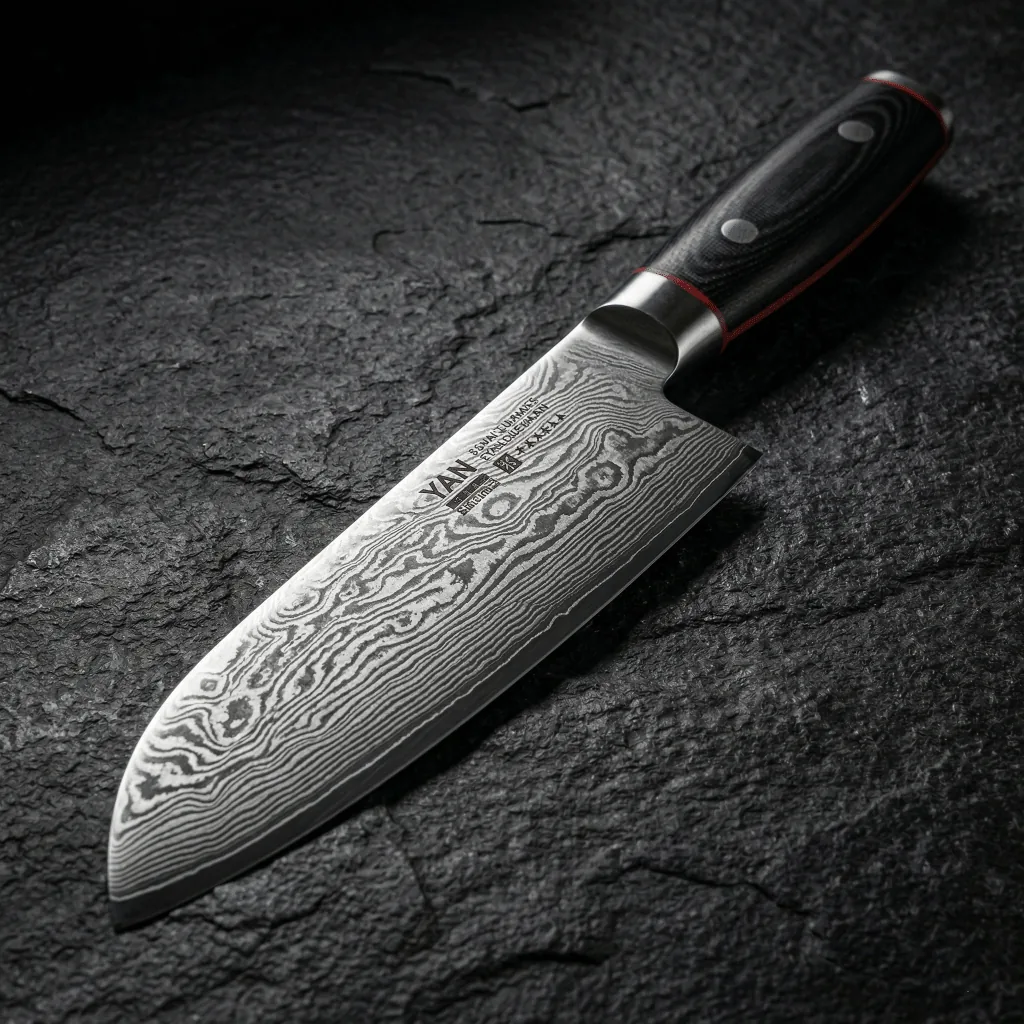
Best Gyuto Knives
Tojiro DP Gyuto 210mm — Best Value (~$85)
VG10 core at HRC 60. The same logic as the Tojiro santoku — the best price-to-performance in the gyuto category. The go-to recommendation for anyone upgrading from a Western chef's knife. Made in Tsubame-Sanjo, Niigata.
View on Amazon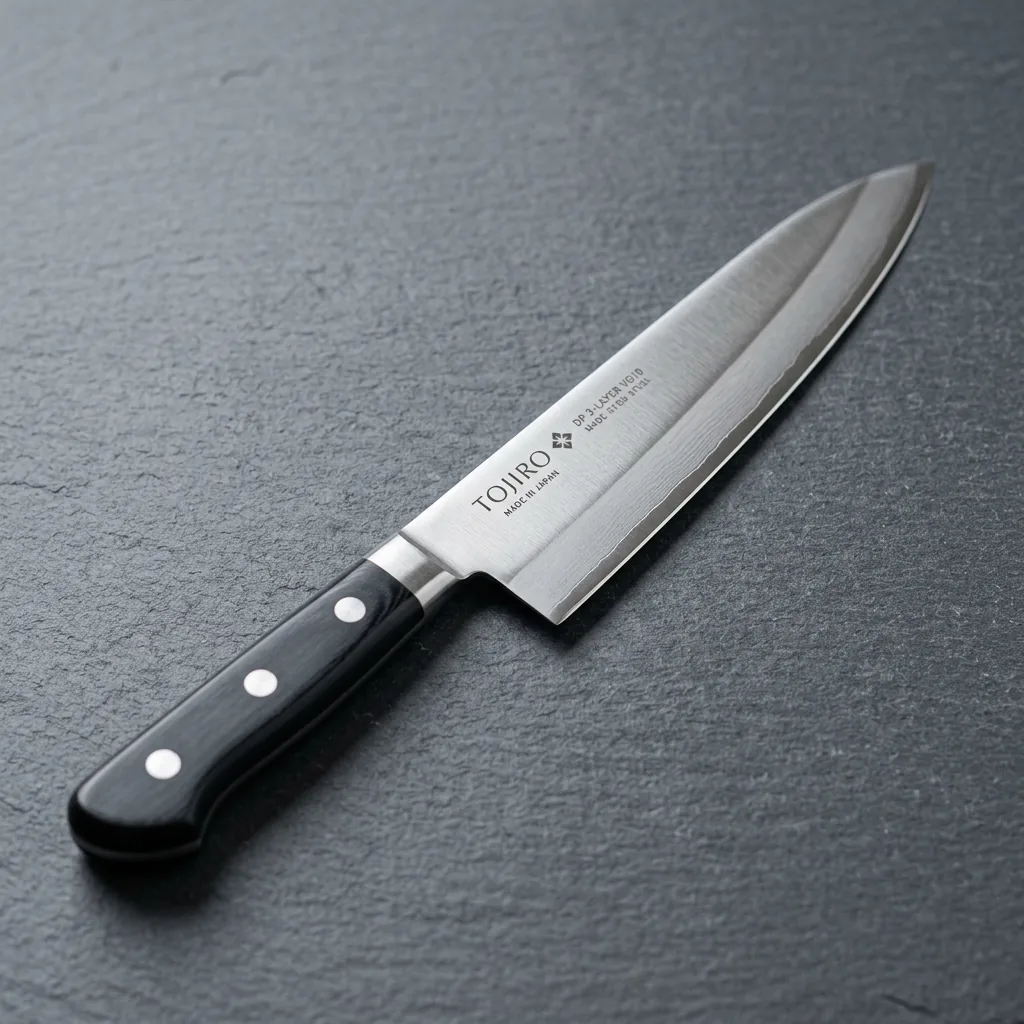
Misono UX10 Gyuto 210mm — Best for Pros (~$220)
Swedish Sandvik stainless at HRC 59–60. The knife working professional chefs in Japan actually use. Nickel silver bolster, perfect balance at the pinch grip. Buy once, use for 20 years. Made in Seki, Gifu.
View on Amazon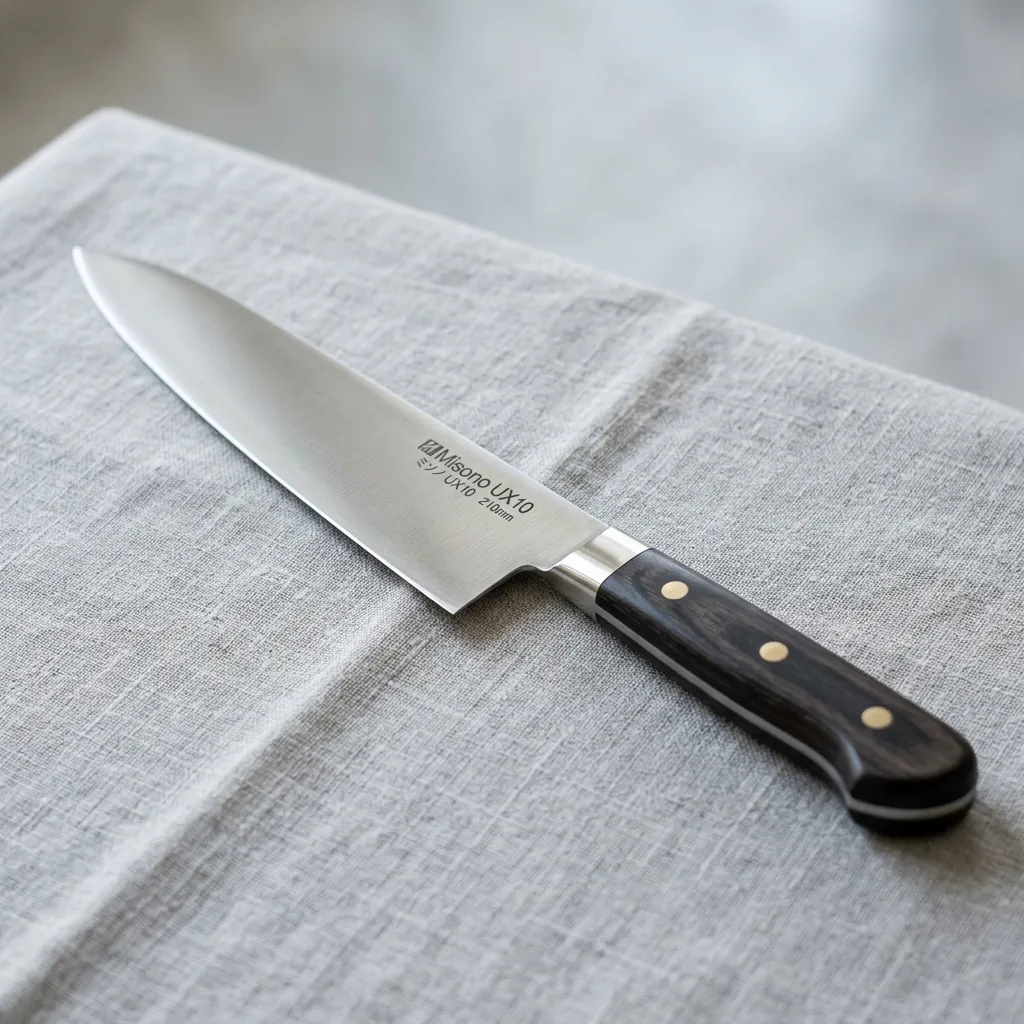
Yaxell Ran Gyuto 200mm — Best Damascus (~$170)
69-layer Damascus, VG10 core, HRC 61. The gyuto blade face shows the Damascus pattern at its most dramatic. Canvas micarta handle. Performance and aesthetics at the same level. Made in Seki, Gifu.
View on Amazon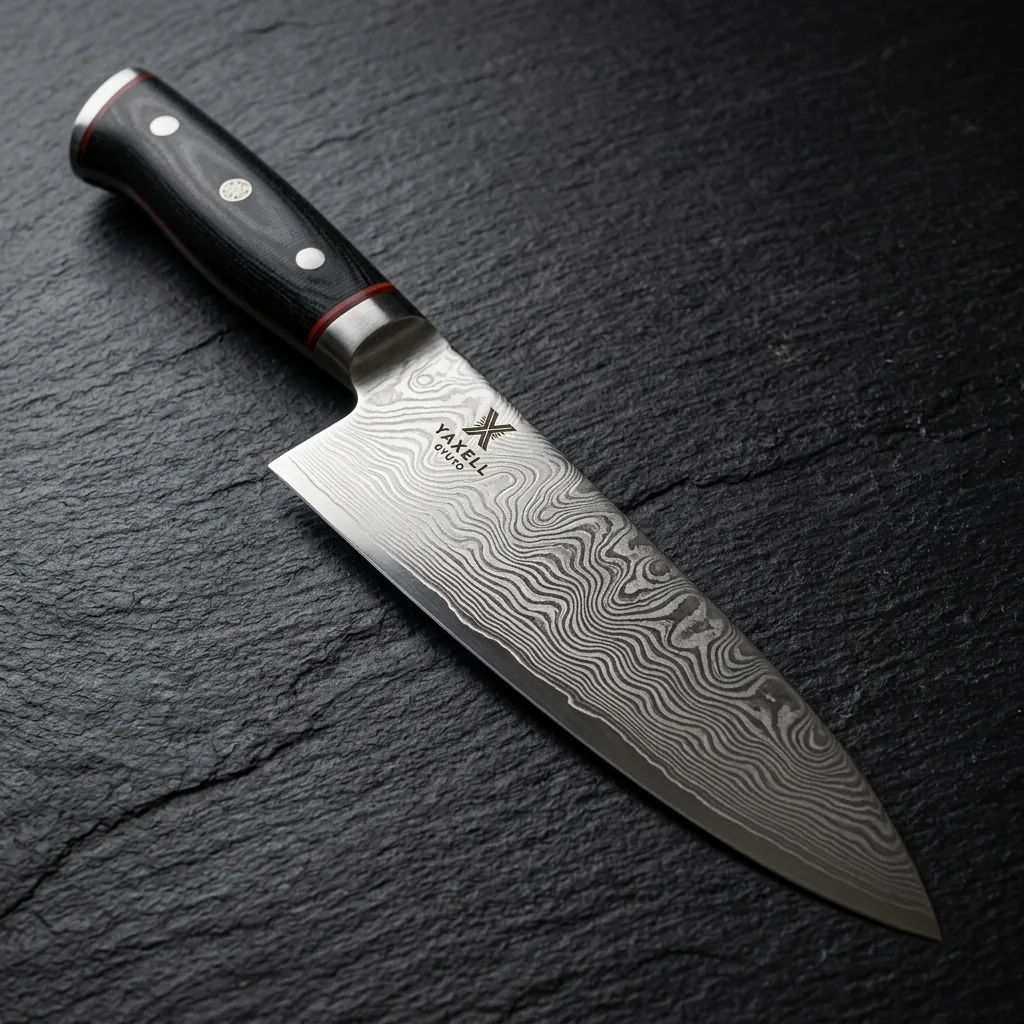
FAQ
Can I use a santoku to cut meat, or a gyuto for vegetables?
Yes — both knives handle both tasks. A santoku cuts chicken breast, fish fillets, and boneless pork without issue. A gyuto handles vegetables fine, though the curved belly makes fine julienne slightly less efficient than a santoku's flat edge. The differences are about optimization, not limitation. Either knife can do everything a home cook needs; the question is which one does your most common tasks best.
Is sharpening different for a santoku vs. a gyuto?
The angle is the same: 15° for both (vs. 20° for Western knives). The technique differs slightly. A santoku's flat edge sharpens in a consistent stroke from heel to tip with no wrist adjustment. A gyuto's curved belly requires gradually raising the handle as you approach the tip, to keep the edge at a consistent 15° along the entire curve. It takes a few sessions to develop the feel, but it's not difficult. Both sharpen best on a Japanese whetstone — avoid pull-through sharpeners for either.
What size should I choose?
Santoku: 180mm for most people (165mm if you prefer a shorter, lighter knife or
have smaller hands).
Gyuto: 210mm for home use. 240mm if you regularly prep large volumes or work with
big cuts of meat. 180mm gyutos exist but offer little advantage over a santoku at that length —
the gyuto's strengths show best at 210mm+.
I already own a santoku — should my second knife be a gyuto?
Not necessarily. Before adding a gyuto, consider what your santoku can't do for you. If the gap is fine detail work — peeling, trimming, small intricate cuts — a petty knife (120–150mm) fills that better than a gyuto. If the gap is fish butchery, a deba is the right answer. A gyuto as a second knife makes most sense if you want to learn rocking-cut technique or regularly handle proteins too large for your santoku. Otherwise, petty knife first.
Does it matter which region the knife comes from?
Region reflects tradition and specialty, not a strict quality ranking. Tsubame-Sanjo (Niigata) — GLOBAL and Tojiro — specializes in precision stainless production. Seki (Gifu) — Misono, Yaxell, Kai — is Japan's largest production center, strongest in double-bevel Western-style knives. Sakai (Osaka) specializes in traditional single-bevel Japanese knives (deba, yanagiba) — less relevant for santoku and gyuto. For either knife type, Tsubame-Sanjo and Seki are where the best work gets done.
Can I own both?
Yes — and many experienced home cooks do. The ideal two-knife setup for most kitchens is a santoku (or gyuto) plus a petty knife. That covers 95% of home cooking. Once you have that, a second all-purpose knife in the other style is a luxury, not a necessity. If you're choosing between the two for a single-knife kitchen, go with the one that fits your dominant cooking style.
Final Thoughts: The Knife That Fits How You Cook
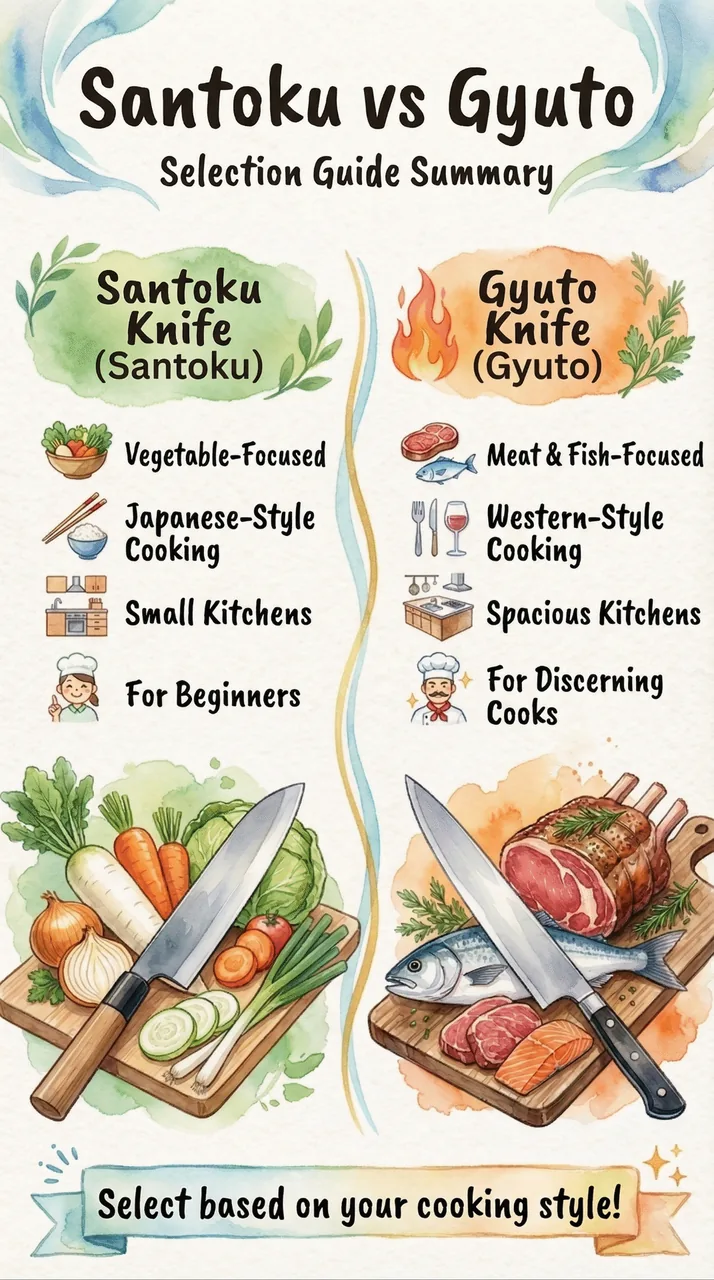
Santoku if you cook mostly vegetables and everyday proteins, want something
compact and precise, and are new to Japanese knives.
Gyuto if you already use a Western chef's knife and want to keep the same
technique with better steel, or if you regularly work with large proteins.
Both are far better than anything in the same price range from Western makers.
The real decision is made the first time you sharpen it on a whetstone — that's when
you'll understand why Japanese knives are different.
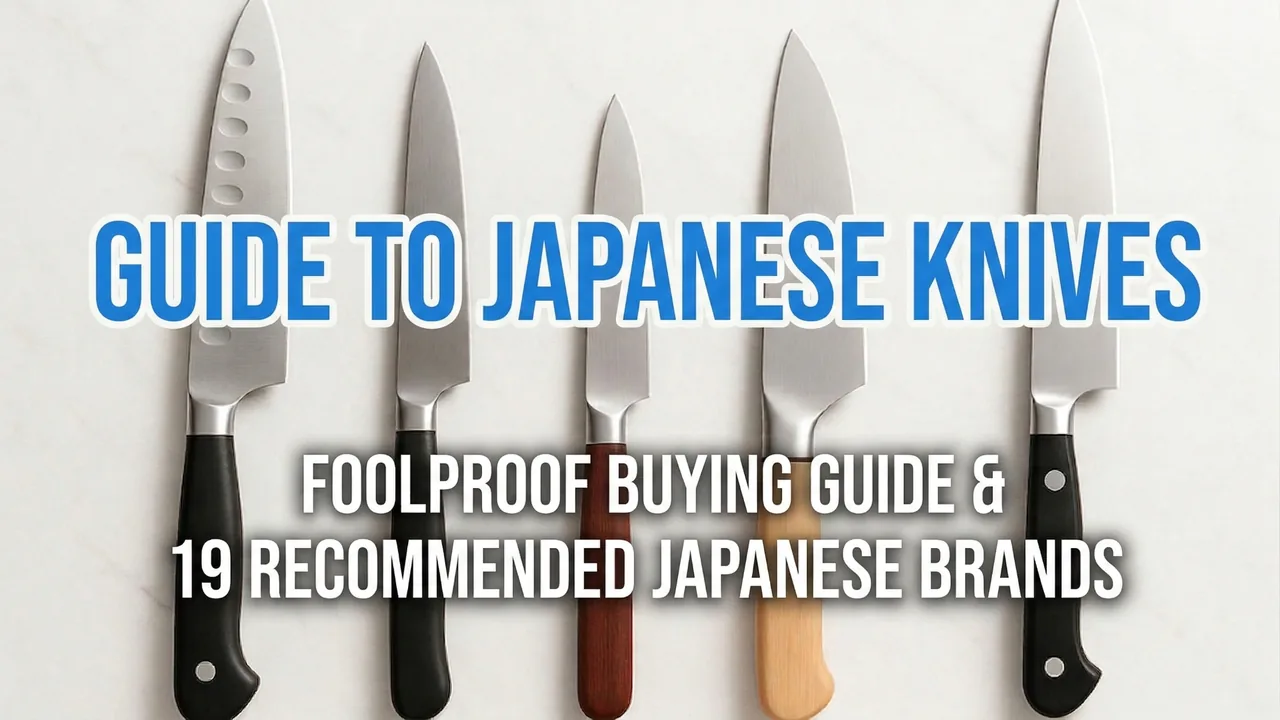
Japanese Kitchen Knives: Complete Buying Guide
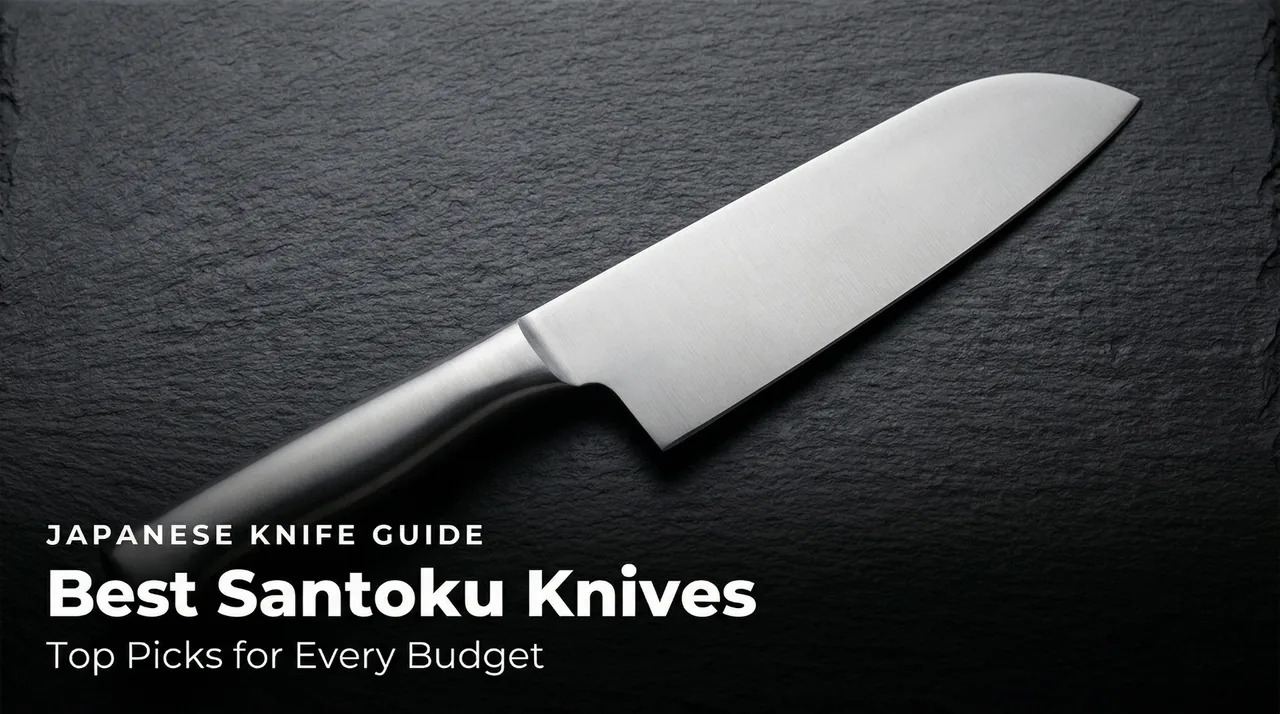
Best Japanese Santoku Knives: Top Picks for Every Budget