"The inside of my tetsubin is turning red — is that rust?"
"The water tastes faintly metallic… is something wrong?"
These are the questions everyone faces when they start using a tetsubin (Japanese iron kettle) —
and they're often accompanied by more anxiety than the situation deserves.
Here's the reassuring truth: not all rust in a tetsubin is a problem. In fact, some internal changes are signs that
the kettle is developing exactly as it should.
This guide covers everything from daily maintenance to building the protective mineral scale called
yuaka, to the step-by-step tannin tea method for restoring a kettle that's developed
problematic rust — using the same techniques practiced by Nambu ironware craftspeople.
Quick Reference: Tetsubin Care Cheat Sheet by Situation
A one-look answer to "what should I do right now?" — detailed explanations follow in each section below.
| Situation | Cause | Action | Priority |
|---|---|---|---|
| Red spots inside | Normal early-use change | Do nothing (never scrub) | ✓ Normal |
| White coating inside | Yuaka (mineral scale) | Protect and cultivate it (never scrub) | ✓ Excellent |
| Water turns reddish-brown | Active rust leaching | Tannin (tea) restoration method | ⚠ Action needed |
| Strong metallic taste/smell | Excess iron / insufficient drying | Tannin method + thorough drying | ⚠ Action needed |
| Storing long-term | Extended storage | Dry completely, wrap in washi paper | ℹ Storage |
| Exterior lost its sheen | Oil residue / mineral deposits | Pat exterior with a tea-dampened cloth | ℹ Optional |
1. Good Rust vs. Bad Rust: What to Leave Alone and What to Fix
The single most important skill in tetsubin care is knowing which internal changes to leave completely
untouched.
The interior of a tetsubin lasts longest when you interfere with it as little as possible.
✓ Good Changes (Leave Them Alone)
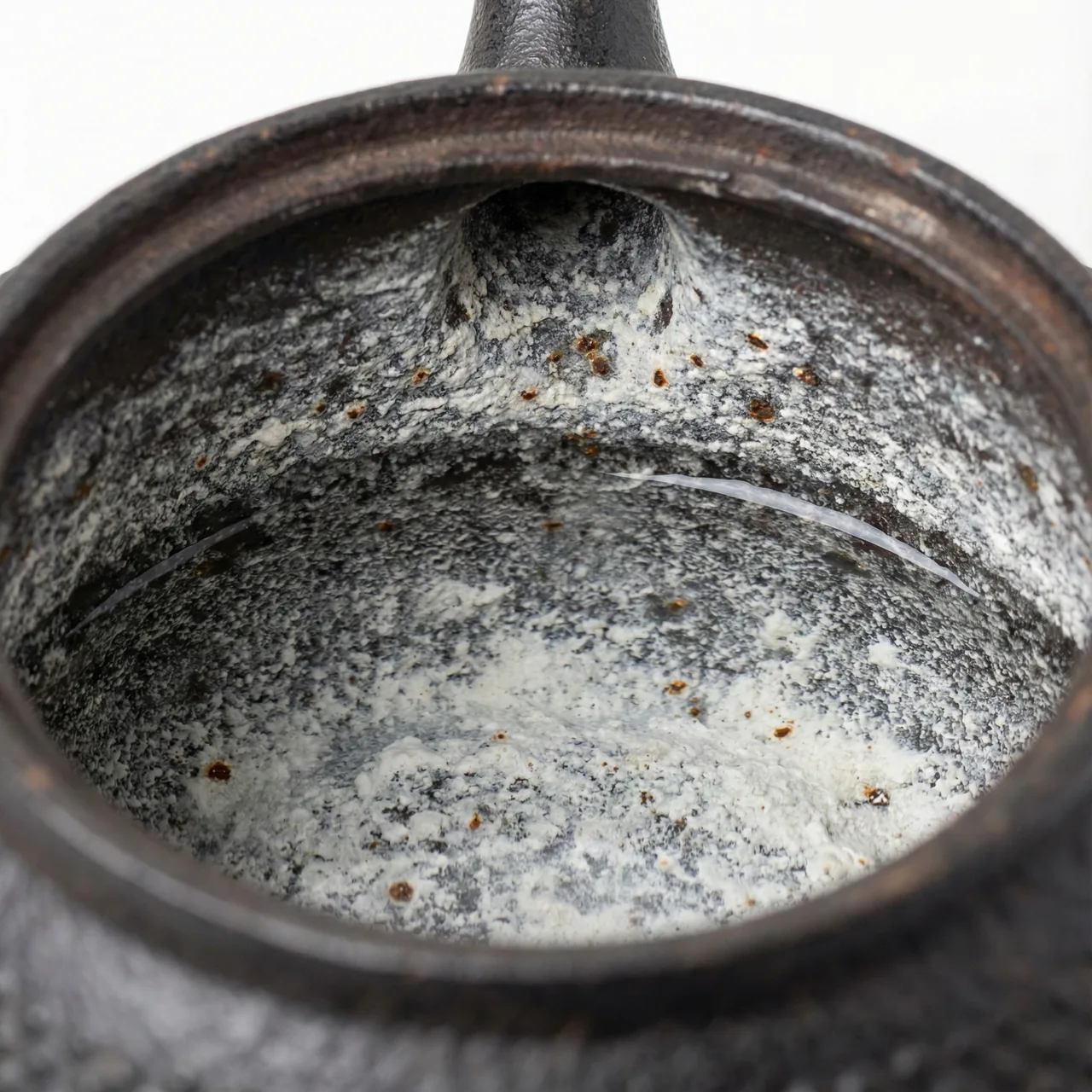
Red spots (the kind that look like rust):
Reddish spots appearing inside within the first few weeks are not a defect. If the water is still clear and
doesn't taste metallic when you drink it, this is simply the kettle settling in. Never scrub these spots.
White deposits (yuaka — mineral scale):
A white, chalky coating forming on the interior surface is called yuaka — crystallized minerals from
the water. This is the tetsubin's natural protective layer and the most valuable thing you can develop. Never
scrub it.
✗ Bad Changes (Action Required)
- · Water turns reddish-brown: The water is visibly discolored or murky.
- · Strong metallic taste: A pronounced iron flavor that makes the water unpleasant to drink.
- · Flaking rust: The inner wall is corroding and shedding loose particles.
Never touch the interior with bare hands. Never scrub with a brush. Never use dish soap inside. These three rules are non-negotiable.
2. Daily Care: The Drying Technique That Prevents Most Problems
Preventing rust in a tetsubin comes down to one rule: dry it immediately after every use.
Follow this consistently and serious problems rarely occur.
Step 1: Empty the Water Completely
Never leave water sitting in the kettle. When you've finished using it, transfer any remaining hot water to a thermos or pitcher while it's still hot — and empty the interior fully.
Step 2: Dry Using Residual Heat (The Professional Technique)
Once empty, remove the lid immediately.
If the kettle body is still warm, simply leaving the lid off is enough — the residual heat evaporates the moisture
without any wiping needed.
- If the kettle has already cooled: Place it on the lowest heat setting for 30–60 seconds to drive off any remaining moisture. Don't leave it unattended — boiling a dry kettle causes damage.
- The lid: The lid is thin metal and doesn't retain enough heat to self-dry. This is the one part you should wipe with a dry cloth.
Step 3: Store in a Well-Ventilated Spot
Don't push the tetsubin to the back of a cupboard. Keep it somewhere with airflow. Humidity is the enemy — a tetsubin kept in a sealed, damp space will rust far faster than one kept out in the open.
3. Building Yuaka: The Mineral Scale That Protects and Softens
Many guides say "let yuaka build up" without explaining how to actually make it happen quickly. Here's the deeper
version.
Yuaka (primarily calcium carbonate and other mineral deposits) coats the iron surface, protecting it from
rust and — this is the remarkable part — noticeably softening the water's taste.
Tip 1: Use It Every Day for the First Month
Yuaka doesn't accumulate quickly. A brand-new tetsubin has bare iron exposed — which means it's at its most vulnerable to rust. For the first month, boil water as often as possible. Repeating the cycle of boiling and thorough drying is what builds the foundation.
Tip 2: Use Mineral-Rich Water
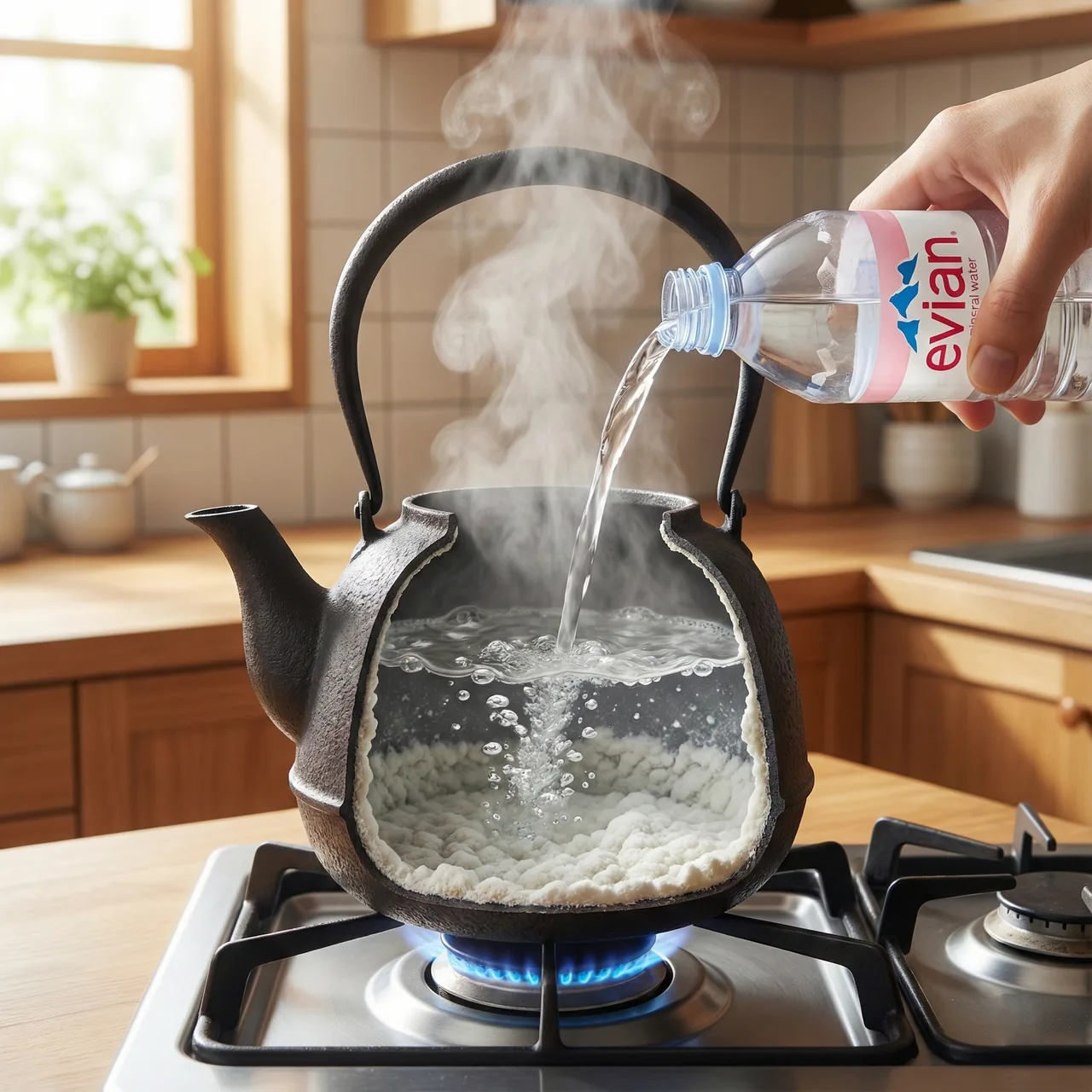
Yuaka is made of minerals. Japan's soft tap water produces it eventually, but an advanced technique for faster
accumulation is to deliberately use hard mineral water for the first few weeks.
Brands like Evian or Contrex have high mineral content; boiling them a few times can establish the white film
noticeably faster.
Tip 3: Skip the Filter During the Building Phase
Filtered water often has minerals removed along with chlorine. During the yuaka-building period, use unfiltered tap water directly. Chlorine boils off — but the minerals stay, depositing as scale.
4. Rusty Water? The Tannin Tea Restoration Method (Step-by-Step)
If your water has gone reddish or the metallic taste has become pronounced, this is the repair method to use.
The chemistry: tannins in green tea react with iron to convert reddish iron oxide (ferric rust)
into black tannate iron — a stable, protective coating that seals the surface.
What You Need
- Green tea leaves (used leaves work, but fresh leaves contain more tannin and are more effective)
- A tea bag or dashi strainer bag
The Process
- Fill with water: Fill the tetsubin to about 80% capacity.
- Add the tea bag: Place tea leaves inside the bag and lower it into the water.
- Simmer for 30–60 minutes: Heat on low to medium heat. Keep it at a gentle simmer — don't let it boil over.
- Watch the reaction: The water will turn very dark — almost black. This is the tannin-iron reaction working. That's the goal.
- Rest for half a day to overnight: Turn off the heat and leave the tea bag in the water for at least several hours. This soaking time is what allows the coating to set properly.
- Rinse: Discard the water and rinse gently with plain water.
- Test: Boil a kettle of fresh water. If the reddish color and metallic taste are gone, the restoration is complete. If not, repeat the process once more.
Important: After this treatment, the interior will appear dark purple-black. That is the tannate iron coating — exactly what you want. Do not scrub it off.
5. Frequently Asked Questions and What Never to Do
Answers to the more specific questions that most guides don't address.
Can I use a tetsubin on an IH induction cooktop?
Yes — if the model is rated for IH — but the heating approach matters.
IH concentrates more direct heat on the base than a gas flame does. Heating too quickly on the high setting can
warp or crack the bottom. Always start on low and go no higher than medium. Check for an
IH-compatible label when purchasing.
How do I care for the exterior?
Pat the exterior with a cloth lightly dampened with green tea.
While the kettle is still warm from use, wring out a cloth soaked in green tea until just damp, and gently pat
(not rub) the exterior surface. Done consistently, this develops a subtle patina and deepens the characteristic
aged sheen of iron — one of the great pleasures of owning a tetsubin.
What if cooking oil or grease gets on the exterior?
No detergent — ever. Use a tea-dampened cloth or wait for it to blend in.
Tetsubin iron is porous at a microscopic level. Dish soap penetrates those pores and affects the water's taste. A
cloth with a bit of green tea often lifts the residue. Stubborn spots tend to blend into the surface naturally
with continued use.
Can I put it in the dishwasher?
Absolutely not.
Alkaline dishwasher detergent strips the protective oxide layer completely. The high-temperature drying cycle then
causes rapid oxidation of the exposed iron — producing irreversible, deep rust. Rinse the interior with plain
water only. The inside needs no other cleaning.
How should I store it for a long period?
Dry it completely, then wrap in washi paper or newspaper for storage.
Remove the lid and dry with residual heat. Once completely cool, place a desiccant packet inside, wrap the entire
kettle in washi paper, and store in a dry place. Never use a plastic bag — it traps humidity against the iron.
Before using again, do a short dry-heat session (30 seconds on low) to drive off any absorbed moisture.
Does a new tetsubin need any preparation before first use?
Yes — do two or three "seasoning boils" before drinking the water.
Brand-new kettles can have residual manufacturing odors or fine metal particles. Fill with water, bring to a boil,
discard — and repeat two or three times. When the water runs clear and tasteless, the kettle is ready. Use it
daily for the first month to accelerate yuaka formation.
6. Final Thoughts: A Tetsubin Is Something You Grow, Not Just Use
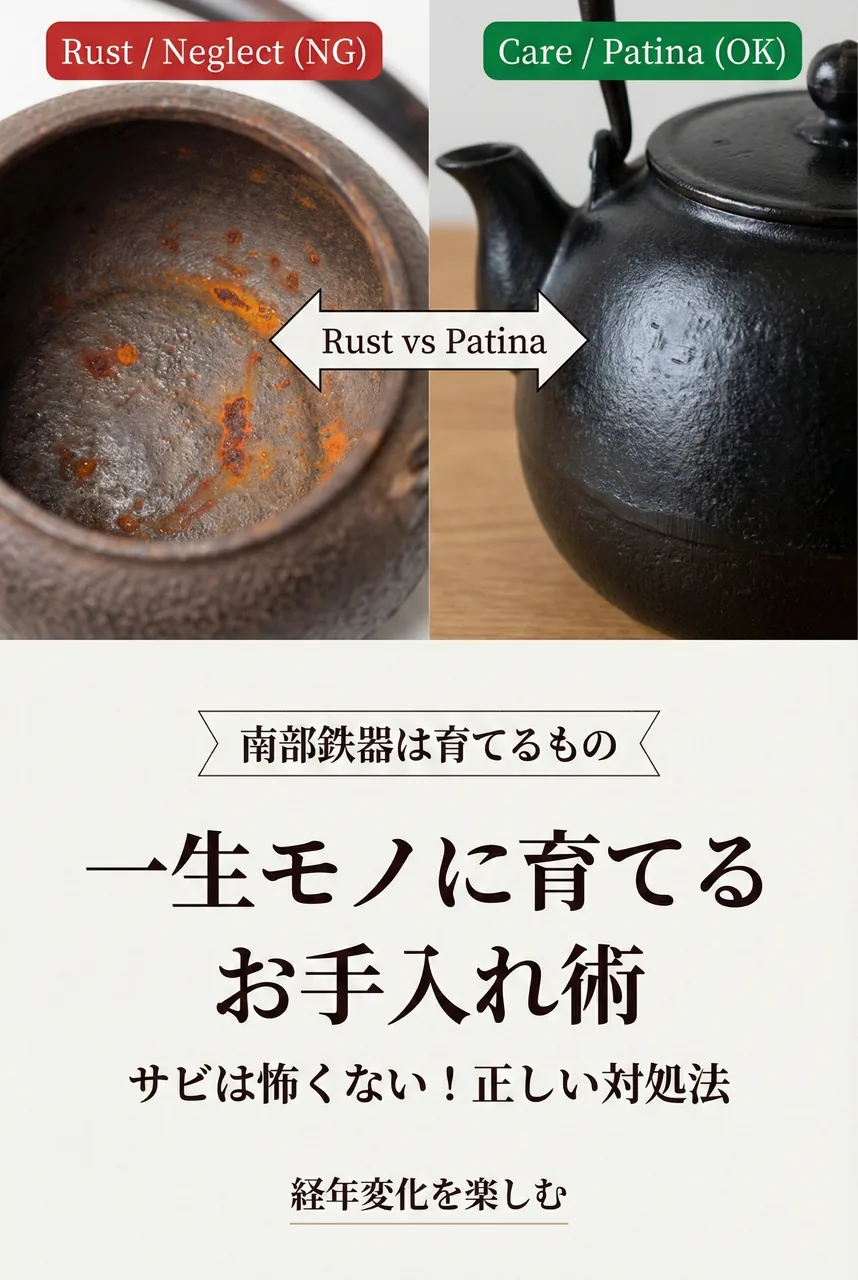
The changes that happen inside a tetsubin over time are not deterioration — they are development.
The goal is not to keep it looking new. It's to coat it in yuaka, deepen its color, and watch it transform into
something that could not have been bought in a shop — only earned through years of use.
Leave it alone: Don't scrub the interior, don't wash it with soap.
Dry it every time: Residual-heat drying after every use is the most important habit.
Cultivate it: Build up yuaka as a protective mineral layer, and the kettle will grow more
beautiful and more functional over time.
Follow these three principles, and the tetsubin you own today could outlast you by generations. Take your time
with the kettle. Let the water boil slowly.
A tetsubin is not just a tool — it's a companion.
The more care you give it, the richer its character becomes, until it's entirely your own. Good care is how you
protect that relationship for the long run.
← Back to the Nambu Ironware & Tetsubin Guide
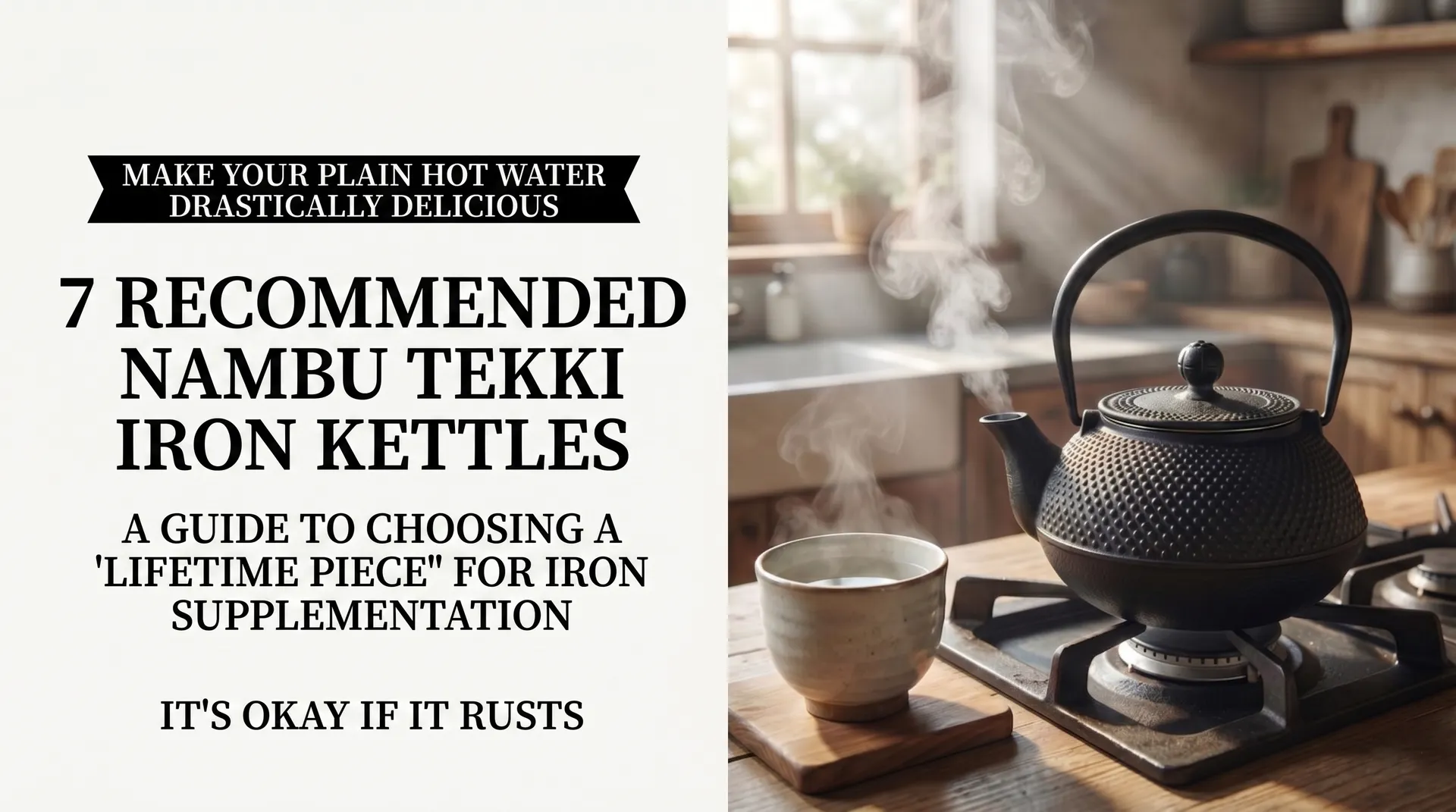
Nambu Ironware Tetsubin Guide: Top Brands by Region — Iwachu, Oigen & More

Tetsubin vs. Kettle vs. Electric Pot: Does the Vessel Change How Sayu Tastes?

How to Brew Sencha: Temperature & Steeping Time Guide
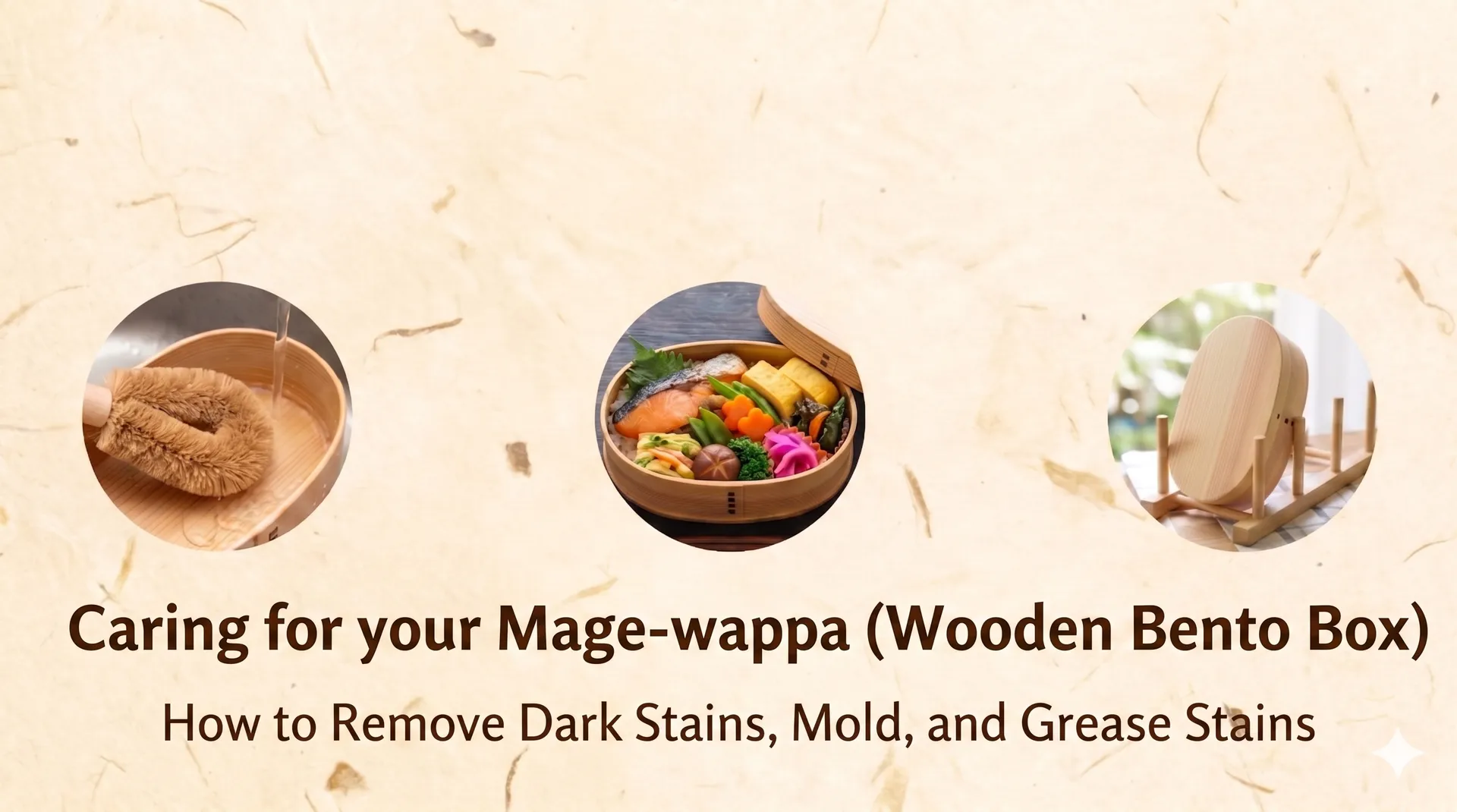
Magewappa Bento Box Care Guide: Cleaning, Mold Prevention & Longevity Tips