
"Just hot water — how different can it really be?"
You're thinking about starting a sayu habit for your health, but you're not sure which method is best.
Here's the short answer: the taste of sayu changes dramatically based on what you use to boil
it.
The gold standard is a tetsubin (iron kettle), but even with the kettle or electric kettle you already own, one
extra step transforms the result into something noticeably mellow and pleasant.
This guide covers how the tools compare, the Ayurvedic 10-minute boiling method that makes all the difference, and
the best timing for drinking to get the most out of your daily cup.
1. What Makes Sayu Different from "Just Hot Water"?
Simply warming water to temperature is "hot water." Sayu has a more specific meaning:
water that has been brought to a rolling boil, held there until impurities evaporate, then cooled to a
comfortable drinking temperature (around 50°C / 122°F).
Why does sustained boiling matter?
Tap water contains chlorine added for sanitation. Sustained boiling drives off chlorine and trihalomethanes as
steam — taking the off-taste with them.
The result is water that's noticeably sweeter and smoother on the throat, without the chemical edge.
In Ayurveda (traditional Indian medicine), water boiled over a live flame absorbs "fire energy" (agni), thought to
enhance the body's warming and digestive power.
Whether or not you follow the philosophy, the taste difference from the extra boiling time is real and noticeable.
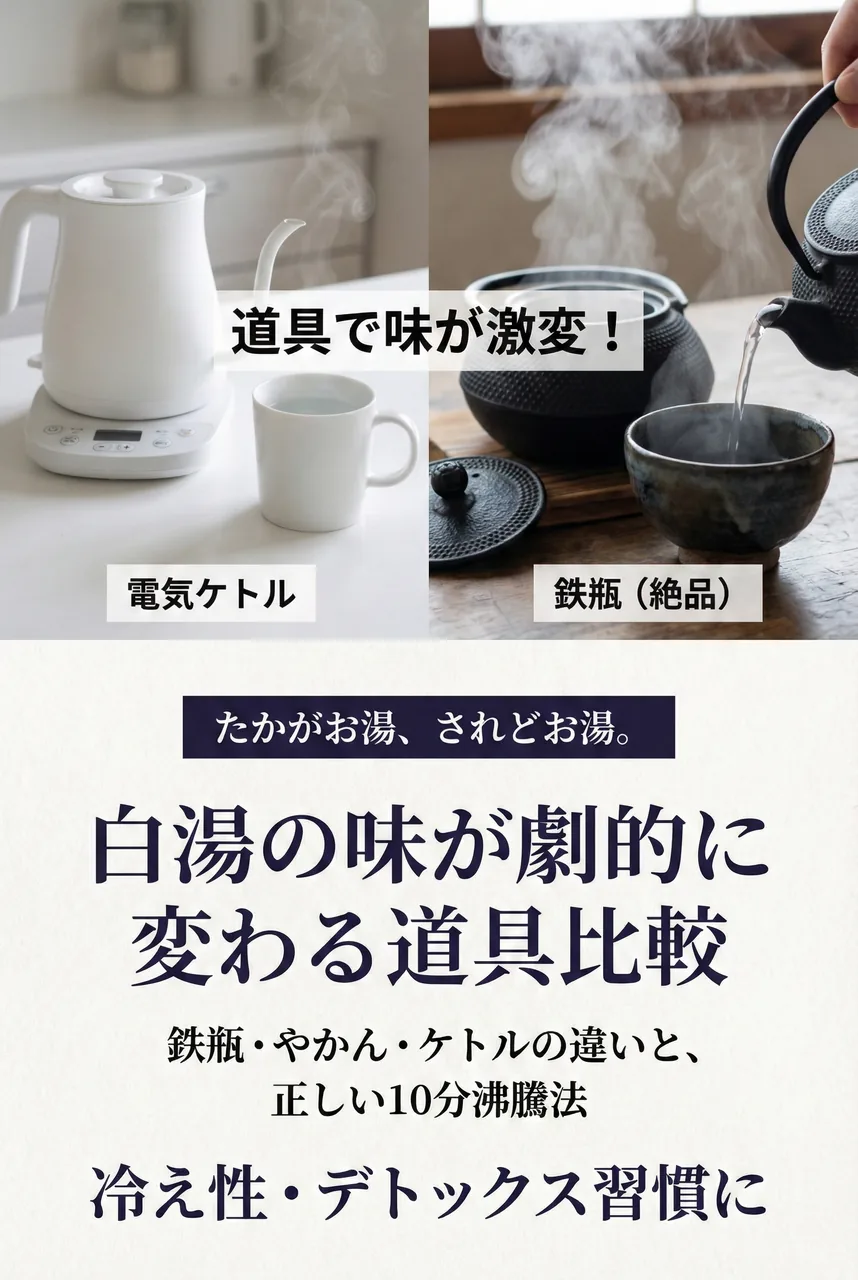
2. Taste Comparison: Iron Kettle vs. Stainless Kettle vs. Electric Kettle
"They all just heat water, right?" — try them side by side and you'll hear the difference before you taste it.
Here's how each tool affects the final result.
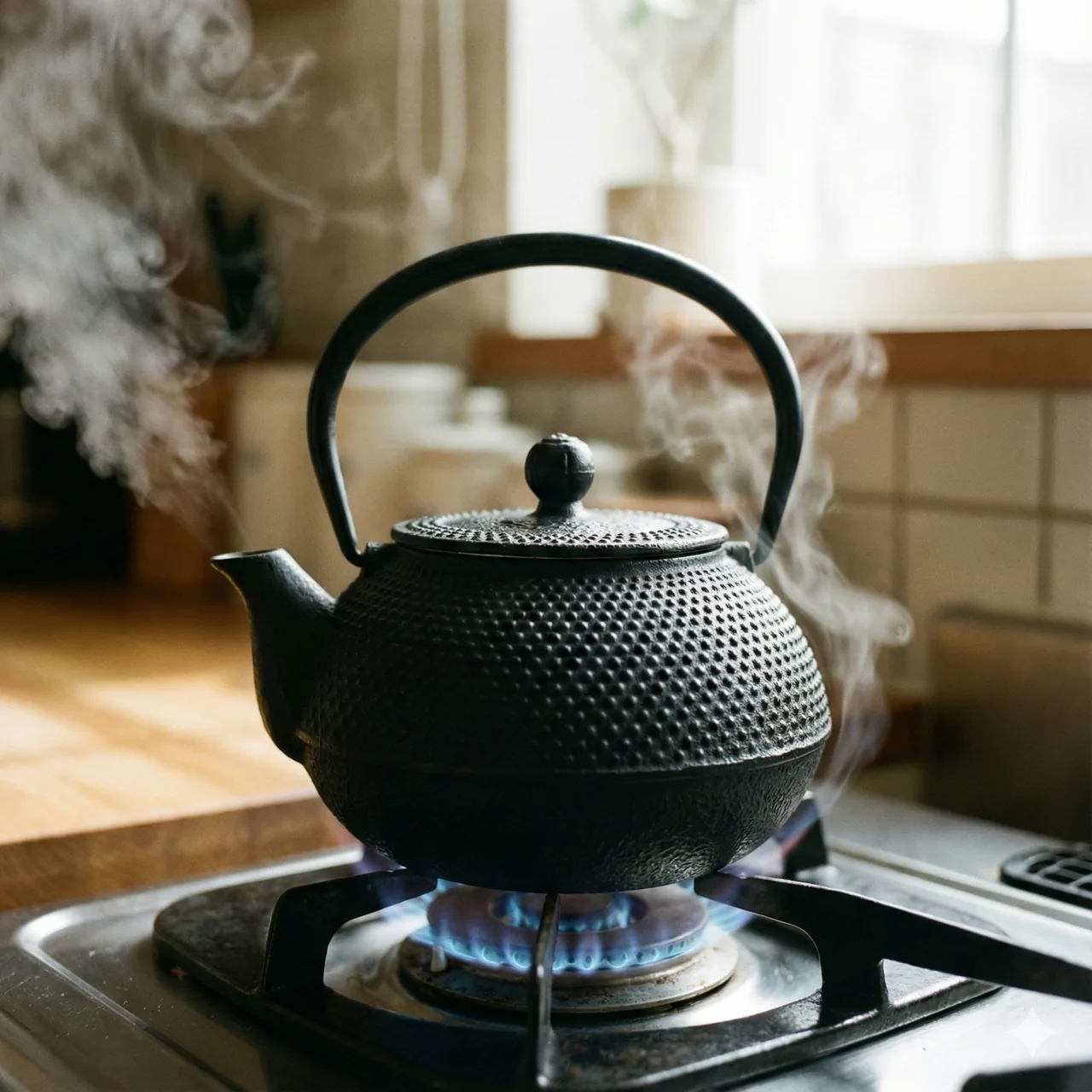
[Best] Nambu Ironware — Tetsubin Iron Kettle
Flavor profile: remarkably mellow and sweet.
Iron ions leaching from the kettle's interior surface interact with chlorine in tap water, helping to
neutralize and soften it. The result is water with rounded edges — silky, almost velvety on the tongue — where
even plain sayu tastes genuinely pleasant.
An added benefit: each cup provides a supplementary source of dietary iron, making the tetsubin particularly
well-suited to anyone prone to iron deficiency.
[Standard] Stainless Steel or Enamel Kettle
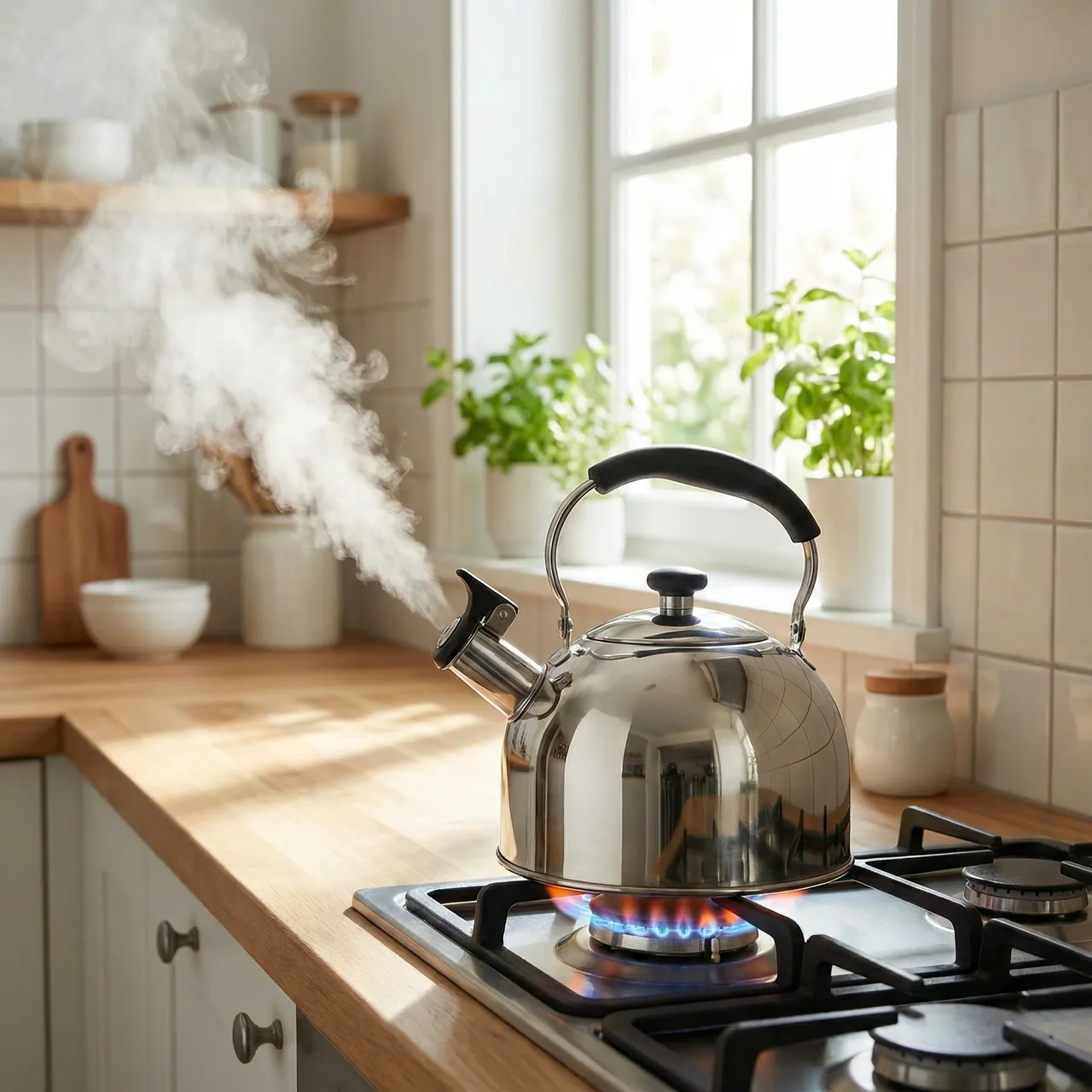
Flavor profile: clean and neutral, without off-notes.
Stainless and enamel don't add metallic flavor to the water, so it tastes closer to the water's natural
character.
The "10-minute open-lid boil" described below will eliminate chlorine odor fully — more than sufficient for
very pleasant sayu.
The iron kettle's characteristic sweetness and body won't develop, but for everyday use this is a perfectly
solid choice.
[Use with Caution] Electric Kettle or Hot Water Pot
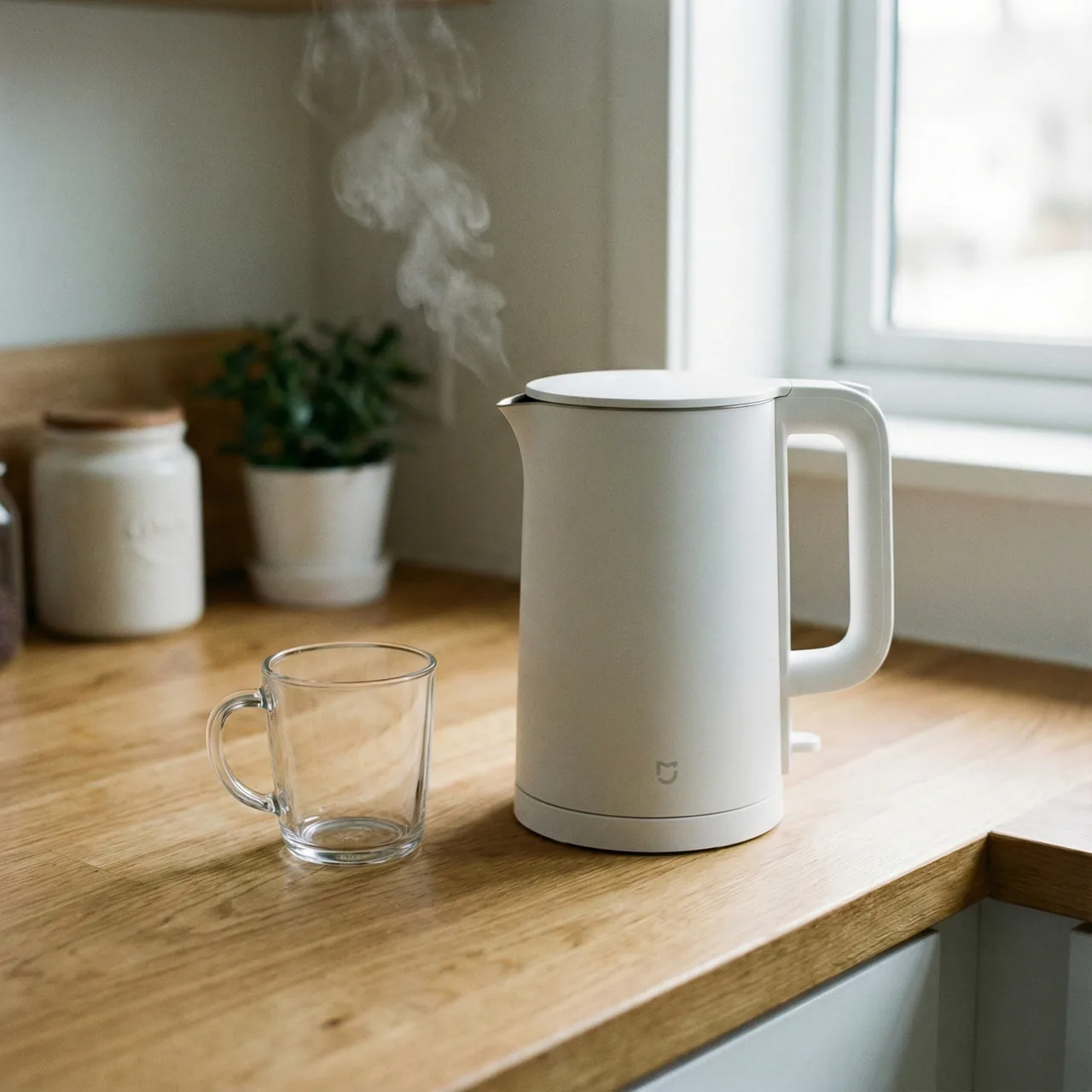
Flavor profile: slightly harder, with residual chlorine taste.
Most electric kettles auto-shutoff the moment water reaches boiling — too brief to fully drive off chlorine.
The result can feel slightly sharp or flat.
If using an electric kettle, choose a model with a built-in "chlorine removal" setting, or work around it:
boil with the lid open for a longer cycle (note: steam-sensor models may not boil with the lid open — check
your unit's specs).
3. The Ayurvedic Method: How to Make Proper Sayu (10-Minute Boil)
Regardless of which tool you use, the cardinal rule is: run the kitchen fan and boil uncovered for at least
10 minutes.
Think of it as letting impurities escape with the steam rather than staying in the water.
Step 1: Fill with water and heat with the lid on
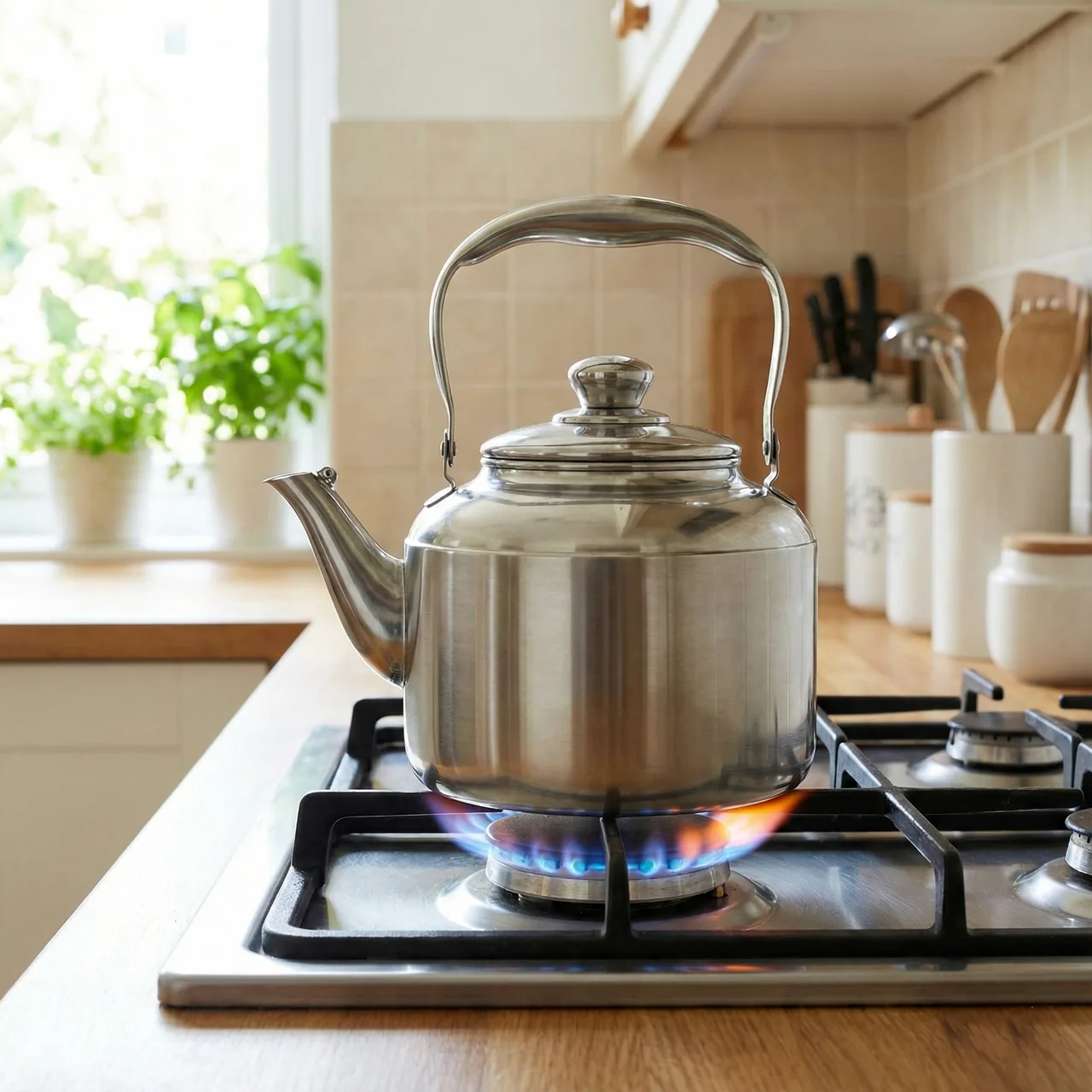
Fill your kettle with water and place it over high heat with the lid on.
Tap water is perfectly fine. Filtered water produces an even better result.
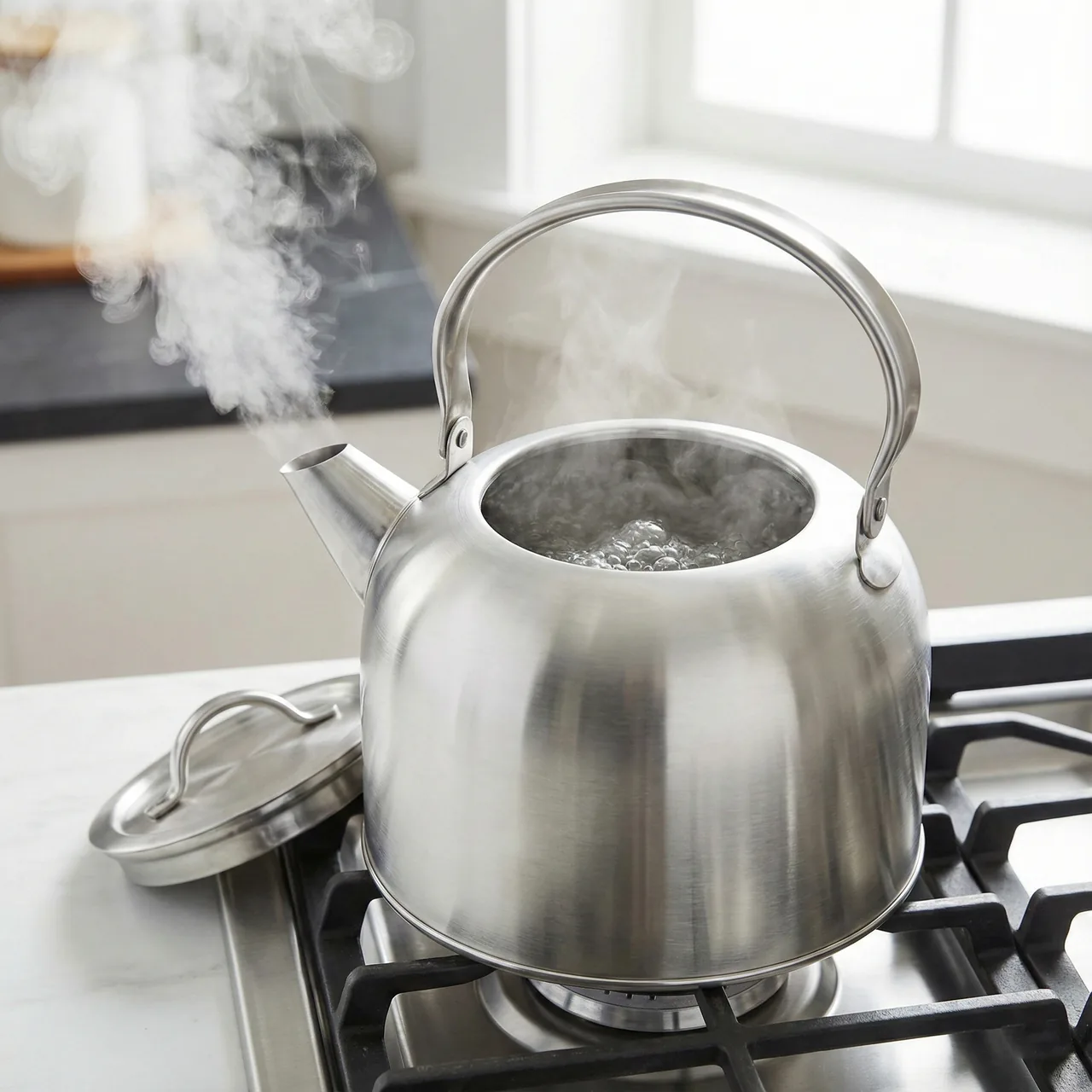
Step 2: Once it boils, remove the lid — this is critical
When large bubbles break the surface in a rolling boil, remove the lid immediately.
Leaving the lid on traps volatilized impurities in the condensation on the lid's underside, which drips back
into the water — defeating the purpose.
Reduce heat slightly to maintain a steady gentle boil without losing too much water to evaporation.
Step 3: Boil for 10–15 minutes, then cool naturally
This 10-minute window is what transforms ordinary hot water into sayu.
Air is incorporated as the water circulates, mellowing and rounding the flavor over time.
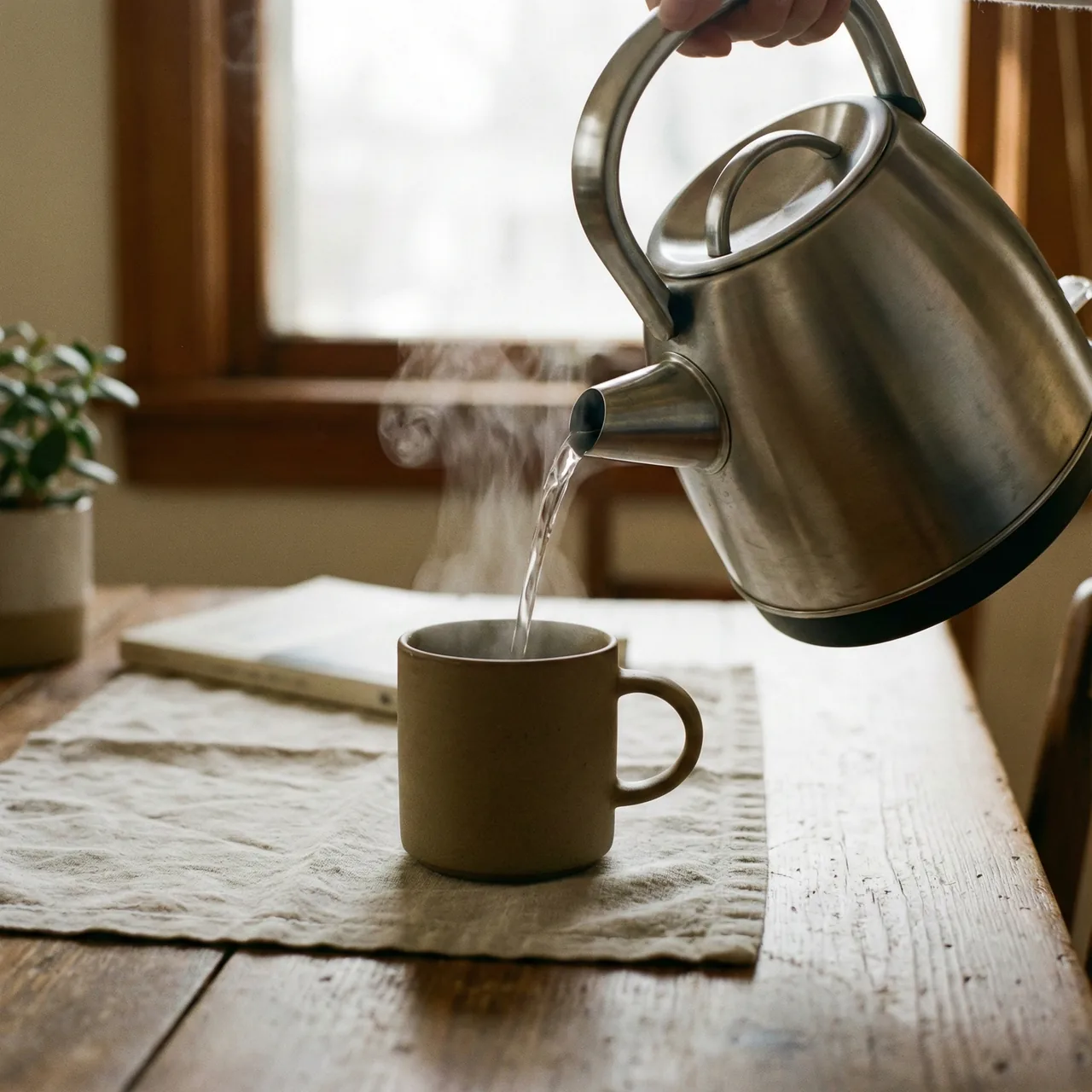
When done, pour into a cup and allow to cool naturally to 50–60°C (122–140°F) — a temperature you can
comfortably sip.
※ Don't add cold water to speed cooling — that reverses the work you just did. Let it cool on its own.
4. When and How to Drink for Maximum Benefit
Sayu isn't medicine, but the timing of when you drink it does influence how your body responds.
The key is to sip slowly over about 10 minutes — not to gulp it down in one go.
-
Morning: First cup of the day (detox)
Drink first thing in the morning, after brushing your teeth (brush first to flush overnight bacteria from your mouth, then drink).
A warm drink on an empty stomach activates peristaltic movement, making it an effective, gentle remedy for constipation.
Core body temperature rising by 1°C is widely cited to boost basal metabolic rate by approximately 10%. -
Night: Before bed (relaxation and sleep)
Drink 30–60 minutes before going to sleep, taking your time with each sip.
Warmth activates the parasympathetic nervous system and promotes the relaxed state needed for quality sleep.
Keep to about half a cup (~100ml) to avoid waking up in the middle of the night for the bathroom.
5. Frequently Asked Questions | Microwave OK? Tap Water Fine?
Can I use a microwave to make sayu?
It saves time, but the taste suffers noticeably.
Microwaves heat water by vibrating its molecules — they don't produce a rolling boil, so chlorine and other
volatiles never escape. With mineral water, a microwave is usable. With tap water, it's not recommended. Heating
is also uneven, creating hot spots.
Tap water or mineral water — which is better?
With an iron kettle, tap water is more than sufficient.
The iron kettle takes care of chlorine naturally while adding beneficial iron — no need to buy expensive
water.
If you're using a stainless or electric kettle and still notice a chlorine edge even after the 10-minute boil,
switching to mineral water will clean that up.
How much should I drink per day?
About 800ml (4–5 cups) is a reasonable daily target.
More isn't better — excess intake dilutes stomach acid, causing indigestion, or leads to fluid retention. Sayu is
a healthy habit, not a replacement for your whole fluid intake. Drink it alongside tea, coffee, and regular water.
6. Final Thoughts: The Best Cup Comes from an Iron Kettle
Sayu is the most affordable health practice there is.
But the taste — and arguably the effect — depends on the tool and the time you put in.
1. Boil uncovered for at least 10 minutes (to remove chlorine)
2. Cool to around 50°C (122°F) and sip slowly
Start with whatever kettle you have and try this method first.
When you're ready to take it further — for the sweetest, most mineral-rich result — a tetsubin iron
kettle is a lifetime investment worth making.
The day your morning cup of sayu tastes genuinely sweet, your body has already started to change.
▼ You might also like
Iron Kettle Care & Rust Removal | How to Nurture Your Kettle's Mineral Coating