
Of all the foods that make everyday life feel a little more special, great pork may be the most underestimated.
There's a world of difference between supermarket pork and the real thing — pork from a breed you've never heard of, raised on rice and given space to move.
Shabu-shabu slices so marbled they dissolve in dashi without any sauce. Additive-free sausages that taste like actual meat, not filler.
This guide introduces three Japanese brand-pork producers with loyal followings among serious food lovers — a trio that, once tasted, makes the supermarket aisle feel like a different world.
Ready to upgrade your everyday table?
Quick Reference: Japanese Brand Pork Regions at a Glance
| Region | Breed | Flavor profile | Representative brand |
|---|---|---|---|
| Kagoshima (black pork) | Berkshire | Sweet fat, finely textured | Kagoshima Black Pork, Roppaku Kurobuta |
| Okinawa (Agu) | Ryukyuan native breed | Rare breed; low-melting fat, intense umami | Yanbaru Agu, Ryukyu Agu |
| Hokkaido | Sangen-ton (crossbreed) | Healthy, clean meat from wide-open pastures | Hiraboku Farm, Shiraoi Pork |
| Chiba (Boso) | Kouza-buta (heritage breed) | Historic native breed, ideal for cured meats | Kouza Ham |
1. Hiraboku Farm: The Ultimate Shabu-Shabu — Kinaton Pork
Based in Sakata City, Yamagata, Hiraboku Farm has become synonymous with premium Japanese pork.
Their crown jewel is Kinaton (literally "golden pork") — one of the rarest and most prized breeds in the world.
Japan-rice-raised, dashi-only shabu-shabu
Hiraboku Farm — Kinaton & Sangen-ton Pork
Hiraboku's Kinaton is a globally scarce heritage breed raised on Japanese rice — a practice that produces exceptionally fine, sweet fat.
What sets it apart is the fat itself: pure white, silky, and so delicate that a brief dip in hot dashi is all it needs to bloom into something transcendent.
The recommended serving: their signature "flying fish dashi" shabu-shabu, eaten with no sauce at all — the pork's own flavor does everything.
This is what "eating meat" is supposed to feel like.
2. Kouza Ham: A Legendary Breed Revived — German Gold Medal Winner
Kouza-buta (Kouza pork) is a heritage breed native to Kanagawa Prefecture.
Once nearly lost to industrial farming trends, it was passionately revived by local breeders determined to keep a piece of regional food history alive.
German competition gold medal winner. The real thing, delivered to your door.
Kouza Ham — Loin Ham & Sausages
"We raise the pigs ourselves, and we turn them into the finest ham ourselves." That ethos is evident in every product — their ham and sausages have won multiple gold medals at the DLG competition in Germany, the most authoritative test in the world for cured meats.
Skilled artisans process the fine-grained Kouza-buta meat, preserving its natural sweetness.
The coarsely ground sausages burst with juice at every bite; the loin ham is silky and just firm enough. Either one turns an ordinary morning into something worth waking up for.
The gift packaging is appropriately premium — a natural choice for year-end gifts or celebrations.
3. Saito Ham: Additive-Free & Ice-Aged — Safe for Children
Saito Ham, based in Inuyama City, Aichi Prefecture, is a pioneer of additive-free Japanese cured meats built around the belief that "life is precious."
It's the brand parents reach for when they want to feed their children something genuinely clean and real.
"Poripori-kun" is a childhood hero. Ice-aged for deep umami.
Saito Ham — Additive-Free Ham & Sausages
No preservatives, no artificial flavor enhancers — only natural ingredients.
The signature technique is "ice-aging" (hyouon-juku-sei): maturing the meat at just above freezing, which causes amino acids (the building blocks of umami) to multiply dramatically.
The flagship "Poripori-kun" sausage has a thin, snappy casing, a satisfying crisp bite, and a clean, concentrated meat flavor that children love — and adults find hard to put down.
If you've ever thought "additive-free means bland," Saito Ham will change your mind completely.
4. Why Brand Pork Makes the Perfect Gift
Year-end gifts, thank-you presents, Father's Day. When wagyu feels like too much, brand pork and ham step in perfectly.
There are three clear reasons people keep choosing them.
Reason 1: It upgrades the everyday
A great steak is a special-occasion food. But ham and pork appear on the table every single day.
When the morning bacon is dramatically better — when the kids ask for more — that daily elevation is the kind of joy that doesn't burden the recipient the way an expensive luxury item can.
Reason 2: Almost no cooking required
Slice it. Pan-fry it. That's it. Ham and sausages become a meal immediately.
Perfect for busy households, for people who don't enjoy cooking, or as a "something useful in the fridge" present that never goes to waste.
Reason 3: Universally enjoyed
Heavily marbled wagyu can feel too rich for some. Quality pork fat, by contrast, has a low melting point and a clean, light finish.
From young children to elderly grandparents, everyone at the table can reach for it — a genuinely universal gift.
5. Which Brand is Right for Your Recipient?
All three brands are exceptional — the question is which one fits the occasion and the person.
Choose Hiraboku Farm for:
- Senior recipients or milestone occasions where premium quality is expected
- Fans of hot pot (nabe) and shabu-shabu
- Anyone who appreciates the sweetness of well-raised fat
The luxurious packaging and the "Kinaton" brand story make it a fail-safe gift for occasions where you cannot afford to disappoint.
Choose Kouza Ham for:
- Drinks-lovers, beer and wine drinkers
- People who enjoy charcuterie-style entertaining
- Anyone impressed by international competition credentials and heritage breeds
The bold, meaty flavors and aromatic spices make an evening of drinks far better than it would otherwise be.
Choose Saito Ham for:
- Families with young children, or as a new baby gift
- Health-conscious recipients who watch food additives
- Anyone looking for a gentle-flavored sausage that children will actually eat
"Additive-free means bland" is a myth that Saito Ham destroys completely — the flavor is deep and satisfying. "Poripori-kun" quickly becomes a household hero.
6. The Best Way to Eat It: "Slice and Serve"
When great ham or sausage arrives, the single best way to enjoy it is also the simplest.
Arrange it on a cutting board, not a plate — slice at the table, eat as you go.
A cutting board turns your kitchen table into a bistro. It's casual, generous, and genuinely fun.
And if you're doing shabu-shabu, a high-heat-retaining donabe (clay pot) is the essential partner — it keeps the dashi at a perfect simmer from first slice to last.
Bonus: Simple Recipes That Let the Pork Shine
These cuts are magnificent eaten cold and plain — but a little heat unlocks something else entirely.
The common thread: the simpler the preparation, the better the ingredient speaks for itself.
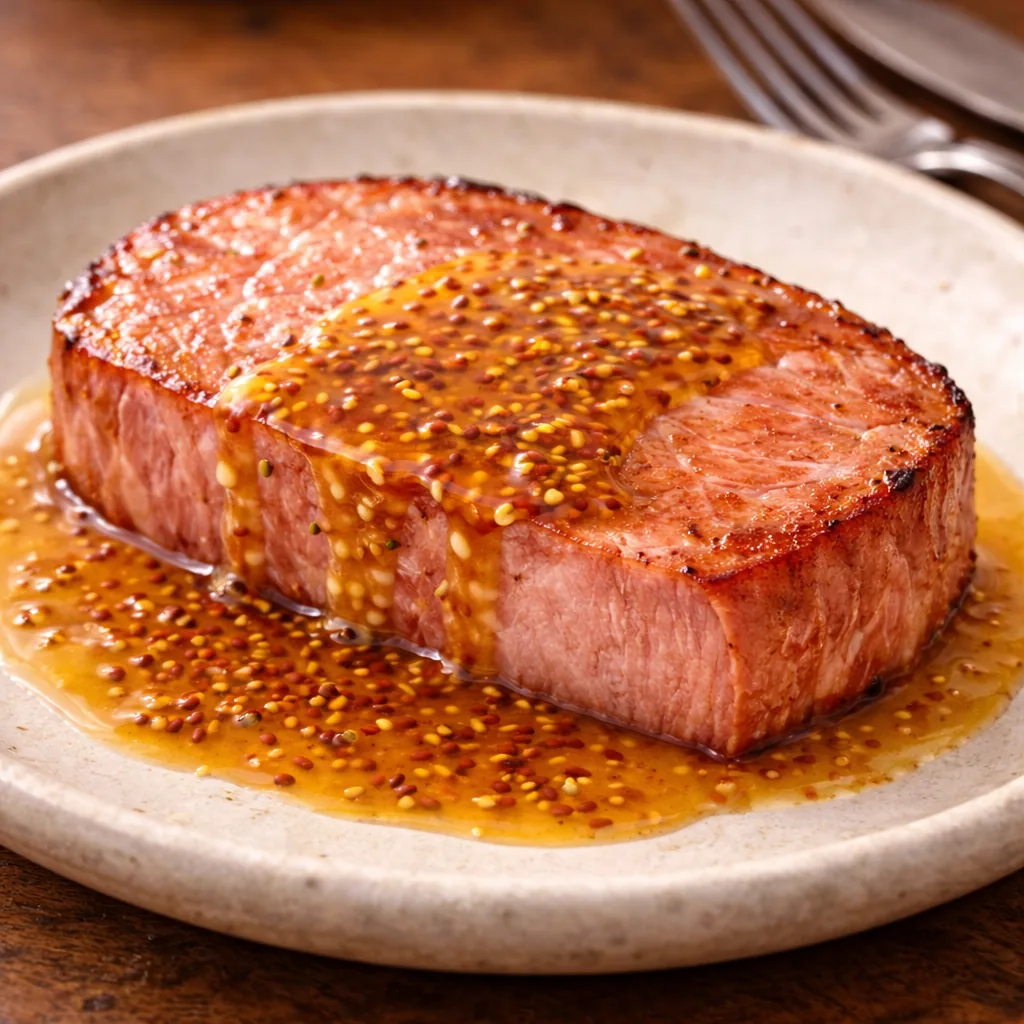
Thick-Cut Ham Steak with Honey Mustard
Take a thick slice (at least 1 cm) of Kouza Ham loin ham and pan-fry it until nicely colored on both sides.
Finish with a sauce of equal parts whole-grain mustard and honey.
The fat renders, mingles with the sweet-sharp sauce, and you'll want a knife and fork for every bite.
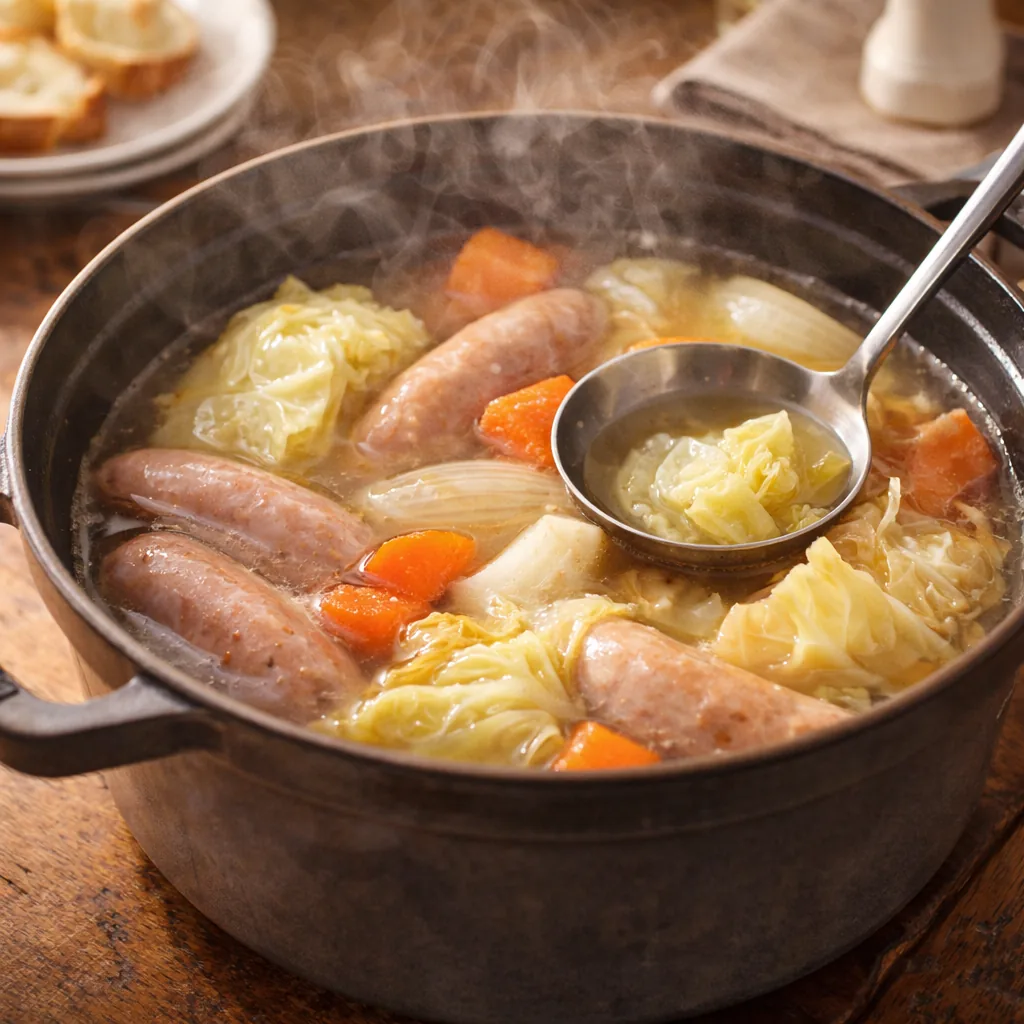
Sausage Pot-au-Feu (all the flavor, no stock needed)
Saito Ham's additive-free sausages are made for slow simmering.
Add chunky-cut cabbage, carrot, and onion to a pot, nestle in the sausages, and cook on a low simmer. No stock cube needed — the sausages do the work, releasing a deeply savory broth that turns your soup into the main event.
Ideal for cold mornings or when someone's feeling under the weather.
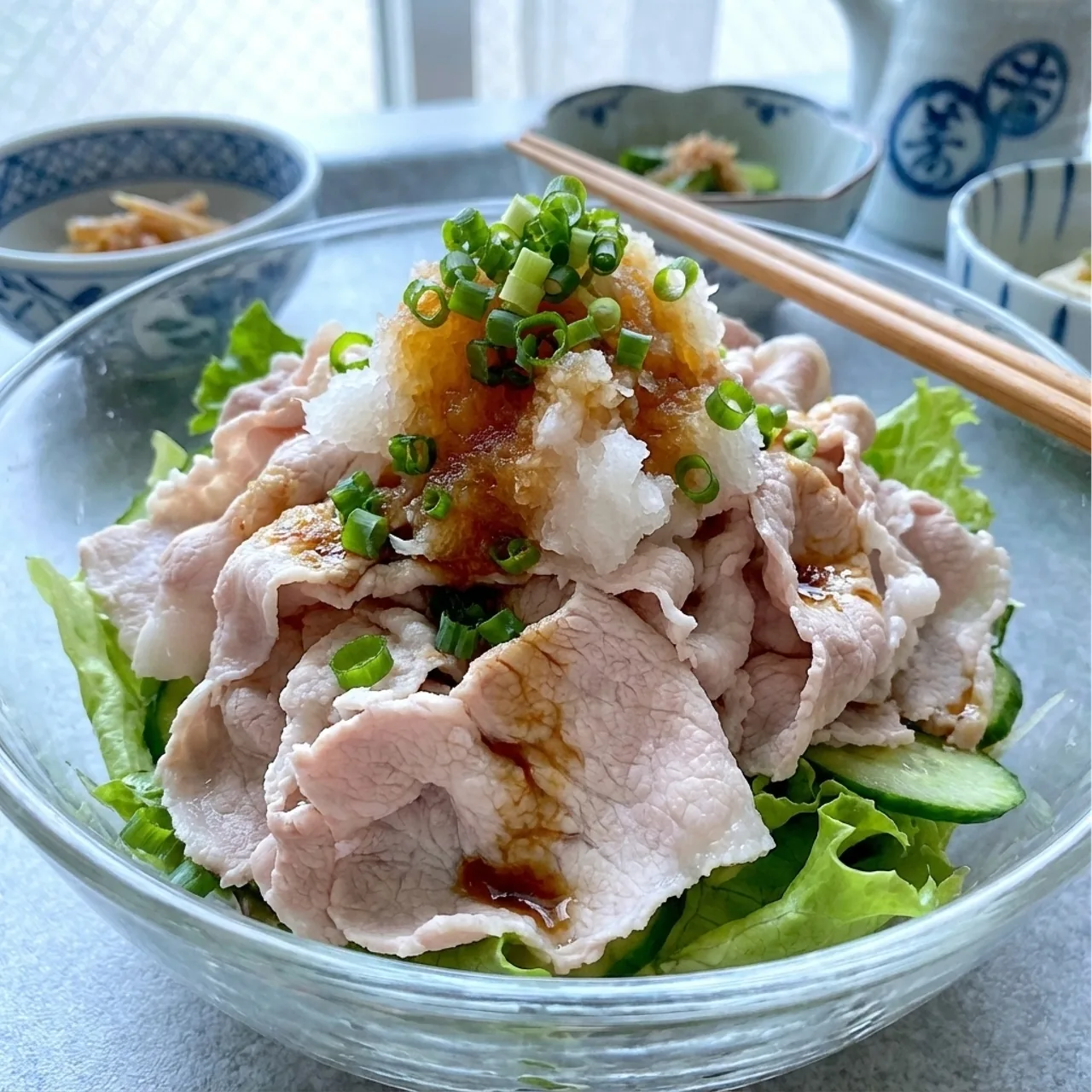
Cold Pork Shabu-Shabu Salad with Ponzu
Got leftover Hiraboku shabu-shabu pork? The next day, make cold shabu-shabu.
After poaching the slices, cool them in room-temperature water (not ice water — the fat stays soft and the texture stays silky).
Dress generously with grated daikon and ponzu. Light, clean, and somehow even sweeter than the night before.
7. Frequently Asked Questions
How long does mail-order ham and sausage keep?
Vacuum-packed ham and sausages typically last 15–30 days refrigerated, depending on the product and packaging.
Once opened, oxidation accelerates — finish within 2–3 days.
Fresh shabu-shabu cuts are generally best consumed within 2–3 days of delivery (check individual product labels). It helps to pre-schedule your delivery date.
What's the best way to cook sausages?
The standard recommendation from brand producers: simmer gently first, then briefly sear.
Heat water to about 80°C (not boiling) and warm the sausages for 3–5 minutes — the casing won't burst and the juices stay inside.
Then finish in a pan with a touch of color on the outside. You get the snap of the casing and the fragrance of the sear without drying out the interior.
Can I freeze what I can't finish?
Yes. Divide into portions, wrap tightly in plastic wrap, place in a freezer bag with as much air removed as possible, and freeze (up to about 1 month).
That said, ham and sausages lose some moisture and texture when frozen and thawed. For the best possible taste, eat within the refrigeration window.
Can I add a gift ribbon or noshi (ceremonial decoration) when ordering?
All three brands featured here — Hiraboku Farm, Kouza Ham, and Saito Ham — are well set up for gift orders. Noshi paper and name inscription are typically available during checkout.
You can usually select the occasion (year-end gift, mid-year gift, celebration, etc.) from a drop-down, making them safe choices for any formal giving occasion.
What's the actual difference between brand pork and supermarket pork?
The biggest difference is deliberate control of breed, feed, and environment. Supermarket pork is typically optimized for volume and price, with less attention to genetics or diet.
Brand pork starts with rare or heritage breeds, raised on special feeds (rice, fruit, etc.) in low-stress conditions. The result is fat that melts more cleanly, meat with a deeper flavor, and an overall quality that's immediately apparent in a side-by-side taste test.
Any tips for perfect pork shabu-shabu?
The single most important tip: use water heated to 70–80°C, not a rolling boil. Boiling makes the meat tough and dry.
Also, after the slice comes out of the pot, give it 10 seconds before eating — the fat settles and the flavor blooms.
For dipping: ponzu is great, but with premium pork, a light salt broth or kombu-dashi salt actually lets the meat's natural sweetness come through more clearly.
8. Final Thoughts: Upgrade Everyday Life
"It's just pork, it's just ham" — that's exactly the person this guide was written for.
The fat of a pork raised by people who genuinely care smells completely different. Not richer — cleaner, sweeter, more itself.
A weekend morning when thick-cut bacon cooking on the stove is what wakes you up.
An evening of shabu-shabu that makes everyone at the table stop talking and just eat.
Those small daily luxuries, stacked over time, are what a good life is made of.
These are Japanese pork producers you can recommend to anyone, with complete confidence.