Cold nights call for a proper Japanese hot pot — and if you've only made nabe with supermarket chicken and store-bought broth, you've been missing the real thing.
Farm-direct jidori (specialty breed) chicken sets are a different category entirely. The broth runs milky and deep, and the meat — firm with a clean, concentrated flavor — won't overcook into mush.
This guide covers Japan's best mail-order nabe sets and the tools that actually make a difference in how the hot pot turns out.
Quick Reference: Jidori Varieties at a Glance
| Variety | Region | Character | Best Preparation |
|---|---|---|---|
| Hakata Hanamidori | Fukuoka | Broth-focused; tender, mild flavor | Mizutaki hot pot, zosui porridge |
| Hinai-jidori | Akita | Rich umami, firm bite | Kiritanpo nabe |
| Nagoya Cochin | Aichi | Deep richness, chewy texture, versatile | Sukiyaki, hot pot general |
| Mitsuse-dori | Saga | Soft, juicy, gentle flavor | Mizutaki, shabu-shabu |
1. How to Choose a Mail-Order Nabe Set
Three points separate an excellent set from an average one — and the difference in satisfaction is significant.
① Match the variety to how you want to eat
Each jidori variety has a distinct personality:
Hakata Mizutaki (Hanamidori): A broth-first style. The chicken is soft and yielding; the thick, milky-white soup is the main event. Universally appealing across all ages.
Hinai-jidori (Akita): Eating the meat itself is the point. Dense, with a pronounced sweetness in the fat — exceptional with kiritanpo (grilled rice cylinders) that soak up the rich broth.
Nagoya Cochin (Aichi): The richest option. Holds its texture through long simmering and builds flavor with every bite.
② Always choose a set that includes house-made broth
Skip anything that expects you to use store-bought broth. The best sets include broth simmered from the chicken carcass for hours — frozen or chilled and shipped with the meat. That broth is where the flavor lives.
③ Picture the finish — noodles or rice porridge
The most satisfying part of a Japanese hot pot is often the finish: adding rice or noodles to absorb the remaining broth. Sets that include chanpon noodles or Inaniwa udon are designed all the way through to the final bowl.
2. Best Jidori Hot Pot Sets: Top 5
From the full range of mail-order nabe options, here are five consistent performers with high repeat-purchase rates.
#1 Hakata Hanamidori / Mizutaki Set (Fukuoka)
The default recommendation — the milky-white broth is on another level.
Hakata Hanamidori's flagship restaurant stands in Nakasu, central Fukuoka. The defining feature is a thick broth simmered from the bones of their proprietary Hanamidori breed. Ponzu and yuzu kosho are included — restaurant-quality flavor with no preparation beyond opening the box. The tender meat makes it the easiest crowd-pleaser for any table.
Shipping: Frozen
#2 Hinai-jidori / Kiritanpo Nabe Set (Akita)
One of Japan's three great chicken breeds — intense flavor, serious texture.
Certified Hinai-jidori — nothing like commercial broiler chicken. The meat has real resistance and a deep sweetness in the fat that builds with chewing. Kiritanpo (grilled cylinder rice) absorbs the rich jidori broth completely, creating the pairing this variety was built for.
Shipping: Refrigerated (freshness priority)
#3 Suigo no Toriya / Nagoya Cochin Nabe Set (Aichi)
Dense, fat-sweet — the choice for people who really know chicken.
Pure Nagoya Cochin, selected by a specialist poultry shop. Stays firm through simmering — more flavorful as the broth develops, not less. Many sets include Inaniwa udon for the finish, so the richness carries all the way through to the last bowl.
Shipping: Refrigerated / Frozen
#4 Tsuma Jidori / Chicken Nabe Set (Miyazaki)
From the charcoal-grill specialists — a grown-up hot pot.
Miyazaki's Tsuma Jidori breed is raised longer than standard commercial chicken, concentrating umami compounds in the meat. The fat sweetness dissolves into the broth as the pot simmers, creating a fragrant, rich result. A popular gift for anyone who appreciates their drink.
#5 Suigo-dori / Wing Gyoza Nabe (Chiba)
The crowd-pleaser — kids love it, ideal for family gatherings.
Not strictly jidori, but Suigo-dori (a Chiba brand chicken) prepares gyoza filling stuffed inside whole chicken wings — the star of a rich, yuzu-scented hot pot. Generous portions, an unusual format, and a welcome change of pace when the classic hot pot starts feeling routine.
3. The Right Order to Add Ingredients
Putting everything in at once is the most common mistake.
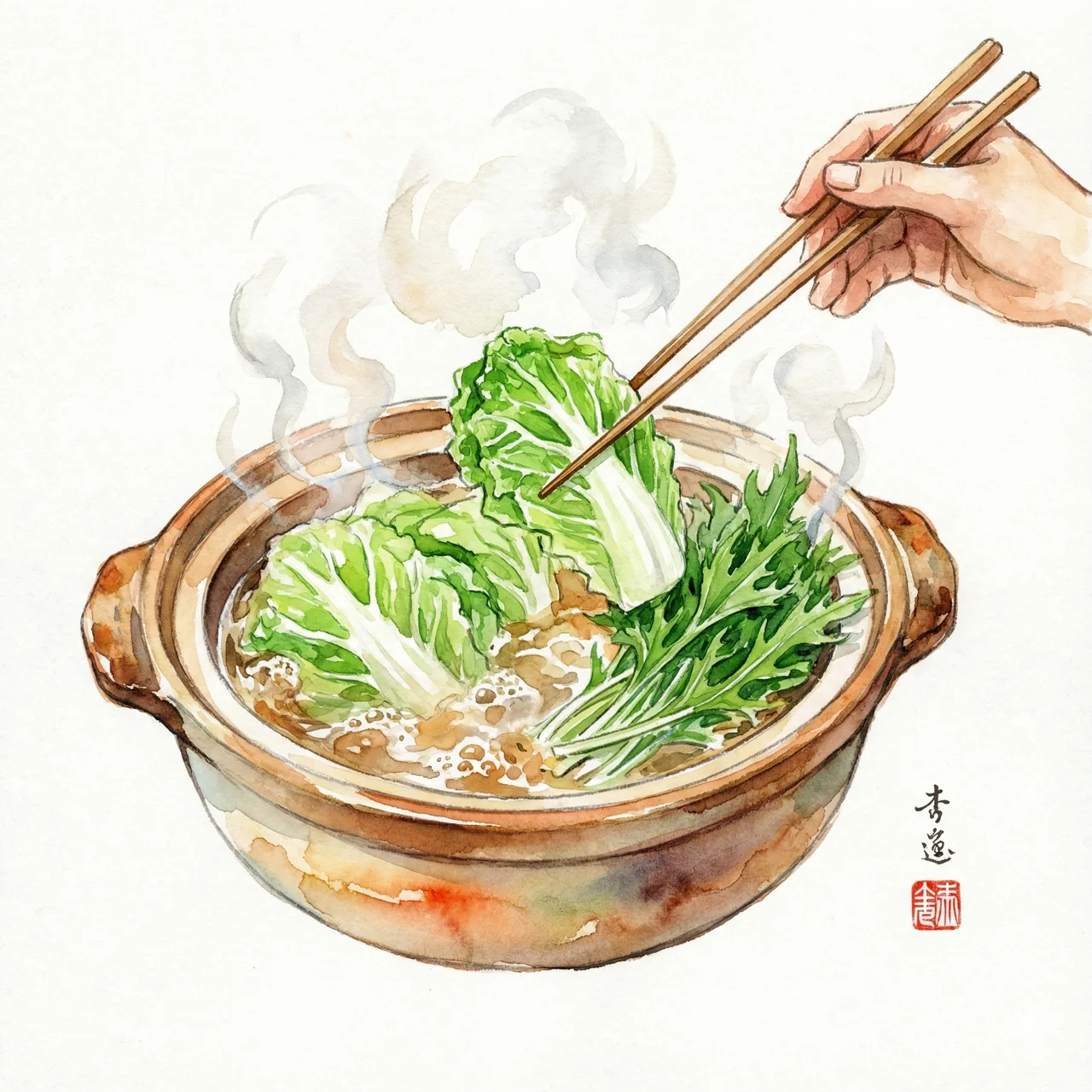
For jidori chicken and mizutaki especially, the sequence of additions affects broth clarity, meat texture, and overall depth of flavor. Here is the golden rule for getting the most out of premium chicken.
① Start with broth alone
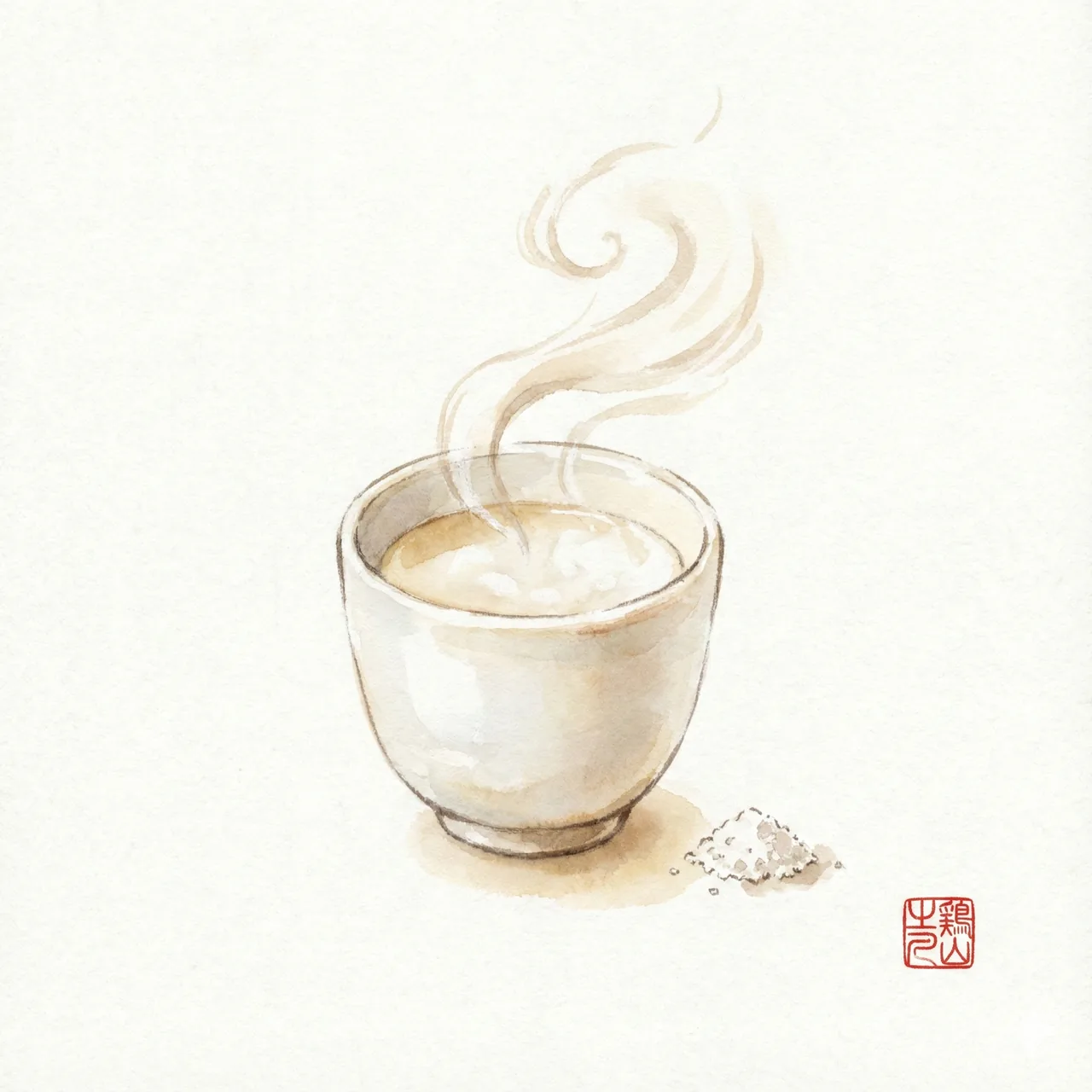
This is the soul of mizutaki. Before adding any ingredients, ladle a little of the simmering broth into a small cup. Add a pinch of salt and drink it straight.
Pure chicken bone broth — you taste the clean depth directly. It's the ritual that sets the tone for everything that follows.
② Meat first, vegetables after
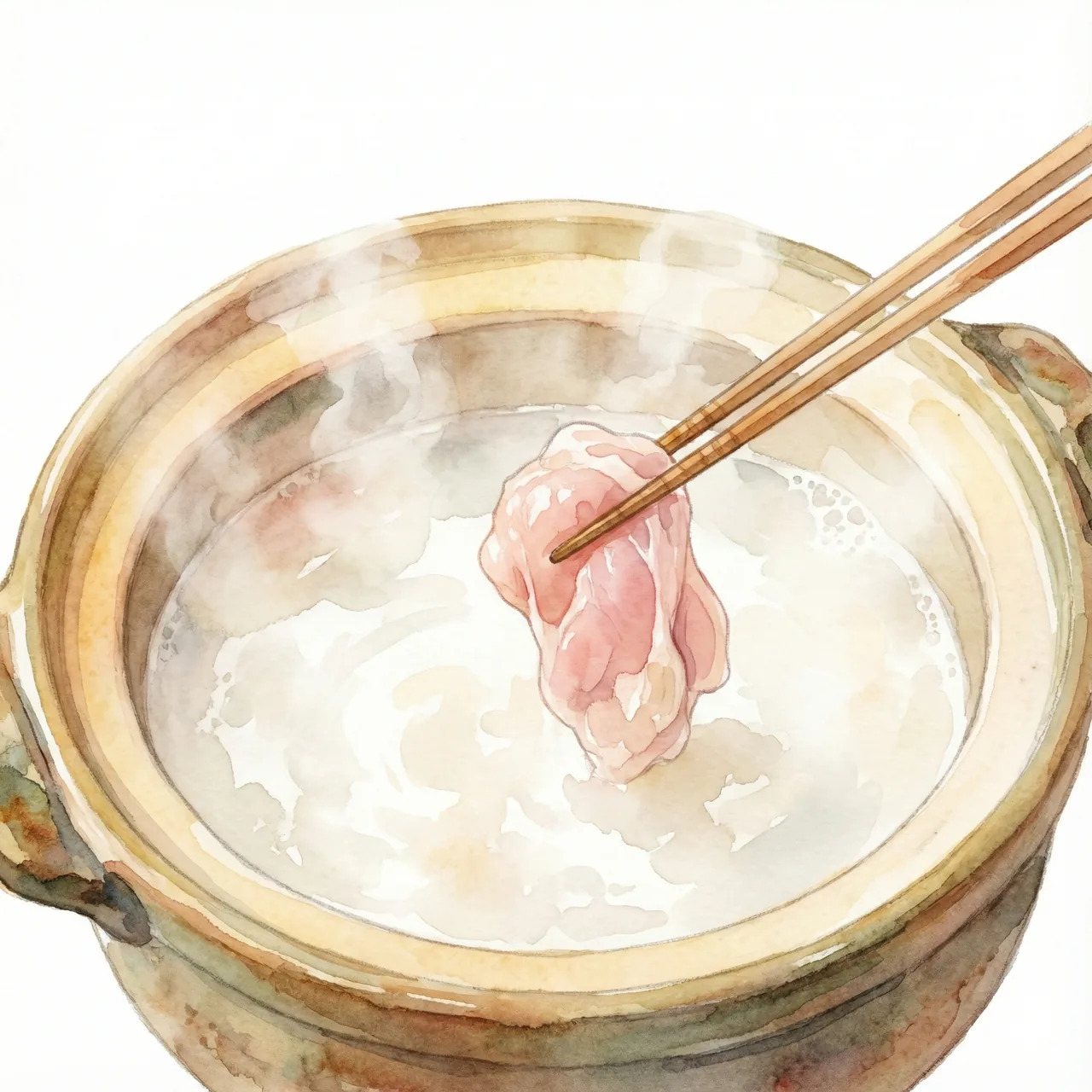
Add only the meat (tsumire and cut pieces) first, and let it cook through before adding anything else.
The meat's umami needs time to enter the broth. During this phase, avoid a hard boil — a gentle simmer keeps the meat tender and the broth clear.
Once the meat is cooked through, eat it with ponzu before continuing.
③ Add vegetables in two batches
Dumping a large pile of vegetables in at once drops the temperature sharply and lets the meat's umami escape before it bonds with the broth.
Dense root vegetables (carrot, daikon) go in first. Leafy greens (hakusai, mizuna) go in just before eating — almost shabu-shabu style.
Keeping the pot at high temperature throughout is the single most important technique.
4. Tools That Elevate the Experience
Premium jidori chicken loses half its potential if the tools work against it.
Here are the three things worth getting right before the pot goes on the stove.
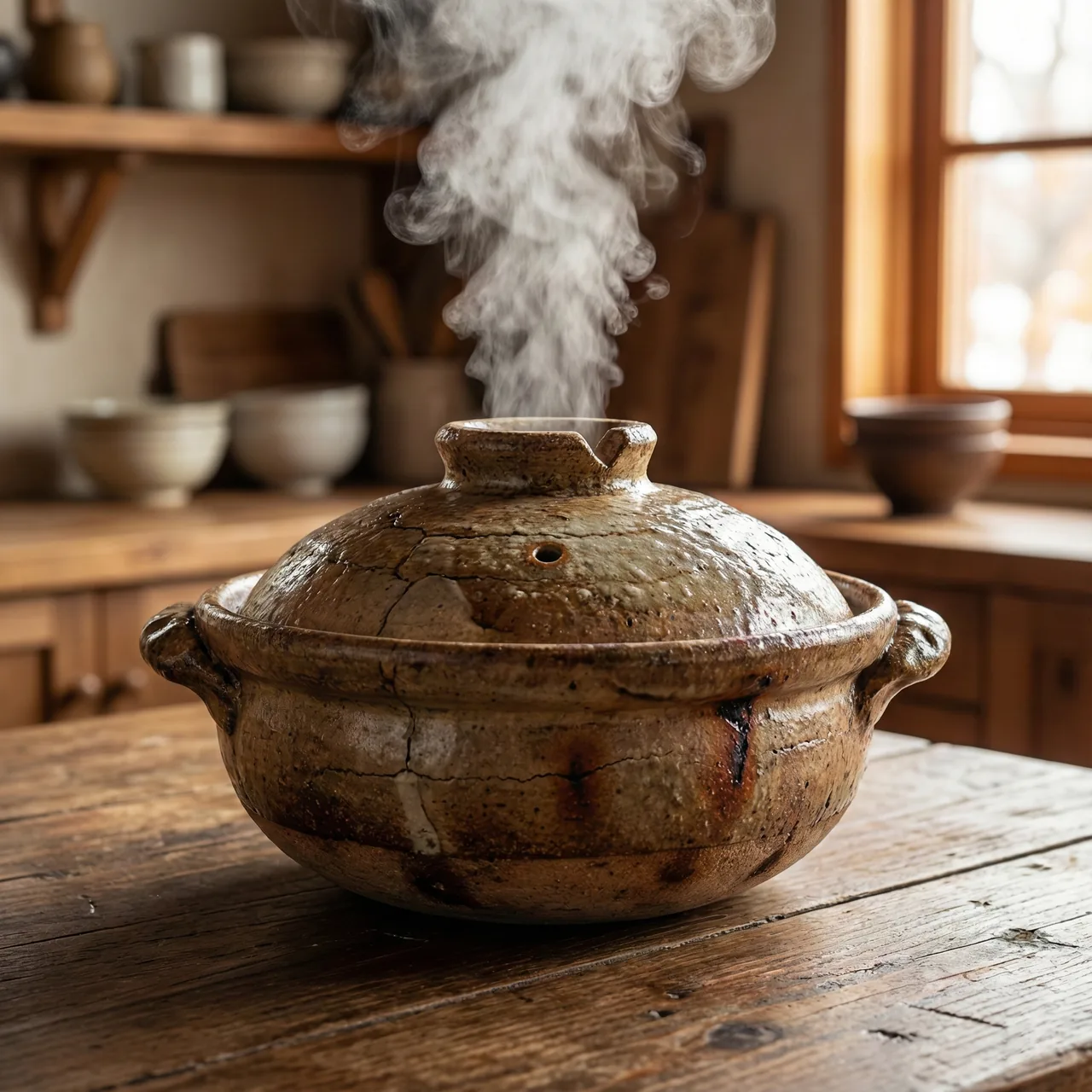
① Temperature is everything — use a clay pot
Thin metal pots lose heat every time ingredients go in, causing proteins to seize and the broth to cloud.
A clay donabe from Iga or Banko retains high temperature throughout, keeps the chicken plump, and holds the broth hot all the way through the finish.
② Match the knife and scissors to the meat
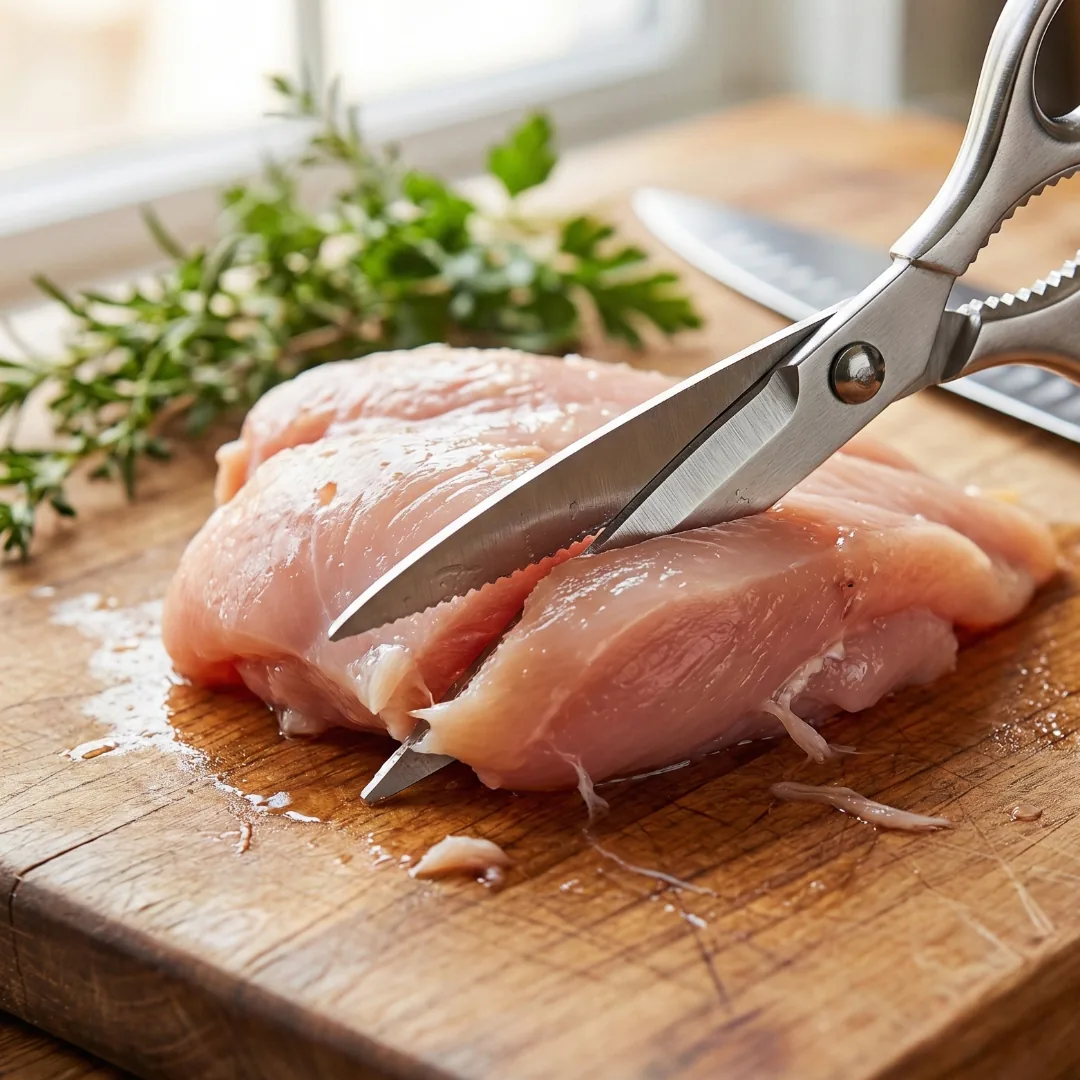
Jidori's resilience is its character — but a dull knife pressing through the fibers bruises the meat and loses umami.
For bone-in prep work, kitchen scissors that disassemble for cleaning are essential. Scoring around the bone improves clean separation and draws out better flavor from the marrow.
③ The zosui finish deserves the right bowl
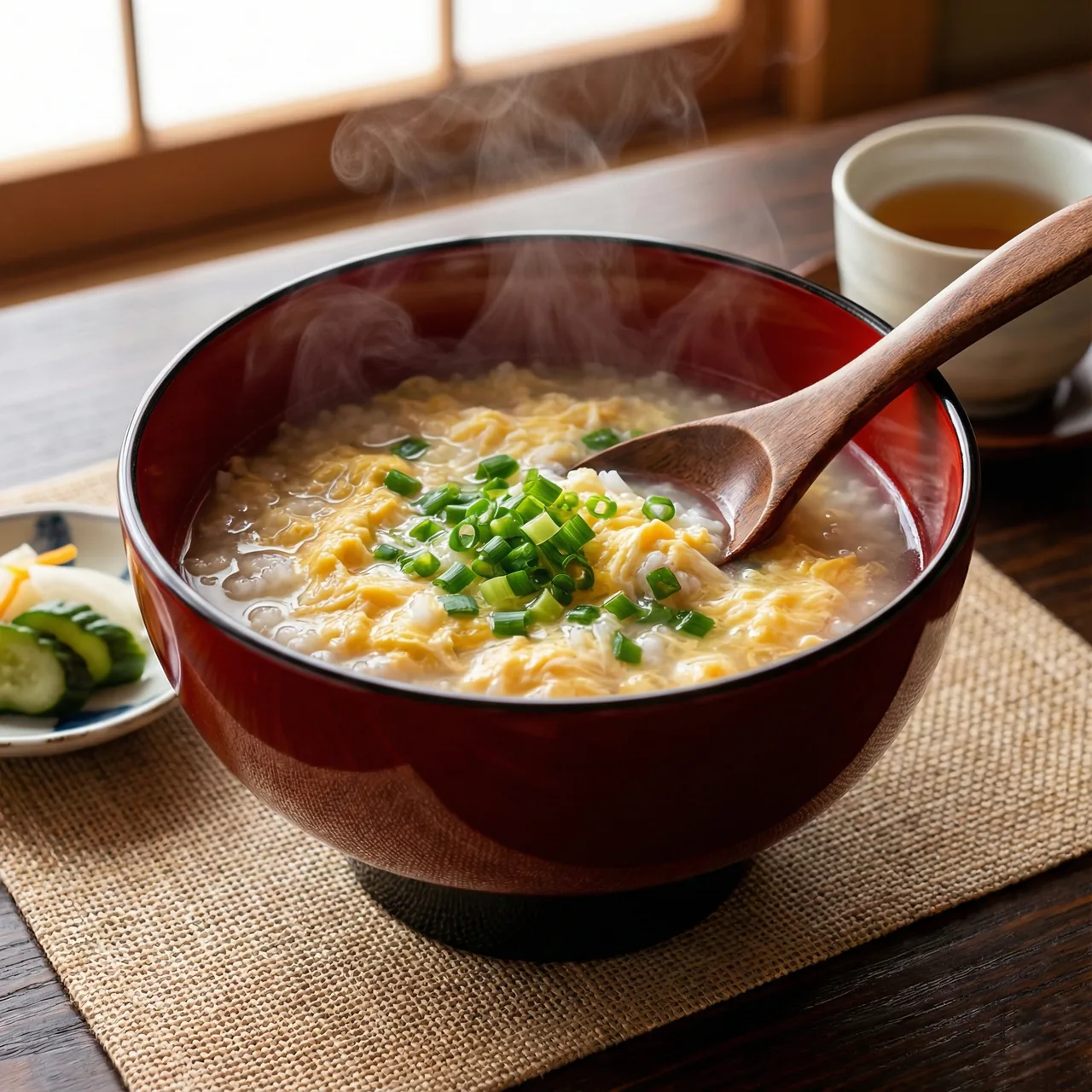
The rice porridge made from the remaining broth is the climax of the meal.
Served in a lacquered wooden bowl, it becomes the kind of closing course you'd pay for at a kaiseki restaurant.
5. Frequently Asked Questions
Refrigerated or frozen — which should I choose?
Refrigerated if you know when you'll eat it; frozen if you want flexibility. When the date is set, refrigerated is easier — no thawing required, and the meat loses less moisture in the process.
Do I need to supply my own vegetables?
It depends on the set, but most ship only the meat and broth — cabbage, hakusai, negi, and tofu are typically your contribution. Vegetable-inclusive sets exist but tend to be lower quality; meat-and-broth-only keeps everything fresh during transit.
What's the shelf life?
Frozen sets: 30–90 days from production date, depending on the brand. Refrigerated sets: typically 3–5 days from the ship date. For New Year's celebrations, order in mid-December or choose frozen to be safe.
Is a hot pot set an appropriate gift?
Hot pot sets are a standard winter gift in Japan and reliably well-received. The one thing to check: for refrigerated sets, confirm the recipient is home to receive delivery. Choose a shop that offers proper gift wrapping (noshi) if formality matters.
I'm worried jidori chicken will be tough.
Jidori has more texture than commercial broiler chicken — that's the point, not a flaw. It isn't "tough" when handled correctly: add it to the pot just before eating rather than letting it simmer for a long time. Overcooking is the only way to make it hard.
Rice or noodles for the finish?
For Hakata mizutaki and most jidori nabe, zosui (rice porridge) is the best use of the remaining broth. Add rice and beaten egg to the hot broth, simmer gently — the umami concentrates into the rice and becomes the most satisfying bite of the meal.
For noodles (udon, ramen), the broth dilutes faster, so set aside a portion mid-meal before it weakens.
6. Final Thoughts: This Winter's Table
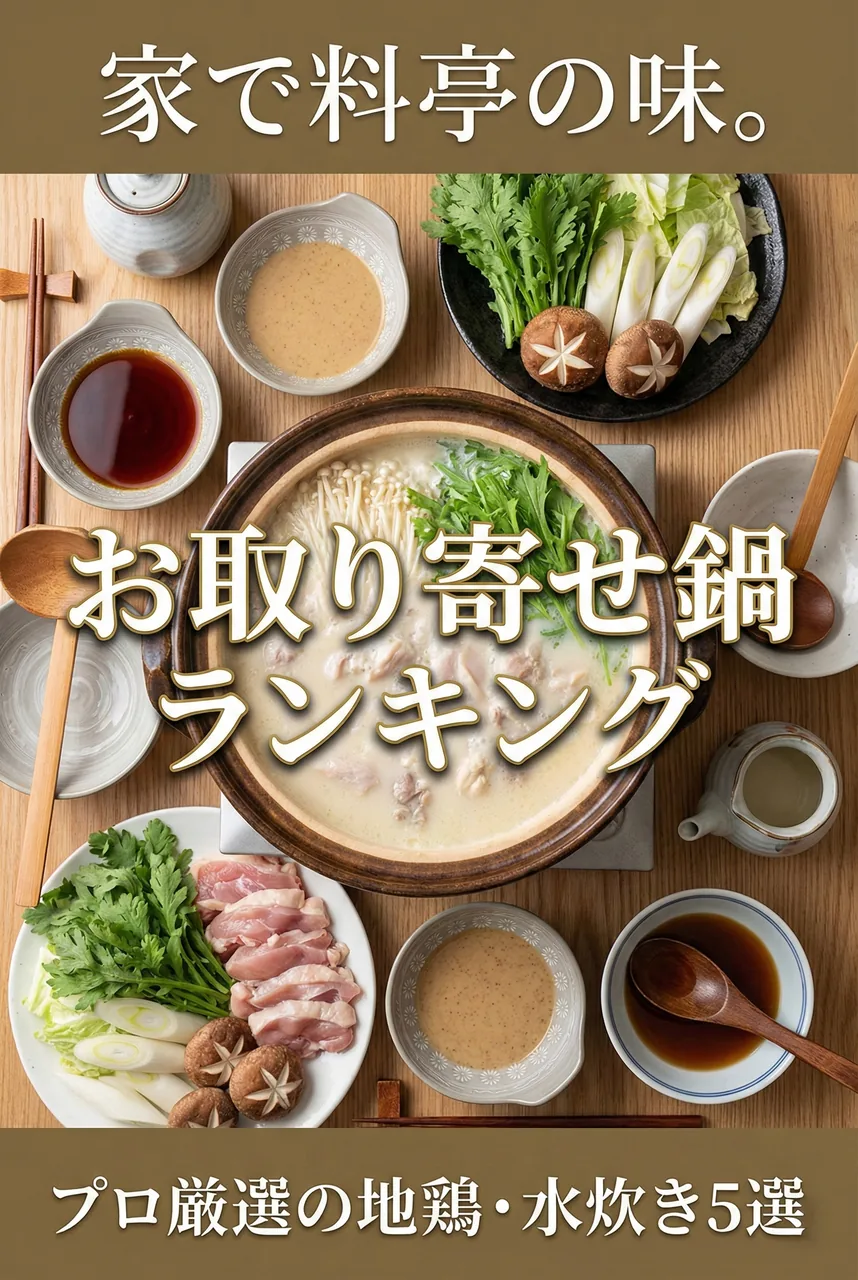
A farm-direct nabe set costs less than a restaurant meal and delivers more — better broth, better meat, served at the pace you want.
This winter: order something serious, pair it with the right clay pot, and sit at a table worth lingering at.
The conversation will take care of itself.
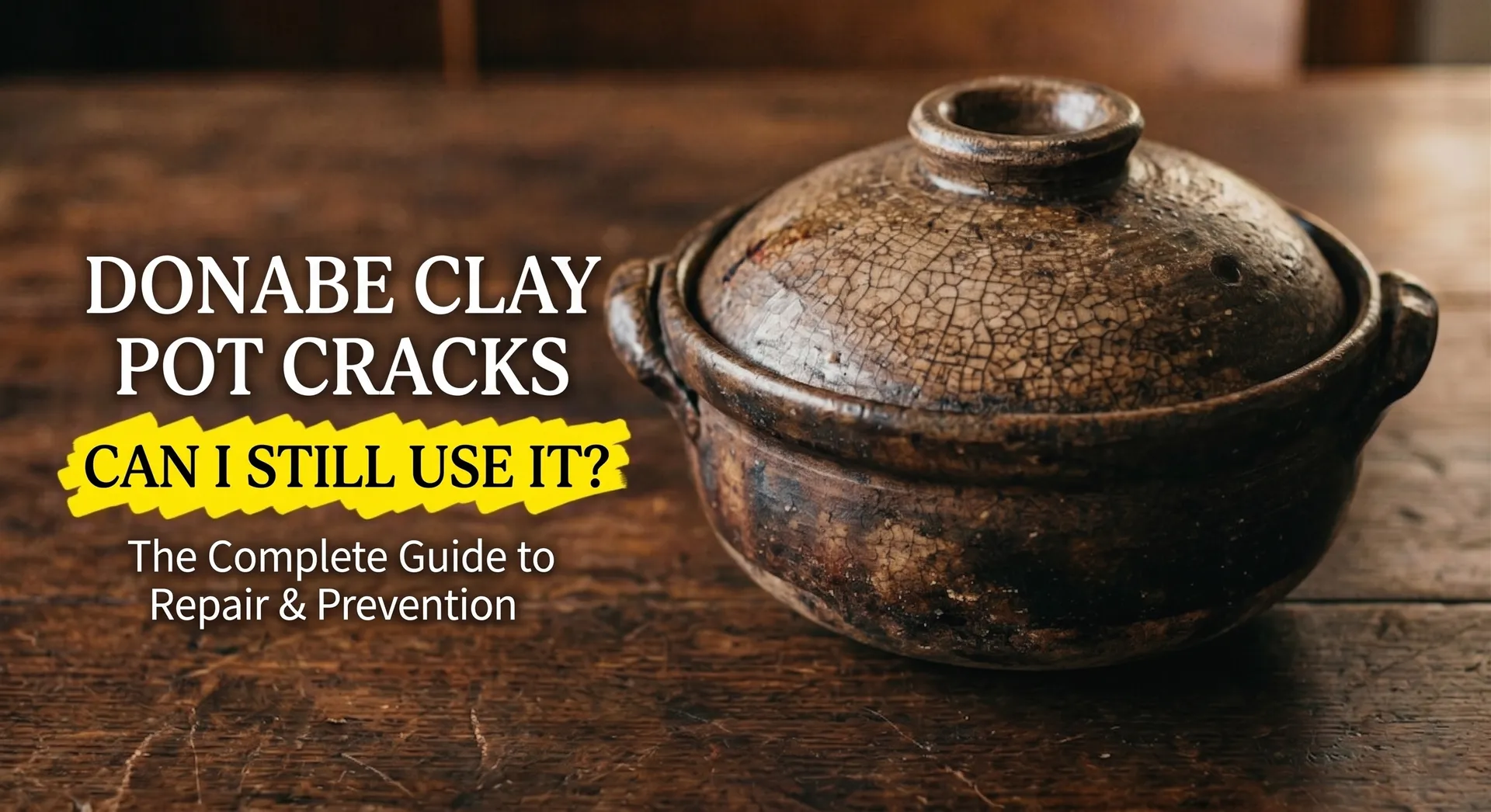
Donabe Care: Japanese Clay Pots from Iga & Banko, Curated
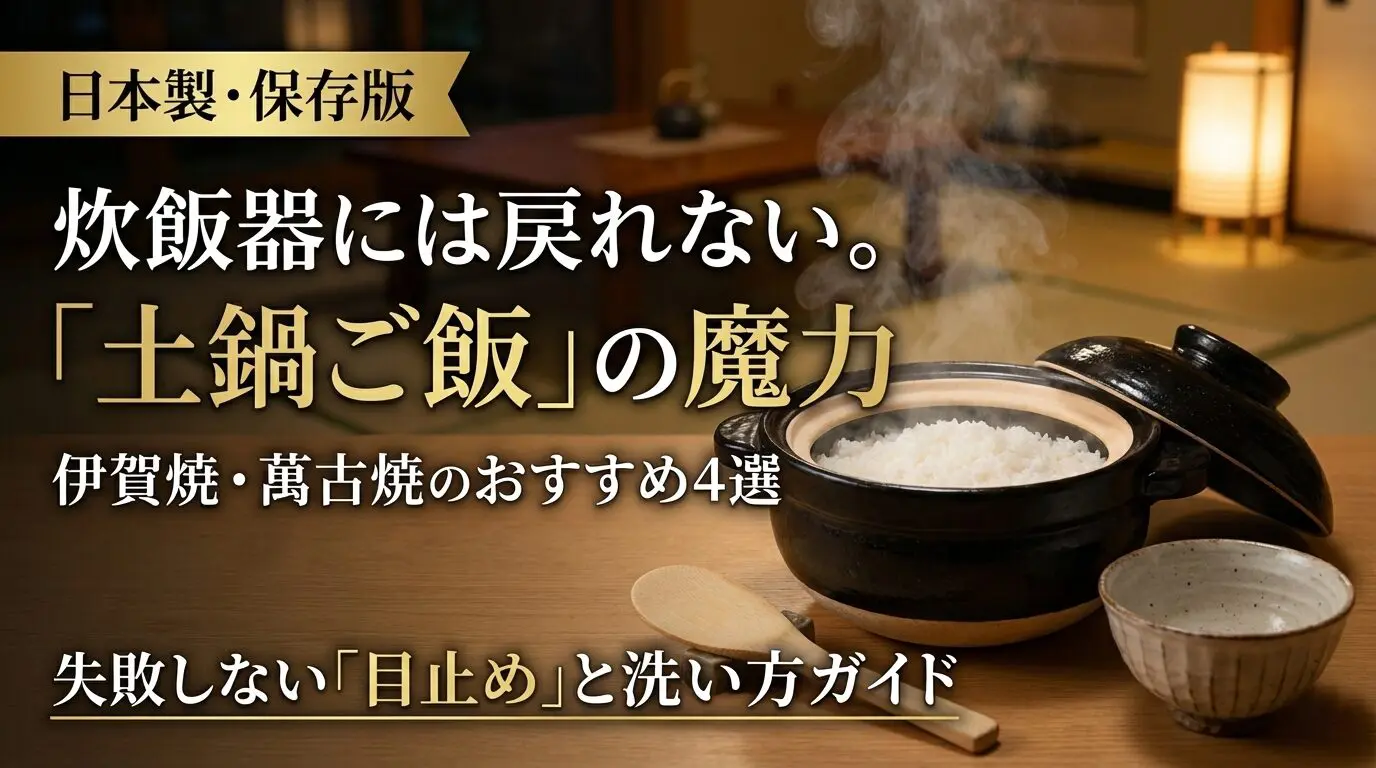
How to Cook Rice in a Donabe: Fluffy, Fragrant Results Every Time