Sharpness Making the World Tremble. Kitchen Knives Inheriting the Soul of "Japanese Swords"
Japanese knives are not merely cookware. They are "seasonings" deciding the taste of ingredients.
・"Sakai (Osaka)" and "Seki (Gifu)":
"Sakai Forged Knives," ostensibly favored by 90% of professional chefs, shine with artisan skills forging and hammering steel. Meanwhile, "Seki," one of the world's three major blade producing areas, merges Japanese sword-making traditions with the latest technology, boasting overwhelming market share from household uses to premium models.
・Sharpness Not Destroying Cells:
Cutting tomatoes or sashimi with a good knife yields a cross-section radiating like a mirror. This is evidence of severing without crushing ingredient cells. The mouthfeel becomes smooth, odd flavors don't seep out, and the culinary taste improves dramatically.
・Beautiful Damascus Patterns:
"Damascus Knives," where heavily layered metals draw ripple-like patterns, boast immense popularity as gifts to famous overseas chefs due to their beauty and durability.
Creating the Table's Scenery. The Aesthetics of Pottery and Lacquerware
Behind Japanese food becoming a UNESCO intangible cultural heritage lies Japan's aesthetic sense tweaking vessels to match seasons and dishes.
・"Pottery (Earthenware)" and "Porcelain (Stoneware)":
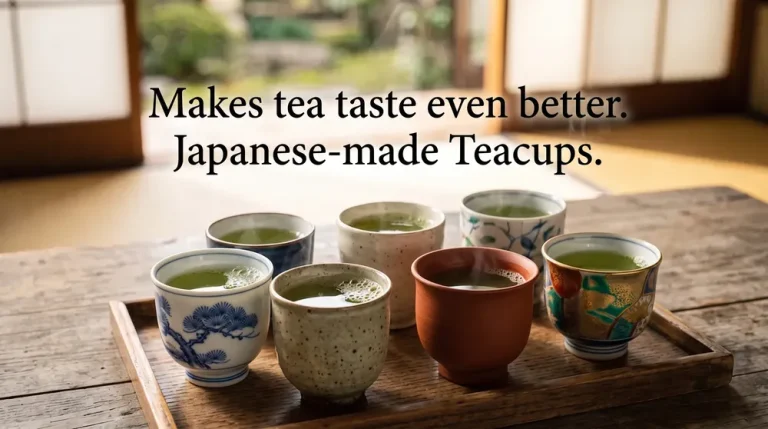
"Mashiko-yaki (Tochigi)" and "Bizen-yaki (Okayama)" where you feel the warmth of soil gently embrace simmered or dressed foods. Contrastingly, glassy, brightly shining white "Arita-yaki (Saga)" and "Kutani-yaki (Ishikawa)" are characterized by vivid painted patterns coloring the table gorgeously.
・Vessels to Be Raised "Lacquerware (Shikki)":
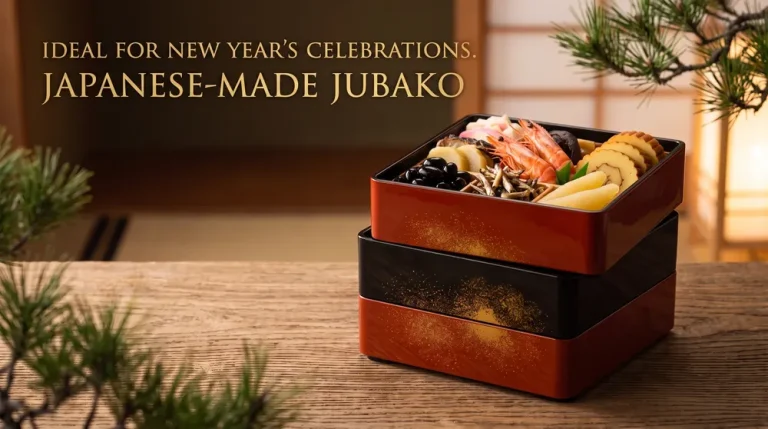
Lacquerware represented by "Wajima-nuri (Ishikawa)" is synonymous with Japan, called "JAPAN" in English. Its low thermal conductivity ensures hands won't get hot even holding scalding miso soup, retaining soft mouthfeels. The luster amplifies the more it's used, granting the joy of watching it "grow" more beautifully than when it was new.
Manipulating Heat. Iron and Copper Frying Pans and Pots
Teflon coatings are convenient, but cooking enthusiasts inevitably end up at "Iron" and "Copper."
・"Nanbu Ironware (Iwate)" Lasting 100 Years:
Heavy, profound iron frypans and pots wield overwhelming heat retention as weapons. The temperature won't drop even when inserting ingredients; steaks finish crispy on the outside and juicy inside, stir-fries crisp up sharply. Being able to absorb iron naturally simply by cooking is a delightful point.
・Professional Favorites "Copper Tamagoyaki Pans":
Copper tamagoyaki pans boasting prominent thermal conductivity spread heat uniformly, causing zero uneven baking to create surprisingly fluffy broth-mixed rolled omelets (Dashimaki Tamago). The aging change shifting to an amber hue the more it's used is also a charm.
The Ritual of "Caring" the Tools You Raise
Good tools become lifelong partners through slight diligence.
・Iron is Raised via "Oil":
Wash iron pans using boiling water and scrubbing brushes without detergent, dry over fire, then lightly coat with oil. Repeating this makes it a "black-shining tool uniquely yours."
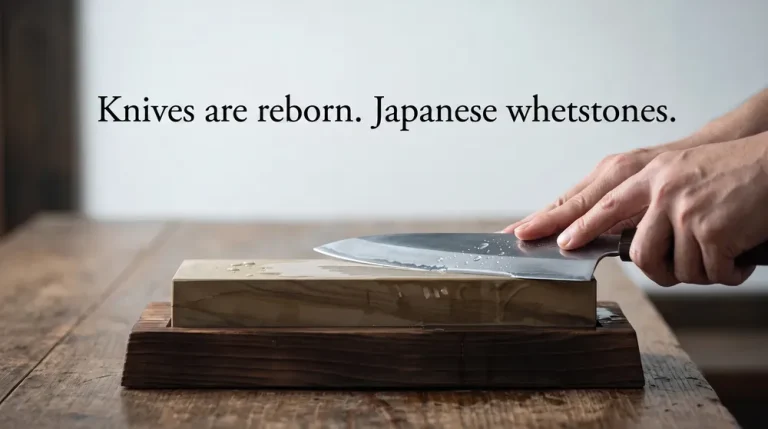
・Knives are "Sharpened":
The time spent honing atop whetstones once a month is also a mindfulness time preparing your heart. The joy the moment sharpness returns raises your cooking motivation once more.