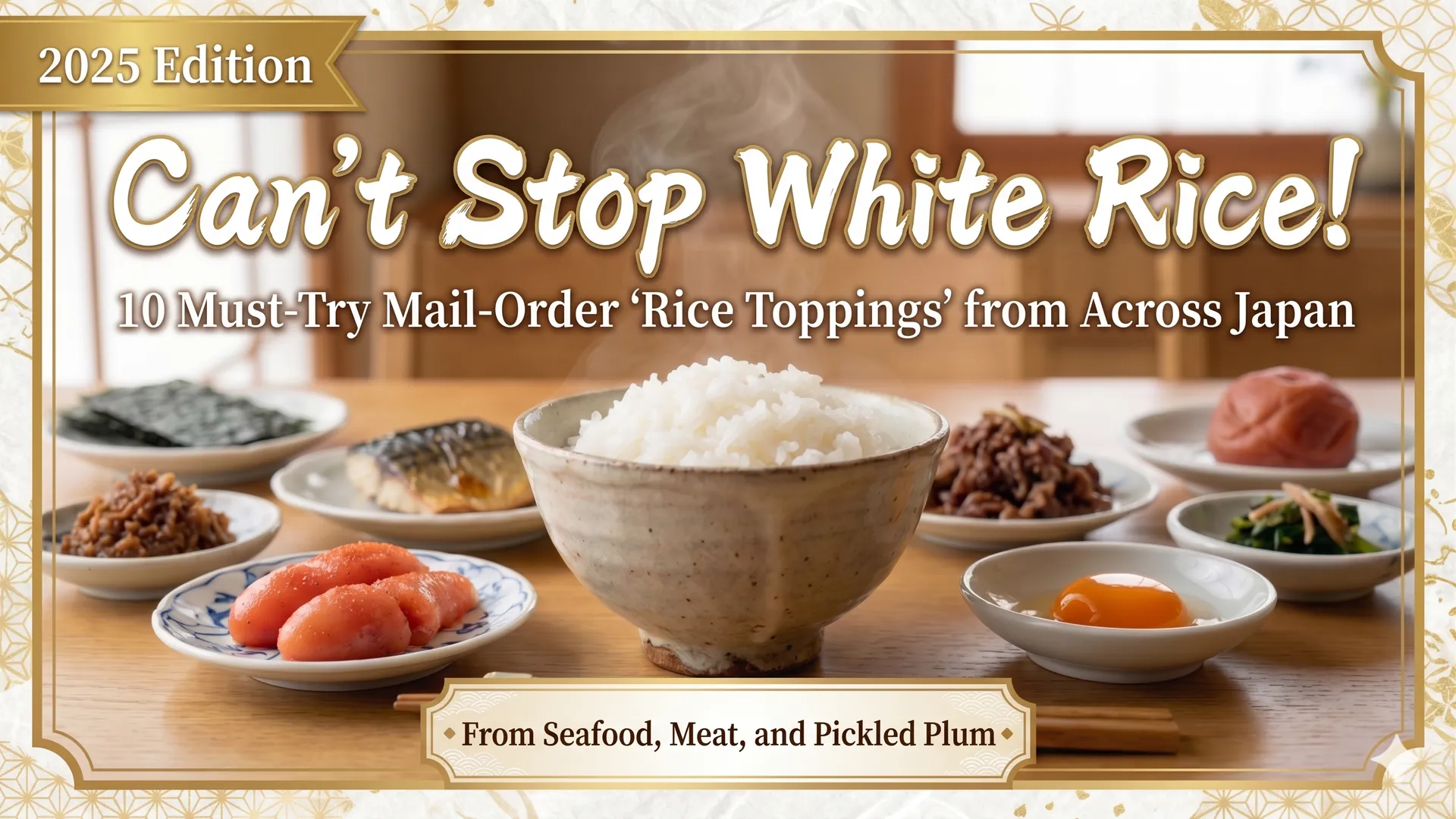
Japan's beloved TKG — tamago kake gohan (raw egg over rice).
You may think you know it. But you've probably never tried a premium egg.
We're talking yolks so firm you can pierce them with multiple toothpicks. A color somewhere between orange and red. Rich, sweet, almost caramel-like depth on the palate.
At 100–300 yen per egg — ten times what you'd pay at a supermarket — but the experience? Easily a hundred times better.
This guide covers the best premium mail-order eggs in Japan, ranked by a TKG enthusiast, plus the recipe upgrades that go far beyond a splash of soy sauce.
Quick Reference: Premium TKG Egg Brands at a Glance
| Breed | Origin | Character | Price Range |
|---|---|---|---|
| Hinai Chicken | Akita | Rich, gamey, wild-flavored yolk | High (¥100–200/egg) |
| Nagoya Cochin | Aichi | Vivid orange yolk, deep umami | High (¥150–250/egg) |
| Mitsuse Chicken | Saga | Clean, refreshing richness | Mid–high (¥80–150/egg) |
| Silkie (Ubukei) | Nationwide | Creamy, sweet, very rare | Premium (¥300–500/egg) |
1. Top 5 Premium Mail-Order Eggs for TKG
Judged on yolk density, richness, and cleanness of finish — five eggs that make TKG enthusiasts stop talking mid-bite.
[No.1] Hyogo / Fujihashi Farm — Yumeo
Three-time consecutive TKG Festival champion — the undisputed king.
The yolk is a deep, almost shocking red-orange. Elastic enough to hold its shape when pierced with multiple toothpicks, let alone a pair of chopsticks. The flavor is intensely rich with a strong natural sweetness — the moment it hits your mouth, you know this is no ordinary egg.
Try your first bite without any soy sauce at all. Let the egg speak for itself.
Best for: Anyone who wants maximum intensity
[No.2] Tottori / Oenosato Natural Farm — Tenbiran
Like a jewelry box. The pinnacle of gift-grade eggs.
From the farm behind the famous pancake restaurants, Tenbiran eggs are free-range, DHA and EPA-rich, with a clean finish despite their richness. The gift set arrives with eggs nestled in rice chaff — the moment you open the box is genuinely theatrical. If you're sending eggs as a gift, this is the one.
[No.3] Oita — Ran-o
Safe for children to eat raw — mineral-rich and naturally flavored.
Raised entirely on plant-based feed without synthetic additives. Classic deep richness with a surprisingly clean finish. The orange yolk is beautiful on the rice, and the flavor cooperates with any soy sauce without competing. A reliable all-rounder that earns repeat orders.
[No.4] Kochi — Tosa Jiro Eggs
Small shell, wild flavor — concentrated power.
Noticeably smaller than standard eggs (around 40g vs. the typical 60g), but the yolk-to-white ratio is higher and the flavor is proportionally more concentrated. The bold, distinctive taste of a truly free-range bird. Addictive after the first try.
[No.5] Hokkaido — Kometsuya (Rice Egg)
The white yolk. Creamy, sweet, and unlike any TKG you've had.
Raised on Hokkaido rice, the yolk is a pale lemon yellow — almost white. Looks mild, tastes surprisingly creamy and sweet. Rather than soy sauce, this egg is better finished with a pinch of salt or a drizzle of olive oil. A completely different TKG experience that opens up entirely new flavor directions.
2. Next-Level TKG: Forbidden Recipe Upgrades
A splash of soy sauce is just the beginning.
With the right oil, texture, and technique, tamago kake gohan becomes something closer to a composed dish.
① Oil Combinations — Soy Sauce + Oil = Ultimate Sauce
- Sesame oil + salt (Korean style):
Replace soy sauce with a pinch of salt and finish with a drizzle of sesame oil. The egg's natural sweetness comes through cleanly, with a toasty, aromatic finish. Scatter Korean seasoned seaweed on top and it's complete. - Olive oil + black pepper + parmesan (Italian style):
Mix egg into hot rice, then add olive oil and a generous amount of grated parmesan. Rich, savory, and deeply satisfying — like a thick carbonara risotto without any pasta.
② Texture Upgrades — Crunch and Umami That Won't Let You Stop
Introduce something crispy into the silky egg and rice combination, and you'll find it impossible to put the bowl down.
Tenkasu (tempura bits) + mentsuyu (Tanuki TKG):
Crispy tenkasu absorbs the egg liquid as you eat, generating a subtle, layered richness. Use mentsuyu (dashi-based noodle broth) instead of plain soy sauce for added depth.
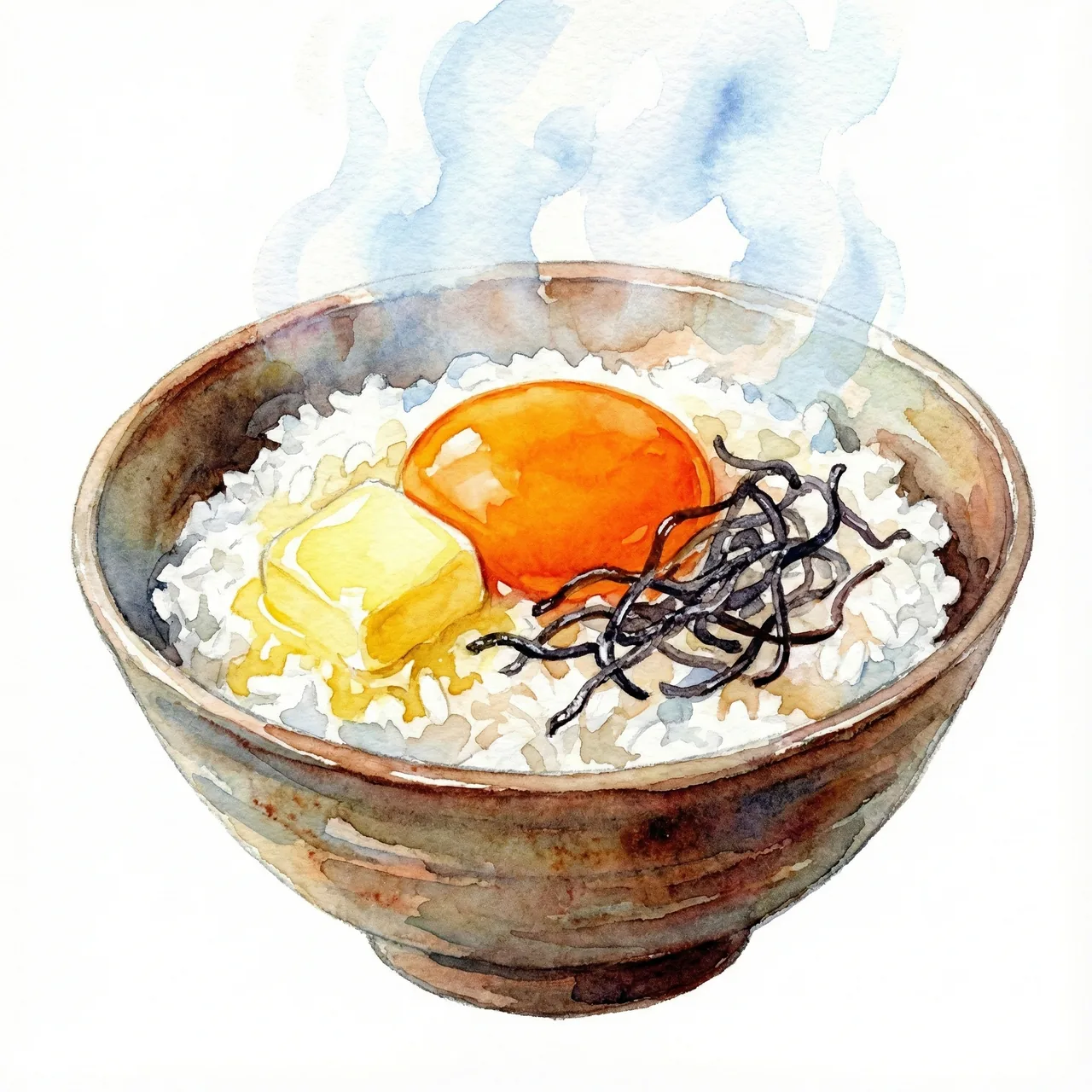
Shio konbu (salted kelp) + butter (The Sinful TKG):
Bury a small pat of butter in the center of your hot rice, let it melt, then add the egg and shio konbu on top. The synergy of butter fat with konbu's glutamate umami is genuinely destabilizing. A spoonful becomes five.
③ The Frozen Egg Technique — A Pro-Level Method
If you have time to plan ahead, this is the ultimate technique.
Wrap a raw egg in plastic, seal it in a zip-lock bag, and freeze it overnight.
Once thawed and cracked open, the yolk has lost its water content and transformed into a dense, fudge-like mass — the texture of raw caramel. Placed on a bowl of steaming hot rice, it melts slowly like a sauce, coating every grain with the richest flavor imaginable. The single most intense TKG experience possible.
3. The Right Bowl and Soy Sauce for the Perfect TKG
Once you have the eggs and the recipes sorted, there's one more upgrade left: the tools.
The ease of mixing and the precision of pouring soy sauce both affect the result.
A non-drip soy sauce dispenser — no more messy tables
Every TKG lover knows the frustration: you pour the soy sauce and a drop trails down the spout onto the table. A well-designed glass or porcelain soy sauce dispenser stops the flow cleanly — exactly the amount you want, every time.

A deep rice bowl — more room to mix without spilling
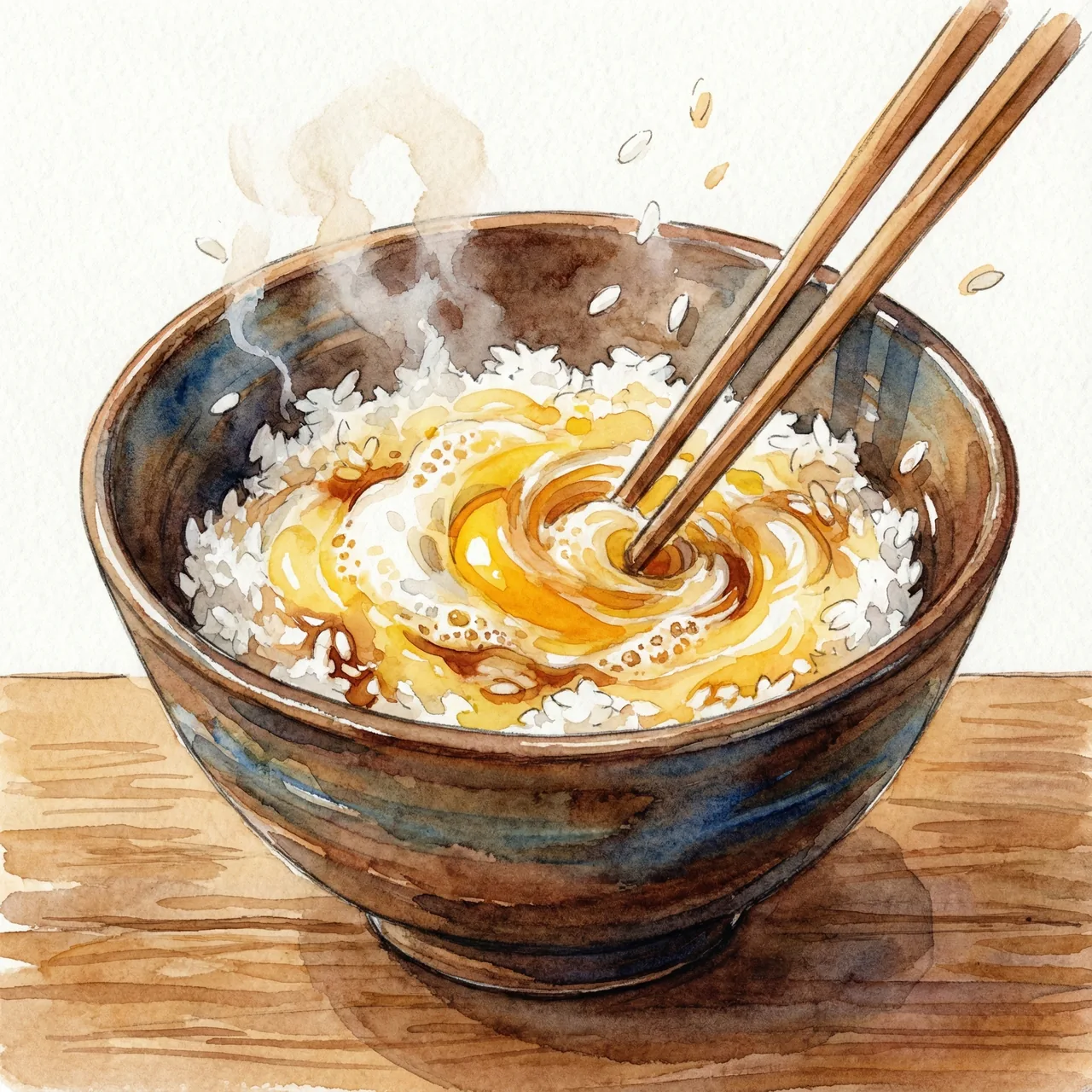
Mixing raw egg vigorously into a rice bowl requires depth. A shallow flat bowl lets everything spill out. A tall, deep rice bowl gives you room to work the egg through the rice properly without worry.
4. Frequently Asked Questions
How long are eggs safe to eat raw?
Japanese eggs are labeled with a best-before date that specifically covers "safe for raw consumption" — typically about two weeks from laying in summer, slightly longer in cooler months.
Past that date, don't discard them — cook them thoroughly (soft-boiled, scrambled, stir-fried) rather than eating raw.
Does a darker yolk mean more nutrition?
Not exactly — yolk color is determined by the chicken's feed (paprika and crustacean shells create deeper orange and red tones). Darker does not automatically equal more nutritious.
That said, producers who use expensive specialty feed to achieve vivid yolk color tend to care deeply about the overall raising environment, so deeper color often correlates with richer flavor and more attentive farming.
What's the difference between jidori (native breed) eggs and regular eggs?
Jidori chickens are free-range with high activity levels, producing denser, more flavorful yolks with noticeably more elasticity. Their feed is almost always carefully selected. The price is several times higher than commercial eggs, but in TKG, the difference is immediately apparent — you taste it before you can analyze it.
Which soy sauce pairs best with TKG?
"TKG soy sauce" (specially blended with dashi) is available from several Japanese soy sauce producers and is designed exactly for this purpose. Among standard soy sauces, saishikomi (re-brewed, double-fermented) and tamari (thick, low-wheat) types complement rich yolks well — the heavier umami matches the egg's richness without getting lost.
What else can I do with frozen egg yolks?
Thawed frozen yolks work beautifully as a ramen topping (stays intact and melts slowly into the broth), as an ingredient in rice bowls where you want a decorative yolk that doesn't break, or even as a snack on its own when semi-frozen — the concentrated yolk at half-melt temperature is deeply addictive.
Where can I buy premium eggs?
Rakuten Market, Amazon Japan, and the farms' own official websites all offer mail-order. TKG Festival award-winning eggs sell out quickly and can go out of stock seasonally — a subscription-style order is the most reliable way to ensure a regular supply.
5. Final Thoughts: Just One Egg Can Transform a Morning
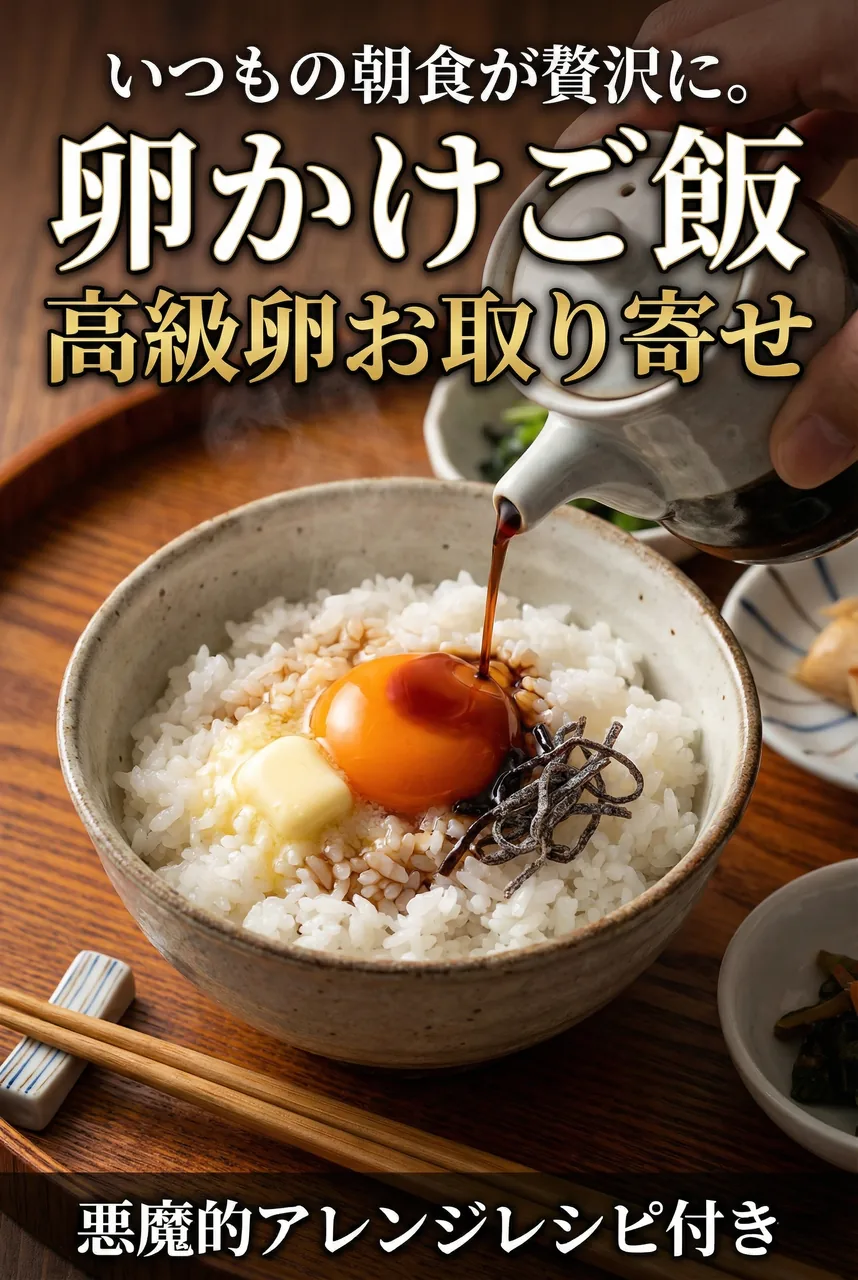
Swap a single egg and a bleak weekday morning becomes something you actually look forward to.
The depth of a premium yolk. The endless variations waiting to be discovered. For the cost of one good cup of coffee, the return in pure morning happiness is hard to beat.
This weekend, get the best rice you can find and one of these eggs. Then figure out your own ultimate TKG.

Japan's Top 7 Premium Rice Varieties | Ranked by Flavor and Texture

Best Rice Accompaniment Mail-Order Ranking: TOP 10 Dangerously Delicious Picks