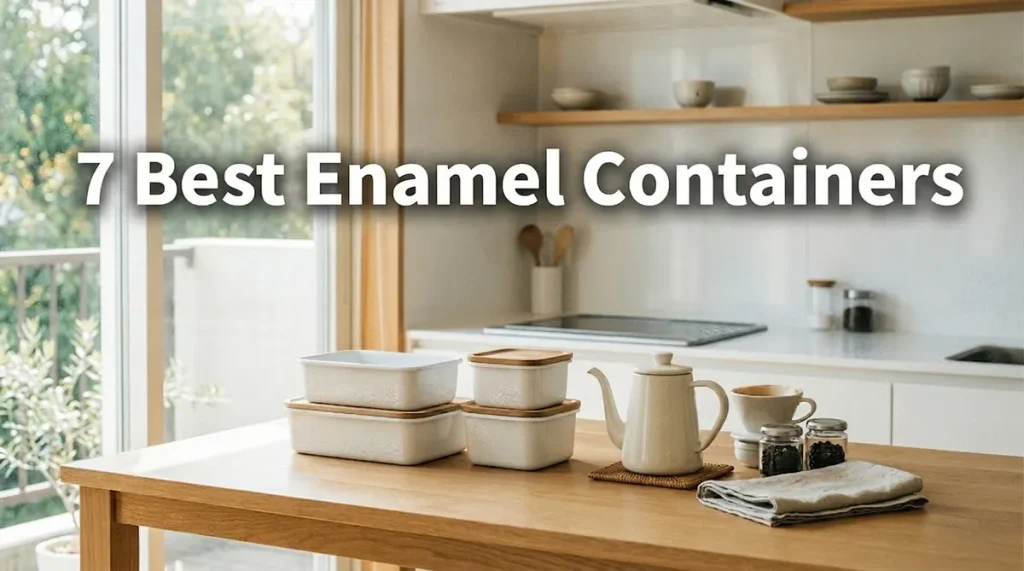
Open the fridge to a jumble of mismatched plastic containers — does that sight leave you unsettled?
Many people who switch to enamelware say the same thing: after making the change, both how they store food and how
the kitchen looks feel noticeably more composed.
No odor transfer, safe on open flame and in the oven, no worries about acidic foods. Japanese enamelware is the kind of tool that makes you wonder why you waited so long to buy it.
This guide covers everything you need to choose the right Japanese enamelware container — brand comparisons across Noda Horo, Fujihoro, and Tsukiusagijirushi, 7 top picks by use case, and care tips to keep them going for decades.
Quick Reference: Japanese Enamelware Containers at a Glance
| Use Case | Recommended Product | Why It Works |
|---|---|---|
| Storing meal-prepped dishes | Noda Horo White Series Square M | No odor transfer — keeps fridge tidy |
| Pickling, marinating, vinegar dishes | Noda Horo Rectangle Shallow L | Highly acid-resistant — locks in color and aroma |
| Large batches of simmered dishes | Noda Horo Rectangle Deep L | Large capacity — goes straight from fridge to flame |
| Storing and filtering cooking oil | Noda Horo Locapo Oil Pot | Activated-carbon filter — oil stays fresh longer |
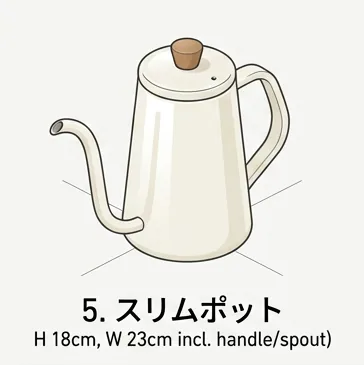
| Pour-over coffee or tea brewing | Tsukiusagijirushi Slim Pot 1.2L | Narrow spout for precision pouring — looks great on the counter |
| Adding color to your kitchen | Fujihoro Honeyware Cucca M | Navy, red, and more — stylish and functional |
| Breading and marinating | Fujihoro Enamel Batt M | Ideal for pre-prep work — stackable and easy to clean |
What Is Enamelware? Understanding the Material
Enamelware (called horo or shippoyaki in Japanese) is made by fusing a glass-based glaze onto a metal base — usually iron or aluminum — at high heat. The result is a material that combines the durability of metal with the cleanliness of glass.
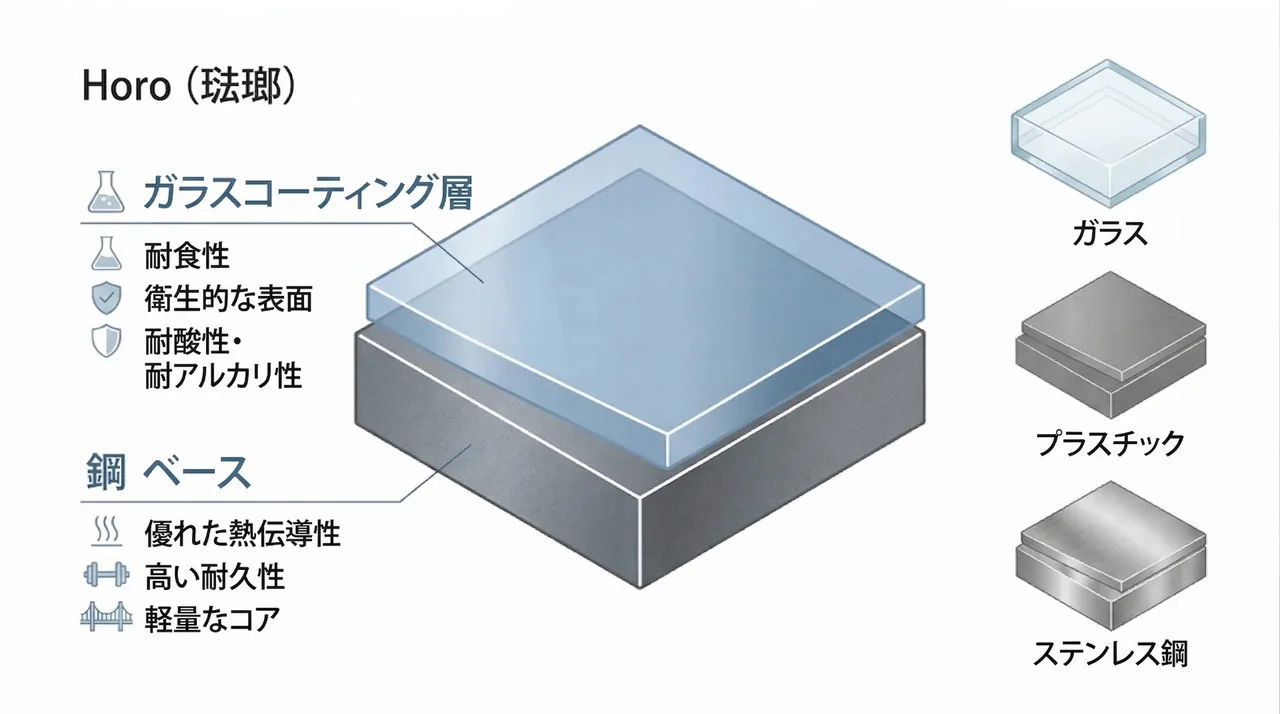
Key properties of enamelware:
- No odor transfer: The glass surface doesn't absorb food odors or pigments. Store curry or kimchi without it affecting the next batch.
- Highly acid-resistant: Handles vinegar, lemon, pickled plum (umeboshi), and other acidic foods without degrading — a clear advantage over plastic.
- Direct flame and oven safe: Most models go from fridge to stovetop directly (check manufacturer specs). Cook, store, and reheat in a single container.
- Not microwave safe: The metal base reflects microwaves. This is the one limitation to keep in mind.
Did You Know: "Horo" vs. "Enamelware"
The Japanese word horo comes from the Dutch email. The kanji form (琺瑯) is from Chinese. In English, the same material is called "enamelware." If you're shopping globally, searching "enamel" will turn up the most results.
Why Japanese Enamelware Stands Apart
Enamelware is made worldwide, but Japan-made pieces consistently earn a loyal following. Here's why.
Rigorous quality control: Japan's major makers like Noda Horo and Fujihoro maintain their own exacting standards. Decades of manufacturing know-how show in the uniformity of the glass coating, the consistency of the firing temperature, and the smoothness of the edges.
Food safety focus: Japanese enamelware meets Japan's Food Sanitation Act standards. The interior coating — the surface that contacts your food — is tested to ensure it contains no harmful substances.
Built to last decades: With proper care, Japanese enamelware can last 10 to 20 years or more. Think of it in terms of cost-per-year rather than sticker price, and it becomes one of the most economical choices in the kitchen.
Repair support: Noda Horo offers paid repair service for its products. The ability to fix rather than discard is part of what makes these tools feel like lifelong companions.
Choosing by Shape: Square, Rectangle, Batt, Pot
Each enamelware shape has its strengths. Think about your primary use case before you buy.
Square Containers
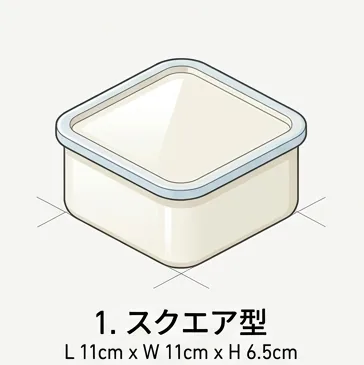
Efficient use of fridge space, ideal for storing meal-prepped side dishes. Stack multiple sizes to keep the fridge organized. The Noda Horo White Series Square is the classic example.
Rectangle Shallow
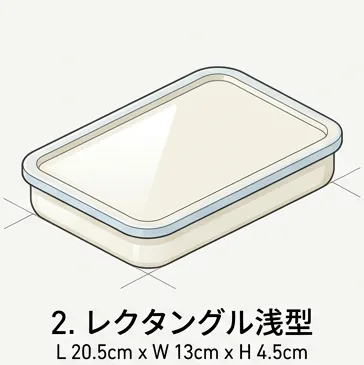
Great for marinating fish, making pickles, or using as a tray. Food spreads out flat, so it marinates evenly. Fits neatly on refrigerator shelves.
Rectangle Deep
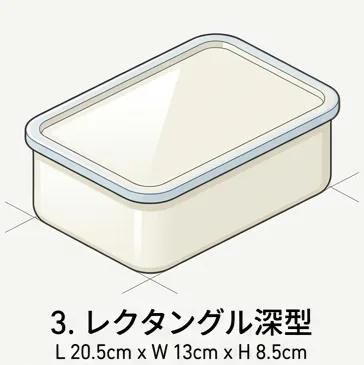
Holds large batches of stews or soups and goes straight from fridge to flame for reheating. Cook, store, and reheat in the same container — the complete kitchen workhorse.
Oil Pot
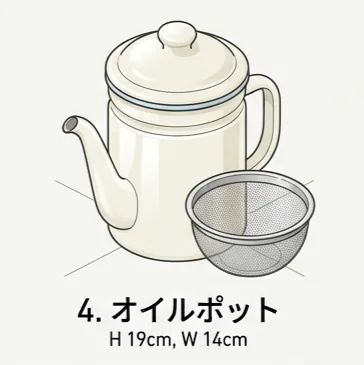
Designed to filter and store used cooking oil. Enamel doesn't absorb odors, and the oil degrades more slowly. Some models include an activated-carbon filter.
Slim Pot / Kettle
A narrow-spout drip kettle for coffee or tea. Direct-flame models let you boil water and pour directly. Beautiful enough to leave on the counter.
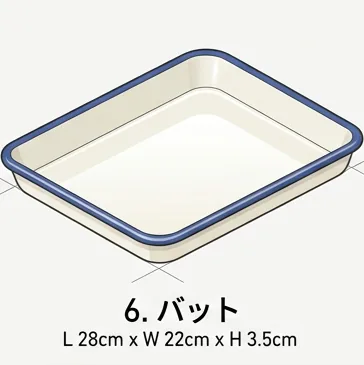
Batt (Prep Tray)
Used for breading, marinating, and oven cooking. Stackable versions save storage space. A staple in professional kitchens for good reason.
Did You Know: The Enamel Batt Has Medical Roots
The enamel batt (tray) originated in labs and medical settings, chosen for its cleanliness and chemical resistance before migrating to the kitchen. Its ability to resist odors and clean up easily made it perfect for food prep — which is why it's still a fixture in commercial kitchens today.
The Big Three Brands: Noda Horo, Fujihoro, and Tsukiusagijirushi
Understanding each brand's personality makes it much easier to choose the right one.
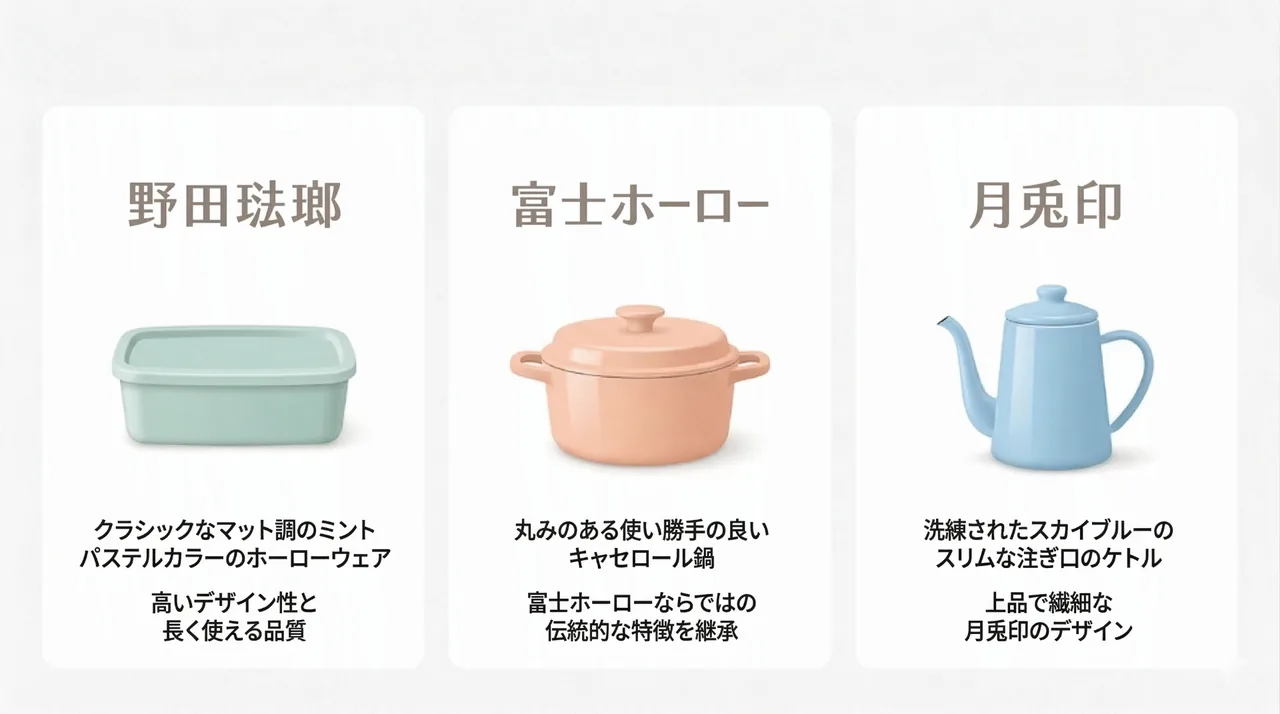
Noda Horo
Founded in 1934 in Koto, Tokyo, Noda Horo is the benchmark brand for Japanese enamelware. Their signature White Series storage containers are used in kitchens across Japan. Every product is made in Japan, and the company offers paid repair service. If you're primarily looking for storage containers, start here.
Fujihoro
Based in Tsubame City, Niigata, Fujihoro is known for colorful, design-forward series like Honeyware (HONEY WARE) and Conte. They offer more variety in shape and color than Noda Horo, making them a great choice for anyone who wants their kitchen to feel more vibrant. Note: Fujihoro's lineup includes both Japanese-made and imported products — check the product page to confirm "Made in Japan" before purchasing.
Tsukiusagijirushi (Moon Rabbit Mark)
Best known for their slim drip kettle, Tsukiusagijirushi is a favorite among pour-over coffee and tea drinkers. Available in white, black, red, navy, and more. All designs are clean and functional. Note: As of 2025, production has been suspended following the business closure of their parent company, Fujii Co., Ltd. If you find new stock, it may be your last chance.
Top 7 Japanese Enamelware Containers
Noda Horo White Series Square M (with seal lid)
- Features
- Noda Horo's iconic storage container. The pure white minimalist design keeps the fridge looking clean. No odor or color transfer, handles acidic foods, and comes with a seal lid for everyday use.
- Best for
- Storing meal-prepped side dishes in the fridge. An ideal starter piece for anyone new to enamelware.
- Size guide
- M (approx. 800ml); also available in S and L. Buying multiple sizes at once is common.
Noda Horo White Series Rectangle Shallow (with seal lid)
- Features
- The flat, wide shape lets food sit in a single layer — ideal for marinating fish, making pickles, or any acidic preparation. Doubles as a batt for breading meat.
- Best for
- Anyone who pickles, makes tsukemono (Japanese preserved vegetables), or marinates regularly. Also useful as a prep tray.
- Size guide
- S (approx. 500ml) linked below. M and L sizes also available on the Nodahoro storefront.
Noda Horo White Series Rectangle Deep L (with seal lid)
- Features
- A high-capacity deep container for storing stews and soups directly from the pot. Flame-safe, so you can reheat straight from the fridge without transferring to another pan. Cook → store → reheat, all in one vessel.
- Best for
- Batch cooks who make large quantities and eat over several days. Anyone who wants to minimize pots and pans.
- Size guide
- L (approx. 1500ml) — perfect for soup and stew stock.
Noda Horo Locapo Oil Pot 800ml
- Features
- Filters and stores used cooking oil. The activated-carbon filter absorbs odors and impurities, extending the oil's usable life. Enamel construction means no odor is absorbed into the pot itself — clean and hygienic for repeated use.
- Best for
- Anyone who fries regularly and wants to reuse cooking oil cleanly and safely.
- Capacity
- 800ml — holds 2–3 uses of frying oil.
Tsukiusagijirushi (Moon Rabbit) Slim Pot 1.2L
- Features
- An enamel drip pot with a narrow spout — great for pour-over coffee and precision tea pouring. Direct-flame safe, so you can boil water on the stove and pour straight into the dripper. Available in a range of colors including white, black, and red.
- Best for
- Daily pour-over coffee drinkers. Anyone who wants a kitchen tool that's also a countertop decoration.
- Capacity
- 1.2L (suitable for 2–3 cups). 0.7L and 1.7L sizes also exist. Note: Production suspended as of 2025 — current stock may be the last available.
Fujihoro Konte Series Enamel Deep Container M
- Features
- A deep enamel storage container from Fujihoro's Konte series — clean, functional design with a matte-white finish. Direct-flame and oven safe. Mix sizes within the series to create a coordinated kitchen aesthetic.
- Best for
- Anyone who wants to add a refined, design-conscious piece to the kitchen while keeping the full functionality of enamelware.
- Capacity
- Approx. 1.12L (M size). Confirm "Made in Japan" on the product page before purchasing.
Fujihoro Enameled Frying Batt Set of 5
- Features
- A set of 5 shallow enamel prep trays in graduated sizes — ideal for breading, marinating, and oven cooking. No odor transfer, rinses clean easily, and nest together to save cabinet space.
- Best for
- Home cooks who fry or bake frequently. Anyone who wants a complete prep tray set that's hygienic and easy to maintain.
- Set contents
- 5 trays in graduating sizes. A practical set for multi-step breading (flour → egg → breadcrumbs).
Care and Maintenance Tips
Enamelware lasts for decades with the right care. The wrong approach can chip or crack the glass coating, leading to rust.
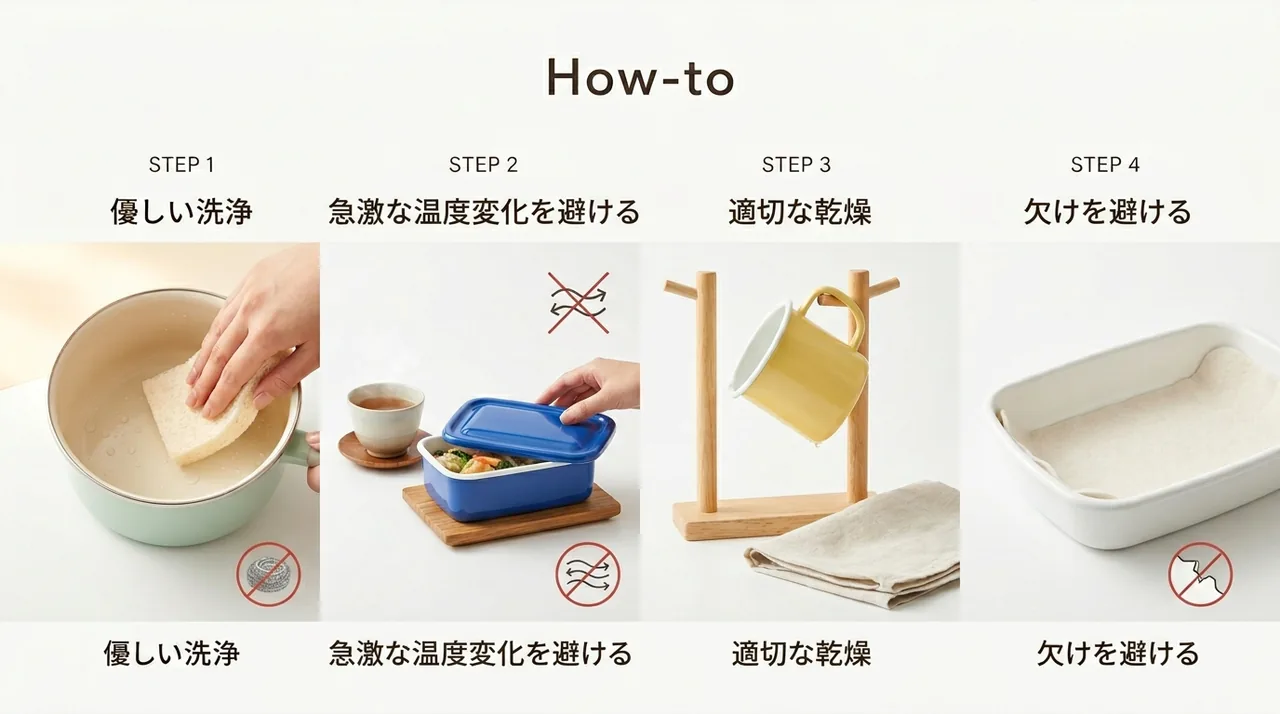
Everyday Washing
Use a soft sponge with mild dish soap. The glass coating scratches easily, so never use metal scrubbers or abrasive cleansers. For stubborn residue, soak in warm water for a few minutes before washing.
Avoid Bleach and Strong Alkaline Cleaners
Chlorine bleach and highly alkaline detergents can damage the enamel coating. For tough stains, a paste of baking soda dissolved in water is a safer alternative.
Avoid Sudden Temperature Changes
Going directly from cold fridge to high heat, or plunging a hot container into cold water, can cause the coating to crack. When using over direct flame, always start on low or medium heat.
If It Chips
A chip exposes bare metal, which can rust and spread. Small chips can be repaired with an enamel repair kit (available at hardware stores). Noda Horo also offers paid repair service — contact them directly for details.
Did You Know: Yellowing in White Enamelware
Storing strongly pigmented foods like curry or tomato sauce in white enamelware for extended periods can cause staining. Soaking in warm water with baking soda dissolved in it can reduce discoloration. Complete removal isn't always possible, but the container remains safe to use. Think of it as honest wear — part of living with the tool.
Frequently Asked Questions
Can I use enamelware in the microwave?
No — enamelware has a metal base that sparks in a microwave. Reheat on the stovetop or in a water bath instead. Flame-safe models make this easy: just set them directly over heat straight from the fridge.
Is it safe to store strongly scented foods like kimchi?
Yes. The glass-based interior surface of enamelware doesn't absorb odors or pigments, making it excellent for kimchi, curry, garlic, or any other pungent ingredient. Note that plastic lids (which come with most sets) can absorb odors over time.
Can I freeze food in enamelware?
Yes, most enamelware is freezer-safe (check individual product specs). However, avoid transferring a frozen container directly to high heat — allow it to thaw in the fridge first to prevent thermal shock cracking.
Noda Horo vs. Fujihoro — which should I choose?
For simple white storage containers, go with Noda Horo. For colorful designs and a wider range of shapes, Fujihoro is the better choice. Noda Horo's entire lineup is Japan-made and repair-supported, which appeals to anyone looking for a lifelong investment. Fujihoro's Honeyware series brings more personality to the kitchen if aesthetics matter to you.
My enamelware has started to rust. What should I do?
Rust forms where the coating has chipped and bare metal is exposed. For light surface rust, soaking in a citric acid solution and then gently scrubbing with a soft sponge can help. For significant damage, use an enamel repair kit or contact Noda Horo's customer service for a paid repair estimate.
Are the seal lids airtight?
The plastic seal lids that come with most enamelware sets provide a reasonable but not airtight seal. They're fine for fridge storage and odor containment, but don't carry them sideways with liquid inside. For truly airtight storage, look for lids with silicone gaskets.
Final Thoughts: Tools You Never Have to Replace
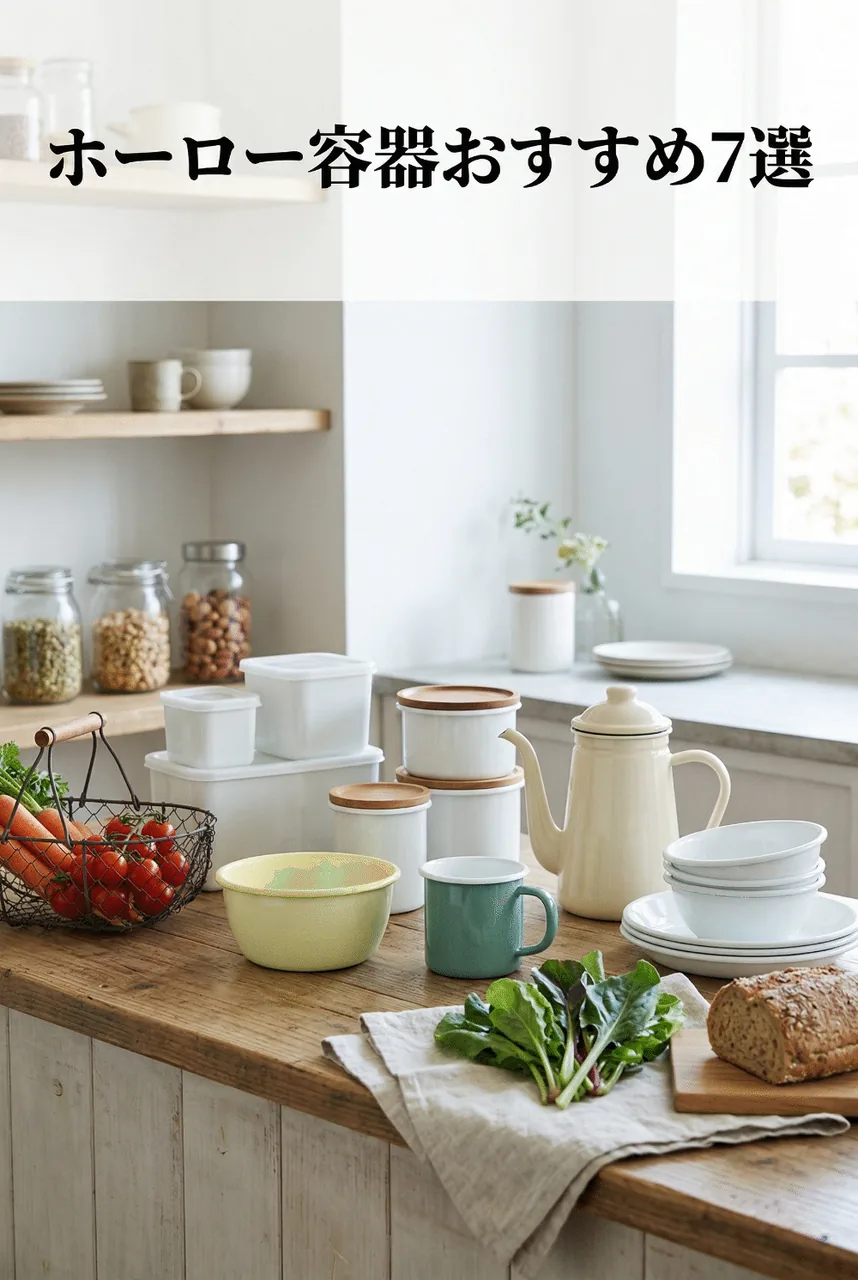
Japanese enamelware combines the functional advantages of no odor transfer, acid resistance, and direct-flame
safety with the clean, timeless look that makes a kitchen feel intentional.
Unlike plastic containers that you replace when they stain or warp, enamelware — treated right — lasts 10, 20,
even 30 years.
A kitchen stocked slowly with tools like these becomes a place you want to spend time in.
Start with one Noda Horo Square or Rectangle.
Once you experience life with enamelware, you'll find yourself adding to the collection naturally.
Donabe Clay Pot Care: A Complete Guide to Seasoning and Maintenance
Japanese Cutting Boards: Wood, Bamboo, or Plastic — How to Choose