"Why does homemade soba or udon never taste as good as at a restaurant?"
"Washed vegetables go limp so fast when left in a bowl…"
Both problems often come down to one thing: drainage.
Professional cooks reach for a bamboo zaru (bon-zaru) not because it looks beautiful — though it does — but because bamboo has a natural water-absorption quality that metal cannot replicate.
Bamboo wicks away excess surface moisture from noodles, keeping them springy and flavorful. Vegetables stay crisp longer.
"Won't it mold?" — only if stored damp. Care is actually simple: no soap, just hang it to dry.
This guide covers how to choose a lifetime Japanese-made bamboo zaru, and the one habit that keeps it mold-free for decades.
Quick Reference: Japan's Three Great Bamboo Zaru Regions Compared
| Feature | Beppu (Oita) | Togakushi (Nagano) | Kyoto |
|---|---|---|---|
| Material | Madake bamboo (supple) | Nemagari-dake (hard, tough) | Madake / moso bamboo (delicate weave) |
| Character | Beautiful weave, highly versatile | Best drainage, beloved by soba chefs | Modern design, doubles as tableware |
| Best Uses | Noodles, vegetables, drying — all-round | Serving soba and udon | Bread, fruit, table display |
| Aging | Turns a beautiful amber in a few years | Stays smooth and solid with use | Keeps its delicate texture long-term |
| Best For | First zaru — the safe all-rounder | Noodle purists, function-first | Table styling enthusiasts |
1. Why Professionals Choose Bamboo: The Capillary Action Advantage
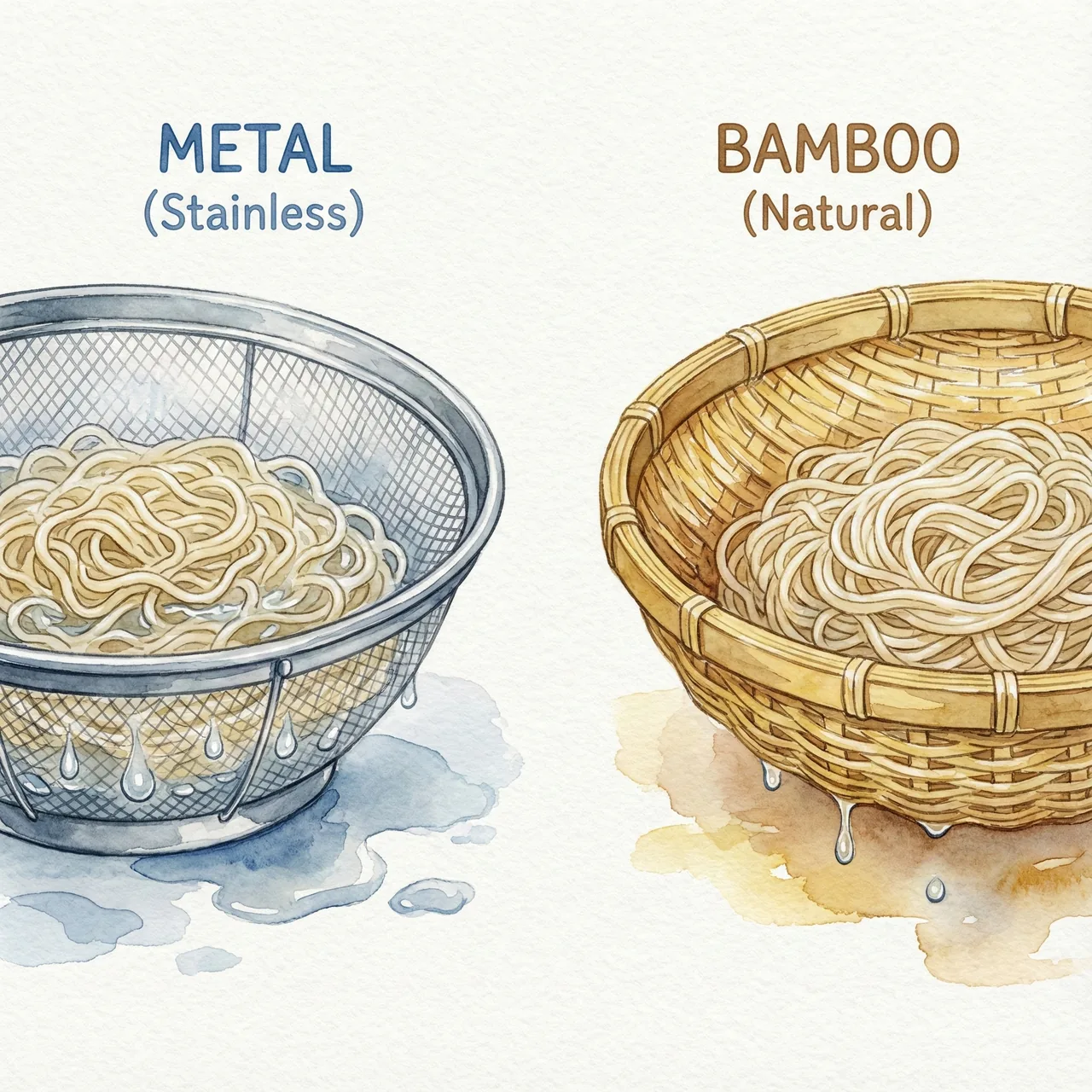
Stainless steel colanders are hygienic and convenient — but when it comes to bringing out the best flavor, bamboo wins every time. The reason lies in bamboo's natural physical properties.
Capillary Action Wicks Surface Moisture — That's What Makes Noodles Better
When you drain soba or udon in a stainless mesh colander, surface tension causes water to cling to the metal as a thin film, pooling at the bottom — that residual water soaks back into the noodles, making them soft and watery.
Bamboo has a porous internal structure with countless microscopic vascular channels.
Capillary action physically draws excess surface moisture away from the noodles at speed, while the open weave creates airflow that further evaporates moisture through convection cooling.
The result: noodles retain their chew and wheat flavor to the very last bite. The same principle means hot tempura and toast placed on a bamboo zaru won't get soggy underneath from condensation.
Gentle on Food — and It Gets Better with Age
Bamboo has natural springiness that is far gentler than metal.
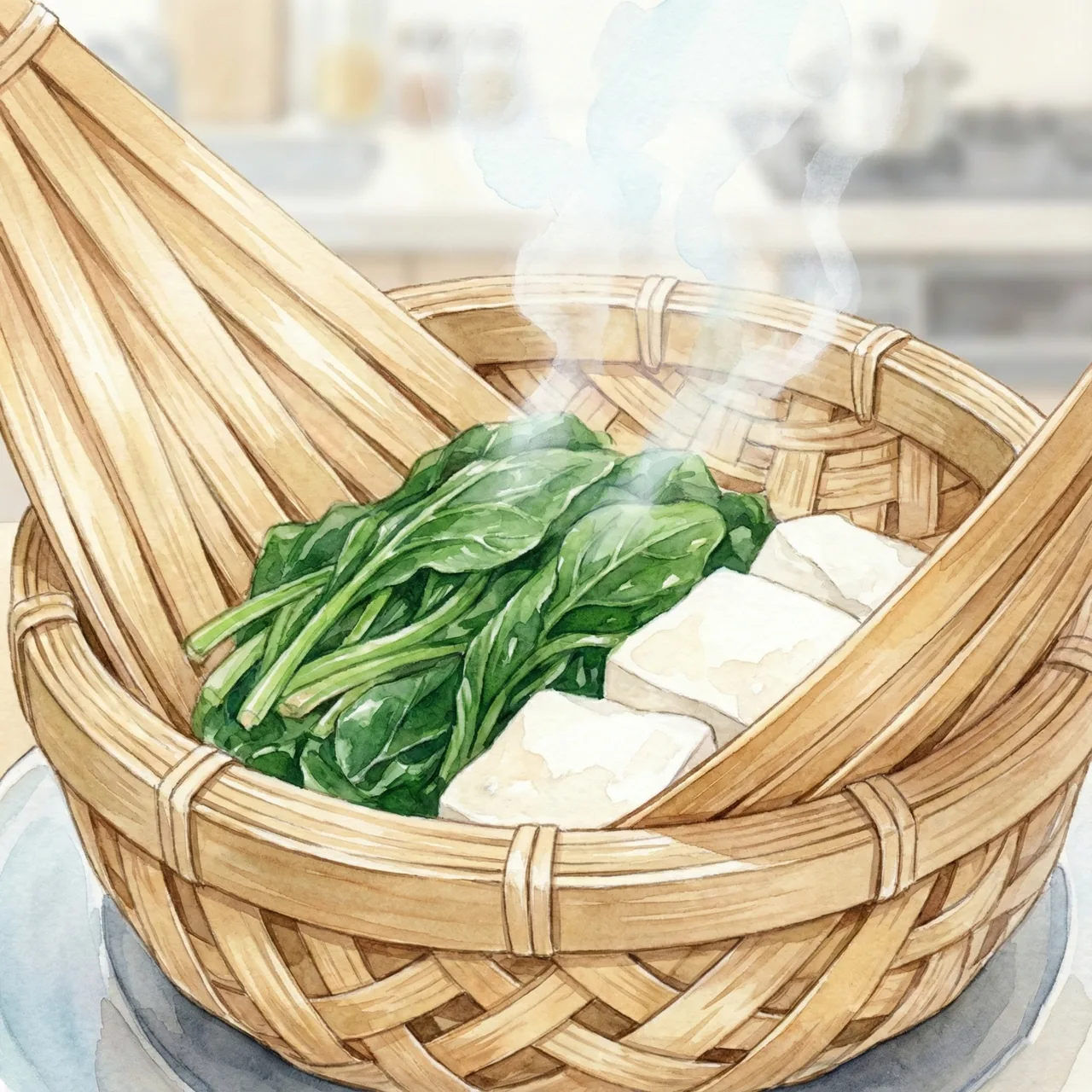
It cushions soft-boiled vegetables, tofu, and fish without bruising them.
Bamboo also withstands heat — boiling water poured over it causes no warping.
Use it regularly and the natural sugars deepen to a beautiful amber, making it stronger over time — a tool that ages like fine leather.
2. Choosing by Use: Bon-zaru, Deep Zaru & Rice-Washing Zaru
Bamboo zaru come in several shapes.
Match the style to how you cook and what you make most often.
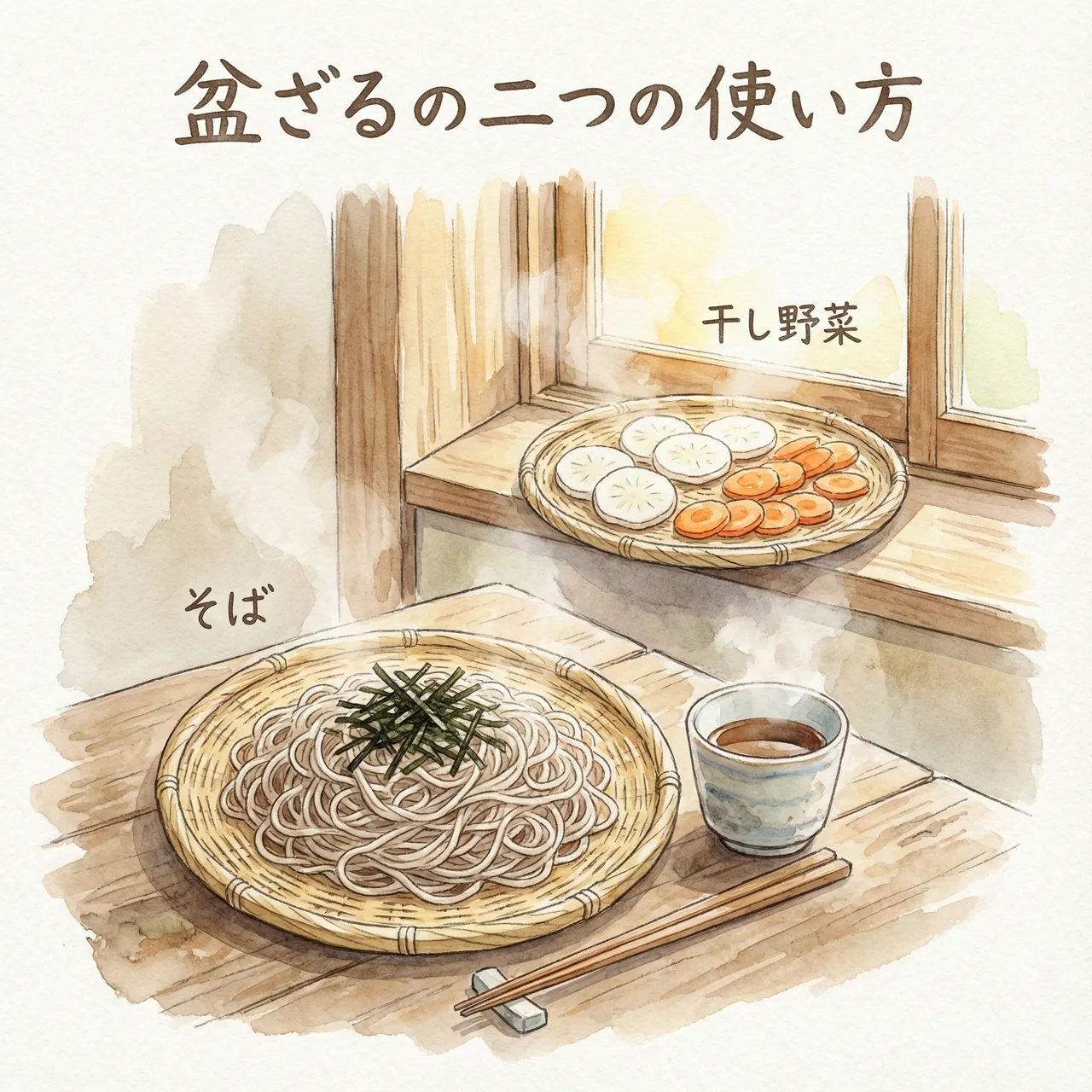
Bon-zaru (Flat Tray) — For Noodles, Drying Vegetables & Toast
Flat with low or no rim.
The most versatile shape — the one to start with.
Use it for plating noodle dishes, staging cut vegetables, lining up hot pot ingredients, making dried vegetables, or cooling freshly baked bread. It stores flat and takes almost no space.
Deep Zaru & Rice-Washing Zaru — For Draining Vegetables and Washing Rice
Bowl-shaped with high sides.
Well-suited for draining washed vegetables and bulk-draining large quantities of noodles.
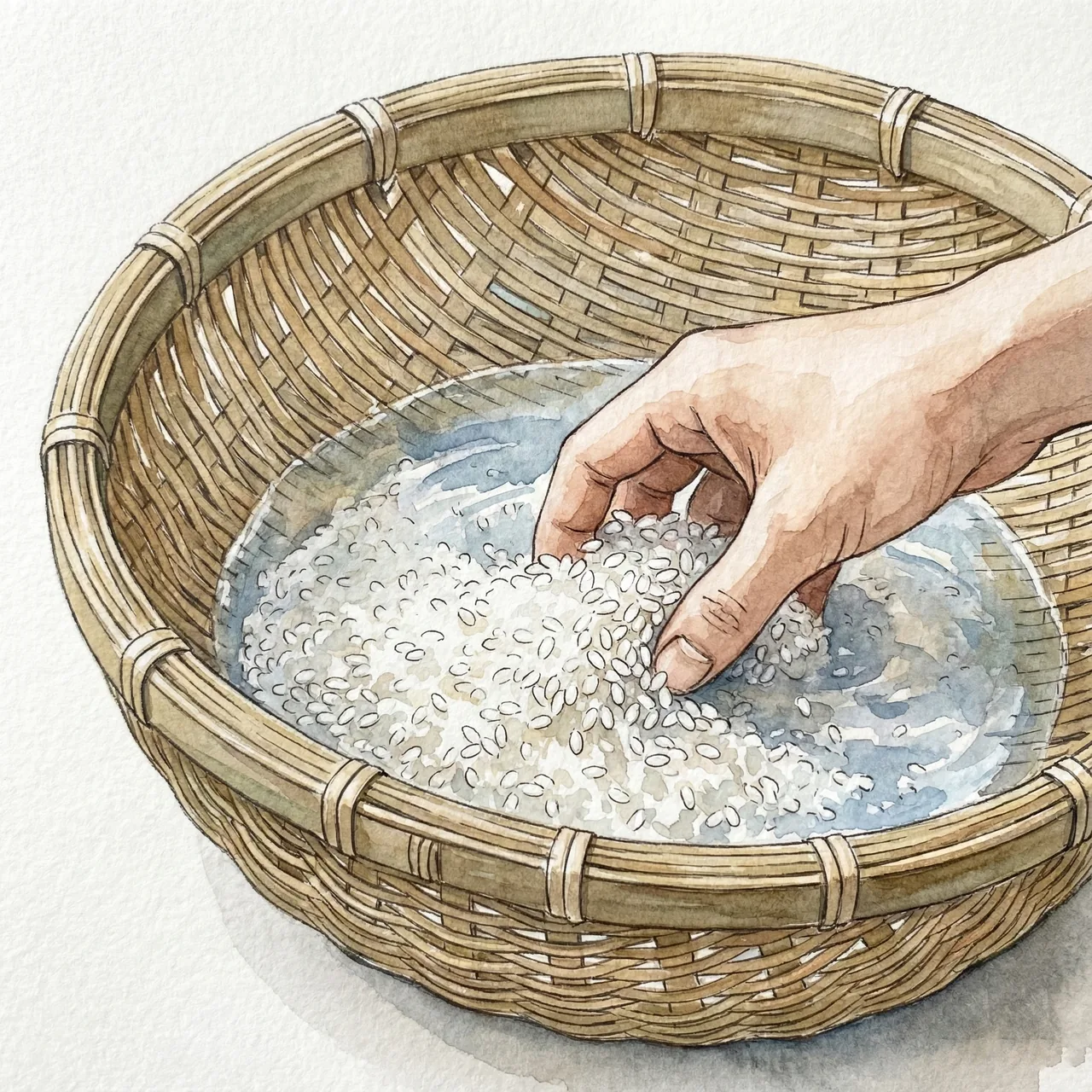
The rice-washing zaru (matatabi-style) is especially clever: bamboo's natural springiness keeps grains from breaking, and the texture creates just enough friction to wash rice quickly and thoroughly.
3. Top Japanese-Made Bamboo Zaru: Beppu, Togakushi & Kyoto
Cheap imports often use poorly treated bamboo that molds or falls apart quickly.
For something that lasts a lifetime, choose one woven by Japanese artisans.
Beppu Bamboo Craft (Oita Prefecture)
Japan's largest producer. The perfect balance of beauty and utility.
Made from high-quality madake bamboo, these zaru have a beautiful, supple weave that's both elegant and tough.
Available in round and square bon-zaru styles.
With use, the color deepens to a warm amber over a few years — a kitchen craft object you'll want to keep on display.
Togakushi Bamboo Craft (Nagano Prefecture)
Mountain wisdom. The most resilient material: nemagari-dake bamboo.
Made in Togakushi — one of Japan's most celebrated soba regions — using nemagari-dake, a mountain bamboo species of extraordinary hardness and toughness.
Its smooth surface produces the best drainage of any zaru style.
The rugged, no-nonsense construction has made it the go-to choice for professional soba chefs who put function first.
Kyoto Bamboo Craft (Kochosai Kosuga & others)
Refined and modern. Beautiful enough for the table.
Kyoto bamboo craft carries the refined sensibility of the tea ceremony tradition in every weave.
Brands like Kochosai Kosuga bring traditional techniques into modern designs suitable for serving bread or fruit at the table — where craft tool meets tableware.
4. Mold-Free Care: The Right Way to Wash and Dry a Bamboo Zaru
"Bamboo zaru mold easily" is a myth.
With proper care, these tools last 10, 20, even 30 years.
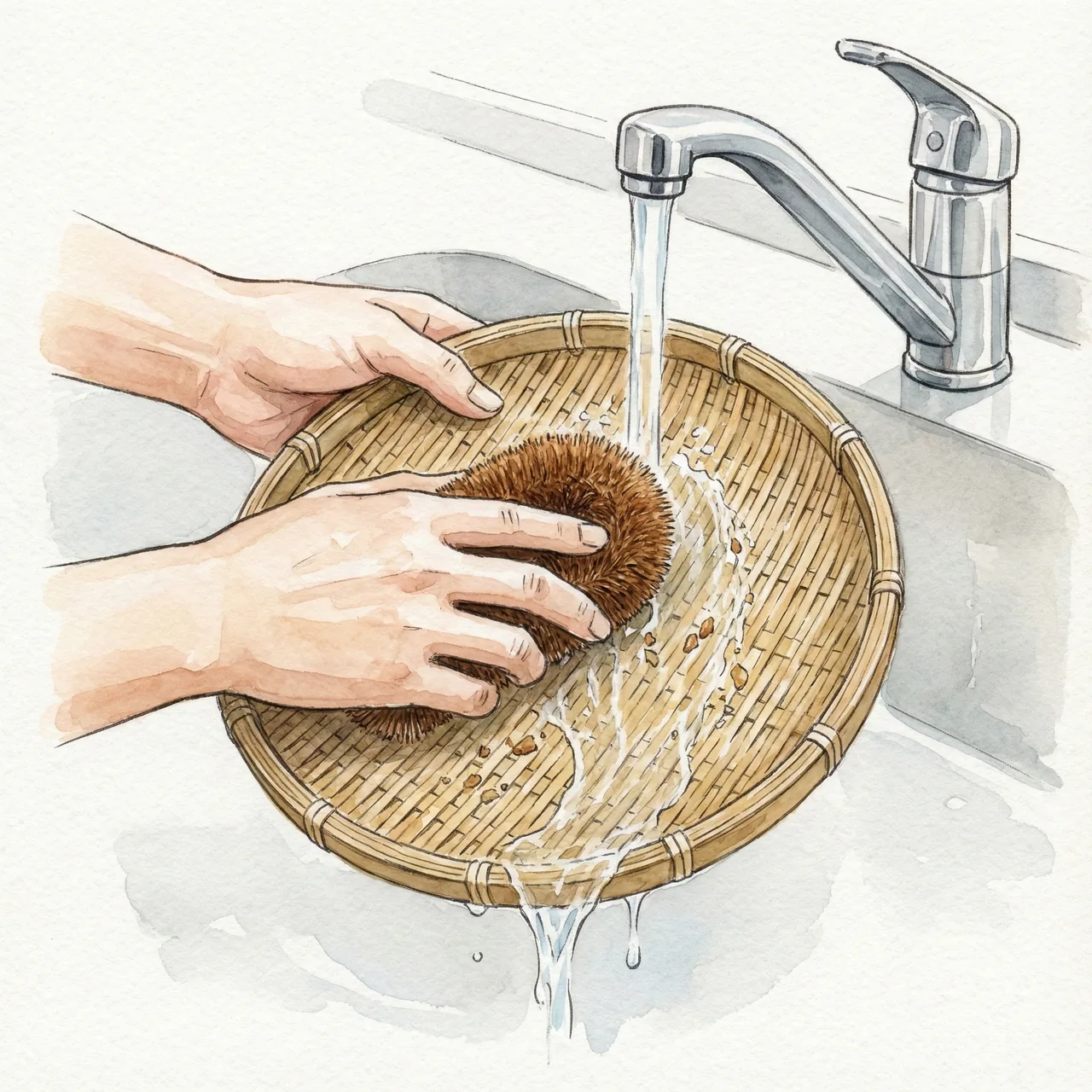
No Soap — Use a Tawashi Brush Under Running Water
Bamboo absorbs soap into its fibers, so avoid dish soap as a rule.
Scrub vigorously under running water with a kamenoko tawashi (natural fiber scrub brush) — that's the correct method.
For oil residue only, a small amount of diluted soap is acceptable — rinse immediately and thoroughly.
Dishwashers are strictly off-limits — the heat and chemicals split and destroy bamboo.
The Most Important Step: Hang to Dry — Never Store Face Down
After washing, wipe off excess water with a cloth and hang the zaru on an S-hook or peg in a well-ventilated spot to dry.
Storing it face down traps moisture and causes mold.
Direct sunlight can cause rapid drying and cracking — a shaded, airy spot is best.
Once fully dry, store it hanging or wrapped loosely in newspaper — never in a sealed plastic bag.
5. Frequently Asked Questions
Mold appeared. Do I have to throw it away?
Surface mold can often be saved.
Pour boiling water over it to sterilize, then sun-dry thoroughly. Wipe with a cloth dampened in diluted rice vinegar (5 parts water : 1 part vinegar) and dry completely. If black mold has penetrated deep into the fibers and discolored them permanently, discontinue using it for direct food contact. Daily prevention is simple: wash quickly without soap and hang to dry every time.
Can I use a dishwasher or dryer?
Neither — ever.
A dishwasher's strong alkaline detergent strips bamboo's natural oils, and the hot-air drying cycle (60°C+) causes rapid water loss, making the fibers contract and split. The weave comes apart. Always wash by hand under running water with a tawashi brush.
I've always used a stainless colander. Will bamboo really make a difference to the taste?
Yes — the capillary drainage effect produces a clear, measurable difference.
In a stainless mesh colander, surface tension keeps a film of water clinging to the mesh. That water soaks back into the noodles and makes them watery. Bamboo's microscopic vascular channels draw that surface moisture away by capillary action, while the open weave creates airflow — so soba and thin udon keep their chew and clean flavor all the way to the last bite.
What size should I start with?
A round bon-zaru, 24–27 cm (8–9 sun) diameter, is the most useful first purchase.
At this size you can plate two portions of zaru soba or udon, drain washed leafy greens, dry shiitake mushrooms, or cool a slice of toast — all with room to spare. Storage is effortless.
Can I use bleach to disinfect it?
No — chlorine bleach is off-limits.
Strong bleach breaks down lignin (bamboo's natural structural compound), causing the material to whiten and become brittle, dramatically shortening its life. To disinfect, pour freshly boiled water over the entire surface, or set it in direct sunlight for a few hours — both are effective and safe.
My new zaru has a noticeable green bamboo smell. Is that normal?
Completely normal — it fades naturally with use.
Fresh madake and nemagari-dake bamboo have a pleasant, clean, grassy scent from natural aromatic compounds. It is not a chemical smell. After washing and using it a few times (about a month), the scent gradually disappears, and the bamboo begins its beautiful amber aging process.
6. Final Thoughts: The Kitchen Tool That Changes the View
A bamboo zaru is more than a kitchen tool — it changes what your kitchen looks like.
The warmth that plastic can't replicate, and the deepening color that comes with years of use, quietly raise the pleasure of cooking.
Summary: How to Choose
· First zaru, all-rounder: Beppu square bon-zaru
· Noodle purist, durability first: Togakushi bamboo craft
· Table styling, doubles as serveware: Kyoto bamboo craft
Scrub with a brush, hang to dry.
Bamboo zaru life is simpler than it sounds. Start today.

Japanese Kitchen Knives: The Complete Guide to Choosing & Buying
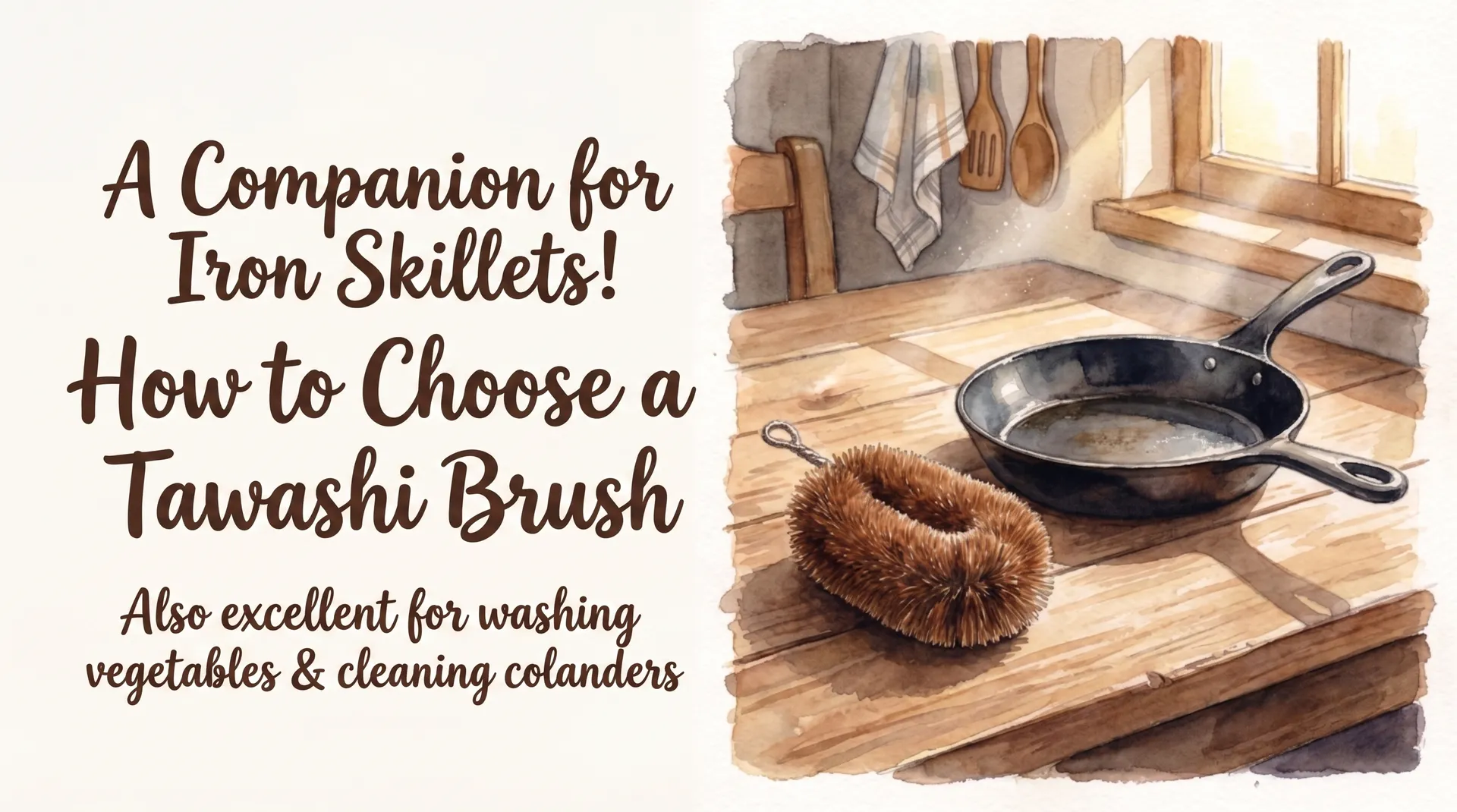
Kamenoko Tawashi: Japan's Natural Scrub Brush for Cast Iron and More