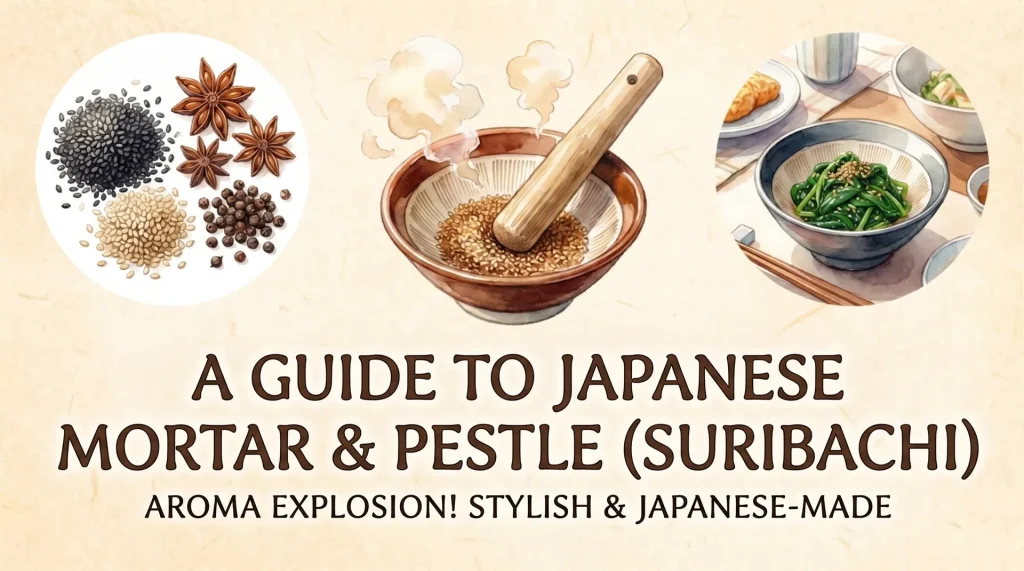
Food processors are convenient — so why do suribachi (Japanese mortar and pestle sets) keep selling so well?
The answer: an overwhelming fragrance that no machine can reproduce.
And with modern suribachi now available in sleek black and white finishes, they double as serving bowls you can bring straight to the table.
Worried about cleaning residue out of the ridges? The latest groove-free suribachi and silicone-based models solve exactly that.
This guide covers how to choose a Japanese-made suribachi that will genuinely transform your everyday cooking.
1. Why Suribachi Aroma Beats a Food Processor
"If I just want something finely ground, why not use a machine?"
Because "cutting" and "grinding" produce completely different results.
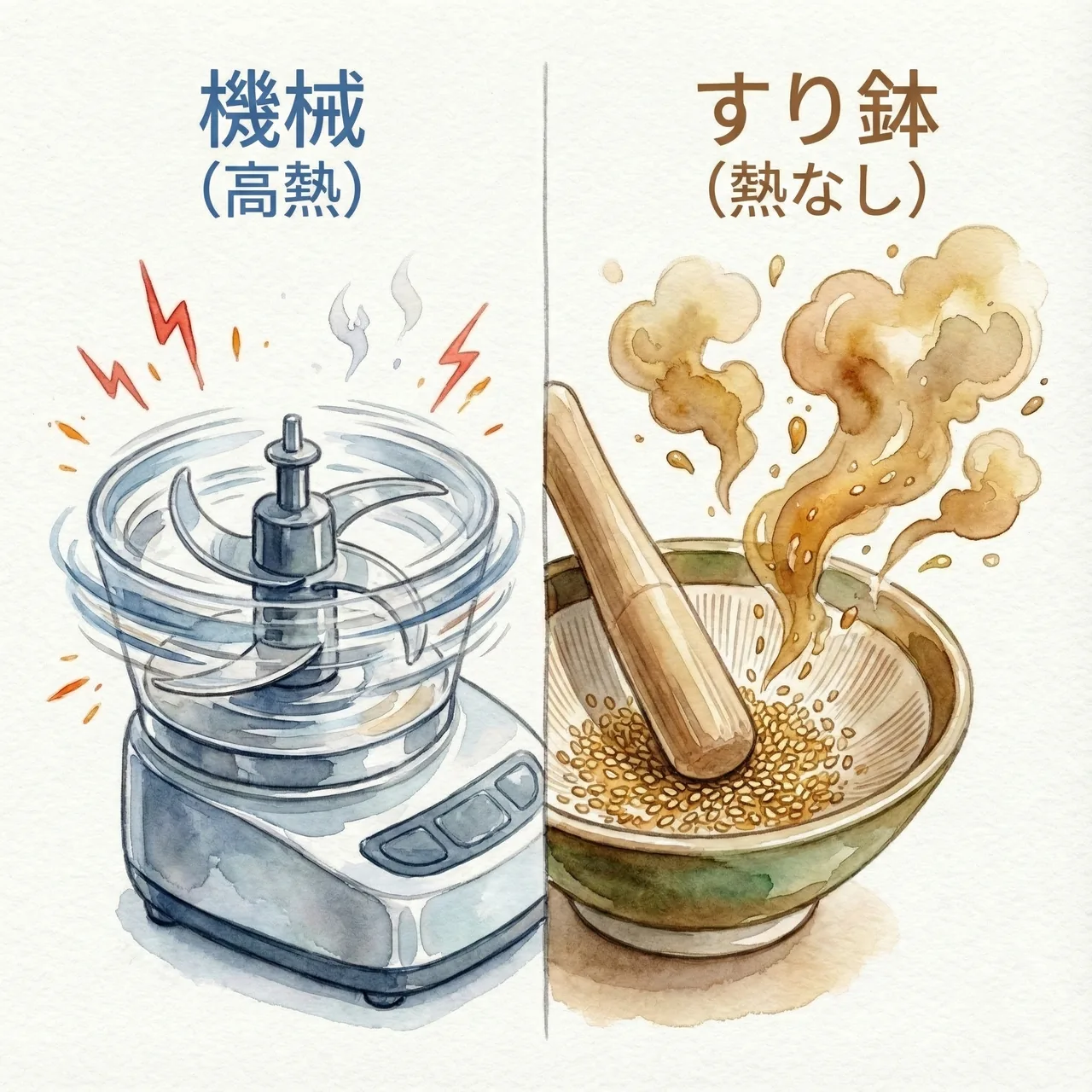
No friction heat — full aroma preserved
High-speed blades generate friction heat that drives off the delicate aromatic compounds in sesame and spices.
A suribachi, worked slowly by hand, produces no heat at all. It gently breaks open the oil-and-aroma capsules inside each seed — releasing a rich fragrance that fills the whole room.
Grind and serve — fewer dishes to wash
The biggest advantage of a suribachi: it is a cooking tool and a serving vessel in one.
Make goma-ae (sesame spinach salad), potato salad, or pesto — then bring the bowl straight to the table. Fewer dishes, more style.
With contemporary suribachi designs looking anything but old-fashioned, they make a handsome centerpiece too.
2. How to Choose: Size, Stability & Groove Type
Today's suribachi go far beyond the traditional heavy brown bowl.
Three key criteria will help you find the right fit for your lifestyle.
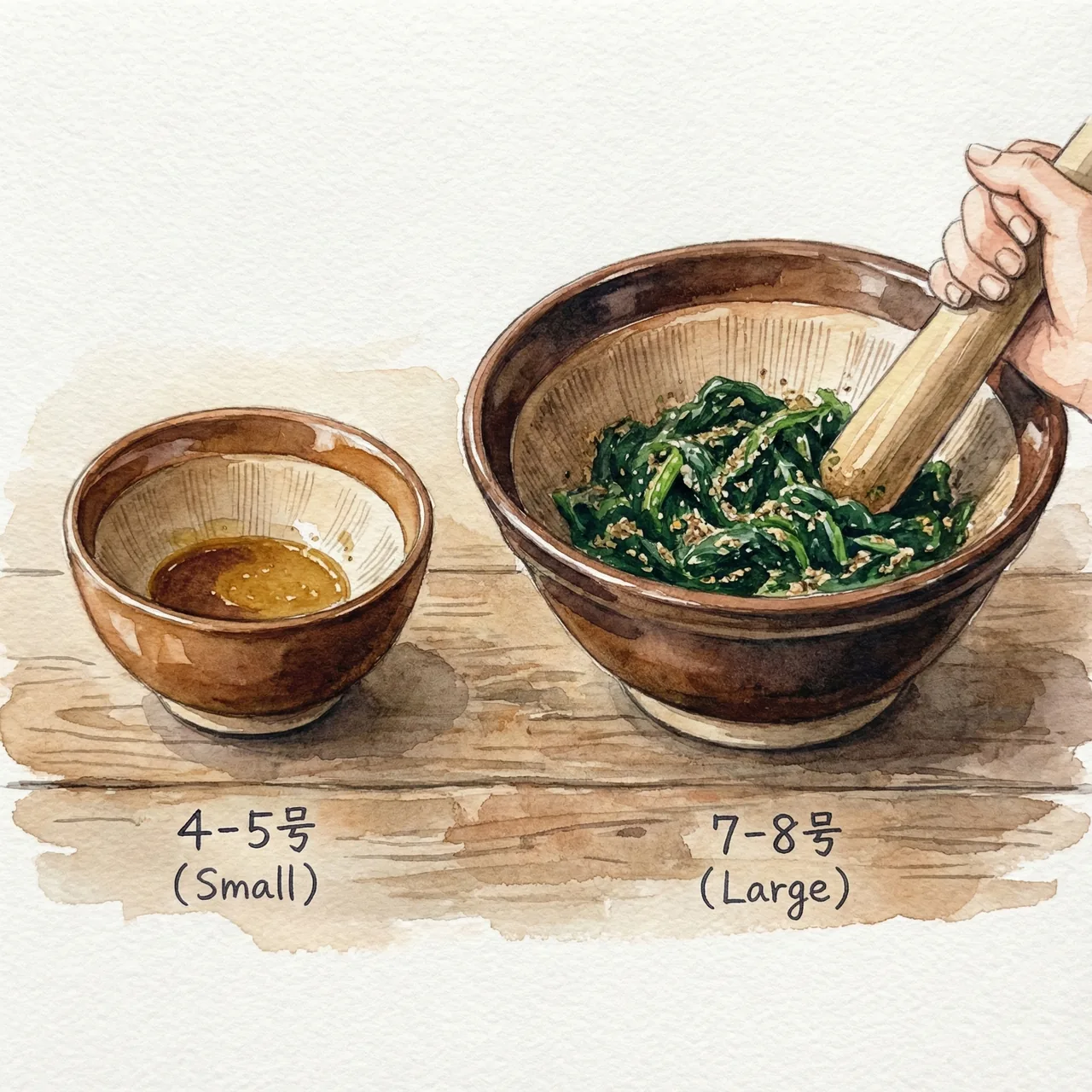
Size: No. 5 for side dishes, No. 7 for family meals
Suribachi sizes are measured in Japanese "go" units (1 go ≈ 3 cm diameter).
· No. 4–5 (12–15 cm): Perfect for grinding sesame and making dressings or dipping sauces. Doubles as a small serving bowl.
· No. 7–8 (21–24 cm): Handles a full family portion of goma-ae or grated mountain yam. Works like a large mixing bowl.
Stability: Silicone base is today's standard
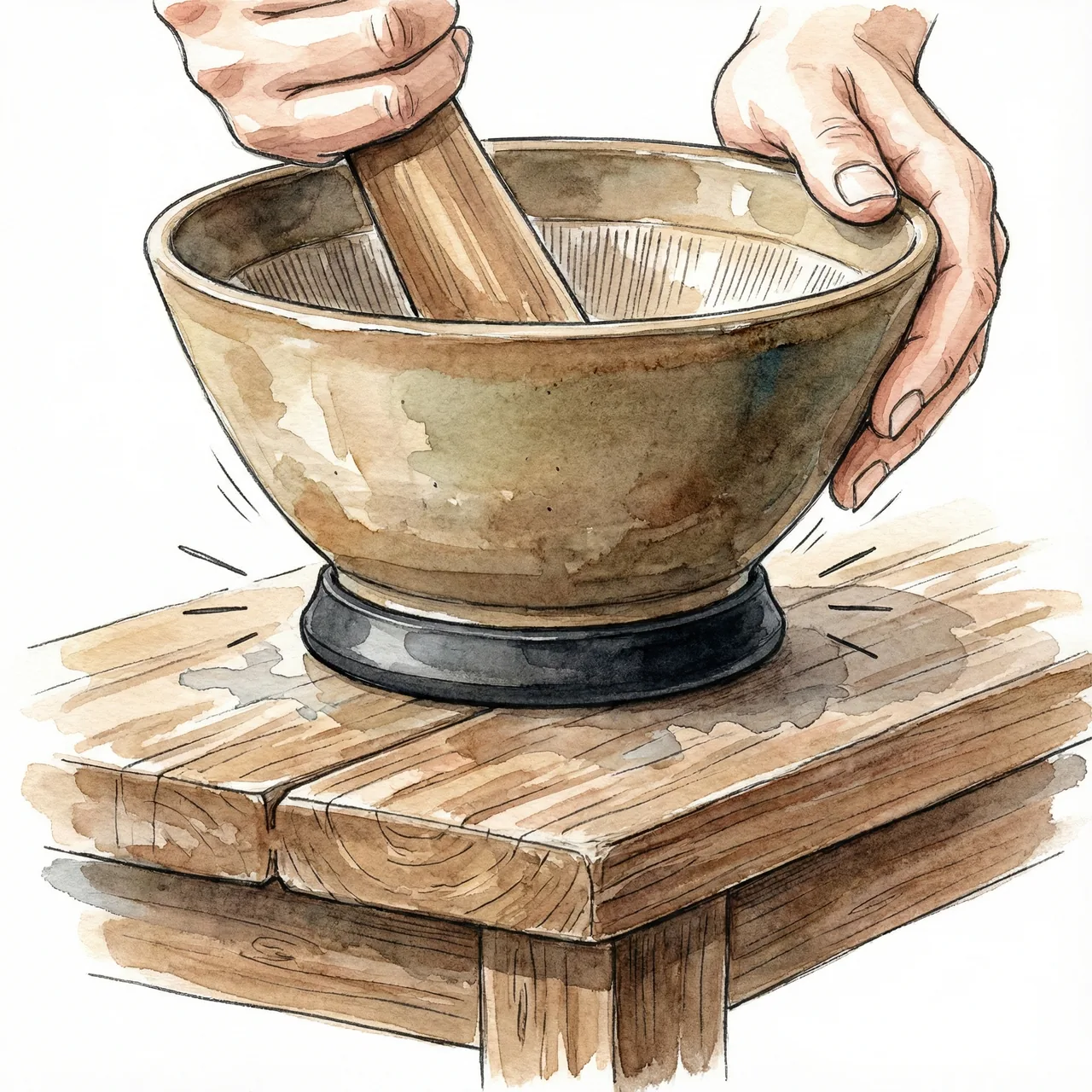
Holding the bowl with one hand while grinding with the other gets tiring fast.
Look for a model with a silicone rubber base — it grips the counter so firmly you can grind one-handed without a damp towel underneath.
An added bonus: no scratch marks on your table.
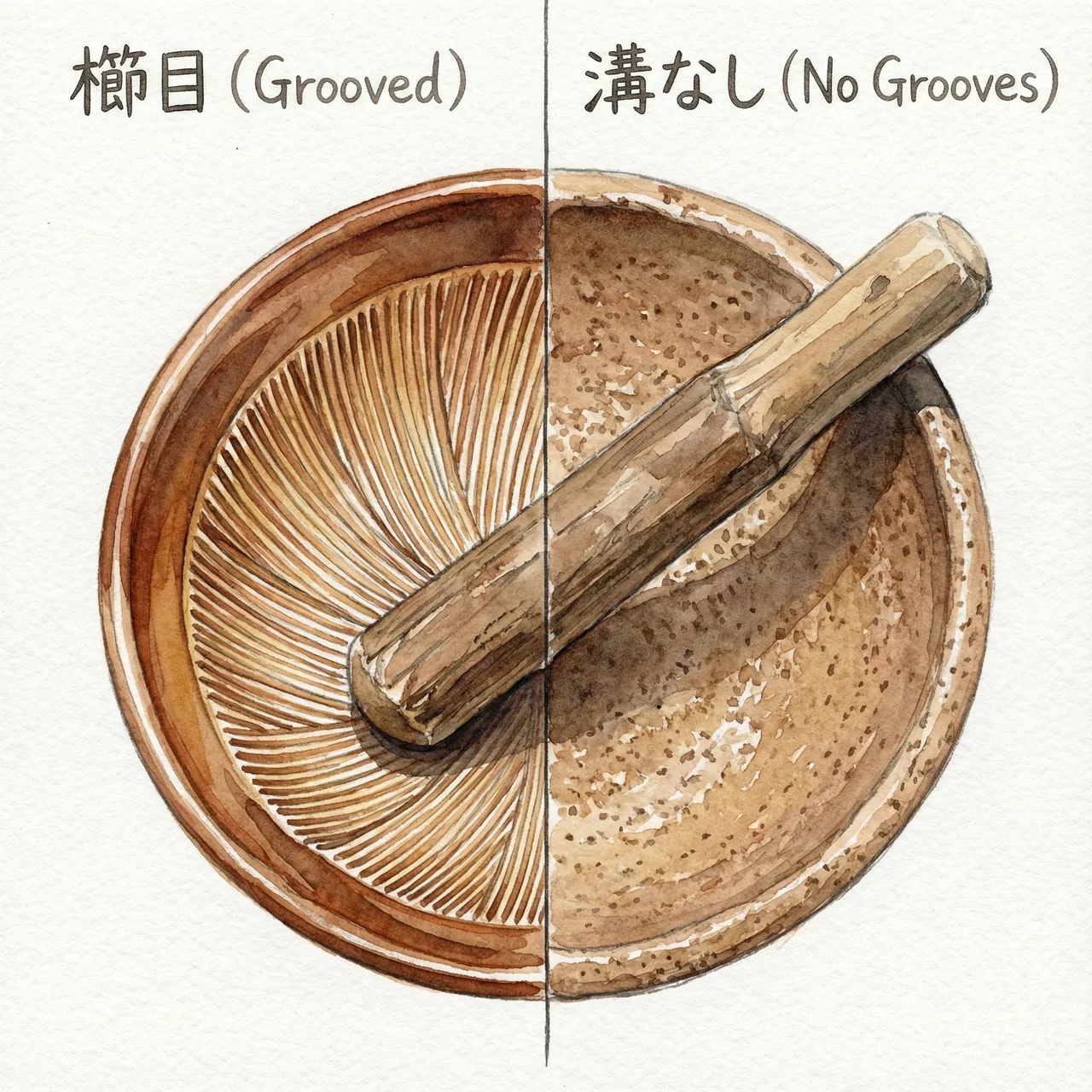
Grooves: Traditional ridges vs. groove-free
· Ridged (kushime): The classic style. Radial ridges grip ingredients and grind them quickly — the traditional choice for efficient grinding.
· Groove-free: A modern trend. The coarsely textured unglazed surface does the work without ridges. A little slower, but dramatically easier to clean — no sesame packed into channels.
3. 3 Beautiful Japanese Suribachi You Can Serve at the Table
All three brands below balance function and design — fitting naturally into a contemporary Japanese kitchen.
Motoshige — Iwami Ware, Shimane
The benchmark suribachi, made by a kiln that specializes in nothing else.
Artisans hand-score sharp radial ridges that grip every seed with precision. The silicone base holds rock-solid — surprisingly light pressure is all you need to grind efficiently.
The rounded form and matte glaze look equally at home in the kitchen and on the dining table.
Yamatada Katoen — Mino Ware, Gifu
The signature "wave-ridge pattern" — a masterpiece of Mino ceramics.
Where most suribachi have straight radial grooves, Yamatada's curve in a wave pattern. This means equal grinding efficiency clockwise or counterclockwise — perfect for left-handed cooks.
The design also reduces friction heat, earning loyal fans among professional chefs.
Kamoshika Doguten — Banko Ware, Mie
Grinds without grooves — a reinvention of the suribachi.
The interior has no ridges. Instead, a coarsely textured unglazed clay surface does all the grinding — and because there are no grooves to trap food, cleanup is a quick rinse.
No more sesame packed into channels. From the outside, it looks like a stylish contemporary bowl.
4. Surikogi Selection & Cleaning Tips
Every suribachi needs its companion surikogi (pestle).
Here is how to choose the right one and keep your set in top condition for years.
Best surikogi wood: Japanese prickly ash (sansho)
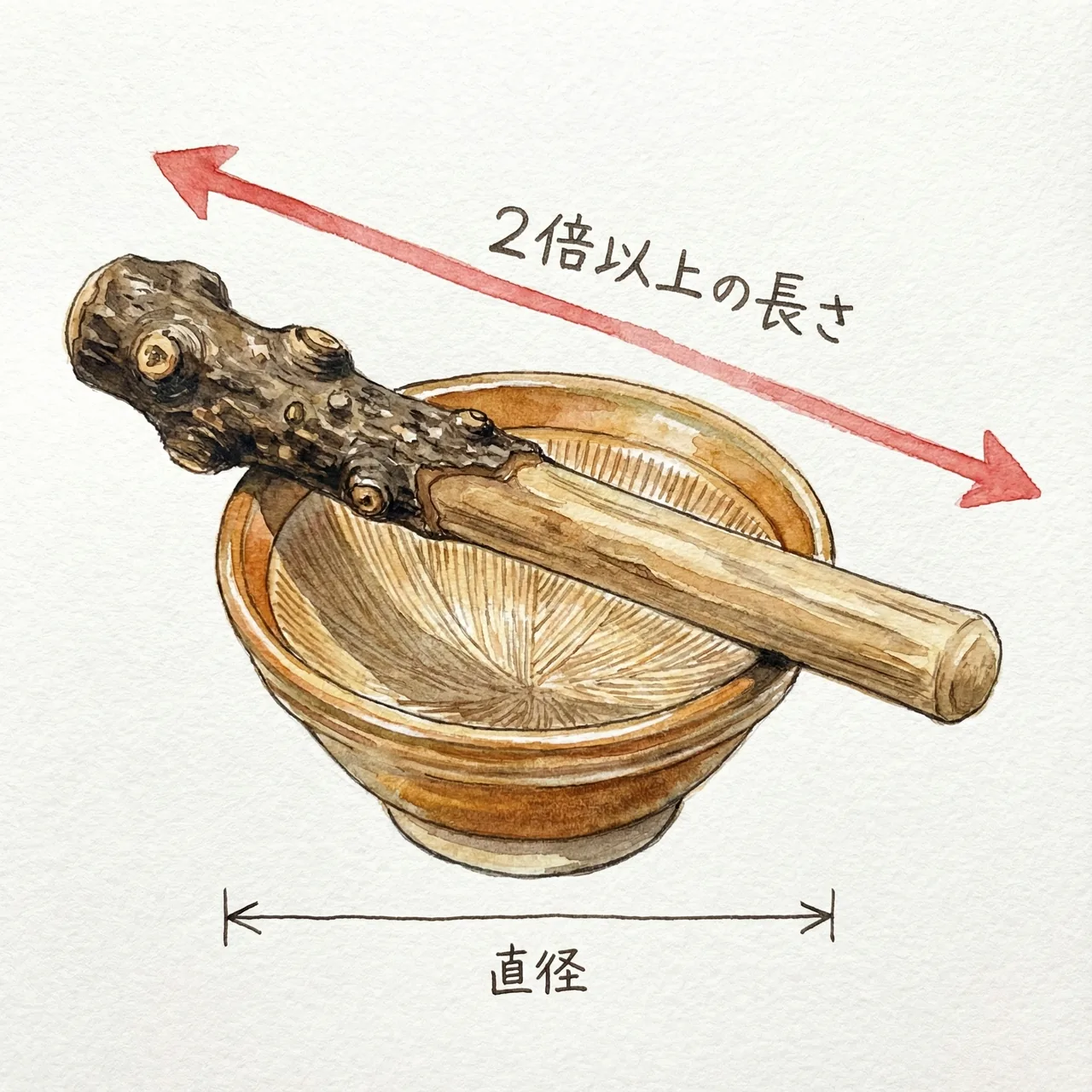
Many woods are used for surikogi, but sansho (Japanese prickly ash) is considered the finest.
The bark contains compounds with traditionally valued properties, and the dense hard grain resists wear. The naturally knobbled surface also fits the hand well and won't slip during grinding.
For comfortable use, choose a surikogi at least twice as long as your suribachi's diameter.
Cleaning the ridges — the easy way
For ridged suribachi, a sponge alone won't reach every groove.
Use a palm-fiber tawashi scrubbing brush or a bundle of toothpicks to sweep residue out along the ridges.
After washing, stand it upright (not inverted) so moisture can escape — preventing mold from forming inside.
You might also like:
Put your freshly ground sesame and spices to work with the best Japanese ingredients.
5. Final Thoughts
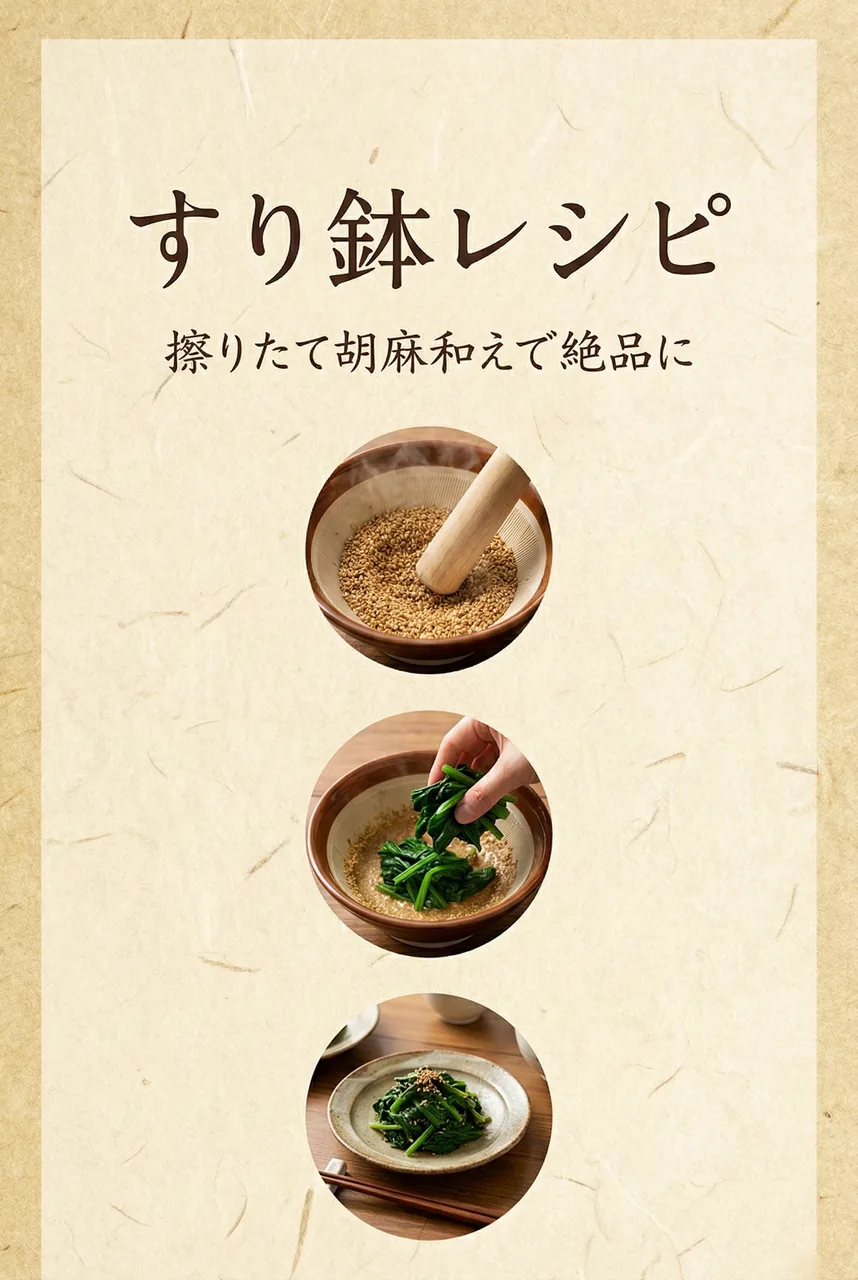
A suribachi is not just a tool for breaking down ingredients — it is a vessel for cooking and tasting aroma.
Pre-ground sesame from a bag doesn't come close. Sesame ground moments before eating carries a toasty fragrance several times more intense.
Quick recommendation:
· First suribachi / classic choice → Motoshige (Iwami ware)
· Left-handed cooks / design-forward → Yamatada Katoen (Mino ware)
· Easiest to clean / modern look → Kamoshika Doguten (Banko ware)
Add one to your kitchen and your everyday side dishes become something to look forward to.