Knives transcend simple chopping tools; they construct "seasonings" ordaining culinary flavors.
・"Mirror Cut" Bypassing Cellular Destruction:
Blunt knives smash and squeeze fibrous properties resulting in umami (drip) leaking. Contrastingly, cross-sections severed utilizing fierce knives sparkle replicating mirrors, possessing uninterrupted cells inducing velvety mouthfeels, preventing extraneous flavors whilst savoring sheer original sweetness.
・Freshness Persevering:
Vegetables and sashimis keeping uncrushed cells reflect decelerated oxidation hastiness, defying discolorations notwithstanding being crammed inside fridges, spectacularly extending freshness spans.
Their sharpness makes food "delicious". Japanese knives the world yearns for.
"Slices tomatoes thin enough to see through," "brings zero tears shedding upon slicing onions."
These encompass completely zero exaggerations. Knives forged by Japanese artisans "dissever" devoid of crushing food cells, fundamentally amplifying textures and tastes dynamically.
Starting spanning the three predominant blade capitals globally extending to Seki (Gifu), Sakai (Osaka), Tsubamesanjo (Niigata), spotlighting supreme entries inheriting Japanese sword-smithing spirits.
Savage sharpness representing High-Carbon Steel (Hagane), or functional supremacy backing Modern Stainless? Modifying your cooking routines, navigating towards destined acquaintances.
How to choose Knives & Cutting Boards
"The Three Great Blade Regions" Sparkling with Individuality
1. "Seki" Gifu Prefecture: The Holy Land of Japanese Swords
"Will not bend, will not break, cuts magnificently." Present-day knives applying sword-smithing techniques stretching consecutively out of the Kamakura period. They specialize formulating "Three-Layered Steel (San-mai)" amalgamating stringent central metal coupled traversing springy exterior metals, posing the utmost balanced "honor student" regions commanding spheres bridging household utilizations toward ultimate luxury items.
2. "Sakai" Osaka Prefecture: Pros' 90% Market Stake
Overwhelming predominance fabricating "Wa-Bocho (Single-Edged Japanese Knives)" maneuvered amongst native chefs. Augmenting techniques towards absolute limits navigating divisional systems (blacksmithing, edging, hafting). Pertaining exclusive specializations per ingredients mimicking "Yanagiba" yielding sashimi or bone-breaking "Deba," standing shoulder-to-shoulder towards Sakai remains utterly impossible.
3. "Tsubamesanjo" Niigata Prefecture: Metal Processing Innovations
Hybrids intersecting traditional craftsmanship against current technological innovations. The pioneers spearheading "All-Stainless Knives" carrying metal constructions wrapping clear entirely unto handles, earning global affinity traversing family spheres citing hygiene values adjoining prominent designs. They exclusively conquer specialty processings embodying bread knives subsequently.
"Hagane" vs "VG10". Material Selection Formulas
The absolute conundrum upon targeting knives concerns material picks. Select fitting personal lifestyle routines.
[High-Carbon Steel (Hagane)] Ultimate Sharpness and Easy-Honing
Similar encapsulating Japanese swords, iron manifesting carbon contents.
- Blue Paper (Aogami): Pro-grades parading pinnacle hardness paired traversing retention capabilities safeguarding sharpness continuums.
- White Paper (Shirogami): Identifying sparse impurities exhibiting brutal sharpness joined together straightforward sharpening virtues.
※Vulnerable confronting wetness subsequently summoning rusts, enforcing "affections" immediately displacing water post-utilizations.
[Stainless Steel (VG10)] The Contemporary New Standard
"Stainless cannot cut" epitomizes bygone dialogues entirely.
- VG10 (V-Gold 10): Premium stainless innovated manifesting from Fukui manufacturers. Bearing extreme hardness mirroring Hagane coupled brutal aggressiveness alongside defying rusting odds. The present mainstream driving premium household knives.
- Powdered High-Speed Steel (SG2): Super-hardened materials vanquishing stainless, manifesting reducing metallics mirroring powders solidifying them post-baking. Boasts staggering permanent-cut (lossless sharpness).
[Damascus Steel] Artistic Ripples
Forging extensively traversing 16 to upwards 60 folds laminating rigid alongside viscous metals birthing exquisite wooden-grain ripples surfacing onto the blade structure. Disregarding absolute sharpness, acknowledging sheer aesthetics procures intense gifting prerequisites branded essentially "Kitchen Jewels."
Which "Shape" Provides Necessities Exclusively Yours?
・Santoku:
Japan's versatile player engaging specifically three virtues (San-toku): "Meat, Fish, Vegetables." Initiating households mandates precisely acquiring this specific individual blade (Blade Lengths aggregating 16-18cm).
・Gyuto:
Profiles employed spanning Western-cuisine chefs. Blade extremities displaying sharper points relative comparing Santoku, excelling at tendon slicing meat or butchering block cuts. Profoundly prominent models among men.
・Petty Knife:
Despite conveying classifications outlining miniature fruit-peeling knives, they realistically command ultimate supremacies handling "slight-utilizations" entangling breakfast preparations matching lunch-box developments. The subsequent mandate blade sequentially lining alongside predominant knives.
Maintenance & Q&A
Q. Is a whetstone strictly necessary?
A. Simplified sharpeners offer conveniences, regardless, it gets advised dispatching them onto "Whetstones (Toishi)" intermittently several times yearly, or commissioning the manufacturer's "Resharpening Services." Mass portions specifying Japanese knives returning home (manufacturer shipping back) procures restorations edging precisely echoing brand-new sharpness applied via craftsman hands. A reason stipulating them lifetime tools.
Q. Slicing frozen meats conveys permissibility?
A. Absolutely NG! Disregarding paramount knife expenses whatsoever traversing freezing ice-solid objects yields chipped blades. Defrost navigating semi-thawing stages beforehand, matching alternate dedicated freezer knifes.
Q. Will Damascus patterns disappear?
A. Because patterns materialize originating laminating metallic layers, washing nor sharpening renders erasing completely unattainable. Operating gorgeously continuously lifetime-long.
Sakai Toku (Japan Knife TOKU)
RYUSEN HAMONO
HASEGAWA Cutting Boards
EAtoCO
Asahi Cookin’ Cut
woodpecker
Futaba Shoten (Ginkgo Cutting Boards)
TOSARYU
SEKI KANETSUNE
Seki Kikusui Hamono
GLOBAL
Shimomura Kogyo / SHIMOMURA
Tadafusa Knife Workshop
SAKAI TAKAYUKI
Jikko Hamono
Sakai Ichimonji Mitsuhide
Yamawaki Hamono Seisakusho
Takefu Knife Village Official Shop TKV STORE
Nihonbashi Kiya
Tanaka Kazuyuki Hamono Seisakusho “Shigekisaku”
Seki Magoroku
KASUMI / Kasane
SHUN
Aritsugu
TOJIRO
GUIDES & STORIES for this category
We've picked up related guides and stories for this category from our selection of Japanese-made products.
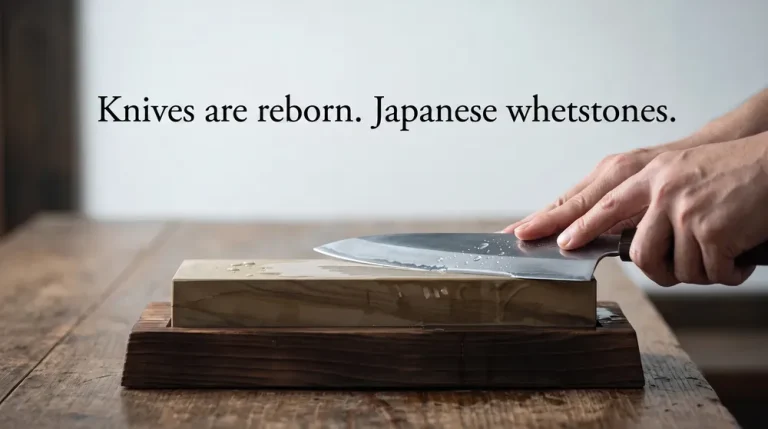
Japanese Whetstones: Which Grit You Actually Need
King, Shapton or Naniwa? A Japan…
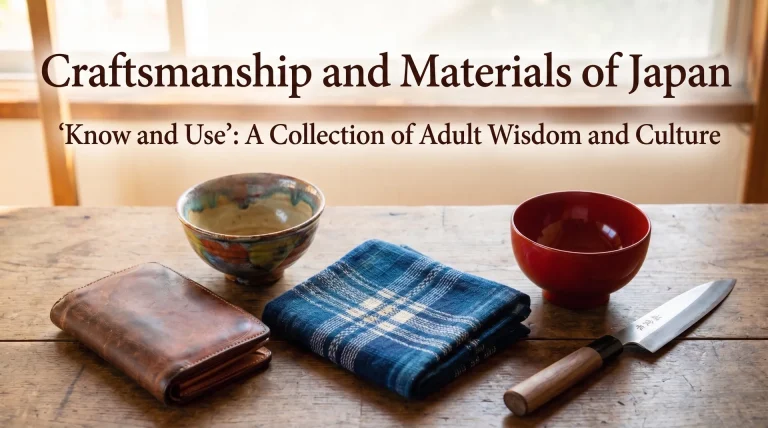
Japanese Materials & Craftsmanship | Leather, Pottery, Lacquer & Steel
Know the story behind the object…
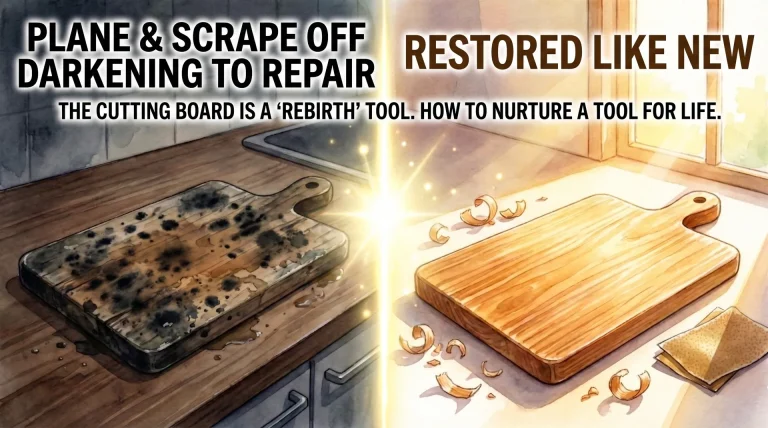
Wooden Cutting Board Repair | Sand, Oil, and Restore Black Stains
Black stains on your wooden cutt…
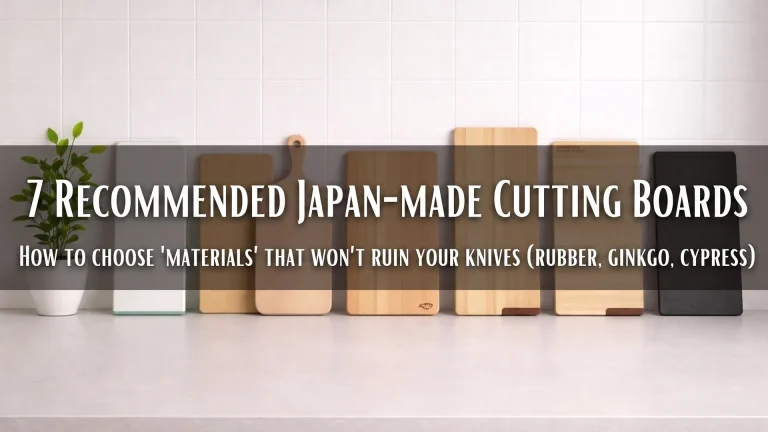
Best Japanese Cutting Boards: Rubber vs Ginkgo vs Hinoki
Which Japanese cutting board mat…
Japanese Ginkgo Cutting Board: Why Pros Choose Icho Wood
The secret to keeping your knife…
Best Japanese Petty Knives: Top Picks for Precision Work
Looking for the best Japanese pe…
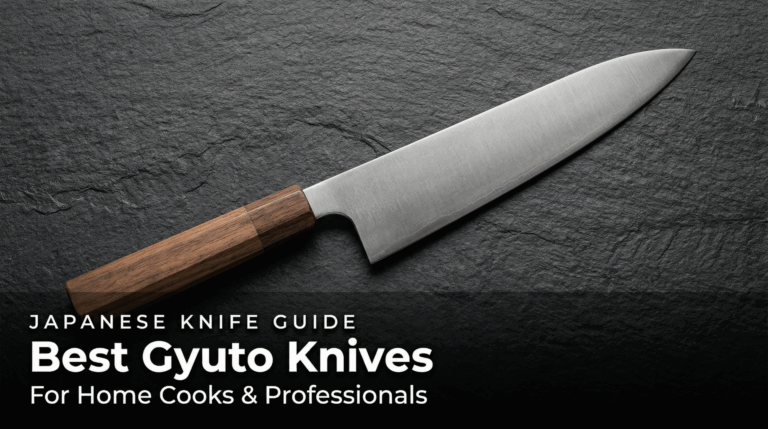
Best Japanese Gyuto Knives for Home Cooks
Looking for the best Japanese sa…
Santoku vs. Gyuto: Which Japanese Knife Should You Buy?
Santoku or gyuto — which Japanes…