From traditional "Anko" to fully-ripened "Farm Fruits." Tasting the sweet Japan.

Wagashi reflecting delicate seasonality, savory senbei unique to a rice-producing country, and farm sweets providing the "full ripeness" known only to producers. Japanese confectionery culture is brimming with respect for ingredients.
Here, we feature "blissful sugars" satisfying mind and body, from traditional sweets serving as local soul foods to the latest farm cafes that absolutely draw queues in tourist spots.

How to choose Sweets & Snacks

The Life of Wagashi "Anko", and the Regional Taste "Zunda"

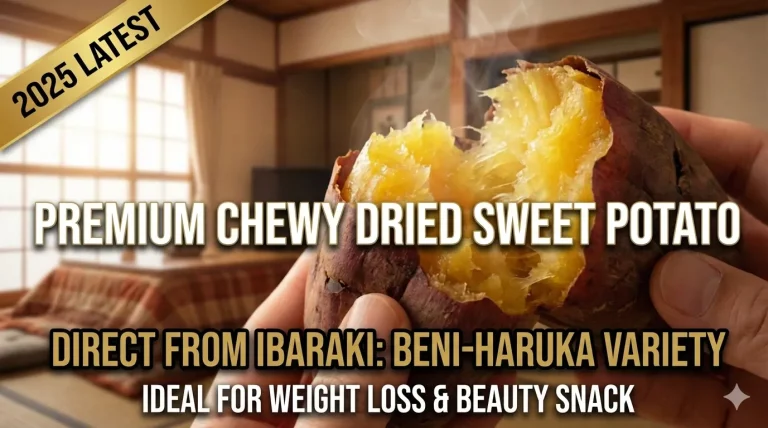
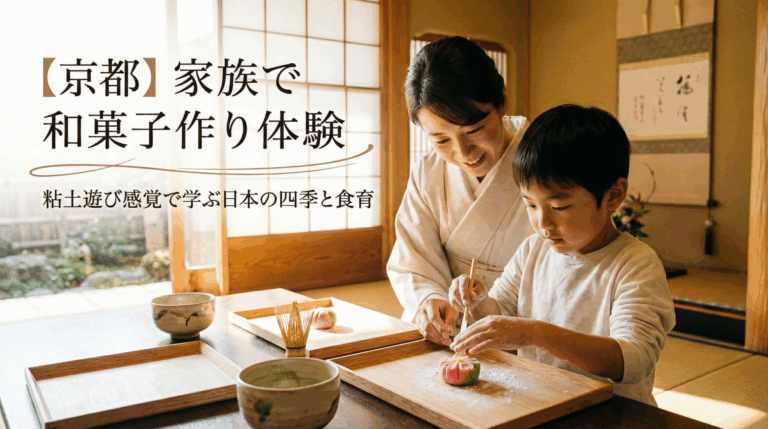
The foundation of Wagashi (Japanese confectionery) lies in "An" (paste) made by boiling adzuki beans. "Tsubu-an" leaving the bean skins to enjoy the flavor, and "Koshi-an" pursuing a silk-like tongue-feel by removing the skins. High-quality adzuki like those from Tokachi, Hokkaido, feature elegant sweetness without harshness.

・Tohoku's Green Jewel "Zunda":
An absolute must-see is "Zunda An" made by mashing edamame (unripe soybeans) and mixing in sugar. It's a regional sweet centered in the Tohoku region like Miyagi (Sendai) and Yamagata, but its vivid green color, rich aroma unique to edamame, and chunky texture become addictive once eaten. Coating mochi (rice cakes) is standard, but recently "Zunda Shakes" are also explosively popular.
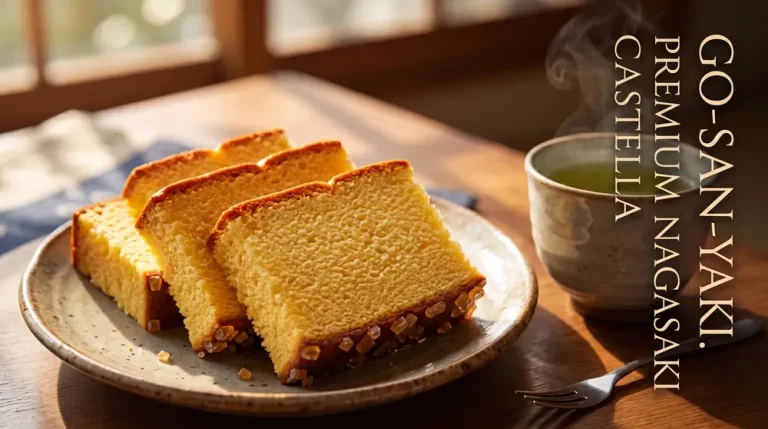
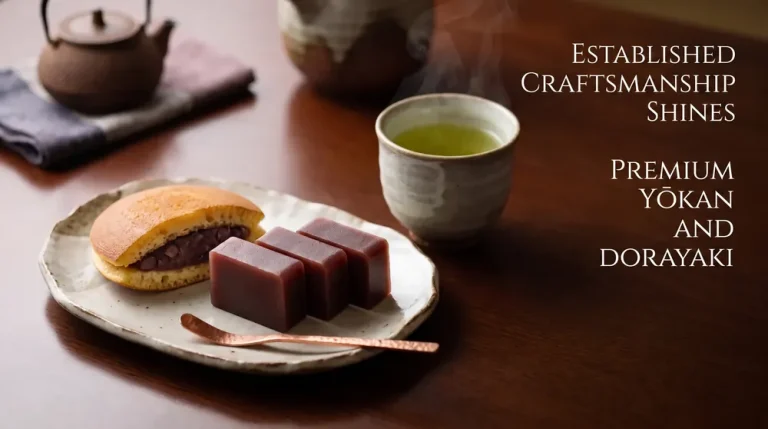
A Crisply Echoing Sound. Snacks of a Rice Country "Senbei & Arare"

Japanese snacks aren't merely sweet. "Senbei" (rice crackers) and "Okaki" made utilizing rice as raw materials are tastes carved into Japanese DNA.

・Textures Changing by Ingredients:
What's made from "Uruchi-mai" (regular rice) like cooked rice is "Senbei". A hard, crisp bite and the savory aroma of burnt soy sauce are its charms (e.g., Soka Senbei).
On the other hand, what's made from "Mochi-gome" (glutinous rice) which becomes mochi is "Okaki/Arare". These offer a light, puffed, crispy texture, with a rich variety including those kneaded with kelp or shrimp.
Like "Kaki to Tane" acting as alcohol snacks, and "Karinto" soaked in black sugar, a magic lurks where you can't stop once you open the bag.


Must-Eat Items at Tourist Spots! "Farm Direct Sweets"

Speaking of the real thrill of traveling, it's cafes and stands run by farmers knowing everything about that land's fruits.
Because they pluck the "fully ripened" ones right before market distribution and turn them directly into sweets, the richness of the fruit juice is on another level.

・Fruits as they are "Gelato" & "Parfait":
Peaches, grapes, melons, strawberries. Parfaits eaten at cafes annexed to farms are packed tightly with fruits down to the bottom of the glass. Additionally, soft-serve ice creams and gelatos luxuriously utilizing off-spec fruits have stronger fruit profiles than eating the fruit itself, acting as indispensable energy sources during tourist drives.


Evolving "Neo Wagashi" and Fusions with Western Sweets

Sweets preserving tradition while incorporating new winds are also increasing.
・Matcha × Chocolate:
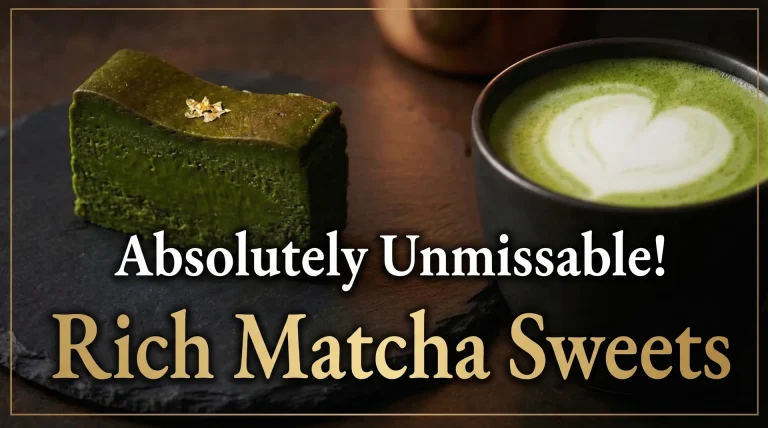
"Matcha" having already become a global common language. Rich terrines and langue de chats colliding matcha's bitterness against white chocolate's sweetness match perfectly with both coffee and green tea.
・The Evolution of Fruit Daifuku:
"Fruit Daifuku" wrapping not just strawberries, but whole mandarins, shine muscats, or figs in thin gyuhi (soft mochi) and white bean paste. Beyond "Moedan" (beautiful cross-sections), the harmony between fruit juice and anko is exquisite.


Packaging Wrapping "OMOTENASHI"

For Japanese sweets, not just the taste but the "attire" is emphasized.
Functionality preventing moisture, beautiful Japanese paper wrappings depicting seasonal beauties of nature, stylish tins you'll want to use as accessory cases after eating.
Packages calculated down to the "excitement of the moment of opening" convey thoughts crossing over words as souvenirs and gifts to important people.


Frequently Asked Questions (Q&A)

Q. Are Wagashi healthy?
A. Generally, because they hold less oils (butter or fresh cream) compared to Western sweets (cakes, etc.), calories and lipids are lower. Adzuki beans also contain dietary fiber and polyphenols, making them popular as guilt-free snacks.

Q. What is the difference between "Namagashi" (Raw) and "Higashi" (Dry)?
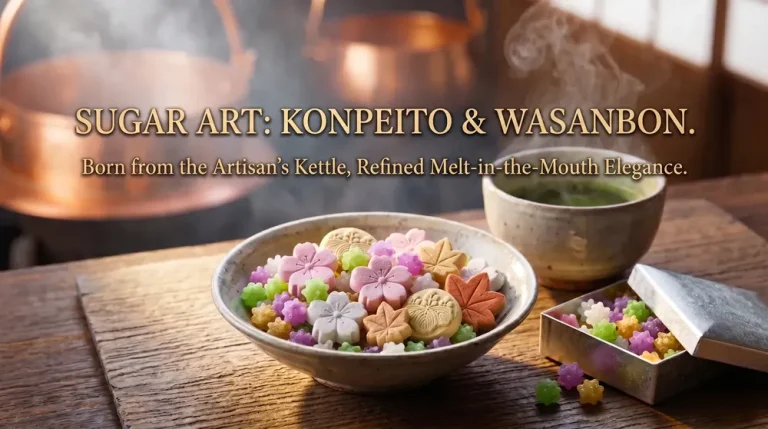
A. The difference in moisture content. "Namagashi" like Daifuku or Yokan have high moisture and a shorter expiration date. "Higashi" like Rakugan, Konpeito, and Senbei have low moisture and last long. For souvenirs, Higashi or tightly sealed Yokan are recommended.


Expanded Image

Welcome to MADE in JAPAN.JP

Register for free to save your favorite tools, post reviews, and earn scores.