Different from souvenirs. How to distinguish a "genuine kimono" for a lifetime.

Have you ever wanted to buy a kimono in Japan but felt lost, wondering "which is formal, and which is casual?" or "what accounts for the price differences?"
Kimono possess clear "ranks (Kaku)" and "proofs (Akashi)" that guarantee quality.
The difference between cheap printed yukata for tourists and genuine yukata dyed by craftsmen. How to distinguish silk (Shoken) from polyester.
Here, we impart a professional's perspective for you to shop like a "connoisseur" at stores.

How to choose Traditional Textiles & Wafuku

[Choosing Standards] "Dyed" is a Dress, "Woven" is Denim

When entering a store, first determine "when you will wear" the kimono. Comparing it to Western clothes makes it easier to understand.

1. Formal = "Dyed" Kimono (Soft):
Those with pictures drawn on the fabric afterward (Yuzen, etc.). The surface is smooth and glossy.

  • Furisode: The highest formal wear for unmarried women. Distinctive for long sleeves. = "Evening Dress"
  • Homongi: Patterns connecting from the shoulder to the hem. = "Cocktail Dress"

2. Casual = "Woven" Kimono (Stiff / Matte):
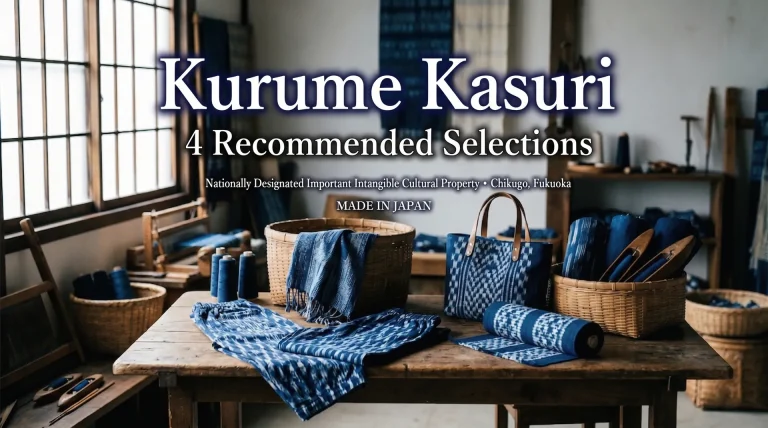
Those weaving patterns utilizing colored threads (Tsumugi, Kasuri, etc.). The surface has knots (fushi) or unevenness.

  • Tsumugi / Kasuri: Durable with warmth. No matter how expensive, they cannot be worn to ceremonies. = "Premium Vintage Denim" or "Tweed Jacket"
  • Komon: Dyed items where the same pattern repeats throughout. = "Patterned Dress"

★ For sightseeing, town walks, or dinners, choosing "Tsumugi" or "Komon" is the correct answer.

[Quality / Rank] The Price Difference Appears Here!

Even if they look similar, items costing several thousand yen and several hundred thousand yen have decisively different "materials" and "effort."

・Shoken (Pure Silk) vs Polyester:
Authentic kimonos are "Shoken (100% Silk)." It reflects light softly, creating a drape that clings to the body when worn. On the other hand, cheap polyester has a strong gloss and is characteristically slippery.
* Recently, premium polyesters like "Toray Sillook" exist, indistinguishable even by professionals (these are ideal for rainy days).

・Search for "Shoushi" (Certificates):
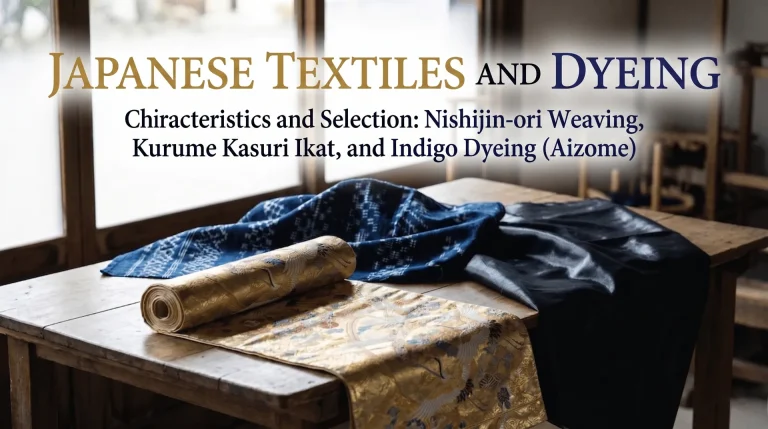
Traditional kimonos (Oshima Tsumugi, Yuki Tsumugi, Nishijin-ori, etc.) implicitly possess a registered trademark label called "Shoushi." The "Traditional Craft Mark" or "Producing Region Union Mark" is proof of authenticity. Even when buying at recycle shops, items holding this certificate can be judged as having high value.


[Yukata] Differences Between "Souvenir" and "Genuine"

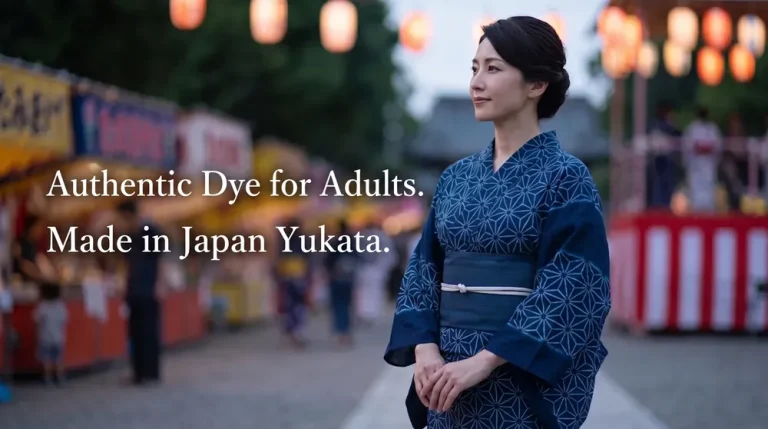
Yukata worn at summer festivals or hot springs. Massive grade differences lie here too.
・Mass-Produced Prints (Inkjet):
Items buyable for a few thousand yen. Viewing the reverse side looks whitish, and the pattern doesn't penetrate through.
・Chusen and Shibori:
"Chusen" where craftsmen hand-dye, or "Shibori" (like Arimatsu Shibori) tying fabrics with threads before dyeing, have colors penetrating solidly to the reverse side.
Fabrics like bumpy "Kobai" are used, assuring it won't stick to the skin even sweating, making it vastly cooler. For adults wearing it, definitely opt for "Chusen" or "Shibori."


[Highly Recommended for Kimono Debut] The Cardigan Called "Haori"

For those feeling wearing a kimono is too high a hurdle, "Haori" is explosively popular.
Originally a jacket worn over a kimono, styling it like a "long cardigan" worn loosely over T-shirts and jeans is currently deemed cool globally.
Black crested Haori or vintage Haori featuring flashy pictures painted on the lining (Haura) holds immense popularity as one-of-a-kind art pieces.


Where to Buy? Shopping Guide

1. Department Stores (Kimono Departments):
Curates the highest grade new items. Go here if you want to see works by Living National Treasures.
2. Vintage Kimono Stores:
Actually the most targeted spots. Kimonos tailored using excellent old fabrics (Shoken) can be acquired surprisingly reasonably. Harajuku, Asakusa, and Kyoto accommodate manifold vintage shops supporting English.
3. Workshop Direct Outlets in Producing Regions:
Kanazawa (Yuzen), Amami Oshima (Oshima Tsumugi). If traveling to producing regions, head straight to direct sales outlets. You can purchase directly from artisans while hearing behind-the-scenes creation struggles.


GUIDES & STORIES for this category

We've picked up related guides and stories for this category from our selection of Japanese-made products.

Expanded Image

Welcome to MADE in JAPAN.JP

Register for free to save your favorite tools, post reviews, and earn scores.