Hanten: Not a Happi, and Check What Is Inside
The padded winter one, not the thin festival coat. And if a listing says machine washable, the filling is not cotton — which is the entire point. Read More
About 12 min readGUIDES & STORIES
Every guide and story we have published on Traditional Textiles & Wafuku. Back to Traditional Textiles & Wafuku makers
The padded winter one, not the thin festival coat. And if a listing says machine washable, the filling is not cotton — which is the entire point. Read More
About 12 min read
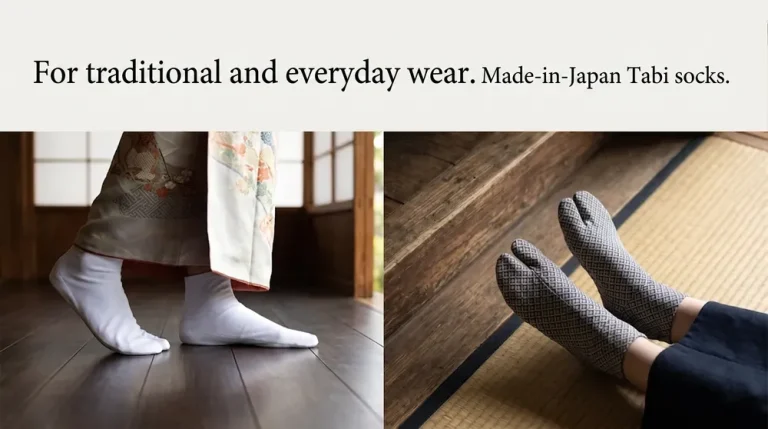
Margiela's boot is named after a 15th-century sock. The three kinds of tabi, what kohaze clasps count for, and how to... Read More
About 13 min read
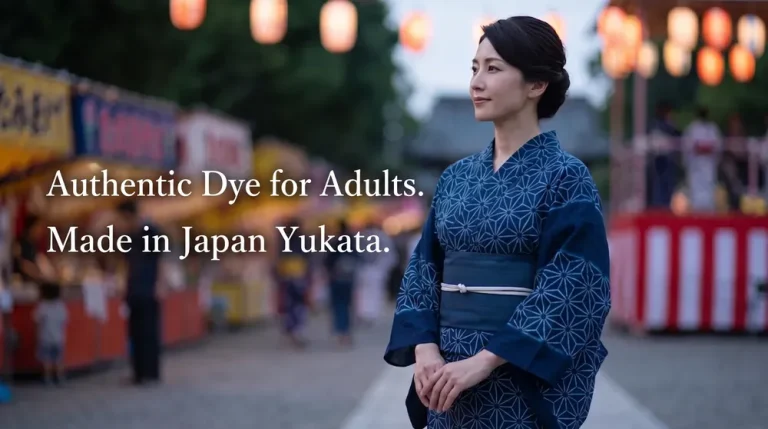
Turn it over: a chusen yukata looks the same on both sides, a printed one does not. Arimatsu shibori, sizing for tall... Read More
About 14 min read
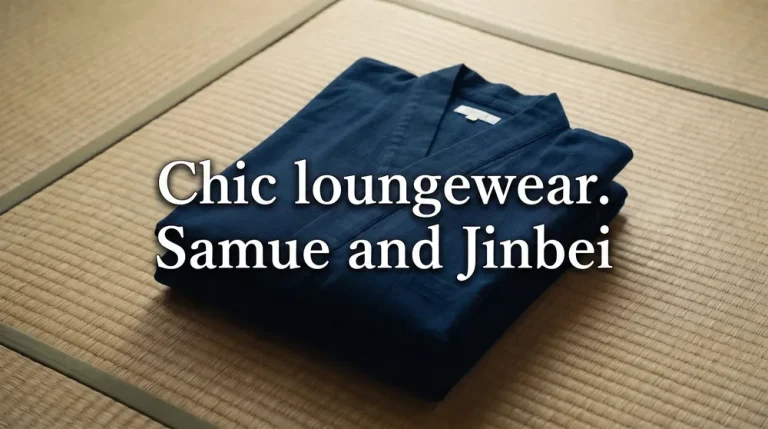
Samue means Zen work clothes; jinbei is summer only. Kurume and Awa shijira weaves, and the 1,300-year rule about whi... Read More
About 16 min read
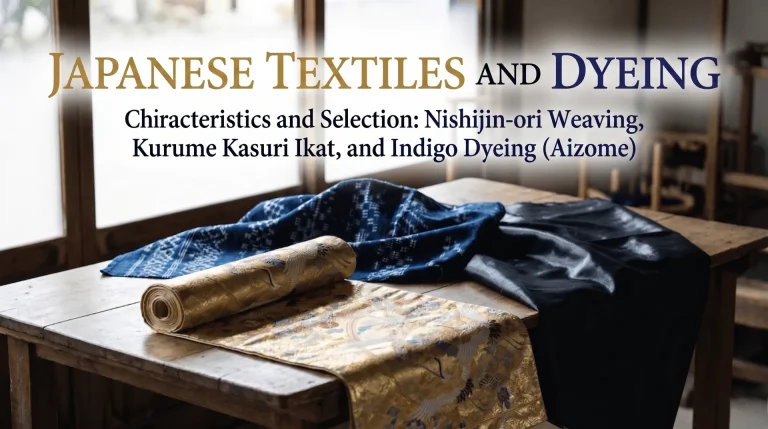
Wearing woven tsumugi to a wedding is a faux pas. But which dyed silk suits a tea ceremony, and which cotton works ev... Read More
About 20 min read
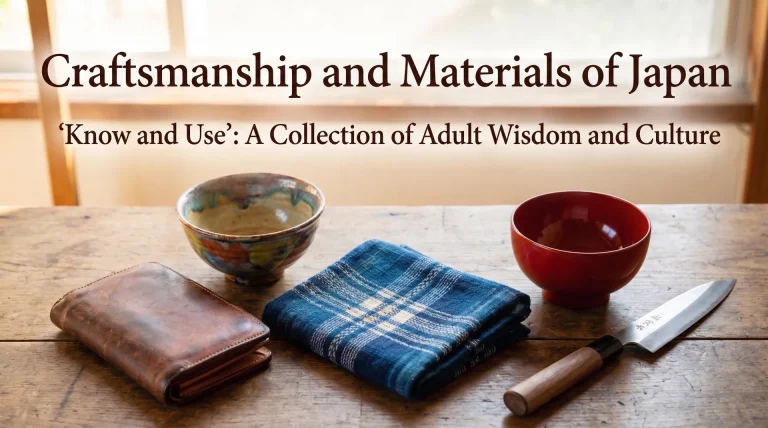
Know the story behind the object — and it becomes a companion for life. Explore Japanese leather, pottery, textiles, ... Read More
About 6 min read
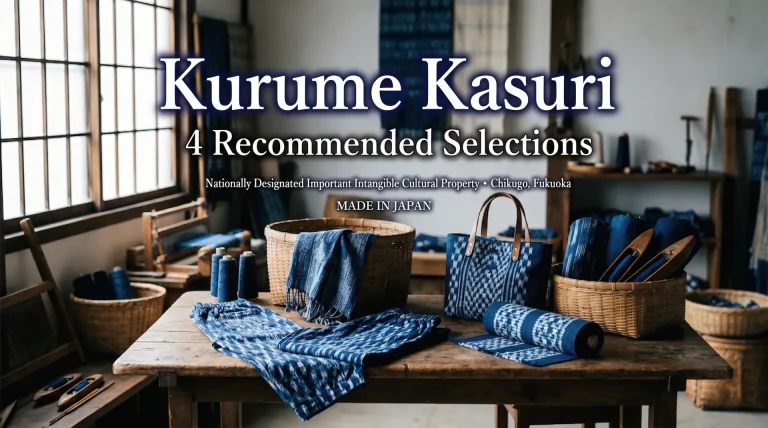
Kurume kasuri is Japan's oldest cotton ikat — designated an Important Intangible Cultural Property in 1957. Monpe, st... Read More
About 16 min read
What each mizuhiki knot means, from awaji and ume to the butterfly bow, and which knot and colour to use for which gift. Read More
About 15 min read
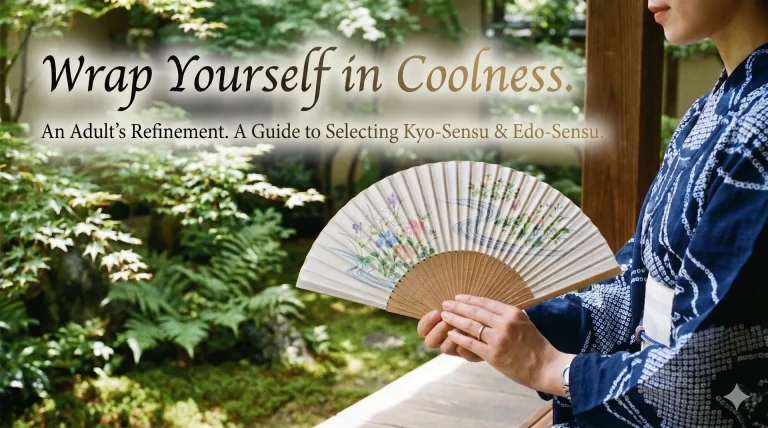
Still using a plastic fan or a cheap import? A quality Japanese folding fan — Kyo-sensu or Edo-sensu — opens differen... Read More
About 12 min read
Experience "aizome" indigo dyeing — called Japan Blue — as a family! Dye a T-shirt or handkerchief while enjoying the... Read More
About 15 min read