For fashion lovers, Kojima in Okayama is a holy land.
・The Aesthetics of "Selvedge (Red Ear)":
By intentionally weaving slowly on inefficient old-style "shuttle looms," an exquisite unevenness (roughness) is born in the fabric. This creates the beautiful color fading (aging) called dot-fading and vertical-fading the more it is worn.
・The Depth of Japan Blue:
Through a dyeing technique called "Nakajiro" (white core), where the core of the thread is not completely dyed, a three-dimensional gradient is achieved, with the surface being deep indigo and the white core visible from the wear wrinkles. This is a Japanese technique adopted by luxury brands worldwide.
Don't chase trends, raise "authenticity." The world's finest textiles and sewing.
Why do European high brands want to use Japanese fabrics? Why do overseas denim enthusiasts aim for Okayama?
It is because of the "old-style looms" found only in Japan, and the obsessive commitment akin to "madness" of the craftsmen who operate them.
T-shirts that can be worn for 10 years, denim that becomes more beautiful the more you wear it, and socks that don't tire your feet.
Here, we feature "clothing as partners" that you will share your life with, the polar opposite of disposable fast fashion.
How to choose Fashion & Apparel
[Wakayama Loopwheel] The Magic of Knitting Only 1 Meter per Hour
If you are looking for the best sweatshirts and T-shirts, remember the keyword "Loopwheel."
・Knitting with Air:
These old-style machines, said to exist only in Wakayama Prefecture globally, slowly knit fabric into a tubular shape using only gravity, without applying unnecessary tension to the yarn.
・A Softness Unknowing of Deterioration:
Only 1 meter per hour. The productivity is terrible, but the finished fabric contains air and is as soft as marshmallows, and its texture is not lost no matter how many years you wash it. This is the true identity of a "sweatshirt that can be worn for 10 years."
[Nara Socks] The Comfort Dubbed a "Second Skin"
Actually, Japan is one of the world's leading sock superpower nations. Notably, Nara Prefecture boasts Japan's topmost production volume.
・Seamless (Linking):
Deploying advanced techniques surfacing toe seams flawlessly flat ensures zero frictional rubbing encountering the shoe interiors.
・Deterring Foot Fatigue:
Applying functional pursuits weaving methods upholding foot-arch supports or breathing features interweaving Washi (Japanese Paper) formulating zero moisture traps. Endlessly yielding dependent addicts affirming "I perpetually decline reverting towards 3-pairs-for-1000-yen deals" immediately after single wearings.
God Lodges on the Reverse Side. The Art of "Sewing"
Should you grasp Japanese-made clothing, absolutely observe verifying the "reverse sides". Japanese pride resides precisely there.
・Seams Relinquishing Skin Encounters:
Deploying specific sewing machines categorizing "Flat-Seamers" formatting joint patches remarkably smooth, mitigating strains impacting skins directing absolute limitations.
・Obsessions Over Pattern Matching:
Acknowledging checking pattern matching or border alignments regarding shirt pockets paired directly against joint fabrics connecting perfectly. That embodies crystalized precise calibrations merging craftsmanship manifesting upon textile cutting domains. Highly emphasizing that deceptively simple-looking apparels expend immense costs navigating such microscopic intricacies.
Maintenance "Raising" Clothes & Q&A
Q. Is the legend denoting skipping denim washes accurate?
A. Previously considered gospel, presently "Washing fittingly" projects accuracy. Sweats incorporating sebum deteriorate fabric integrity. Shielding clean qualities adjoining maintaining pristine color-fades unlocks navigating turning them inside-out sparing detergents (or employing dedicated types) coupled enforcing shaded-drying.
Q. Care regimes addressing Wools matching Cashmeres?
A. Post-return "Brushing" dominates acting the supreme care-regime. Gently stroking deploying horse-hair brushes unpacks fiber entanglements hindering pilling fabrications, restoring luster. Deducting dry-cleaning trips embodies the secret ensuring clothes endure longer.
Q. What signifies "Clothes you Raise"?
A. Garments bypassing peaking moments instantaneously purchasing, rather assimilating fitting one's bodily proportions coupled enriching fabric tonalities gradually adapting them via wearing routines. Signified broadly traversing leather items tracking denim and loopwheeled cottons. Japanese apparel outlines architectures establishing these "Aging developments" fundamentally constituting virtues.
CURLY&Co.
TSUCHIYA KABAN Brand LP
clocomi
GUNZE Made in JAPAN
Kutsushita no Mikasa
Miyamoto Kogei
MSPC master piece
noguchi BIJOUX
JENNE
PRAS
Sankei Meriyasu
TAKEYARI
UCHINO
Kinuya(絹屋)
Askal Kaban Kobo
HUKURO
NAKATA HANGER(中田ハンガー)
Unagi no Nedoko(うなぎの寝床)
KANEKO OPTICAL (金子眼鏡)
KIMONO YAMATO(きものやまと)
MASUNAGA since 1905 (増永眼鏡 / G.M.S.)
999.9 (four nines)
EYEVAN
ARTPHERE
Kiwada Masaaki Shoten(木和田正昭商店)
GUIDES & STORIES for this category
We've picked up related guides and stories for this category from our selection of Japanese-made products.
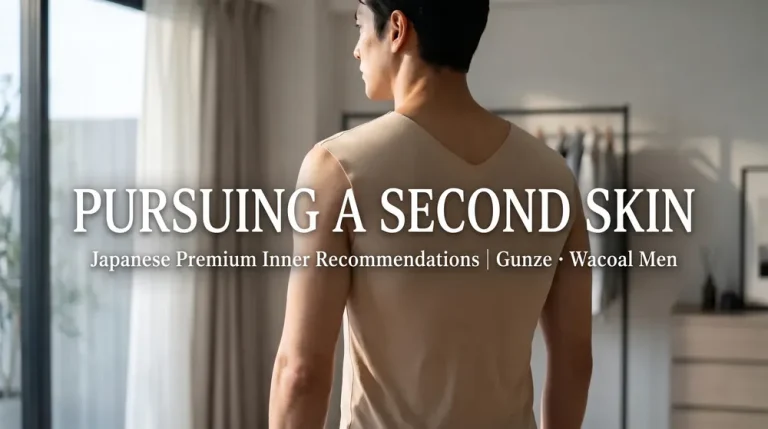
Japanese Innerwear: Seamless, Tagless, and Sized Small
Flat seams, no label to scratch,…
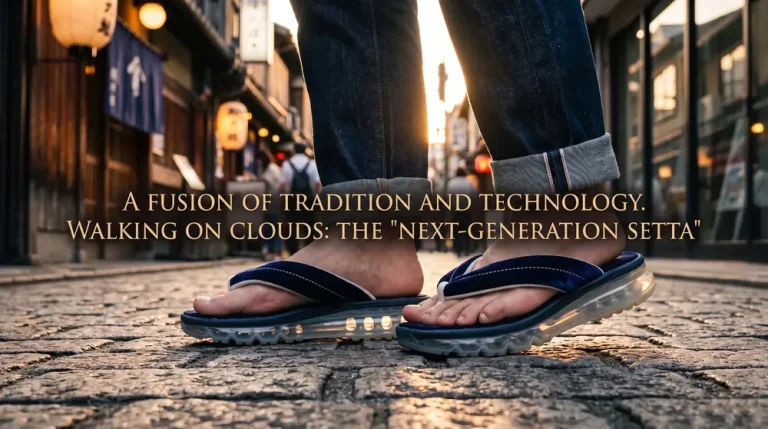
Setta Sandals: Traditional Thong, Modern Sole
A flat Japanese sandal now built…
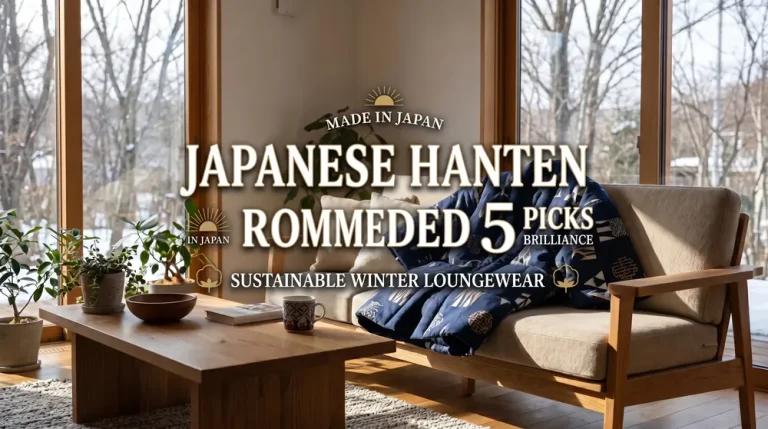
Hanten: Not a Happi, and Check What Is Inside
The padded winter one, not the t…
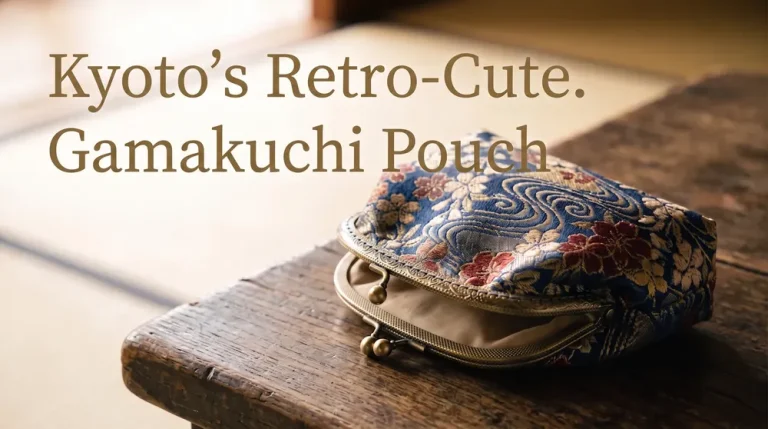
Gamaguchi: The Kiss Lock Purse Europe Stopped Making
France sent it to Japan in the M…
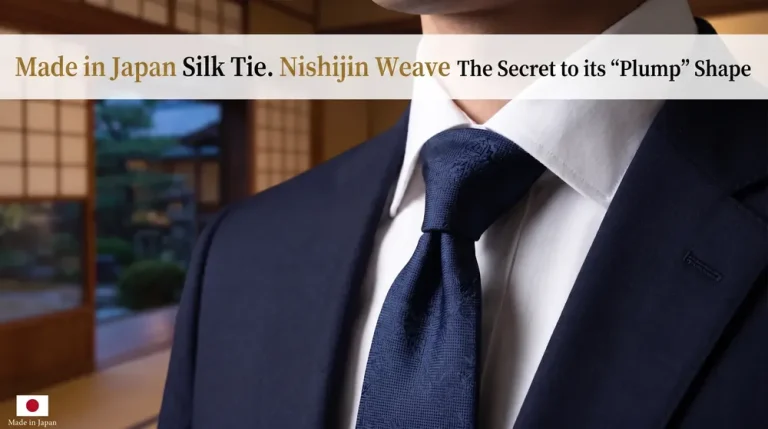
Japanese Silk Ties: The Mill That Scrapped Its Looms
In 2008 a Tango weaver threw out…
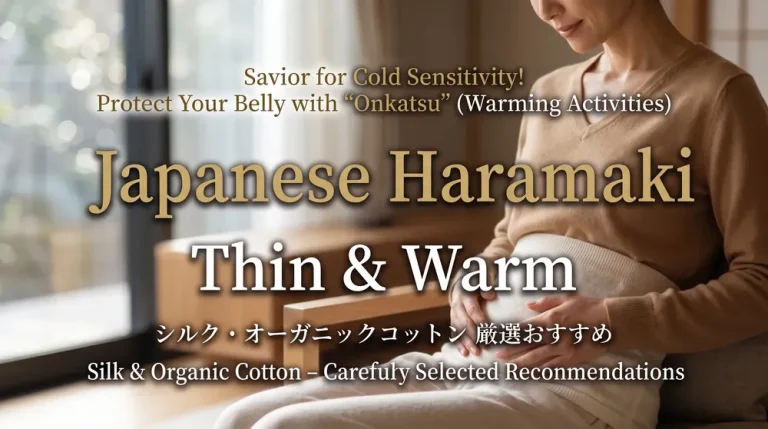
Haramaki: Why Japan Warms the Middle, Not the Ends
The West layers gloves and socks…

Japanese Suitcases: Proteca, and Japan’s 10kg Rule
Proteca is the only suitcase lin…
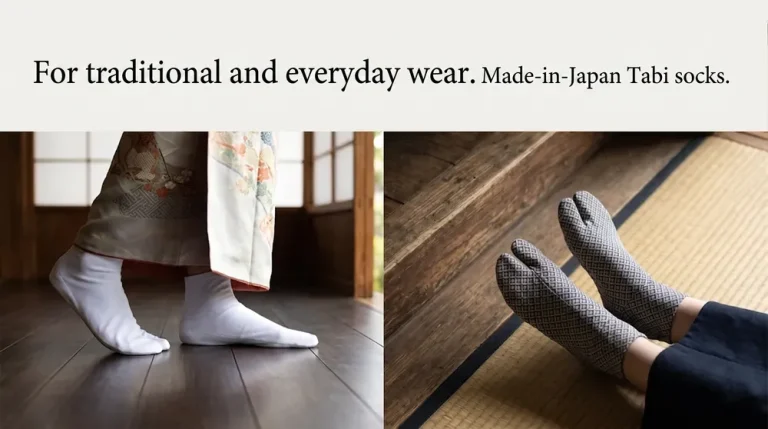
Tabi Socks: Why the Toe Is Split, and Which Kind
Margiela's boot is named after a…