When a Western person is cold, they reach for gloves, socks and a hat. The
extremities are where you feel it, so that is where the layers go.
Japan insulates the middle instead. A haramaki is a knitted tube worn
around the abdomen under your clothes — no sleeves, no shoulders, nothing on your arms — and it is
a completely ordinary garment there, sold in every drugstore.
The practical case for it is thermal, not medical, and it comes down to one thing:
you get warmer without adding bulk anywhere that has to move.
Quick Reference: What It Is and Is Not
| Question | Answer |
|---|---|
| What is it? | A knitted tube worn around the torso, under clothes |
| Why not just a jumper? | No bulk on the arms. Fits under fitted clothes |
| What to look for | Seamless — no side seam to dig in |
| Will it help me lose weight? | No. It is a layer of knitting |
| This guide makes no health claims. A haramaki is insulation. Everything below is about warmth, fit and construction. | |
What It Actually Does, and What It Does Not
A haramaki is a layer of knitted fabric over your abdomen. That is the entire
mechanism. It holds warm air against your torso the way any garment does.
We are not going to tell you it does anything else. Japanese marketing in this
category leans heavily on wellness language; this guide is about warmth, fit and construction.
The genuine argument, which is about bulk
The reason to wear one rather than another jumper is that it adds warmth in a place that does not need to bend.
- Nothing on your arms. You can still type, cook, draw, or wear a fitted jacket. A second jumper compromises all of that.
- It disappears under clothes. Thin knit under a shirt is invisible, which a thermal top with sleeves is not.
- It covers the gap. Sitting down, reaching up, or bending forward untucks most shirts and exposes the lower back — a haramaki closes that gap permanently, and that draught is a large part of feeling cold indoors.
That last point is the one people find convincing. Japanese homes are historically poorly insulated and heated room by room rather than centrally, which makes a permanently covered lower back worth more than it would in a centrally heated house.
On hiesho, and why the abdomen specifically
Japan recognises a complaint called hiesho — a persistent sensitivity to cold — which does not map onto a Western diagnosis. It is taken seriously in Japanese daily life and there is a whole product category built around it.
The reason the abdomen is the target is partly linguistic. In Japanese, the belly
(hara) is where character lives: to split your belly open is to speak frankly, and
belly art means communicating without words. The abdomen is treated as the seat of
vitality rather than as a body part.
That is a fact about the language, not evidence about physiology, and we present
it as such — but it does explain why the garment exists in Japan and nowhere else.
Why Japanese — The Seam You Cannot Feel
Cheap belly bands are cut from flat fabric and sewn up the side. That seam is a
ridge of doubled fabric and stitching running down your waist, under a waistband, all day.
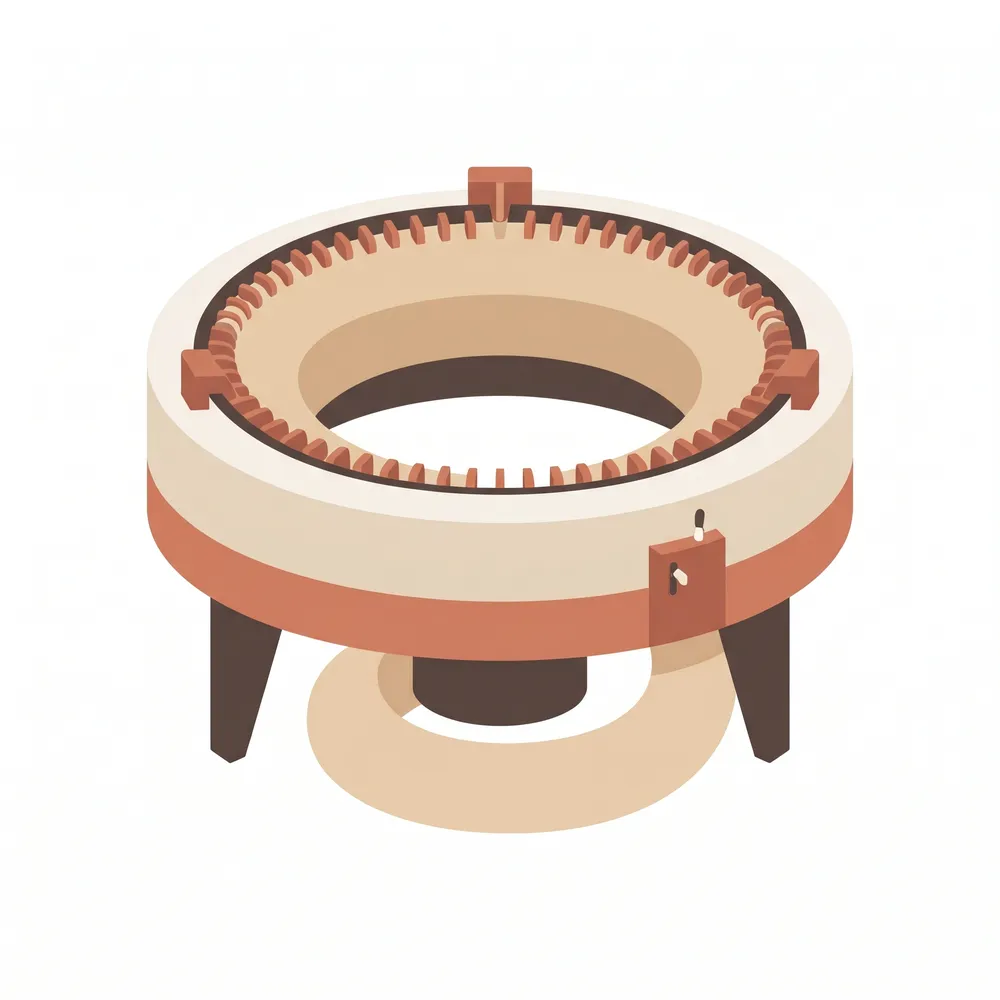
Japanese haramaki are knitted as a tube. Circular knitting produces the
cylinder directly — there is no side seam because there was never an edge to join.
You notice this sitting down. A seam that is unnoticeable standing up presses into your side the moment you fold at the waist, and it is exactly the sort of small persistent irritation that makes a garment quietly stop being worn.
The other consequence: pressure without a band
A seamless rib-knitted tube stretches evenly all the way round. It grips without a hard elastic edge, which is what makes a haramaki possible to wear for eight hours — an elasticated band would leave a mark and a garment you take off at lunchtime.
Better Japanese versions go further and put the good fibre only where it touches
you — a silk inner face against the skin, with cotton or wool outside for warmth and
durability.
That is a knitting decision, not a fabric blend: two yarns knitted so one stays on
the inside surface. It costs more and it is the difference between silk as a marketing word and
silk as the thing your skin is actually against.
Silk, Cotton, Wool
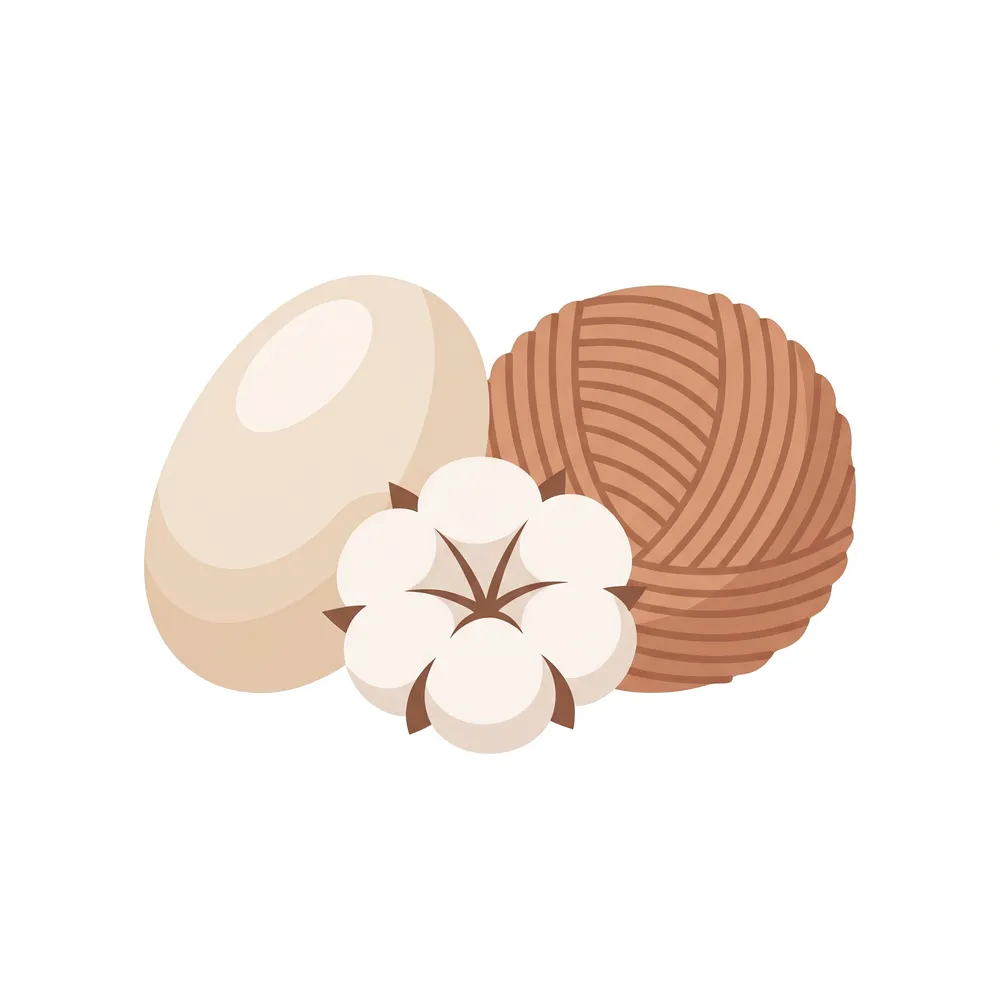
- Silk — thin, and the one that works in mild weather. Almost weightless, handles moisture well, and thin enough to wear under anything. It is also delicate and the most expensive. The best choice if you want it invisible.
- Cotton — the everyday one. Washable without ceremony, durable, comfortable against skin. Organic cotton versions exist for people who react to finishes, which is a real consideration for something worn against the skin all day.
- Wool — for actual cold. Warmest by a distance and bulkier with it. Best under outerwear rather than under a shirt.
- Silk inner with cotton or wool outer — the combination most of the good Japanese ones use, and the most comfortable if you can find it.
Thickness is the decision, not warmth
Buy for where it has to fit rather than for how warm it is. A thick wool haramaki is warmer and will not go under a fitted shirt; a thin silk one disappears and does correspondingly less.
Most people who own one and use it own a thin one, because the thick one lives in a drawer.
What to Buy
Kinuya silk haramaki — seamless, silk against the skin
A seamless tube with no side seams at all, and the surface in contact with the
skin is 100% silk in a rib knit — which is the specification this whole
article is about.
Made in Japan and sold in English, which is unusual for a category that is
otherwise almost entirely domestic.
- Construction
- Seamless tube — no side seams
- Skin side
- 100% silk, rib knit
- Thickness
- Thin — wears under fitted clothes
- Made
- Japan
- Price range
- $30–$60
Perfect for: Anyone testing the idea, and anyone who needs it invisible under work clothes.
Cotton and silk — the everyday version
Cotton outside, silk inside — warmer than pure silk, easier to wash, and
sturdier for daily use. This is the one most Japanese households actually own.
If you are unsure which to start with, start here rather than with pure silk.
It survives being treated like normal clothing.
- Construction
- Knitted tube, cotton with silk lining
- Warmth
- More than silk, less bulk than wool
- Care
- Machine washable in a mesh bag
- Made
- Japan
Perfect for: Daily wear, and for anyone who will not hand-wash anything.
Japan has a much wider range than reaches English shops — established underwear
manufacturers and small organic-cotton makers among them — but
we could not confirm English-language sales for those, so we are not going to send
you looking.
If you are in Japan, any drugstore has a wall of them, and that is by far the
cheapest way to find out whether you will actually wear one.
Wearing It, and Washing It
- Position it over the navel, covering the lower back. The lower back is the part that matters — that is where the draught comes in when you sit or bend.
- It should not leave a mark. If it does, it is too small. A haramaki works by covering, not by compressing, and anything tight enough to indent your skin is the wrong size.
- Sleeping in one is normal in Japan, and a thin one is unobtrusive. Choose the thinnest you have if you do.
- Silk and organic cotton: mesh bag, neutral detergent, no tumble dryer. Heat shrinks the knit, and a shrunk haramaki is a haramaki that now compresses.
- Replace when it stops springing back. Knitted elastic fatigues; when the tube no longer holds position and rolls down, it has stopped doing its job.
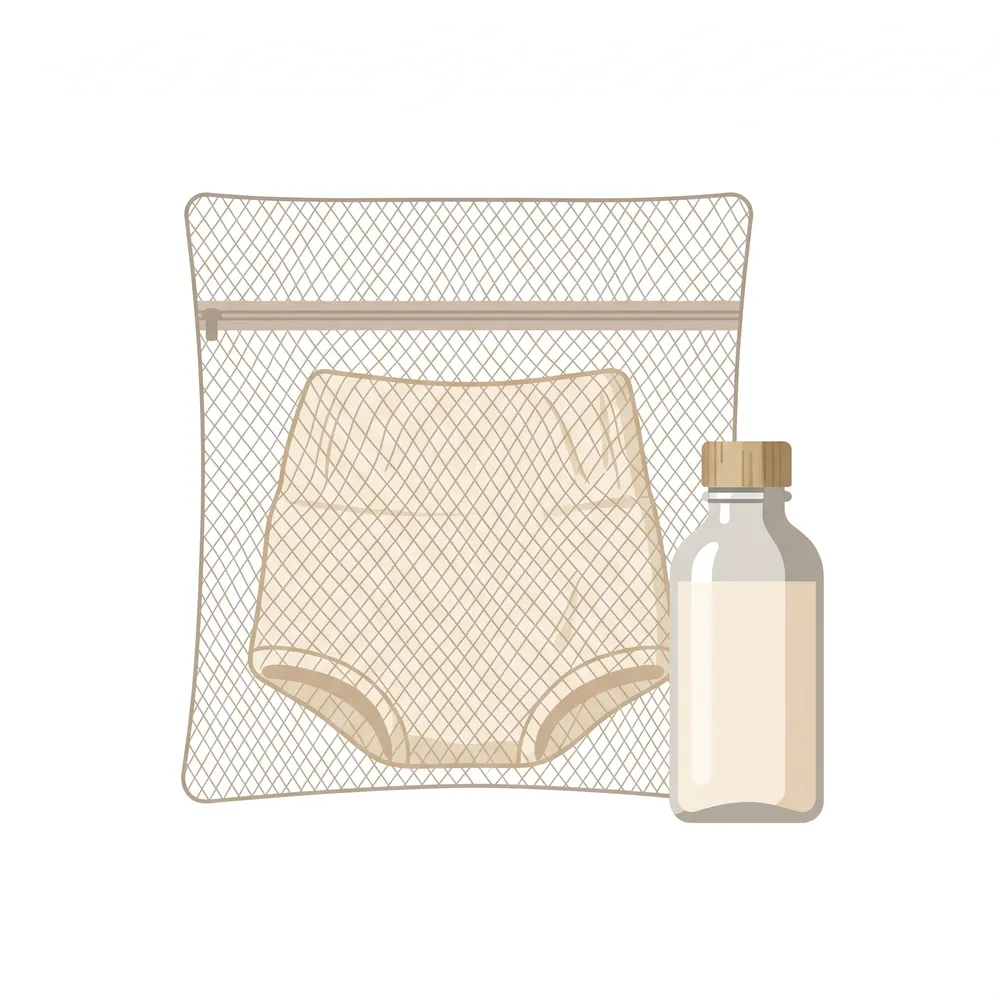
Buy two if you decide you like it. It is worn against the skin daily, so it needs washing as often as underwear — and one haramaki means going without on wash day, which is how people fall out of the habit.
Frequently Asked Questions
Does a haramaki help you lose weight?
No. It is a knitted tube that holds warm air against your torso. It does not burn
fat, and any product marketed on that basis is selling you something else.
What it does is keep your lower back covered, which is a comfort benefit and not a
metabolic one.
Why not just wear another layer?
Because a haramaki adds warmth without adding bulk to your arms. You can type,
cook and wear a fitted jacket over it, none of which survives a second jumper.
And it closes the gap at the lower back that opens whenever you sit down or reach
up — which is where a surprising amount of feeling cold indoors comes from.
What should I look for when buying?
Seamless construction, first. A knitted tube has no side seam; a cut-and-sewn band
has a ridge that presses into your side every time you sit.
Then thickness rather than warmth — buy the one that fits under the clothes you
actually wear, because the thick one ends up in a drawer.
Can I sleep in one?
Yes, and it is common in Japan. Use a thin one — silk or light cotton — and make
sure it is loose enough not to leave a mark.
If it is tight enough to indent your skin, it is the wrong size, awake or asleep.
Is it too hot for summer?
A thin silk one is not, and that is what summer versions are for. Air conditioning
in offices, trains and shops is aggressive in a Japanese summer, and a light haramaki is worn
against the indoor cold rather than the outdoor heat.
A wool one in July is a mistake, obviously.
Is it suitable during pregnancy?
Maternity-specific versions exist and are widely worn in Japan, cut deliberately
loose. The general rule applies more strictly: it must not compress, and a
standard-size haramaki will stop fitting.
We are not giving medical advice — if you have any question about wearing
something around your abdomen during pregnancy, ask your midwife or doctor rather than a shopping
guide.
Final Thoughts: A Layer Where Nothing Has to Bend
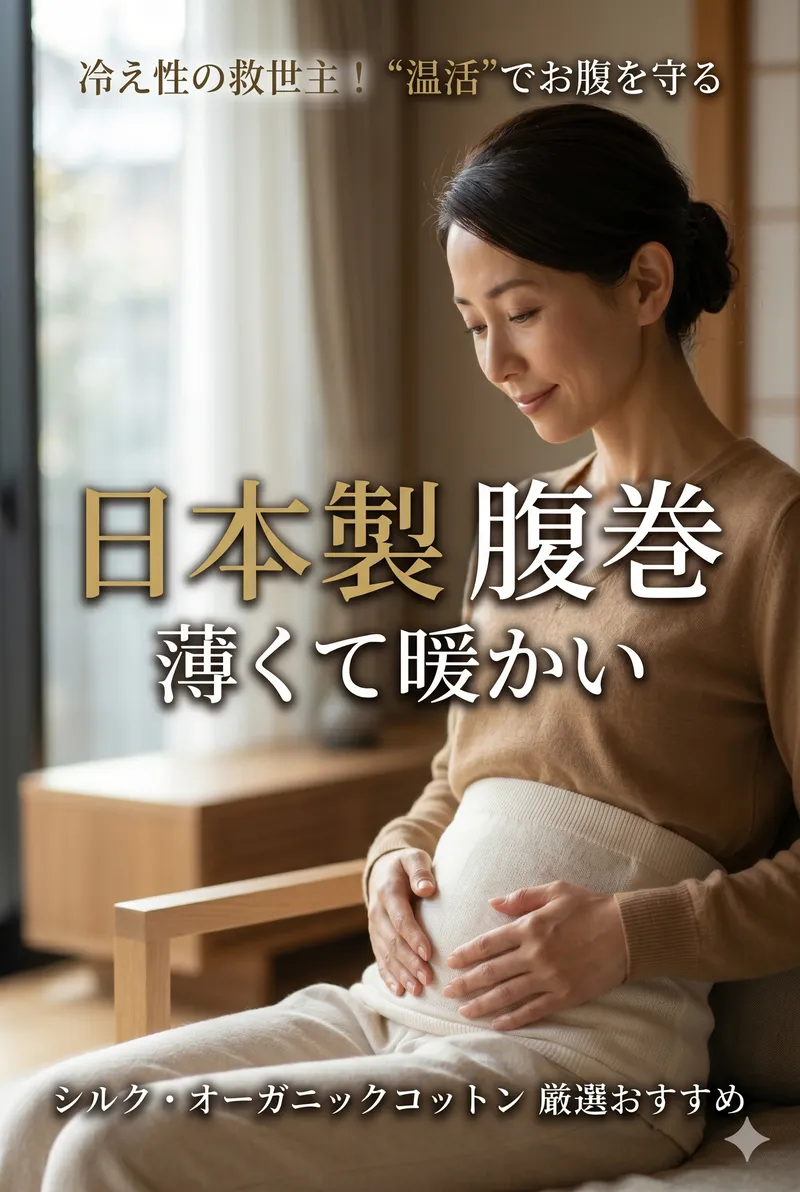
The idea is better than the marketing around it. Strip away the wellness language and what remains is genuinely sensible: insulation over the one part of you that does not need to bend, and permanent cover for the gap at your lower back.
Buy seamless, buy thin, and buy two. The seam is what makes people stop wearing them, the thickness is what makes people not start, and one is never enough for something worn against the skin.
And it will not make you thinner. It will make you warmer while you are still able to use your hands, which is a smaller claim and an actually true one.
Japanese Pyjamas: What Sleeping Cotton Should Do
Japanese Socks That Don't Slip or Tire Your Feet