[Iron Frypans] Why Does Baking on Iron Turn Explosively Delicious?
The biggest reason iron frypans are selected isn't durability, but "taste."
・High Temperatures Prompting the "Maillard Reaction":
Fluorine-coated pans hold slow heat conduction, tending to drop temperatures dropping ingredients in. Contrastingly, iron carries stellar "heat retention," upholding high heat even interjecting cold meats. Thereby, it instantaneously sears the exterior solidifying it, locks within meat juices, drawing out savory aromas (Maillard Reaction). That vegetable stir-fries don't water-log but stand "crisp" relies entirely upon this high heat.
・The Byproduct of Iron Supplementation:
Due to microscopic iron dissolving amidst cooking, you can naturally supplement iron via regular diets. Labeled a health boon negating supplement intake, women prone to anemia strongly observe it.
"Rusting / Sticking" Belongs to the Past. Evolved Modern Iron
The hurdle impeding iron frypan introduction is "maintenance," but Japanese tech solves it.
・Rustless "Nitriding Processing":
Frypans have appeared applying rust-prevention tech utilized on aircraft parts, surface-hardening the iron utilizing nitrogen. They won't scratch vigorously scoured with metal brushes, won't rust cleansed with soaps. It's a revolutionary tool overturning common iron-sense.
・"Hard Temper" Escaping Oil-Break-ins:
Manufacturers also ship items already oiled, after craftsmen conduct factory baking-in until it flares red-hot. From the very delivery day, you can experience a "non-sticking" characteristic feeling like it's been utilized for decades.
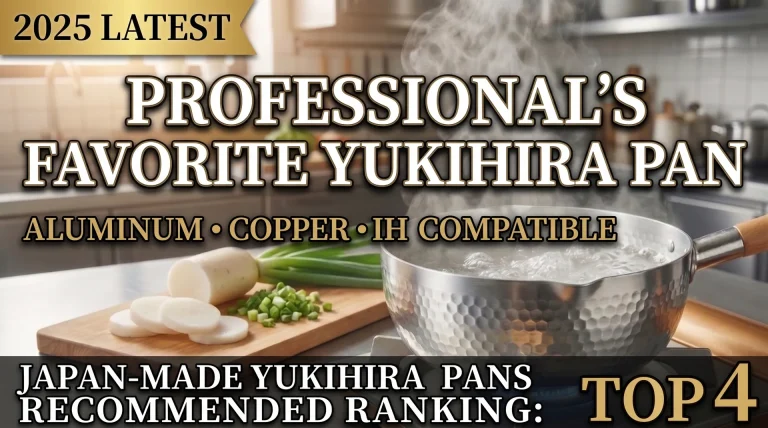
[Yukihira Nabe] Three Functional Beauties Hidden within Tsuchime (Hammering)
The icon of Japanese kitchens, the silver-shining "Yukihira Nabe." The bumpy patterns layering its surface represent meanings superseding design.
1. Heat-Conduction Acceleration:
Tapping the exterior drafting bumps augments the surface area, capturing flame heat more resourcefully. That's identically why boiling water speeds up prominently.
2. Augmented Strengths:
Beating down thin aluminum or stainless consolidates the metallic structuring, compatibly retaining both lightness and sturdiness.
3. Spillover Preventions:
The convection of boiling water striking off the bumps hinders bubbles swelling extensively, suppressing broths boiling over.
The "sharp cleanly cutting spout" stems exactingly through manual adjustments executing by Japanese craftsmen.
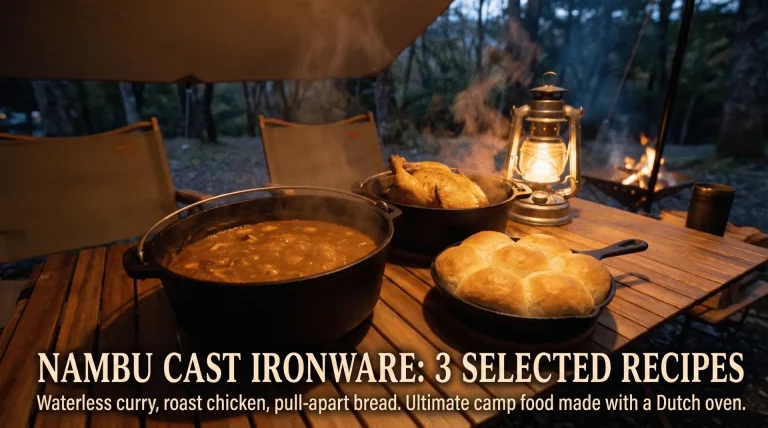
[Cast Enamel Pots] Waterless Cooking Birthed by The World's #1 "Airtightness"
Cast enamel pots of Japan, epitomized by Aichi's "Vermicular," machine-shave crevices severing lid and body to an astounding accuracy under 0.01mm.
・Simmering Utilizing Purely Vegetable Moisture:
This immense airtightness entraps ingredient moisture and fragrances. Conducting "waterless cooking" forging curries and soups completely devoid of external water additions leveraging purely vegetable moistures. Countless testaments echo detailing vegetable-hating kids astonishingly downing unimaginably sweet carrots. Weight defines "pressure" purposed for deliciousness.
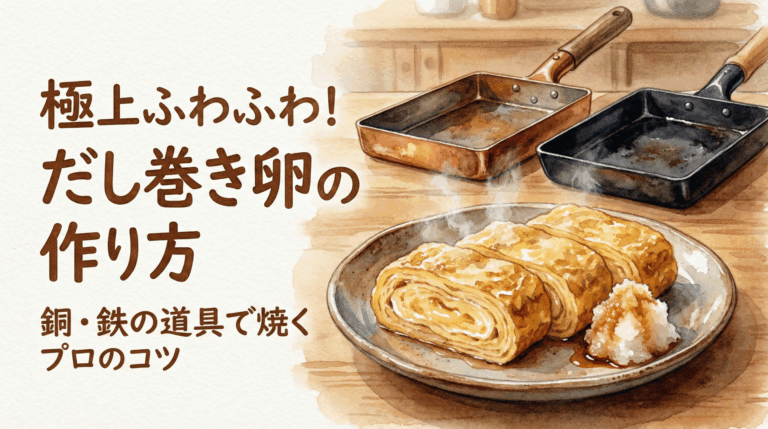
[Copper Tamagoyaki Pans] "Golden Tools" Used by Professionals
Why traditional restaurant dashimaki eggs remain fluffy rests distinctly in utilizing "copper."
Copper brags overwhelming heat conductivity scaling 5x beyond iron, 24x beyond stainless. Since warmth sweeps unequivocally consistently over the total span instantaneously despite meager heat, bake-patchiness perishes, rendering omelets fluffy previously prior eggs stiffening. The copper gleams mutating amber tending maintenance signifies the medal awarded exclusively to those fostering gastronomy affection.
Maintenance Rituals "Raising" Your Tools (Q&A)
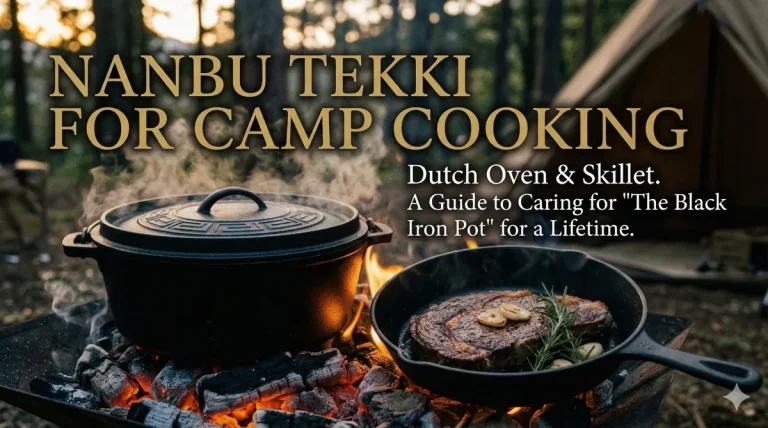
Q. My iron frypan burned and went pitch black... is it ruined?
A. Absolutely never toss it! That simply dictates it "carbonized." Inserting hot water bringing it to boil, softening the burns, and brushing it drops it away unraveling iron-skin beneath. If stubborn, dry-firing scorching it out entirely functions possible. Iron encompasses an immortal material regenerating endlessly.
Q. Can I deep fry with it?
A. Rather we fully recommend it! Deep-frying dictates the highest maintenance infusing oil consistently spanning the entirety. Because frying in iron hampers dropping temperatures, achieving crispy fries parallels cultivating the pot. A literal two-birds-one-stone situation.
Q. Are soaps an absolute no-go?
A. During "raising oil-films", it signifies a no-go (warm-water washes recommended), yet whenever smells concern you, or considering nitriding processed items, detergent utilization raises absolutely no issues. What harbors criticality remains "promptly placing over fires, drying, and mildly administering oil" sequentially post-wash. This single effort guarantees delicious dishes tomorrow.