Indispensable considering speaking encompassing Japanese crafts posits demonstrating the "Mingei" spirit.
・The Awesomeness of Nameless Artisans:
Not artworks created for self-expression by artists, but vessels and tools mass-produced by nameless artisans bridging commoner lifestyles. Unpretentious, healthy beauty (functional beauty) dwells there, birthed as a result of achieving ultimate "usability."
・Fitting in the Hand:
The balance of the center of gravity when held, the curve when touching the mouth. Shapes continuously improved navigating hundreds of years project "correct answers" nesting closely toward human bodies.
There is a reason it lasts 1000 years. The "Japanese handiwork" the world envies.
Pottery, lacquerware, metalwork, textiles/dyeing.
Japan is a "Superpower of Crafts" rarely seen globally. Why have these techniques survived until modern times?
It is because they were not artworks to decorate museums, but "tools" intended to be used vigorously in daily life.
The spirit of "Mingei (Beauty of Use)" born from nameless artisans, and the "New Tradition" that never stops evolving to match modern lifestyles.
Here, we feature Japanese crafts continuously chosen to slightly enrich your daily life and function as gifts for loved ones.
How to choose Crafts & Art
Tradition is a Series of "Innovations"
Do you think crafts are hard to handle? Actually, today's crafts have evolved astonishingly.
・Washable Lacquerware, Unbreakable Glass:
Lacquerware compatible matching dishwashers alongside microwaves, traversing glasses rejecting shattering disregarding droppings infusing silicones. "High-tech crafts" updated to match busy modern lifestyles while preserving traditional techniques have emerged.
・Fusion encompassing Nordic Designs:
Minimalist tableware leveraging the beauty of Arita-yaki white porcelain, pairing geometric Yosegi-zaiku (marquetry). Acquiring zealous followings pinpointing overseas Nordic interior enthusiasts overwhelmingly.
The "Kintsugi" the World Loves and the Beauty of Imperfection
Currently, "Kintsugi" is booming worldwide.
Repairing broken vessels using lacquer and gold, adoring even the scars as a "new scenery."
The spirit of "Wabi-Sabi," believing beauty lodges in things that have been used and repaired rather than flawless, brand-new items, resonates deeply resolving modern individuals exhausted mapping mass-production/mass-consumption.
The narrative specifying "repairing alongside continuing usage" replacing "terminating upon breaking" denotes the maximum worth regarding craft products.
Gifting "Thoughts". How to Choose Craft Gifts
Crafts respectively bear auspicious meanings imbued within.
・Meotobashi (Couples' Chopsticks):
"Hoping you won't struggle for food" and "Connecting people (Bridging)." The ironclad choice for wedding gifts.
・Tin Sake Vessels:
Because tin does not rust or break, it means "prosperity continues" and "immortality."
・Maneki Neko and Daruma:
Business prosperity and making wishes. Modern Kutani-yaki and Seto-yaki ornaments are appreciated determining opening store celebrations matching housewarming presents.
Q&A for Raising Crafts
Q. Lacquerware (JAPAN) seems difficult to handle...
A. That is the biggest misunderstanding! Once lacquer solidifies, it represents the "strongest natural paint" resilient encountering acids mapping alkalis.
Watch out purely targeting "prolonged soakings" intersecting "direct sunlight (UV rays)." Washing manipulating ordinary detergents matching sponges, sequentially wiping formatting cloths establishes OK standing. Growing lustrous expanding usages formulating lifetime goods.
Q. Artisan pieces or mass-produced items, which is better?
A.
・Artisan pieces: Colors and shapes differ per item, permitting enjoying the marks (wavering) concerning handiwork. For those wanting prioritizing emphasizing "encounters."
・Mass-produced items (Products): Because they format uniformly establishing molds, they ease stacking capacities matching straightforward repurchasing vectors. Denoting "practicality" prioritized personas.
Both signify magnificent Japanese technologies.
Miyamoto Kogei
FUTAGAMI
Hakuichi (HAKUICHI)
Beppu City Traditional Bamboo Crafts Center
Matsushima Kumihimo Shop
TAJIMA GLASS
MARUBUN SHOP
Fukuju Shikkiten — Hida Shunkei Lacquerware
Marugame Uchiwa
Shimadzu Satsuma Kiriko
Shobido Honten
Shikki no Asobe (Asobe Lacquerware)
Yamanishi Shoten — Shido Kiri Geta
Satuma Vidro Kogei
Fukagawa Seiji
Tezukuri Kobo Kyotoya
Issui Pottery
SHOHO
KORANSHA
ZOHIKO, Kyoto Lacquerware
Ryukyu Glass Village
Sumida Edo Kiriko-kan
Minoyaki Traditional Craft Cooperative
Inshu Washi Traditional Workshop Kamingusaji
Hoshizuna Glass Studio
GUIDES & STORIES for this category
We've picked up related guides and stories for this category from our selection of Japanese-made products.
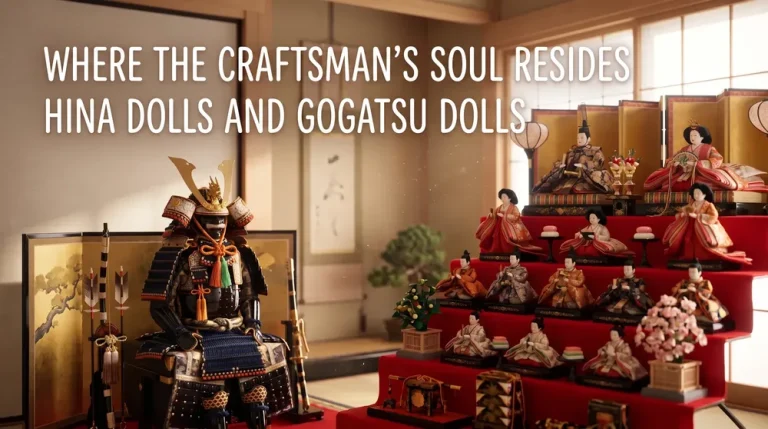
Hina Dolls: The “Marry Late” Rule Is a 20th-Century Trick
The superstition dates from the …
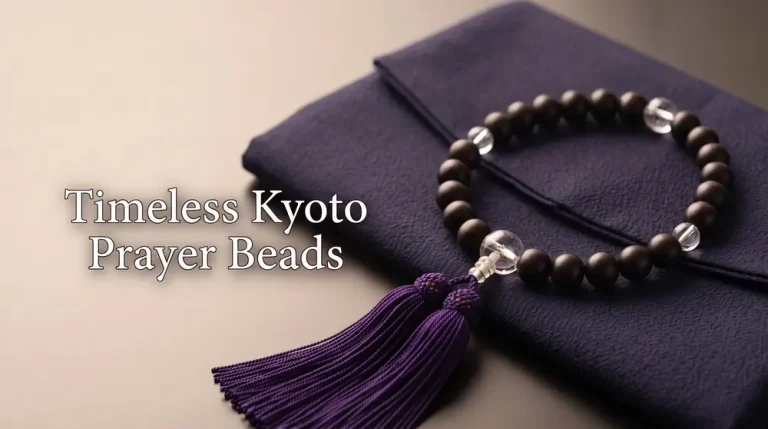
Juzu: How Japanese Prayer Beads Differ from Malas
Both descend from the Indian mal…
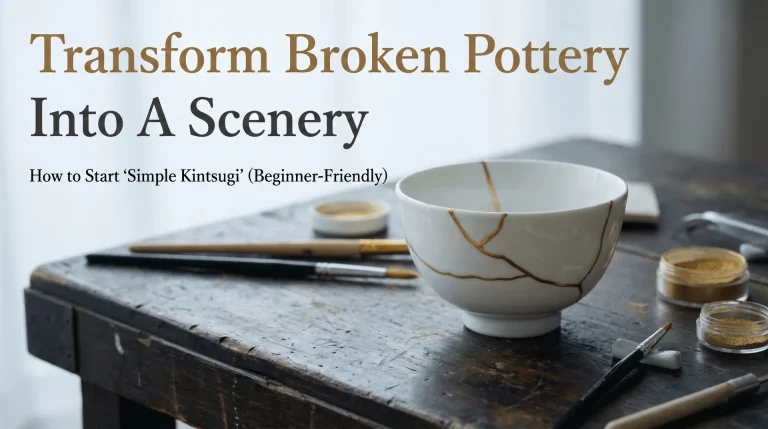
Kintsugi Kits for Beginners: Repair Broken Ceramics in a Day
Kintsugi turns cracked ceramics …
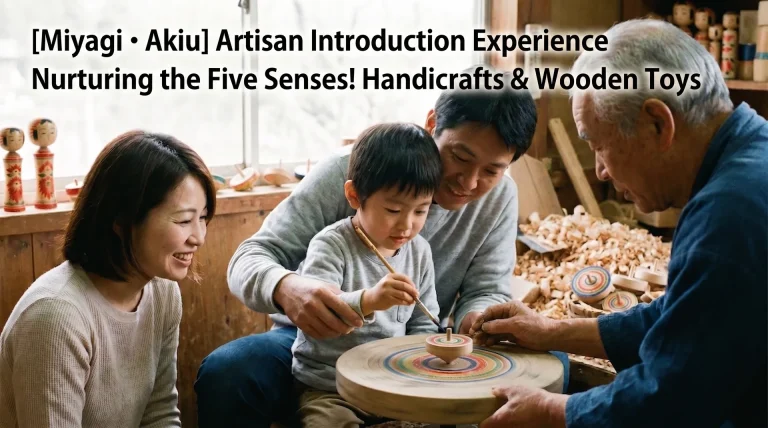
[Miyagi/Akiu] Paint “Koma & Kokeshi” in a Craftsman’s Workshop! Hot Spring Sightseeing Guide
A family trip to Akiu Onsen in M…
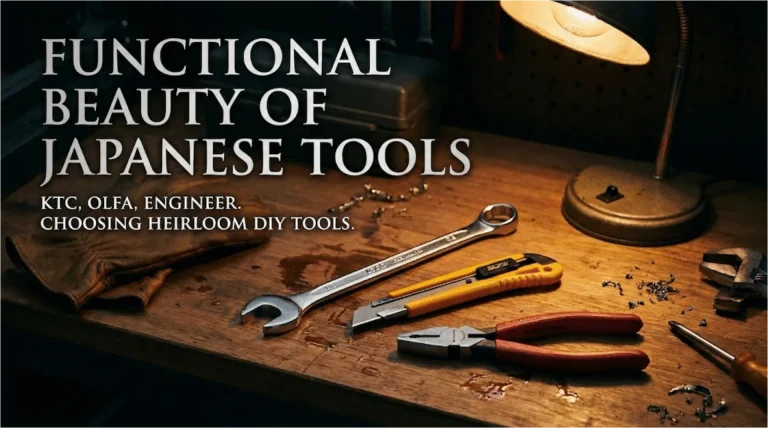
Best Japanese Hand Tools | KTC Nepros, OLFA & Engineer
KTC's mirror-polished Nepros wre…
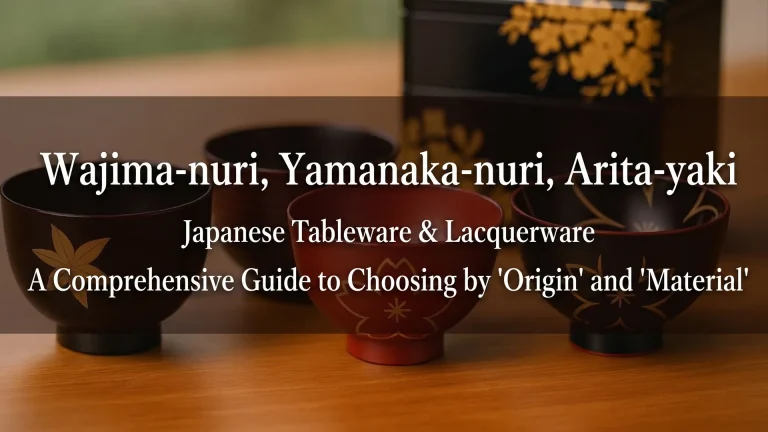
Japanese Tableware Guide: Lacquerware vs Ceramics — How to Choose by Material & Region
Japan has over 100 pottery regio…
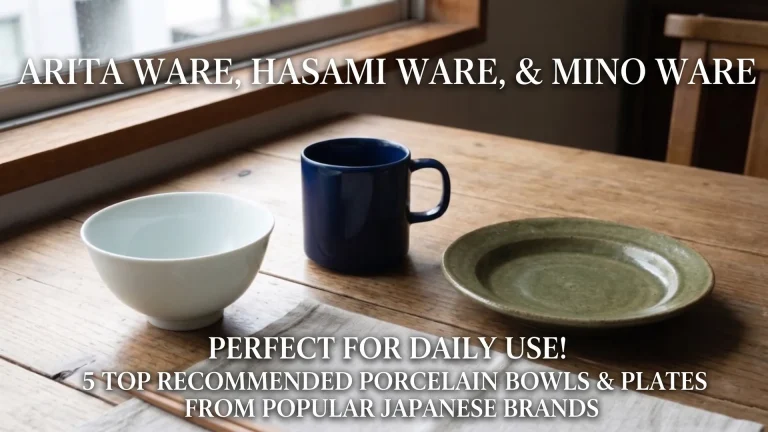
Hasami vs Arita: Japanese Porcelain Compared
What's the difference between Ar…
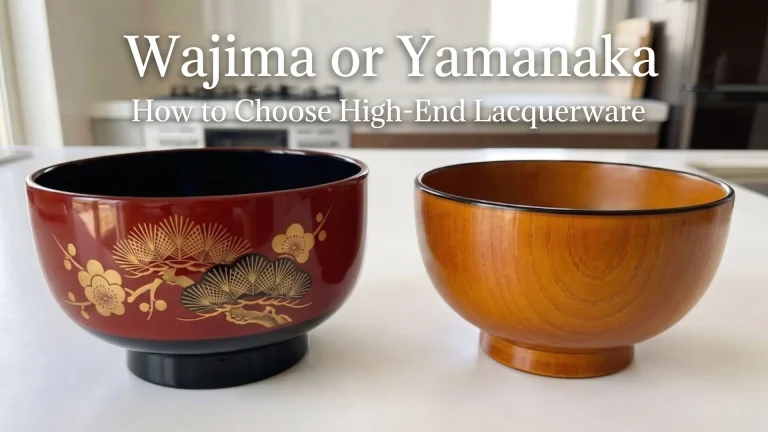
Japanese Lacquerware: Wajima vs Yamanaka — Top 5 Urushi Brands
Choosing Japanese lacquerware? R…