Currently, the global interior trend is "Japandi," fusing "Japanese" and "Scandi" (Nordic).
Common points are "Functional Beauty," "Natural Materials," and "Negative Space (Yohaku)."
The Japanese style of "living low (sitting on the floor)" and wooden furniture crafted by artisans blend surprisingly well with Nordic textiles and lighting.
Rather than filling space with flashy decorations, carefully displaying only a few favored items. That is becoming the global standard for "rich living."
The room is a mirror reflecting the heart. "Japanese tools" living harmoniously with "attachment".
Are you surrounded by things chosen "just because"?
Your home is where you can be your most honest self. That's exactly why you want to pick items you won't throw away, but rather grow old alongside.
Washi lightings letting light pierce through, Igusa (rush) rugs washing the air, Magewappa (bentwood) storages aging gracefully into an amber hue.
Japanese interior setups embrace a "stripped down beauty (Japandi)" resonating heavily alongside Nordic designs. Originating here, begin curating deliberate rooms reclaiming silence and tranquility.
How to choose Home & Interior
Breathing Materials. "Wood, Bamboo, Paper, Earth"
Japanese goods are "breathing interiors" born from a hot and humid climate.
・Washi Lighting (AKARI, etc.):
Even sharp LED light diffuses softly like sunlight when passing through Washi paper. Just by placing it in the corner of the room at night, you should feel your tense nerves unraveling.
・Igusa (Rush) Rugs:
Called natural air purifiers, "Igusa." Absorbing moisture when humidity is high and releasing it when dry. Its forest-bath-like aroma is the ultimate relaxing scent. "Oki-tatami," which you just place on flooring, is also popular.
・Akita Cedar Magewappa:
Excellent not just as lunch boxes, but as accessory cases or bread bins. The moisture absorbency absent in plastics and the sterilizing effect of cedar protect the contents.
Holy Lands of Furniture. "Hida" and "Asahikawa"
Japan has world-class producing regions for "legged items" (chairs and tables).
・Hida Takayama (Gifu):
The wood-bending techniques inheriting the skills of "Hida Artisans" are the world's finest. By steaming and bending hard solid wood, sturdy yet beautifully curved chairs are born without breaking the wood grain.
・Asahikawa (Hokkaido):
The northern land where high-quality timber gathers. Boasts many modern, sophisticated designs, winning numerous international design awards.
Japanese chairs are often made with the "seat slightly lower" to match the physique of Japanese people who live without shoes, ensuring the legs and lower back don't tire even remaining seated for long periods.
Don't Hide It, Show It. "Raising Storage"
Japanese storage tools do not need hiding. Rather, show them off.
・Kiri (Paulownia) Boxes:
Used for rice bins and clothing boxes, Paulownia is a miraculous wood resisting fire and repelling insects. The plain wood surface changes over time to a deeply flavorful silver-gray.
・Brass Hardware:
Hooks, trays, etc. They are shiny at first, but oxidize as they are used, settling into an austere antique gold.
While plastic "deteriorates" when dirtied, Japanese natural materials gain "character (Patina)" even holding stains traversing scratches.
Tips for Displaying with Style and Q&A
Q. How can I make a small room look spacious?
A. Incorporate the ancient Japanese wisdom of "living low." By reducing tall furniture and choosing low sofas and low tables, the ceiling looks higher, creating an unobstructed line of sight. This is called the aesthetics of "Negative Space (Ma)."
Q. Solid wood furniture seems hard to maintain...
A. It's actually easy. For "oil finished" furniture, simply rub in dedicated oil or beeswax once every half year. This process becomes a time to "feed the wood," making it surprisingly lustrous. Being able to fix scratches by sanding them with sandpaper is another merit unique to solid wood.
Miyamoto Kogei
Pelican Soap
Kita-Boshi Pencil
1101(ほぼ日手帳)
clocomi
Masuda Kiribakoten
TOYO STEEL(東洋スチール)
MUSUBI(むす美)
DAIYO
Hasegawa(長谷川工業)
NAGARE(超撥水風呂敷ながれ)
Takazawa Candle
TAJIMA(タジマ)
Fores
Matsui Hon-Warousoku Kobo
mt
Kyujo Orin(久乗おりん)
Glass Studio aun
PASIMA
Yamamoto Katsunosuke Shoten(山本勝之助商店:かねいち)
Kosugi Orimono(小杉織物)
HASE Glass Workshop
LOFTY
Shirokiya Denbei(白木屋傳兵衛)
Kinuya(絹屋)
GUIDES & STORIES for this category
We've picked up related guides and stories for this category from our selection of Japanese-made products.
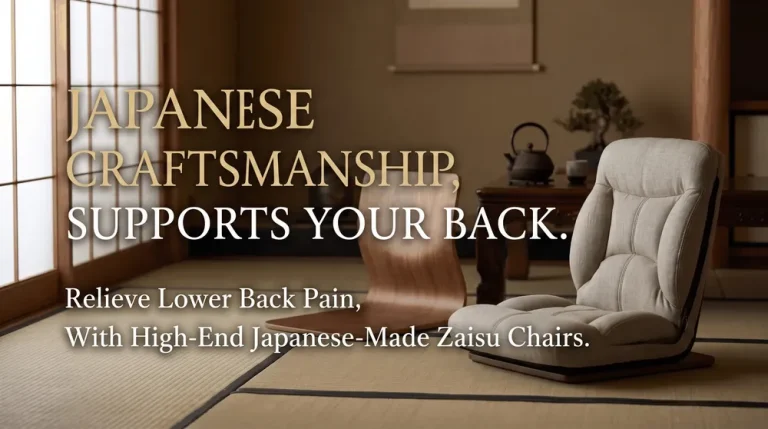
Zaisu: The Legless Chair, and Whether It Suits You
A reclining back with no legs, b…
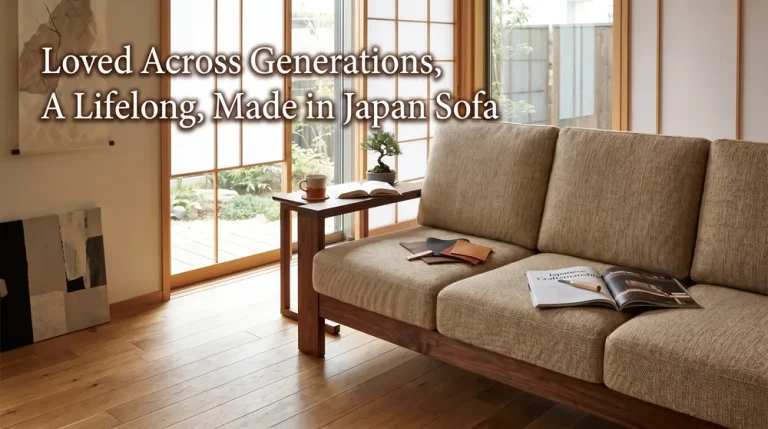
Japanese Sofas: Built Low, and Mostly Unshippable
Japanese sofas sit lower and sha…

Hina Dolls: The “Marry Late” Rule Is a 20th-Century Trick
The superstition dates from the …

Japanese Letter Paper: Washi Feathers, Smooth Doesn’t
Textured washi and fountain pens…
Fukin: The Mosquito Net That Became a Dishcloth
Nara wove mosquito netting until…
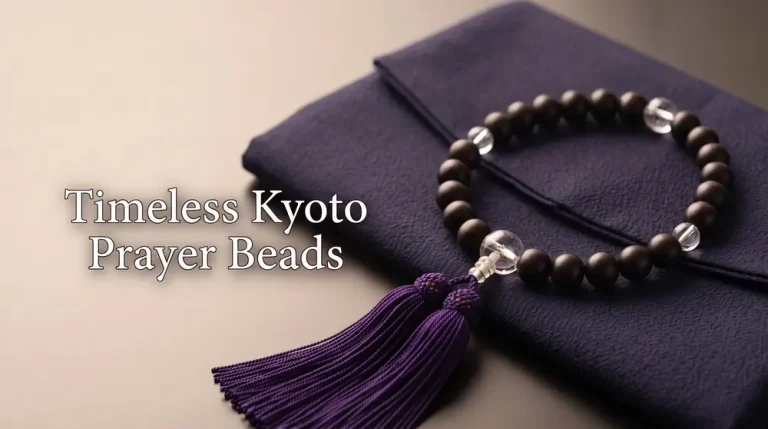
Juzu: How Japanese Prayer Beads Differ from Malas
Both descend from the Indian mal…
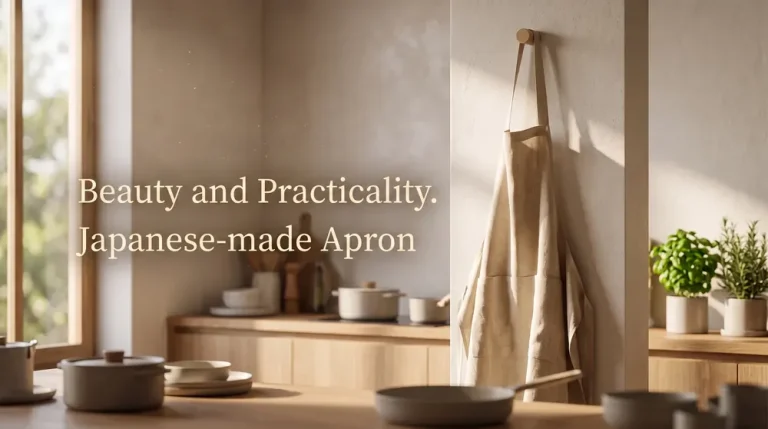
Japanese Aprons: Why the Straps Cross at the Back
The cross-back apron came from J…

Japanese Office Chairs: Okamura vs the Aeron
Okamura chairs tilt forward 10 d…