Did you believe "all kyusu are identical"? Japanese kyusu, specifically the "Tokoname-yaki" encompassing Aichi Prefecture, chemically morphs teas conveying delicious notes.
・Iron Oxide & Tannin Interactivity:
Soils outlining Tokoname's Shudei (red clay) harbor considerable iron oxides. These react against the tea's bitterness component (tanning), alternating outputs reaching incredibly "mellow" nuances void of harsh edges.
・"Ceramic Tea Strainers" Exhibiting Zero Metallic Elements:
Stainless strainers command utility, however, minute metallic odors frequently transfer onto the tea. Traditional kyusu come equipped containing "Ceramic Strainers (Sasame/Ceramesh)" sporting tiny perforations modeled utilizing matching main-body clays. Enabling the tea leaves unwinding leisurely encompassing the kyusu interior, bringing out 100% of the tea's original aroma and umami.
A single drop configures the soul. The Japanese "Brewing" technologies the world envies.
Boiling water, steaming tea leaves and beans, awaiting moments the aroma peaks.
Japanese teaware operates distinctly avoiding classifications solely rendering tools prioritizing satiating thirst. "Tokoname-yaki" typical kyusu (teapots) translates astringencies unto umami, "Arita-yaki" drippers abstract clear coffee acidities.
Items representing Japanese-manufactured implements reaching ultimate functional beauties patronized affectionately amongst world-top baristas paired adjacent Japanese tea-instructors. Presenting zenith drinkware bequeathing "Zen" silences intersecting bustling daily routines.
How to choose Teaware & Coffee Accessories
[Matcha] "MATCHA" Mesmerizing the World and Chasen Craftsmanship
Matcha experiencing a worldwide boom. Constituting creamy foam right at home demands undeniably Japanese-made "Chasen (Bamboo Whisks)."
・Nara / Takayama Chasen:
Nara Prefecture's traditional craft covering effectively all domestic shares. Utilizing only a knife to intricately splice a lone bamboo pole spanning upwards generating 80 to 100 bristles, shearing the tips tracking micron scaling. This elasticity and flex output elaborately fine, silky, atmospheric bubbles. A mouthfeel thoroughly unachievable utilizing metallic whisks.
[Coffee] Barista Choices Encompassing "Tsubamesanjo" & "Arita"
Originating epicenters dictating the "Third Wave Coffee" movement located stateside invariably accommodate Japanese-manufactured tools as standard equipment parameters.
・Tsubamesanjo Drip Pots:
Preconditions outlining delicious coffees equate "Hot Water Volume Controls." "Ultra-fine tip" pots polished diligently by Tsubamesanjo craftsmen deploy hot water directly downwards tracking single-drop increments. Abstracting targeted tastes sensing distinctly exactly pouring hot water leveraging singular fingertips.
・Arita-yaki Drippers:
Porcelain Arita-yaki bearing a 400-year history denotes thin yet sturdy foundations. The heavily strategized interior "Rib" angles paired against height coordinates optimize drainage speeds dictating liquid escaping, permitting extraction producing clear coffees unyielding off-tastes. Its elevated heat retention lacking comparing plastic versions projects appealing vectors.
Stations Meeting Lips. Cups Picked Deciding "Mouthpiece"
Sip flavors twist conforming matching "thicknesses" beside "materials" outfitting cups touching lips.
・Porcelain (Thin-walled):
Slender cups identifying Arita-yaki or Mino-yaki smoothen liquid routing, permitting razor-sharp appreciations concerning coffee acidities adjoining delicate black tea aromas.
・Pottery (Thick-walled):
Earthy cups mapping Mashiko-yaki or Hagi-yaki present plump thicknesses registering gentleness traversing lips, accentuating warmth wrapping cafe au laits capturing Japanese teas, transferring reassuring reliefs easing individuals.
"Yang-Hu (Raising Teapots)" Fostering Tools & Q&A
Q. Is bleaching kyusu tea-stains acceptable?
A. Prominently considered NG. Since pottery (especially earthen varieties) adsorb smells accompanying ingredients, bleach odors unequivocally persist. Tea stains project "medals" signifying tea elements permeating inwardly. If concerns persist unconditionally, implement soak-washes applying baking soda matching hot water.
Q. What defines "Raising a Kyusu"?
A. Connoted utilizing terminology "Yang-Hu" intermingling tea enthusiasts. Continuing utilizations maintaining purely water washes skipping detergents allows tea oil-factors accustoming towards the kyusu soils, rendering interiors emitting blackish glimmers. The aroma launching traversing teas extracted engaging raised kyusu identifies exceptionally prominent outlines. Navigating advancing years adjoining tools projects distinctively Japanese pleasure-seeking angles.
belmont
SAKUZAN
SyuRo
CERAMIC JAPAN
Maeda Kobo (Kawane Chabako):前田工房(川根茶箱)
Snow Peak
Noda Horo
Oitomi
Wadasuke Seisakusho (WADASUKE)
Hakuichi (HAKUICHI)
MokuNeji
COPPER100
Nanbu Kozan (Kozan Studio)
Kobo Aizawa
Issui Pottery
Kasama Ware Kiln KOUZANGAMA
TOYO-SASAKI GLASS
Kasama-yaki Ajisai Koubou
Yamanaka Lacquerware
Studio Oak Pottery
Asada Lacquerware Kogei
abe pottery studio nooc
Echizen Lacquerware Kumejiro
Miyazaki Lacquerware
Shitsurindo
GUIDES & STORIES for this category
We've picked up related guides and stories for this category from our selection of Japanese-made products.
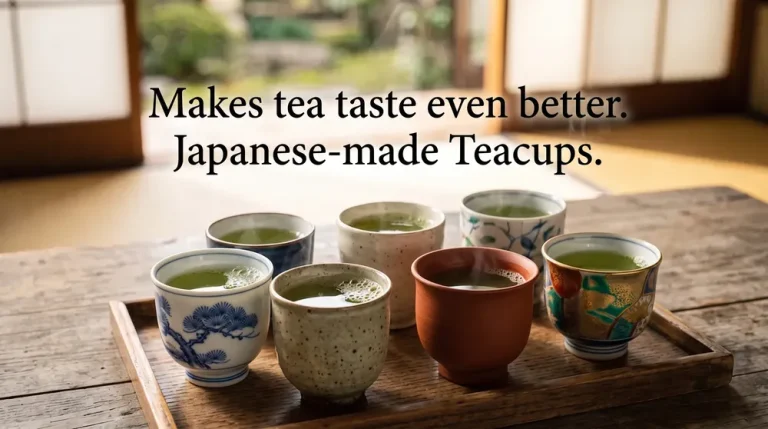
Yunomi: The Japanese Teacup Has No Handle
It holds 80–120 ml, not 350, and…
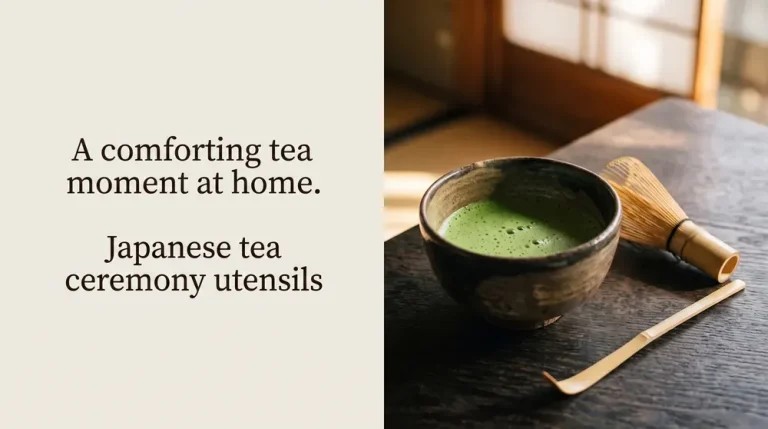
Matcha Tools: Most Chasen Are Not Made in Japan
Most bamboo matcha whisks are Ch…
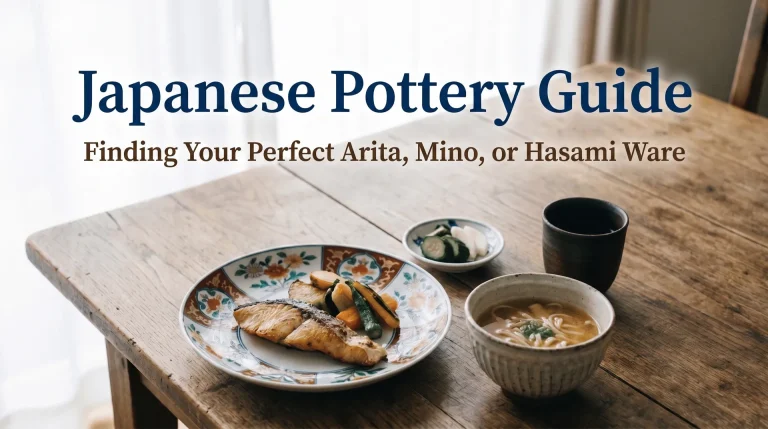
Japanese Pottery Guide: Arita, Mino & Hasami Ware Ceramics
Explore Japan's rich pottery tra…
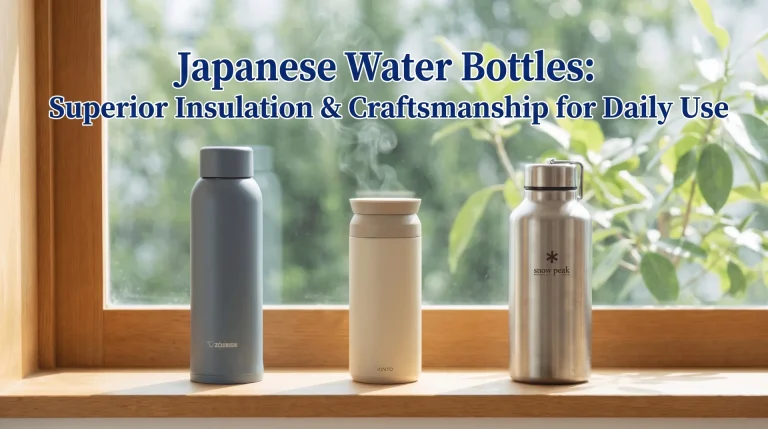
Japanese Water Bottles: 5 Best Brands, Compared
Zojirushi, Tiger, Thermos Japan …
Nanbu Tekki: Japanese Cast Iron Teapots, Kettles & Pans
What nanbu tekki is, and how to …
Japanese Enamelware Guide: 7 Best Containers by Use Case
No odor absorption, direct flame…
Japanese Daily Essentials | Preparedness & Organization Guide
Disaster kits, medicine boxes, N…
Japanese Materials & Craftsmanship | Leather, Pottery, Lacquer & Steel
Know the story behind the object…