Design-conscious festival decorations solving the problem of "living in an apartment with no place to display" are increasing.
・Kumiki (Interlocking Wood) Hina Dolls:
Wooden Hina dolls you can play with like a puzzle, fitting neatly into a small box when stored. Because you can enjoy the aging of the wood, more adults are displaying them year-round as interior decor.
・Glass and Ceramic Kabuto (Helmets):
Translucent glass helmets and stylish white porcelain helmets devoid of intimidation. Just placing them in the entryway or on a chest sharply tightens the seasonal atmosphere.
Decorating miniature "wishes." Adult Room-Styling (Shitsurai) beckoning the four seasons.
Why do Japanese people decorate their rooms with dolls and animals?
They are not mere decorations, but forms of prayer meant to "invite good fortune" or "wish for children's growth."
New Year's Kagami Mochi, spring Hina dolls, Maneki Neko (beckoning cats) for business prosperity.
These items, once displayed in the Tokonoma (alcove), have now evolved into "art pieces" placeable on shelves. We feature small yet authentic objets lodging artisan handiwork.
How to choose Interior Decor
[Lucky Charms] The Story of "Maneki Neko" and "Daruma"
Global beloved lucky charms encompass profound meanings.
・Maneki Neko (Beckoning Cat):
Cats raising the "right hand" invite "money/fortune," while the "left hand" invites "people/customers." Aichi's Seto-yaki and Tokoname-yaki are famous, but recently "matte white" or "black" modern cats blending with Nordic interiors are popular.
・Daruma:
The symbol of "falling seven times, standing up eight." A participatory art where you paint the left eye making a wish, and the right eye once it comes true. Gunma's Takasaki Daruma are famous, but currently "Designer Daruma (gold, silver, pastel colors)" chosen matching interiors have appeared.
The Warmth of "Local Toys" Chosen by Material
・Hariko (Papier-mâché):
Dolls made stretching Japanese paper over molds and drying. Hollow inside equating lightness, delivering soothing comforts projecting rustic expressions alongside peculiar wobbly vibes (represented spanning Fukushima's Akabeko).
・Kokeshi:
Wooden dolls spanning Tohoku regions. Primarily children's toys initially, nonetheless acknowledging geometric beauty paired distinctive artisan brushworks attracts massive collector bases extending foreign designers currently.
Tips for Tasteful "Room Styling (Shitsurai)" (Q&A)
Q. Where should I display them? (I don't have a Tokonoma alcove)
A. Atop the entryway shoe box, living room chests, and wall niches represent modern "Tokonomas".
Significance anchors unto "underlays (Shikimono)". Placing solitary Washi papers, miniature cloths, alongside wooden pedestals directly under objets dividers spaces establishing "Staged (Sanctuaries)" atmospheres sidestepping plain placements.
Q. When to display New Year decorations?
A. Unquestionably spanning December 26-28 after Christmas conclusions. Bypassing "29th (Double Hardships)" accompanied "31st (Overnight Decor)" reflects etiquette. Storing them generally happens rounding "Matsunouchi (Jan 7)".
ASAKURA
Masuda Kiribakoten
CERAMIC JAPAN
KATOMOKU(加藤木工)
MANYOSHA(万葉舎)
Fores
Kyujo Orin(久乗おりん)
FUTAGAMI
Lue
KUMIJI DESIGN(くみじデザイン)
Hakuichi (HAKUICHI)
ALART
IKEHIKO
HAGIHARA SEIZOSHO
KOUHIN
Beppu City Traditional Bamboo Crafts Center
Shinohara Furin Honpo (Edo Furin)
KUNJUDO
Ise Katagami Cooperative
Kitahara Urushi Studio
Shuseidou
Iromasa
Toyama Glass Studio
KISEN
Hakone Yosegi-zaiku Honma Mokkojo / Honma Yosegi Art Museum
GUIDES & STORIES for this category
We've picked up related guides and stories for this category from our selection of Japanese-made products.
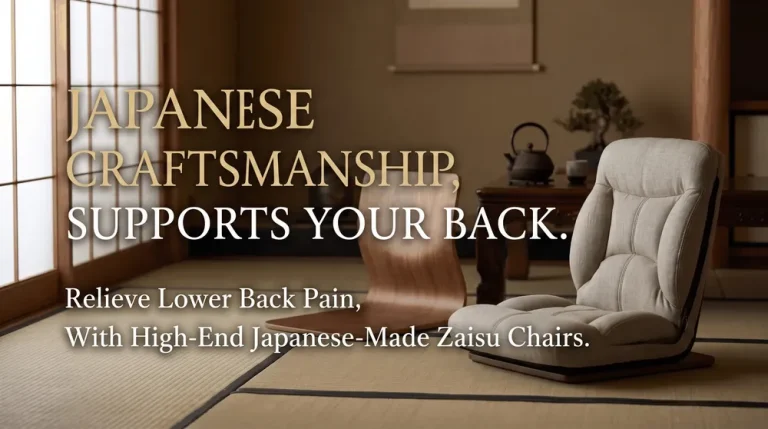
Zaisu: The Legless Chair, and Whether It Suits You
A reclining back with no legs, b…
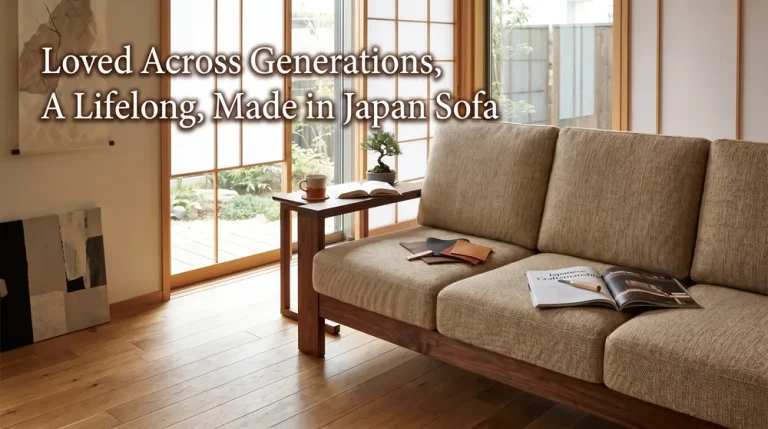
Japanese Sofas: Built Low, and Mostly Unshippable
Japanese sofas sit lower and sha…

Japanese Office Chairs: Okamura vs the Aeron
Okamura chairs tilt forward 10 d…
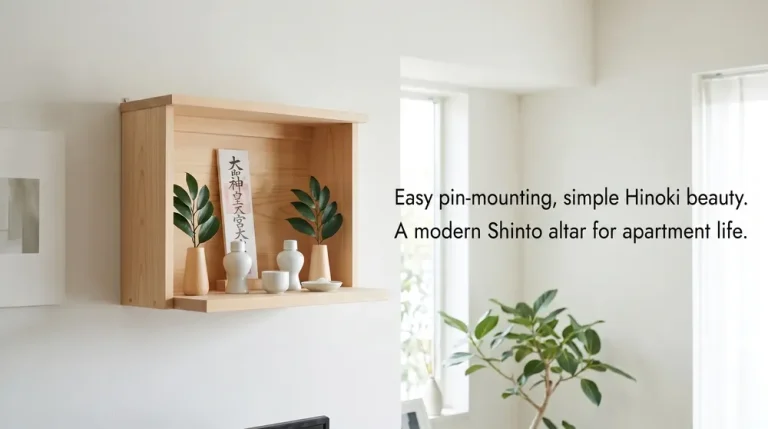
Kamidana: What a Shinto Home Altar Actually Needs
A kamidana without an ofuda is j…

Japanese Incense Guide: Awaji, Kyoto Brands & How to Burn
One stick changes your room. Jap…

Japanese Incense Burners: Elevate Your Space with Arita Porcelain and Copper Craft
Transform your space with soothi…
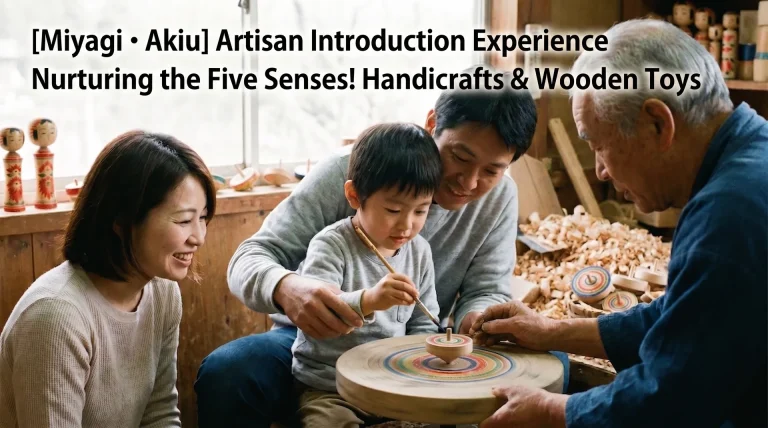
[Miyagi/Akiu] Paint “Koma & Kokeshi” in a Craftsman’s Workshop! Hot Spring Sightseeing Guide
A family trip to Akiu Onsen in M…
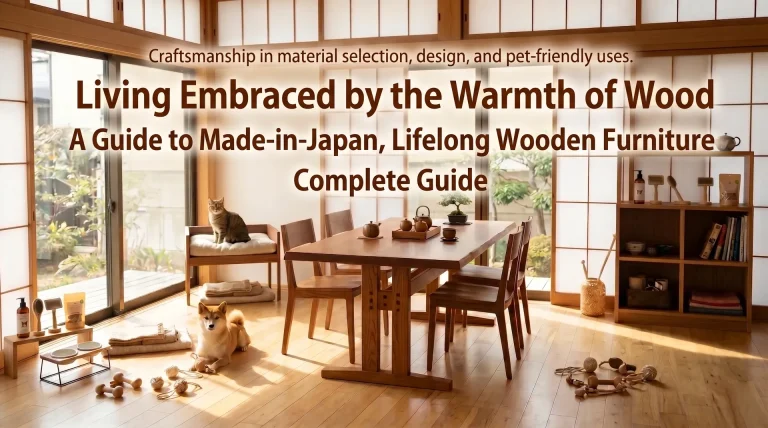
Japanese Wooden Furniture: Hida, Karimoku, Tendo & Maruni
Japan's chairmakers build furnit…