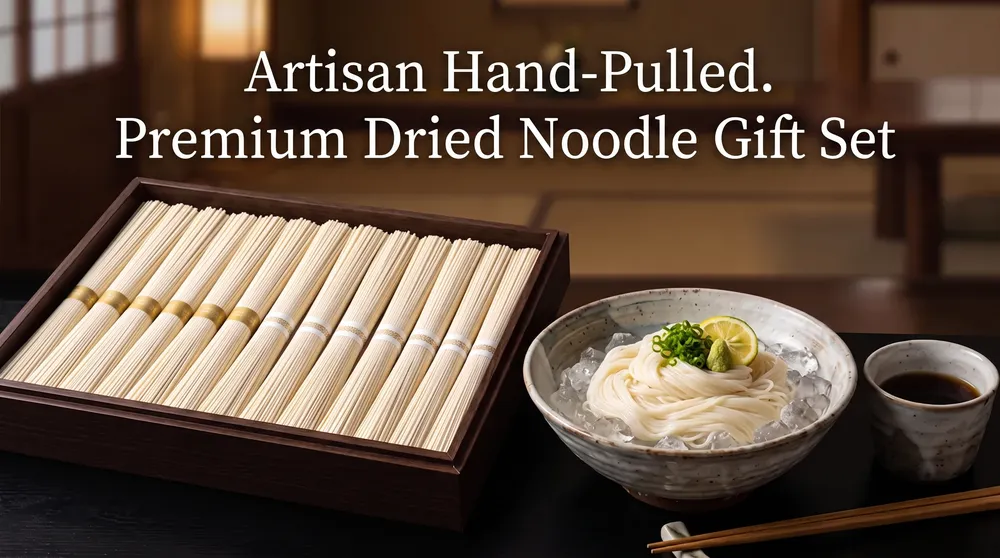
Good somen is sold by how long it has been sitting in a warehouse. One year of
storage has a name, two years has a different name, and the older it is the more it costs.
This is not a quirk. Hand-stretched noodles are pulled using oil, and the aging
is what lets that oil note fade — while the strand tightens and the bite gets firmer.
A somen made this year is the cheap one.
The other thing worth knowing before you open a packet: do not cook these like
pasta. The salt is already in the noodle, the timing is measured in single minutes, and
you have to rinse them in cold water afterwards. Skip that last step and you will wonder
what everyone sees in them.
Quick Reference: Not Pasta
| Japanese dried noodles | Italian pasta | |
|---|---|---|
| Salt in the water | No — it is in the dough | Yes, generously |
| Cooking time | 1–2 min (somen), 3–5 (udon) | 8–12 min |
| After draining | Rinse and rub in cold water | Never rinse |
| Age | Graded. Older is better | Irrelevant |
| Shipping abroad | Trivial — dry and stable | — |
| The cold rinse is the one people skip, and it is the one that matters most. Surface starch left on the noodle makes it slimy and makes the dipping sauce cloudy. | ||
Three Rules That Are Not Optional
Dried noodles are the easiest Japanese food to buy from abroad — they are dry, stable, light and cheap to post, so nothing about availability is difficult. The place people go wrong is the pan.
1. Do not salt the water
Somen and udon dough is flour, salt and water. The salt is worked into the
noodle itself, which is the opposite of Italian pasta — where the dough is unsalted and the
seasoning goes into the pan.
Salting the water on top of that gives you noodles that taste of salt and nothing
else, and it will not be obvious what went wrong.
2. Time it properly, because the window is tiny
Somen cooks in one to two minutes. Inaniwa udon in three to five. Soba in
roughly the same range. Thirty seconds too long is the difference between a noodle with
a bite and one that has gone soft.
Use plenty of water and do not walk away. There is no equivalent of the
forgiving eight-to-twelve-minute window a dried pasta gives you.
3. ⚠ Rinse them in cold water, and rub them
This is the step nobody outside Japan performs, and it is the most important one. Drain the noodles, put them under cold running water, and work them between your hands as you rinse.
It does two things. It stops the cooking dead, so the noodles do not keep
softening in their own heat. And it washes off the surface starch — which is what
otherwise makes them slippery in an unpleasant way and turns your dipping sauce cloudy after two
dips.
Everything you know about never rinsing pasta is correct, and does not apply
here. Italian sauces need that starch to cling. A Japanese dipping sauce needs the
noodle clean.
For a cold dish, finish with a bowl of iced water — dunk the rinsed noodles in briefly and drain hard. For a hot dish, rinse cold anyway, then warm the noodles through in hot broth just before serving.
Why Japanese — Tenobe, and Why Aging Follows From It
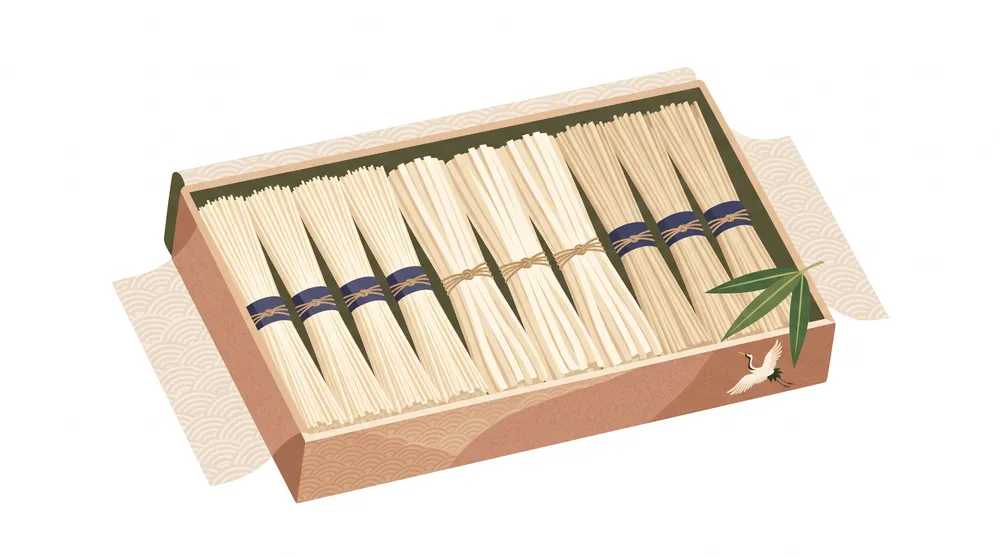
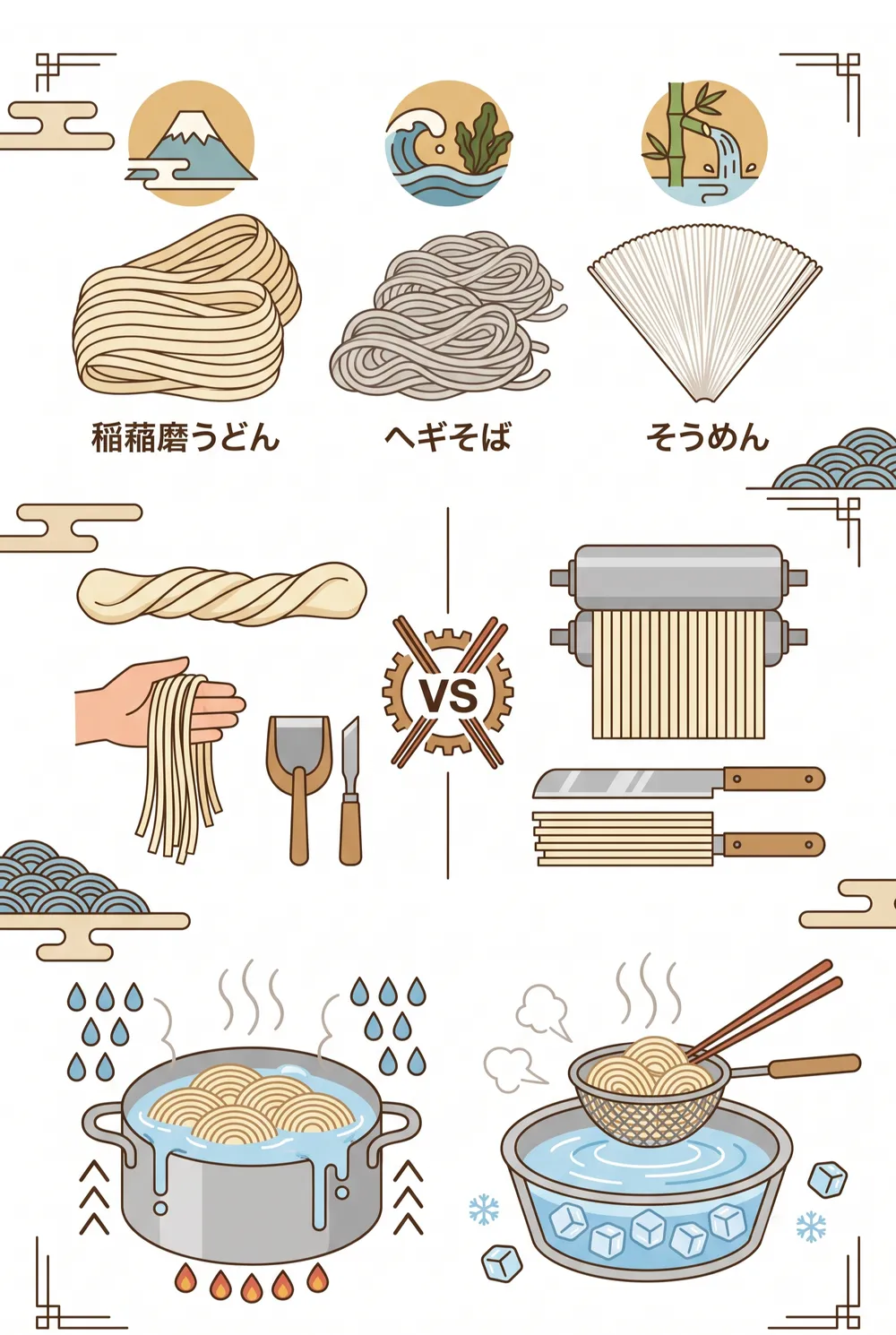
There are two ways to make a dried Japanese noodle, and they produce different objects.
| Tenobe — hand-stretched | Machine-made | |
|---|---|---|
| Method | Pulled and twisted, repeatedly | Rolled flat, then cut |
| Cross-section | Round | Square-edged |
| Bite | Firmer, more elastic | Softer |
| Surface | Smooth — slips through sauce | Slightly rougher |
"Tenobe" is not a marketing word — it is a defined term. Japan's Agricultural
Standards set out what a noodle must be to be sold as hand-stretched, and a machine-made noodle
may not use the label.
So the word on the packet is a claim with a rule behind it, which makes it the
single most useful thing to look for when you cannot taste before buying.
And the aging is a consequence of the method
Stretching dough into a thread that fine requires oil. The strands are coated as they are drawn and twisted, otherwise they stick to each other and to themselves.
Fresh from production, that oil is faintly detectable — and it is the reason the good makers do not sell this year's noodles as their best product. Stored properly, the oil note fades, the strand firms up, and the flavour cleans out.
Aged somen has its own vocabulary. Noodles held for a year are
hinemono; two years makes them ōhinemono. Both are dearer than the
current season's.
The result is chewier, not staler — which is a genuinely counterintuitive
sentence about a dried product, and the reason this category is worth paying attention to at
all.
Miwa in Nara is where somen began, with a documented history of well over a thousand years. The strands are stretched in the cold of winter and then aged in controlled storage — a schedule built entirely around the two facts above.
Three Regional Noodles Worth the Money
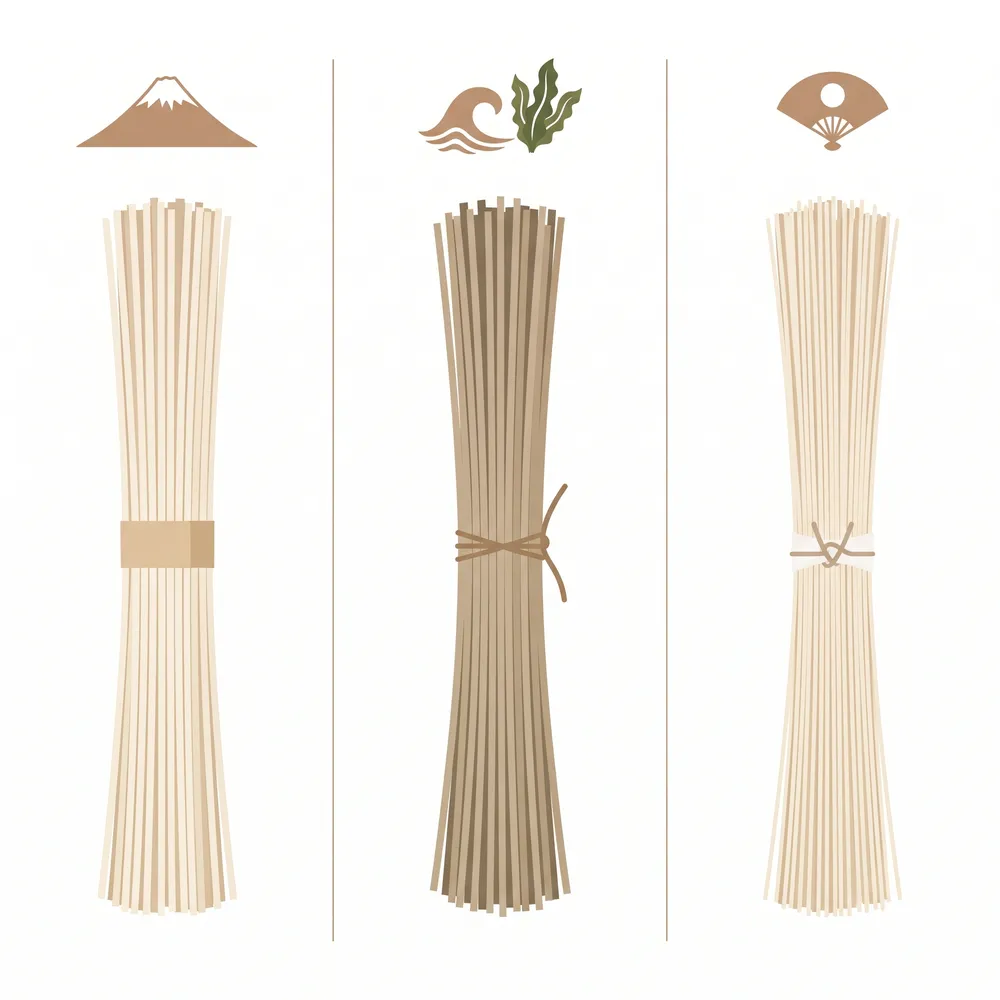
Inaniwa udon — thin, flat, and full of bubbles
From Yuzawa in Akita, and nothing like the thick chewy udon you may have met. The strands are thin and slightly flattened, and the texture is smooth and slippery rather than dense.
The technique is the interesting part: the dough is kneaded, rested, and kneaded again, repeatedly, specifically to work air into it. Those tiny bubbles are what give the finished noodle its spring. Roughly 350 years of doing it that way.
Hegi soba — buckwheat bound with seaweed, for a reason
Buckwheat has no gluten, so soba needs something to hold it together — usually wheat flour. In the Uonuma area of Niigata they use funori, a seaweed, instead.
The reason is textiles. Niigata is a weaving region, and funori was what they
used to size the weft threads on the loom. Somebody looked at the material already
sitting in the workshop and wondered whether it would bind buckwheat. It did.
The result is unusually smooth and elastic, and it is served in a flat wooden
tray called a hegi, which is where the name comes from. Hegi soba is a fusion of
two local industries, which is not a claim many noodles can make.
Miwa somen — the original, and the one to age
Somen was born in Miwa, in Nara, more than 1,200 years ago, and the region is still the reference point.
What Miwa is known for is thinness with firmness — strands fine enough to seem fragile that nevertheless hold a distinct bite, and a surface smooth enough that the noodles slide cleanly out of the dipping sauce.
This is the category where aging matters most, and where the price difference between this year's and a two-year-old batch is most obvious in the bowl.
What to Buy
What to look for on the packet
- "Tenobe" or "hand-stretched" — a regulated term, not a slogan.
- A stated aging period if you are buying somen. One year or two, and it will be priced accordingly.
- A named region — Miwa, Ibonoito, Inaniwa, Uonuma. Unlabelled "Japanese noodles" tells you nothing.
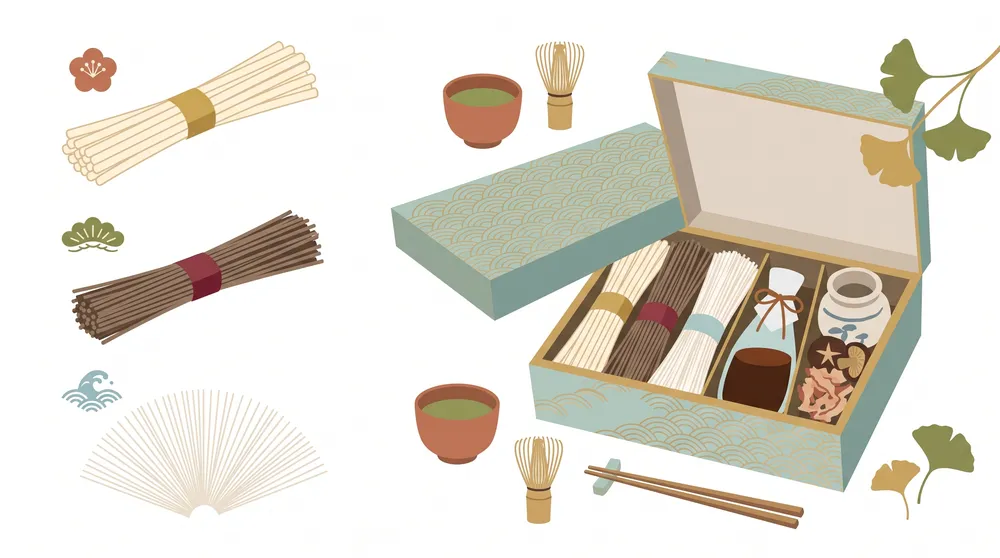
- Dipping sauce included if you have not bought mentsuyu before. It saves a second order and the concentrate keeps.
Hand-stretched Miwa somen — start here
Fine hand-stretched somen from Nara, sold in the familiar paper-banded
bundles. Each band is roughly one portion, which makes it easy to cook the right
amount — over-cooking usually starts with over-serving.
Somen is also the cheapest way into this whole category, and the one where
the difference between an ordinary supermarket packet and a proper hand-stretched one is
most obvious.
- Method
- Hand-stretched (tenobe)
- Origin
- Miwa, Nara
- Cooking
- 1–2 minutes, then rinse cold
- Serve
- Cold, with dipping sauce
Inaniwa udon and hegi soba are harder to find outside Japan, and we have not
verified a specific English-language seller for either.
Both do turn up in Japanese grocers and specialist importers — so rather than
pointing you at a search that may return something else,
look for the region on the packet: Inaniwa for the udon, Uonuma or the word
hegi for the soba. Those names are the whole specification.
These make a genuinely good gift for anyone abroad who cooks — they are light,
unbreakable, keep for years, need no refrigeration and cost almost nothing to post.
Include a bottle of concentrated dipping sauce, or the recipient will boil them,
look at them, and put ordinary soy sauce on them. Which does not work at all.
Storing It, and Giving It
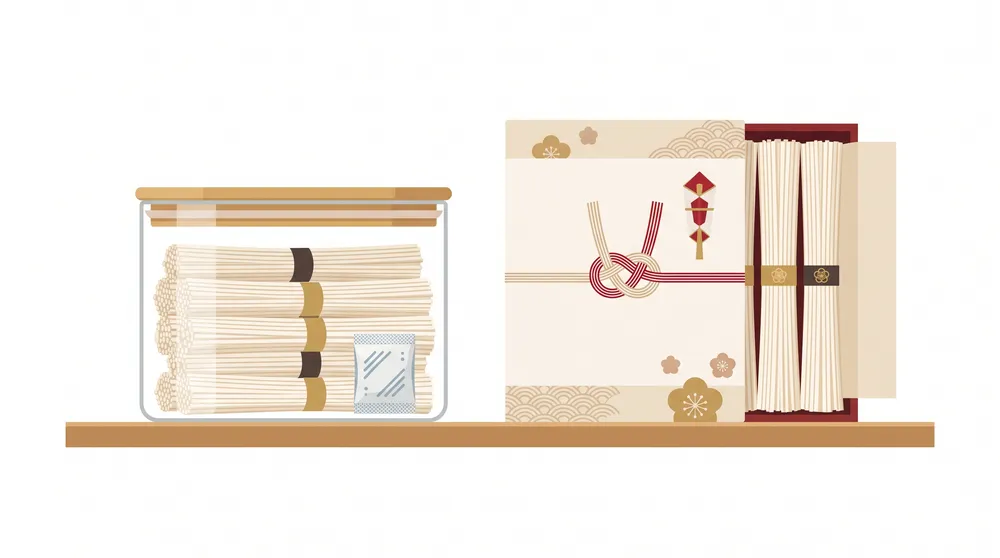
- Cool, dark, dry, and away from anything strongly scented. Dried noodles pick up smells — do not store them next to coffee, spices or detergent.
- Do not refrigerate them. Taking a packet in and out of a fridge causes condensation, and moisture is the one thing that will finish them.
- They keep for a very long time, and for hand-stretched somen a year or two of that is an improvement rather than a decline.
- Once opened, seal the remainder properly. The bundles are portioned for a reason; there is no need to open more than you will cook.
Frequently Asked Questions
Why must I rinse them when I never rinse pasta?
Because Japanese noodles are not sauced in the pan. Surface starch is what makes
an Italian sauce cling; here it just makes the noodle slippery and clouds your dipping sauce.
Rinsing also stops the cooking, which matters far more when the cooking time is
ninety seconds.
Should I salt the cooking water?
No. Somen and udon dough already contains salt, so the noodle is seasoned before
it reaches the pan.
Adding more gives you salty noodles — plain boiling water is correct, and plenty
of it.
What is the difference between hand-stretched and machine-made?
Hand-stretched noodles are pulled and twisted; machine noodles are rolled and cut.
The first gives a round strand with a firmer, more elastic bite and a smoother surface; the
second is softer and square-edged.
"Tenobe" is a regulated label under Japanese agricultural standards, so it is
worth looking for.
Are older noodles really better?
For hand-stretched somen, yes — and they are priced higher. A year of storage is
called hinemono and two years ōhinemono.
Aging lets the oil used in stretching fade and firms up the strand, so the
texture improves rather than degrading.
What is funori in hegi soba?
A seaweed used as a binder in place of wheat flour. Buckwheat has no gluten and
needs something to hold it together.
Niigata used funori to size threads in its textile industry, and the soba makers
borrowed it — which is why hegi soba exists in a weaving region and nowhere else.
Can I serve them hot?
Yes — rinse them cold first anyway, then warm them through in hot broth just
before serving. The rinse is about starch, not temperature.
Somen served hot is called nyūmen and is a winter dish, so the noodle
is not exclusively a summer thing.
Final Thoughts: The Cheapest Thing Here Is the Best Value
Nothing else on this site ships as easily as a box of dried noodles — no voltage, no shelf-life arithmetic, no customs anxiety. A packet of hand-stretched somen costs very little and posts anywhere.
All the difficulty is in the last ninety seconds. Unsalted water, a timer, and a proper cold rinse with your hands in it.
And when you find somen marked as two years old and priced above the fresh stuff — that is not a mistake on the shelf. That is the good one.
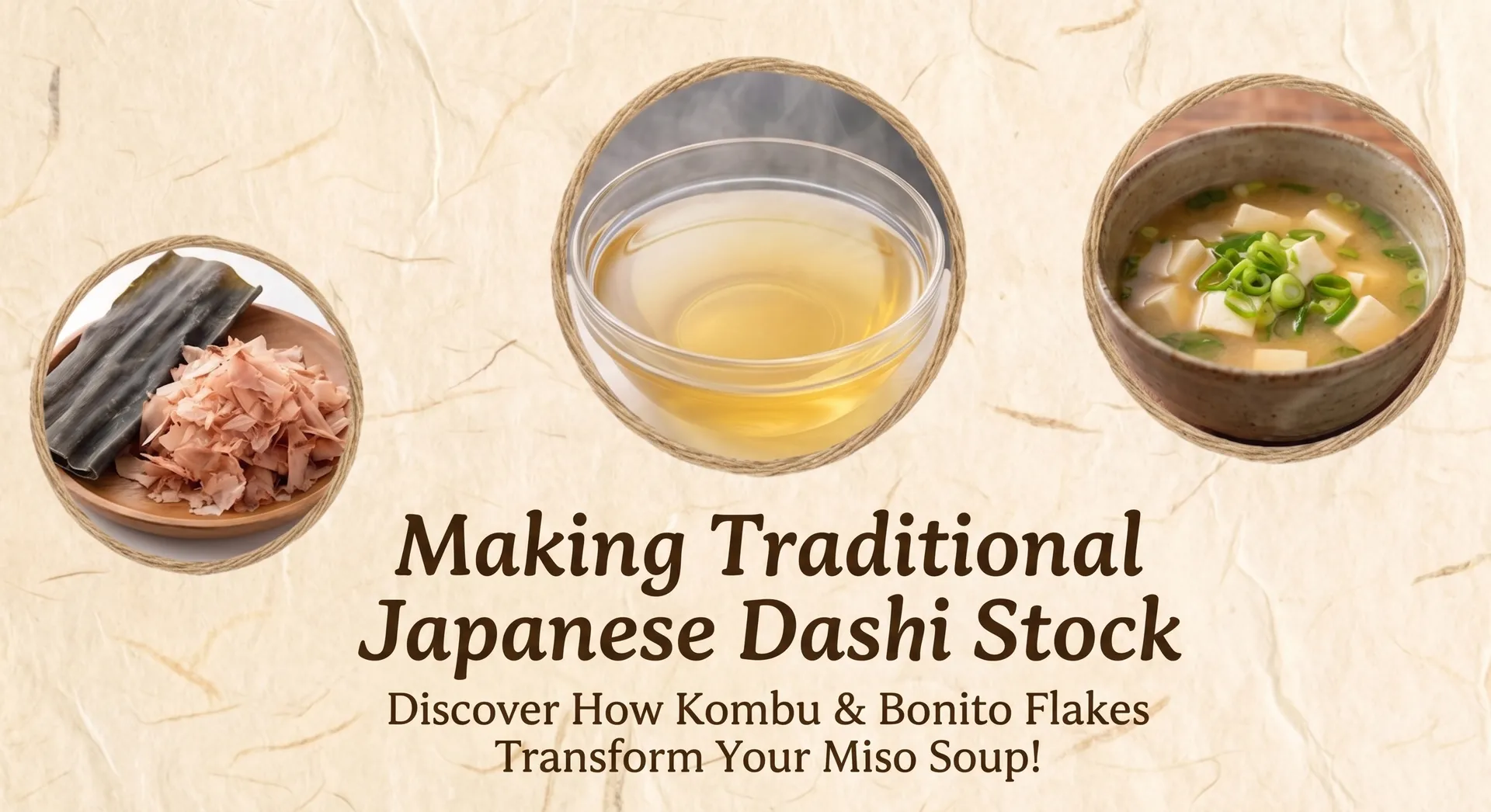
How to Make Japanese Dashi: Kombu & Katsuobushi in 4 Steps
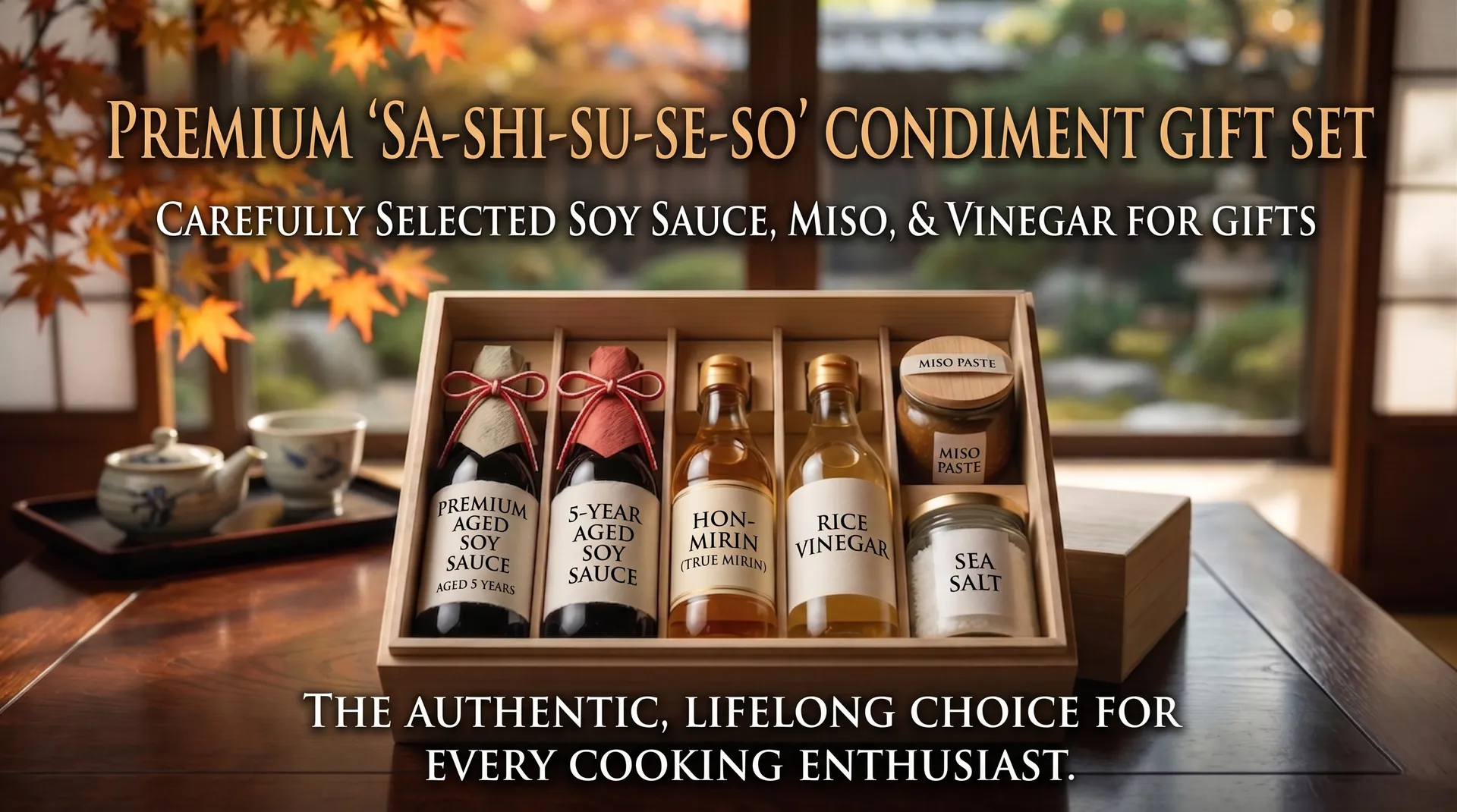
Japanese Seasoning Gifts: Premium Soy Sauce, Miso & Vinegar