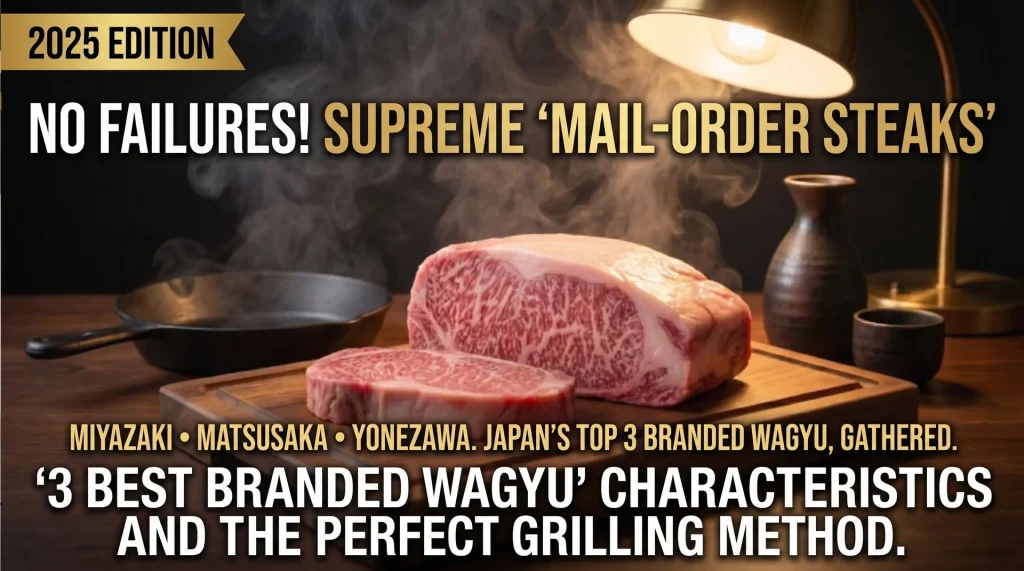
An anniversary dinner. A gift for someone you truly want to impress. A New Year's feast that becomes a family
memory.
For all of these, nothing commands the table quite like Japanese branded wagyu (brand beef).
And yet, with premium beef comes a familiar anxiety: "Where do I even order it?" and "What if I ruin it cooking
it?"
This guide answers both. We introduce Japan's finest mail-order wagyu brands — the ones serious meat lovers trust —
alongside the three cooking rules that keep premium beef from becoming an expensive mistake.
Meltingly tender fat, complex fragrance, and real umami depth — from your own kitchen.
Quick Reference: Japanese Wagyu Regions at a Glance
| Region | Flavor profile | Marbling | Signature cuts |
|---|---|---|---|
| Matsusaka (Mie) | Lowest-melting-point fat; supreme mouthfeel | ★★★★★ | Sirloin, chuck roll |
| Kobe (Hyogo) | Delicate sweetness, refined aroma | ★★★★★ | Sirloin, fillet |
| Omi (Shiga) | 400+ years of history; balanced, well-rounded flavor | ★★★★☆ | Sukiyaki, steak |
| Yonezawa (Yamagata) | Dense, chewy umami in the lean meat | ★★★☆☆ | Lean steak, shabu-shabu |
1. Miyazaki Beef: Four-Time National Champion — Miyachiku
When you cannot afford a mistake — when only the absolute best will do — Miyazaki beef is the safest answer.
At the Wagyu Olympics (the National Wagyu Competitive Exhibition, held every five years), Miyazaki beef claimed the
Prime Minister's Award an unprecedented four consecutive times. Japan's most decorated black wagyu,
by any measure.
Farm-to-table integration: Miyachiku Co., Ltd.
Miyachiku — Miyazaki Beef Steak & Yakiniku
Miyachiku handles everything from farming to processing to retail and restaurant operations under one roof — a
true farm-to-table company.
The beef is defined by a velvety texture and a rich, sweet fat that melts on the tongue.
Their processing plant is EU export-certified, meaning the entire operation meets world-class hygiene
standards — an additional layer of confidence when buying as a gift.
The story of "Japan's #1 wagyu" adds an emotional dimension to any occasion.
2. Yonezawa Beef: Rich, Chewy Umami — Tokiwa
For those who prefer their beef lean and chewy over heavily marbled, Yonezawa beef from Yamagata Prefecture is the
answer.
Raised in the sharp temperature swings of the Yamagata mountains, the meat develops a firm texture that releases
umami with every chew.
Founded 1894. The oldest name in Yonezawa beef: Tokiwa.
Yonezawa Beef — Tokiwa (Tokiwa Butchery)
The oldest butcher shop in Yonezawa, with a lineage stretching back to 1894.
The beef selected through generations of master expertise is finely textured with a beautifully balanced,
elegant fat distribution.
The steaks are exceptional — but the real hidden gem is their sake-kasu miso-marinated beef: just pan-fry it,
and you have a dish straight out of a kaiseki restaurant, one that makes white rice entirely irresistible.
3. Matsusaka Beef: Artistry on a Plate — Shimofuri Honpo
The undisputed front-runner among Japan's "Big Three" wagyu, Matsusaka beef's defining trait is fat that melts at the temperature of your palm — before it even touches your tongue.
Direct from the source: Matsusaka Beef Shimofuri Honpo
Matsusaka Beef Shimofuri Honpo
A premier producer operating its own ranch in Matsusaka City, Mie Prefecture — the heartland of Matsusaka beef
— handling everything from raising to processing in-house.
Cutting out the middleman means they can offer top A5-grade Matsusaka beef at direct-farm prices.
A sirloin from here hits your palate with a gentle cloud of sweetness, then disappears — this is what
"artistry on a plate" means.
If you're waiting for a reservation window to open, it's worth the wait.
4. Choosing Your Cut: Sirloin, Fillet, or Round?
With premium beef, you don't want to regret your cut choice.
Here's how to match the cut to the occasion and the recipient.
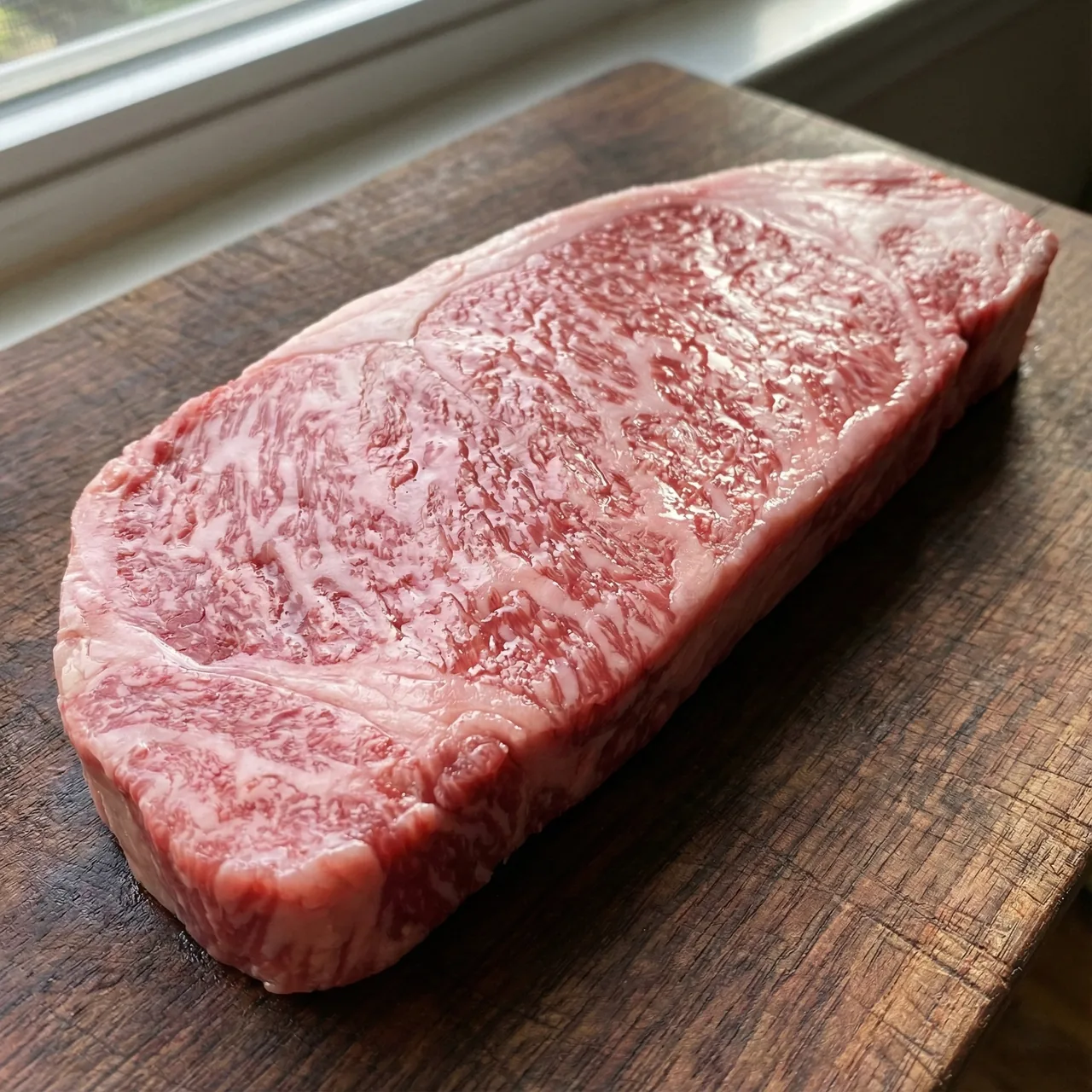
Sirloin (the classic)
The loin from the back — called "the king of steaks" in Japan for good reason.
If you want the full experience of wagyu's sweet, rich fat, sirloin is the only answer. Best for younger
recipients or anyone who wants maximum satisfaction from every bite.
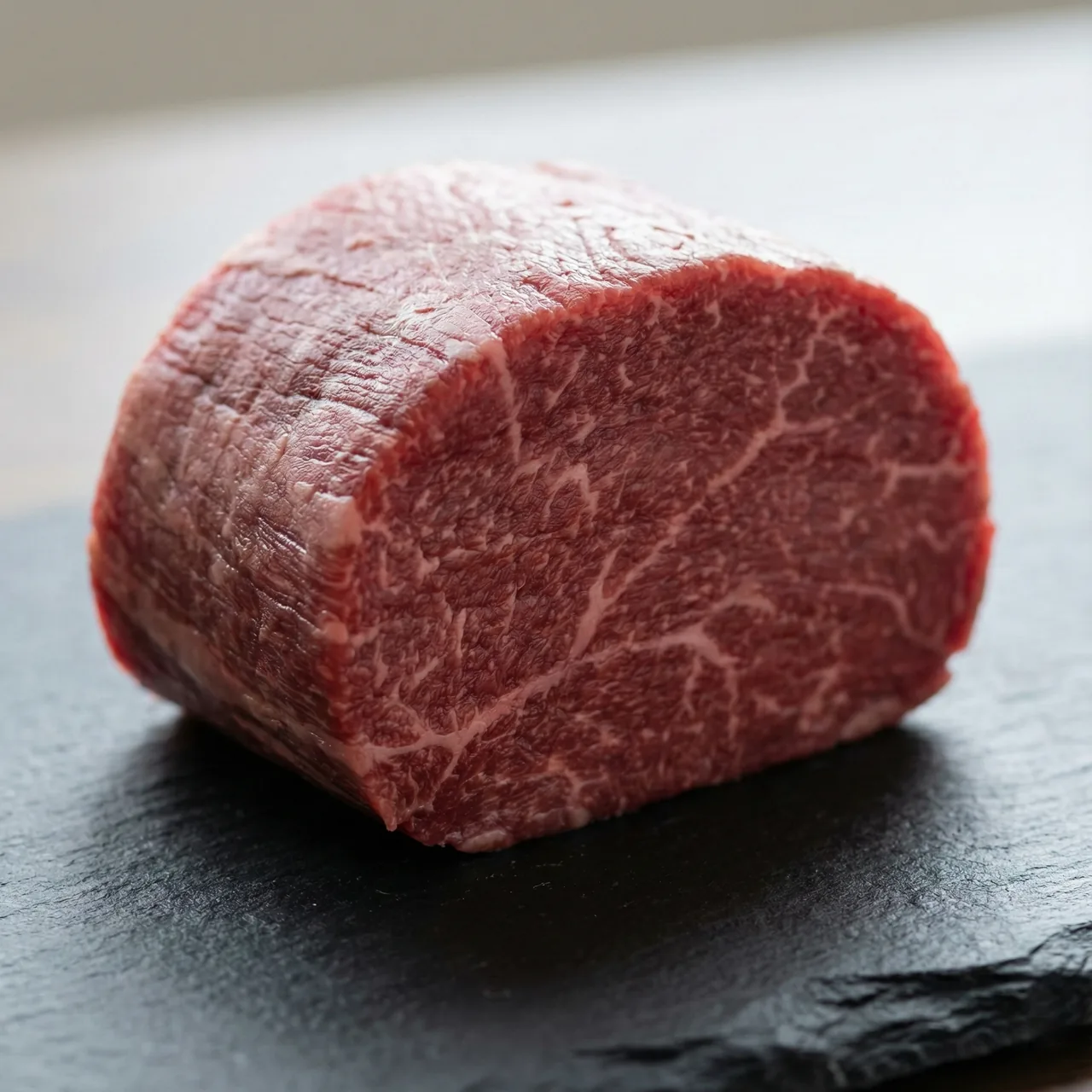
Fillet / Tenderloin (the rare one)
The least fatty and most tender cut — only a small amount per animal.
Practically melts when you press it with chopsticks. The lighter profile makes it a thoughtful choice for older
recipients or health-conscious guests who prefer lean meat.
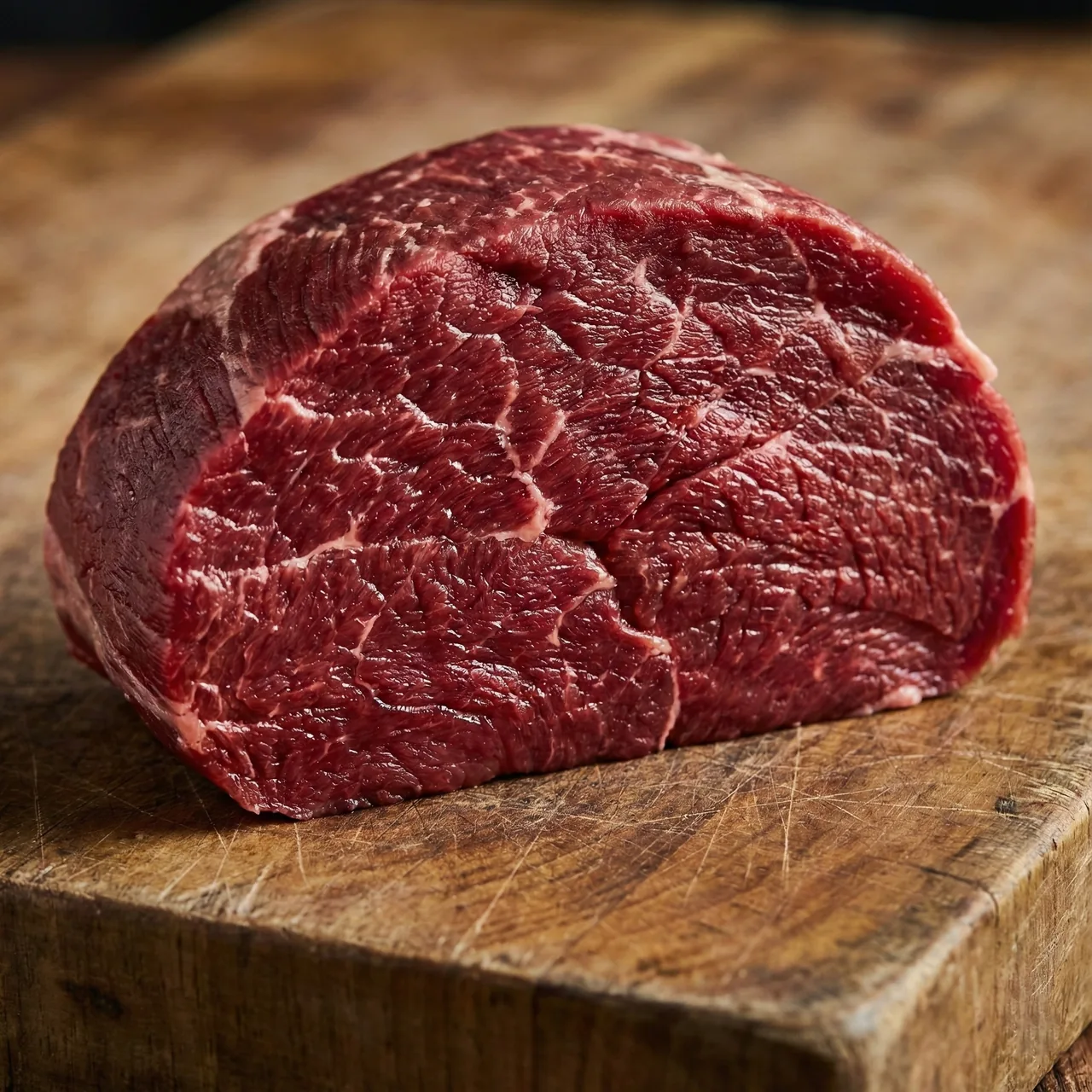
Round / Rump (the lean chew)
The cut where you taste the meat itself — chewing releases layer upon layer of umami.
Great for roast beef preparations, or for the dedicated carnivore who wants thick-cut steak with real substance.
5. Cooking Rules: Three Ways to Not Waste Premium Beef
Once you have the beef, a little attention to technique pays enormous dividends.
These are the three things professional cooks do that home cooks often skip.
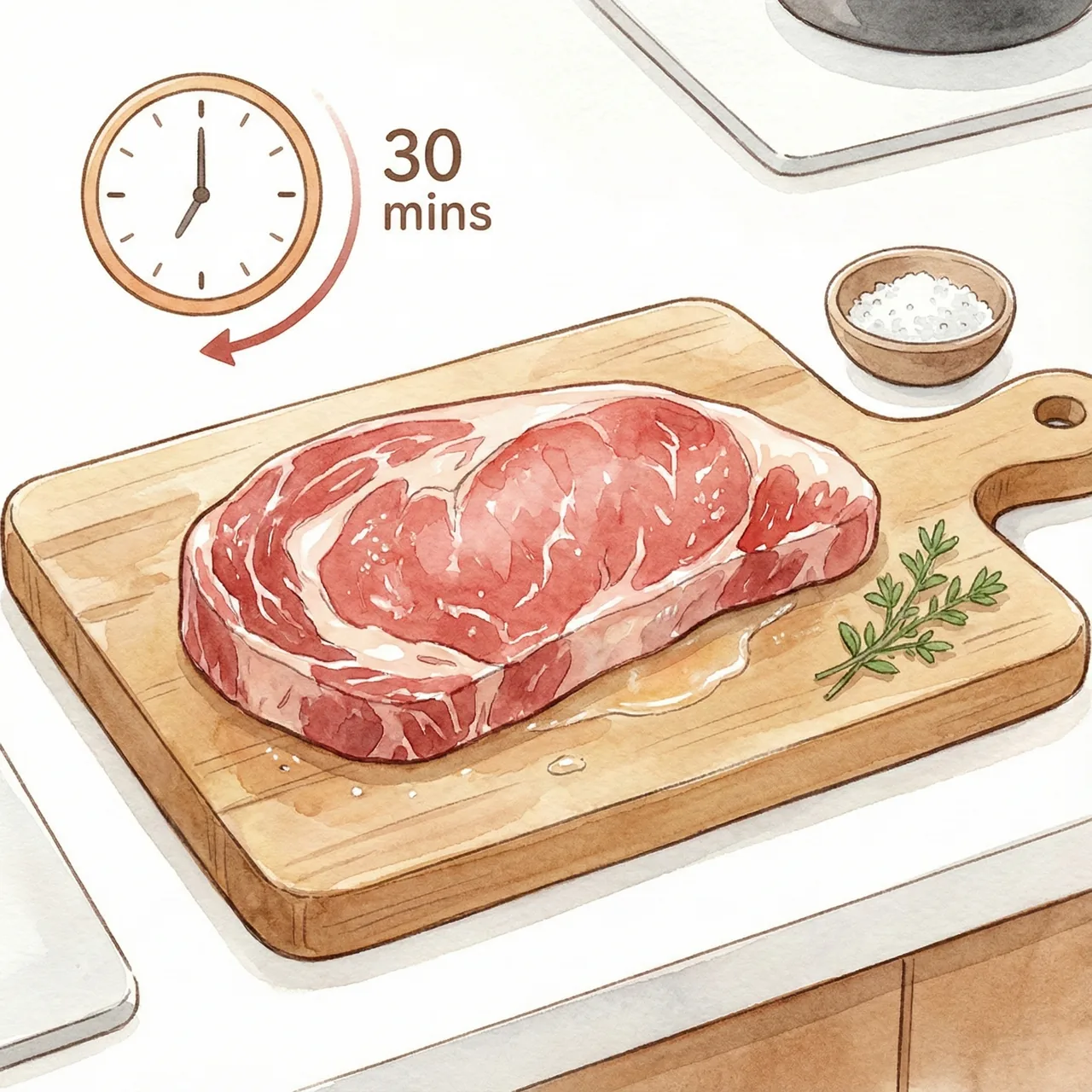
① Always bring it to room temperature first (most important)
Cooking cold meat straight from the refrigerator guarantees a charred exterior and raw center — no matter how
good the beef is.
Take it out 30 minutes to an hour before cooking and let it come up to room temperature. This single step
eliminates uneven cooking.
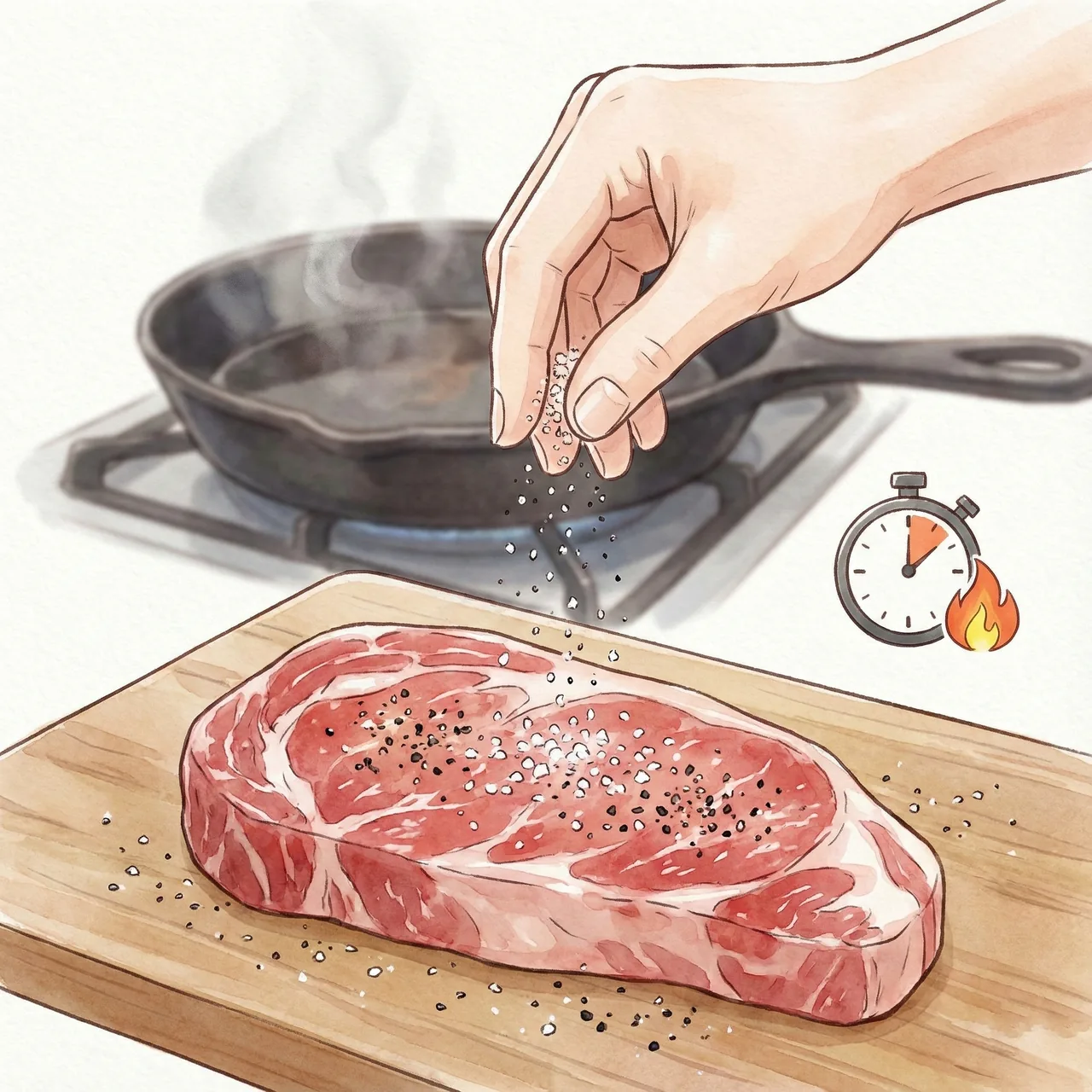
② Season right before cooking — not in advance
Salting too early draws moisture (drip) out of the meat through osmosis, drying it out before it even hits the
pan.
Season right when the pan is hot and you're ready to cook — that's all you need.
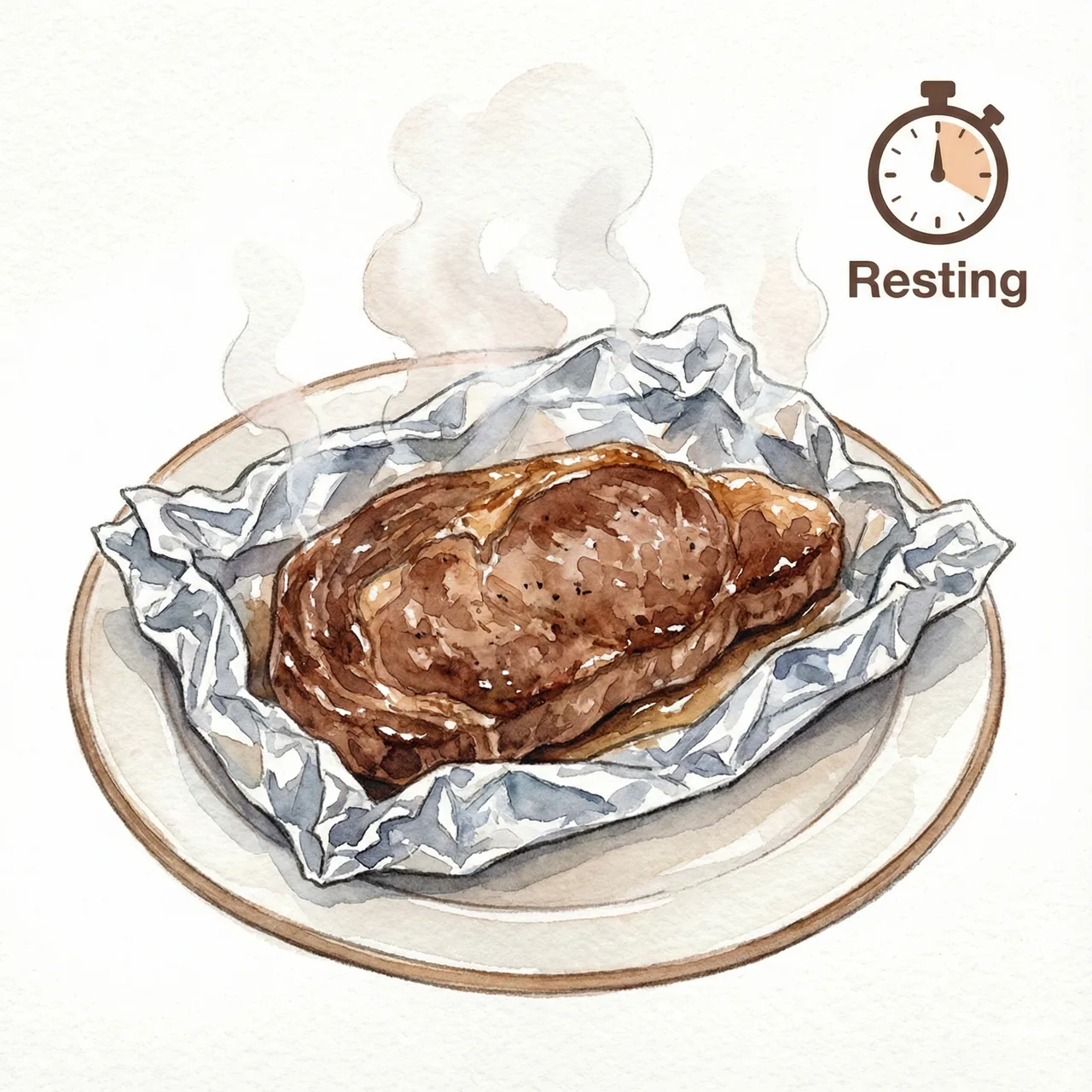
③ Rest it for as long as you cooked it
Cut into the steak the moment it comes off the heat and the juices pour straight out — wasted.
Wrap it loosely in foil and let it rest for the same amount of time you cooked it (typically 3–5 minutes).
The juices redistribute throughout the meat, and every bite is as juicy as the last.
6. The Knife Matters: How Sharpness Changes the Taste
One last thing before you sit down to eat.
You've cooked that steak beautifully — but are you slicing it with a dull knife and crushing the fibers?
Compressing the meat as you cut squeezes out the juices and ruins the texture you worked so hard to create.
A sharp Japanese knife glides through the fibers cleanly, preserving the structure. The cross-section stays smooth,
the juices stay in, and — genuinely — the same cut of meat tastes different.
Frequently Asked Questions
Matsusaka, Kobe, Yonezawa — which is "best"?
It depends entirely on what you value. If melting fat and peak mouthfeel are your priority, Matsusaka and
Kobe are the apex.
If you prefer lean umami with a satisfying chew, Yonezawa and Omi are the better match. Older
guests or health-conscious eaters often prefer fillet or lean cuts from any region.
What's the difference between "wagyu" and "domestic beef" (kokusan-gyu)?
"Wagyu" is a protected term for cattle of specific Japanese native breeds (including Kuroge Wagyu, the
black-haired variety). "Domestic beef" covers any cattle raised in Japan, including dairy breeds like
Holstein.
All brand beef — Matsusaka, Kobe, Yonezawa — qualifies as wagyu. The price gap you see at the supermarket largely
reflects this breed difference.
How do I thaw mail-order wagyu correctly?
If it arrives frozen, the only safe method is slow thawing in the refrigerator — move it from the
freezer to the fridge and allow 8–12 hours.
Microwave defrosting or running it under warm water causes massive drip loss (flavor lost as liquid). After
thawing, pat the surface dry with kitchen paper before cooking.
What does "A5 grade" actually mean?
Japanese beef is graded on two axes: yield grade (A, B, or C — how much usable meat per animal) and meat quality
grade (1–5, measuring marbling, color, firmness, and fat quality). "A5" means top yield and top quality score.
Bear in mind, however, that grading measures marbling objectively — not subjective pleasure. Some people genuinely
prefer the A3 or A4 range for a less fatty, more balanced experience.
What's the best pan for cooking wagyu steak at home?
You want high heat retention: a cast-iron or thick stainless steel multi-layer pan is ideal.
Teflon-coated pans require you to avoid extreme heat, which is precisely what searing wagyu demands. A Japanese
cast-iron or multi-layer stainless steel pan reproduces the sear you'd get from a professional kitchen.
Any tips for slicing wagyu?
The key is to cut across (perpendicular to) the grain. Cutting along the grain makes the meat
tough to chew; cutting across it shortens the fibers and dramatically increases perceived tenderness.
Use a sharp knife and draw it toward you in one clean stroke — the way a sashimi chef slices fish — rather than
sawing back and forth.
7. Final Thoughts: Give the Gift of an Unforgettable Meal
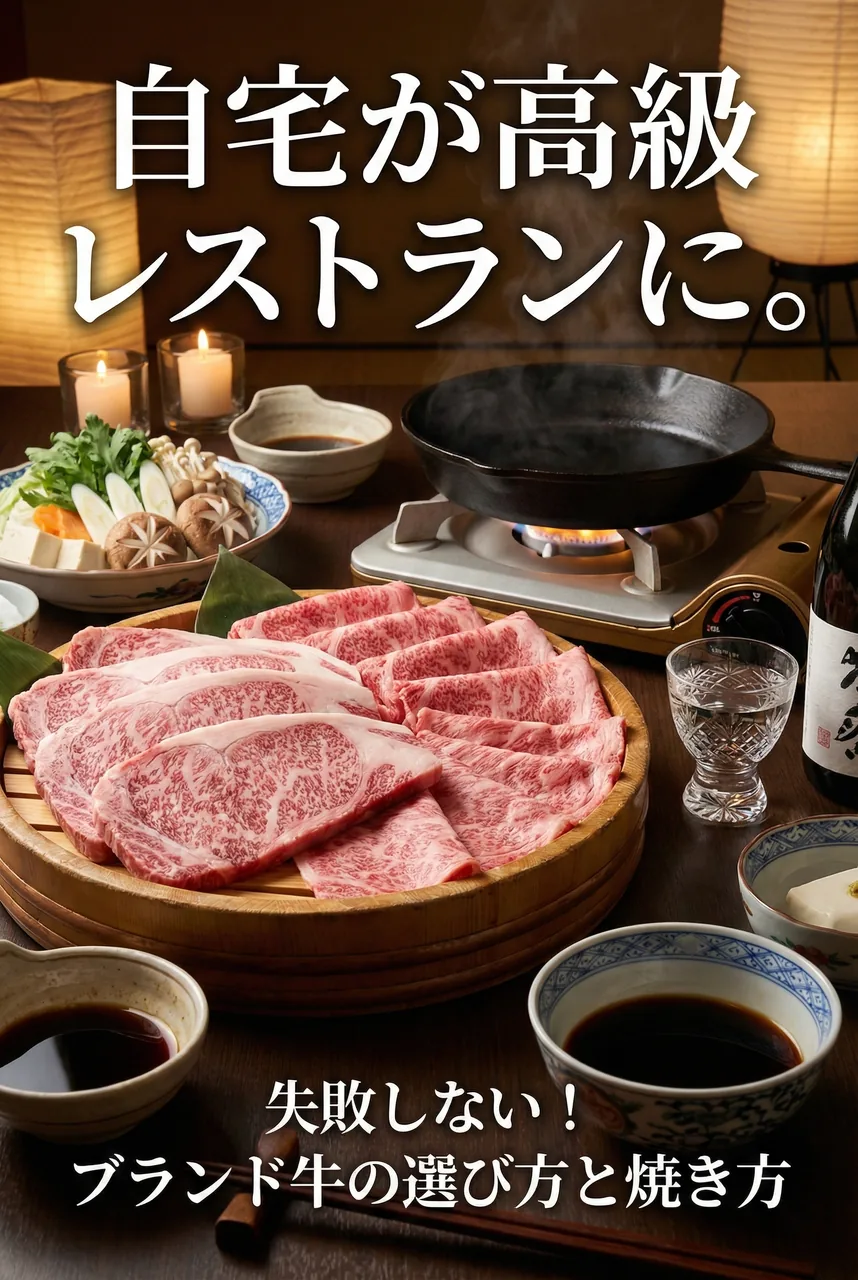
A wagyu sukiyaki or wagyu steak isn't just a meal — it's an event.
The gasp when the box is opened. The sizzle in the pan. The look on someone's face at the first bite.
Every part of that experience becomes a memory shared with the people you love.
For occasions that matter, choose quality you can trust — a heritage producer or a direct-from-farm source.
With the finest ingredients and the right tools (a sharp knife, a proper pan), your home table can match any
fine-dining restaurant.