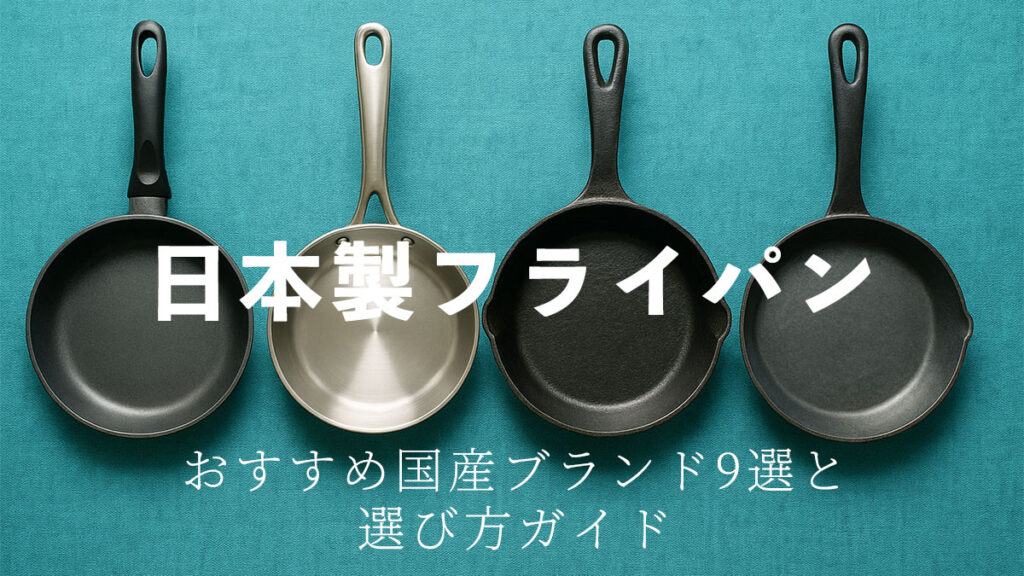
The best Japanese frying pan for most home cooks is a coated aluminum pan for everyday cooking paired with an iron pan for high-heat dishes. If you want just one pan, a nitrided iron pan like Riverlight's Kiwame JAPAN gives you durability, performance, and low maintenance.
This guide covers the main materials — iron, aluminum, stainless — with honest trade-offs, a look at the best Japanese brands in each category, and answers to the questions people actually search for before buying.
Quick Reference: Japanese Frying Pan Materials Compared
| Material | Weight | Non-stick | Durability | Best for |
|---|---|---|---|---|
| Coated aluminum | Light | Excellent (new) | 2–5 years | Everyday cooking, eggs, pancakes |
| Iron | Heavy | Improves over time | Decades | Steak, stir-fry, high-heat searing |
| Stainless (multi-ply) | Medium-heavy | Needs preheating | Lifetime | Searing, braising, oven use |
| Cast iron (Nambu) | Very heavy | Improves over time | Generations | Steak, slow cooking, heat retention |
Why Japanese Frying Pans?
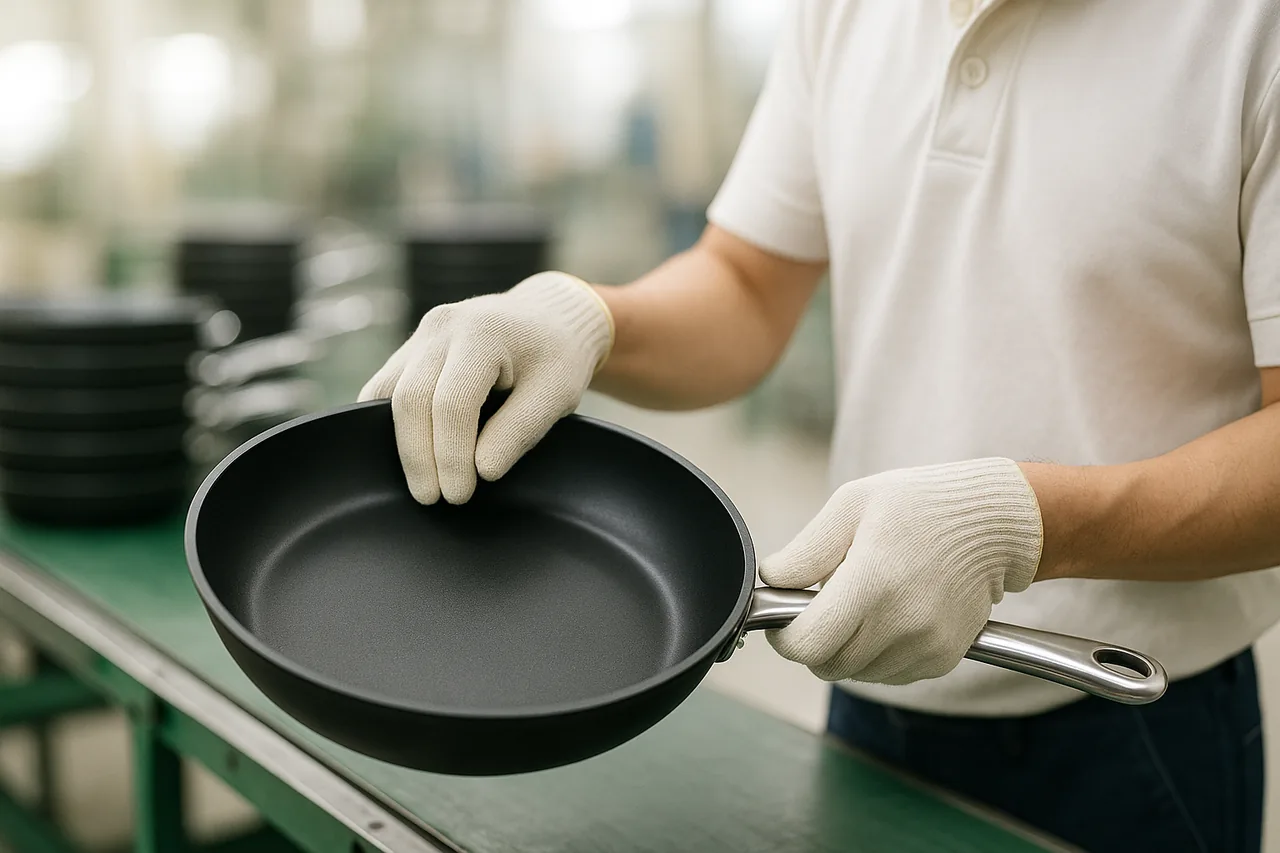
Japanese frying pans stand out in three areas: material transparency, long-term durability, and after-sales support. Because Japanese manufacturers are required to meet domestic safety standards and publish detailed product specifications, you know exactly what coating is on your pan, whether it contains PFOA, and whether the handle will survive oven use. That level of disclosure is not common in mass-market cookware from other countries.
Japan's cookware industry is concentrated in specific regions with decades of metalworking heritage. Tsubame-Sanjo in Niigata Prefecture has been producing precision metal goods since the Edo period. Osaka's Naniwa area is home to manufacturers like Nakao Aluminium, which has supplied professional kitchens for over 70 years. OIGEN in Iwate Prefecture has been casting iron using traditional Nambu ironware techniques since 1852.
The result is cookware that lasts. Many Japanese brands offer recoating services, replacement handles, and long-term warranties — infrastructure that makes a premium pan genuinely more economical over 10 years than a cheap pan replaced every 18 months.
Did you know: Japan's PFOA-free standards
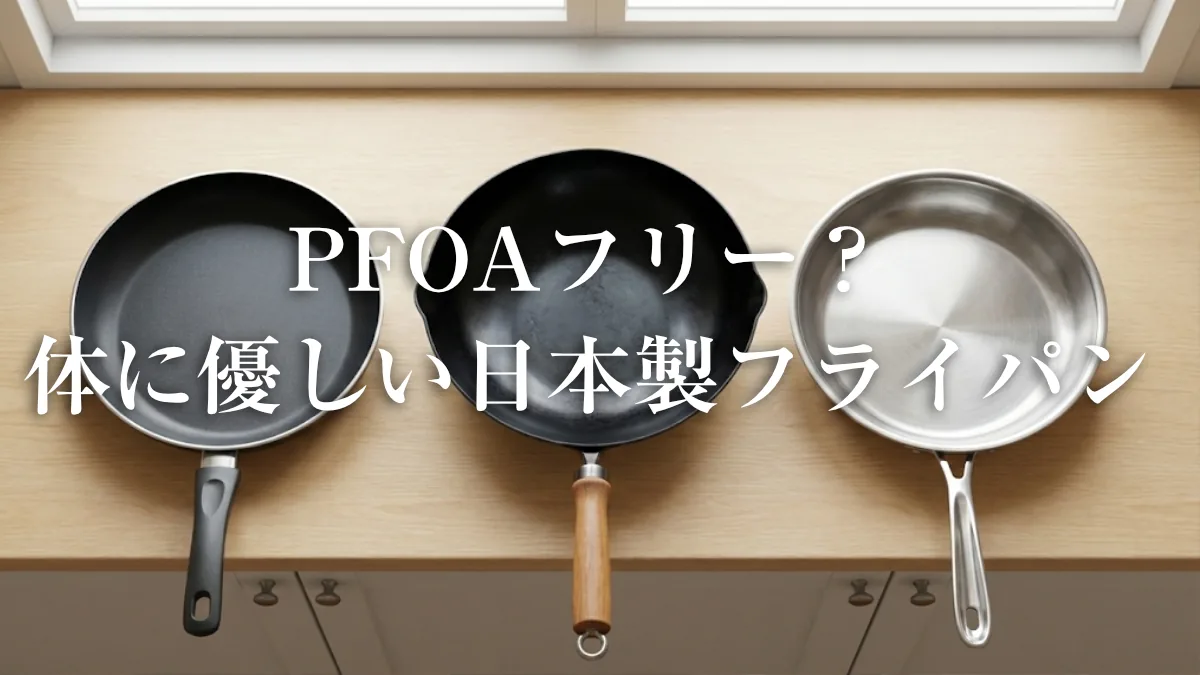
Japan's Food Sanitation Law requires all fluoropolymer-coated cookware to meet strict residual chemical limits. Many top Japanese brands — including Hokuriku Aluminium and UMIC — have gone further and voluntarily adopted PFOA-free and PFAS-free coatings well ahead of regulatory deadlines. If coating safety is important to you, Japanese-made pans are among the safest on the market.
Materials Explained: Iron, Aluminum, Stainless
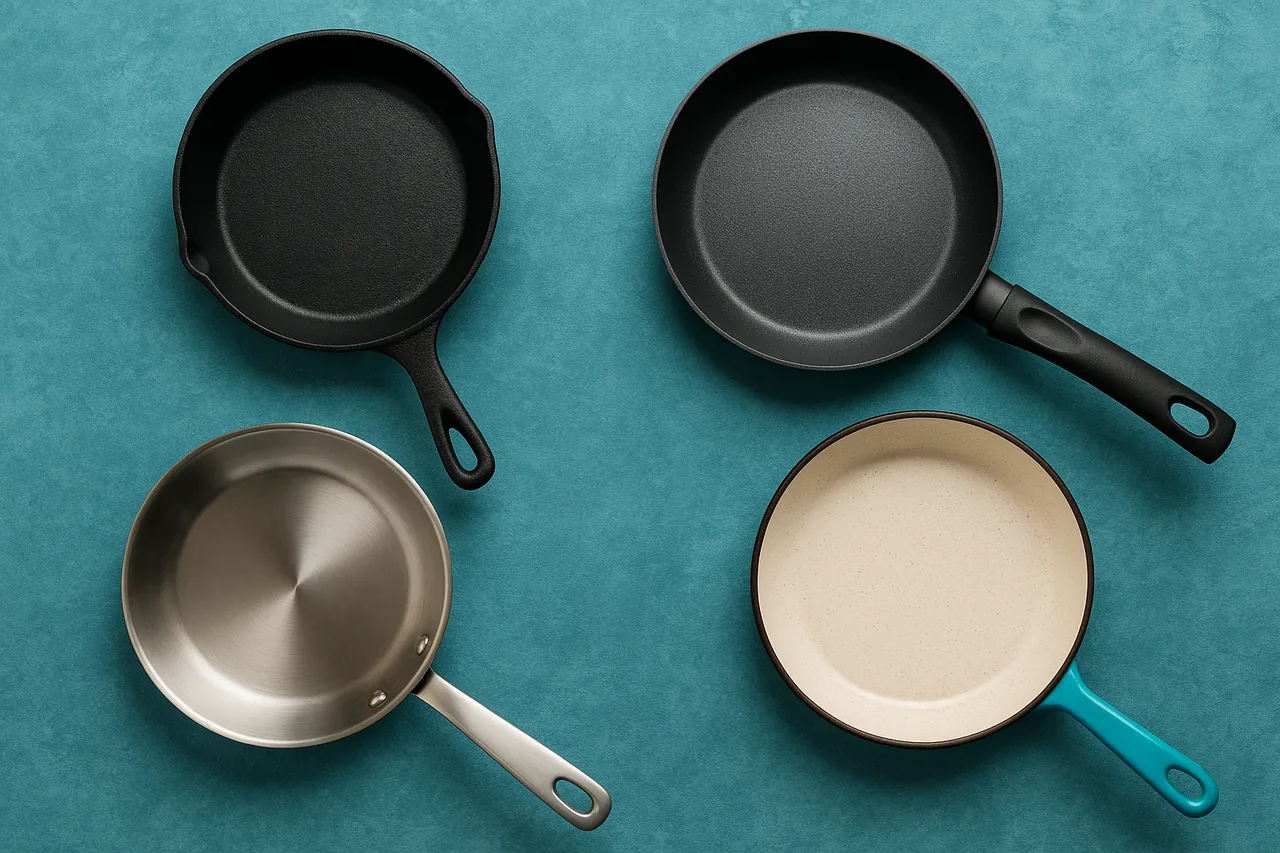
The biggest decision when buying a Japanese frying pan is material. Each behaves differently on the stovetop, ages differently, and suits a different kind of cook. Here's what you actually need to know.
Aluminum (with coating)
Aluminum heats fast and evenly, and it's the lightest option — a 26 cm coated aluminum pan typically weighs around 700–900 g, half of an equivalent iron pan. The non-stick coating makes it ideal for eggs, fish, and pancakes. Japanese manufacturers typically offer aluminum in three forms: cast aluminum (thick base, excellent heat distribution), die-cast multi-layer (more precise construction), and standard pressed aluminum (light and budget-friendly).
The limitation is the coating. Even the best fluoropolymer coating degrades over time, especially with high heat, metal utensils, or abrasive cleaning. Expect 2–5 years of non-stick performance with proper care. When the coating goes, the pan should be retired or recoated — Japanese brands like Asahi Keikinzoku offer this service.
IH compatibility varies: pure aluminum does not work on induction. Look for pans with a magnetic base layer or full multi-ply construction that includes a stainless exterior.
Iron
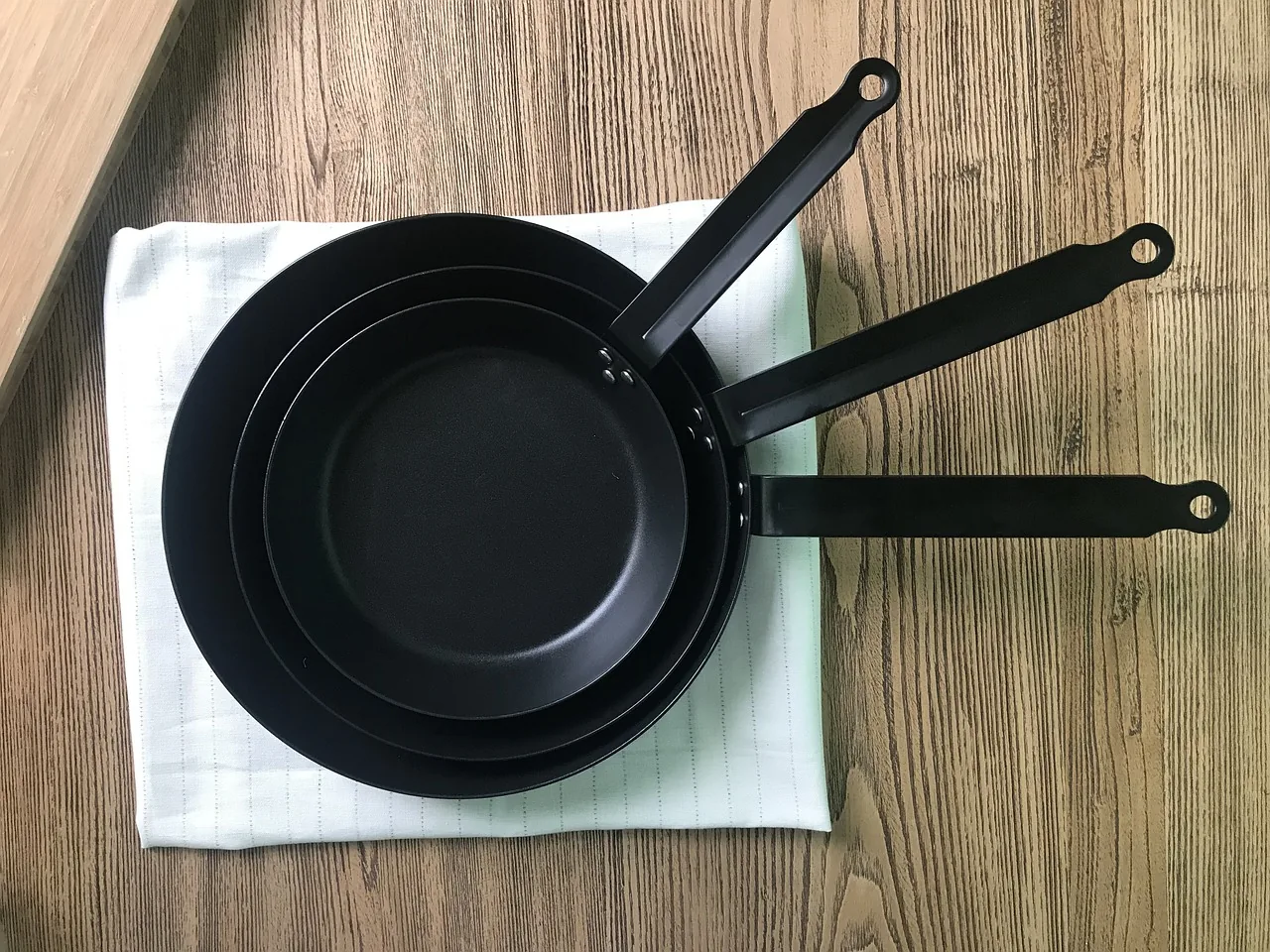
Iron pans are the opposite of aluminum: heavier, slower to heat, but capable of reaching higher temperatures and holding heat longer. That heat retention is what makes iron ideal for searing steak (you need the surface temperature to stay high when cold meat hits the pan), stir-frying vegetables, and any dish where you want a proper Maillard crust.
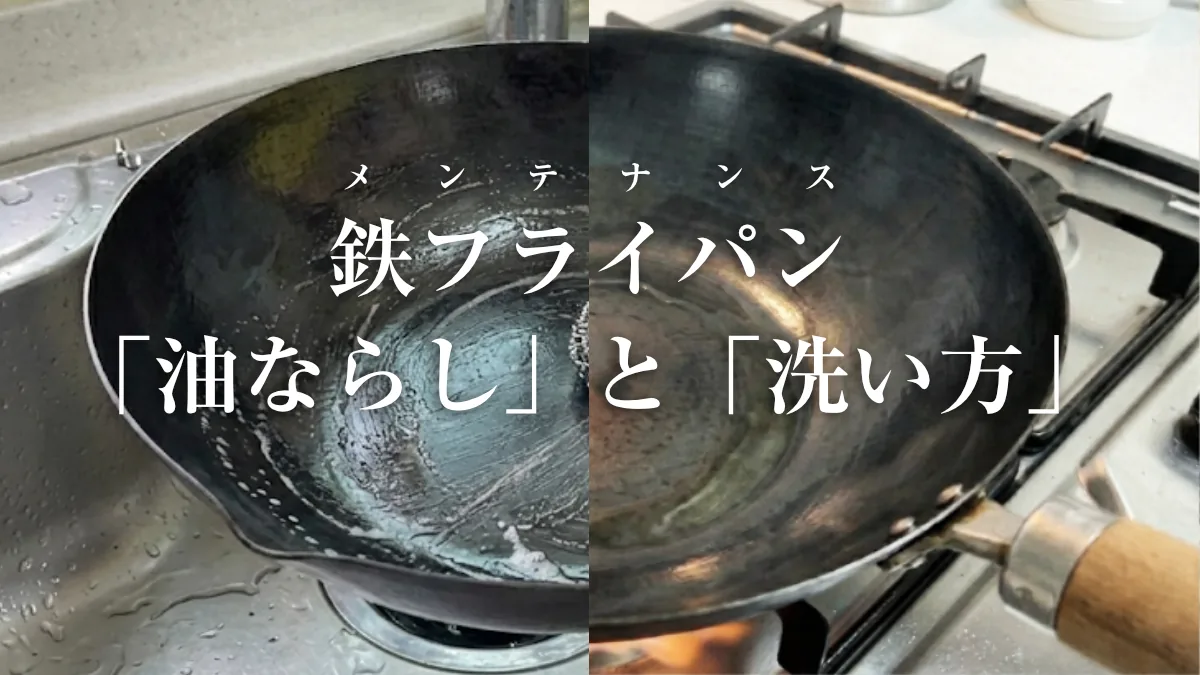
The reputation for being difficult to maintain is largely outdated. Modern Japanese iron pans — particularly nitrided iron pans like Riverlight's Kiwame JAPAN series — do not require seasoning before first use, resist rust significantly better than traditional iron, and can be washed with a small amount of soap if needed. The basic rule: dry completely after washing and apply a thin layer of oil before storage.
As you cook with iron, fat polymerizes into the surface, creating a natural non-stick layer that improves with use. A well-seasoned iron pan after a year of regular cooking will release food almost as well as a new coated pan — and it only gets better.
Stainless (multi-ply)
Single-layer stainless steel conducts heat poorly. Japanese manufacturers solve this with multi-ply construction: alternating layers of stainless steel and aluminum, bonded under pressure. Miyazaki Seisakusho's Geo Product line, for example, uses 7-layer construction that extends up the sides — meaning heat distributes evenly across the entire cooking surface, not just the base.
Multi-ply stainless pans are the most demanding to cook with: you need to preheat properly (medium heat for 2–3 minutes before adding oil) or food will stick. Once you master the technique, the results are excellent — a flawless sear on fish or chicken is easier in stainless than in any coated pan. Stainless is also oven-safe, dishwasher-safe, and essentially indestructible.
Cast iron (Nambu Tekki)
Nambu ironware (南部鉄器) from Iwate Prefecture is Japan's most prestigious cast iron tradition, dating back over 400 years. Cast iron pans are significantly thicker and heavier than pressed iron pans — a 24 cm OIGEN pan weighs around 1.8 kg — but the heat retention is extraordinary. Once up to temperature, cast iron stays hot through repeated additions of cold ingredients, making it excellent for family-size stir-fries and long braises.
Cast iron is not for everyone. The weight rules it out for those with wrist or grip issues. But for cooks who value that level of performance and craft heritage, an OIGEN pan is a lifetime purchase — and a remarkable one.
How to Choose: Size, Heat Source & Cooking Style
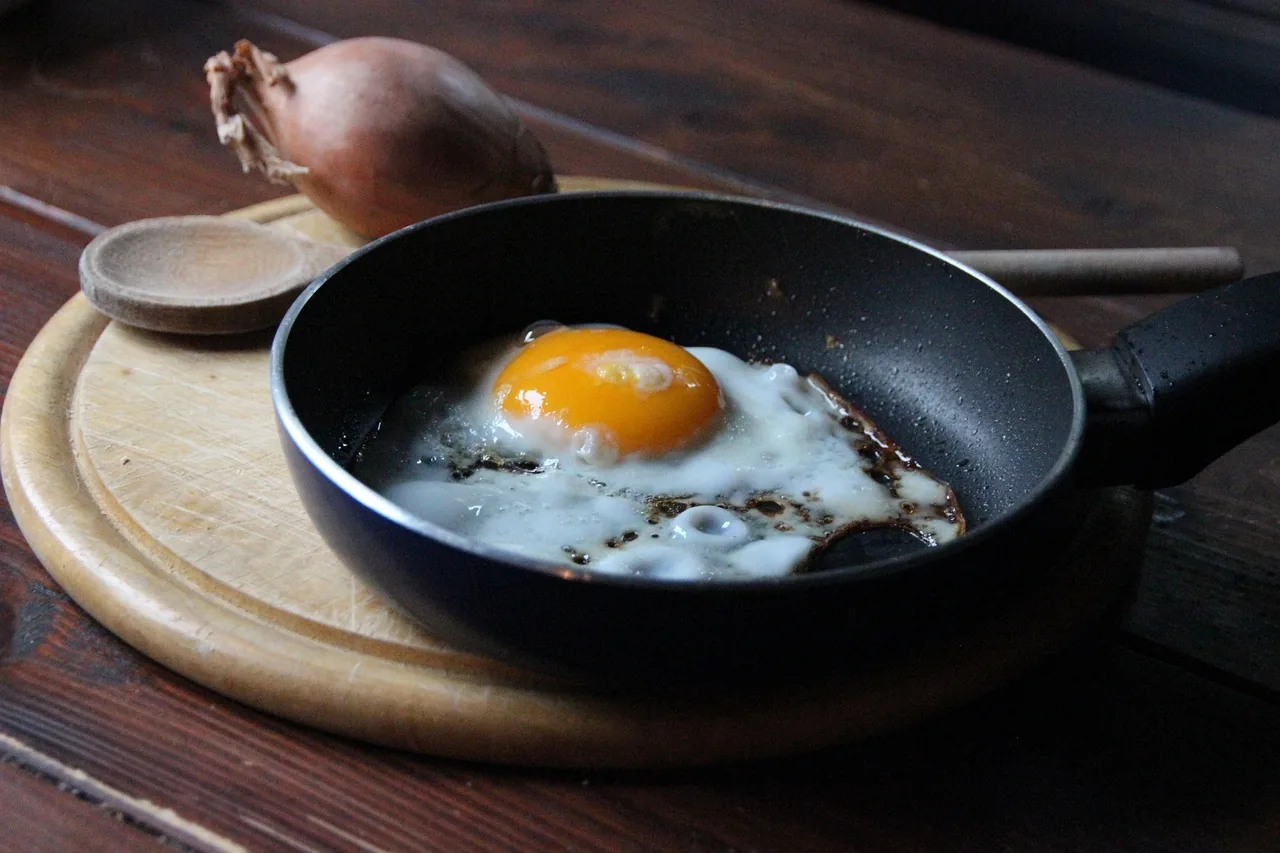
Size: matching the pan to your household
For one or two people: a 20–24 cm pan covers most daily cooking. A single 24 cm pan is the most versatile starting point — large enough for a two-egg omelet or a chicken breast, compact enough for quick weeknight dinners.
For three to four people: 26–28 cm is the right range. If you regularly make stir-fries, fried rice, or yakisoba, look for a pan with slightly higher sides to prevent ingredients from spilling over during tossing.
IH vs. gas: what actually matters
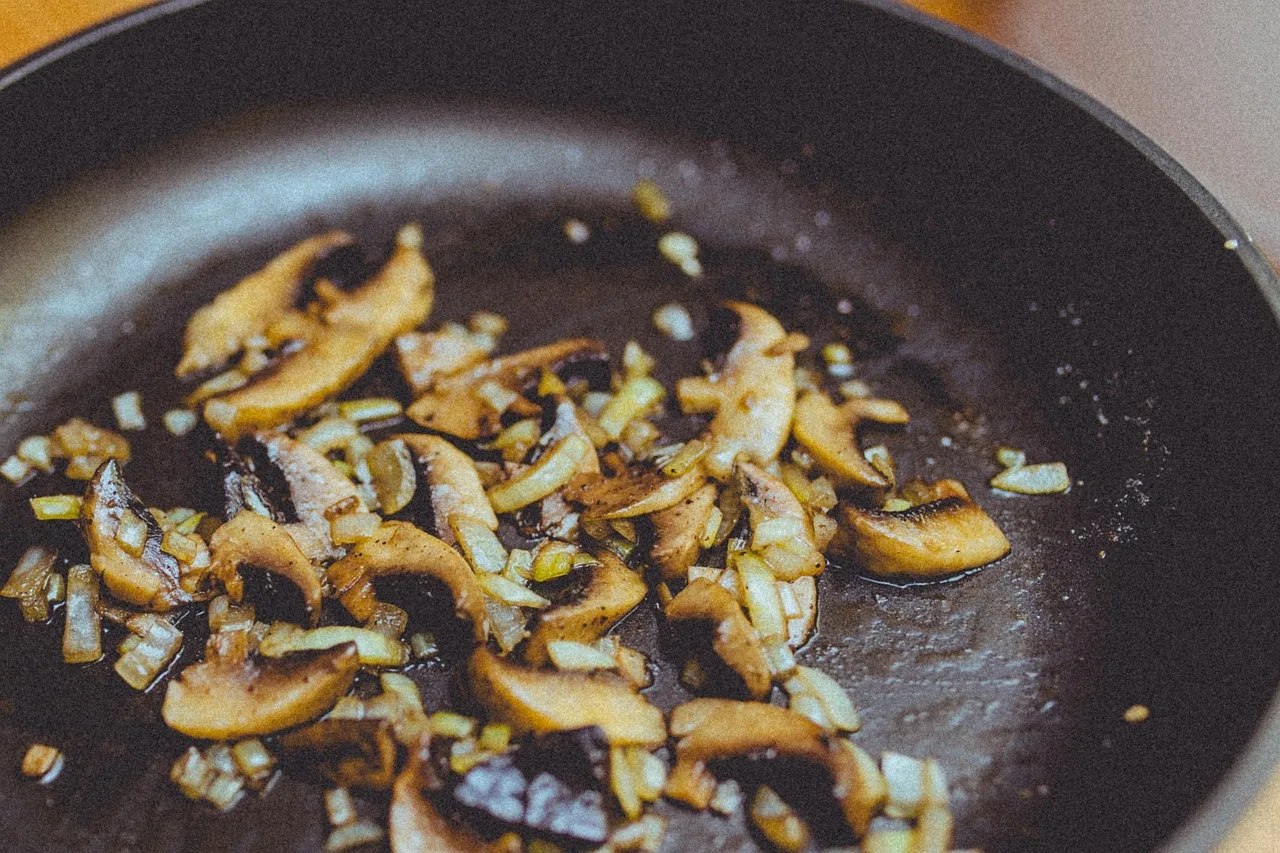
IH (induction) compatibility depends on whether the pan base contains magnetic material. Aluminum does not work on induction unless the manufacturer adds a magnetic layer to the base. Iron and stainless steel are naturally IH-compatible.
Always confirm "IH対応" (IH compatible) in the product specifications before purchasing. Gas-only pans are clearly marked "ガス専用" (gas only) — these will not work on induction cooktops.
Oven use: handle materials matter
If you want to start dishes on the stovetop and finish them in the oven — roast chicken, frittatas, oven-baked steak — confirm the handle material. Wooden and resin handles are not oven-safe. All-metal handles (stainless or cast iron) can typically go in the oven up to 250°C. Always check the specific model's heat rating.
Your cooking style: everyday vs. serious cook
If you cook quickly on weeknight evenings and want minimal cleanup: a quality coated aluminum pan is the right tool. It forgives technique, cleans easily, and does not require any rituals before or after cooking.
If you enjoy cooking as a hobby, cook meat frequently, or want a pan that improves with time: add an iron pan. The two-pan approach — coated aluminum for delicate foods, iron for high-heat cooking — covers virtually every cooking scenario.
Top Japanese Frying Pan Brands
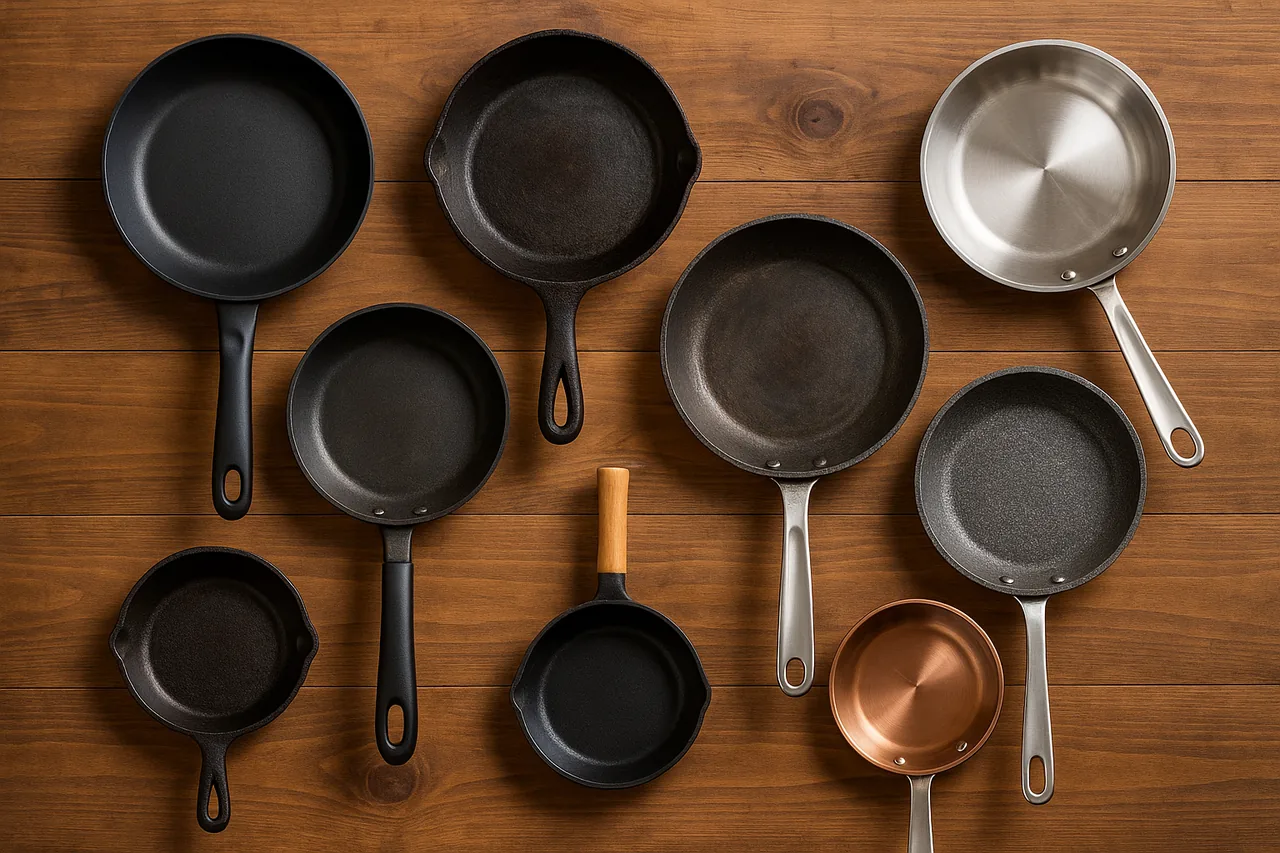
The following brands represent the strongest options in each material category. Most are not yet available on Amazon.com, but several ship internationally through Amazon Japan or their own online stores.
Iron pans
Riverlight — Kiwame JAPAN Series
Riverlight's Kiwame JAPAN (極ジャパン) series is the most recommended iron pan for first-time iron pan users. The nitriding and oxidation surface treatment eliminates the need for pre-seasoning before first use and makes the pan significantly more rust-resistant than traditional iron. It heats more evenly than cast iron and weighs about 30% less.
- Material
- Nitrided iron (pressed)
- Made in
- Japan
- IH compatible
- Yes
- Best for
- Stir-fry, steak, everyday high-heat cooking
Perfect for: Anyone who wants to start cooking with iron but finds traditional seasoning too intimidating.
OIGEN (及源鋳造) — Nambu Cast Iron Frying Pan
OIGEN has been casting iron in Oshu City, Iwate Prefecture, since 1852 — the heart of Japan's Nambu ironware tradition. Their frying pans use a proprietary surface treatment (no synthetic coatings) that resists rust and builds up a natural seasoning layer over time. The heat retention of Nambu cast iron is exceptional: surface temperatures stay steady even when you add multiple pieces of cold meat at once.
- Material
- Nambu cast iron
- Made in
- Oshu City, Iwate Prefecture
- IH compatible
- Yes
- Best for
- Steak, high-heat searing, long cooking sessions
Perfect for: Cooks who want the absolute best heat retention and don't mind the weight.
Aluminum (coated) pans
Hokuriku Aluminium (HOKUA)
Hokuriku Aluminium has specialized in aluminum cookware manufacturing since 1946. Their pans strike the best balance of light weight, even heating, and accessible price point. The PFOA-free coating lines are available in IH-compatible models. If you want a reliable everyday pan from a Japanese manufacturer without spending on premium multi-ply construction, HOKUA is the strongest starting point.
- Material
- Cast aluminum with fluoropolymer coating
- Made in
- Japan
- IH compatible
- Select models
- Best for
- Daily cooking, eggs, fish, light stir-fry
Perfect for: Everyday cooks who want light weight and easy cleanup above all else.
Stainless (multi-ply) pans
Miyazaki Seisakusho — Geo Product
Miyazaki Seisakusho's Geo Product line is one of the best examples of Japanese multi-ply stainless cookware. The 7-layer construction runs all the way up the sides — not just the base — giving it significantly more even heating than cheaper multi-ply pans. The design is minimal and timeless: Geo Product pans go straight from the stovetop to the table without looking out of place. Each pan comes with a lifetime repair service commitment from Miyazaki Seisakusho.
- Material
- 7-ply stainless and aluminum
- Made in
- Japan
- IH compatible
- Yes
- Best for
- Searing, braising, oven-to-table presentation
Perfect for: Cooks who want a no-compromise pan they will never need to replace.
FAQ
Are Japanese frying pans worth the money?
Yes, if you cook regularly. A mid-range Japanese coated aluminum pan (¥8,000–¥15,000) outperforms cheap pans on heat distribution, durability, and coating longevity. For iron or stainless options, the gap is even larger — a Riverlight or Miyazaki pan bought once genuinely lasts decades, making the per-year cost lower than cycling through cheap pans every 18 months.
What is the difference between iron and cast iron frying pans?
Pressed iron pans are lighter and faster to heat; cast iron pans are heavier but hold heat longer. Pressed iron (like Riverlight's Kiwame JAPAN) is made by stamping flat iron plate into shape — the result is relatively thin (2–3 mm) and lightweight for an iron pan. Cast iron (like OIGEN's Nambu pans) is poured molten into a mold, producing a much thicker, heavier piece with superior heat retention. Both season and improve with use, but cast iron is better for situations where stable high heat matters: searing thick steaks, cooking large batches.
How do I care for a Japanese iron frying pan?
The key steps: wash while warm, dry completely, apply a thin film of oil. After cooking, wash the pan with hot water and a brush or tawashi scrub pad while still warm — food releases more easily this way. Heat on the stove briefly to evaporate all moisture (rust forms from residual water, not from cooking). Once dry and cool, apply a very thin layer of vegetable oil with a paper towel before storing. Avoid soaking in water or leaving wet overnight.
What does IH compatible mean on Japanese frying pans?
IH stands for induction heating — the type of cooktop that heats pans magnetically rather than with flame or radiant heat. IH-compatible pans must have a magnetic material (typically stainless steel) in the base. Iron and stainless pans are naturally IH-compatible. Aluminum pans require a bonded magnetic layer on the base to work on induction. Always look for "IH対応" or the IH symbol on the product page before purchasing.
What is the safest Japanese frying pan for health?
Iron and uncoated stainless pans are the safest — they contain no synthetic coatings that can degrade at high temperatures. If you prefer a coated pan for non-stick convenience, look for Japanese brands that explicitly state "PFOA-free" and "PFAS-free" in their specifications. Hokuriku Aluminium and UMIC are among the Japanese brands with clear documentation of PFAS-free coating lines. Avoid very cheap coated pans with no country of origin or safety certification.
Can I use Japanese frying pans on an electric stove?
Yes — all Japanese frying pans work on electric (radiant) stovetops. The only compatibility question is induction (IH), not electric. Radiant electric coils heat pans through direct contact with any flat-bottomed pan, regardless of material. If your stove uses glass-top electric (ceramic hob), ensure the pan base is flat and does not warp, which is a risk with very thin pressed aluminum pans under high heat.
Japanese frying pans reward patience — both in the choosing and in the cooking. Pick your material based on how you actually cook, not how you imagine you might cook. If you make eggs on weeknights and steak on weekends, buy both: a good Japanese coated aluminum pan and a nitrided iron pan. You will not regret either purchase.
How to Season and Care for a Japanese Iron Frying Pan
PFOA-Free & Safe: How to Choose a Healthy Japanese Frying Pan