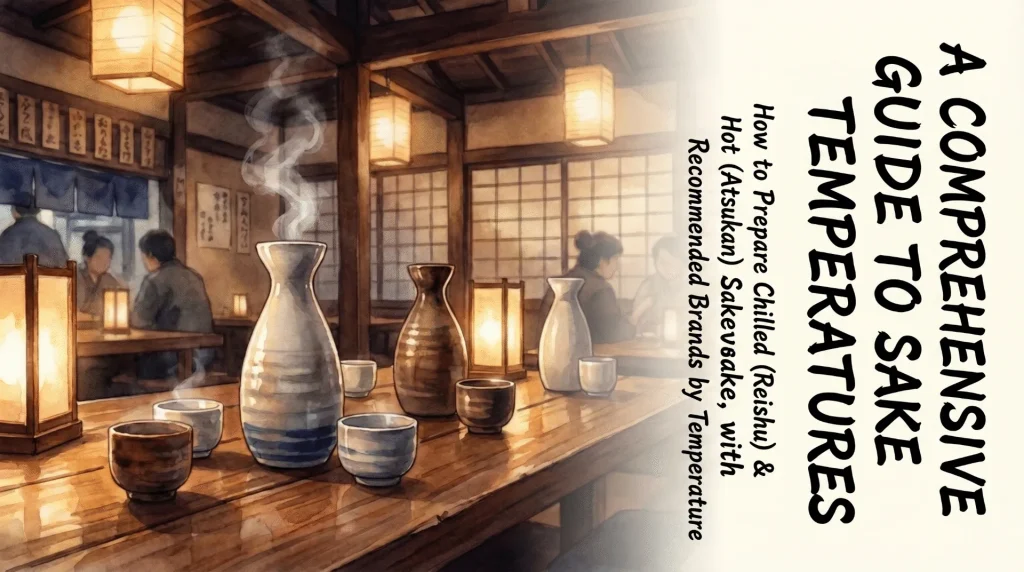
Serving Japanese sake at
different temperatures is one of the world's most distinctive drinking traditions — and sake is
uniquely positioned to benefit from it.
Sake tastes like a completely different drink every 5°C.
① Chilled (5–15°C): Bright, aromatic, and crisp. Perfect for ginjo and daiginjo.
② Room temperature (20–25°C): The sake's true character revealed. Called "hiya" (cold) in
Japanese.
③ Warmed (30–55°C): Umami expands, edges soften. Ideal for junmai and kimoto-style sake.
"Warming sake makes it smell too boozy." "I don't know which ones to chill." These are common worries — and the
answer is that every sake has a sweet spot temperature where it truly shines.
This guide covers everything from how to warm sake perfectly at home, to which styles drink best at which
temperature, and how the right vessel changes the experience.
Quick Reference: Sake Temperature Ranges
| Japanese Name | Temperature | Character | Best With |
|---|---|---|---|
| Yukibié (Snow Cold) | ~5°C | Ice-cold, sharp, tight aromatics | Ginjo, daiginjo |
| Hanabié (Blossom Cold) | ~10°C | Fragrant, aromas begin to open | Ginjo, fruity styles |
| Nurukan (Lukewarm) | ~40°C | Umami expands, gentle warmth | Junmai, kimoto |
| Atsukan (Hot) | ~50°C | Crisp, dry, pronounced cut | Honjozo, dry junmai |
1. Poetic Temperature Names — From "Snow Cold" to "Flying Flame"
Japanese sake culture assigns a poetic name to each 5°C band of serving temperature. Knowing these names lets you order precisely at a restaurant — and impresses anyone you're drinking with.
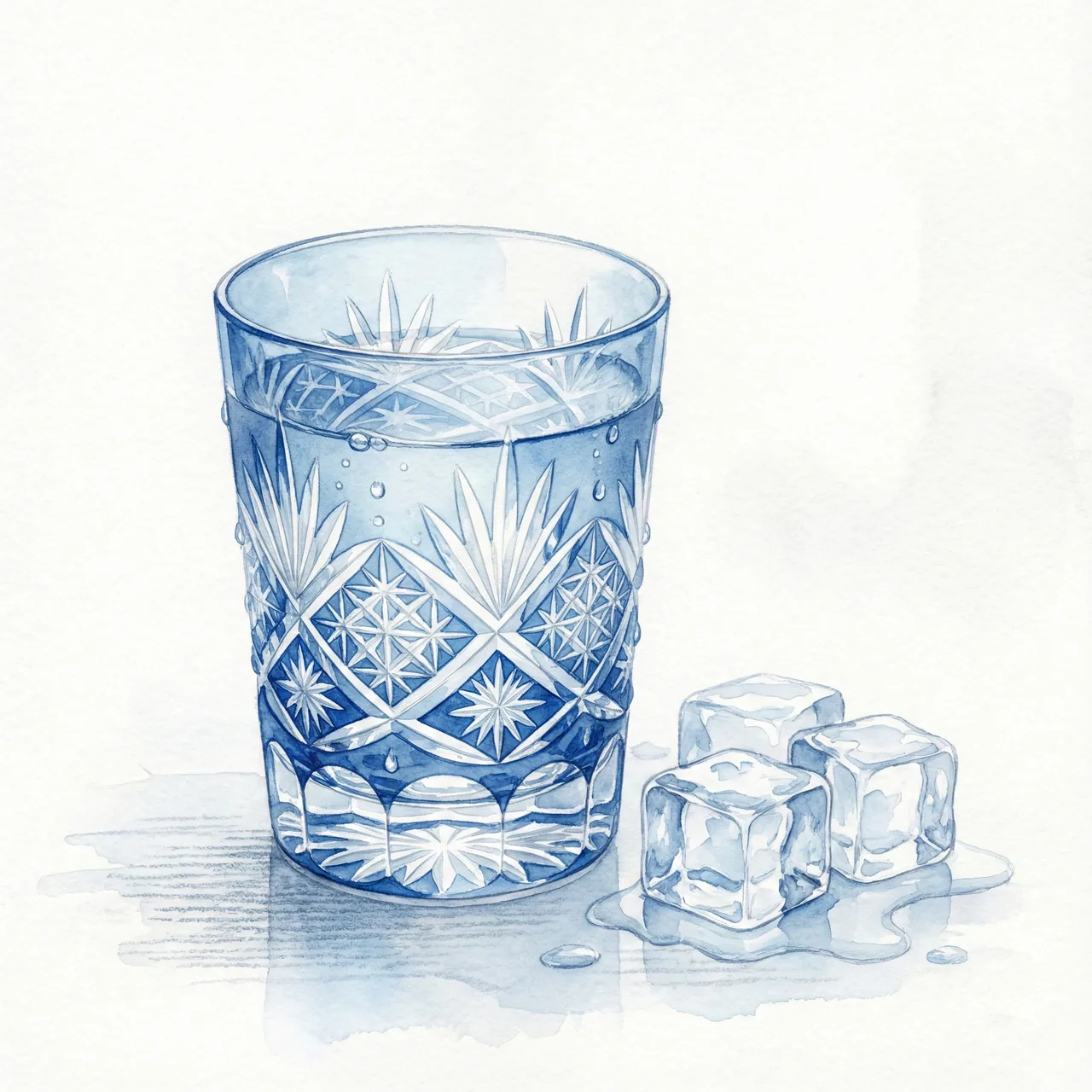
Chilled Sake (Reishu) Temperatures
These are refrigerator-cold temperatures.
· Yukibié (5°C — "Snow Cold"): Ice-cold. Aroma is restrained; the sake is sharp and clean.
· Hanabié (10°C — "Blossom Cold"): Out of the fridge for a few minutes. Fragrance begins to
unfurl.
· Suzubié (15°C — "Cool Refreshing"): The balance of coolness and full flavor is at its peak.
Warmed Sake (Kanzake) Temperatures
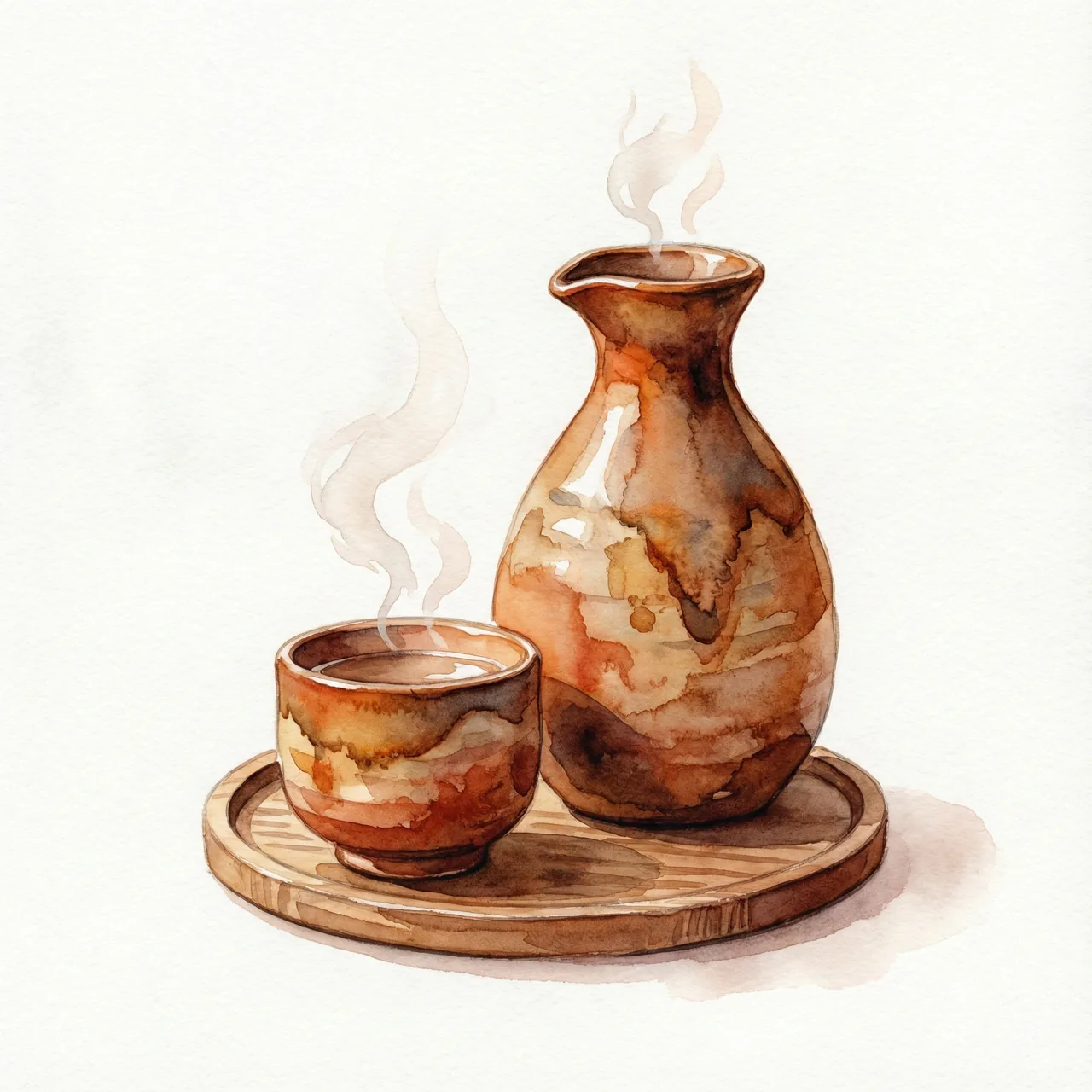
Gentle heat unlocks hidden dimensions of umami.
· Hinatakan (30°C — "Sunny"): Smooth and barely warm — you almost can't feel the heat.
· Hitohada-kan (35°C — "Skin-warm"): Body temperature. Rice sweetness comes forward.
· Nurukan (40°C — "Lukewarm"): The most popular warming temperature; aromas are at their
richest.
· Jokan (45°C — "Upper Warm"): Steam begins to rise; the sake firms up into a tighter, drier
profile.
· Atsukan (50°C — "Hot"): A clean, dry cut with sharp finish.
2. How to Warm Sake Properly — Why the Microwave Is Wrong
Many people reach for the microwave out of convenience, but it creates uneven heating and drives off alcohol in bursts — leaving you with sharp, boozy-smelling sake that tastes flat. One extra step makes an enormous difference.
The Right Way: Yusen (Hot-Water Bath)
It takes only a few minutes and produces incomparably smooth results.
1. Bring a pot of water to a boil, then turn off the heat.
2. Pour sake into a tokkuri (sake flask) and submerge it up to the "shoulder" in the hot water.
3. Wait 2–3 minutes. When sake begins to rise toward the neck, it's ready.
Gradual heating preserves aromatics while drawing out only the umami — the opposite of what a microwave does.
If You Must Use the Microwave
When time is short, these tips minimize the damage:
Place a loosely draped piece of plastic wrap over the tokkuri neck and heat at low power (500W or
less) for 40–50 seconds. Remove and gently swirl to equalize the internal temperature before serving.
3. Matching Sake Type to Temperature: Ginjo Chilled, Junmai Warmed
Read the label and you can determine the ideal temperature zone before you even open the bottle. Here are the two fundamental rules.
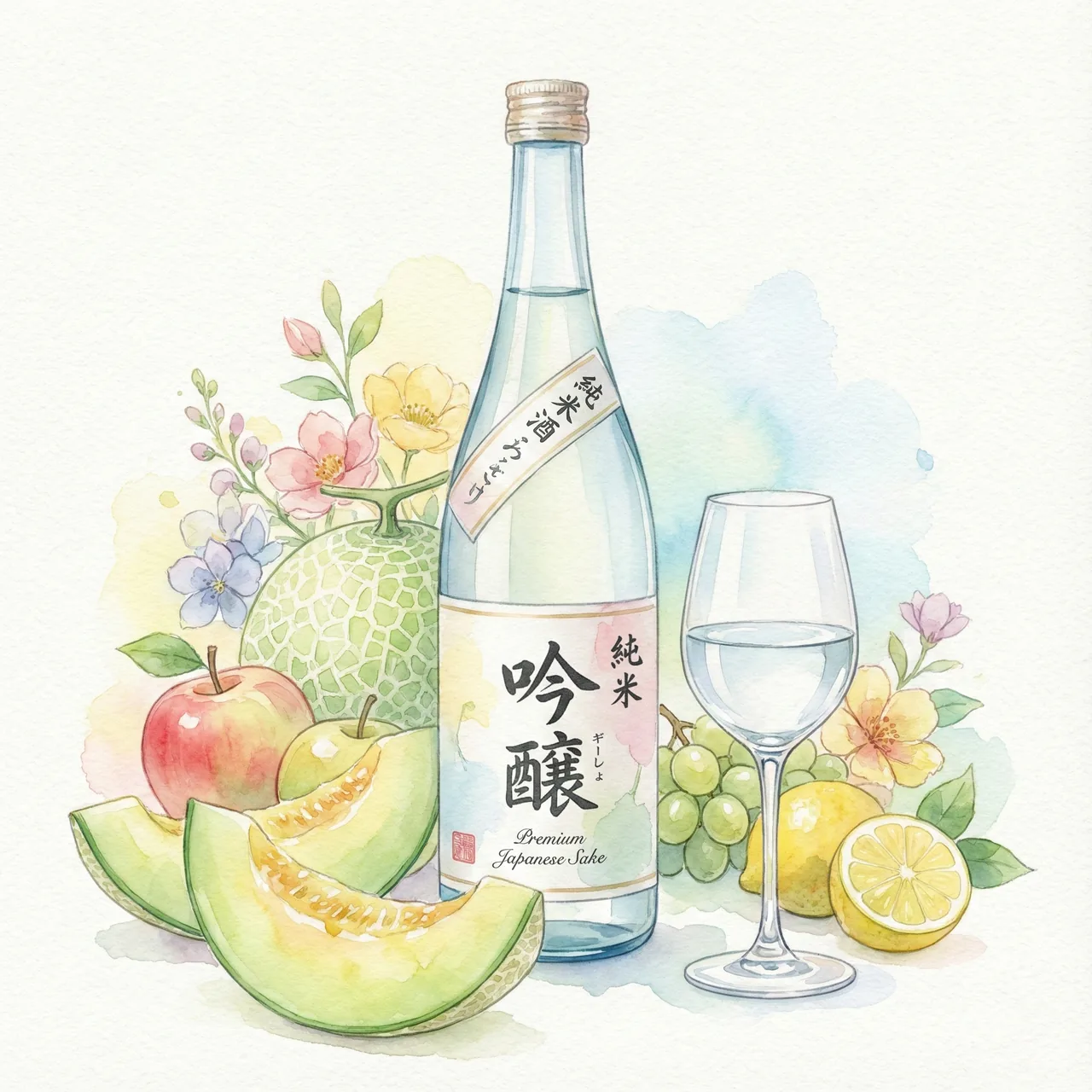
Best Chilled: Daiginjo & Ginjo
These styles are defined by their ginjo-ka — a delicate fruity fragrance produced by extended
low-temperature fermentation. Heat destroys it entirely, leaving the sake flat and muddled.
Serve at 10°C (Hanabié) and the freshness and aroma are in perfect balance. A wine glass is
particularly good here, concentrating the nose beautifully.
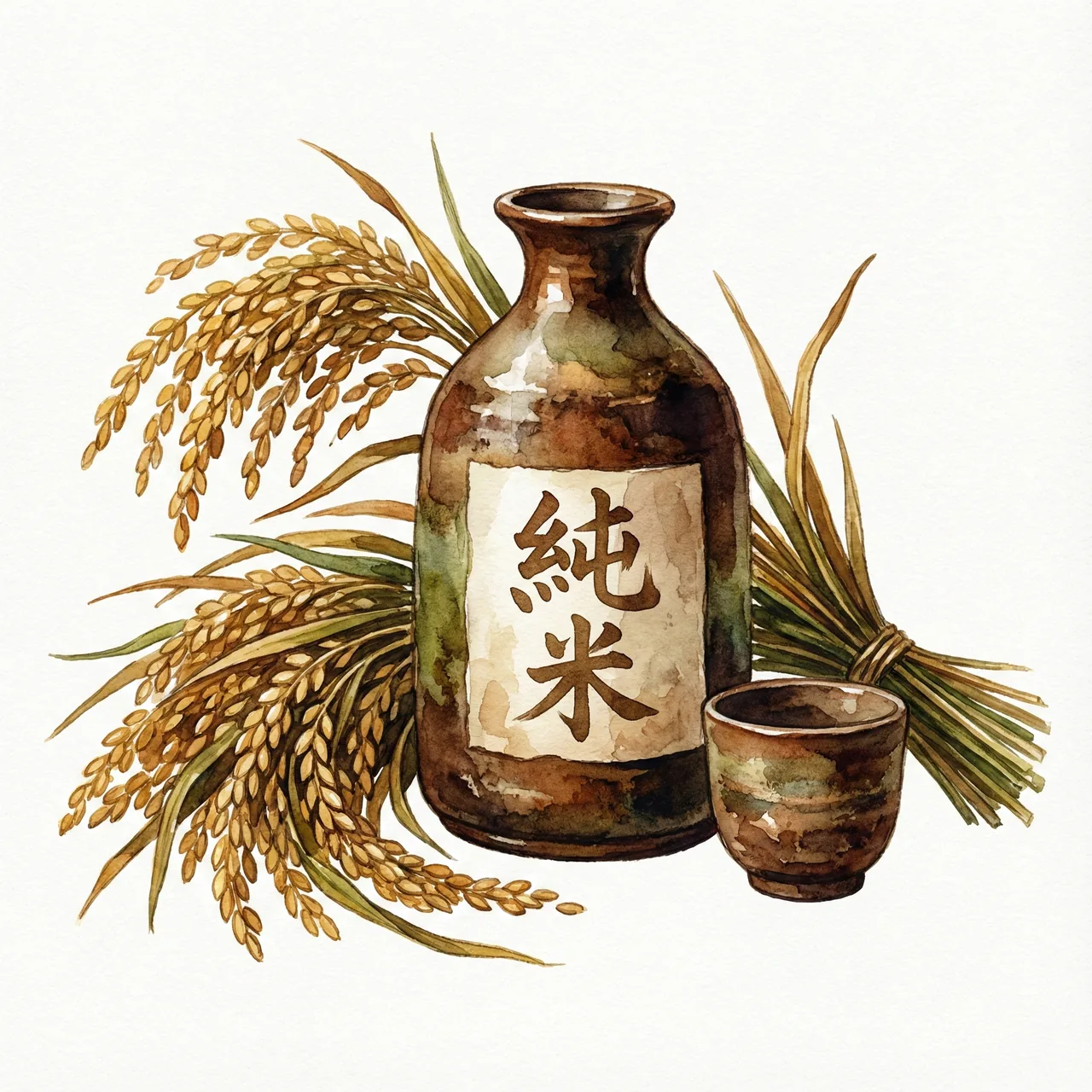
Best Warmed or Room Temperature: Junmai & Kimoto
These styles carry the full weight of rice flavor — rich umami, natural acidity, and depth. Served cold, they
can feel closed and even slightly harsh. Warmed to 40–45°C (nurukan to jokan), the hidden
sweetness and savory character bloom dramatically.
The pairing with Japanese home cooking — simmered fish, yakitori, anything with soy — becomes almost magical.
4. 3 Sake Brands to Explore Across All Temperatures
Three definitive sake labels — each illustrating what a different temperature range can bring out.
[Chilled] Dassai / Yamaguchi Prefecture
The world's most recognized "drink it cold" sake.
A junmai daiginjo polished to an extreme degree, leaving no impurities — just clean, fruit-forward fragrance
reminiscent of pear and melon. Served well-chilled in a wine glass, it converts even self-described sake skeptics.
The poster child for modern Japanese sake.
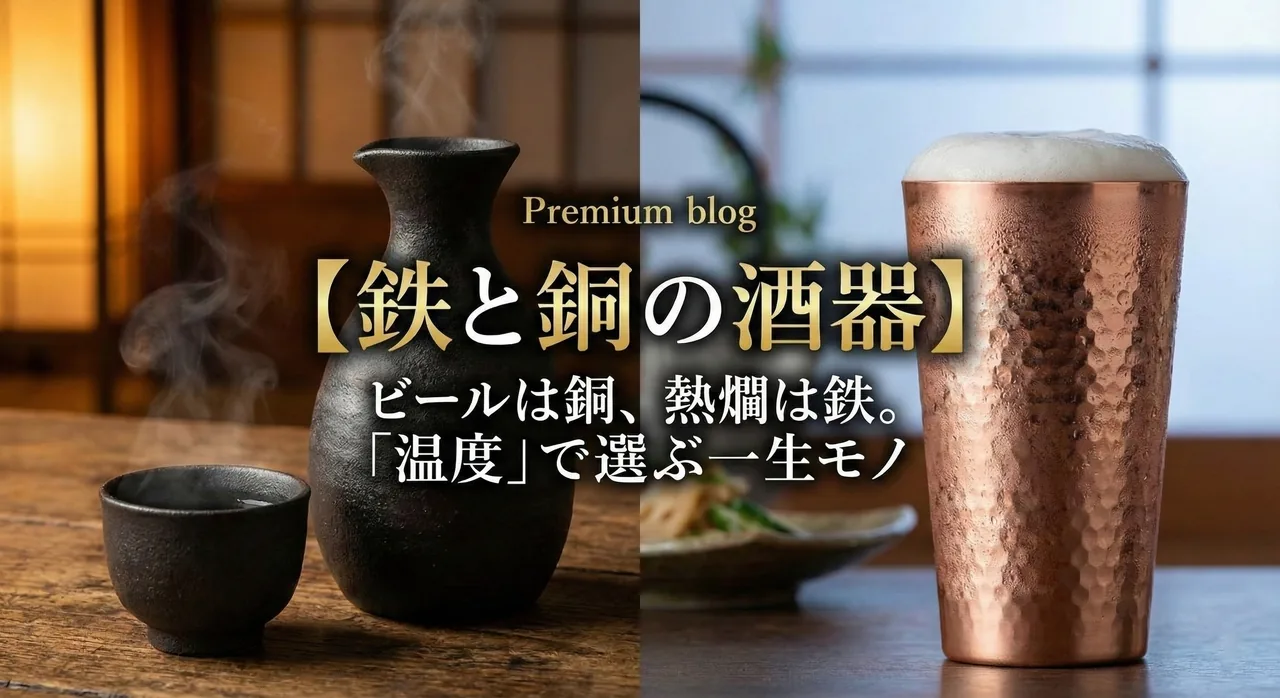
Japanese Sake Cup Set — Mino Ware Ochoko, Set of 5 (Asayu Japan)
Hand-crafted Mino ware ochoko cups in five earthy colorways, made in Japan (Toki, Gifu). The right cup makes a measurable difference to cold daiginjo — a narrow rim concentrates the delicate floral aroma. Dassai is available at Japanese grocery stores and specialty sake retailers.
View on Amazon[Chilled to Warmed] Hakkaisan / Niigata Prefecture
The definitive dry, clean sake — works at almost any temperature.
Water transparency from Niigata's snowmelt defines this sake. Chilled, it is sharp and precise; warmed, it turns
round and food-friendly. The tokubetsu honjozo (special honjozo) grade in particular is the connoisseur's choice
for drinking alongside food at room temperature to nurukan — never competing with the meal, always complementing
it.
Japanese Sake Set — Tokkuri & 4 Ochoko Cups (TJ Global)
A complete sake service set: one tokkuri (sake carafe) and four ochoko cups. Microwave-safe for warming. Versatile for both chilled and room-temperature sake service — ideal for a sake like Hakkaisan that performs well at multiple temperatures.
View on Amazon[Warmed] Tengumai / Ishikawa Prefecture
An amber-colored sake that transforms completely when heated.
Brewed using the traditional yamahai method, Tengumai carries a distinctive richness and natural acidity
that can feel heavy when cold. Heat it close to atsukan (50°C), though, and the acidity softens into a remarkably
mellow warmth — ideal for winter nabemono (hot pot) and anything richly seasoned.
Japanese Sake Set — Made in Japan (Mino Ware, Black Kuro Oribe)
A traditional Japanese sake set in Mino ware — 1 tokkuri + 4 ochoko cups. Made in Gifu Prefecture. The tokkuri is microwave-safe for gentle warming to nurukan (40°C) or atsukan (50°C) — the temperature range where yamahai-style sake like Tengumai shows its best. Tengumai is available at specialty sake retailers.
View on Amazon5. The Right Vessel Changes Everything: Tin, Ceramic, and Glass
Match the vessel to the serving temperature and the same sake becomes noticeably more pleasurable.
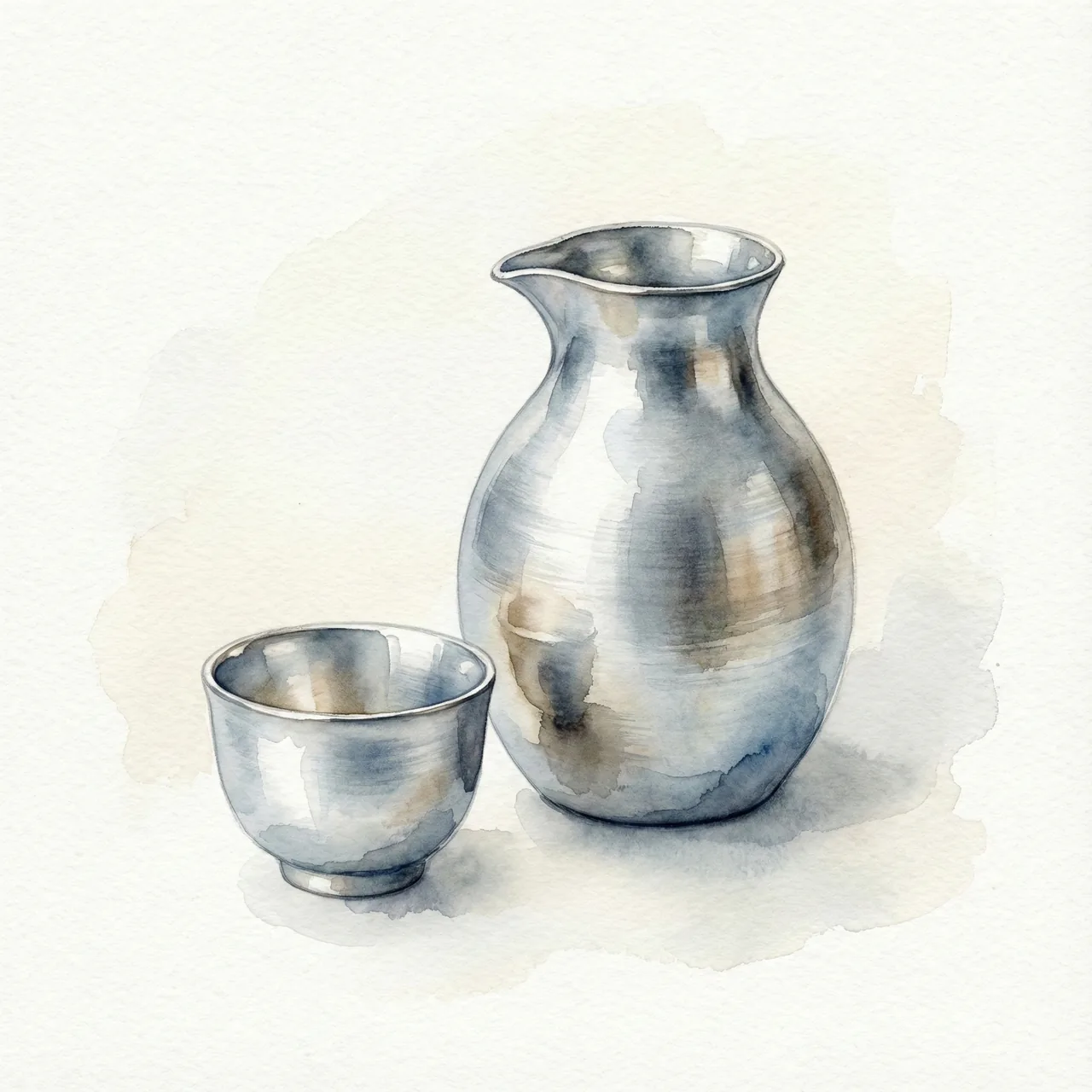
Tin (Suzu) Vessels: Instantly Chills, Stays Warm Longer
Tin is said to purify water — ancient Japanese brewers kept water in tin vessels to prevent spoilage. Its high thermal conductivity means a tin ochoko chills almost instantly when cold sake is poured, and holds warmth longer for kanzake. The ion effect is said to round off sharp edges in the sake's flavor, producing a noticeably smoother, more mellow finish.
6. Frequently Asked Questions
I ordered "hiya" at a restaurant and got room-temperature sake — is that wrong?
Actually, that's correct. Before refrigeration existed, sake was either warmed (kan) or left as-is at ambient temperature, which was called "hiya" (literally "cold"). At many traditional izakaya, "hiya" still means room temperature. If you want chilled sake, order "reishu" (冷酒) explicitly.
How should I store sake after opening?
The refrigerator is the standard. Ginjo and namazake (unpasteurized) sake in particular are sensitive to temperature changes and must be kept cold. Pasteurized junmai sake can survive in a cool, dark cupboard, but refrigeration is always the safer and tastier option.
What if I can't finish the bottle?
Use it in cooking. Sake without added salt (pure junmai) added to simmering dishes eliminates gamey odors and deepens umami naturally. Running a sake bath (add a generous pour to the bathwater) is also a traditional Japanese beauty and relaxation ritual that warms the body from the inside out.
Why exactly should I avoid microwaving sake?
Microwaves heat liquids unevenly, creating the risk of superheating — where the liquid suddenly boils explosively when disturbed. Beyond safety, the rapid heating drives off the alcohol in uneven bursts, leaving a harsh, one-dimensional sake with none of the warmth and roundness that proper kanzake should have. A short hot-water bath takes almost the same time and produces incomparably better results.
Does sake taste drier or sweeter at different temperatures?
Significantly so. Chilling suppresses sweetness, making the sake taste crisper and drier with more pronounced sharpness. Warming amplifies sweetness and umami, making the sake seem rounder, fuller, and more mellow. The same bottle can seem like two completely different drinks depending on serving temperature — which is the whole adventure.
7. Final Thoughts: Control the Temperature, Master the Sake
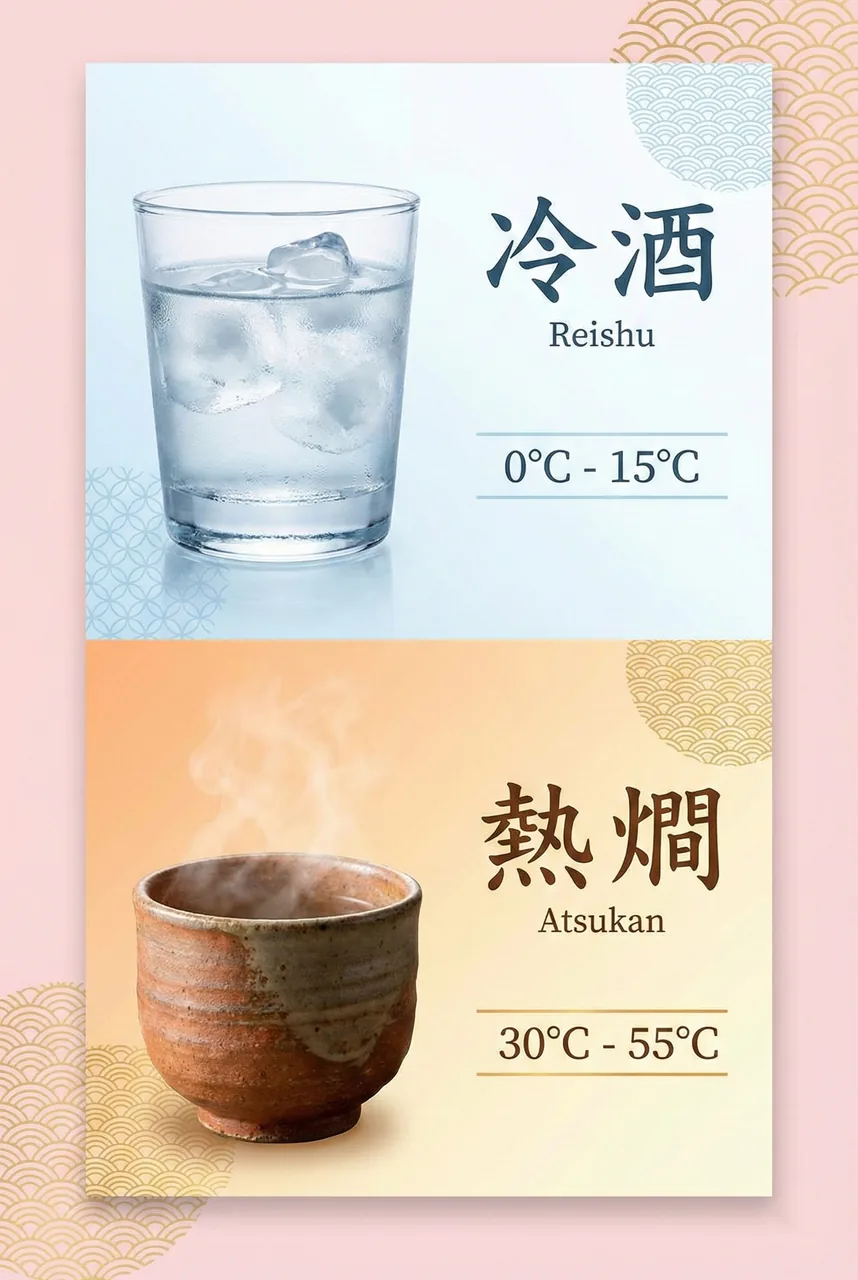
Japanese sake may be the only drink in the world designed to be enjoyed across such a wide temperature range —
from barely above freezing to a temperature warmer than the human body. Each band reveals something different
about the same bottle.
Quick decision guide:
· For fragrance and freshness: 10°C (Hanabié)
· For umami and depth: 40–45°C (Nurukan to Jokan)
· When in doubt: use a hot-water bath and taste as it warms
Tonight, try one bottle at two different temperatures. The discovery is worth more than any tasting note you'll
read online.

Ochoko & Guinomi Sake Cups: How the Right Vessel Improves Every Sip

Japanese Premium Snacks (Otsumami): Mail-Order Picks for Sake & Beer