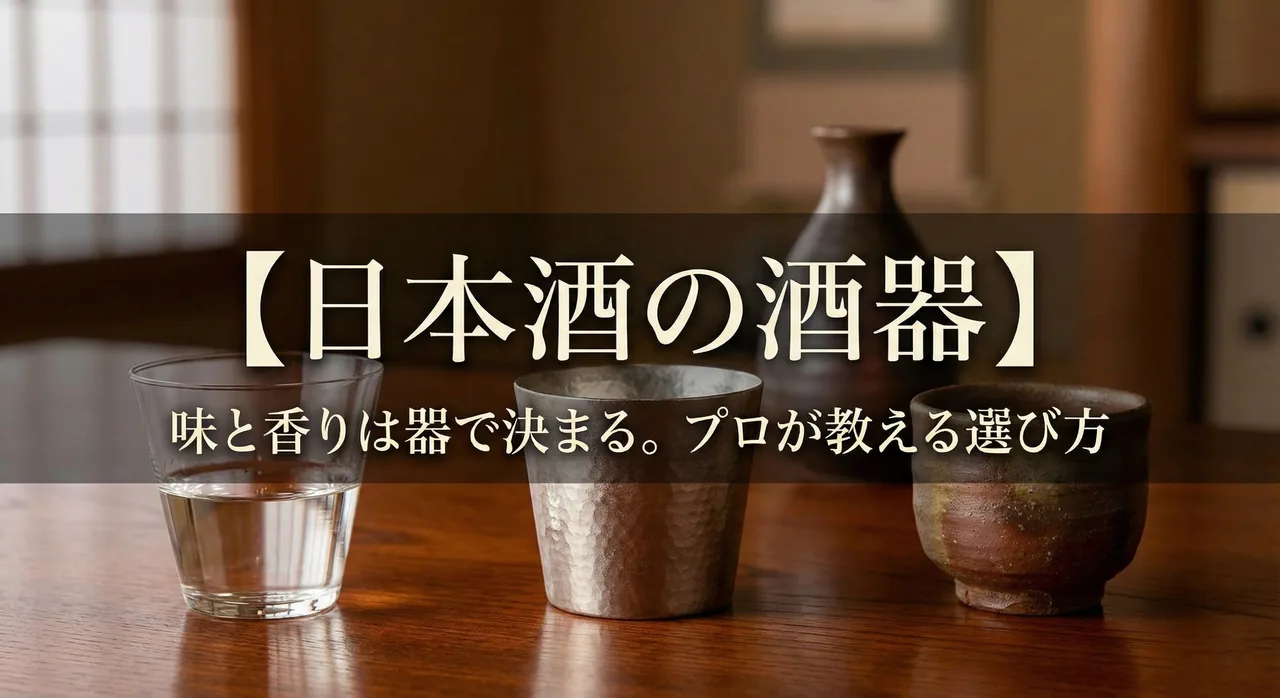
"I splurged on a great daiginjo, but somehow it tastes flat at home..."
"I want to recreate that feeling I had at the restaurant — right in my own kitchen."
The culprit might not be the sake. It might be the sake cup (shuki).
Japanese sake is among the world's most sensitive drinks when it comes to how the vessel affects flavor. The thickness of the rim against your lips, the temperature conducted through the cup's walls, the way the aroma opens or closes depending on the shape — all of it shapes the experience.
Choosing the right Japanese-made sake cup can transform an ordinary evening pour into something that rivals a high-end izakaya.
This guide compares the four main materials — tin, glass, wood, and pottery — and shows you how to match each one to the sake you're drinking.
Series: This article is part 3 of the "Savor (Coffee · Spirits · Traditional Culture)" series.
Quick Reference: Sake Cup Materials at a Glance
| Material / Style | Character | Best Sake | Season |
|---|---|---|---|
| Porcelain (Arita) | Thin and light · no flavor transfer | Cold sake · ginjo | Spring · Summer |
| Pottery (Shigaraki) | High heat retention · changes with use | Hot sake · warm sake | Autumn · Winter |
| Tin | Absorbs impurities · mellow flavor | Cold · room temp · warm | Year-round |
| Glass | Sharpness and aroma stand out | Daiginjo · cold sake | Spring · Summer |
1. Why the Same Sake Tastes Different in Every Cup
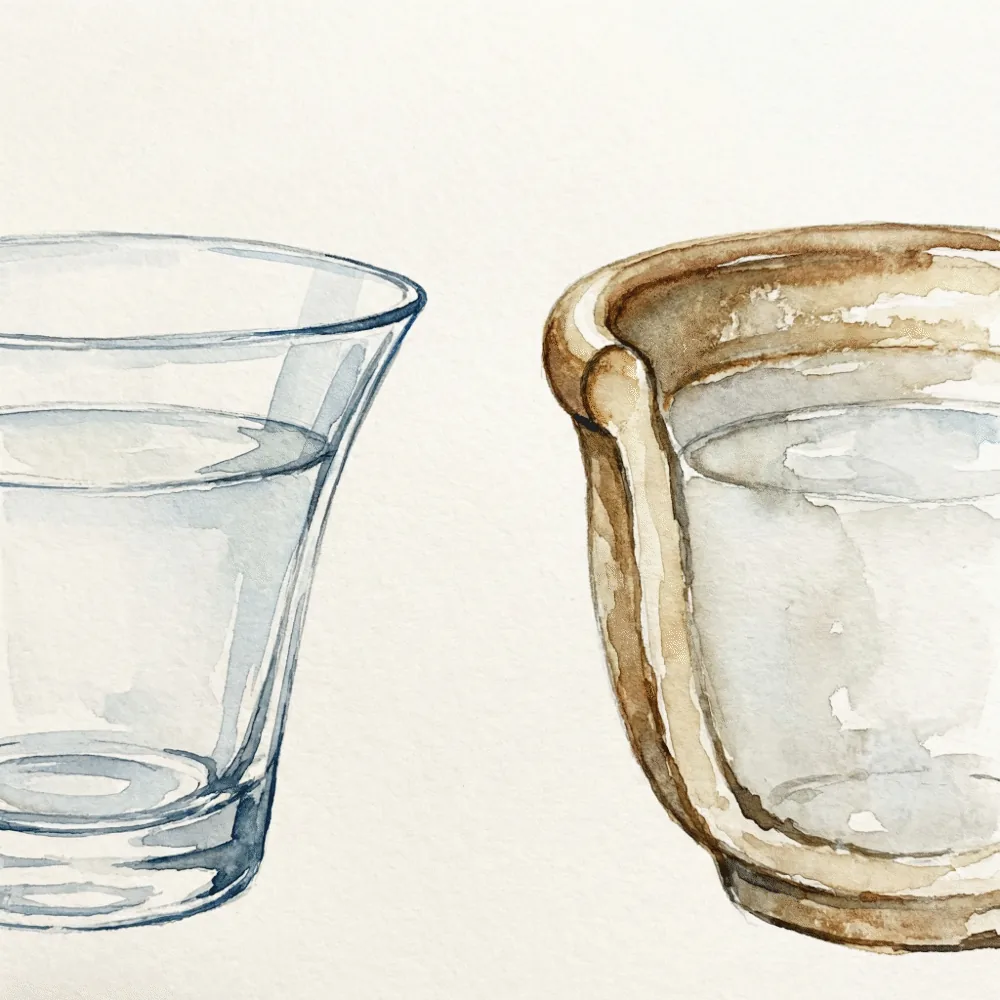
How can simply changing the vessel alter the flavor so dramatically? The key lies in two things: the "feel on the lip" (rim thickness) and the "spread of aroma" (cup shape).
Thin Rim = Crisp Finish. Thick Rim = Rich Body.
1. Rim thickness:
A thin rim — like glass — channels sake directly to the center of the tongue, emphasizing sharpness and delicacy.
A thick rim — like traditional pottery — spreads the liquid across the whole palate more slowly, drawing out sweetness and depth.
2. Cup shape:
A cup that narrows toward the top (like a wine glass) concentrates the aroma inside; a flared opening releases it outward for a more expressive, aromatic experience.
Matching these characteristics to the sake you're drinking is where the real pleasure of sake vessel selection begins.
2. Tin: The Science Behind Nousaku's Smooth, Mellow Effect
"Water stored in a tin vessel never spoils." "The harshness of sake disappears." These qualities have made tin a premium sake cup material for centuries — and science now backs them up.
Nousaku (能作) — Guinomi & Katakuchi Tin Sake Set
Metal that feels like it has a soul. Traditional craft from Takaoka, Toyama.
Nousaku's sake vessels are made from 100% pure tin.
Tin has a measurable ionic effect: it adsorbs the compounds responsible for harshness and off-flavors in sake, scientifically proven to make the taste smoother and rounder.
Tin also has exceptionally high thermal conductivity — a few minutes in the refrigerator and the cup is ice-cold throughout. When cold sake is poured, the outside of the cup clouds with condensation, creating a beautifully refreshing visual.
Because tin is a soft metal, it won't shatter if dropped — a vessel you can genuinely use for life.
- Material
- 100% pure tin · Made in Japan (Takaoka, Toyama)
- Effect
- Ion adsorption mellows flavor · rapid thermal response
- Personalization
- Name engraving available (bottom of cup)
- Brand
- Nousaku (能作) · Founded 1916 · Takaoka, Toyama
3. Glass: Usuhari by Shotoku Glass — Aroma and Clarity for Daiginjo
For fragrant daiginjo or a crisp chilled sake, ultra-thin glass is the clear choice.
Shotoku Glass — Usuhari Daiginjo Sake Glass
At 0.9mm thick, you forget the glass is there at all.
Made in Sumida, Tokyo, the Usuhari (usuhari means "thin-blown") applies the techniques used to produce light bulbs — spinning molten glass by hand to achieve walls thinner than almost anything else on the market.
The glass is so close to invisible that sake feels like it's touching your lips directly — nothing between you and the drink.
The small nub at the base of the cup is not decorative: it creates convection currents in the sake, lifting the delicate ginjo aroma upward and into the nose.
The finest single vessel for savoring sake at its most nuanced.
- Material
- Hand-blown glass (0.9mm wall) · Made in Japan (Sumida, Tokyo)
- Brand
- Shotoku Glass (松徳硝子) · Founded 1922 · Tokyo
- Care
- Hand-wash · clean from inside with sponge · avoid external pressure
4. Wood: Masu and Magewappa — Cypress Fragrance and the Feeling of Barrel Sake
For celebrations, the New Year, or any occasion that calls for ceremony, a wooden sake vessel brings a distinctive fragrance that no other material can replicate. Even ordinary sake takes on the character of premium barrel-aged sake.
The Corner or the Flat Side — It's Your Choice
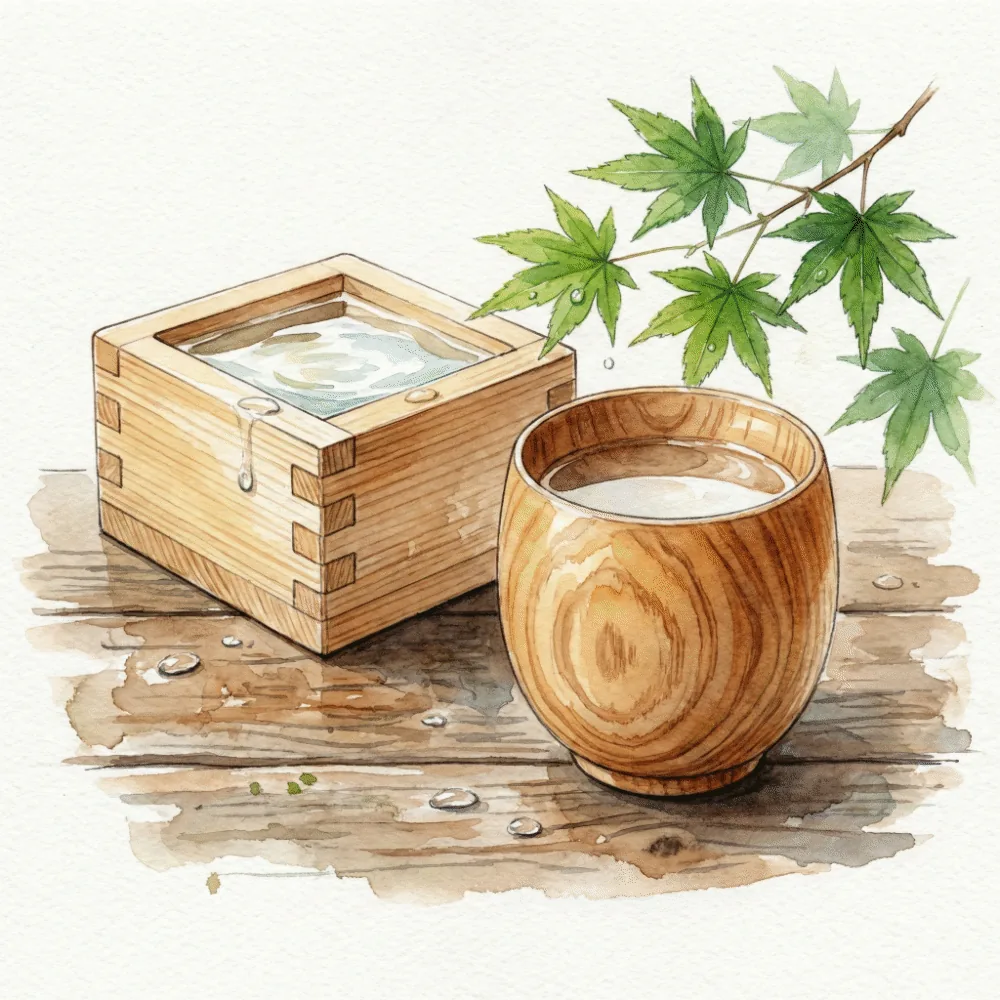
1. Masu (square wooden cup):
Ogaki City in Gifu Prefecture produces the majority of Japan's masu. The Japanese cypress (hinoki) aroma infuses the sake with a clean, refreshing character.
Drinking from the corner delivers a sharp, focused flow; drinking from the flat side is gentler and less likely to spill.
2. Magewappa guinomi (bentwood sake cup):
A traditional craft from Akita Prefecture. The beautiful cedar grain and remarkably light weight make these cups a pleasure to hold.
They resist condensation and feel warm in the hand, which has also made them popular for outdoor use and camping.
5. Pottery: Bizen and Hagi Ware — Living Cups and the Warmth of Hot Sake
For hot sake (atsukan), or a full-bodied junmai, the earthy warmth of unglazed or low-fire pottery is the ideal companion.
Hagi Ware's "Seven Transformations"
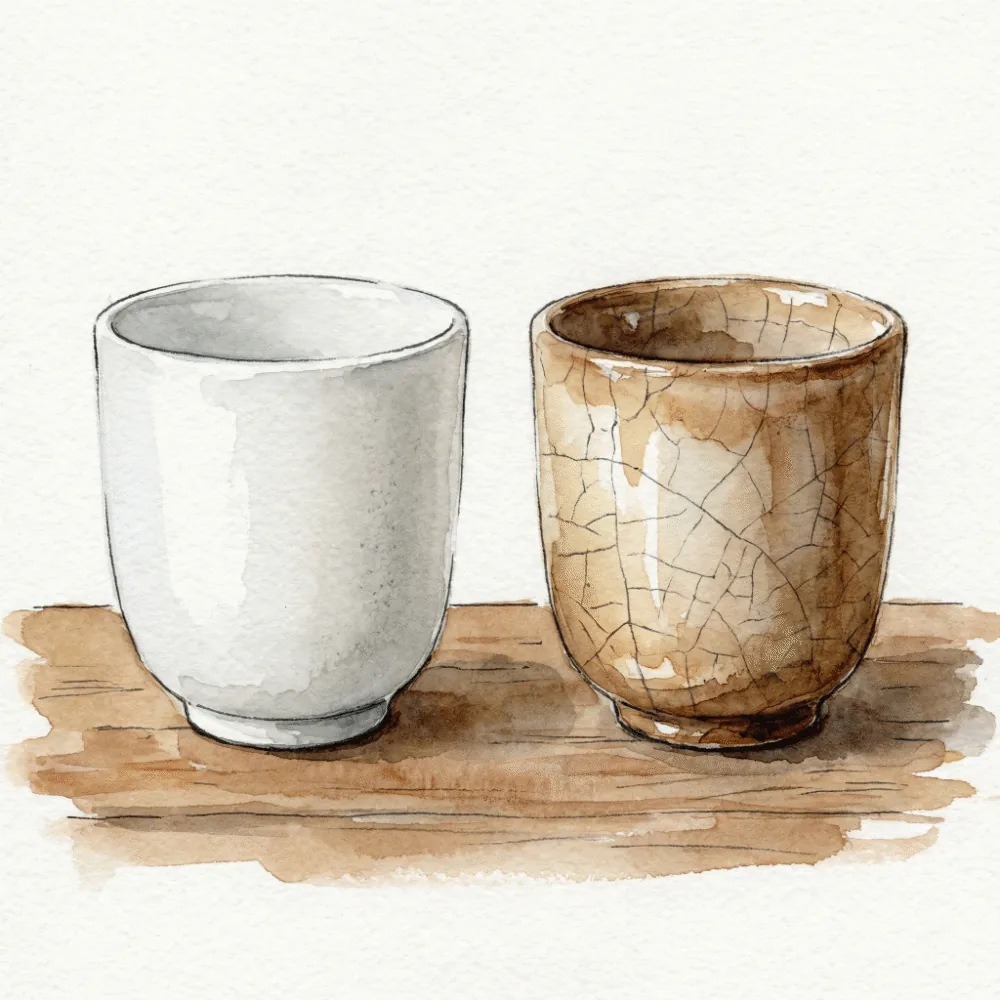
Pottery sake cups have microscopic pores running through the clay body.
These pores trap air, improving heat retention, while also gently softening the edges of the sake and rounding its flavor.
Hagi ware (hagiyaki) from Yamaguchi Prefecture is particularly prized for a phenomenon called "hagi no nanabake" (seven transformations): as sake seeps into the walls over years of use, the color and texture of the cup gradually change.
Each piece develops differently for each owner — a truly grown thing, shaped by the ritual of your own evenings.
6. Matching Cup to Sake: Cold, Room Temperature, and Warm
The real pleasure of sake cup collecting: choosing a different vessel for different sake on different evenings.
Quick Pairing Guide
| Sake Type | Best Material | Why |
|---|---|---|
| Cold sake / Ginjo (aromatic) |
Glass Tin |
Sharpness and chill are prominent. Flared shape releases aroma beautifully. |
| Room temperature (rice umami) |
Wood (masu, lacquerware) Pottery |
Gentle mouthfeel enhances the sweetness of the rice. |
| Hot sake / Warm sake (rich, deep) |
Pottery Tin (chirori) |
High heat retention keeps sake warm longer. Tin mellows the flavors of heated sake. |
7. Father's Day and Milestone Gifts: Personalized, Lifetime Sake Cups
In Japanese tradition, glassware and ceramics are considered auspicious gifts — the word for "breaking" (waru) also sounds like "cutting ties with hardship."
Premium sake vessels, particularly tin and Edo Kiriko glass, are among the most popular gifts for life milestones.
Tin That Never Breaks — a Symbol of Lasting Prosperity
Because tin is a metal that doesn't shatter, it carries symbolic meaning in Japan: "a bond that won't be severed," "prosperity that continues."
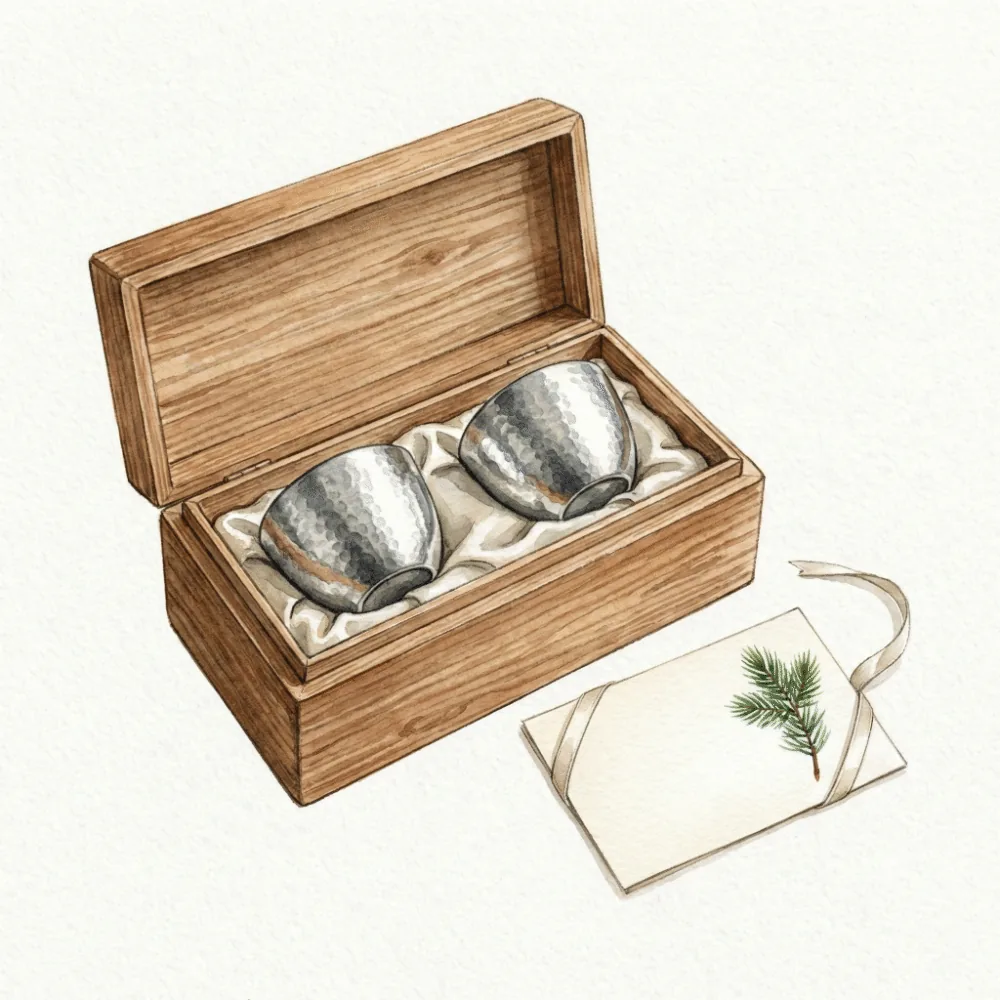
Manufacturers like Nousaku offer engraving on the bottom of the cup — a name, a date, a short message.
"May you keep enjoying good health and good sake for years to come" — give that as a Father's Day or 60th-birthday gift, and every time the cup is lifted, you'll be remembered.
8. Frequently Asked Questions
Can I heat sake in a tin cup in the microwave?
Absolutely not.
Tin is a metal, and placing it in a microwave will cause sparking and may damage the appliance.
To warm sake in a tin vessel (such as a chirori), heat water in a separate pot and place the tin vessel inside for a hot water bath. Tin's high thermal conductivity means the sake will reach your desired temperature quickly.
Usuhari glass seems so fragile. Will it break easily?
The key is washing from the inside.
Applying pressure from the outside is the main risk. Instead, insert a sponge from above and rotate gently — it's more durable than it looks when handled this way.
If one does break, Shotoku Glass products can be repurchased individually — no need to replace an entire set.
How do I care for a wooden masu?
Rinse with water and dry immediately.
Soap will strip the natural cypress fragrance, so hand-wash with warm water only.
After rinsing, wipe off all moisture and air-dry in a well-ventilated spot — not in direct sunlight.
Soaking for extended periods causes discoloration and mold.
What is "me-dome" (seasoning a new pottery cup)?
It means boiling the cup in rice washing water before first use.
Pottery has invisible micro-pores that can absorb food odors and sake if left untreated.
Simmering in rice-wash water allows the starch to fill these pores, protecting the surface from staining.
(Note: Some pottery, like Hagi ware, is intentionally left un-seasoned so the patina can develop through use.)
What's the best first sake cup to buy?
The most versatile first choice is a tin guinomi.
It makes cold sake smoother and room-temperature sake more pleasant. The feel on the lip is good, it can't break, and it's easy to live with.
The visual quality of polished tin is undeniable — it's a cup that satisfies both the practical and the aesthetic side of the purchase.
Does the material really change the aroma?
Yes — significantly.
Glass and stainless steel are odor-neutral, so fruity ginjo aromatics come through without modification.
Pottery, with its micro-pores, gently absorbs some of the aroma, creating a mellowing effect.
Wood (masu, magewappa) adds the scent of hinoki cypress or cedar — a clean, forested fragrance that turns any sake into something resembling premium barrel sake.
Final Thoughts: Host Your Own Sake Tasting Tonight
Japanese sake is said to be the drink most sensitive to temperature and vessel of anything in the world.
The same sake, crisp and sharp in glass first.
Then mellow and round in tin.
And finally, lingering and deep in pottery.
Try it yourself — a solo tasting with the same bottle and three different cups. It's one of the most rewarding experiments a sake drinker can run.
Among the vast world of sake vessels made by craftspeople across Japan, find the one that makes your evening pour exactly what you want it to be.
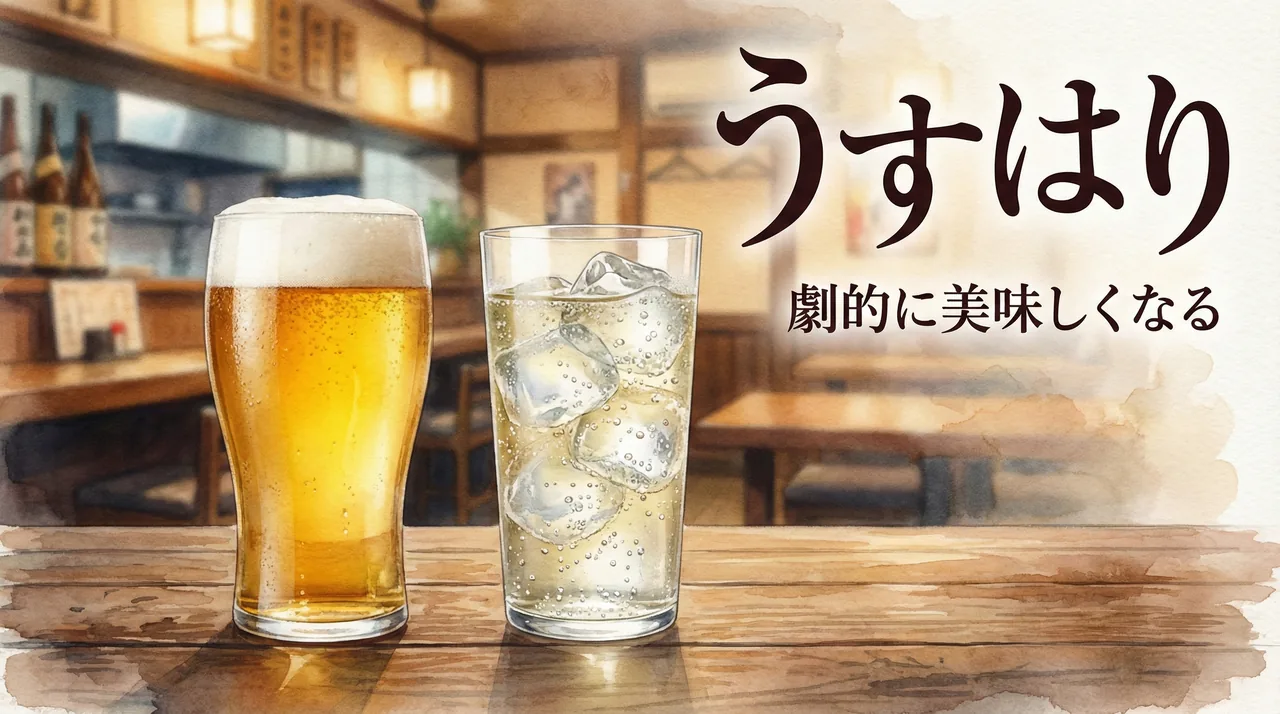
Usuhari Glass (Shotoku Glass): How to Choose and Enjoy Ultra-Thin Handblown Glassware
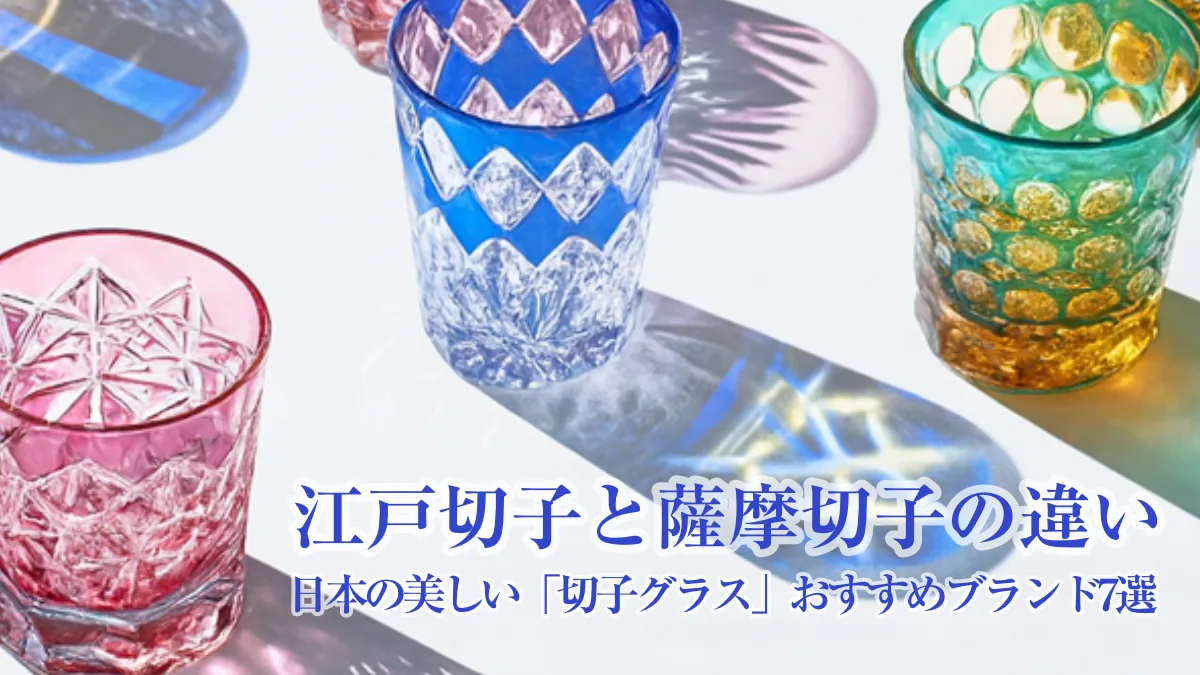
Kiriko & Edo Kiriko Cut Glass: Japan's Finest Traditional Glassware