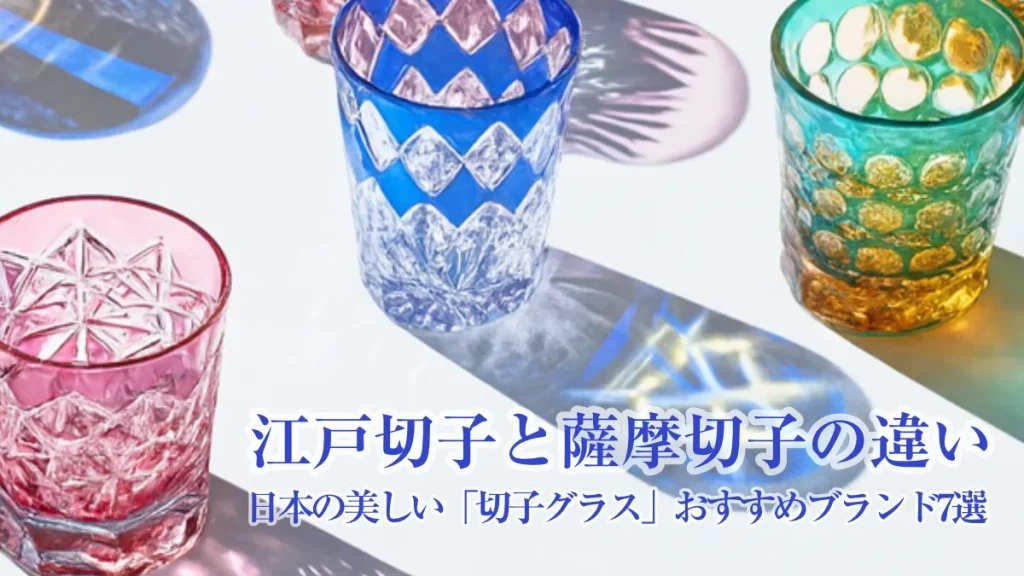
【Quick Comparison】Edo Kiriko vs Satsuma Kiriko
| Feature | Edo Kiriko (江戸切子) | Satsuma Kiriko (薩摩切子) |
|---|---|---|
| Origin | Tokyo (Edo) | Kagoshima (Satsuma Domain) |
| Color style | Bold, contrasting cut lines; often red or blue over clear | Deep, gradated color — color fades from rich to clear (bokashi) |
| Cutting style | Geometric precision; sharp, angular patterns | Thicker glass; deeper, rounded cuts with gentle gradation |
| History | Started 1834; continuous tradition | Started 1846; lost for ~100 years, revived 1980s |
| Price range | $60 – $800+ (tumbler to vase) | $80 – $500+ (rarer; fewer makers) |
| Impression | Crisp, urban, festive — "Edo spirit" | Elegant, aristocratic, romantic — "samurai domain" aesthetic |
| Best for | Daily gifting, whisky glasses, bold desk pieces | Premium gifts, collectors, display pieces |
1. Why Japanese Cut Glass? The Craft Behind the Sparkle
Hold a piece of kiriko glass up to the light. The faceted surface breaks sunlight into dozens of tiny rainbows, and every angle reveals a new geometry. This is not an accident — it is the result of a craftsperson's hands guiding glass against a grinding wheel for hours, following patterns that have been handed down across generations.
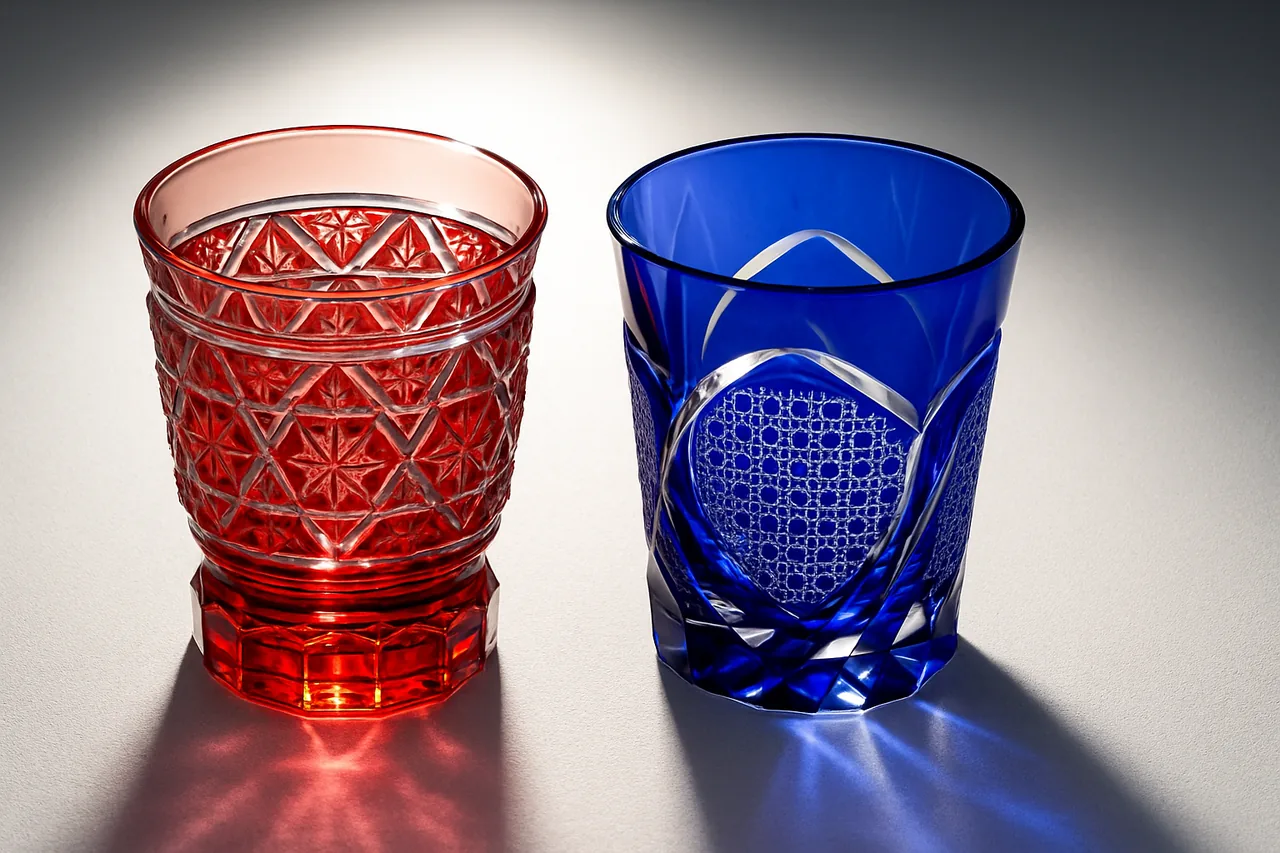
Japan has two distinct cut glass traditions, born in different cities with different aesthetics:
- Edo Kiriko (江戸切子) — originated in Edo (now Tokyo) in 1834 when Kagaya Kyubei began cutting Western-style glassware with Japanese tools. The style reflects the bold, merchant-class spirit of Edo: geometric precision, strong color contrast, crisp angular lines. It became a Tokyo Traditional Craft in 2002.
- Satsuma Kiriko (薩摩切子) — developed in the Satsuma Domain (now Kagoshima, southern Kyushu) from 1846, under the patronage of feudal lord Shimazu Nariakira. The style was aristocratic from the start: thicker glass, deeper cuts, and the signature bokashi (gradation) where intense color dissolves smoothly into clear glass. The tradition was lost after the Satsuma Rebellion of 1877, then painstakingly revived in the 1980s using surviving fragments.
Both traditions are entirely handmade. There is no automated cutting. Each tumbler takes a skilled artisan 1–3 hours of focused grinding work. The price reflects not just the material, but that irreplaceable time.
2. Traditional Patterns and Their Meanings
Every kiriko pattern has a name and a meaning. When choosing a piece as a gift — or for yourself — it helps to know what you are selecting:
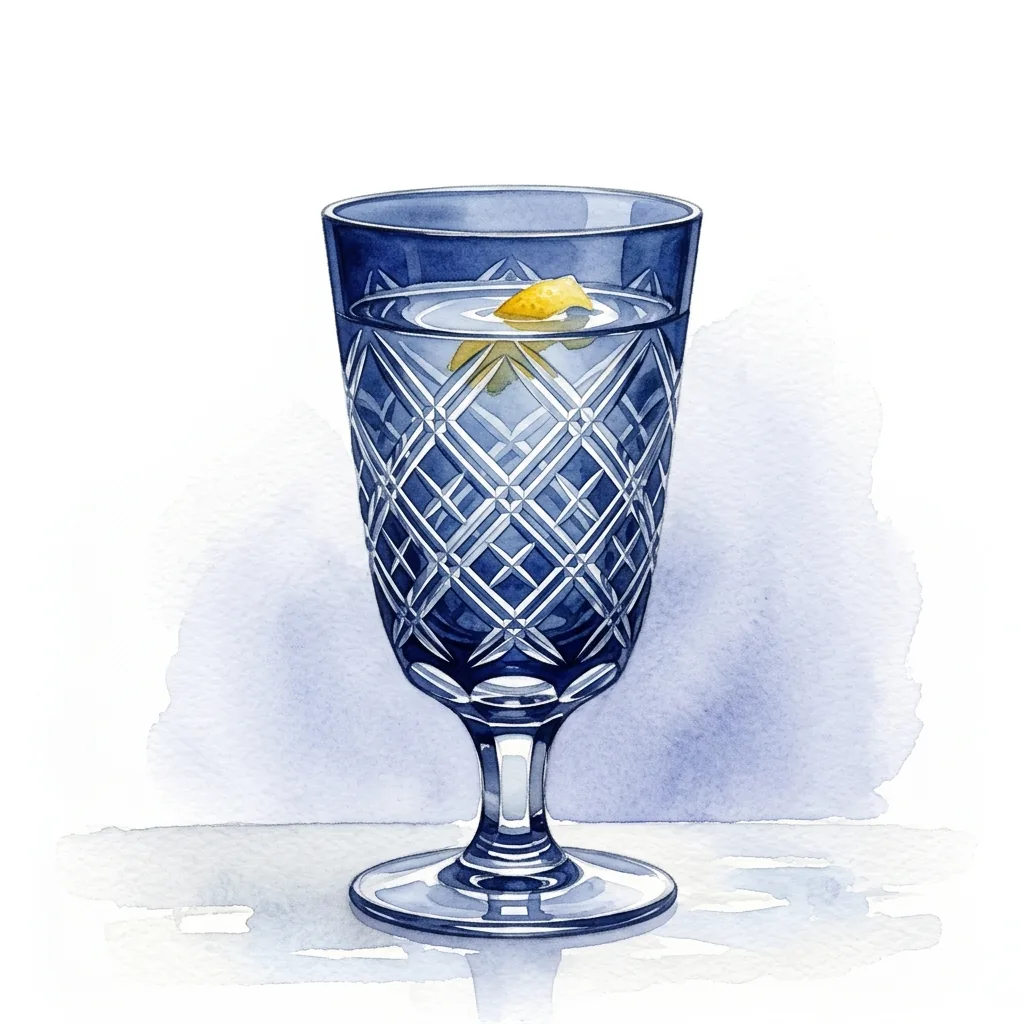
Yarai (矢来) — Protection
A diagonal bamboo-fence lattice. Yarai fences were placed at entrances in the Edo period to ward off evil spirits. Gifting a Yarai-patterned glass expresses a wish for the recipient's safety and good fortune.
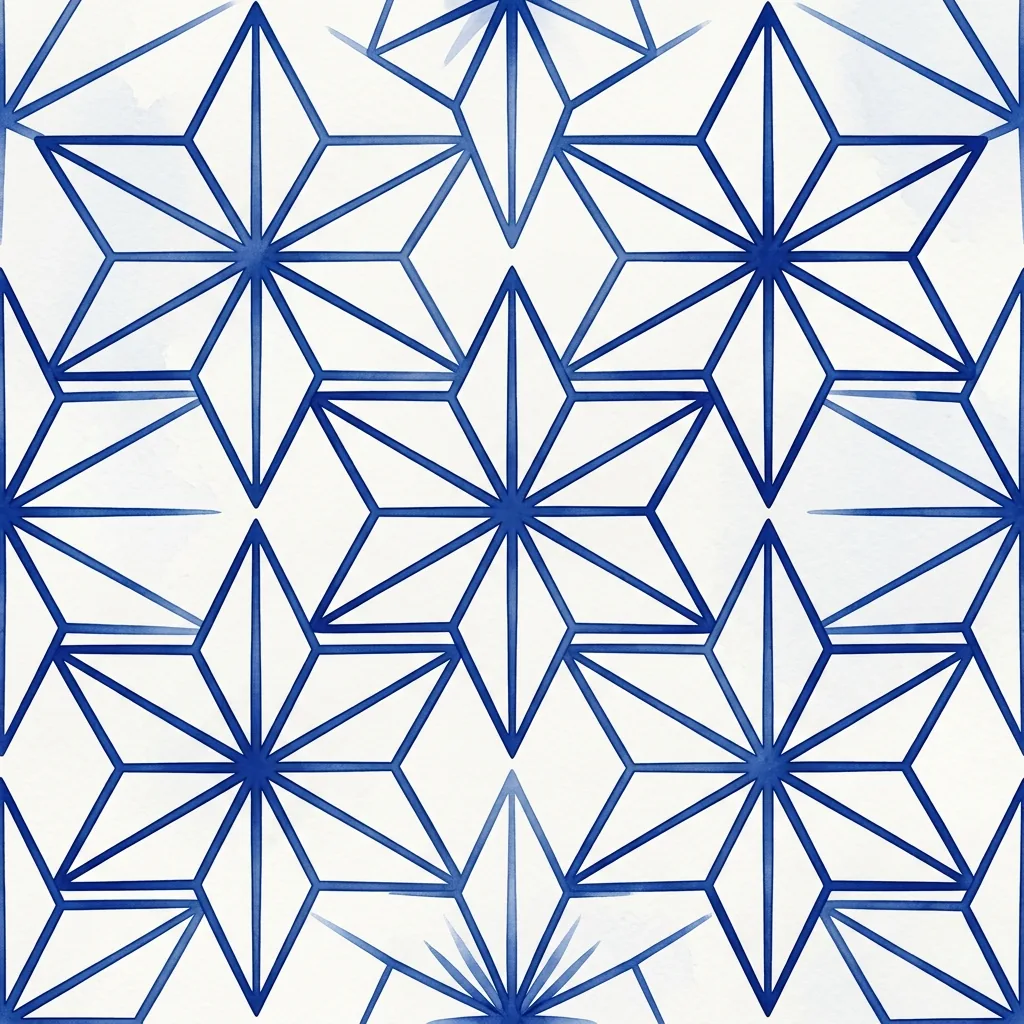
Asanoha (麻の葉) — Growth & Health
Six-pointed hemp-leaf stars. Hemp grows fast and straight — the pattern traditionally symbolizes children's healthy growth. Today it is also used as a general good-luck motif, popular for baby gifts and coming-of-age milestones.
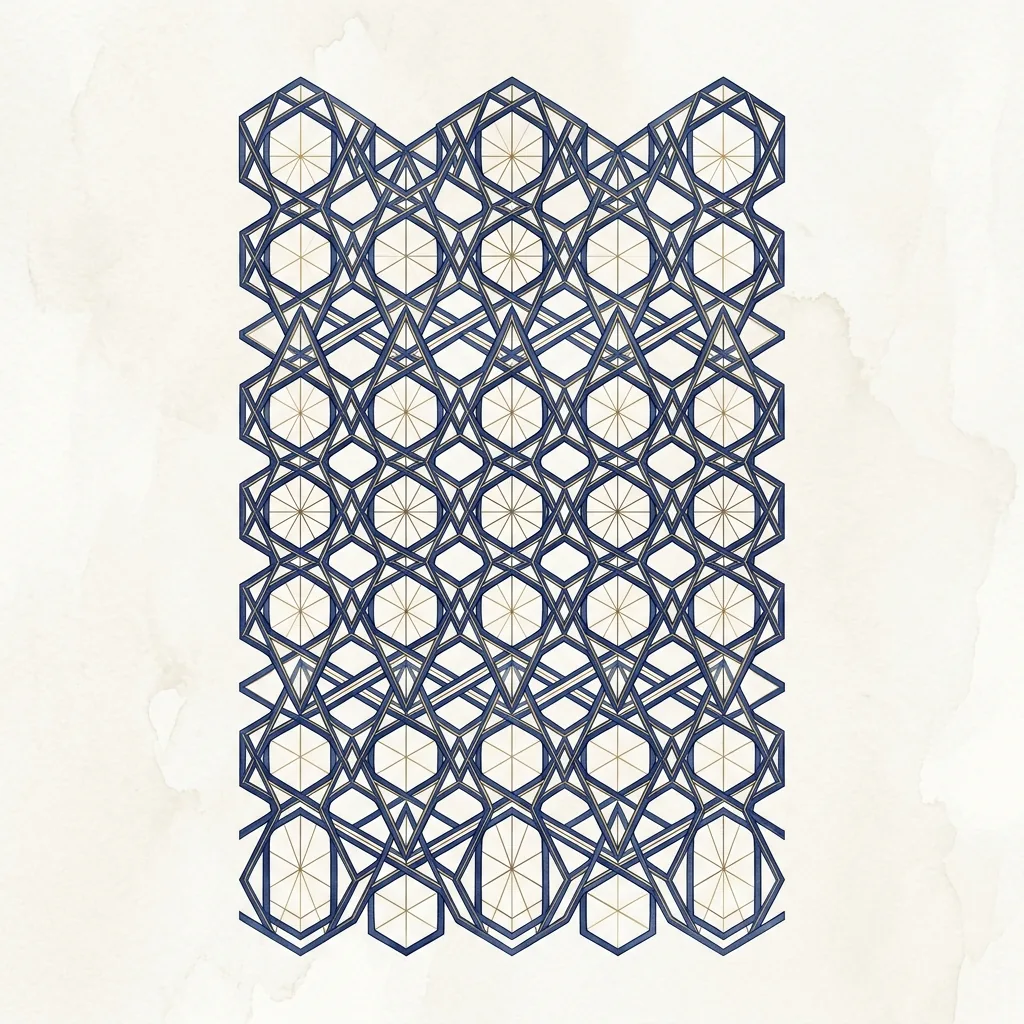
Rokkakukagome (六角籠目) — Fortune
Overlapping hexagonal "basket-weave" — the Star of David-like shape traditionally woven into bamboo baskets. It is believed to invite good luck and ward off misfortune, and is one of the most common kiriko patterns.
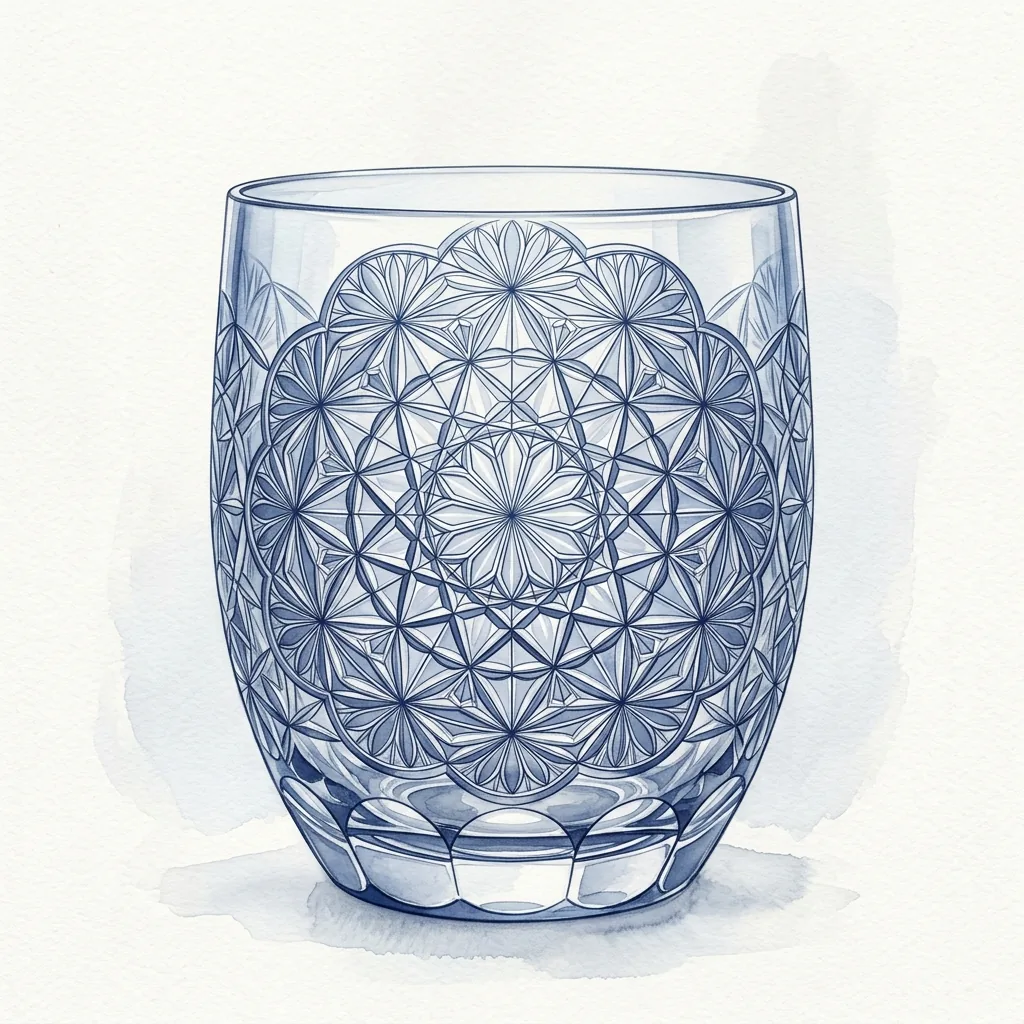
Kikutsunagi (菊繋ぎ) — Longevity
Interlocking chrysanthemum circles. The chrysanthemum is the symbol of the Japanese imperial family and is associated with longevity and nobility. Kikutsunagi glass is a classic choice for significant anniversaries and elderly recipients.
3. Best Edo Kiriko Brands to Buy
These four brands represent the breadth of Edo Kiriko — from luxury department store staples to artisan workshops you can visit in Tokyo.
KAGAMI Crystal — The Luxury Standard
Founded in 1934, KAGAMI Crystal (加賀美クリスタル) is the most internationally recognized Edo Kiriko brand — its pieces have been given as state gifts by the Japanese government. Every glass is signed by the artisan and comes with a certificate. The lineup spans entry-level tumblers around $130 to museum-quality vases and pairs in the $800+ range.
- Material
- Lead-free crystal glass
- Made in
- Tokyo, Japan (Katsushika)
- Best for
- Premium gifts, collectors, milestone occasions
- Price range
- $130 – $800+ (USD, Amazon.com)
Perfect for: Anyone who wants a signed, gift-boxed piece they can hand down to the next generation.
Tajima Glass — Mt. Fuji Kiriko
Tajima Glass created the now-iconic "Mt. Fuji glass" — a tumbler whose base is cut to reveal an inverted silhouette of Japan's most famous mountain when filled with liquid. It has become one of the best-selling Japanese glass gifts internationally, available in clear, red, and blue colorways. Despite the playful design, the cutting work is genuine Edo Kiriko craftsmanship.
- Material
- Crystal glass
- Made in
- Tokyo, Japan
- Best for
- Japan-themed gifts, whisky lovers, conversation pieces
- Price range
- $50 – $120 (USD, Amazon.com)
Perfect for: People who love Japan and want a memorable, story-telling piece on their bar shelf.
Horiguchi Kiriko — The Artisan's Workshop
Horiguchi Kiriko is a small-batch Tokyo workshop led by artisan Horiguchi Kazushi, known for bold contemporary designs alongside traditional patterns. The brand is not widely distributed on Amazon.com, which makes it more exclusive — and more authentically artisanal. If you visit Tokyo's Sumida district, the workshop is open to visitors and offers hands-on cutting experiences.
- Material
- Crystal glass
- Made in
- Sumida, Tokyo
- Best for
- Serious collectors; Japan travel souvenirs
- Price range
- ¥15,000 – ¥60,000+ (direct from workshop)
Perfect for: Travelers visiting Tokyo who want to watch an artisan work and take home a signed original.
Horiguchi Kiriko is best purchased directly in Tokyo or through Japanese domestic retailers. No official Amazon.com listing is currently available.
Hirota Glass (Sumida Edo Kiriko) — Affordable Authenticity
Hirota Glass (廣田硝子) has been making glass in Tokyo's Sumida district since 1899. Their Edo Kiriko line offers handcrafted quality at more accessible price points than KAGAMI, making them the go-to recommendation for first-time buyers. Each piece features classic patterns — Yarai, Nanako, Kagome — cut by Tokyo craftspeople.
- Material
- Soda-lime glass / crystal glass (varies by product)
- Made in
- Sumida, Tokyo
- Best for
- First-time kiriko buyers; everyday gifting
- Price range
- $40 – $130 (USD, Amazon.com)
Perfect for: Anyone who wants a genuine Tokyo-made Edo Kiriko piece without spending $500+.
4. Best Satsuma Kiriko Brands to Buy
Satsuma Kiriko has fewer active producers than Edo Kiriko — the revival is only 40 years old, and the glass formula and cutting technique remain demanding. These are the brands with confirmed international availability.
Satsuma Kiriko (Yamashita Glass) — The Revival Leader
Yamashita Glass (山下工芸) is one of the primary producers behind the Satsuma Kiriko revival. Their pieces feature the distinctive bokashi gradation — deep beni (crimson), indigo, or green at the top, fading to clear crystal at the base. The thicker glass and soft-edged cuts feel fundamentally different from Edo Kiriko in the hand: more substantial, more contemplative.
- Material
- Lead crystal glass
- Made in
- Kagoshima, Japan
- Best for
- Whisky lovers, collectors, high-end gifts
- Price range
- $60 – $120 (USD, Amazon.com)
Perfect for: Anyone who wants the dramatic bokashi gradation that Satsuma Kiriko is famous for, at a realistic price point.
Shimazu Satsuma Kiriko — The Original Domain Name
The Shimazu family were the feudal lords who originally commissioned Satsuma Kiriko in the 1840s. The modern brand bearing their name — Shimazu Satsuma Kiriko — carries that historical weight deliberately. Their pieces tend to be more conservative in design, closely following the patterns and colors documented from surviving 19th-century originals. A top choice for buyers who want historical authenticity.
- Material
- Lead crystal glass
- Made in
- Kagoshima, Japan
- Best for
- Collectors; gifts for Japan history enthusiasts
- Price range
- ¥20,000 – ¥80,000+ (primarily Japan domestic)
Perfect for: Buyers visiting Kagoshima or ordering direct from Japan who want the closest connection to the original Shimazu legacy.
Shimazu Satsuma Kiriko is primarily available through Japanese domestic retailers and the Kagoshima prefectural tourism network. International shipping is available via their official site.
Kirishima Kiriko (Deshimaru) — Contemporary Satsuma
Deshimaru is a younger Satsuma Kiriko producer with a more contemporary design sensibility — experimenting with color combinations and shapes that the 19th-century original never explored. If you find traditional Satsuma Kiriko too formal, Deshimaru offers the same handcrafted quality and bokashi gradation with a more modern feel.
- Material
- Crystal glass
- Made in
- Kagoshima, Japan
- Best for
- Modern interiors; younger buyers; contemporary gifts
- Price range
- $80 – $200 (varies)
Perfect for: Someone who loves Satsuma's color depth but prefers a less traditional shape.
Available through selected Japanese crafts retailers. Check Amazon Japan for international shipping options.
5. How to Choose: Edo or Satsuma?
Both traditions are exceptional. The choice comes down to the person, the occasion, and what you value in a glass:
- Choose Edo Kiriko if: you want something for everyday use (whisky, water, wine), you prefer crisp geometric lines, you are buying a first kiriko piece, or you want a wider choice of price points ($40–$800+).
- Choose Satsuma Kiriko if: you are buying for a collector or a very special occasion, you are drawn to color gradation rather than sharp contrast, or you want a conversation piece with a dramatic history (the lost-and-revived tradition narrative is genuinely compelling).
- Budget matters: At $50–$80, your Edo Kiriko options are solid and authentic. At that same price point, Satsuma Kiriko is rare — most genuine pieces start above $80, with premium pieces well above $200.
- Pattern matters: If the occasion calls for meaning — a wedding (Asanoha for growth), a retirement (Kikutsunagi for longevity), a new home (Yarai for protection) — choose based on the pattern, not just the tradition.
6. Care Instructions for Kiriko Glass
Kiriko glass is cut by hand and is more delicate than machine-made glass. A few simple rules will keep your piece beautiful for decades:
- No dishwasher. The heat, pressure, and harsh detergents in dishwashers will damage the cuts and dull the surface. Always hand wash.
- No boiling water. Do not pour boiling water directly into kiriko glass — the sudden thermal shock can crack it. Let very hot drinks cool slightly first.
- No microwave. Do not use kiriko glass in a microwave oven.
- Hand wash gently. Use mild dish soap and a soft sponge. Rinse in warm (not hot) water. Dry immediately with a soft cloth to prevent water spots on the faceted surface.
- Do not stack. The cut edges can scratch each other. Store each piece individually, standing upright, or wrap in cloth if storing together.
- Handle by the base. When drinking from or displaying kiriko glass, hold it by the base or the lower body — not by the rim, where the cuts are most exposed.
7. Frequently Asked Questions (FAQ)
What is the difference between Edo Kiriko and Satsuma Kiriko?
Both are traditional Japanese hand-cut glass, but they come from different regions and have distinct visual identities. Edo Kiriko (Tokyo) features sharp, angular geometric patterns with strong color contrast — usually a single bold color over clear glass. Satsuma Kiriko (Kagoshima) is known for its bokashi gradation, where color fades smoothly from rich to clear, and for its thicker, heavier glass with deeper, rounded cuts. Edo Kiriko has an unbroken 190-year tradition; Satsuma Kiriko was lost for over 100 years and revived in the 1980s.
Is Edo Kiriko expensive? What is a realistic budget?
Entry-level Edo Kiriko tumblers from reputable makers like Hirota Glass start around $40–$80. Mid-range pieces from KAGAMI Crystal run $130–$300. Premium signed pairs and vases from KAGAMI can reach $500–$800+. For a first purchase, $80–$150 is a sweet spot that gets you a genuine handcrafted piece without the luxury price tag.
Can I use Edo Kiriko glasses for whisky?
Yes — and this is one of the most popular uses. The heavy base and wide mouth of traditional Edo Kiriko tumblers make them excellent for whisky on the rocks or neat. The faceted surface also makes the glass easier to grip when wet. KAGAMI Crystal and Hirota Glass both produce tumbler shapes specifically sized for whisky. Just remember: no ice made from boiling water directly poured in, and no dishwasher.
How can I tell if a piece of kiriko is genuine and handmade?
Genuine kiriko has slight imperfections — tiny variations in cut depth, pattern spacing, or surface texture that are impossible to replicate by machine. Hold the piece up to light and look closely at the cuts: they should have a slightly matte, "frosted" interior where the grinding wheel touched, transitioning to a polished edge. Machine-cut glass looks uniformly perfect. Genuine pieces also tend to come with maker's marks, certificates, or signed labels — especially at the premium end.
What does each kiriko pattern mean? Is pattern choice important for gifts?
Yes — traditional kiriko patterns carry specific meanings. Yarai (diagonal lattice) symbolizes protection and warding off evil. Asanoha (hemp leaf) represents growth and children's health — a popular baby gift. Rokkakukagome (hexagonal weave) invites good fortune. Kikutsunagi (chrysanthemum chain) expresses longevity — ideal for elderly recipients or significant anniversaries. If you are giving kiriko as a gift, choosing a meaningful pattern is a thoughtful touch that Japanese people will appreciate.
Where can I buy Edo Kiriko internationally?
KAGAMI Crystal, Hirota Glass, and Tajima Glass (Mt. Fuji Kiriko) are all available on Amazon.com with international shipping. For Satsuma Kiriko, Amazon.com has a smaller selection — search for "Satsuma Kiriko" on Amazon and check seller ratings carefully. For the widest selection, Japan's domestic Amazon (amazon.co.jp) ships internationally to most countries and often has better variety and pricing than third-party resellers on Amazon.com.
8. Summary
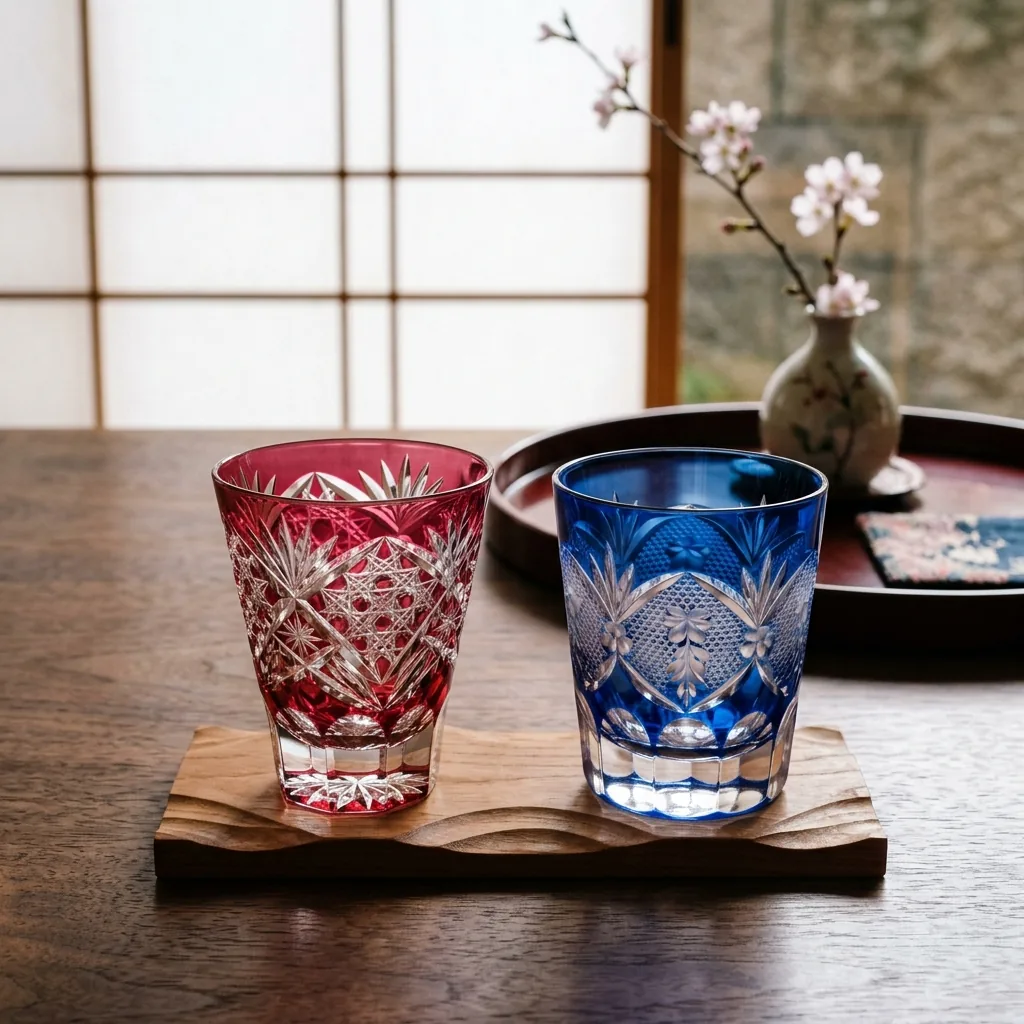
Edo Kiriko and Satsuma Kiriko represent two of Japan's most extraordinary craft traditions — different in origin, technique, and feel, but equally demanding in skill. If you want bold geometric sparkle with accessible pricing and a 190-year living tradition, Edo Kiriko is your pick — start with Hirota Glass or Tajima's Mt. Fuji tumbler. If you want the romantic weight of a revived aristocratic art, the soft glow of bokashi gradation, and a genuine collector's piece, Satsuma Kiriko is worth the premium.
Either way, a kiriko glass is one of the few Japanese crafts that you use every single day and still notice — because the light is always different, and the cuts always catch it in a new way.
Best Japanese Glassware: Top Picks by Category
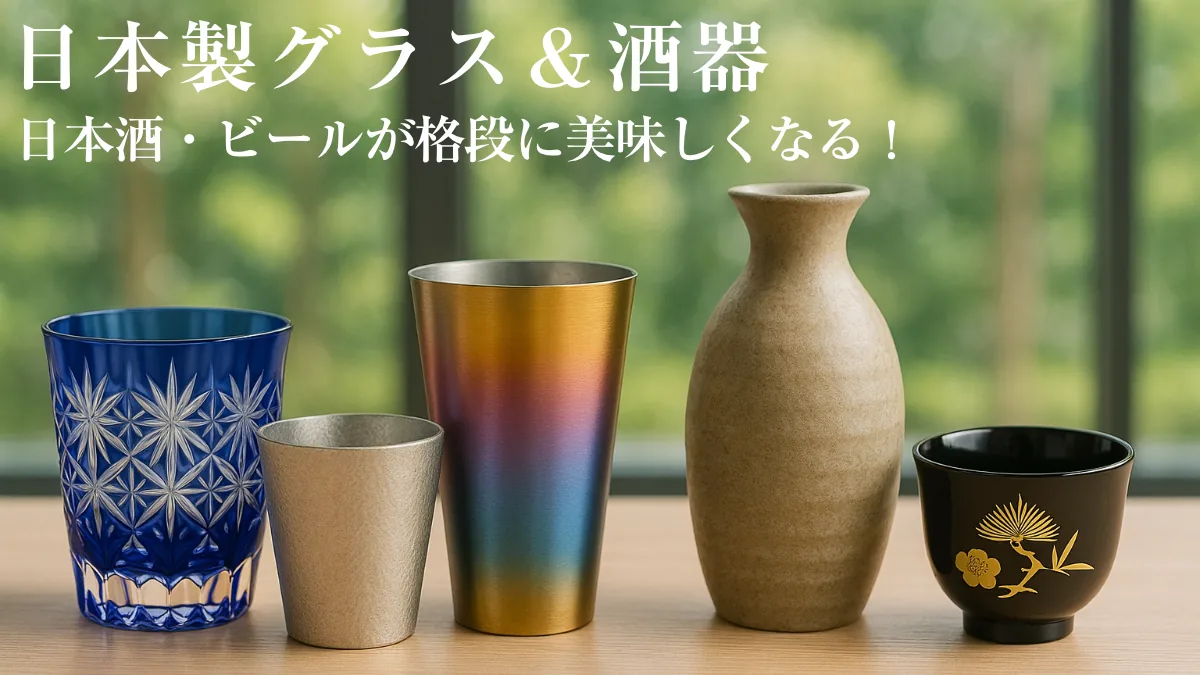
Best Japanese Metal Tumblers: Copper, Titanium & Stainless Steel