The same coffee tastes different depending on what cup it's in — and that's not placebo.
Rim thickness determines how liquid spreads across your tongue. Material
determines heat retention and mouthfeel. Japanese ceramics have refined both for centuries.
Thin porcelain (磁器) from Arita or Hasami amplifies acidity and floral notes. Thick stoneware (陶器) from Mino slows
the pour and deepens the body.
This guide explains the science and introduces four Japanese mug brands — each engineered to make coffee taste
better.
Quick Comparison: Porcelain vs Stoneware Mugs
| Factor | Porcelain (磁器) — Arita / Hasami | Stoneware (陶器) — Mino / Mashiko |
|---|---|---|
| Rim feel | Thin, smooth, glassy | Thicker, warm, earthy |
| Flavors enhanced | Acidity, brightness, floral / fruity notes | Body, bitterness, richness, lingering finish |
| Heat retention | Moderate (cools faster) | Higher (stays warm longer) |
| Representative brands | 1616/arita japan, HASAMI PORCELAIN | SAKUZAN, KINTO CERAMIC LAB |
| Dishwasher / microwave | Most models: yes | Check per product |
The Rim Science: Why Thickness Changes Coffee Taste
Wine sommeliers know that glass shape changes how wine tastes. The same principle applies to coffee cups — through two physical mechanisms.
Thin Rim (Porcelain) → Acidity and Brightness
A thin rim produces faster liquid flow when you tilt the cup. Coffee spreads quickly across the full tongue and
reaches the sides and back where acidity and fruity notes are most strongly perceived.
Light roast Ethiopia, washed Kenyan, or any specialty coffee with high brightness will taste more vivid and
dimensional in a thin porcelain cup — the clarity comes through without being dampened by a thick lip.
This is the principle behind why espresso is traditionally served in thin-walled demitasse cups.
Thick Rim (Stoneware) → Body and Depth
A thicker rim slows the flow slightly, depositing coffee toward the front and center of the tongue — where
sweetness and body are registered more prominently. The liquid lingers longer before reaching the back of the
palate.
Dark roast Indonesian, Sumatran mandheling, or a milk-heavy café au lait will feel richer and more satisfying
from a thick stoneware mug. The earthiness of the clay also adds a subtle psychological warmth to the
experience.

Porcelain Picks: Arita and Hasami
Arita-yaki (Saga Prefecture) and Hasami-yaki (Nagasaki Prefecture) are Japan's two most celebrated porcelain traditions — and both have been reinterpreted by modern designers for contemporary tableware.
1616/arita japan — TY Standard
"1616" refers to the year Arita porcelain production began in Japan — the oldest ceramics tradition in the
country. The TY Standard series was designed by creative director Teruhiro Yanagihara, who stripped away all
decoration to focus entirely on form and material.
The result is a matte gray vessel with no pattern, no logo, no ornamentation — just the precise geometry of the
cup itself. The handle has an unusual flat-finger profile that distributes weight differently from standard
handles; once you hold it, standard mugs feel clumsy by comparison.
Coffee's color shows beautifully against the interior glaze, and the thin walls keep the rim experience clean and
unobtrusive.
- Material
- Arita porcelain (磁器)
- Made in
- Arita, Saga Prefecture
- Best for
- Light to medium roast coffee, specialty pour-over, gifting
- Dishwasher / microwave
- Yes
- Price range
- $40–$70 per mug
HASAMI PORCELAIN
Made in Hasami, Nagasaki — a town that has produced porcelain for over 400 years. HASAMI PORCELAIN is now one of
the most recognized Japanese ceramics brands internationally, stocked at design stores from New York to
Copenhagen.
The defining feature is modularity: every piece is standardized to 8.5cm or 14.5cm diameter, so mugs, bowls, and
plates stack onto each other — a mug becomes a sealed vessel with a small plate as a lid. The texture is
unexpectedly rough — a sandstone-like surface that results from a blend of clay and stone materials — which gives
the porcelain warmth that pure porcelain usually lacks.
Available in natural, black, and gray. Dishwasher and microwave safe.
- Material
- Hasami porcelain (stoneware-feel finish)
- Made in
- Hasami, Nagasaki Prefecture
- Best for
- Everyday coffee, minimal interiors, practical gifting
- Dishwasher / microwave
- Yes
- Price range
- $35–$60 per mug
Stoneware Picks: SAKUZAN and KINTO CERAMIC LAB
Mino-yaki (Gifu Prefecture) accounts for roughly half of Japan's total ceramics production — and the best studios there produce handmade stoneware with tactile warmth that mass production can't replicate.
SAKUZAN (作山窯) — Sara Series
Produced in Toki City, Gifu — the heart of Mino-yaki country. The Sara series has become one of the
most-recognized Japanese mug designs internationally: a clean matte surface in a range of muted colors (navy,
gray, sage, dusty yellow), with a subtly flared rim that curves outward at the lip.
That flared rim is the functional detail: the slight outward curve at the top reduces the sensation of glass or
ceramic against the lips, creating a softer, more natural contact than a straight-edged rim. It's the stoneware
equivalent of thin-rim engineering — achieved through shape rather than thinness.
Colors are interchangeable, the mug is a comfortable 300ml capacity, and the matte finish photographs beautifully
— which is partly why it's all over Japanese interior and café media.
- Material
- Mino stoneware (陶器 / 半磁器)
- Made in
- Toki City, Gifu Prefecture
- Best for
- Dark roast, café au lait, everyday use, color-matching to interiors
- Price range
- $30–$55 per mug
KINTO CERAMIC LAB
KINTO is a Shiga-based lifestyle brand known for its minimal coffee equipment (SLOW COFFEE STYLE series). The
CERAMIC LAB line was developed in collaboration with craftspeople in Hasami, Nagasaki — combining porcelain's
durability with an intentionally rough, sandstone-like surface texture.
The result looks like raw pottery but behaves like porcelain: chip-resistant, dishwasher-safe, and structurally
stable. The handle is notably larger than on typical mugs — easy to grip with all four fingers, which makes it
particularly popular as a gift for men. Available in warm and cool neutral tones.
- Material
- Hasami porcelain (sandstone-texture finish)
- Made in
- Hasami, Nagasaki Prefecture
- Best for
- Large-hand grip, everyday coffee, men's gifting
- Dishwasher / microwave
- Yes
- Price range
- $30–$50 per mug
FAQ
Are Japanese ceramic mugs dishwasher and microwave safe?
Porcelain (磁器) — brands like 1616/arita and HASAMI PORCELAIN — is fired above 1300°C, making it
non-porous and typically dishwasher and microwave safe. Check the product spec, but most modern Japanese porcelain
handles both.
Stoneware (陶器) varies. Unglazed areas can absorb water and may crack with repeated thermal
cycling. KINTO CERAMIC LAB and SAKUZAN are generally safe for dishwashers, but confirm before purchasing.
How do I tell porcelain from stoneware?
Two quick tests:
1. Light test: Hold a thin area up to bright light. Porcelain will show slight translucency;
stoneware won't.
2. Tap test: Flick with a finger. Porcelain rings with a high, clear tone; stoneware produces a
duller thud.
The unglazed foot (bottom rim) is also telling: porcelain is smooth and glassy; stoneware is rough and sand-like.
How do I remove coffee stains from ceramic mugs?
For light staining: a melamine sponge (magic eraser) with water removes most tannin deposits without scratching
glazed porcelain.
For deeper stains: oxygen-based bleach (OxiClean or similar) dissolved in hot water and soaked for 30 minutes
works well.
Exception: do not use bleach on mugs with gold or silver decoration — oxidation will permanently discolor the
metallic trim.
My stoneware mug has hairline cracks in the glaze — is it defective?
Almost certainly not. This is called kannyū (貫入) — a network of fine crazing that develops when the glaze
and clay cool at slightly different rates after firing. It's considered a desirable characteristic in Japanese
ceramics, not a defect.
Over time, coffee and tea seep into these tiny channels and deepen in color — the mug develops a patina unique to
its use. This is called yakimono no keshiki (焼き物の景色, "the scenery of fired clay") and is valued as proof
of real use.
Which mug keeps coffee hot the longest?
Thick-walled stoneware retains heat longer than thin porcelain — the clay contains micro air pockets that
insulate. A tapered opening (narrower at the top) also reduces the surface area exposed to air, slowing heat loss
and concentrating aroma inside.
For maximum heat retention in ceramic: choose a thick stoneware mug with a tulip-shaped bowl. For maximum
retention overall, a double-wall vacuum tumbler (metal or glass) will outperform any ceramic.
Which Japanese mug is best as a gift?
For design-forward gifting: 1616/arita japan (TY Standard) is the most design-credible choice —
it comes in clean packaging and is recognizable to anyone familiar with contemporary Japanese craft.
For broader appeal: SAKUZAN Sara in a carefully chosen color (match to the recipient's home
aesthetic) is practical, beautiful, and affordable enough to buy as a pair without stress. HASAMI PORCELAIN is the
best choice if the recipient values modularity and practicality.
Summary

The cup is not just a container — it's part of the sensory system of the drink. Choose based on what you drink most:
- Light roast, specialty, fruity coffee: thin porcelain — 1616/arita or HASAMI PORCELAIN
- Dark roast, café au lait, everyday comfort: thick stoneware — SAKUZAN Sara or KINTO CERAMIC LAB
- Gifting with design credibility: 1616/arita (format) or SAKUZAN (color choice)
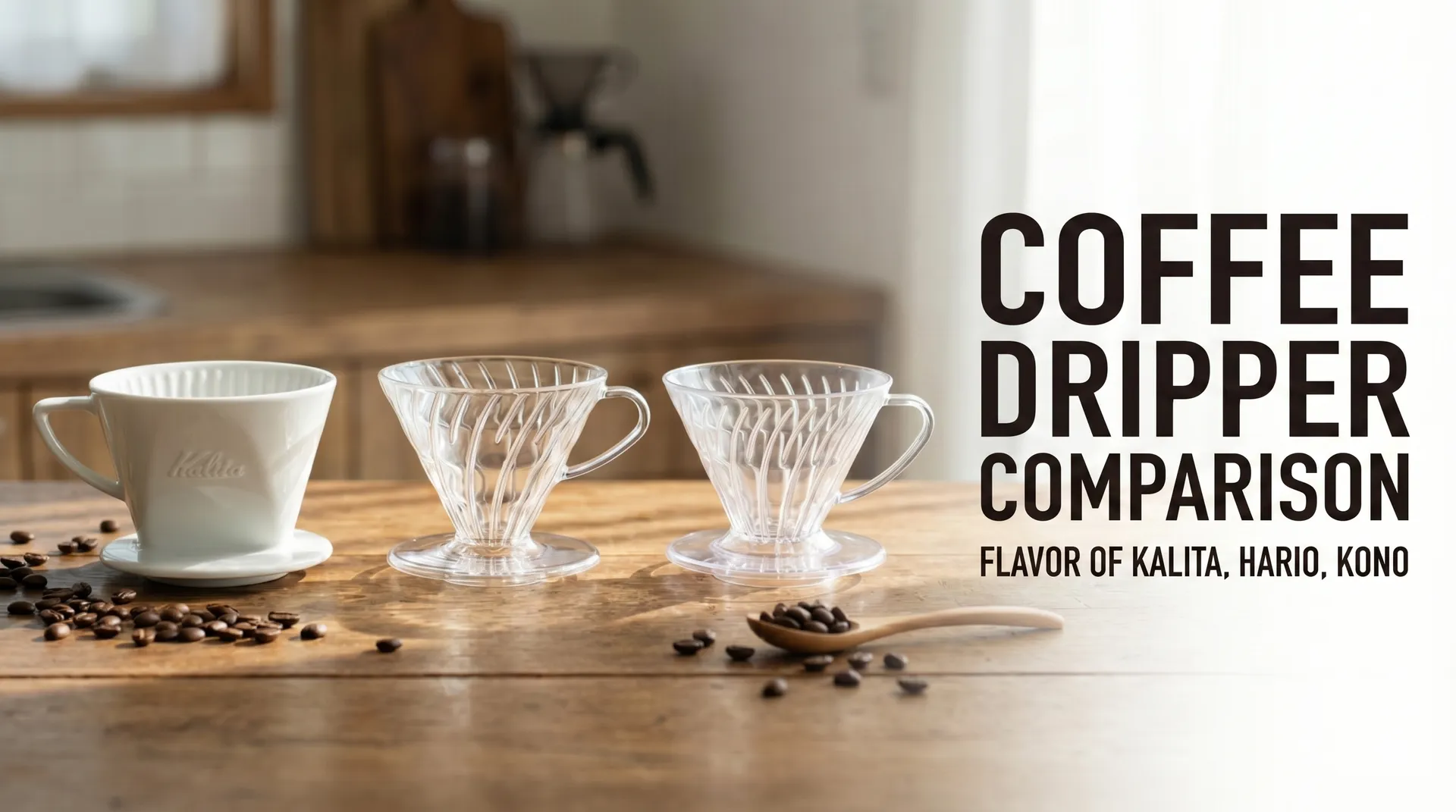
Japanese Coffee Drippers: Hario, Kalita & Kono Compared
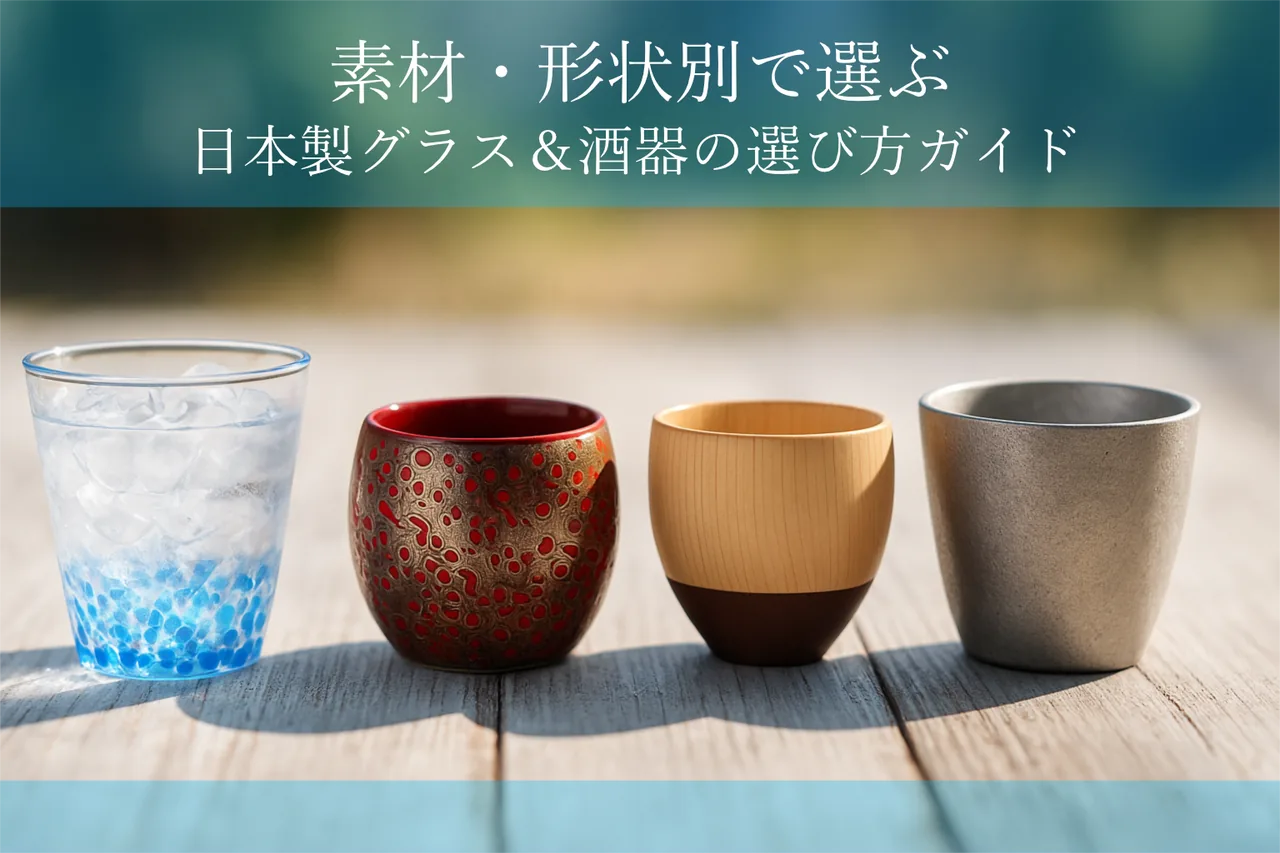
Japanese Drinkware Materials: How Glass, Tin & Lacquer Change Your Drink