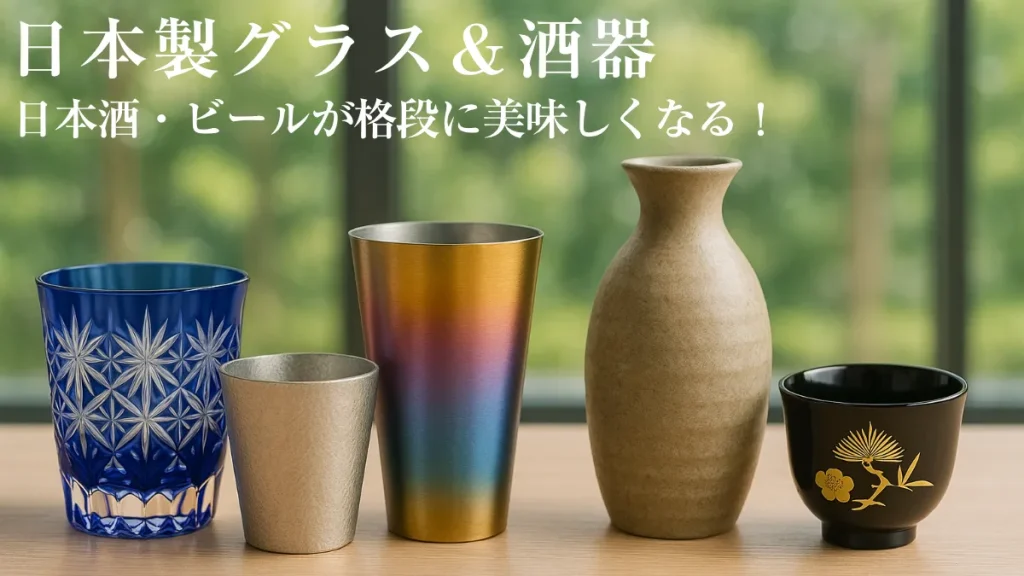
Japan's drinkware tradition is unlike anything else in the world. Whether it's hand-cut crystal glass from a Tokyo
craftsman, tin cups that chemically purify your sake, or titanium tumblers born from aerospace engineering in
Niigata — every category has been pushed to an extreme that no other country has matched.
Our top pick for daily use: HORIE's titanium double-wall tumbler. No condensation, outstanding
insulation, featherlight, and built to last a lifetime. But the right choice depends entirely on what you're
drinking — and that's exactly what this guide covers.
【Quick Comparison】Japanese Drinkware by Category
| Type | Material | Best drink | Price range (USD) |
|---|---|---|---|
| Titanium tumbler | Titanium (vacuum double-wall) | Beer, highball, whisky on ice | $80 – $250 |
| Tin/pewter cup | 100% tin | Beer, cold sake, shochu | $60 – $180 |
| Edo Kiriko glass | Hand-cut crystal | Whisky, cold sake, cocktails | $50 – $800+ |
| Usuhari thin glass | Hand-blown soda glass (0.9mm) | Beer, sake, wine | $20 – $60 |
| Copper tumbler | Copper | Beer, Moscow mule, highball | $40 – $200 |
Overall Top 5 Picks (Cross-Category)
These five pieces were chosen across all materials for their combination of function, craftsmanship, and value. Each one represents the pinnacle of its category.
★ #1 — HORIE Titanium Double-Wall Tumbler
Made in Tsubame-Sanjo, Niigata — Japan's metalworking capital — HORIE's vacuum double-wall titanium tumbler holds Japan's highest domestic market share in its category. The titanium is colored via oxidation (no dyes or coatings), producing vivid gradients that will never fade. No condensation on the outside. Ice doesn't melt for hours. Lighter than a can of beer.
- Material
- Pure titanium (vacuum double-wall)
- Made in
- Tsubame-Sanjo, Niigata, Japan
- Best for
- Beer, highball, whisky on ice, cold brew coffee
- Price range
- $80 – $150 (USD)
Perfect for: Daily use, office desk, gifts for people who hate wet coasters.
#2 — NOUSAKU 100% Tin Beer Cup
NOUSAKU has been casting metal in Takaoka, Toyama for over 400 years. Their 100% tin beer cups are the most gifted Japanese drinkware on the market — especially as wedding gifts. Tin releases micro-ions that neutralize harsh flavor compounds in beer and sake, making everything taste rounder and smoother. Fill it with cold beer and the cup itself becomes ice-cold in seconds.
- Material
- 100% tin (pewter)
- Made in
- Takaoka, Toyama, Japan
- Best for
- Beer, cold sake, shochu
- Price range
- $60 – $150 (USD)
Perfect for: Beer lovers, wedding gifts, anyone who wants to taste the difference a vessel makes.
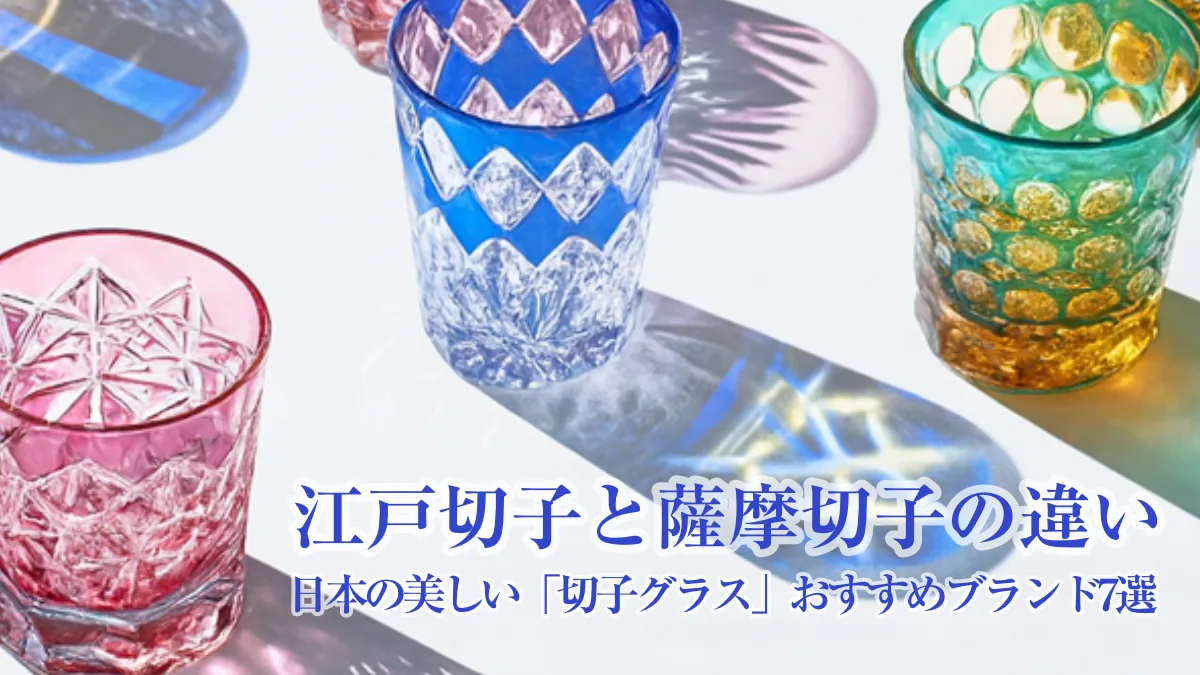
#3 — KAGAMI Crystal Edo Kiriko Rock Glass
KAGAMI Crystal has supplied the Japanese Imperial Household, the Prime Minister's residence, and Japanese embassies worldwide. Each piece is signed by the artisan who cut it. The lead-free crystal catches light at every facet with a brilliance that no machine can replicate. If you need a glass that makes a statement, this is it.
- Material
- Lead-free crystal (hand-cut Edo Kiriko)
- Made in
- Katsushika, Tokyo, Japan
- Best for
- Whisky neat or on the rocks, cold sake, gifting
- Price range
- $130 – $800+ (USD)
Perfect for: Retirement gifts, milestone anniversaries, collectors, anyone who wants the best.
#4 — Shotoku Glass Usuhari Tumbler
Shotoku Glass was originally a lightbulb factory. The engineers who knew how to blow glass 0.9mm thin without it breaking applied that skill to drinkware — and the result is the usuhari glass. At 0.9mm, the rim is essentially invisible on your lips. Beer tastes sharper. Sake tastes cleaner. The ice sounds different. All because the glass gets out of the way.
- Material
- Hand-blown soda-lime glass (0.9mm rim)
- Made in
- Tokyo, Japan
- Best for
- Beer (350ml can fits Tumbler L perfectly), cold sake, wine
- Price range
- $20 – $55 (USD per glass)
Perfect for: Beer enthusiasts, people who want to upgrade their daily glass without spending $200.
#5 — Kutani Ware (Kutani-yaki) Sake Cup
Kutani ware, hailing from Ishikawa Prefecture, is renowned worldwide for its vibrant overglaze painting and frequent use of gold leaf. Compared to minimalist glasses, a Kutani sake cup or guinomi brings a sense of celebration to the table. The ceramic body is ideal for hot and room-temperature sake, providing a warm, comforting feel in the hand.
- Material
- Ceramic / Porcelain (with overglaze painting)
- Made in
- Ishikawa, Japan
- Best for
- Hot sake, celebratory gifts, decorative display
- Price range
- $30 – $150 (USD)
Perfect for: Sake drinkers who appreciate bold Japanese art; colorful and impressive gifting.
Best Glass Drinkware: Top 3 Brands
Glass lets you see the color, the bubbles, the clarity of what you're drinking. Japanese glass makers have pushed two directions: impossibly thin (usuhari) and impossibly precise (kiriko cut glass). Both are worth knowing.
Tajima Glass — Mt. Fuji Kiriko
The glass whose base reveals a three-dimensional Mt. Fuji when filled with liquid. The mountain changes color with what you pour — golden with beer, amber with whisky, crimson with wine. Genuine Edo Kiriko craftsmanship with a storytelling twist. One of the top-selling Japanese gift glasses internationally.
Hirota Glass (Sumida Edo Kiriko) — Authentic at a Lower Entry Price
Hirota Glass has been in Tokyo's Sumida district since 1899. Their Edo Kiriko line offers genuine hand-cut craft at more accessible prices than KAGAMI — making them the recommended first kiriko purchase for most buyers. Classic patterns: Yarai, Nanako, Kagome.
Toyo-Sasaki Glass — Fine Crystal (Lead-Free, Restaurant Grade)
Toyo-Sasaki Glass was the first company in the world to achieve full toughening of crystal glass — making lead-free crystal that's significantly harder to break than standard crystal, while retaining the high refractive index and sparkle. Their glassware is used in top Japanese restaurants worldwide. The best option if you want crystal quality for everyday use.
- Material
- Lead-free Fine Crystal (fully toughened)
- Made in
- Japan
- Price range
- $15 – $60 (USD)
Best Metal Drinkware: Top 2 Brands
Asahi (Shokuraku Kobo) — Pure Copper Tumbler
For those who want an instant chill, nothing beats pure copper. Asahi's Shokuraku Kobo series, made in Tsubame-Sanjo, represents the gold standard of Japanese copperware at a reasonable price point. Pour an iced drink in, and the entire cup becomes frosty in seconds. Often features internal tin plating to ensure the copper doesn't react with acidity in beer or highballs.
- Material
- Pure copper (often tin-lined interior)
- Made in
- Tsubame-Sanjo, Niigata, Japan
- Price range
- $30 – $80 (USD)
Snow Peak — Titanium Double Wall Cup
A global favorite, Snow Peak's titanium cups (also forged in Tsubame-Sanjo) bring aerospace-grade durability to drinkware. While famous in the camping world, their sleek double-wall mugs are increasingly used as daily desktop tumblers. They maintain heat and cold brilliantly, produce no metallic taste, and are shockingly lightweight.
- Material
- Titanium (double-wall insulated)
- Made in
- Tsubame-Sanjo, Niigata, Japan
- Price range
- $45 – $75 (USD)
How to Choose: 4-Step Decision Guide
Step 1: Name your drink
The single most important factor. Beer and cold drinks → prioritize insulation or thermal conductivity. Hot sake → prioritize heat retention (pottery or double-wall). Whisky → visual experience matters, so consider kiriko glass or thin-blown glass. Coffee/tea → mug material affects rim sensation.
Step 2: Pick your priority
Taste transformation → tin (ionic effect) or thin glass (no barrier between liquid and lips).
Maximum cold → titanium double-wall or copper (instant chill).
Aesthetics and craft story → Edo Kiriko crystal.
Everyday durability → titanium or toughened crystal (Toyo-Sasaki).
Step 3: Set your budget
Under $50: Toyo-Sasaki Fine Crystal, Shotoku Usuhari single glass.
$50–$120: NOUSAKU tin cup, Tajima Mt. Fuji glass, Hirota Edo Kiriko.
$120–$250: HORIE titanium, SUSgallery Titanes, KAGAMI entry tumbler.
$250+: KAGAMI premium pairs, high-end Kutani ware, collector kiriko.
Step 4: Consider mouthfeel
If you've never paid attention to how the rim of a glass feels, try usuhari once — it will change how you think about every glass you own. Thin rims deliver liquid differently than thick ones. It's not subtle. For gifts, a thin-rim or well-crafted vessel is always more impressive than a generic one at the same price.
Frequently Asked Questions (FAQ)
What makes Japanese drinkware different from Western brands?
Regional craft traditions, material purity, and obsessive attention to function. NOUSAKU uses 100% tin (not tin-plated stainless). HORIE titanium is colored by oxidation, not paint. Shotoku's glass is 0.9mm — a thickness no Western mass-market brand approaches. Each piece carries the engineering logic of its origin — the metalworking city of Tsubame-Sanjo, the glassblowing district of Sumida, the casting heritage of Takaoka — rather than being designed in an office and manufactured globally.
Why are titanium tumblers so expensive?
Titanium is extremely difficult to machine — it's harder than steel and generates enormous heat when cut. Creating a vacuum double-wall from titanium requires precision welding at micron tolerances. The craftspeople doing this work in Tsubame-Sanjo are the same people who supply titanium components to aerospace and medical industries. You're paying for that skill, that material, and a vessel that will outlast everything else in your kitchen by decades.
Does tin really change the taste of beer and sake?
Yes — and it's measurable. Tin releases trace metal ions that bind with sulfur compounds responsible for "off" flavors in beer and sake. Studies on tin drinking vessels confirm a statistically significant reduction in sulfur-derived harshness. The effect is most noticeable with fresh beer and cold sake — the metallic taste people sometimes expect is not present in food-grade 100% tin.
Can I put Japanese glassware in the dishwasher?
Rule of thumb: thin glass (usuhari), cut crystal (kiriko), tin cups, and lacquerware — hand wash only. The water pressure, heat, and detergents will damage all of these. Toyo-Sasaki Fine Crystal is toughened and many pieces are dishwasher-safe — check the product label. Titanium tumblers from HORIE are generally dishwasher-safe. When in doubt, hand wash.
Is Japanese drinkware a good gift for someone who doesn't drink alcohol?
Absolutely. Usuhari glass is stunning for iced coffee, sparkling water, or juice — the thinness improves any cold drink. HORIE titanium tumblers are excellent for coffee and tea. The Mt. Fuji Tajima glass works as a decorative piece even when empty. Edo Kiriko is often displayed rather than used. None of these pieces require alcohol to be meaningful or beautiful.
Where do I start if I've never bought Japanese drinkware before?
Two safe entry points: (1) Shotoku Glass Usuhari Tumbler L (~$25–35) — the lowest-cost, highest-impact upgrade to your daily beer or water glass. Try it once and you'll understand why people collect them. (2) NOUSAKU tin beer cup (~$80) — if you drink beer or sake and want to understand what "flavor transformation" means in a vessel context. Both are available on Amazon.com and ship internationally.
Explore Specialized Guides
Each category in this ranking has its own deep-dive guide. Find your match below.
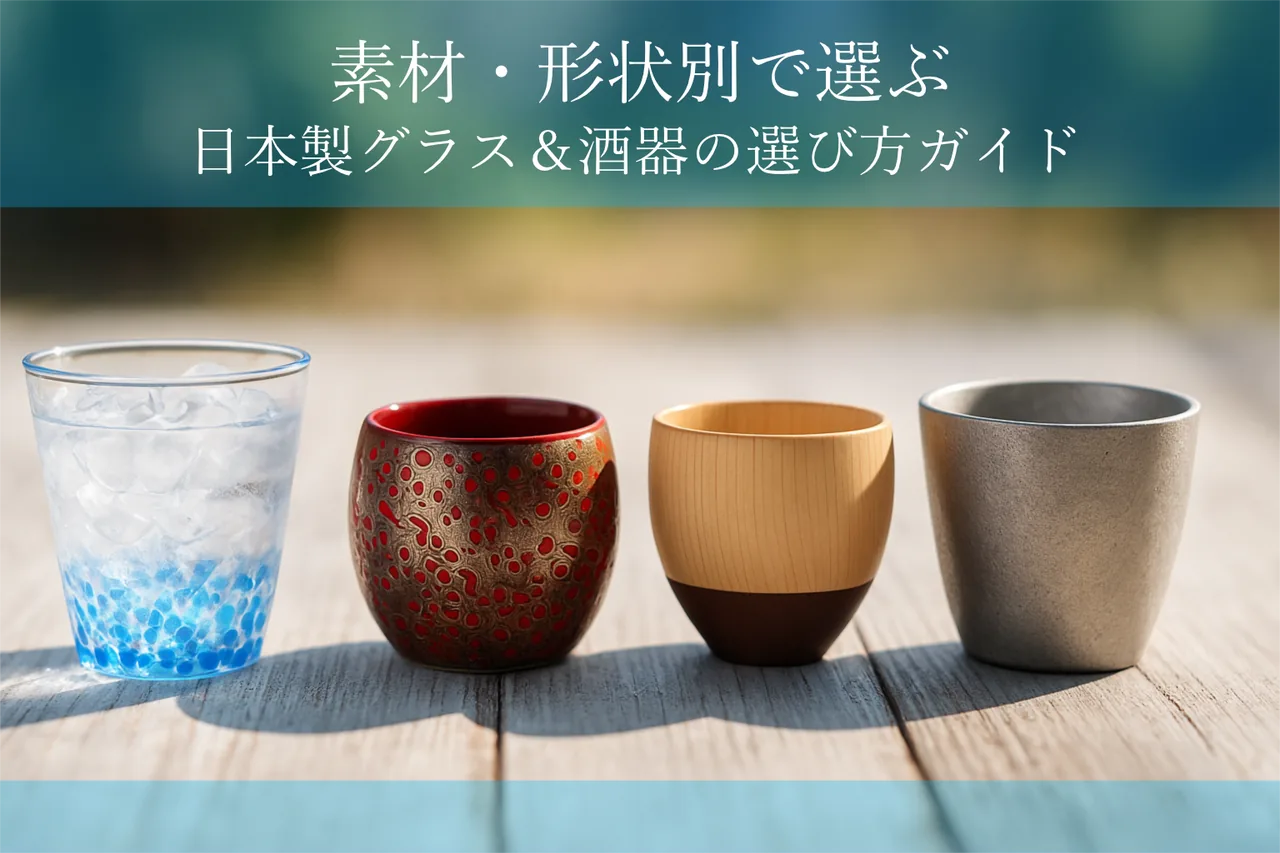
Japanese Drinkware Materials Explained: How Glass, Tin & Lacquer Change Your Drink
Japanese Drinkware Gift Guide: Best Picks by Occasion & Budget