You spent $25 on a bag of single-origin coffee. A week later, it tastes flat.
The coffee didn't go bad — the container let air in. Oxygen is the enemy of coffee and tea aromatics, and most
containers fight it with rubber gaskets that degrade within a few years.
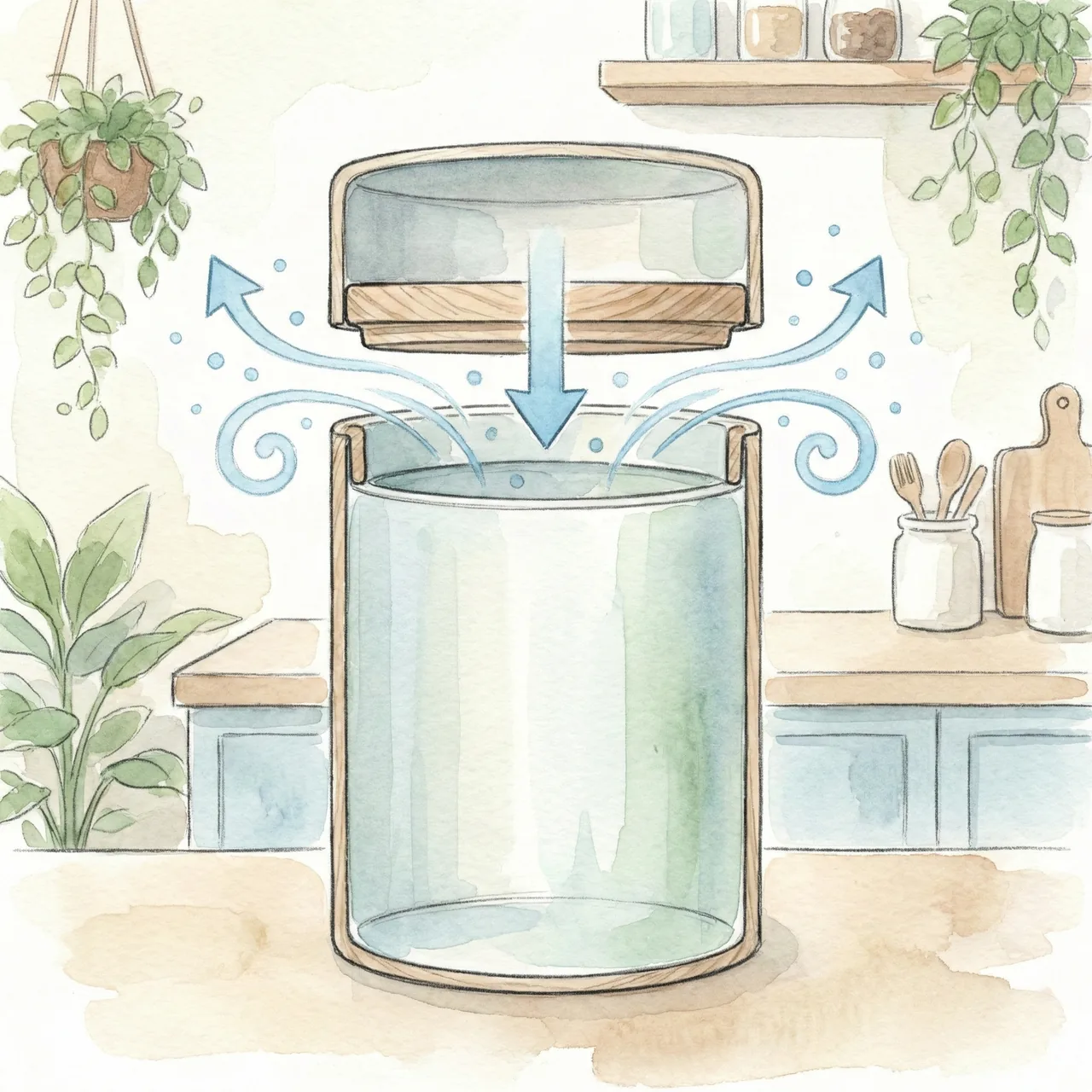
Japanese tea canisters take a different approach: the lid is machined to fit so precisely that it slides
down by gravity alone, pushing air out as it falls. No gasket. No mechanism. Just tolerances measured in
microns by craftspeople with decades of experience.
This guide covers four Japanese canister brands — metal and wood — that represent this tradition at its best.
Quick Comparison: Japanese Canister Materials
| Material | Seal Type | Aging | Care | Top Brand |
|---|---|---|---|---|
| Tinplate (ブリキ) | Inner lid + precision outer lid | Deepens to amber-bronze (uncoated) | Wipe only — no water | Kotodo |
| Washi Wrapped Tin | Inner lid + outer lid | Paper softens, colors mellow | Keep dry, wipe gently | Kotodo / Various |
| Cherry Bark (樺細工) | Precision wood friction fit | Becomes lustrous and dark | Wipe; keep dry | Denshiro |
| Ceramic & Wood | Silicone gasket friction fit | Wood lid ages slightly | Body washable, wipe lid | Zero Japan |
| Glass & Olive Wood | Silicone gasket friction fit | Wood lid grain deepens | Body washable, wipe lid | Hario |
Why Japanese Canisters Seal Better Than Any Gasket
The Gravity-Seal Lid — No Gasket Required
Kaikado's canisters go through over 130 production steps before leaving the workshop. Most of those steps are
about fitting: the lid is hand-adjusted until the gap between lid and body is within a few microns across the
entire circumference.
The result: place the lid on the opening and it drops slowly, silently — pushed down by gravity while the air
inside is displaced outward through an impossibly small gap. There is no rubber gasket, no silicone ring, no
mechanical clasp. Just fit.
A gasket deteriorates. A precisely machined lid doesn't. Kaikado canisters used by great-grandparents still seal
as well as the day they were made — 100+ years later.
Wood's Natural Humidity Response
Japanese paulownia (kiri) and lacquered wood canisters seal differently: the wood expands slightly when humidity rises, tightening the fit. On humid summer days, the canister automatically seals more tightly — keeping moisture out of the contents. This is a natural moisture-regulation mechanism that Japan's climate specifically evolved this craft solution for.
Metal Canisters: Kaikado and SyuRo
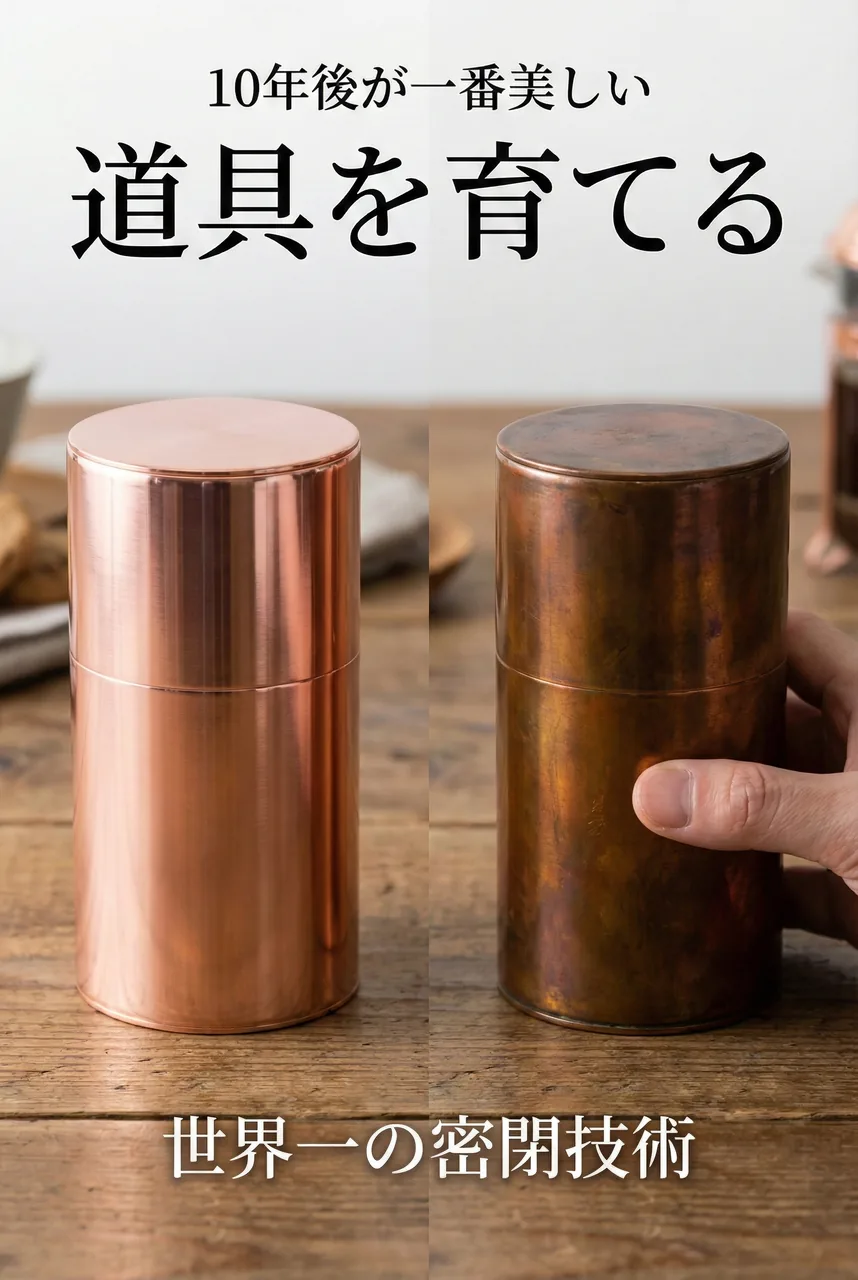
Metal canisters age visibly and beautifully — the hands that touch them daily leave trace oils that develop into a patina over months and years.
Kotodo (江東堂高橋製作所) — Tokyo, est. 1910
While Kaikado represents the museum-grade luxury tier of canisters, Kotodo offers extraordinary handmade quality
that is highly practical and accessible on Amazon.
Founded in Tokyo over 100 years ago, Kotodo specializes in tinplate chazutsu (tea canisters). They still
craft their canisters by hand, using a double-lid system (a tightly fitted inner flat lid and a seamless outer
cap). Like the famous gravity-seal lid, Kotodo's exterior lids are adjusted to be so precise that you can feel the
smooth resistance of the air pushing out as you close them.
- Uncoated Tinplate: Their raw, uncoated tinplate canisters offer a beautiful minimalist aesthetic that will age and darken slightly over time as trace oils from your hands create a natural patina.
- Built to Last: The lack of rubber gaskets means the canister won't degrade. It will stay airtight for decades.
- Made in
- Tokyo, Japan (since 1910)
- Materials
- Tinplate / Steel
- Seal
- Double-lid (inner flat lid + outer precision lid)
- Price range
- $25–$50 per canister
Washi Wrapped Tin Canisters (和紙茶筒)
For a classic Japanese aesthetic, the most recognizable option is a tinplate canister beautifully wrapped in
traditional Yuzen Washi paper.
Many excellent Japanese makers (including Kotodo) produce these. The core structure is identical to the
high-performance handmade tin canisters, guaranteeing airtightness, but the exterior is dressed in gorgeous,
vibrant paper. They make unmatched gifts for tea lovers. Keep in mind that since the exterior is paper, they must
be kept away from water and wiping should be done with a dry cloth.
- Made in
- Japan (various craftspeople)
- Material
- Tinplate core wrapped in Yuzen Washi paper
- Seal
- Double-lid system (inner flat lid + outer lid)
- Price range
- $15–$35 per canister
Wood, Ceramic, and Glass Canisters
For those who prefer the warmth of natural materials — or want the absolute taste-neutrality of ceramic or glass — these Japanese options blend traditional aesthetics with highly functional coffee and tea storage.
Denshiro (藤木伝四郎商店) — Cherry Bark Canister, Akita
Kabazaiku (樺細工), or cherry bark crafting, is a rare traditional art from Akita Prefecture. Denshiro has been
turning the bark of wild mountain cherry trees into breathtaking tea canisters since 1851.
Wild cherry bark naturally breathes, offering a mild humidity-regulating effect that makes it ideal for storing
loose leaf tea. Over decades of use, the bark absorbs naturally occurring oils from your hands, gradually turning
incredibly lustrous and dark. The lids are crafted entirely from wood and fit with an astonishing friction
tolerance.
- Made in
- Akita, Japan (Traditional Craft)
- Seal
- Friction-fit pure wood
- Best for
- Premium green tea, matcha, gift storage
- Price range
- $80–$160 per canister
Zero Japan — Ceramic Canister with Wood Lid, Gifu
Zero Japan is a modern classic manufactured in Mino, Gifu Prefecture, the heart of Japanese ceramics. Unlike
traditional metal or wood, their ceramic body is completely odor-free, non-reactive, and easy to wash with soap
and water.
The seal utilizes a snug wooden lid lined with a food-safe silicone gasket. It's heavy, sturdy, and protects beans
from light and temperature fluctuations. It's the most practical, hygienic option for daily coffee drinkers who
switch between different roasts.
- Made in
- Mino, Gifu, Japan
- Seal
- Wooden lid with silicone gasket
- Best for
- Daily coffee beans, spices, easy washing
- Price range
- $30–$50 per canister
Hario — Glass Canister with Olive Wood Lid
Hario is Japan's premier heat-resistant glass manufacturer. For coffee enthusiasts who want to visually display
their beautiful beans, Hario offers highly functional glass canisters.
Topped with an elegant olive wood lid equipped with a silicone sealing ring, these jars provide a superb airtight
seal. The thick glass doesn't hold odors and is completely washable. Just be sure to store it away from direct
sunlight, as light degrades coffee beans.
- Made in
- Japan (Glass)
- Seal
- Olive wood lid with silicone gasket
- Best for
- Visual coffee bean display, easy cleaning
- Price range
- $25–$45 per canister
FAQ
Can I wash a Japanese metal canister with water?
No — tinplate, copper, and brass will rust or tarnish with water exposure. Cleaning should be done with a soft dry
cloth only.
If the interior has residue (old tea dust, coffee grounds), use a soft dry brush to sweep it out. For stubborn
residue: a slightly damp cloth wiped quickly, followed immediately by a dry cloth, is acceptable — but never
submerge or rinse under running water.
Note: if you choose a ceramic or glass canister (like Zero Japan or Hario), the body can be freely washed with
soapy water, but the wooden lids should still only be wiped dry.
How much coffee do Japanese canister size ratings hold?
Japanese canisters are traditionally sized for ocha (green tea leaf) which is much less dense than
roasted coffee beans. The conversion is approximately:
— "100g tea" canister ≈ 70–80g whole coffee beans
— "200g tea" canister ≈ 140–160g whole coffee beans
— "300g tea" canister ≈ 200–220g whole coffee beans
A standard 200g bag of coffee beans (a common commercial size) requires a canister rated for approximately 300g of
tea. Always check if the brand specifies a coffee capacity directly — some modern canisters now list both.
Should I touch a Kaikado canister with bare hands?
Yes — and frequently. Kaikado explicitly encourages handling the canister with bare hands. The trace oils from
your skin create a thin protective layer on the metal surface, preventing rust formation and initiating the patina
aging process.
A Kaikado left untouched in a cupboard for months may develop uneven oxidation. A Kaikado held daily for 20 years
develops a deep, even, luminous amber color — the visual evidence of decades of daily care.
Will wood canisters transfer smell to coffee or tea?
High-quality Japanese wood canisters (Gato Mikio, Asakura) are fully dried and treated before sale, so new-wood
smell is minimal and fades within a few uses.
The rule to follow: don't mix uses within a single canister. Using a canister for spiced chai and then switching
to delicate green tea is likely to result in flavor transfer, regardless of material. Assign one canister to one
category of ingredient and it will maintain taste neutrality indefinitely.
Is a Japanese canister worth the price versus a standard glass jar?
For serious coffee or tea drinkers: yes, significantly. A quality glass jar with a rubber seal keeps coffee fresh
for perhaps 2–3 weeks before the gasket allows micro-seepage. The rubber also degrades after a year or two and
needs replacement.
A Kaikado canister with its gravity-seal lid maintains airtightness indefinitely with no degrading parts. More
importantly, it will outlast any glass container and any gasket-based seal by decades — the lifetime cost is
lower, and the daily ritual of using it is genuinely better.
Which canister is the best gift?
A Cherry Bark (Kabazaiku) Canister is an extraordinary, impressive gift for a tea lover who
appreciates traditional Japanese crafts, offering a deeply memorable tactile experience.
Washi Wrapped Tin Canisters are fantastic, affordable gifts ($15–$35) for anyone wanting a bright
pop of authentic Japanese color in their kitchen.
Zero Japan or Hario are the smartest gifts for serious coffee fans who value utility, easy
cleaning, and modern design functionality over historical craft.
Summary
The moment a Kaikado lid slides silently down by gravity, you understand what 150 years of refinement looks like. No
gasket — just fit.
Choose by priority:
- Best traditional metal + aging beauty: Kotodo (seamless tinplate, precision double-lid system)
- Most beautiful traditional craft: Denshiro Cherry Bark (Kabazaiku, wild cherry wood)
- Best for daily coffee / easy wash: Zero Japan (ceramic form) and Hario (glass with olive wood)
- Best affordable gift: Washi Wrapped Tin Canisters
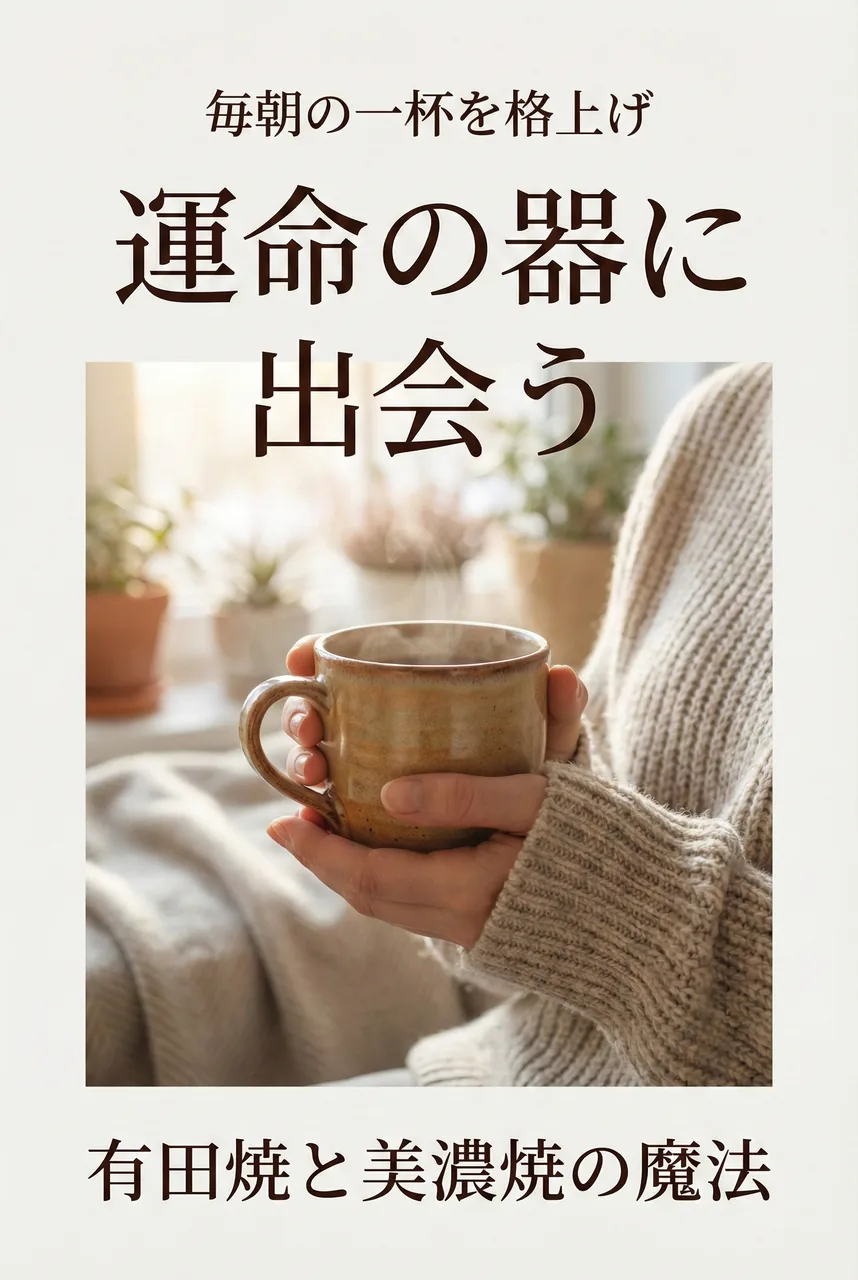
Japanese Mugs: How Rim Thickness Changes the Taste of Coffee
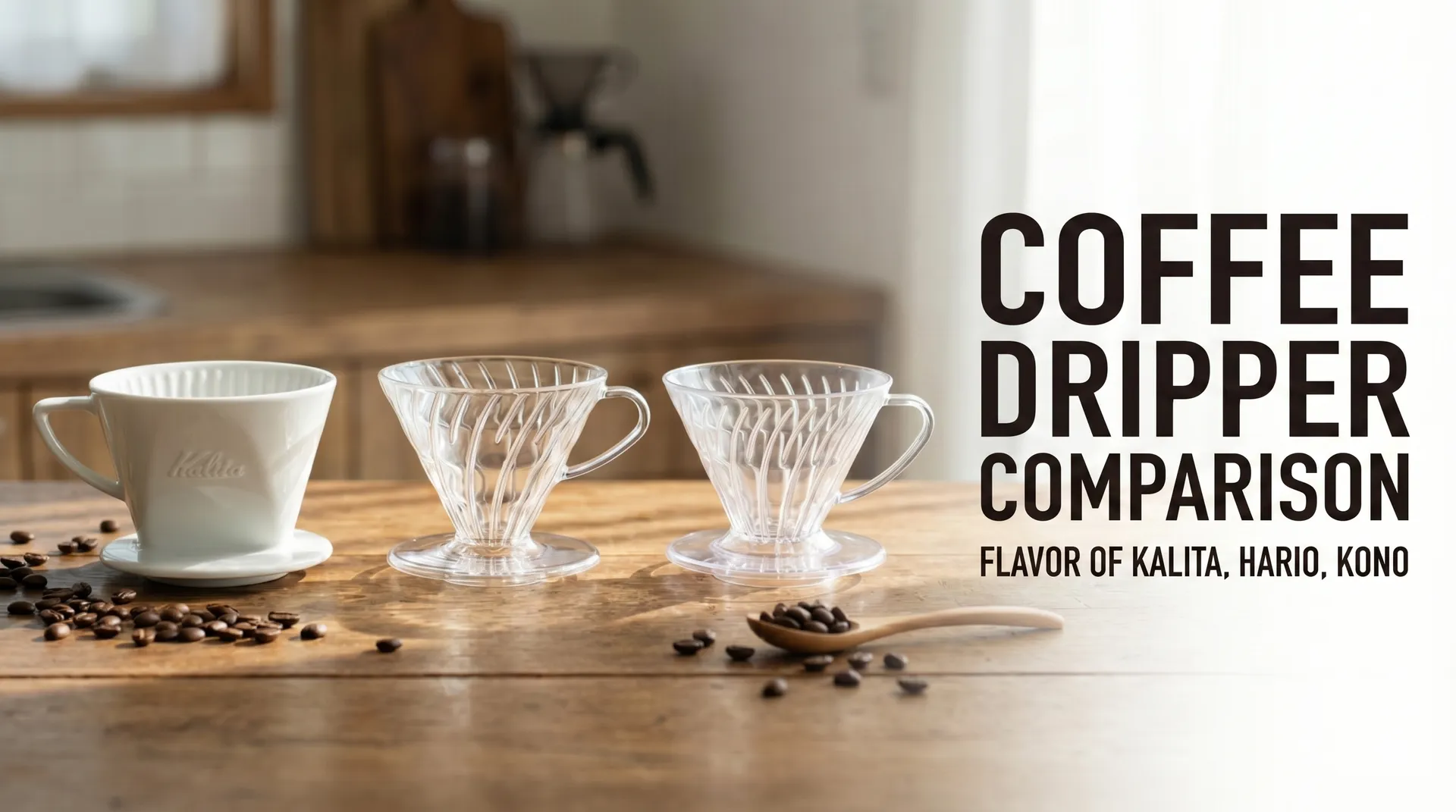
Japanese Coffee Drippers: Hario, Kalita & Kono Compared