"The shochu I drink at home always tastes a bit rough and harsh…"
"I want that mellow, smooth flavor you get at a good izakaya."
The answer to that problem comes down to two things: time and the vessel.
If you enjoy shochu, the single best thing you can do right now is transfer it out of the plastic bottle and into a
Japanese-made shochu
server.
Resting shochu in a ceramic jar (kame) allows far-infrared radiation to work its magic — the flavor softens and
rounds
remarkably over just a few days.
And if you want to take it even further, a kurojoka — a traditional sake vessel from Kagoshima —
lets you
warm it gently over a direct flame for a truly sublime experience.
This guide introduces the tools that transform a simple drink at home into something extraordinary.
Series: This article is part 4 of the "Savoring (Coffee, Sake & Culture)" collection.
Quick Reference: Shochu Server Materials at a Glance
| Material | Characteristics | Temperature Retention | Maintenance |
|---|---|---|---|
| Ceramic | Far-infrared effect ages and softens the flavor | Excellent heat retention | Prone to absorbing odors; wash thoroughly after each use |
| Tin | Removes harsh notes; rounds out the flavor | Good cooling effect | Easy upkeep with a dry cloth |
| Glass | Visible liquid level; no odor absorption | Low insulation | Easy to wash and keep hygienic |
| Stainless Steel | Durable and easy to handle | Good for both hot and cold | Water-washable; rust-resistant |
1. The Magic Ceramic Jar | How a Shochu Server Ages and Transforms Your Drink
Why does shochu taste better when stored in a ceramic server? There's real science behind it.
The Ceramic That Breathes — and Softens
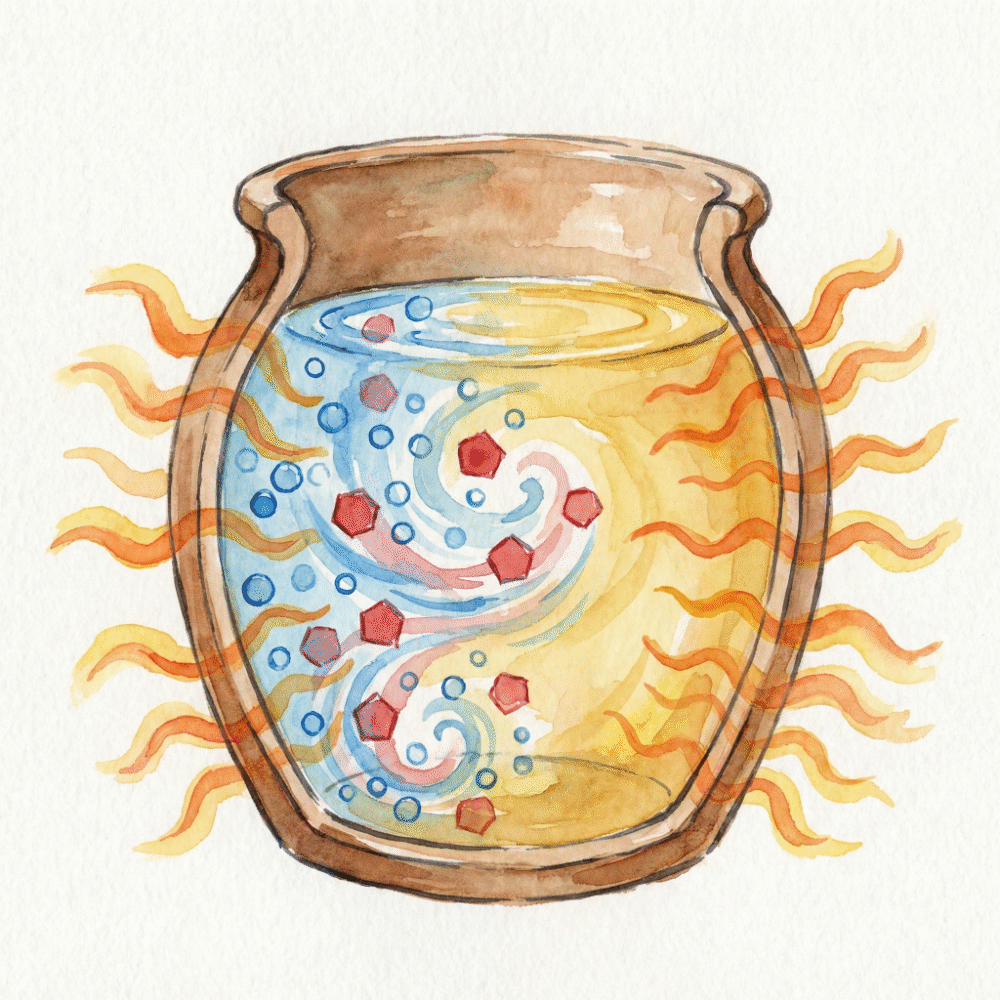
1. Far-infrared effect:
Ceramic emits far-infrared radiation that breaks down water and alcohol molecules, helping them bond together
more
smoothly — the result is a noticeably rounder, mellower flavor.
2. Micro-pores:
Ceramic walls contain microscopic pores that allow the jar to "breathe."
Gases trapped in the shochu gradually escape through these pores, accelerating the aging process.
That sharp, just-bottled alcohol edge disappears, replaced by a silky, velvety texture on the palate.
2. How to Make Maewari | The Golden Ratio for Pre-Diluted Shochu
Once you have a shochu server, the next thing to try is maewari (前割り) — a traditional Kyushu drinking method where you pre-dilute the shochu days before you plan to drink it.
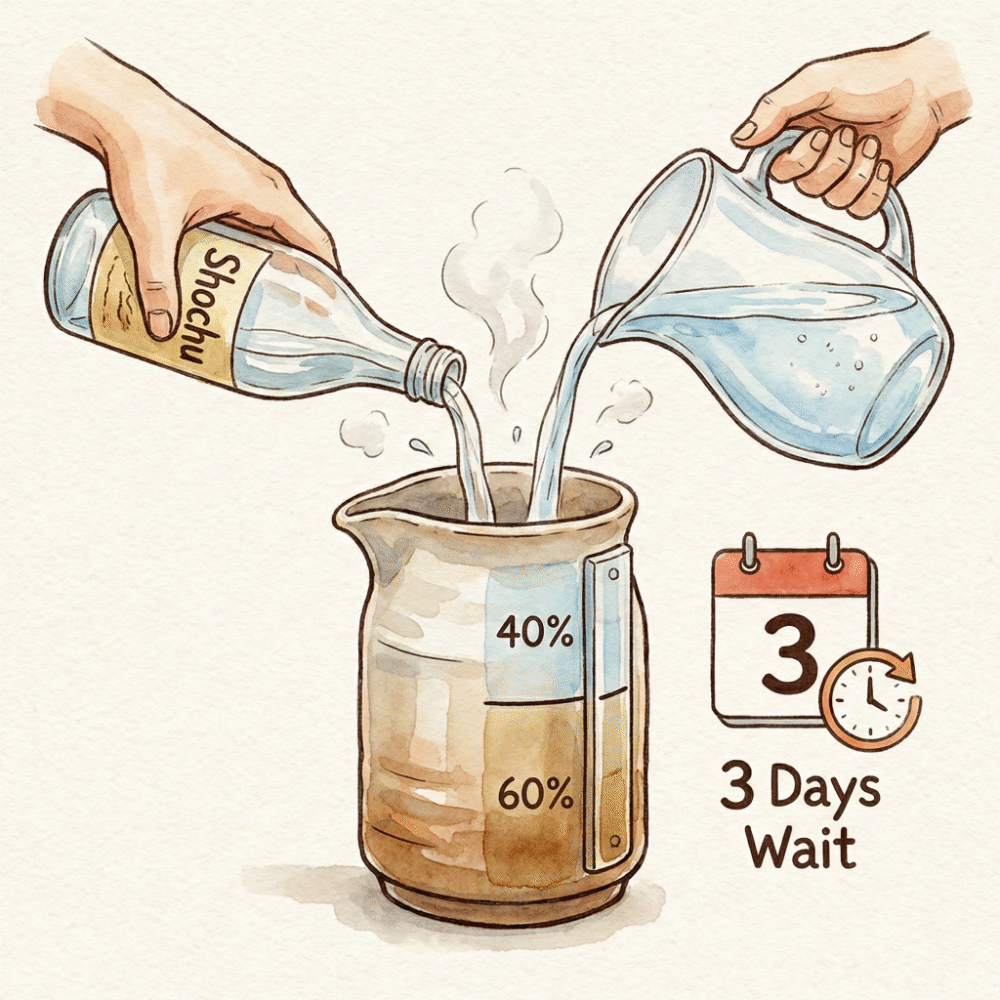
Prepare It Three Days in Advance
Maewari means mixing shochu and water ahead of time and letting the blend rest.
Unlike mixing right before you drink, this allows the alcohol and water to fully integrate — the result is
surprisingly smooth and easy to enjoy.
Golden ratio: shochu 6 : water 4 (or 5:5 for a lighter version)
Rest time: minimum 1 day, ideally 3 days to 1 week
Use soft mineral water — Japan's shochu is brewed with soft water, so it blends more harmoniously.
Maewari that has slowly matured in the server is delicious served chilled or gently warmed.
3. Shigaraki & Arita Shochu Servers | Beautiful Enough to Display
Shochu servers used to have a very traditional, rustic look — but today, many designs are modern enough to sit proudly on your living room shelf.
Shigaraki-yaki Modern Server
Earthy warmth with exceptional aging performance.
Shigaraki ware (shigaraki-yaki) from Shiga Prefecture is made from coarse-grained clay with naturally high
far-infrared output — one of the best materials for aging shochu.
Traditional Shigaraki clay contains radium minerals known for their water-purifying properties.
Recent designs include compact tabletop sizes with a simple, matte finish that pairs beautifully with
Scandinavian-style interiors.
Arita-yaki Porcelain Server
Clean white porcelain with a sleek, modern look.
Arita ware (arita-yaki) from Saga Prefecture is porcelain, which means it's non-porous — no odor absorption,
no flavor carryover between different shochu varieties.
If you want to switch from imo-jochu (sweet potato) to mugi-jochu (barley), a simple wash resets it
completely.
4. Kurojoka | Warming Shochu Over a Direct Flame with Satsuma Ware
When you want to warm your maewari shochu, reach for a kurojoka (黒じょか) — a traditional craft item from Kagoshima Prefecture, also known as a kuro-chiyoka.
Satsuma-yaki Kurojoka
Low and slow over a flame — the finest way to drink warm shochu.
The kurojoka is a flat, disc-shaped black earthenware vessel, almost like a squat teapot.
Its defining feature is that it can go directly over an open flame.
The traditional method is to warm it slowly over a low hearth or gas burner until it reaches body temperature
— about 40–45°C (104–113°F) — a style known as nurukan.
The aroma that pours from the spout is extraordinarily rich. Over time, shochu seeps into the clay itself, and
eventually even hot water poured in carries the scent of shochu — this is truly a vessel you raise alongside
yourself.
5. Faucet Maintenance & Hygiene | Keeping Your Server Clean
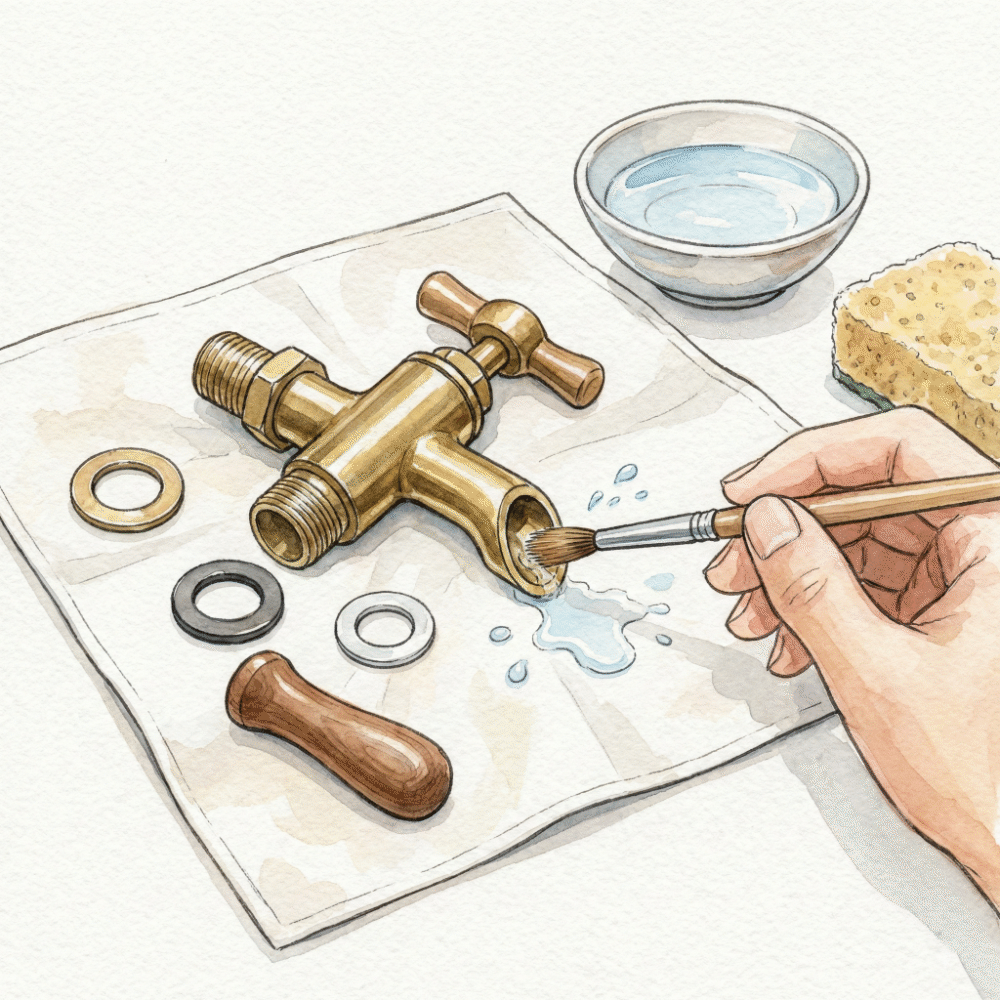
To keep your shochu server in good shape for years to come, the most important part to look after is the spout (the faucet or cock).
Don't Top It Off — Know When to Wash
Pure shochu doesn't spoil thanks to its high alcohol content — but maewari (water-diluted shochu) is another
story and needs more care.
When using the server for maewari, wash and dry it thoroughly every time you finish the batch before
refilling.
The inside of the faucet is especially prone to buildup.
Flush water through it regularly. If your faucet is removable, take it apart and clean the interior to ensure
the shochu always tastes its best.
6. Imo, Mugi, Kome | Pairing Vessel Styles to Shochu Types
Matching the vessel to the base ingredient of your shochu brings out the best in both.
- Imo-jochu (sweet potato) × Shigaraki / kurojoka:
The bold, earthy aroma of sweet potato shochu pairs beautifully with the warmth of unglazed pottery. Try it as warm maewari or a gentle nurukan. - Mugi-jochu (barley) × glass / porcelain:
Clean and toasty barley shochu shines in transparent glassware or an Arita porcelain server. Best enjoyed on the rocks or with water. - Kome-jochu (rice) × white porcelain / tin:
Fruity rice shochu — the closest shochu to sake — pairs delicately with clean white vessels or tin cups that round out the delicate flavor.
7. Frequently Asked Questions
How long does maewari shochu keep?
About one week in the refrigerator, or three days at room temperature.
Because the alcohol content has been diluted, maewari spoils faster than undiluted shochu.
Leaving it too long risks flat flavor and bacterial growth — the smartest approach is to make only what you'll
drink over the upcoming weekend.
What water should I use for maewari?
Soft mineral water is strongly recommended.
Most Japanese shochu is brewed using soft water, so the same type of water blends most harmoniously with it.
Hard water can interfere with the flavor due to high mineral content and may cause the liquid to turn slightly
cloudy.
Can I store sake or wine in the server instead of shochu?
It's not recommended.
Fermented drinks like sake and wine deteriorate much faster than distilled spirits like shochu or whisky. In a
server, they can turn sour or clog the faucet.
Ceramic servers also absorb aromas, so it's best to keep yours dedicated to shochu (or awamori).
Can a kurojoka be used on an IH cooktop?
It's essentially designed for direct flame only.
IH-compatible kurojoka are extremely rare. If you have an IH cooktop at home, use a portable gas burner instead,
or warm the shochu in a separate vessel and pour it into the kurojoka to serve.
Simply filling the kurojoka with warm liquid still gives you excellent heat retention and flavor.
My server's faucet is leaking. What should I do?
The most likely cause is a worn gasket or a loose fitting.
First, check whether the inner nut has come loose.
If it's still leaking, pick up a food-grade silicone gasket from a hardware store and replace it, or contact the
manufacturer to order a replacement faucet unit.
Does a shochu server really make the flavor smoother?
Yes — especially with a ceramic server, the difference is easy to notice.
The "breathing" through ceramic micro-pores combined with the far-infrared effect rounds out the harsh alcohol
edge significantly.
To get the most out of it, let the shochu rest for at least 3 to 7 days.
Simply transferring store-bought shochu from its plastic bottle into a ceramic server is enough to taste
the difference.
Final Thoughts: Gathering Around the Server — the Art of Adult Entertaining
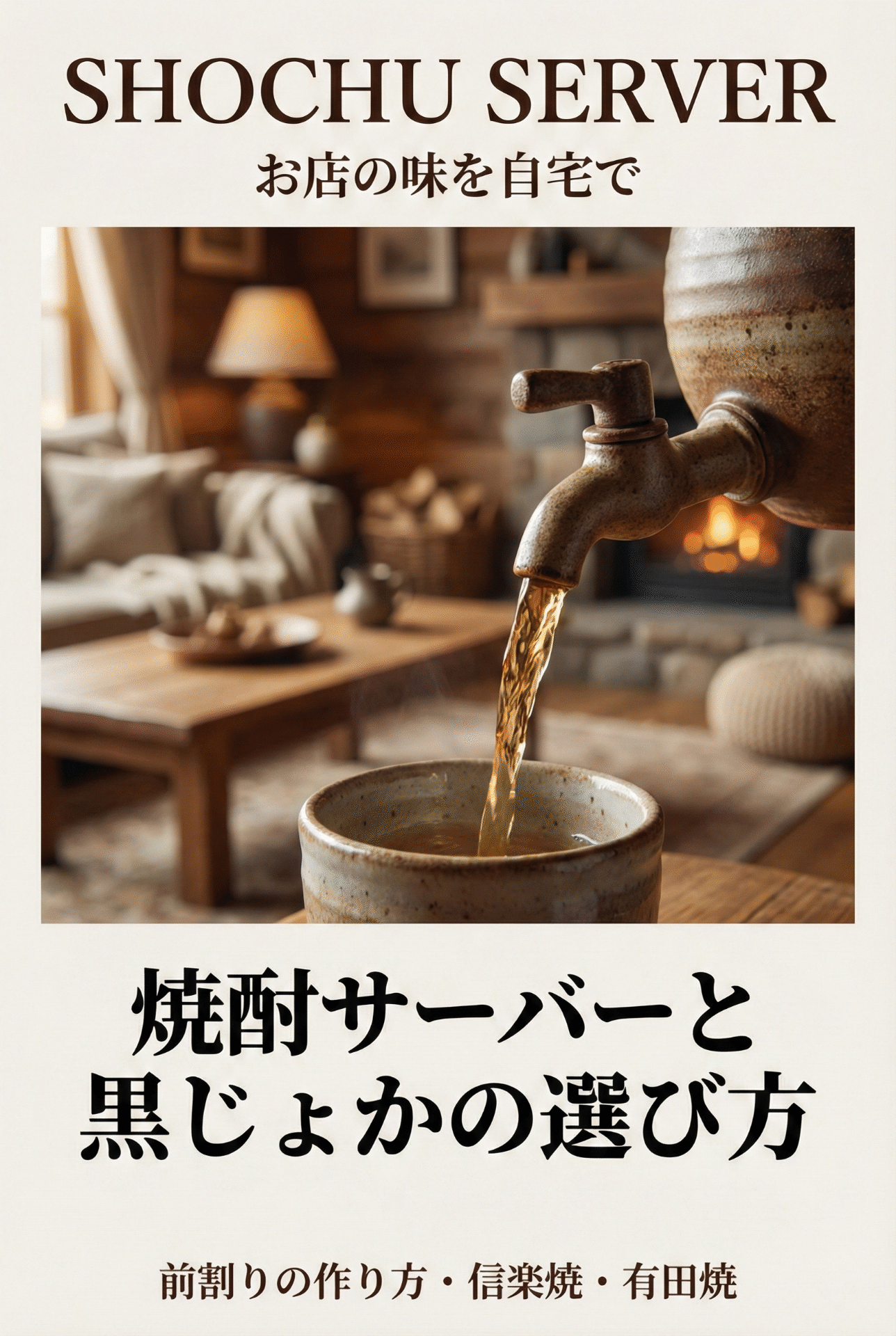
A life with a shochu server.
It's not just about drinking — it's a symbol of a richer way of living, one where even the waiting is something
to savor.
A few days before the weekend, you mix the water. You let it rest quietly, watching it mature.
Then the evening arrives, you turn the tap, and you taste the silky, fully-rounded pour you've been waiting
for.
With a favorite server and a kurojoka on hand, your living room becomes the most comfortable "local bar" in the
world.

Japanese Sake Cups | Tasting Nihonshu Through Tin, Wood & Glass
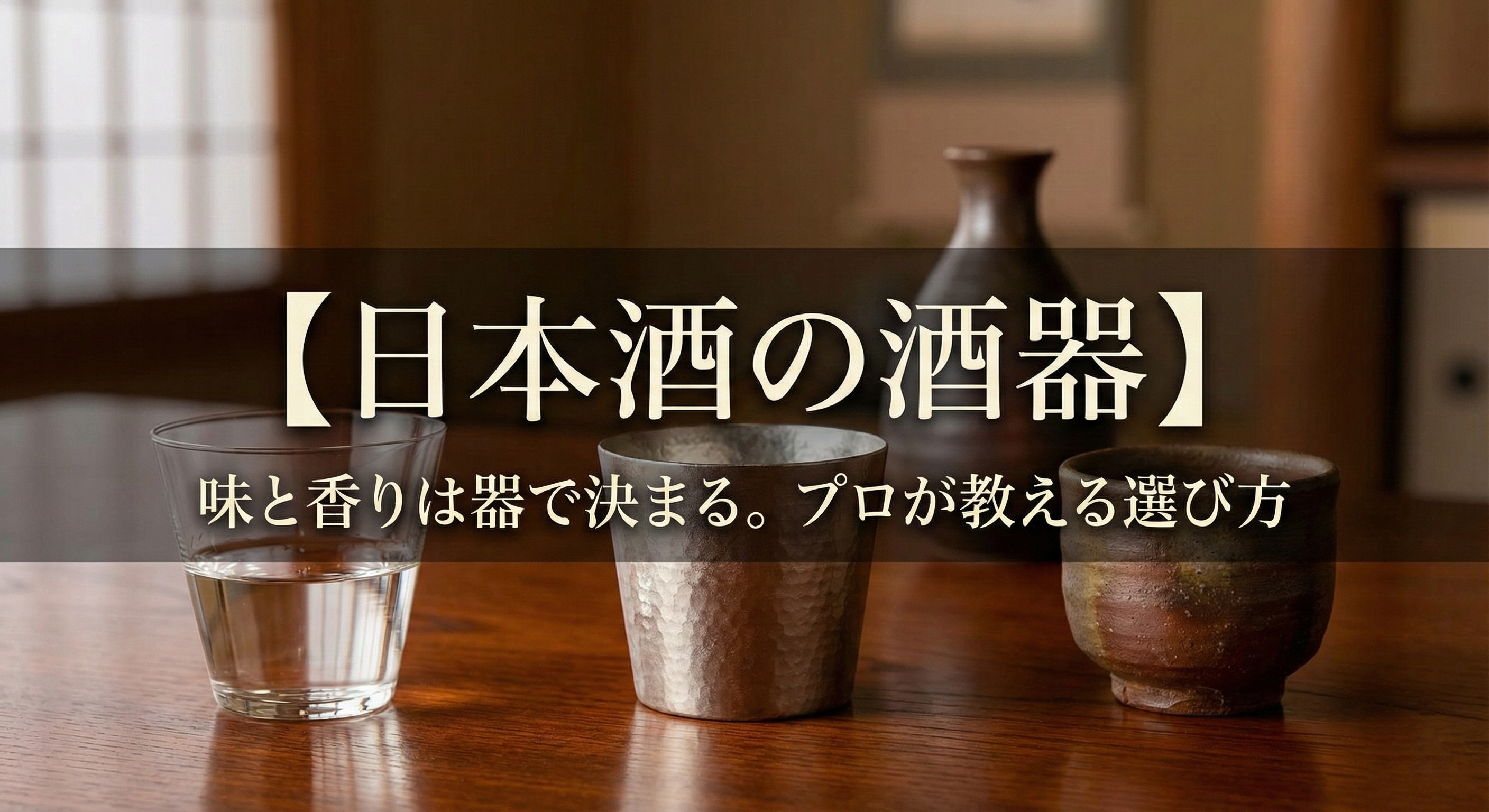
Specialist Sake Glassware | Choosing Glass That Brings Out the Aroma