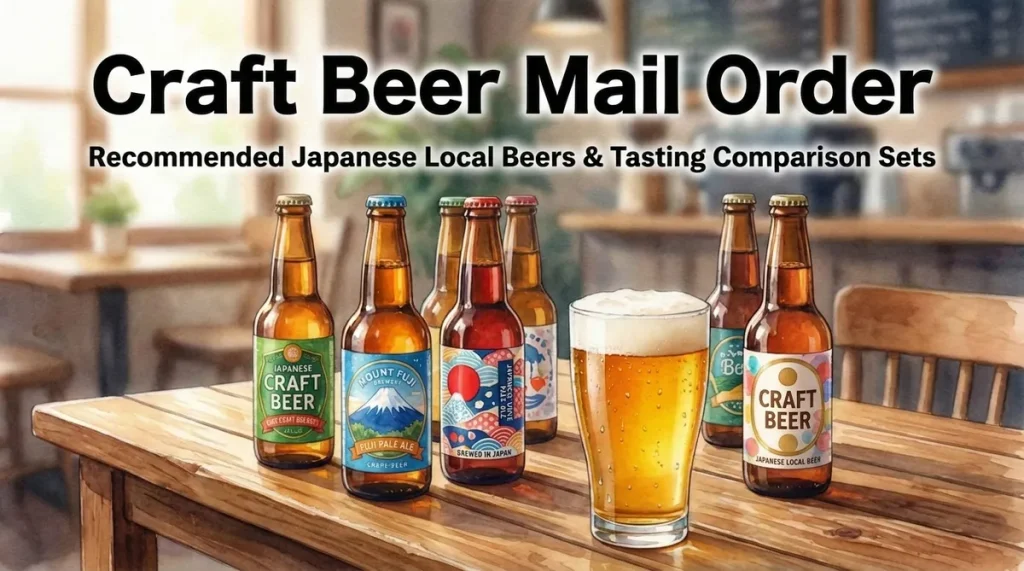
When in doubt about ordering Japanese craft beer online, the answer is simple: start with
a tasting set.
① IPA: Big, bold bitterness with explosive hop aroma
② Weizen: Banana and clove sweetness, almost no bitterness
③ Pale Ale: Perfectly balanced, pairs well with almost any food
The problem with ordering a single bottle blind is that craft beer styles taste completely different from each
other. Get one that doesn't match your palate and it puts you off the whole category. A tasting set lets you
discover which styles you love — and which ones to skip — before committing to a full case.
In this guide, we cover Japan's best breweries for beginners, how to choose the right set, where to buy, and the
surprisingly big difference the right glassware makes.
Quick Reference: Craft Beer Styles Compared
| Style | Flavor Profile | Bitterness | Best For |
|---|---|---|---|
| IPA | Intense hop bitterness with citrus/pine aroma | Strong | Experienced drinkers; fried food lovers |
| Pale Ale | Balanced; pairs with most foods | Medium | Beginners; everyday drinking |
| Weizen | Banana and clove sweetness; barely bitter | Low | Beer-shy drinkers; women; first-timers |
| Stout | Roasted coffee and chocolate notes | Medium | Dessert pairings; smoked foods |
| Pilsner | Crisp, refreshing; clean finish | Low | Fans of standard beer; hot day drinking |
1. Beer Basics: IPA, Weizen, and Pilsner — What's the Difference?
Every craft beer label names its style. Learn these three and the whole category opens up.
IPA — The King of Bitterness and Aroma
The style that sparked the global craft beer revolution. Heavy hopping produces intense bitterness
layered with citrus and pine aromas — a flavor profile that has no equivalent in standard lager. If
you find regular beer too bland, IPA is the answer.
The "Hazy IPA" (New England IPA) sub-style has taken off recently: less bitter, cloudy, almost juice-like, and
approachable for newcomers who want hop flavor without the edge.
Weizen — Fruity, Gentle, and Easy to Love
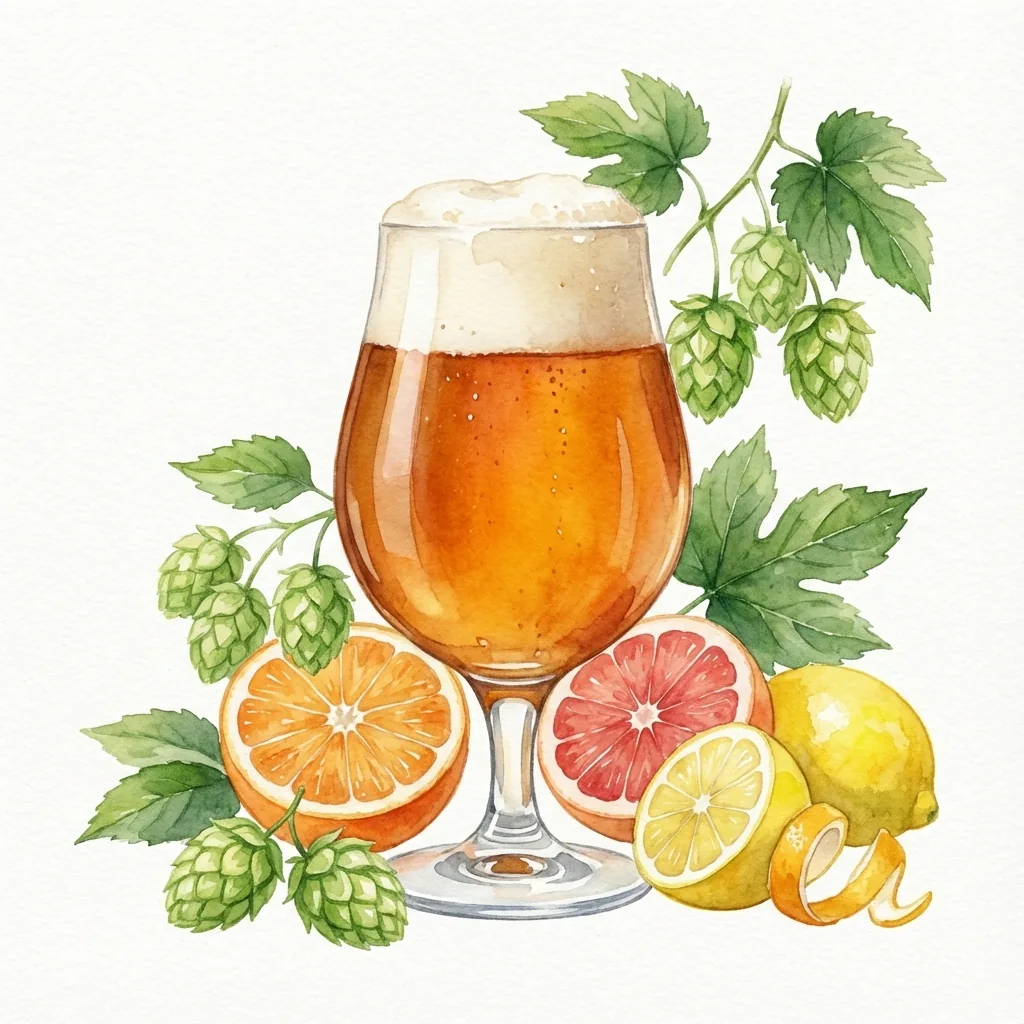
A German wheat beer with a characteristic banana and clove aroma from the yeast — almost no bitterness at all. Pillowy foam, soft mouthfeel, and a sweetness that makes it the most beginner-friendly style in the craft category. If you think you don't like beer, try a Weizen first.
Pilsner — Familiar, but Better
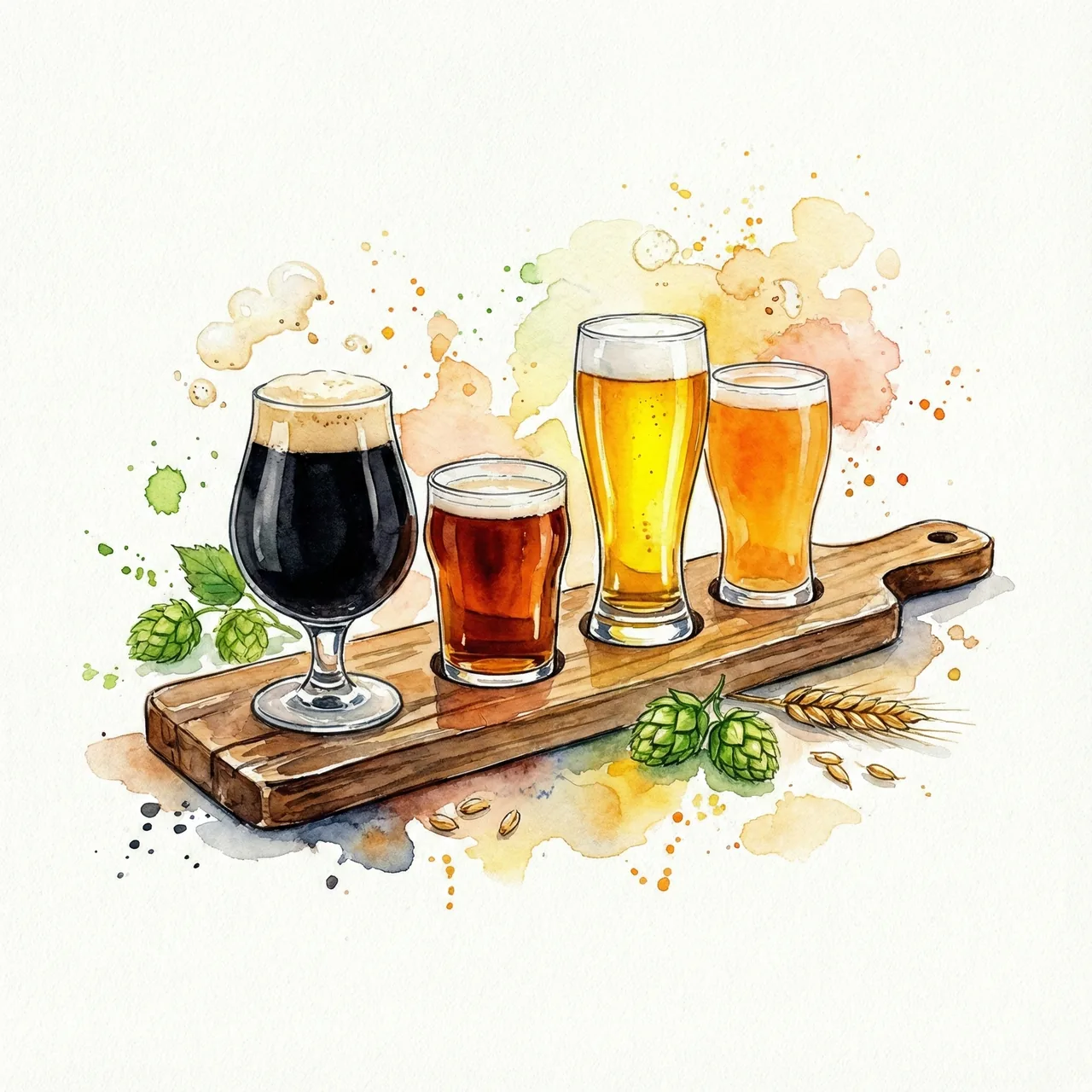
Almost every major Japanese beer brand (Asahi, Kirin, Sapporo) brews a Pilsner. Golden, crisp, refreshing — the style most people picture when they think "beer." Craft Pilsners take the same template and express it with more malt depth and hop aroma, making you realize how much flavor mass-market versions leave out.
2. Top 3 Japanese Craft Breweries for Beginners
Japan has over 500 breweries — but these three are the safest starting points for online ordering: consistent quality, easy to find, and genuinely exceptional.
[Nagano] Yoho Brewing (Yona Yona Ale)
The brewery that started Japan's craft beer boom.
"Yona Yona Ale" is the bottle you may already have spotted at convenience stores, but the online store ("Yona
Yona no Sato") carries an extensive range of mail-order exclusives. The main line is American Pale Ale with a
bright citrus and floral hop character.
Their 5-style or 8-style tasting sets run approximately ¥2,500–¥3,500 and are widely
considered the single best entry point into Japanese craft beer. If you only try one brewery, make it this
one.
[Iwate] Baeren Brewery
100-year-old German brewing equipment, transplanted to Japan.
Baeren brought actual century-old German brewing machinery to Iwate Prefecture and brews with it to this day.
The result is classic, malt-forward lager that doesn't chase trends — deep, satisfying flavor that you want to
drink again and again without ever tiring of it. If you're buying for a serious beer lover, Baeren signals
that you know your stuff.
[Osaka] Minoh Beer
World competition gold medal winners. Exceptional quality.
Minoh's Stout has won international championships — roasted coffee and chocolate aromas with a finish that's
surprisingly dry and clean. They also release seasonal fruit beers (peach, yuzu) that appeal to drinkers who
prefer something lighter and fruity. A brewery with real technical depth and enough variety to please any
crowd.
3. How to Choose a Tasting Set Without Getting It Wrong
The whole point of mail-order craft beer is exploring variety. Here's how to pick a set that matches your purpose and budget.
¥2,000–¥3,500: Personal Use — Try All Styles from One Brewery
A same-brewery tasting set (like Yoho's range) introduces you to different styles from a single maker whose quality you've already decided to trust. You'll come away knowing whether you prefer IPA, Stout, or Pale Ale — a personal flavor profile that makes all future craft beer purchases more confident. Most sets contain 350 ml cans × 4–6 bottles: manageable for one person over a week.
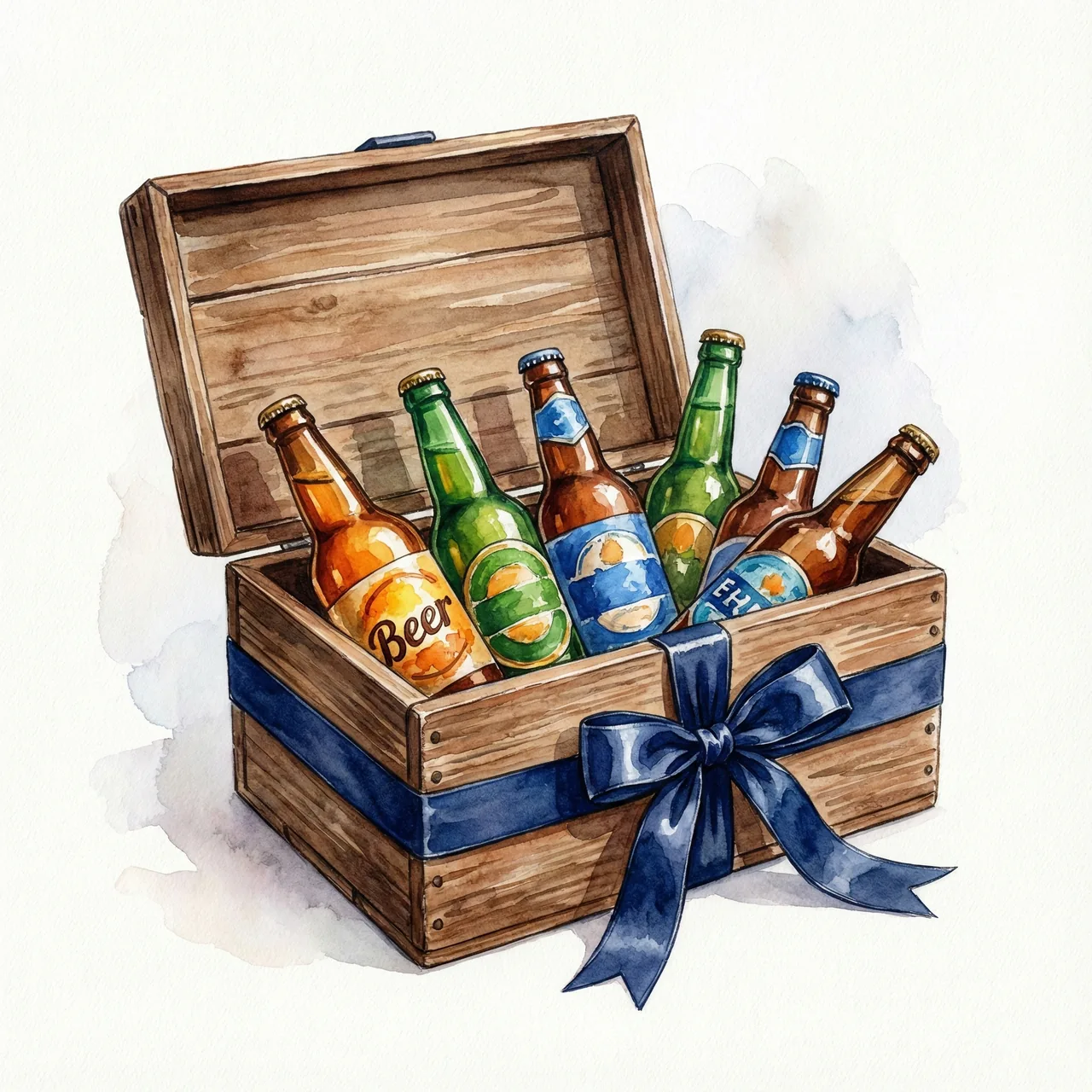
¥4,000–¥6,000: Gift Use — Bottle Sets with Visual Impact
For celebration gifts, bottled sets in gift boxes outperform cans on presentation. COEDO's "Ruri (Sapphire Blue) · Kyara (Amber) · Shikkoku (Jet Black)" are beautiful on their own — named after traditional Japanese materials, boxed elegantly. Grouping by beer color (three colors in one box) makes the gift coherent and impressive at a glance.
How Many Bottles to Order?
· First time: 4–6 bottle set (¥2,000–¥3,500) — best way to start
· Found a favorite: 12+ bottles for bulk savings on shipping
· Gifting: 6-bottle gift box (¥3,500–¥5,000) balances presentation and budget well
More bottles per order brings the per-bottle price down — but there's a real risk of flavor degradation if you
can't drink them quickly. On your first order, err on the side of fewer bottles.
4. Where to Buy: Rakuten, Amazon, and Official Brewery Stores
Each channel has a different sweet spot. Match your situation to the right place to buy.
Rakuten Ichiba — Best Selection, Best for Sales
Rakuten Super Sales and bonus point days can reduce effective prices by around 20%. Most breweries run official Rakuten shops with their full lineup, making it the most comprehensive source for variety and gift sets. Shipping is typically separate, so consolidating into one 5,000 yen+ order from a single store is the most efficient approach.
Amazon — Fastest Delivery for Standard Lines
Prime members get next-day delivery on most standard SKUs — ideal for "I want it this weekend" situations. The tradeoff: Amazon's craft beer selection skews heavily toward bestsellers, and many gift box sets or minor brewery offerings are only available on Rakuten or official sites.
Official Brewery Stores — Freshest Beer, Exclusive Releases
The freshest possible beer and the widest access to limited and seasonal releases. Yoho Brewing's "Yona Yona no Sato" and COEDO's official store sell items that never appear on third-party platforms. Bulk discounts (free shipping on 12+ bottles) make official stores the most cost-effective channel for loyal fans.
| Store | Price | Selection | Best Situation |
|---|---|---|---|
| Rakuten | ◎ Big point rewards | ◎ Most variety | Bulk buys during sales |
| Amazon | ○ Prime free shipping | △ Bestsellers only | Need it fast this weekend |
| Official Store | ○ Bulk discounts | ◎ Exclusive & limited | Freshness & loyalty |
5. Should Beer Always Be Ice Cold? Finding the Right Serving Temperature
"Beer = as cold as possible" is a mass-market lager mindset. Serve a well-made ale at 2°C and you've buried everything that makes it interesting.
The Sweet Spot: 10 Minutes Out of the Fridge
Lagers (Pilsner) are best at 4–6°C — chilled is correct for them. But hop-forward ales express their aromatics
at 10–13°C, which means pulling them from the fridge and letting them sit on the counter for
10–15 minutes before opening makes a dramatic difference. The beer that was simply cold becomes fragrant
and layered.
Stouts benefit most from this approach: a few degrees of warming unlocks roasted coffee, dark chocolate, and
caramel complexity that would otherwise be muted.
6. Why You Should Never Drink from the Can: Glassware Explained
Craft beer's soul is its aroma. Drinking from the can blocks your nose from participating — you're getting maybe half the flavor experience. Pour it into a glass.
The Tulip Glass: One Glass for Everything
A glass that curves inward at the rim — similar to a wine glass — concentrates aroma inside while supporting foam retention. Every sip brings a wave of hop, malt, or yeast character directly to your nose before the liquid reaches your tongue. No dedicated craft beer glass? A standard wine glass works perfectly as a substitute.
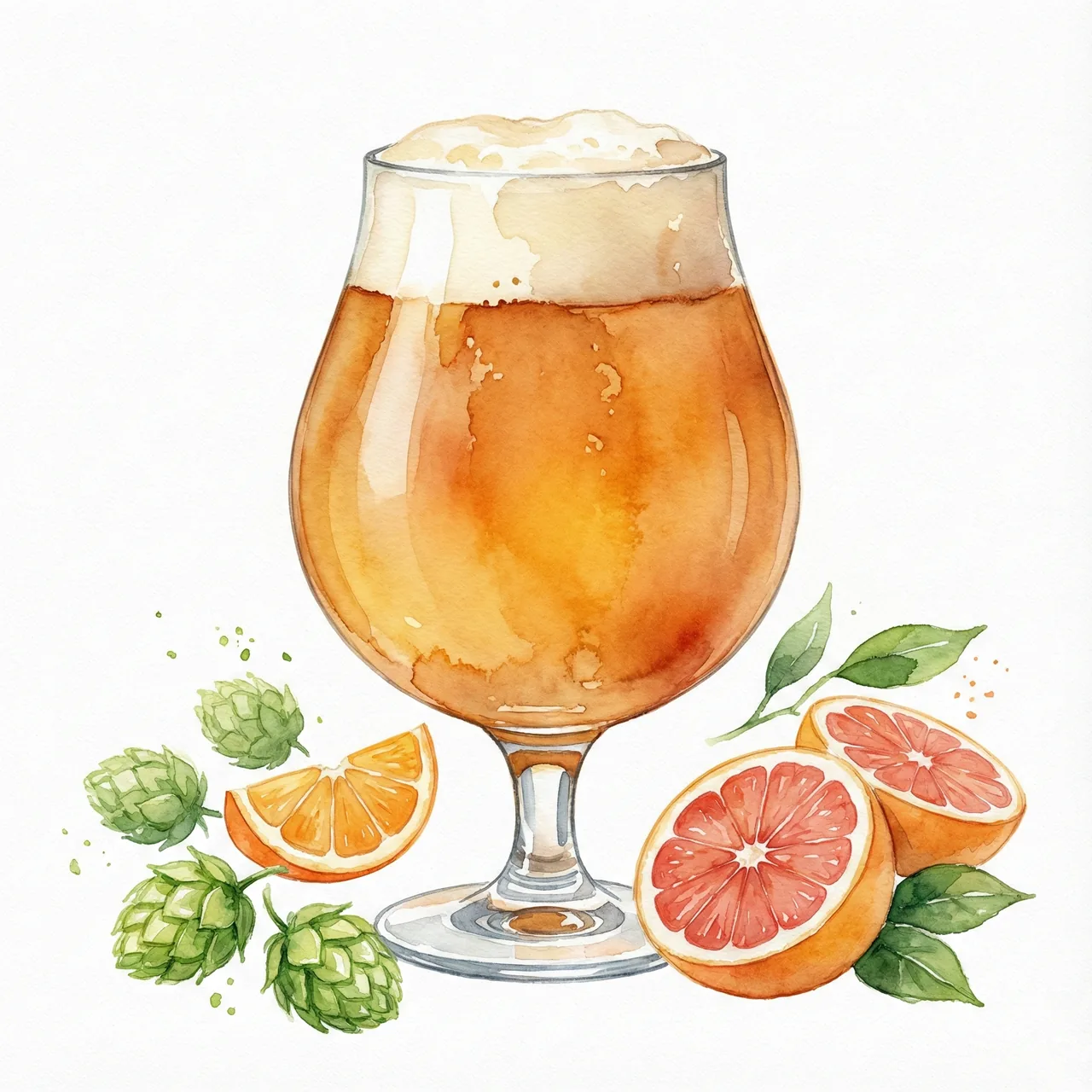
Spiegelau Craft Beer IPA Glasses (Set of 2)
A tulip-shaped craft beer glass by Spiegelau, a German glassmaker with over 500 years of heritage. The inward curve concentrates hop aroma and supports foam retention — making it the single best all-purpose glass for IPAs, Pale Ales, and Stouts alike. Durable enough for everyday use.
View on AmazonGlassware by Style
· IPA & Pale Ale: Tulip glass (traps aromas inside the bowl)
· Weizen: Tall Weizen glass (gives the thick foam room to develop)
· Stout: Pint glass or tulip glass
· Pilsner: Tall, narrow Pilsner glass (showcases the golden color; emphasizes crispness)
If you want just one glass that handles every style, a tulip glass is the unanimous
recommendation.
7. Tasting Notes: We Tried Yoho Brewing's 5-Style Set
Yona Yona Ale is a familiar sight at convenience stores, but we went ahead and ordered the official "5-style
tasting set" from Yoho Brewing's online store to see what the mail-order experience is really like.
The one that surprised us: Indo no Aokuma (IPA)
The first sip landed hard — sharply bitter. But within a few minutes, grapefruit and tropical fruit aromas took
over, and paired with a rich cheese, we couldn't stop. It's the kind of beer that reveals itself over time.
On the other end, "Suiyoubi no Neko" (Wednesday Cat — a Belgian-style white ale) had zero bitterness. It went down
smooth and felt perfect for a relaxed weekend lunch with friends.
The range in a single brand's lineup was genuinely eye-opening. The same brewery, completely different beers.
The 5-style set is the most reliable way to find your "go-to" style — and Yoho Brewing remains
the highest-value, lowest-risk entry point into Japanese craft beer for anyone new to the category.
8. Frequently Asked Questions
How long does craft beer stay fresh?
Most craft beers have a best-before date of 3–6 months from production — shorter than mass-market lagers. IPA in particular is hop-forward and its freshness fades fastest, so drink it sooner rather than later. Check the production date and best-before date on the label or product page before purchasing.
Can I store craft beer at room temperature?
No — refrigerate it.
Many craft beers are unfiltered, meaning live yeast is still present. Leaving them at room temperature can cause
the yeast to continue fermenting inside the bottle or can, altering the flavor and potentially causing overflow
when opened. Store in the refrigerator's vegetable drawer until just before serving.
What food pairings work best with each style?
· IPA: Spicy curry, fried chicken, gyoza (the bitterness cuts through fat brilliantly)
· Pale Ale: Mixed nuts, yakitori, fish and chips
· Stout: Dark chocolate, vanilla ice cream, smoked meats
· Weizen: White fish, soft cheese, fresh fruit
A useful shortcut: match the color of the beer to the color of the food. Dark stout with dark, roasted flavors;
pale Weizen with light, delicate dishes.
As a complete beginner, which style should I start with?
Go for a set that includes Weizen or Pale Ale — ideally both. Neither style is aggressively bitter, and most people who describe themselves as "not beer people" find at least one of the two approachable. Yoho Brewing's 5-style set (around ¥2,500) is the standard recommendation because it covers the full spectrum in one affordable order.
Is Rakuten or the official store cheaper in the long run?
Rakuten during a sale event is best for first purchases. Once you know which brewery you love, the official store's bulk discounts make more sense for regular orders. If freshness and access to limited releases matter, the official store wins outright.
Is there any craft beer for people who genuinely don't like beer?
Yes. Weizen, fruit beers, and White Ale styles have almost no bitterness and a sweetness that surprises many self-described non-beer drinkers. Minoh Beer's "Momo Weizen" (Peach Weizen) uses real peach juice — fruity, light, and completely unbeer-like in the best possible way. It's the most recommended first bottle for someone who has never enjoyed beer before.
9. Final Thoughts: Turn Your Weekend into a Home Beer Hall
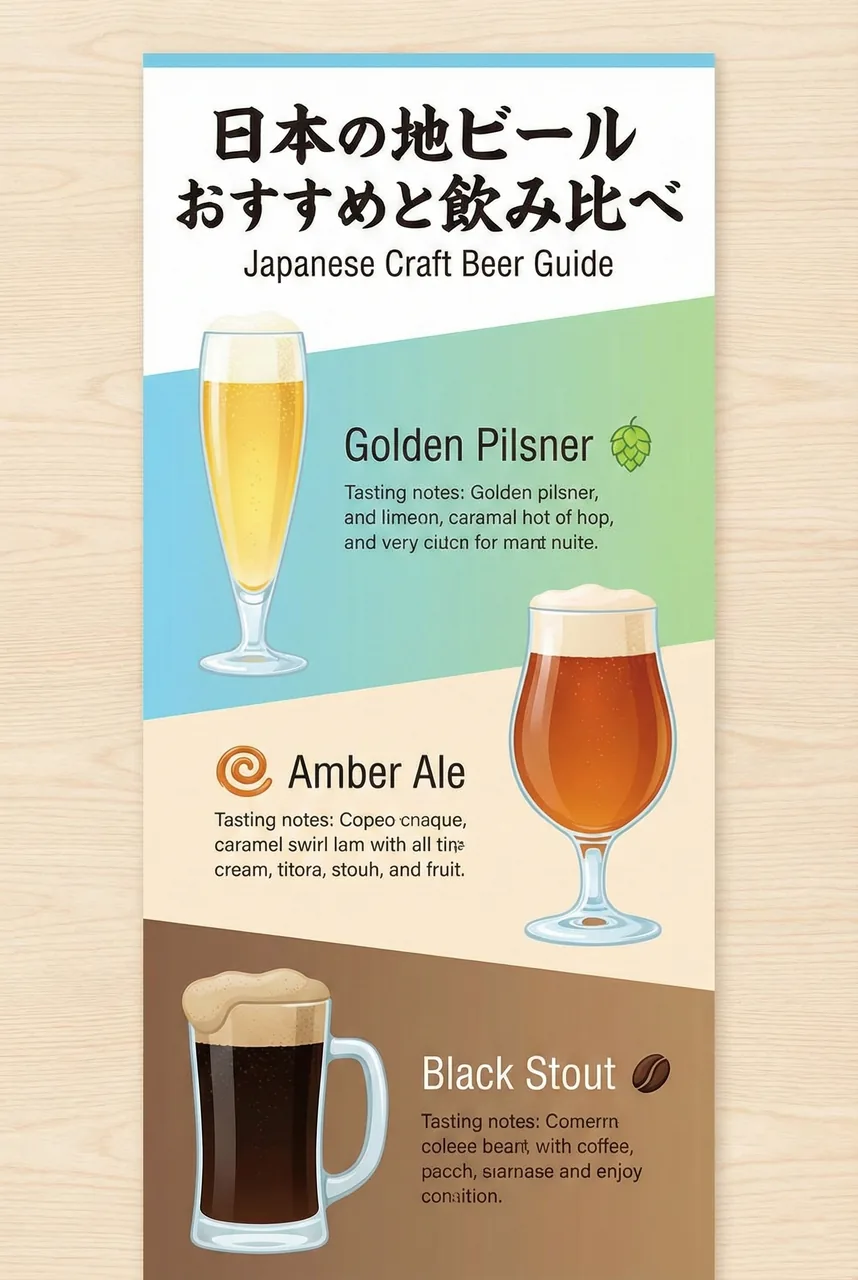
Ordering craft beer online isn't just buying a drink — it's buying the experience of discovering something you
didn't know you'd love.
Three steps to get started:
1. Order a tasting set to find your favorite style
2. Pour it into a glass — never drink from the can
3. Take it out of the fridge 10 minutes early to let the aroma open up
Once you find your favorite, home drinking becomes something genuinely worth looking forward to. This weekend,
try something different — and raise a glass to Japan's incredible brewing scene.

Japanese Sake: Serving Temperature & Drinking Style Guide
Japanese Premium Snacks & Otsumami: What to Pair with Your Drinks