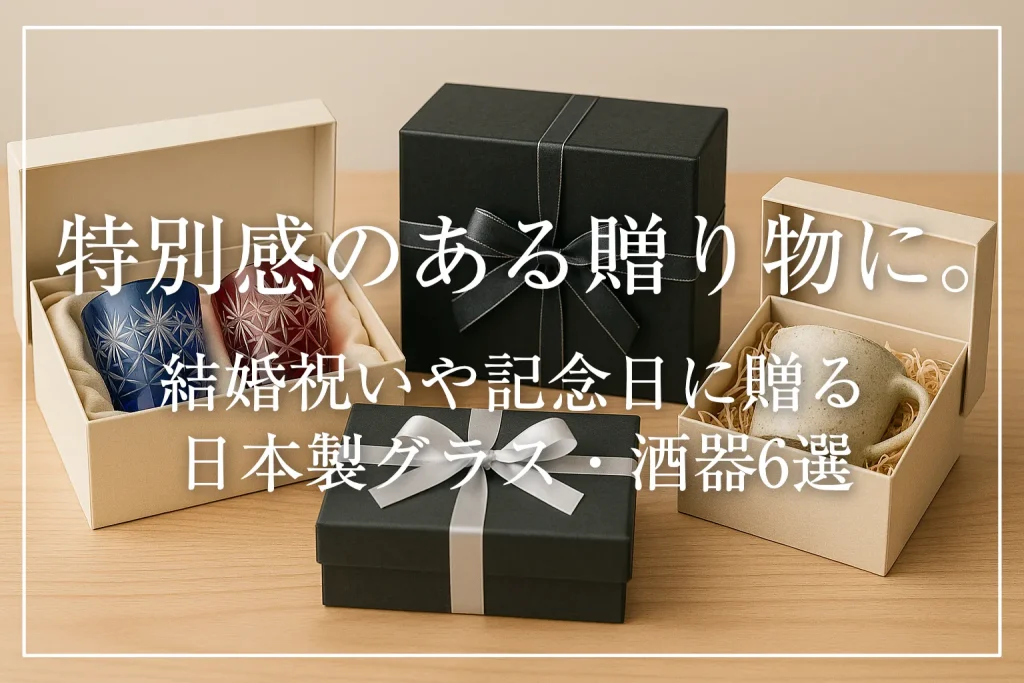
A wedding. A retirement. A 60th birthday. A father's day when you genuinely want to get it right.
Japanese drinkware is the most thoughtful gift category in the world — because every piece carries
a craft story, a regional identity, and often an auspicious meaning built into its design. Tin cups that "won't
break" (symbolizing an unbreakable bond). Mt. Fuji glasses whose base widens like a symbol of ever-growing
prosperity. Kiriko crystal cut by a signed artisan in Tokyo.
This guide cuts through the options and tells you exactly what to buy, for whom, and at what budget.
【Quick Guide】Japanese Drinkware Gifts by Occasion
| Occasion | Recommended type | Budget (USD) | Key point |
|---|---|---|---|
| Wedding | Tin pair cup or Mt. Fuji glass pair | $80 – $180 | Tin = "won't break" = auspicious bond |
| Retirement / 60th birthday | Edo Kiriko rock glass (red) | $130 – $300 | Signed artisan; red = longevity tradition |
| Birthday / Father's Day | Titanium tumbler or usuhari glass | $30 – $150 | Functional upgrade they'd never buy themselves |
| Housewarming | Titanium tumbler or kiriko glass | $60 – $200 | Durable, beautiful, practical from day one |
1. Why Japanese Drinkware Makes a Great Gift
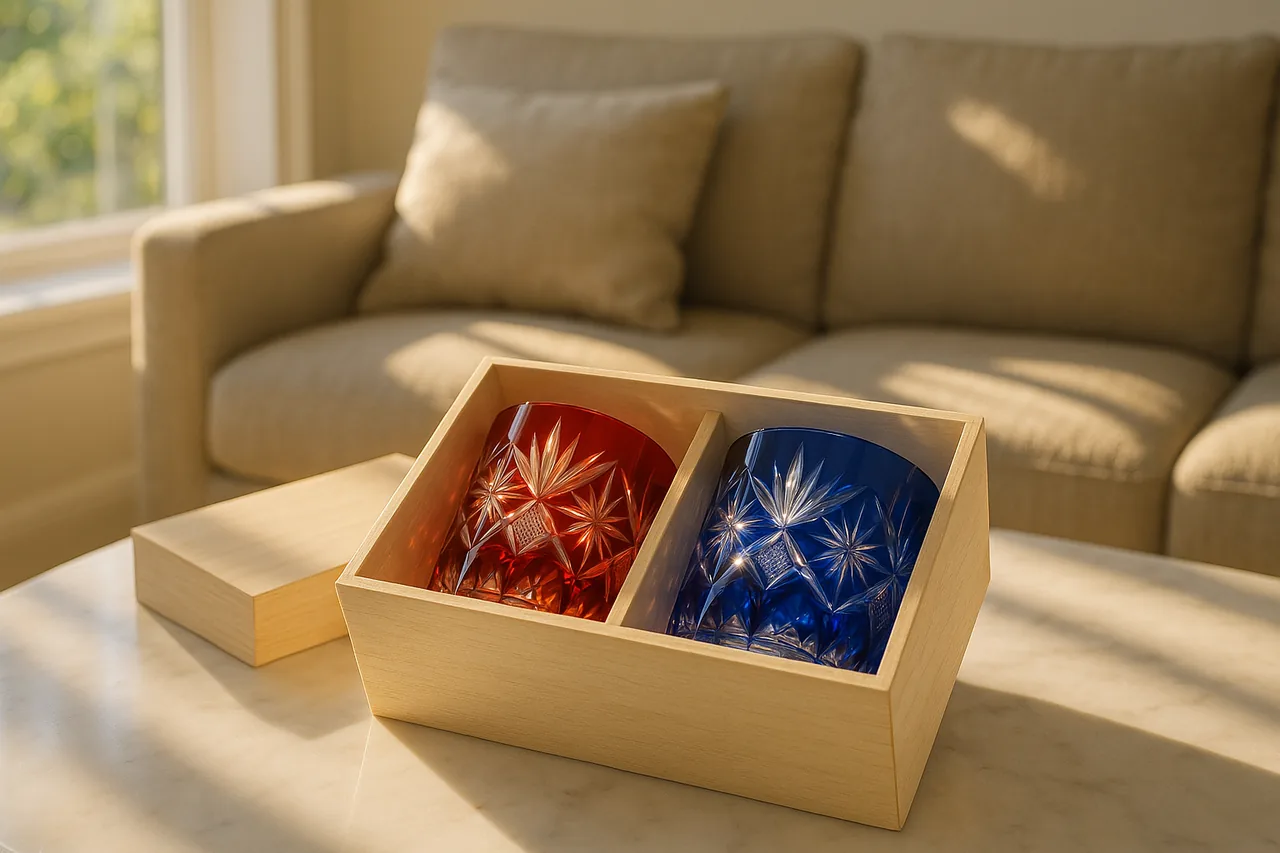
In an era of gift cards and Amazon wishlists, a handcrafted Japanese drinkware piece stands apart for three reasons:
- Craft story — Every serious Japanese drinkware brand has a history: 400 years of metal casting in Takaoka, lightbulb-glass techniques applied to beer glasses in Tokyo, imperial-household crystal from Katsushika. You're not giving a cup — you're giving a story.
- Auspicious meaning — Japanese gifting culture is layered with symbolic meaning. Tin is "bendable but won't break" — perfect for a new couple. The Mt. Fuji base "widens as it rises" — a symbol of growing prosperity. Kiriko's facets "cut open the future." These aren't marketing phrases; they're the actual cultural logic that makes Japanese people give these gifts at milestone moments.
- Daily presence — Unlike a picture frame that gets put away, a great glass or tumbler is used every single day. The person thinks of you every time they reach for their evening drink. That's as good as gifting gets.
2. Gift Etiquette: Budget, the Broken Glass Taboo & Engraving
Research what they drink first
The single biggest gift mistake is buying a beer cup for someone who doesn't drink beer. A quick check — "do they drink beer, sake, wine, or whisky?" — narrows the options dramatically and ensures the piece gets used rather than displayed.
Is giving glassware bad luck?
The old Japanese superstition that "broken things = broken relationships" meant glassware was once avoided as wedding gifts. This belief is now largely obsolete — particularly for kiriko glass, where the word kiriko (切子 = "cut") is reframed as "cutting open a bright future." If you're still concerned, choose tin or titanium (which don't break). A brief card note — "May your future be as brilliant as this glass" — covers any remaining cultural bases.
Budget guidelines
- Friend/colleague birthday: $30 – $80 (usuhari glass, single kiriko tumbler, copper cup)
- Wedding (couple): $80 – $180 (pair sets — tin, kiriko, Mt. Fuji glass)
- Retirement / parent's milestone: $150 – $300 (KAGAMI Crystal, lacquerware sake set)
- Executive / senior recipient: $300+ (KAGAMI premium wood-box set, Wajima lacquer)
Engraving
Many brands offer laser or hand-engraved personalization — particularly KAGAMI Crystal and most titanium tumbler brands. For kiriko, hand engraving by an artisan makes the piece truly one-of-a-kind. Allow 1–3 weeks additional lead time for engraving orders.
3. Wedding Gifts: Tin Pair Cup & Mt. Fuji Glass
NOUSAKU — Tin Beer Cup Pair Set
Japan's most gifted tin cup brand. NOUSAKU has been casting metal in Takaoka, Toyama for over 400 years. Their 100% tin cups are the gold standard for wedding gifts among Japanese people: tin is "the metal that doesn't rust and won't break," symbolizing a bond that endures. The cups are also genuinely functional — tin ions make beer and sake taste measurably smoother.
- Material
- 100% tin (pewter)
- Made in
- Takaoka, Toyama, Japan
- Best for
- Weddings, anniversaries, beer/sake lovers
- Price range
- $80 – $180 pair (USD)
Perfect for: Any couple that enjoys drinking together — the matching pair format is ideal.
Tajima Glass — Mt. Fuji Glass Pair
The glass with a 3D Mt. Fuji in its base — one of Japan's most internationally recognized gift items. Mt. Fuji's wide base is a traditional symbol of stability and growing fortune. The glass changes color with what you pour: golden Fuji for beer, amber for whisky, red for wine or cassis. Genuine Edo Kiriko craftsmanship from a Tokyo artisan workshop.
- Material
- Hand-blown crystal glass
- Made in
- Tokyo, Japan
- Best for
- Weddings, Japan lovers, beer/whisky drinkers
- Price range
- $80 – $150 pair (USD)
Perfect for: Couples who appreciate visual storytelling — this glass is a conversation piece every time it's used.
4. Retirement & Milestone Gifts: Edo Kiriko & Lacquerware
KAGAMI Crystal — Edo Kiriko Rock Glass
The glass used by the Japanese Imperial Household, Japanese embassies worldwide, and the Prime Minister's official residence. KAGAMI Crystal is Japan's first crystal glass specialist (founded 1934). Every piece is signed by the artisan who cut it. For a retirement gift — especially to a senior colleague or parent who enjoys whisky — nothing communicates respect more clearly. The wood gift box is included.
- Material
- Lead-free crystal (hand-cut Edo Kiriko)
- Made in
- Katsushika, Tokyo, Japan
- Best for
- Retirement, 60th–88th birthdays, executive gifts
- Price range
- $130 – $500+ (USD)
Perfect for: Senior recipients, formal occasions where you need a gift that communicates genuine respect.
Wajima Lacquerware — Sake Cup Set
Wajima-nuri lacquerware from Ishikawa Prefecture is built up over dozens of hand-applied coats across months of work — the most labor-intensive lacquer tradition in Japan. The result is a sake cup that weighs almost nothing, transfers no heat to your hand (hot sake stays comfortably holdable), and has a lip softness that ceramic and glass cannot replicate. A long-life symbol in Japanese culture.
- Material
- Wood base, urushi lacquer (multi-coat)
- Made in
- Wajima, Ishikawa, Japan
- Best for
- Sake drinkers, formal occasions, longevity milestones
- Price range
- $80 – $400+ (USD)
Perfect for: Parents, grandparents, and senior Japanese colleagues who appreciate traditional craft.
5. Birthday & Casual Gifts: Titanium Tumbler & Usuhari Glass
HORIE — Titanium Double-Wall Tumbler
The ideal gift for someone who uses a glass every day and hasn't thought to upgrade. HORIE's vacuum double-wall titanium tumbler keeps beer cold for over an hour without condensation on the outside. It's so light you forget you're holding it. The color (produced by titanium oxidation, not paint or coating) is permanent. A gift that will be used every day, for decades.
- Material
- Pure titanium (vacuum double-wall)
- Made in
- Tsubame-Sanjo, Niigata, Japan
- Best for
- Beer, coffee, any cold drink
- Price range
- $80 – $150 (USD)
Perfect for: Beer drinkers, coffee people, anyone who hates wet coasters. Age 25–65.
Shotoku Glass — Usuhari Tumbler (Gift Box)
The most accessible Japanese craft glass upgrade available. At 0.9mm, the rim of a Shotoku usuhari glass is effectively invisible against your lips. Beer tastes sharper and cleaner. The glass is available in a paulownia wood gift box (kirihako) that makes the presentation memorable at any price point. The story — "this was made by lightbulb engineers" — is irresistible to tell.
- Material
- Hand-blown soda-lime glass (0.9mm)
- Made in
- Tokyo, Japan
- Best for
- Beer, sake, water, sparkling drinks
- Price range
- $25 – $55 (USD per glass or pair)
Perfect for: Beer and sake lovers; an impressive gift at a modest price point.
6. Frequently Asked Questions (FAQ)
Is it really bad luck to give glassware as a gift in Japan?
This is an old superstition that modern Japanese people mostly don't observe — particularly for kiriko cut glass, which carries the opposite meaning: "kiriko = cut open a bright future." If you're giving to a traditional Japanese family, opt for tin or titanium (which can't break). For most people, especially outside Japan, broken glass superstitions are irrelevant. A brief handwritten note with a positive sentiment handles the rest.
Can I get Japanese drinkware engraved with a name or date?
Yes — most serious brands offer engraving. KAGAMI Crystal offers artisan hand-engraving (allow 2–3 weeks). HORIE and SUSgallery titanium tumblers can be laser-engraved; check the product listing or contact the seller. Tin cups from NOUSAKU can also be engraved through specialty Japanese craft retailers. For kiriko glass, engraving must be on an uncut surface area — check with the seller before ordering.
What if the person doesn't drink alcohol?
Japanese drinkware works beautifully for non-alcoholic drinks. Usuhari glass is perfect for sparkling water, cold brew coffee, or juice. HORIE titanium works for hot tea or coffee (and keeps it warm for hours). The Mt. Fuji Tajima glass is a display piece as much as a functional one. Edo Kiriko is often used decoratively on shelves. None of these require alcohol to be meaningful.
Will the price tag be included? Can I request gift wrapping?
Most Japanese craft brands on Amazon.com and their own sites offer gift options — no price invoice inside, and packaging appropriate for gifting. When buying directly from Japanese retailers (which often have better selection), specify "gift wrapping" (のし・ラッピング対応) at checkout. Most reputable shops accommodate this.
Is a pair set always better than a single piece for weddings?
For Japanese weddings, yes — pair sets (a matched two-piece) are the conventional format and carry cultural weight. For Western weddings or international recipients, a single premium piece (like a signed KAGAMI Crystal tumbler in a wood box) can be even more impressive than a pair. Consider the recipient's culture and how they'll use the gift.
What's the most versatile Japanese drinkware gift if I don't know what they drink?
A HORIE titanium double-wall tumbler. It works for hot coffee, cold beer, iced tea, water — any temperature, any drink. It won't break. It won't tarnish. It doesn't require special care. It comes in beautiful colors. And the Tsubame-Sanjo craftsmanship story is compelling to anyone. If you know nothing about the recipient's drink preferences, this is the safe and impressive choice.
Explore More
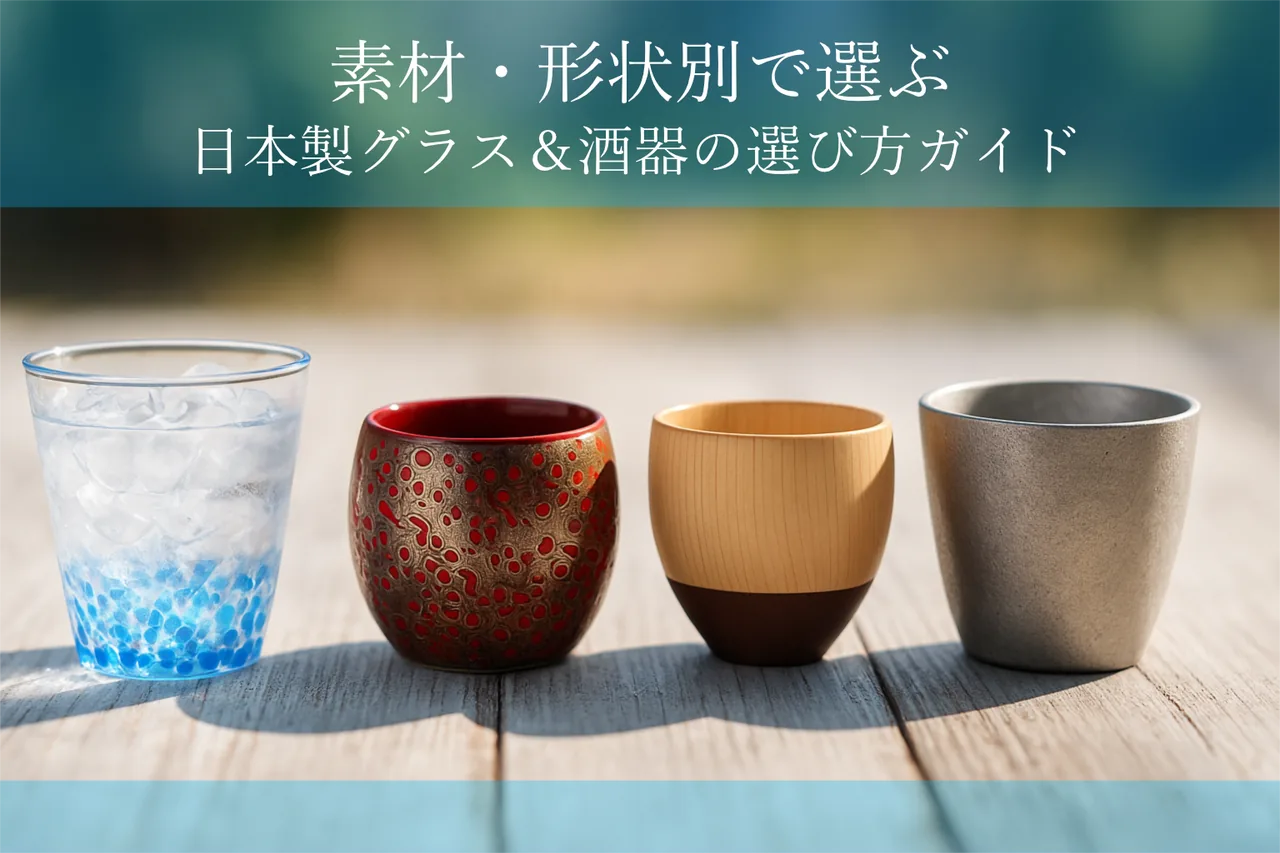
Best Japanese Drinkware: Top 10 Picks for Beer, Sake & Whisky
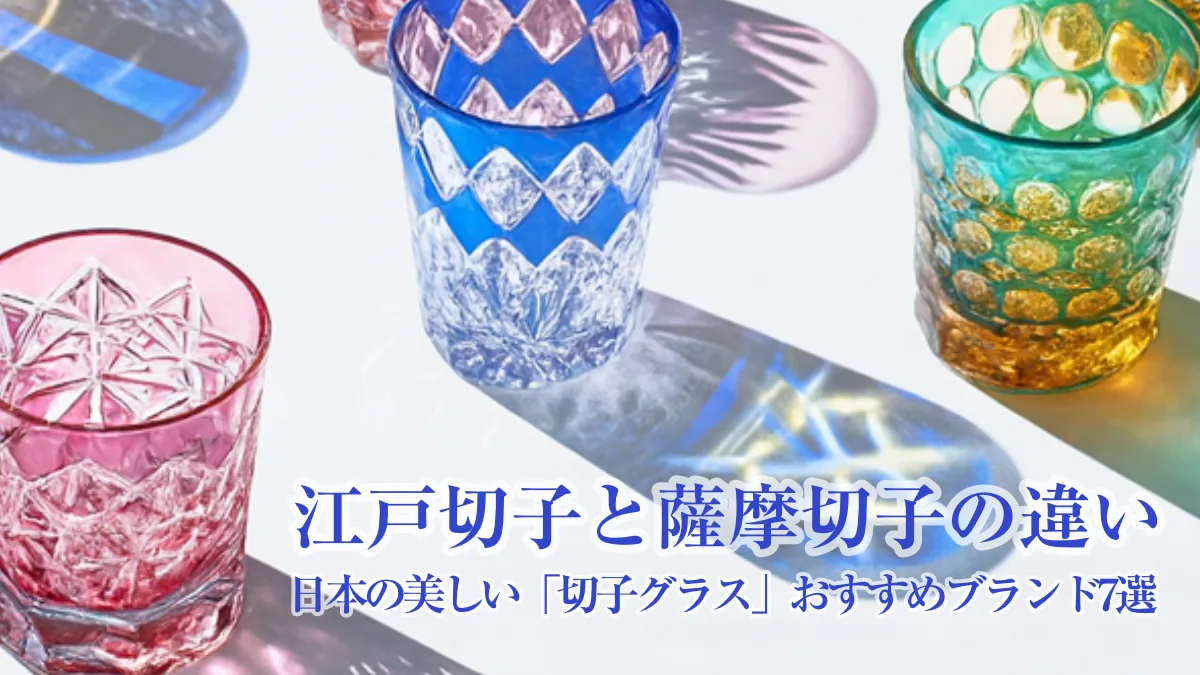
Edo Kiriko vs Satsuma Kiriko: Japan's Most Beautiful Cut Glass