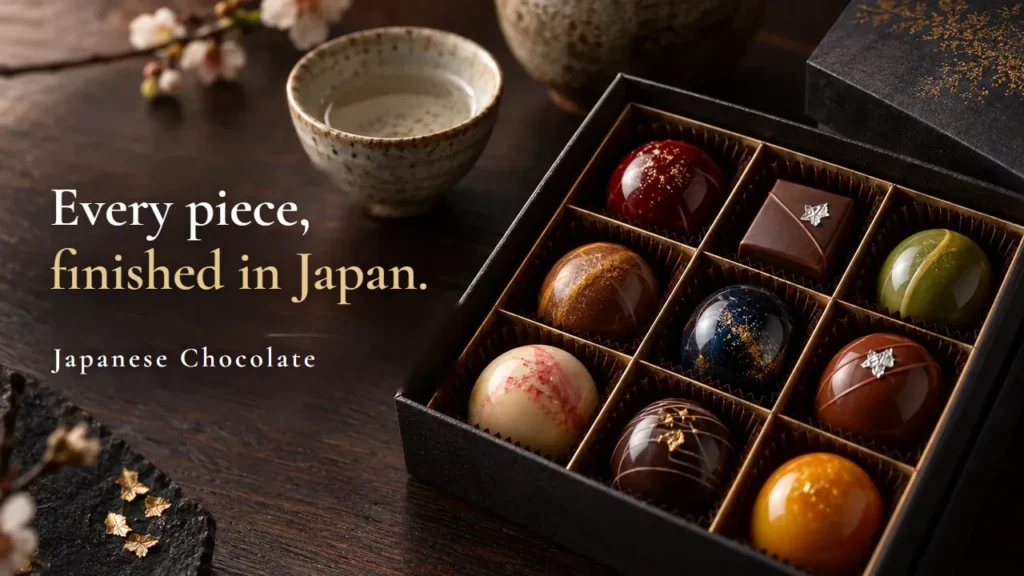
Can you give chocolate made in Japan for Valentine's Day? Yes — and some Japanese chocolatiers roast their own cacao beans.
Cacao grows in hot countries near the equator. But choosing those beans, roasting them, working in Japanese sake, and finishing each piece with Hokkaido cream or Okinawan brown sugar — that is done by Japanese makers.
This guide introduces five Japanese chocolates: Palet d'Or's bonbons filled with as much Dassai sake as the ganache can hold, the flower-named bonbons of a chocolatier in Izumo, and Royce' nama chocolate from Hokkaido and Ishigaki. It also explains how Valentine's Day works in Japan, how to store these chocolates, and which ones you can order outside Japan.
Quick Reference: 5 Japanese Chocolates at a Glance
| Chocolate | Maker | Japanese ingredient | For someone who… | From abroad |
|---|---|---|---|---|
| Dassai Chocolat ▾ | Palet d'Or (Osaka, Tokyo, Yamanashi) | Dassai Nigiri Sanbu sake, sake lees | loves sake | Japan only |
| Miyagi Sake Tasting Chocolat ▾ | Palet d'Or | Sake from Miyagi breweries | enjoys comparing | Japan only |
| Grand Chenon bonbons ▾ | Grand Chenon (Izumo, Shimane) | Yuzu and other fruit purées | loves beautiful things | Japan only |
| Royce' Nama Chocolate "Au Lait" ▾ | Royce' (Tobetsu, Hokkaido) | Hokkaido fresh cream | loves a soft melt | Amazon.com / Royce' USA |
| Royce' Ishigaki brown-sugar nama ▾ | Royce' Ishigakijima | Okinawan brown sugar, Minamidaito rum | wants something different | Japan only |
Click a name to jump to that chocolate.
1. Why Japanese: The Cacao Crosses the Sea, the Piece Is Finished in Japan
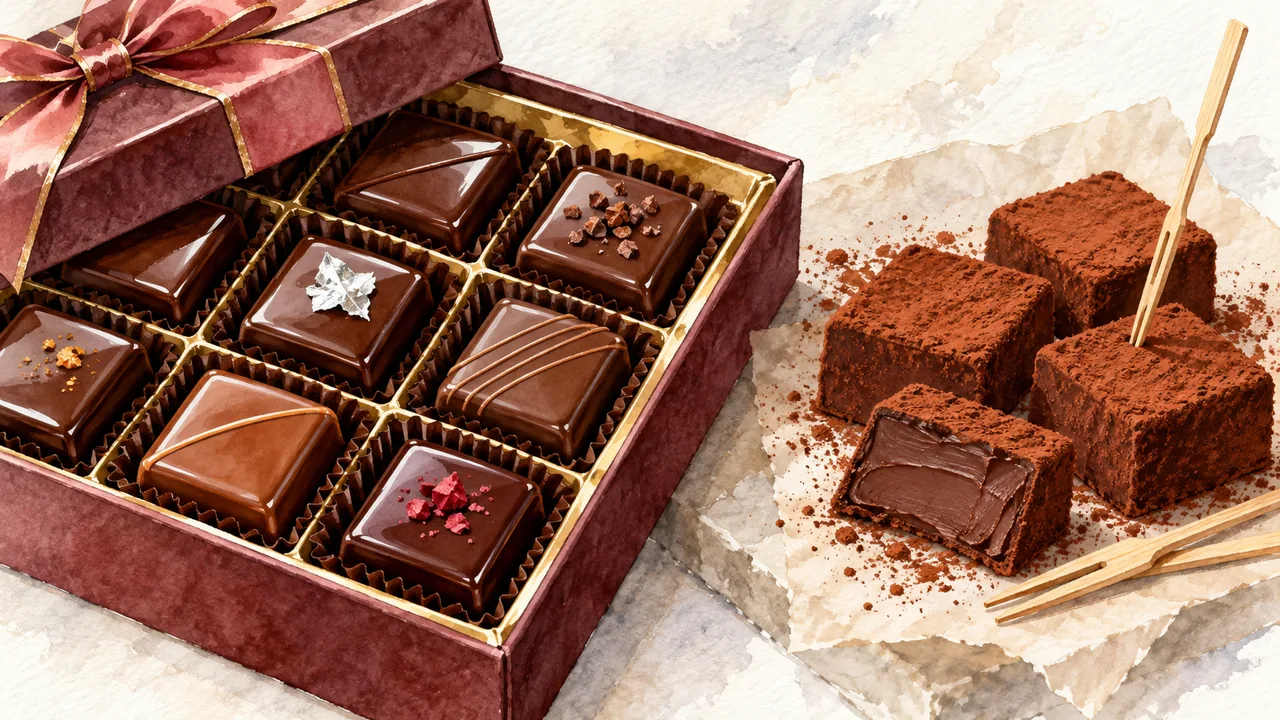
Cacao from around the world, ingredients from Japan
The cacao behind any chocolate grows in hot countries close to the equator. Japanese makers search the world's cacao for the beans and ingredients they want, and finish each piece in their own workshops. Royce', in Hokkaido, says it sources cacao, liqueurs and nuts from around the world.
What they add is Japanese: sake brewed from rice polished down to 23%, Hokkaido fresh cream, Okinawan brown sugar. The cacao crosses the sea, but the taste of each piece is decided by how a Japanese maker chooses and finishes it.
2. How Valentine's Day Works in Japan
In Japan, Valentine's Day has traditionally been the day women give chocolate — to partners, to friends, to colleagues. A month later, on White Day (March 14), the gift is returned. In the weeks before February 14, department stores fill whole floors with chocolatiers, and Japanese makers release their most ambitious boxes of the year.
That is why so many Japanese chocolates come in small, beautifully packed boxes of six or twenty, made to be given. Today the custom is looser — many people simply buy something special for themselves — but the boxes are still made with giving in mind.
3. Palet d'Or: From Roasting Cacao to Dassai
A chocolatier who selects and roasts the beans
Chocolatier Palet d'Or was founded in 2004 by chef Shunsuke Saegusa. It is known as a pioneer of "bean to bar" in Japan, handling everything from selecting and roasting cacao beans to making the chocolate.
In Kiyosato, Yamanashi, it runs a workshop that makes chocolate from cacao beans on a scale of about 10 tons a year — and a chocolatier making its own chocolate from the bean is described as rare even worldwide.
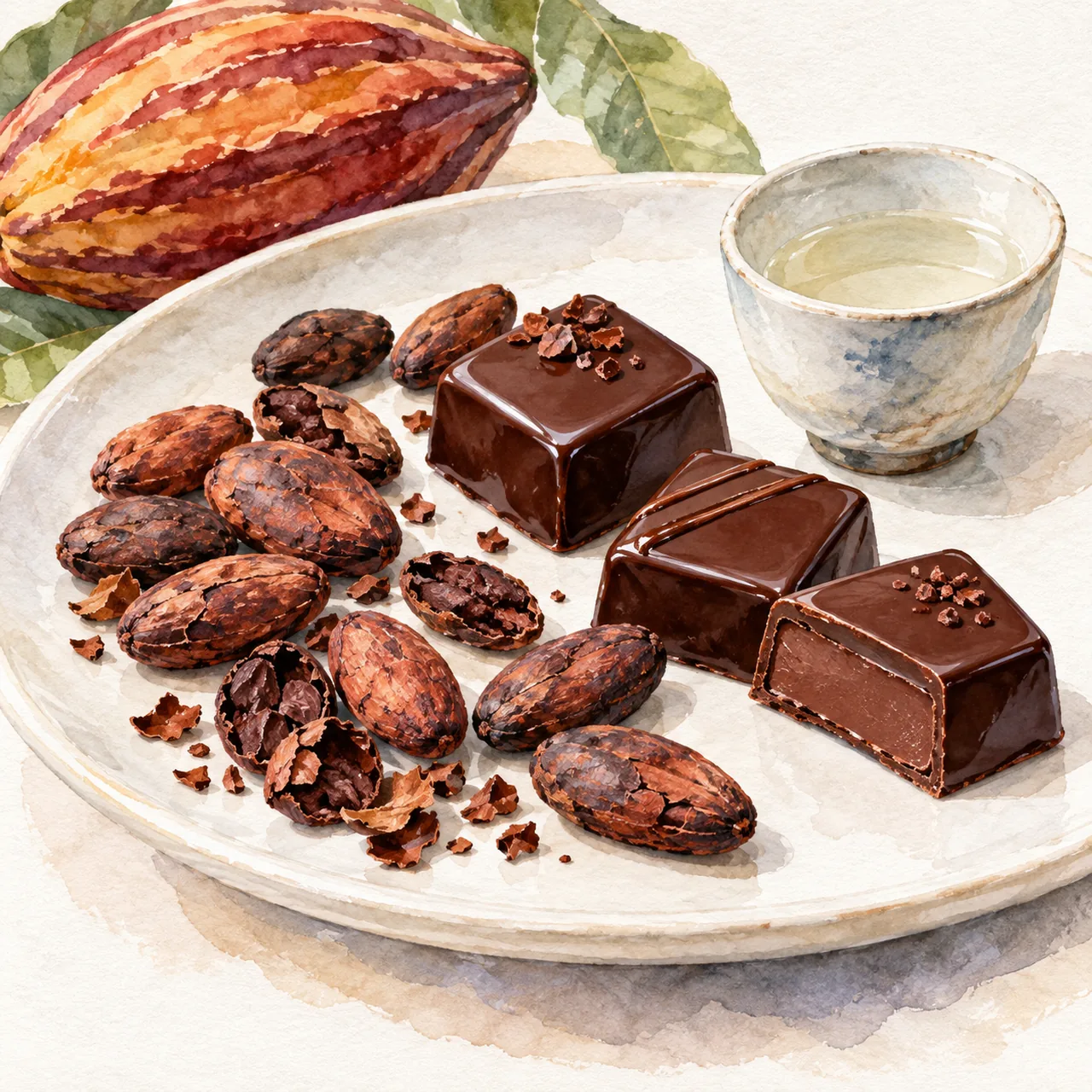
Why "Nigiri Sanbu" (23%) matters
The sake in Dassai Chocolat is Dassai "Nigiri Sanbu" — "two-tenths and three-hundredths," meaning a rice polishing ratio of 23%. About 77% of each grain of rice is polished away, and only the center 23% is used to brew it. It is one of the most highly polished sakes made.
Palet d'Or works it into the ganache up to the limit of what chocolate can hold.
Palet d'Or Dassai Chocolat (6 pieces)
A milk bonbon that lifts the sake's aroma, and a bitter one that layers its acidity with cacao. The milk version uses coarse salt to bring the ginjo aroma forward; the bitter version pairs the sake's acidity with cacao's bitterness. The ingredients include sake and sake lees.
For someone who loves Japanese sake. Sold in Japan only.
Palet d'Or Miyagi Sake Tasting Chocolat (6 pieces)
Sake from breweries in Miyagi, made into bonbons. Sakes such as a tokubetsu honjozo brewed by Nanbu toji brewmasters are blended with sake lees into the ganache — six pieces to taste side by side, the way you might compare sakes in a flight.
Sold in Japan only.
4. Grand Chenon: Izumo's Flower-Named Bonbons
A patisserie and a florist under one roof
Grand Chenon in Izumo, Shimane, is a patisserie and a flower shop in one. According to the shop, its bonbons are made by a chocolatier who has twice won first place in the chocolate division of Japan's national confectionery competition.
Each piece is named after a flower — "Mimosa," "Nemophila" — fitting for chocolates made under the same roof as a florist. They are small, bright and jewel-like.
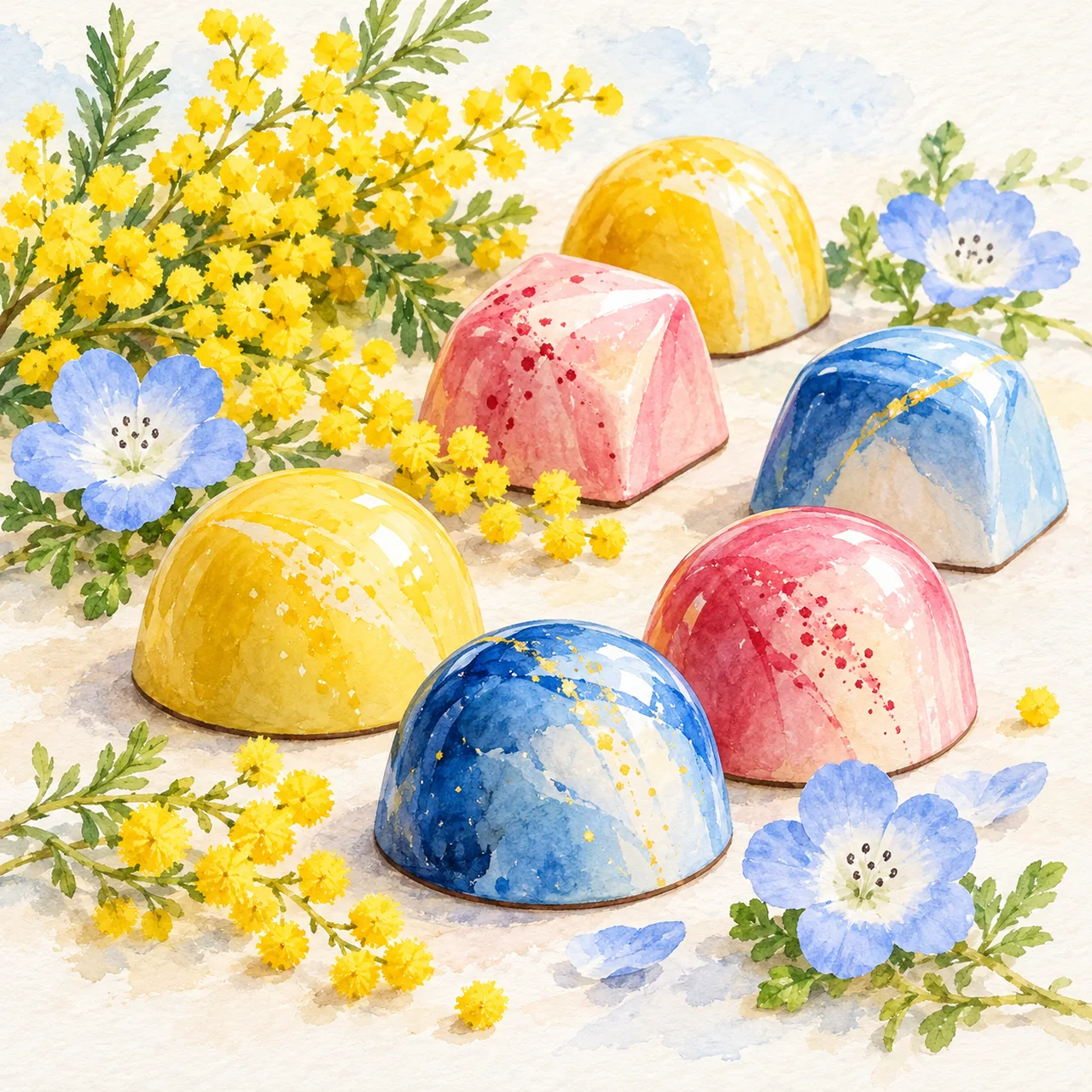
Grand Chenon Bonbons Chocolat
Bonbons that look as good as they taste. Each piece is different — "Belle Fille" pairs pistachio and raspberry — and the fillings use purées of yuzu, passion fruit and mango. Sets of 4, 6 or 8.
Store below 15°C (59°F), away from sunlight. Sold in Japan only.
5. Royce': Hokkaido Nama Chocolate and Ishigaki Brown Sugar
"What if you could eat just the soft center?"
Royce' was founded in Sapporo in 1983, out of a wish to "make chocolate in Hokkaido as good as the European originals." Its factory today is in Tobetsu, Hokkaido, where summers are cool and dry.
Its signature nama ("fresh") chocolate started from a simple idea: pralines and truffles hide a soft ganache inside a chocolate shell — what if you could eat just that soft center? After many trials, Royce' began selling nama chocolate year-round in 1995.
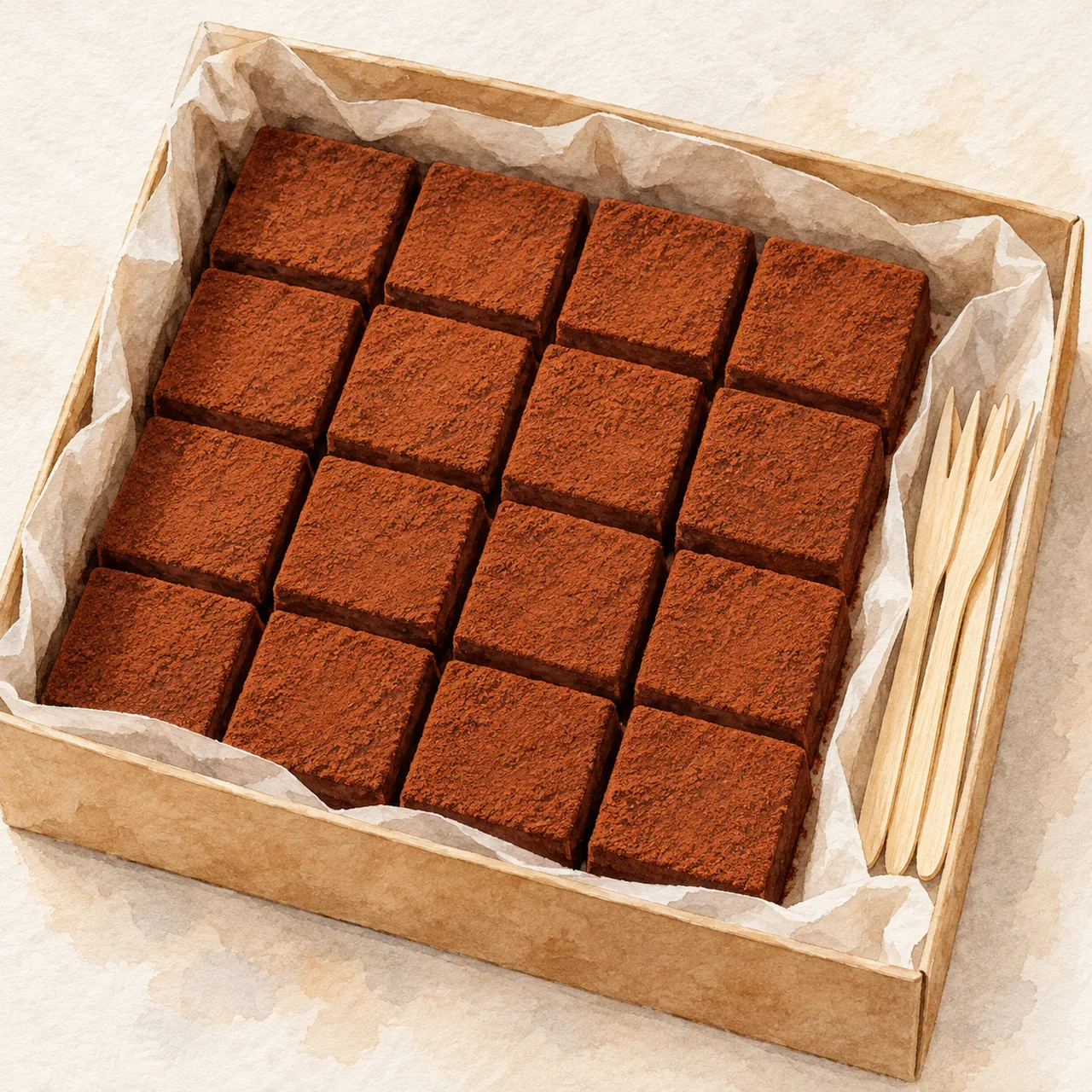
Why nama chocolate is so soft: 17–18% moisture
An ordinary chocolate bar contains 3% moisture or less, which is why it snaps. Royce' nama chocolate is made with plenty of Hokkaido fresh cream, and its moisture — cream, liqueur and so on — is 17–18% of the whole. That is where the silky, fork-soft texture comes from, and why it must be kept cold.
ROYCE' Nama Chocolate "Au Lait"
Royce's classic nama chocolate. Milk chocolate and Hokkaido fresh cream, finished with a touch of liqueur — mild, sweet and melting. 20 pieces.
Keep it in the refrigerator (below 10°C / 50°F). In Japan the best-before is one month.
ROYCE' Nama Chocolate "Au Lait"
Loading product details…
ROYCE' Nama Chocolate "Matcha"
The same nama chocolate, lightly infused with matcha. For a Valentine's gift with an unmistakably Japanese flavor that you can order outside Japan.
ROYCE' Nama Chocolate "Matcha"
Loading product details…
Royce' Ishigakijima Nama Chocolate "Kokuto" (brown sugar)
Hokkaido's Royce', made with ingredients from Okinawa. Chocolate blended with Okinawan brown sugar (kokuto), finished with COR COR Agricole, a rare rum distilled on Minamidaito Island. The rich brown-sugar flavor and the rum's aroma layer together.
20 pieces — ingredients from both ends of Japan in one box. Sold in Japan.
6. Choosing, and Storing Them When They Arrive
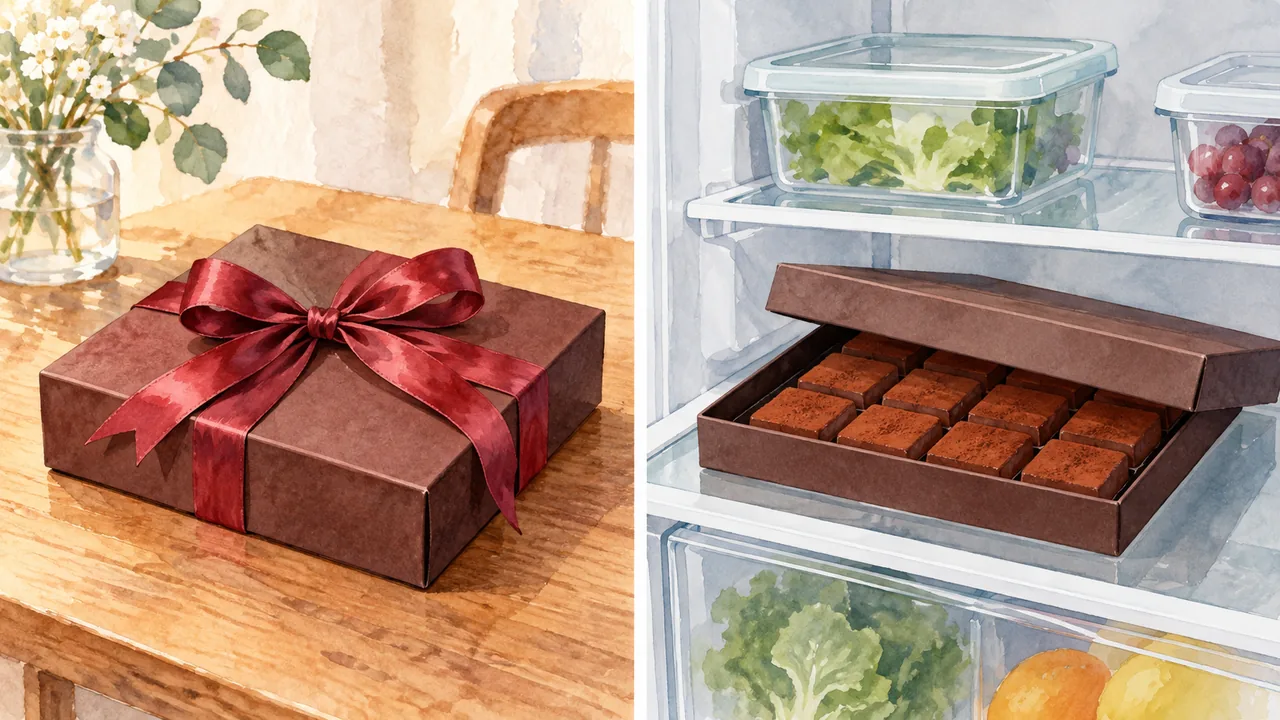
Choose by what they love
For a sake lover, Palet d'Or's Dassai or Miyagi sake chocolates. To delight someone with beauty, Grand Chenon's flower-named bonbons. For someone who loves a soft melt, Royce' nama chocolate. For something different, Royce' Ishigaki's brown sugar and rum.
Alcohol, and chocolates that need the fridge
Several of these chocolates contain sake, liqueur or rum. If you are giving to someone who avoids alcohol, to children, or to someone who will be driving, check the ingredients.
Royce' nama chocolate is stored in the refrigerator (below 10°C / 50°F); Grand Chenon's bonbons below 15°C (59°F), out of the sun. Royce' USA also reminds customers that nama chocolate is temperature-sensitive and should go into the fridge soon after delivery.
7. Buying From Outside Japan
Royce' is the one you can order abroad. Its nama chocolate is listed on Amazon.com, and ROYCE' USA runs an official online store whose product pages say "Product of Japan." It ships within the continental US; Royce' also has shops in several other countries.
Palet d'Or, Grand Chenon and Royce' Ishigaki sell in Japan. We could not find an English-language store that ships them abroad. If you will be in Japan before Valentine's Day, look for them at department stores and the makers' own shops.
Order early, and watch the weather. Chocolate — nama chocolate above all — is sensitive to heat. Choose fast, chilled shipping where it is offered, and get it into the fridge as soon as it arrives.
8. Frequently Asked Questions
If chocolate is made in Japan, is the cacao imported?
Yes — cacao grows in hot countries near the equator. Japanese makers choose beans and ingredients from around the world and roast or finish them in their own workshops. Palet d'Or selects and roasts its own cacao beans.
Does Dassai Chocolat contain alcohol?
Yes. The ingredients include sake and sake lees. It is not suitable for people avoiding alcohol, children, or anyone who will be driving.
How should I store nama chocolate?
In the refrigerator, below 10°C (50°F). In Japan, Royce' nama chocolate has a one-month best-before and is shipped with at least 21 days remaining.
Why is nama chocolate so soft?
It contains much more moisture. Royce' nama chocolate is 17–18% moisture from fresh cream and liqueur; an ordinary chocolate bar is 3% or less.
Who gives chocolate on Valentine's Day in Japan?
Traditionally, women give chocolate, and on White Day, March 14, the gift is returned. Today many people also buy special chocolate for themselves or for friends.
Which Japanese chocolate uses the most Japanese ingredients?
Palet d'Or's sake chocolates and Royce' Ishigaki's brown-sugar nama chocolate. The first uses Dassai and Miyagi sake; the second, Okinawan brown sugar and rum from Minamidaito Island. Royce' nama chocolate uses Hokkaido fresh cream.
Final Thoughts: Japanese Chocolate for This Valentine's Day
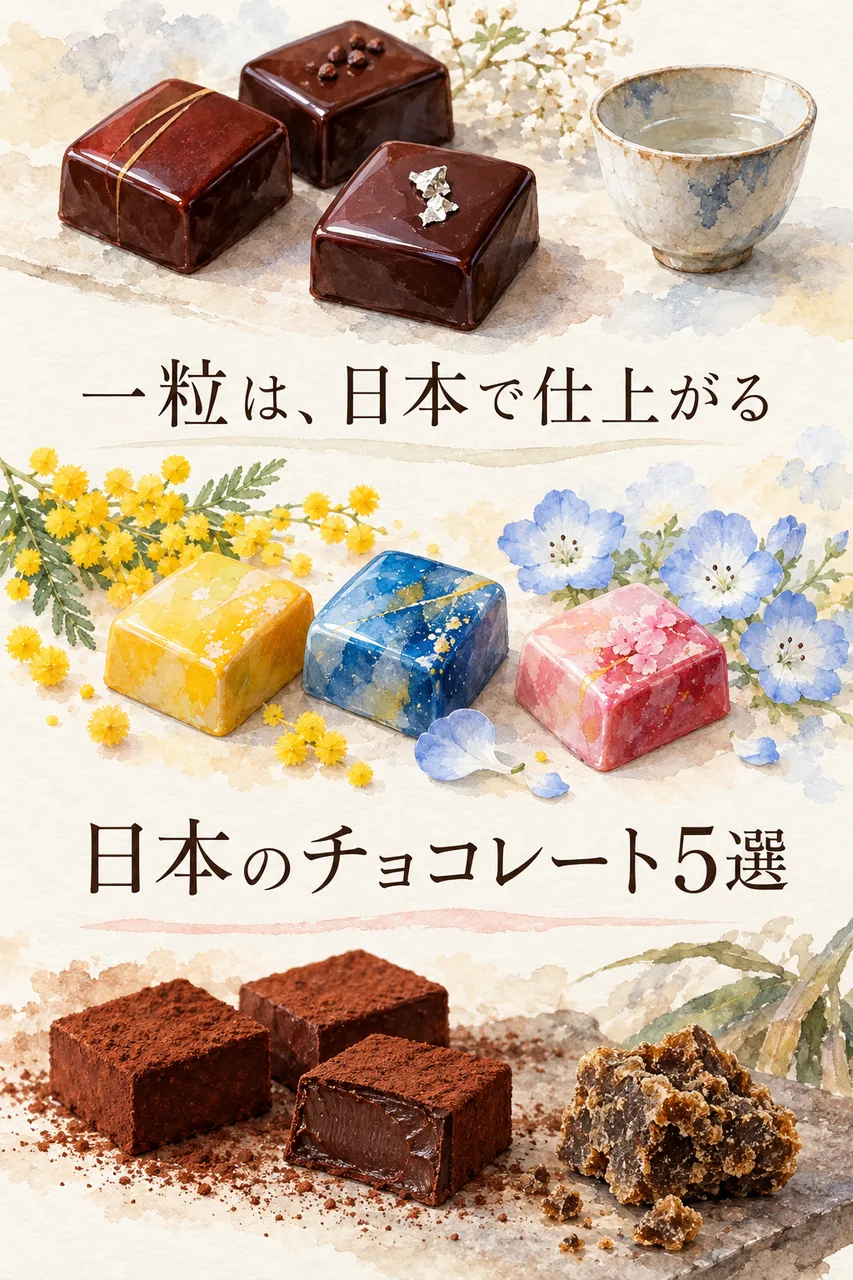
The cacao crosses the sea. But the taste of each piece is decided by a Japanese maker.
Palet d'Or, which roasts its own beans and works in Dassai up to the limit. A patisserie-and-florist in Izumo, with its flower-named bonbons. Royce', with Hokkaido-cream nama chocolate and Okinawan brown sugar and rum from Ishigaki. All finished with Japanese ingredients, by Japanese hands.
If you are outside Japan, Royce' is the one you can order. Think of what they love — and this Valentine's Day, choose Japanese chocolate.
Matcha Sweets by Mail: Terrine, Daifuku & Ice Cream from Kyoto
Konpeito and Wasanbon: Two Weeks to Make a Sweet